


Pricing and availability
We compare 600+ stores and found this item at 7 stores. Prices updated .
Store
Reviews
Price








Average Price: $1,517
High-end/Boutique
$499
$1500+
Price Tier
Budget
Standard
High-end
Price History
Based on price data from 5 merchants for "Royer R-121". Prices shown reflect NEW condition. Tracking began Apr 2, 2026.
* Product prices and availability are updated by Equipboard every 24hrs and are subject to change. Equipboard may receive compensation for purchases made at participating retailers linked on this site. This compensation does not affect what products or prices are displayed, or the order of prices listed. For more information, please refer to our affiliate disclosure.
Description
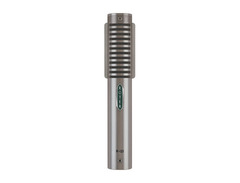
Introducing the Royer R-121 Ribbon Microphone, a top-notch studio recording gear that brings a new dimension to your musical journey. This microphone is lauded for its superior directional characteristic: Figure 8 pattern, ensuring optimal audio capture from both the front and back of the microphone. The R-121 is known for its extremely low inherent noise, offering clean and crisp audio output, making it a popular choice among professionals.
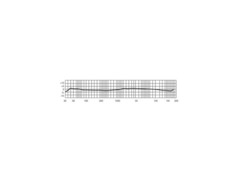
One of the standout features of the R-121 is its ribbon element that is insensitive to heat and moisture, ensuring longevity and reliability. This microphone is ideal for capturing the subtle nuances of guitar recordings, wind instruments, overheads, and string instruments, offering a wide frequency range from 30 Hz - 15 kHz +/- 3 dB.
With a sensitivity of -54 dBv re. 1 V/pa +/- 1 dB and output impedance of 300 Ohm @ 1 k (nominal), this microphone is capable of handling maximum SPL: > 135 dB, making it a versatile tool for various recording scenarios. Packaged in a nickel finish and complete with a wooden box and protective cover, the R-121 is not just a microphone, it’s an investment in your musical aspirations.
Key Features:
- Directional characteristic: Figure 8
- Extremely low inherent noise
- Ribbon element insensitive to heat and moisture
- Ideal for guitar recordings, wind instruments, overheads and string instruments
- Frequency range: 30 Hz - 15 kHz +/- 3 dB
- Sensitivity: -54 dBv re. 1 V/pa +/- 1 dB
- Output impedance: 300 Ohm @ 1 k (nominal)
- Maximum SPL: > 135 dB
- Colour: Nickel
- Includes wooden box and protective cover
Product specs
| Microphone Type | Ribbon |
| Ribbon Type | 2.5-micron Aluminum |
| Mono/Stereo | Mono |
| Polar Pattern | Figure-8 |
| Frequency Response | 30Hz-15kHz |
| Max SPL | 135dB (20Hz) |
| Output Impedance | 300 ohms |
| Connector | XLR |
| Dimensions | 6.13" x 1" |
| Weight | 0.54 lbs. |
| Included Accessories | Wooden Case |
FAQs
-
What is the primary use of the Royer R-121 Ribbon Microphone?
-
The Royer R-121 is ideal for recording electric guitar amps, brass instruments like trumpets, and drums, especially in high SPL environments, due to its robust build and natural sound reproduction.
-
Does the Royer R-121 require phantom power?
-
No, the Royer R-121 is a passive ribbon microphone and does not require phantom power. It is safe to use on consoles with phantom power, provided the cabling is correctly wired.
-
What is the polar pattern of the Royer R-121?
-
The Royer R-121 features a figure-8 polar pattern, capturing sound equally from the front and back while rejecting sound from the sides, making it suitable for various recording environments.
-
How durable is the Royer R-121 for high SPL applications?
-
The Royer R-121 can handle high sound pressure levels up to 135dB, making it suitable for loud sources like guitar amplifiers and brass instruments without distortion.
-
What is the frequency response range of the Royer R-121?
-
The Royer R-121 has a frequency response range of 30Hz to 15kHz, providing a balanced and natural sound ideal for a wide range of recording applications.
Videos

Daniel Hong
Ribbon mic vs Condenser Mic I Royer 121 vs Neumann U87
Ribbon mic vs Condenser Mic I Royer 121 vs Neumann U87
Daniel Hong
Royer R-121 Ribbon Microphone | Reverb Demo Video

Reverb
Royer R-121 Ribbon Microphone Overview - Sweetwater

Sweetwater
Royer R 121 and Shure SM 57 Microphone Placement Demo Video by Shawn Tubbs

Shawn Tubbs
Ribbon Mic Shootout: AEA N22 vs Royer R-121 on Guitar, Drums and Drum Room

Creative Sound Lab
Getting the Most out of Your Royer R-121 Ribbon Microphone
Sweetwater
Royer R121 Ribbon Microphone Review

Guitar Center

Royer R121 on vocals with Anthony Aparo of Culture Culture

Lance Seymour
Royer R121 Ribbon Microphone Overview - Sweetwater Sound
Sweetwater
Reviews
PROS
-
Excels with loud guitar cabinets and horns, versatile on various instruments
-
Adds unique character and color, especially for vocals and guitars
-
Pairs well with high impedance preamps for optimal sound quality
-
Can sound significantly different and versatile when used from different angles
-
Complements other microphones like SM57 for a fuller sound
-
High-quality, rich, and warm sound production
-
Durable, suitable for both studio and live applications
-
Ribbon replacement service available for free the first time
-
Captures warmth and clarity across all frequencies immaculately
-
Less gain required compared to some dynamic mics, like the SM57
CONS
-
Requires careful mic placement to avoid bad sound quality
-
Needs a good amount of gain, common with ribbon mics
-
Performance varies significantly with mic preamp quality
-
May not be the best choice for vocal recordings without precaution
Owner Insights
We analyzed real musician discussions from forums and Reddit to find what players love, question, and tweak about Royer R-121.
Comparisons
Use cases and applications
-
Owners often pair the R121 with an SM57 on guitar cabs, placing the R121 on-axis at the cone's center and the SM57 towards the cone's edge for balance.
Source -
The R121 is favored for its "plug and play" capability, often requiring minimal EQ adjustments post-recording for a natural sound.
Source -
The Royer R-121 is appreciated for its hyperrealistic tone and unique low mid bump, making it ideal for capturing depth in guitar recordings.
Source -
The 57x121 mic combo is noted for creating a "Nashville sound," but may not suit all stylistic preferences, particularly for those not recording high gain guitars.
Source -
Using the R-121 backwards on a guitar cab (logo facing out) can reduce low-end buildup and emphasize mids/highs, useful for distorted guitars.
Source
User experience
-
Many report the R121 captures guitar "weight" without woolliness, ideal for low-tuned, high-gain setups, resembling a HUM/Failure sound.
Source -
Owners often favor a ribbon-dominant mix, with the SM57 being -20 to -8 dB quieter, and typically adjust phase to enhance the blend.
Source -
It's recommended to position the R-121 slightly further back than a paired SM57 to experiment with distance for optimal sound capture.
Source
Features and functionality
-
The SE VR2 is noted for its bright, smooth top end, contrasting the R121's mellower high frequencies, yet both excel in capturing low-mid range richness.
Source -
The Royer R-121 as a figure-8 microphone captures both front and rear sound, offering a depth effect that distinguishes it from other flat frequency response mics.
Source -
The R-121's max SPL is 135 dB, making it capable of handling most guitar cabs without risk of ribbon damage.
Source
Value and pricing
-
Renting the R121 before purchase is recommended, allowing potential owners to compare it with cheaper ribbons like the MXL R144 or the SE VR2.
Source
5.0 out of 5
Based on 5 Reviews and 13 Ratings

606
The Rolls Royce of Ribbon Microphones
In a true class of its own! This Ribbon Mic is perfect for both Studio and Live applications. The purest of tonalities that captures the exact sound of whatever its put in front of just as your ears hear it. It projects the warmth and clarity across the whole range of frequencies in the most immaculate manner.

5453
Buy it now if you can. Run, don't walk. Matched pair? Even better.
There are few things I DON'T like to use this on. Really shines on Guitar cabs, drum OH's, warm on acoustic especially when paired with a condenser to add in some "sparkle". Also will frequently pair it with a 57 or other dynamic & blend to taste (always check you phase!). These are hardly secrets, these techniques are widely used but for good reason. It sound so damn good!
Can handle high SPL (I however can not break the habit of handling them while setting up/take down/etc like the much more fragile vintage ribbons of the past). It's another "essential" in my locker.

41031
theyt ake high SPL, but they are still delicate compared t other types of microphones and you are right to baby your Royer
5453
Thankfully, because of my "ambassadors" into the world of audio when I was still wee I'll never be able to break some good habits. Ribbon mic? My handling & awareness goes up to 10(11?). God help anyone wrapping my cables incorrectly in my studio.
41031
oh man, I am allowed tow rap my cables however, but if someone else does a sloppy job? DEATH
5453
If I even glance at someone wrapping cables wrong my eye starts twitching. My toenails start to itch.

274
Great Mic
Used in conjuction with four other microphones to record an Orange OR120 for my band's debut album

2419
great mic
this is my amp microphone. it work great and sounds great so I use it. I recommend.

Artist usage
Add artist

"What microphones did you use to record your guitars?
I use a Shure SM57 positioned on axis a couple of inches from the cone. On some tracks the engineer, Ryan Hewitt, added a Royer R-121 ribbon mic, positioned about 15 feet away, in order to capture some of the room sound. We used a Telefunken Ela M 250 tube condenser mic on the acoustic guitars."


John Mayer was using the Royer R-121 Ribbon microphone while playing an acoustic version of "Something like Olivia". The microphone is slightly hidden, but can be seen at 1:47


Used for the guitar on Icky Thump, as stated by recording and mixing engineer Joe Chiccarelli in this October 2007 Sound on Sound interview.
“The Trident at Blackbird Studio D was used for monitoring, and also some guitar microphones, plus most of the room microphones. Some room mics went through an API 512, and a few through a crazy old RCA OP6 tube preamp. Most of the other close mics went through various Neve 1073, Brent Averill API 312 and Chandler TG2 preamps. Jack loves the sound of ribbon microphones, so we used a lot of them, on guitar amps, vocals, and as room mics: Coles 4038, Royer 121, AEA R84. I would have six to 10 room mics up, and would chose a stereo pair from them."
(...) “For the song ‘Icky Thump’ I had the Royer and an AEA on Jack’s two guitar amps, and a couple of U67s for room ambience. In a few cases I used the Shure SM7 guide vocal mic. Ribbons are prone to overloading, so we blew out four Coles mics on the guitar amps. Luckily Jack had several Coles 4038’s with him! The guitar mics went through Neve and Chandler preamps, and then always through an API 550A EQ, and then an 1176. The Univox sounded great acoustically in the room and was miked with a U87 across the room, going into a Chandler TG2 preamp and then some slight compression with an LA2A."
This is restated by Chiccarelli in this October 1, 2007 Mix Online interview.
The Twin was one of two amps that Jack White used, the other being a rare Silvertone piggyback amp. Chiccarelli used an assortment of ribbon mics on the amps, including an AEA R84, a Royer 121 and a Coles. He would also put a Neumann 67 back in the room for ambient tracks. As far as outboard gear, Neve 1073 preamps and UREI 1176 compressor/limiters were typically used, with a Fairchild compressor also being employed occasionally.


The Royer-121 was one of three mics used to record the guitar cab for Daft Punk.

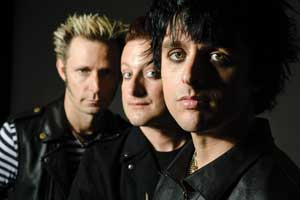
Royer R-121 Ribbon Mics are part of the Green Day rig used by Billie Joe Armstrong. From the MIX article:
Armstrong employed myriad different guitars and amps, with a couple of Les Paul Juniors and a Telecaster once purportedly owned by Keith Richards getting the lion’s share of the work for the layers upon layers of guitar tracks. Dugan typically miked two of Armstrong’s 4×12 cabinets with two mics each: The first might have a chain that included a 57 and a Royer 121 ribbon, through Chandler Germanium preamps and EQs summed to one track though an Altec 1567A tube mixer; the other would have a 57 and a 414 through 1073 preamps treated the same way.


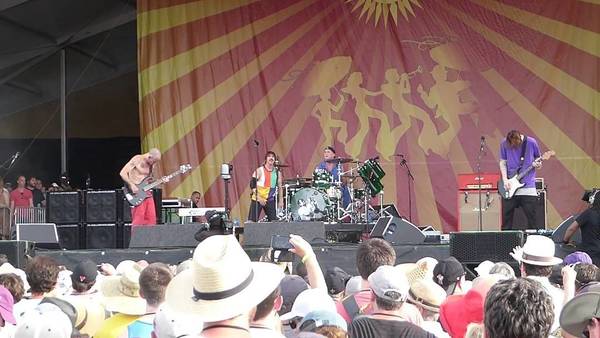
This mic can sometimes be seen on Matt's cab

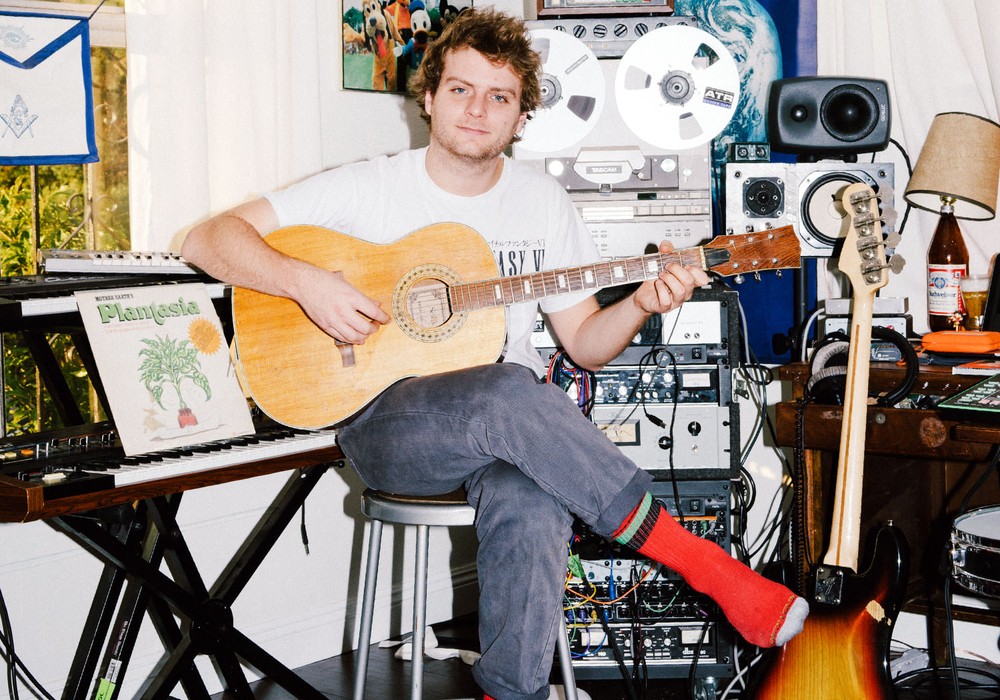
in this article, Mac states his sound tech purchased several mics for the recording of This Old Dog, including a Royer R-121.


Used for "Get On Your Boots", as stated by producer Declan Gaffney.
"Most of 'Get On Your Boots' was recorded in Dublin by Richard Rainey, and the basic backing tracks were done live, by the whole band together. (...) Edge's thick guitar sound is entirely from the live band session, recorded with two Royer 121s, one on his Fender Deluxe and the other on his AC30, and the mics went through the Neve and then an LA2A, though it's not doing anything, it was just there for the sound. When recording Edge's cabinets, it's almost always a 121, or a Sennheiser 409, occasionally a 57. I record completely flat, because Edge will have found a great guitar sound, and you just record it."
The 121 was also used on Songs of Experience, as stated by engineer Math Bishop in this ProSoundWeb article.
“With The Edge I’d always have a Royer 121 and a [Shure] SM57 set up on the amp, and on these sessions I ran them through the Focusrite ISA 828."


Reverb.com commented on a video of john saying that he used a royer r-121 and a shure sm-57 in the video.

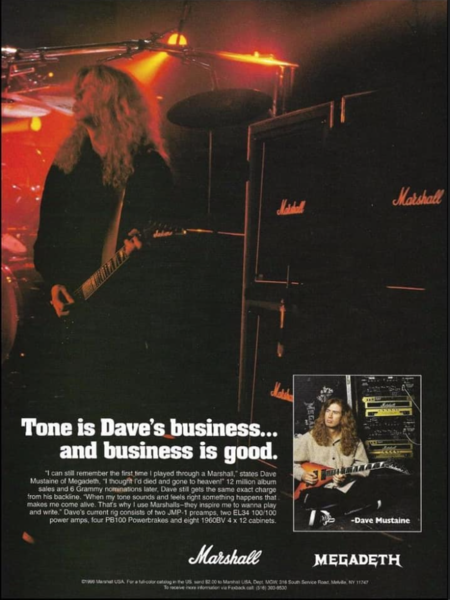
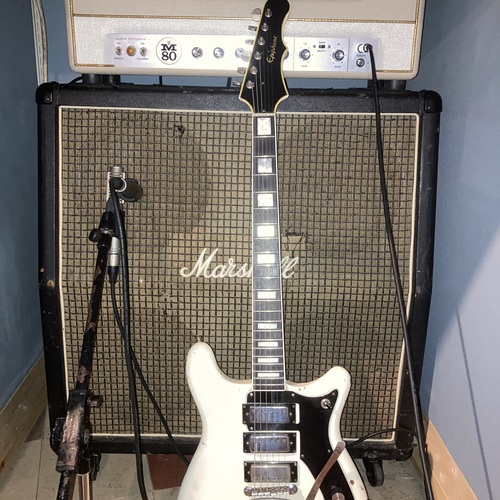
In this photo, Dave Mustaine uses R121 mic with Marshall Cabs.

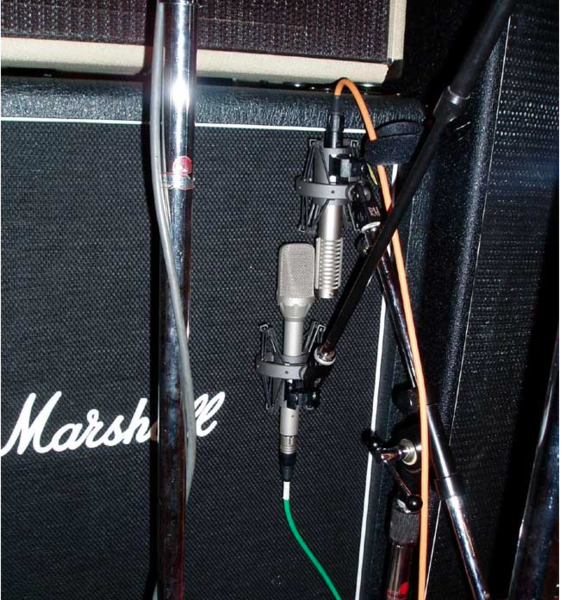
This page includes photos of a Blink 182 recording session, and the captions confirm that a Royer R-121 was used on Tom DeLongue's cab.

Album Usage
The Royer R-121 has been featured on the following albums:
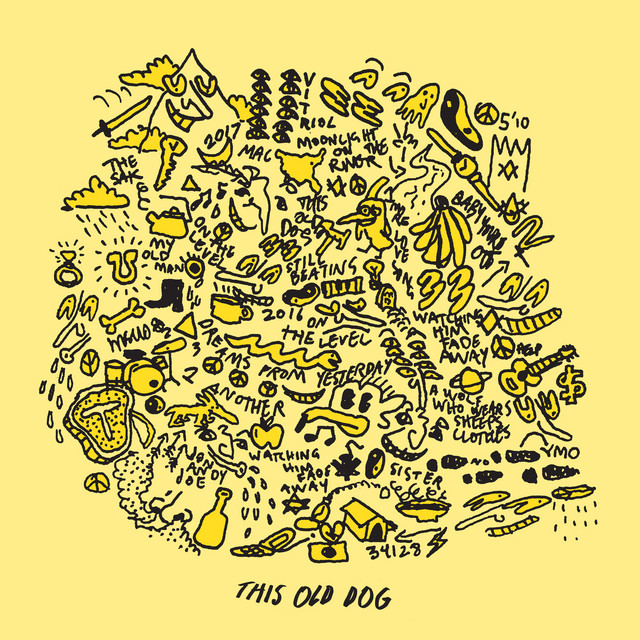
This Old Dog
Mac DeMarco & Mac DeMarco (2017)
Songs Of Experience (Deluxe Edition)
U2 (2017)
Get Out Of Your Own Way
U2 (2017)
Random Access Memories
Daft Punk & Daft Punk (2013)
Icky Thump
The White Stripes & Jack White & Jack White (2007)
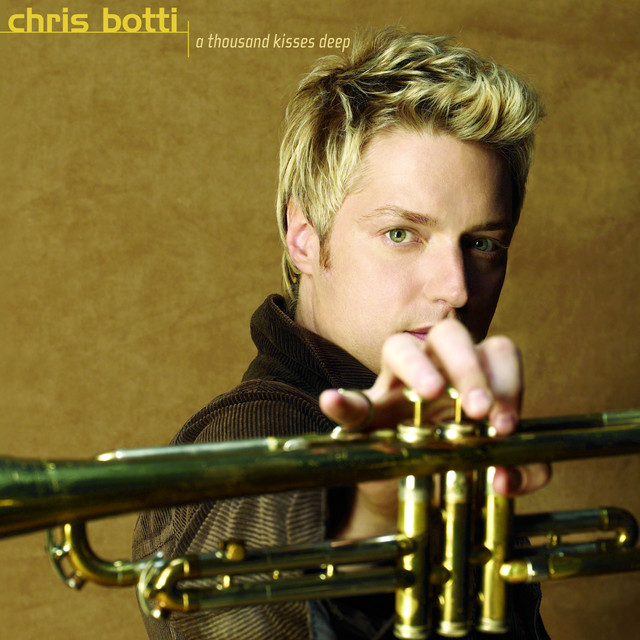
A Thousand Kisses Deep
Chris Botti (2003)
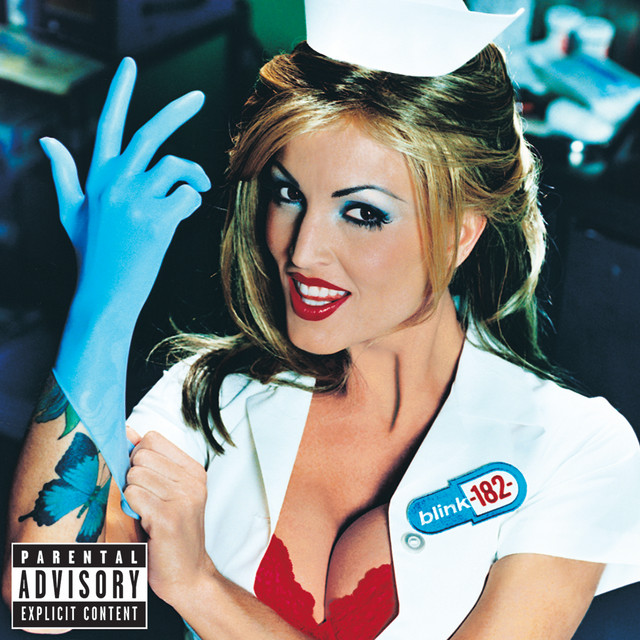
Enema Of The State
Blink-182 (1999)
Genre Usage
Based on how artists on Equipboard use this gear, it is most commonly found in the following genres.
Used With
Based on how musicians on Equipboard use Royer R-121, it is most commonly used with the following gear.
-s.webp?v=1784933951)



-s.webp?v=1784932918)
-s.webp?v=1784905101)

Community setups
Show yours
More Royer Ribbon Microphones

$622.00 - $1,298.00
in Ribbon Microphones Rank


$1,089.95
in Ribbon Microphones Rank


$5,599.00 - $6,999.00
in Ribbon Microphones Rank


$3,198.00 - $3,444.00
in Ribbon Microphones Rank


$1,899.00 - $1,999.00
in Ribbon Microphones Rank

$2,666.00 - $2,999.00
in Ribbon Microphones Rank


$519.99
in Ribbon Microphones Rank

$3,999.00 - $4,999.00
in Ribbon Microphones Rank


$3,299.00 - $3,399.00
in Ribbon Microphones Rank


$1,900.00 - $2,499.00
in Ribbon Microphones Rank


-m.webp?v=1784455288)


$708.00 - $1,049.99
in Ribbon Microphones Rank


$1,133.85 - $1,495.00
in Ribbon Microphones Rank


$332.49 - $411.00
in Ribbon Microphones Rank


$1,199.00 - $1,388.00
in Ribbon Microphones Rank


$999.00 - $1,439.00
in Ribbon Microphones Rank


$1,799.99
in Ribbon Microphones Rank

.jpg?v=1784920144)

$2,320.02 - $2,599.00
in Ribbon Microphones Rank


$382.00 - $519.00
in Ribbon Microphones Rank


$2,999.99
in Ribbon Microphones Rank


$1,449.99
in Ribbon Microphones Rank


$149.00 - $249.00
in Ribbon Microphones Rank

$174.56 - $193.96
in Ribbon Microphones Rank


$95.00
in Ribbon Microphones Rank


$1,079.10 - $1,248.00
in Ribbon Microphones Rank


$1,037.00 - $1,599.00
in Ribbon Microphones Rank


$109.99 - $133.00
in Ribbon Microphones Rank

$222.00 - $349.00
in Ribbon Microphones Rank

$95.00 - $159.99
in Ribbon Microphones Rank
Accessories & Related Items


-s.webp?v=1784890988)


Similar


Gear Guides







Most Popular Ribbon Microphones
Most Popular Brands
-
Added to Equipboard on by
 equipboard
GearIQ 4934
-


