Jeff Beck
English rock guitarist
Role
Role
Jeff Beck's Gear


For one of the most prolific whammy bar fiends of all time, the locking tremolo was indeed an intriguing device. Beck had taken to a pair of custom Jackson Soloists in the mid Eighties around the recording of the Nile Rodgers’-produced Flash. Loaded with true single coil pickups, Beck’s pink Jackson oddly sported a Kahler trem while his orange one rocked a Floyd Rose. Beck used (and appeared in ads for) Seymour Duncan’s Convertible amps around this time - although he used the Duncans alongside his tried-and-true old Marshalls.
Find it on:





"They're 6150 Dunlop wire, but what I did is I filed them down. [Jeff] likes the feel of the lower, flatter kind of wire, like a fretless one. So what I did was spec the heights of the frets that he had before match that. Just try to make it feel the same," says Jeff Beck's guitar tech.
Find it on:

In this Vintage Guitar article, Steve Prior, Jeff's tech, states that he has been using N3 pickups in his backup Strats.
Find it on:


This rig diagram from 2003 shows the BF-2 flanger.
Find it on:

These were all done prior to Jeff coming to the shop, supposedly on a request from some other guy who ended up not liking how the guitar turned out. Fortunately though, Jeff fell in love with the guitar on a first sight, and he took it home without having second thoughs about the purchase.
The early Seventies saw him pick up the iconic modified oxblood ’54 Gibson Les Paul that graces the cover of Blow by Blow.
Find it on:


According to "client list" on Pete Cornish website, Beck uses Pete Cornish SS-3.
Find it on:

"This one is actually in the effects loop, so there's an effects loop in the Vibro-King. That's what I'm running it through. [Jeff] only uses it for effect on a couple of tunes, mostly on 'Danny Boy'. He likes to use it to have a little bit of a, kind of a tailing, kind of a reverb. It's interesting because he likes to keep a long decay but not terribly far up in the mix. So it's more of a tailing type of a reverb, as opposed to something that's just blatant echo. Like you're playing in the Grand Canyon or something like that. It's more subtle than that, but it's a nice effect. He'll literally be in the middle of a phrase and just turn around and start tinkering with it or go with it or not. He keeps the same type of reverb in it. The only thing that he does adjust is the level of it in the mix, as far as what to drive. But it's a pretty long decay. If you were to bring the level of it up it would be pretty obnoxious actually. So it's down pretty low. And the decay on it is pretty long," says Jeff Beck's guitar tech.
Find it on:
-m.webp?v=1783177172)
Jeff Beck uses some Marshall 1960B cabs in his performance rig.
Find it on:

In the YouTube video "Rig Rundown - Jeff Beck," Beck's guitar tech mentions that while Jeff Beck doesn't extensively play slide guitar in his set, he uses a Dunlop Regular Wall Pyrex Glass Slide when he does.
Find it on:

This rig diagram from 2003 shows the EBS octaver pedal.
Find it on:

Guitar.com: What kind of chorus is it? Beck: It’s a Boss pedal. Guitar.com: Just a little box? A CE-5 or something like that? Beck: Yeah. There might be an octave thing in there, ’cause I have to take over the bass line of a certain part where Tony is soloing. I have a dual guitar stroke, octave lower bass sound for that. But that’s only in there for about a minute.
Find it on:

"An A/B box for the amps. So we go either with the Fender or the Marshall. We can also kick in both. It's really straight forward. It's a good sounding pedal," says Jeff Beck's guitar tech.
Find it on:

This Stratocaster was from John McLaughlin. Jeff Beck talks about this one in this video from 2:09 to 3:18.
Find it on:

Jeff Beck's Fender Jazzmaster is mentioned in Beck's Guitar Center interview:
"As always, a familiar friend joined Jeff in the studio—his Fender Jeff Beck Signature Model Stratocaster. The Fender Strat has remained Jeff's favorite guitar since 1972, although he also played a Fender Esquire, Telecaster and Jazzmaster with the Yardbirds before switching to a Gibson Les Paul during his latter days with that band."
Find it on:

In a photo from Vintage Guitar, Jeff Beck is seen with a Gibson Custom Shop 1958 Les Paul Standard Reissue, highlighting his use of this iconic solid body electric guitar.
Find it on:

It’s effectively dry signal, which comes from the cabinet, the cabinet hits the monitor system, and we have a TC 2290 for his delays, and then a Lexicon for two big old plate reverbs, one at 1,600 milliseconds, another at 3,200 milliseconds. So it’s a short-ish reverb and a lush reverb, and then just a couple of delays.
Find it on:

Well, at the moment were using a [Shure] SM57 on one side of the cabinet and then a Sennheiser 609 But traditionally it would be a ’57. That gives you the top end, being a general purpose microphone. But in terms of recording and live, never the twain shall meet, unless you’re mixing a live album in the studio environment. That’s as close as you get. But trying to replicate guitar tones outside of that closed and very kind of clinical environment that is the recording studio– as soon as you’re out on the road and playing in different air spaces every day, with different air densities and different temperatures theres so many different criteria.
Find it on:
-m.webp?v=1783177165)

Jeff Beck talks about his Gretsch Rancher in this video, from 3:22, to 4:50.
Find it on:

"'The ES-175 is a standard reissue, in blond' Foley continues. 'Jeff was doing a Scotty Moore tribute and wanted to use kind of a rockabilly guitar. We loaned him a 295 and a 175, and he took to the 175, which is on the cover of the Rock ’N Roll Party DVD.'" - via Vintage Guitar
An interview with Beck in 2010:
I’ve got a 175 Gibson which I’ve never used yet partly because the sit in with B.B. King has been a bit erratic. One night he says, ‘Yeah,’ and the next night he doesn’t feel up to it. And so I never really got into playing it. I was gonna use it on his set, just so I could play the complete style. But because I’m suddenly thrust into his music, with his band, I need to have some comfort line, you know what I mean? So the Strat is the thing that stayed. And also I didn’t want to get feedback from the hollow-body guitar. You know after this big build up I walk out and go (makes feedback noise). Didn’t want that. (...) I played it for a tribute to Sun Records. I bought it especially – well, actually the guy gave it to me – ’cause I rented it so many times he said, ‘Look, you might as well have it.’ And I did a thing with Chrissie Hynde on it, “Mystery Train.” I wanted to get the Scotty Moore tone. So I kept it. It’s a beautiful thing. [Editor’s Note: Beck and Hynde teamed up on the 2001 release Good Rockin’ Tonight: The Legacy of Sun Records.]
An interview with Beck's guitar tech, Steve Prior, in 2010:
We’ve got a big body Gibson ES-175, ’cause he thought that might be something he might be playing, cause he guests with B.B. from time to time. And they’re all on big Hofners, Gibsons obviously Lucille. And then the 175 that Leon (Warren, B.B. Kings long-time second guitarist) plays.
Find it on:


-m.webp?v=1783177022)
This rig diagram from 2003 shows this mic used in front of the cabinets.
Find it on:

For a period of time he used Fender Lace Sensors in his signature model.
Find it on:

In an interview with Guitar.com, Jeff Beck's guitar tech, Steve Prior, mentions that Jeff Beck has a Gibson B.B. King Lucille Semi-Hollow Guitar. This guitar is part of his collection due to his occasional performances with B.B. King, where he uses guitars similar to those played by King and his band.
Find it on:

Jeff Beck's Gibson L-5 is talked about in this video from 4:55 to 6:40.
Find it on:

This rig diagram from 2003 shows two of these splitter boxes.
Find it on:

Jeff’s Rancher has square inlays, red finish, and standard drop-in saddle, as opposed to a adjustable saddle which were common on some of the 50’s models.
Find it on:

Producer Steve Hoffman has stated his use of the LA-2A for Beck.
My Teletronix LA-2A, ganged for stereo or mono reproduction via the handy toggle switch in the center of the two units. (...) I've used it on countless projects, Nat "King" Cole, Frank Sinatra, Beach Boys, Doors, Eagles, Ringo, McCartney, Fleetwood Mac, Bob Dylan, Ray Charles, Peggy Lee, Jethro Tull, Chuck Berry, Creedence Clearwater Revival, Van Morrison, White Stripes, Tom Petty, Red Hot Chili Peppers, Ella Fitzgerald, Yes, Sonny Rollins, John Coltrane, Steely Dan, Steppenwolf, Bad Company, Jim Croce, Elvis Presley, Billie Holiday, Judy Garland, Dave Mason, Paul Simon, America, The Band, Crosby, Stills & Nash, The Cars, ZZ Top, James Taylor, Art Pepper, Steve Miller Band, Queen, Rod Stewart, Duke Ellington, John Lee Hooker, Al Jolson, Roy Orbison, Bing Crosby, Sammy Davis, Jr., The Who, Lightnin' Hopkins, Bill Haley & his Comets, Miles Davis, Mamas and Papas, Blue Öyster Cult, The Byrds, Eric Clapton, Bill Evans Trio, Blood, Sweat & Tears, Phil Collins, Alice Cooper, Deep Purple, Jeff Beck, Doobie Bros., Faces, Grand Funk, Heart, Billy Joel, Linda Ronstadt, Ten Years After, Grant Green, Wes Montgomery, Pat Benetar [sic], Elton John, Leon Russell, Metallica. etc.
Find it on:

Well, at the moment were using a [Shure] SM57 on one side of the cabinet and then a Sennheiser 609 But traditionally it would be a ’57. That gives you the top end, being a general purpose microphone. But in terms of recording and live, never the twain shall meet, unless you’re mixing a live album in the studio environment. That’s as close as you get. But trying to replicate guitar tones outside of that closed and very kind of clinical environment that is the recording studio– as soon as you’re out on the road and playing in different air spaces every day, with different air densities and different temperatures theres so many different criteria.
Find it on:

The 2266 can be seen multiple times (e.g. at 13:19) in the Live at Ronnie Scott's recordings. As stated bei Steve Dawson of Marshall he later switched to a 2466 model.
"He had the 50W 2266 and did use it but he found he needed a little more power because it's actually 35W clean. It was too late to get a 2466 to him (75W clean) which would probably have been perfect. He's using the 45/100 these days which is a parent of the 2466." - Steve Dawson
Find it on:
This is a community-built gear list for Jeff Beck.
- Find relevant music gear like Guitars, Amplifiers, Effects Pedals, and other instruments and add it to Jeff Beck.
- The best places to look for gear usage are typically on the artist's social media, YouTube, live performance images, and interviews.
- To receive email updates when Jeff Beck is seen with new gear, follow the artist.
Discography
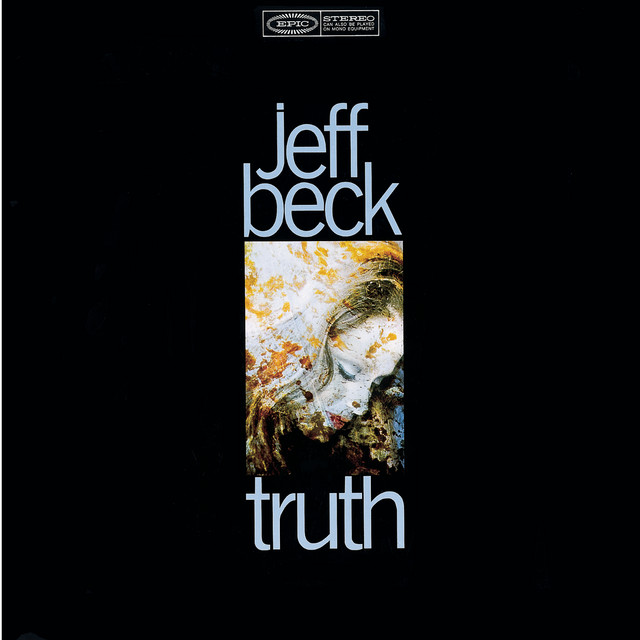
Truth
1968
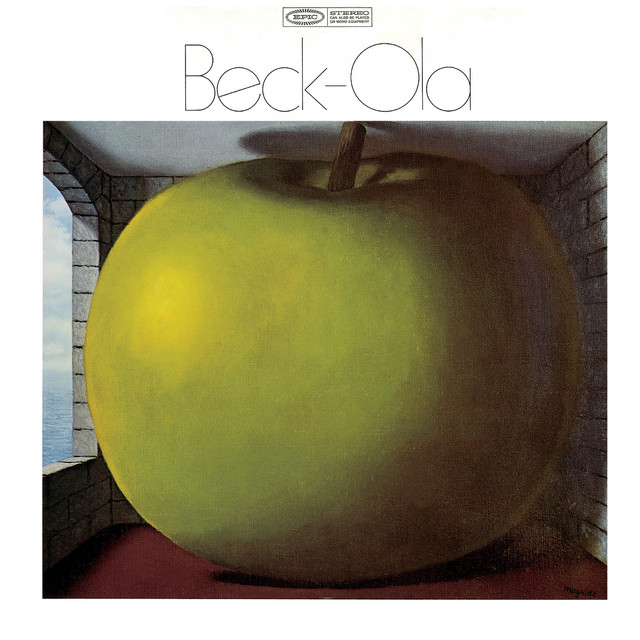
Beck-Ola
1969
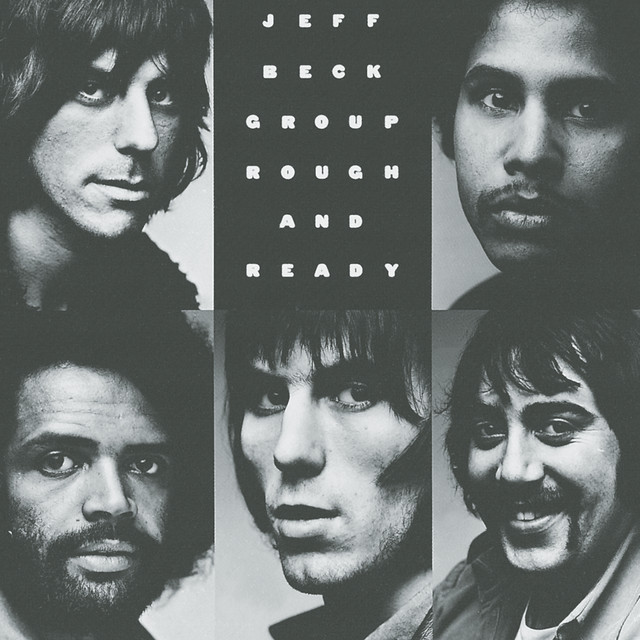
Rough And Ready
1971
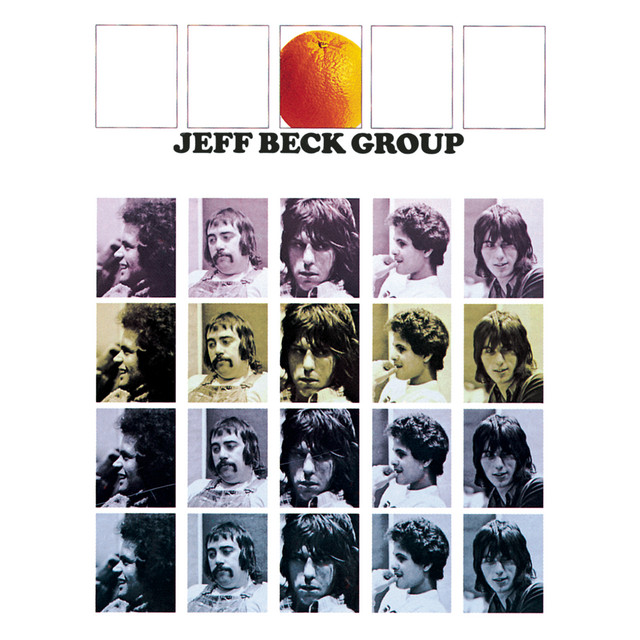
The Jeff Beck Group
1972
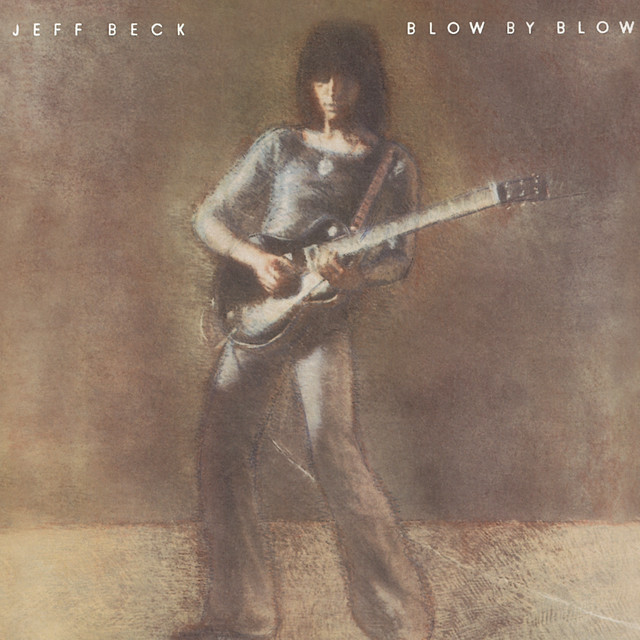
Blow By Blow
1975
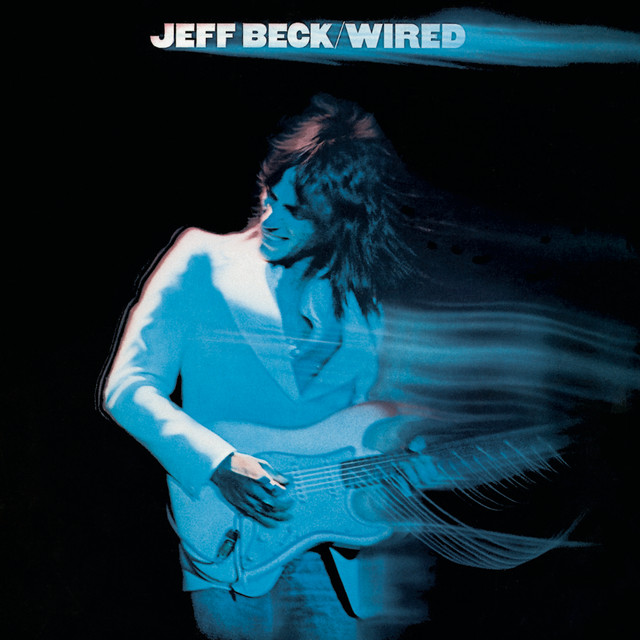
Wired
1976
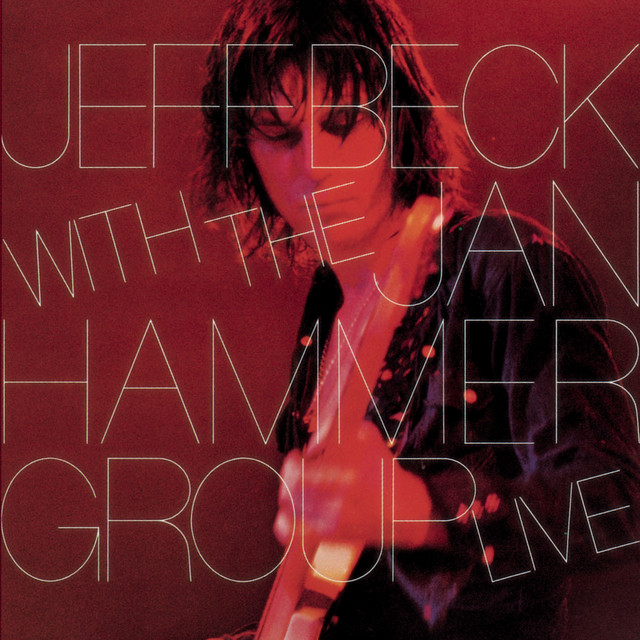
Jeff Beck With The Jan Hammer Group Live
1977
There And Back
1980
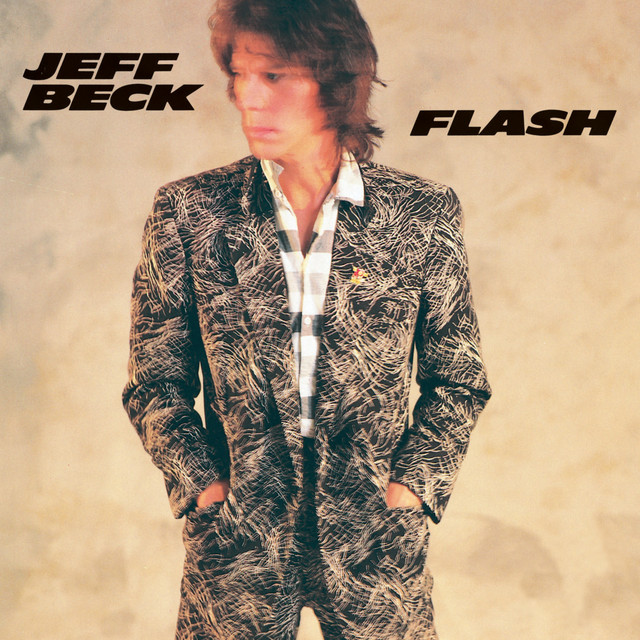
Flash
1985
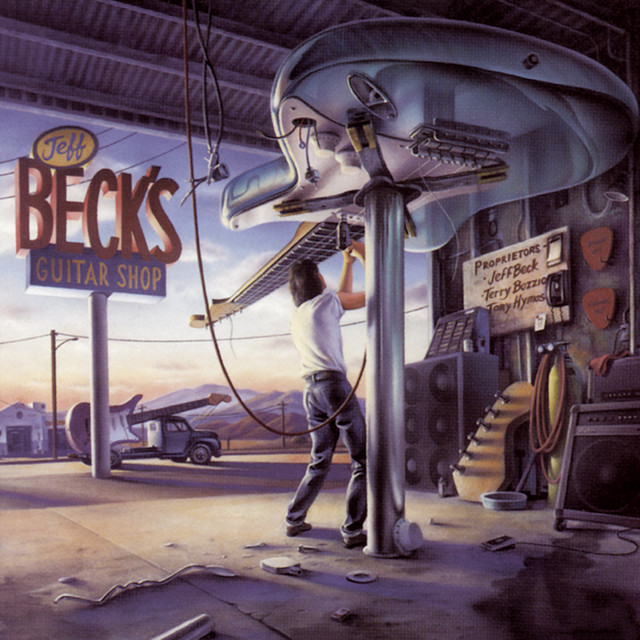
Jeff Beck's Guitar Shop With Terry Bozzio And Tony Hymas (with Terry Bozzio & Tony Hymas)
1989
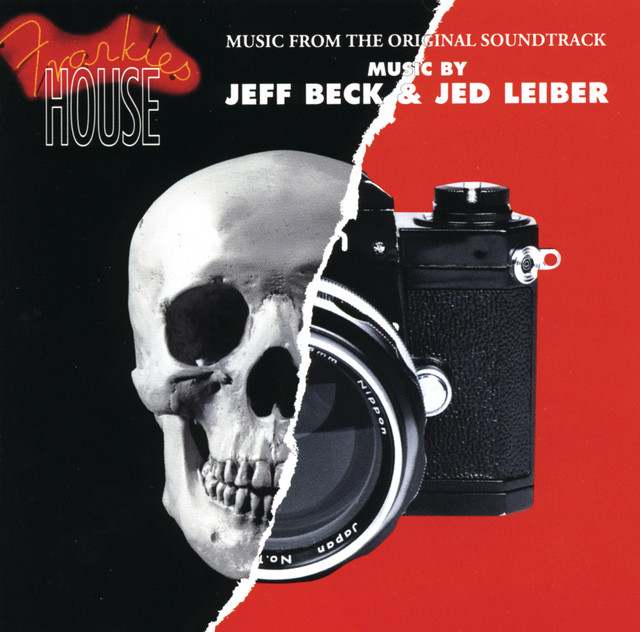
Frankie's House (Music From The Original Soundtrack)
1992
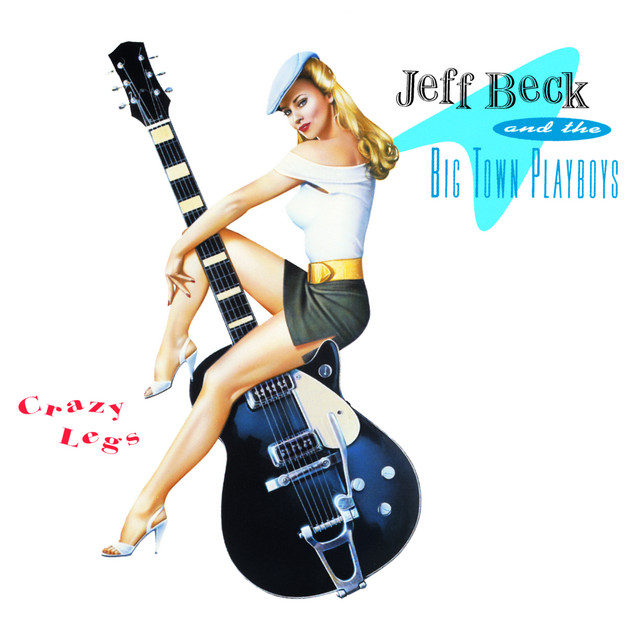
Crazy Legs
1993
Album Credits
-
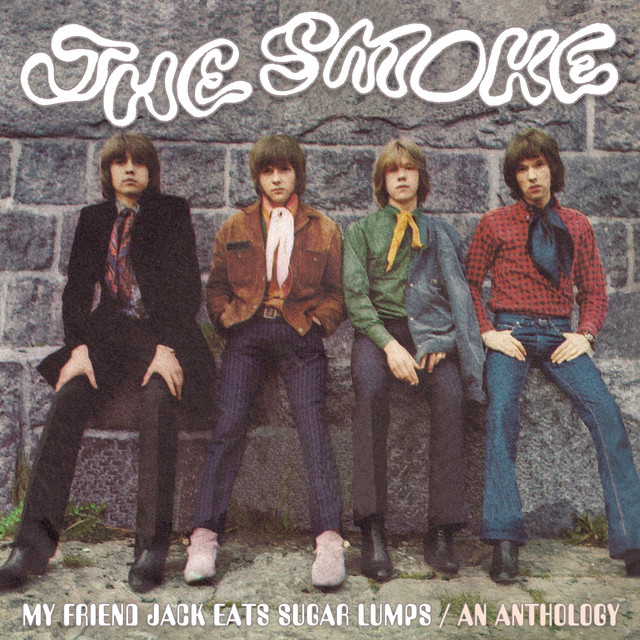
My Friend Jack Eats Sugar Lumps - An Anthology
The Smoke · 2015
Producer -
Jeff Beck · 1985
Producer




.webp)