

Pricing and availability
We compare 600+ stores and found this item at 1 store. Prices updated .
Store
Reviews
Price




Average Price: $1,800
High-end/Boutique
$499
$1500+
Price Tier
Budget
Standard
High-end
* Product prices and availability are updated by Equipboard every 24hrs and are subject to change. Equipboard may receive compensation for purchases made at participating retailers linked on this site. This compensation does not affect what products or prices are displayed, or the order of prices listed. For more information, please refer to our affiliate disclosure.
Description
Introducing the RCA 77-DX, a true icon in the world of musical instruments. Rich in history and renowned for its unique tone, this ribbon microphone has been the secret behind some of the most influential voices in music, from Elvis Presley to Frank Sinatra. Its switchable directionality feature and inviting tone are the signature characteristics that set the RCA 77-DX apart. This is not merely a microphone, but a time-honored piece of music history that continues to hold its value and charm.
Key Features:
- Ribbon microphone category
- Known for its unique tone and character
- Switchable directionality feature
- Recognized as a classic in the music recording industry
- Used by iconic musicians such as Elvis Presley and Frank Sinatra
- Continues to hold its value over time
Product specs
| Brand | RCA |
| Model | 77-DX Ribbon Microphone |
| Finish | Silver / Red Badge, Umber Gray |
| Year | 1960s |
| Made In | United States |
| Categories | Microphones |
| Microphone Type | Ribbon |
| Wired/Wireless | Wired |
FAQs
-
What is the primary application of the RCA 77-DX ribbon microphone?
-
The RCA 77-DX is widely used for recording vocals and brass instruments, known for its rich lows and silky smooth mids and highs, making it a staple in professional studios.
-
How does the RCA 77-DX differ from other ribbon microphones?
-
The RCA 77-DX features an improved magnet and transformer, offering higher output compared to earlier models, and includes a switch for attenuating low frequencies, enhancing its versatility in different recording scenarios.
-
Can the RCA 77-DX be used for live performances?
-
While the RCA 77-DX is primarily designed for studio use due to its delicate ribbon construction, it can be used in controlled live environments where its vintage sound character is desired.
-
What is the polar pattern of the RCA 77-DX microphone?
-
The RCA 77-DX features a variable polar pattern, allowing the user to switch between cardioid, bidirectional, and omnidirectional settings for versatile recording applications.
-
How would you describe the sound signature of the RCA 77-DX?
-
The RCA 77-DX is renowned for its warm, smooth sound, with a natural low-end response and detailed midrange, making it ideal for capturing vintage tones in vocal and instrumental recordings.
Videos

gearwire
RCA 77DX Ribbon Microphone And Its Adjustably Saggy Warmth
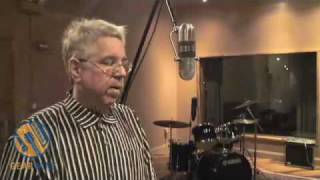
RCA 77DX Ribbon Microphone And Its Adjustably Saggy Warmth
gearwire
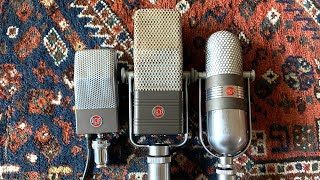
RCA Ribbon Microphone Shootout - RCA 44-BX, RCA 77-DX, RCA 74-B

Cole Picks Vintage
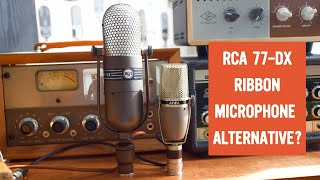
An Alternative to the RCA 77-DX Ribbon Microphone?
Cole Picks Vintage
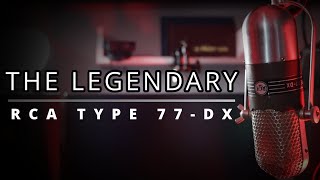
Exploring my legendary RCA Type 77-DX Ribbon Microphone

Geek Therapy Radio Podcast
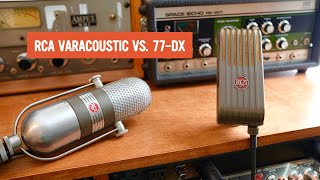
The RCA Varacoustic Vs. RCA 77-DX
Cole Picks Vintage
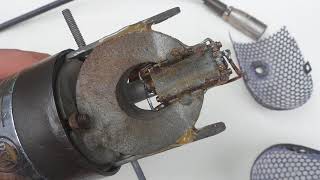
RCA 77DX Microphone Test And Check For Ebay Sale

Vintage Audio Workshop
Reviews
PROS
-
Natural, "live in your face" sound quality
-
Versatile across a variety of instruments and genres
-
Durable design, all parts can be repaired
-
Aesthetically pleasing, considered the most beautiful mic by some
-
Retains or increases in value over time
-
Tames harsh cymbal sounds effectively
-
Ideal for both baritone and tenor voices
CONS
-
Requires a high-gain preamp for optimal use
-
Performance may degrade without regular service
-
Some built-in interface preamps may introduce noise at high gain levels
Owner Insights
We analyzed real musician discussions from forums and Reddit to find what players love, question, and tweak about RCA 77-DX.
Features and functionality
-
RCA 77-DX and U87i are both multi-pattern mics costing around $2k, suitable for various recording scenarios.
Source
Value and pricing
-
The price gap between high-end and budget ribbon mics is smaller than that for condensers, influencing studio choices.
Source
Use cases and applications
-
Ribbon mics excel in specialized applications; for example, Beyer M160 is praised for drum rooms and guitar cabs.
Source
Setup and maintenance
-
Ribbon mics require preamps with significant gain; cheaper interfaces may cause noise issues due to insufficient gain.
Source -
Cigarette pack foil was historically used for on-the-spot ribbon replacements during broadcasts when original ribbons tore.
Source -
Ribbon tensioning should eliminate sag without removing corrugation, ensuring the ribbon remains centered and doesn't touch the magnets.
Source -
Avoid connecting or disconnecting ribbon mics with phantom power on to prevent damage; ensure cables are undamaged to prevent costly errors.
Source
Build quality
-
Transformer quality and foil thickness are critical in ribbon mics; thicker foil can sound muddy, while thinner foil is harder to manage.
Source
Mods and upgrades
-
Removing wind screens from ribbon mic housing can improve sound quality; upgrading the transformer is often beneficial for better performance.
Source
5.0 out of 5
Based on 0 Reviews and 3 Ratings
Artist usage
Add artist
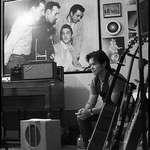
Used on No Better Than This, as stated in this August 16, 2010 Bloomington Herald Times article archived on Mellencamp's official website.
He’s never realized that ambition more than with “No Better Than This,” his 25th album. It’s 13 songs written and recorded over 13 days on a 55-year-old Ampex tape recorder using one classic RCA 77 DX microphone. The songs were all laid down on the road during off-days on his 2009 tour of minor league ballparks and off-the-beaten-path venues with compatriots Bob Dylan and Willie Nelson.
It is also mentioned in this August 17, 2010 Music Angle (now Analog Planet) article, also archived on Mellencamp's official website.
Equipped with John Mellencamp's then recently acquired vintage 1/4" reel-to-reel 1955 Ampex 601 mono tape recorder and a pair of iconic 50's era RCA ribbon microphones ( a 77 DX and 44 used singly) presumably supplied by producer T-Bone Burnett, the duo, accompanied by Mellencamp's wife Elaine, who shot the album's cover photo, hit the road during a break in last summer's Bob Dylan-John Mellencamp-Willie Nelson tour to record thirteen freshly penned songs Mr. Mellencamp had written over thirteen prolific days.

Mentioned in this October 11, 2016 Electronic Musician article.
These days he uses three mics on the drums, which, most people would still think of as a pretty minimalist setup. “We usually have an RCA 77DX or an Altec 639 pretty far overhead,” he says. “About three feet or so above the kit, kind of going for a Motown type of sound. And then a kick and a snare mic. We have a small ribbon mic that we put on the kick. It’s an Altec, like the little brother to the 639B, the 671B. We call it the “Mini Bird Cage.” We don’t put it right in front of the kick, but we’ll put it in that spot off to the side of the kick where you might get a little from the bottom of the snare drum and an indirect kick drum sound. Then also an overhead, and a mic pretty much on the snare drum—on top, to blend in, kind of facing away from the hi-hat, just facing the snare, and trying to only get the crack from the snare. And the cymbals and tom toms are kind of in focus because of the overhead, and we have control over the kick and snare.”


Charley Crockett is confirmed to use the RCA 77-DX microphone, as evidenced by its use at Norman Petty Studios, where it was employed for recordings by artists such as Buddy Holly, Waylon Jennings, Roy Orbison, and more.

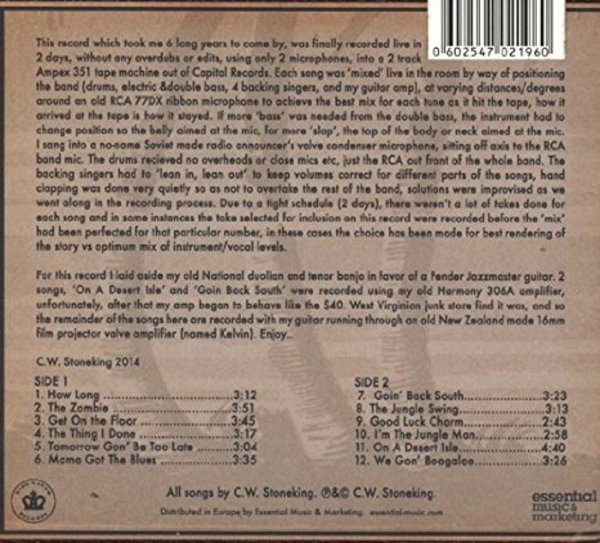
This mic was used to record the whole of "Gon' Boogaloo", according to the album's liner notes.


I also have an old RCA ribbon mic that I like to throw out of phase intentionally with the Sennheiser.


Visible in this ca. 1955 this photo of Haley.
American rock and roll singer Bill Haley (1925 - 1981), at a microphone, circa 1955. (Photo by Silver Screen Collection/Getty Images)


Mentioned in this Facebook post by SugarHill Recording Studios.
RCA released the 77 DX in 1954. This gem of a mic has a very dynamic frequency response depending on the angle in which it is positioned. It has recorded countless legends including Al Green, Elvis Presley, Frank Sinatra, Johnny Cash and more!! It is still widely used today especially for recording Brass instruments. Come try it for yourself.


In the video titled "Vance Powell: Recording Rock" by Sound On Sound magazine, at the 19:48 mark, Vance Powell demonstrates the use of the RCA 77-DX microphone in recording the track "Loaded Dice & Buried Money."


Used for Coleman's alto saxophone for The Shape of Jazz to Come and Change of the Century, as recounted by sound engineer "Bones" Howe in this February 2004 Sound on Sound interview (the DX is specified later in the article when Tom Waits is discussed).
"I set them up in a square, one in each corner of an imaginary room in the studio, close together, all facing the centre of the square. I had set up the microphones before they got there: I had an RCA 77 on Ornette's alto sax — the white plastic one he was notorious for playing — and a 77 on Don Cherry's pocket trumpet, a Telefunken U47 on Charlie's bass, and the drums were miked with a U47 as an overhead and a 77 over the hat and snare. We were recording live to mono and two-track at the same time. I liked this setup so much that I made sure I wrote it down, and I still have that setup sheet to this day. I would use it to record a lot of albums."

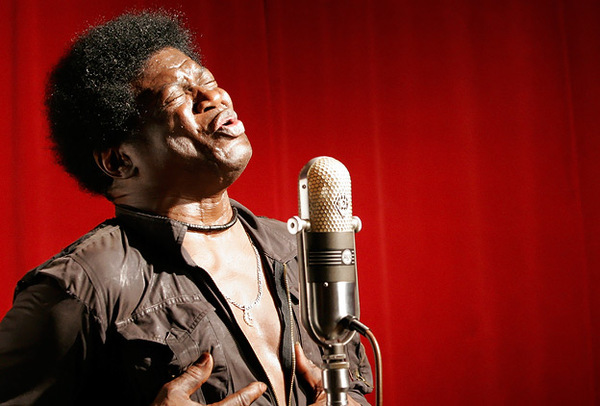
Used to record "Take It As It Come", as is visible in the documentary Charles Bradley: Soul of America at 8:14. The 77-DX is also visible in this photo of Bradley, the music video for "The World (Is Going Up In Flames)" at 1:25 and at 2:40 and the music video for "Heartaches and Pain" starting at 1:04. It is most likely the one at Daptone Records' recording studios, which was mentioned by producer Gabriel Roth in this June 2008 Sound on Sound article.
"There's an old–school feel to the studio, but it's by no means some kind of vintage museum," Roth states. In fact, the gear list is as much serendipitous as it is calculated: there's a newish Rode NT1A large–diaphragm condenser mic, a classic RCA DX77, and an assortment of cheap Radio Shack microphones cohabitating in the mic closet, while an Ampeg Gemini guitar amp made its way to the studio when it literally bumped into Roth as it was being tossed out into a dumpster near a building renovation.

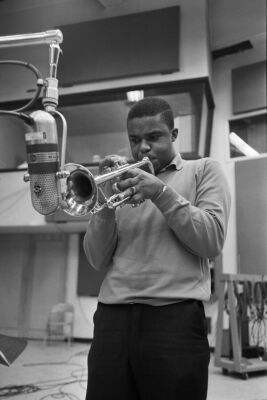
Used for Cherry's pocket trumpet on Ornette Coleman's The Shape of Jazz to Come and Change of the Century, as recounted by sound engineer "Bones" Howe in this February 2004 Sound on Sound interview (the DX is specified later in the article when Tom Waits is discussed).
"I set them up in a square, one in each corner of an imaginary room in the studio, close together, all facing the centre of the square. I had set up the microphones before they got there: I had an RCA 77 on Ornette's alto sax — the white plastic one he was notorious for playing — and a 77 on Don Cherry's pocket trumpet, a Telefunken U47 on Charlie's bass, and the drums were miked with a U47 as an overhead and a 77 over the hat and snare. We were recording live to mono and two-track at the same time. I liked this setup so much that I made sure I wrote it down, and I still have that setup sheet to this day. I would use it to record a lot of albums."

Album Usage
The RCA 77-DX has been featured on the following albums:
![RCA 77-DX as heard on Atlantic City (Live in Jersey) [feat. Bruce Springsteen and Kings of Leon] by Kings of Leon & Zach Bryan (2025)](https://images.equipboard.com/uploads/album/image/586/atlantic-city-live-in-jersey-feat-bruce-springsteen-and-kings-of-leon.jpg)
Atlantic City (Live in Jersey) [feat. Bruce Springsteen and Kings of Leon]
Kings of Leon & Zach Bryan (2025)

No Better Than This
John Mellencamp (2024)

Fungii Mama
Billy Higgins & Cedar Walton (2023)
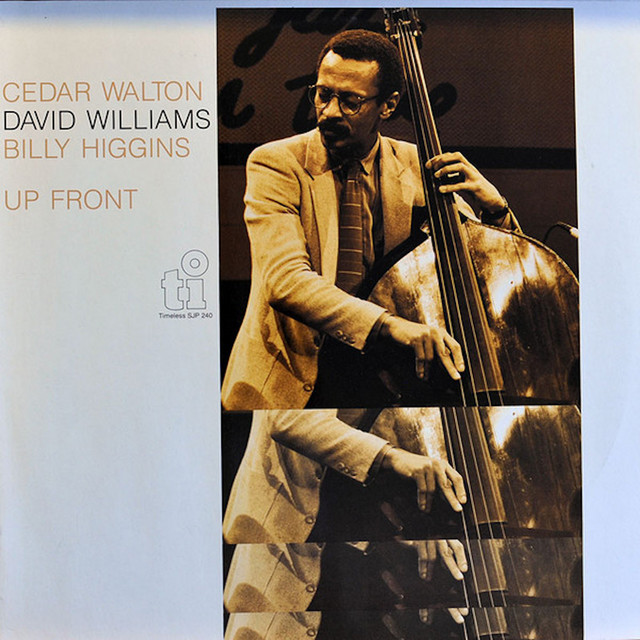
Up Front
Billy Higgins & Cedar Walton (2021)
Cannot Be, Whatsoever
Novo Amor (2020)
Gon' Boogaloo
C.W. Stoneking (2016)
Brown Sugar
The Rolling Stones (2015)
Would You Fight For My Love?
Jack White & Jack White (2014)
Oxymoron (Deluxe)
Schoolboy Q (2014)
Blunderbuss
Jack White & Jack White (2012)
Antibalas
Antibalas (2012)

I'm Shakin'
Jack White & Jack White (2012)
Sex On Fire
Kings of Leon (2009)
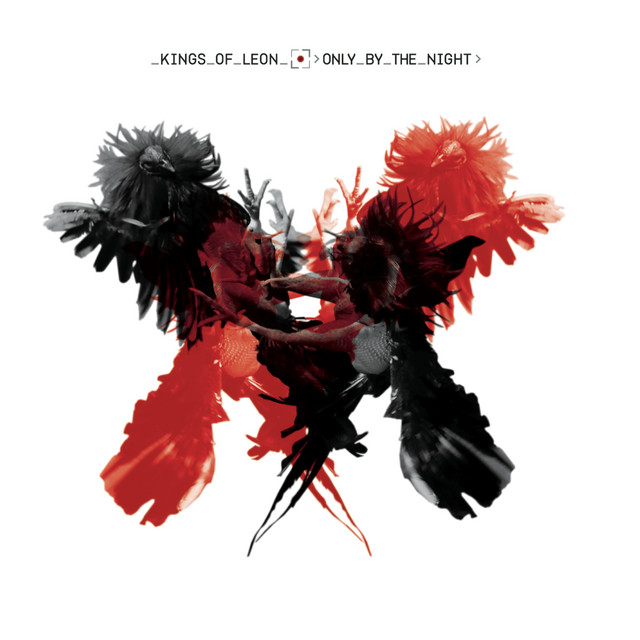
Only By The Night
Kings of Leon (2008)

Back To Black (Deluxe Edition)
Amy Winehouse (2006)
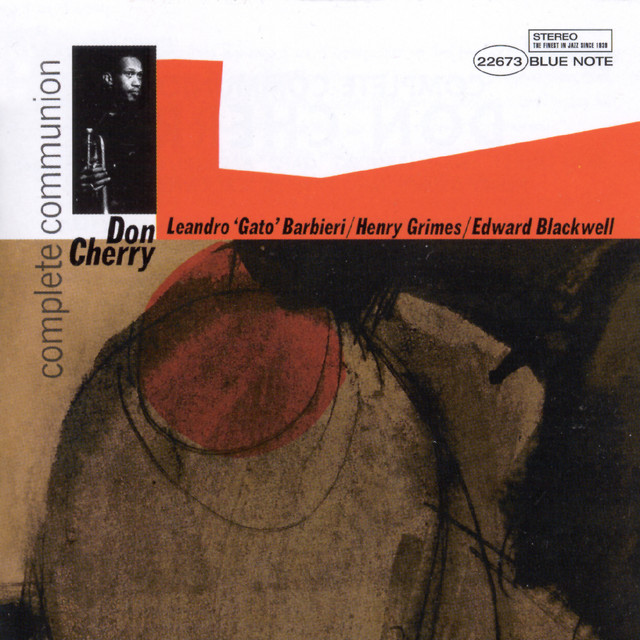
Complete Communion
Don Cherry (2000)
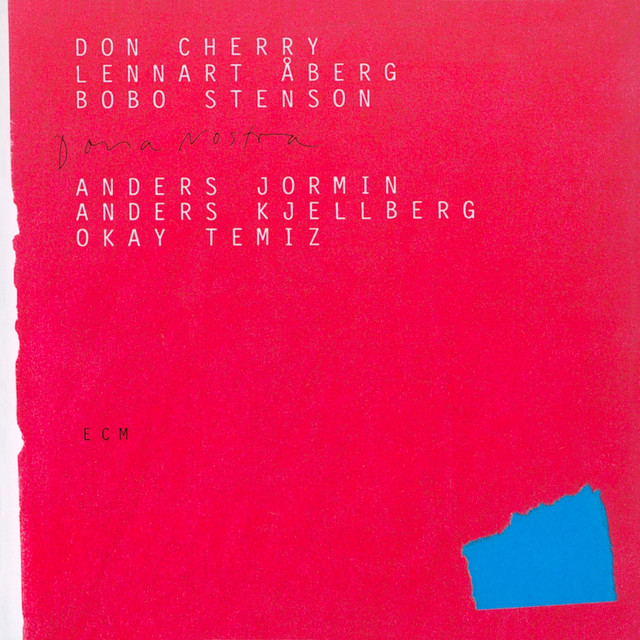
Dona Nostra
Don Cherry (1994)
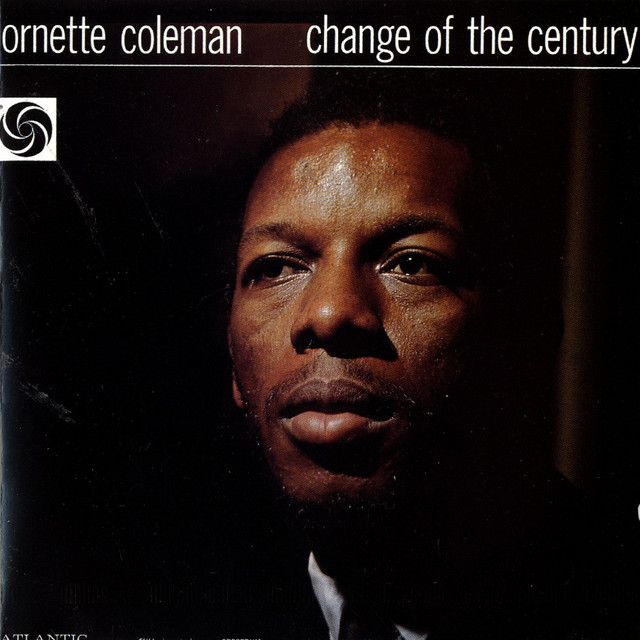
Change Of The Century
Ornette Coleman (1960)
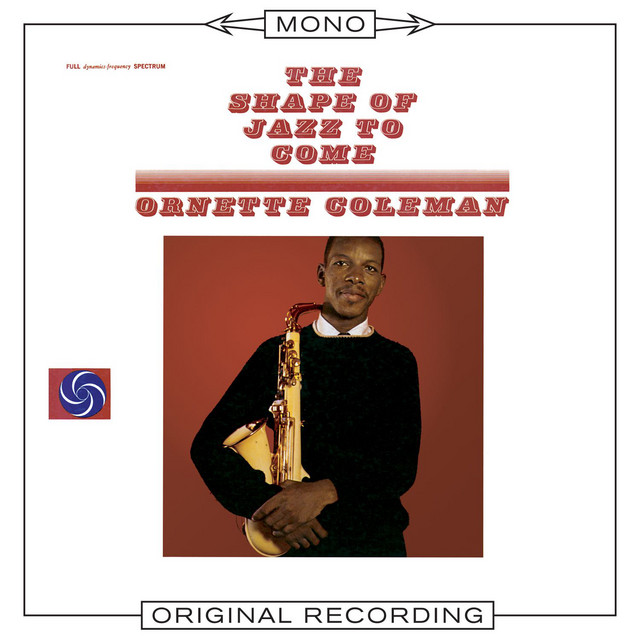
The Shape of Jazz To Come (Mono)
Ornette Coleman (1959)
Genre Usage
Based on how artists on Equipboard use this gear, it is most commonly found in the following genres.
Used With
Based on how musicians on Equipboard use RCA 77-DX, it is most commonly used with the following gear.


-s.webp?v=1783290620)


-s.webp?v=1783289522)
Similar
Add recommendation1 alternative for RCA 77-DX, curated by the Equipboard community.
More RCA Ribbon Microphones

$3,450.00
in Ribbon Microphones Rank


$1,449.99
in Ribbon Microphones Rank


$3,450.00
in Ribbon Microphones Rank


$895.00
in Ribbon Microphones Rank


$1,357.80
in Ribbon Microphones Rank


$2,200.00
in Ribbon Microphones Rank


$708.00 - $1,049.99
in Ribbon Microphones Rank


$1,499.00 - $1,599.00
in Ribbon Microphones Rank


$1,132.83 - $1,621.00
in Ribbon Microphones Rank


$349.00 - $464.00
in Ribbon Microphones Rank


$1,199.00 - $1,399.00
in Ribbon Microphones Rank


$999.00 - $1,439.00
in Ribbon Microphones Rank


$382.00 - $539.00
in Ribbon Microphones Rank


$2,317.94 - $2,599.00
in Ribbon Microphones Rank


$625.00 - $1,298.00
in Ribbon Microphones Rank


$149.00 - $249.00
in Ribbon Microphones Rank

$189.99 - $193.96
in Ribbon Microphones Rank


$95.00
in Ribbon Microphones Rank


$1,099.00 - $1,258.00
in Ribbon Microphones Rank


$937.55 - $1,599.00
in Ribbon Microphones Rank


$128.65 - $135.00
in Ribbon Microphones Rank

$225.00 - $349.00
in Ribbon Microphones Rank

$95.00 - $159.99
in Ribbon Microphones Rank

$2,589.00 - $4,299.00
in Ribbon Microphones Rank
.png?v=1783256553)


$35.00 - $169.00
in Ribbon Microphones Rank

$279.00 - $318.50
in Ribbon Microphones Rank

$2,159.00 - $3,242.00
in Ribbon Microphones Rank


$275.00
in Ribbon Microphones Rank


$4,149.00 - $5,349.00
in Ribbon Microphones Rank


Accessories & Related Items


Community setups


Gear Guides





Most Popular Ribbon Microphones
Most Popular Brands
-
Added to Equipboard on by
 tanya994
Gear IQ 17
-


