Beyond the Box: The Most Popular Guitar Pedal Modifications


By Gear Experts
.webp)
By Gear Experts
Table of Contents

Equipboard
Equipboard is the world's largest community of artists and their gear. Read our review process.
We are reader-supported. When you buy through links on our site, we may earn an affiliate commission. Learn more.
Our Picks

The Boss DS-1 is one of the most iconic and heavily modded distortion pedals ever made, famous for its affordability but often criticized for harsh high end. Mods like Robert Keeley’s Ultra and Seeing-Eye versions refine the tone, expanding gain range, improving clarity, and transforming the DS-1 into a smoother, more versatile overdrive.
Read more


-l.webp?v=1784890846)
The Tube Screamer is a classic overdrive known for its midrange boost, but many players modify it to smooth harshness or add low-end response. Popular upgrades like Analog Man’s Silver and Fat mods restore vintage tone, improve versatility across amps, and enhance the pedal’s dynamic range.
Read more
The Boss BD-2 Blues Driver delivers expressive overdrive but can sound overly bright in stock form. Mods like Robert Keeley’s Phat Mod and Monte Allums’ Super Blues enhance its warmth, bass response, and touch sensitivity, turning it into a more dynamic and amp-like pedal.
Read more-l.webp?v=1784905089)
The Pro Co RAT is revered for its gritty distortion and smooth sustain, especially in vintage models using the LM308 op-amp. Mods like the Ruetz and Turbo RAT tweaks refine its tone, reducing muddiness and opening up the sound for greater clarity, punch, and output.
Read more
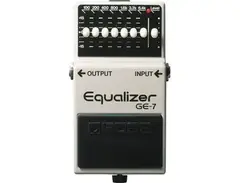
The Boss GE-7 is notorious for noise, but mods from Analog Man and XTS transform it into a pro-grade EQ pedal. Both dramatically reduce hiss and improve transparency, with XTS also refining the frequency response for smoother, more musical tone shaping.
Read moreMost classic pedals are great, but not perfect for every rig. Modding changes the parts that shape gain, clipping, and EQ so your pedal fits your guitar and amp.
The reasons players mod their pedals vary widely. Often it's economical. Why spend $300 on a boutique overdrive when you can modify a $50 Boss pedal to sound remarkably similar? Other times, it's about fixing what doesn't work for your rig. That harsh top end on your distortion? A simple capacitor swap might smooth it right out. The lack of bass in your overdrive? There's a mod for that too.
The Economics and Culture
A stock Boss DS-1 costs around $60 new. Do mods worth less than $50 and you've got a pedal competing with boutique distortions costing twice as much. But beyond money, modding gives you something no amount of cash can buy: a truly unique sound tailored to your exact needs.
The modification scene has launched remarkable careers. Robert Keeley started in his garage in 2001, modding pedals for local musicians. Today, Keeley Electronics employs dozens and ships worldwide. Mike Piera (Analog Man) and Josh Scott (JHS Pedals) followed similar paths, transforming bedroom operations into respected brands. These success stories represent a pattern where technical knowledge and musical understanding converge into thriving businesses.
Pedal modding has evolved into a vibrant subculture. Forums like DIY Stompboxes buzz with thousands of members sharing schematics and debating capacitor types. YouTube channels dedicated to mods rack up millions of views.
The Classics: Pedals Most Commonly Modded
Some pedals have become modification legends, with entire cottage industries built around improving their circuits. These aren't necessarily bad pedals; they're often great ones with a few quirks that modders have learned to address.
Boss DS-1 Distortion
4.0 (1139)









Average Price: $64
Budget/Beginner
$80
$181+
Budget
Standard
High-end
- Wide range of distortion tones from mellow to harsh
- Versatile for genres like punk, grunge, and classic rock
- Tone control significantly alters sound
- Great value for money
- See 5 more
- High tone settings can produce unwanted buzz
- Lacks bass on certain settings
- Some find it too bright or tinny at higher settings
- May not be suitable for metal genres without modifications
- See 1 more
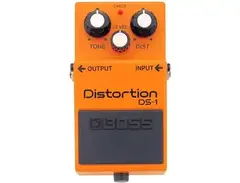
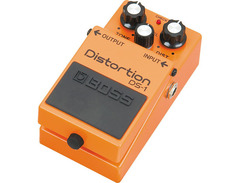
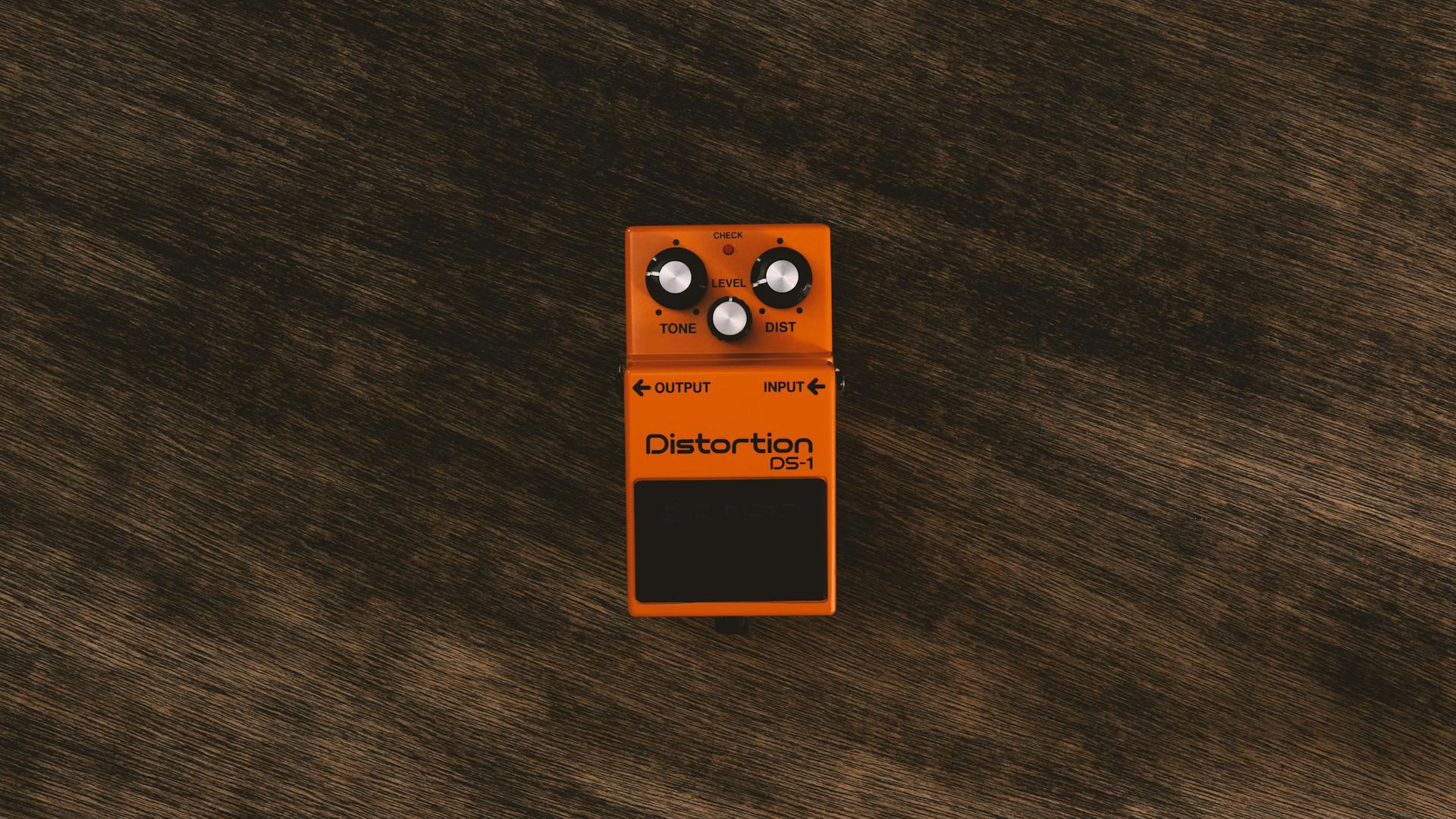
The Boss DS-1 might be the most modded pedal in history. Millions of orange boxes since 1978, but many players find the stock unit too fizzy up top. Kurt Cobain, Steve Vai, and Joe Satriani all used them.
Robert Keeley's "Ultra" mod addresses these weaknesses by replacing key components in the tone stack. Stock capacitors get swapped for higher-quality film capacitors, resulting in smoother, more musical distortion. The gain structure modification provides more usable range on the distortion knob. His "Seeing-Eye" mod adds a switch toggling between different clipping options, letting you choose between stock silicon diodes and LED clipping for a more open, dynamic sound.
For DIY enthusiasts, changing just two capacitors can transform the DS-1. Increasing C2 from 0.047µF to 0.1µF adds bass response, while changing C3 from 0.047µF to 0.033µF reduces high-frequency fizz.
See how artists use this

.png)





Ibanez TS9 Tube Screamer
4.5 (671)
-s.webp?v=1784890846)


Average Price: $98
Standard/Professional
$50
$176+
Budget
Standard
High-end
- Enhances tube amp emulation effectively
- Versatile: can be used as a clean boost, for light to heavy overdrive, or even as a bass booster
- Adds a mid-range focus that cuts through in band settings
- Works well when stacked with other pedals
- See 6 more
- Can lack low-end, especially when used with certain guitars and amps
- Not everyone loves the characteristic mid-hump
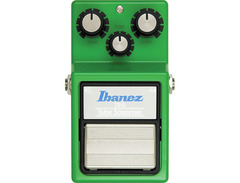
The Tube Screamer is iconic yet frequently modified. Its characteristic midrange hump helps guitars cut through mixes but can sound boxy with certain amps.
**Analog Man's "Silver" mod** brings TS9s back to TS808 specifications by changing the output resistors to original values. Mike Piera has stated these vintage-correct resistors provide a fuller, less harsh sound that works better with various amplifiers. The "Brown Sound" mod adds a three-way switch changing clipping characteristics: symmetrical for traditional sound, asymmetrical for amp-like overdrive, or no clipping for a clean boost.
The "Fat" mod addresses bass loss by changing a single input stage capacitor from 0.047µF to 0.1µF or 0.22µF. This maintains the Tube Screamer's character while restoring missing bottom end.
See how artists use this


.jpg)




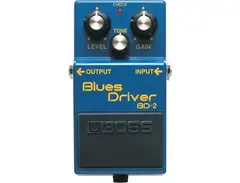
Boss BD-2 Blues Driver
4.5 (617)

Average Price: $102
Standard/Professional
$50
$176+
Budget
Standard
High-end
- Highly versatile, covering a wide range of sounds from blues to heavy distortion
- Durable and reliable, capable of withstanding heavy use
- Can be used as both a primary drive and a clean boost
- Offers a dynamic and responsive overdrive
- See 6 more
- May not be the best choice for metal genres without modifications
- Some users find the pedal a bit too bright and need to adjust settings
- The full gain setting may not be as easy to dial in as on some competitors
The BD-2 offers everything from subtle boost to singing sustain, but many find it too bright or thin at higher gains. Robert Keeley's "Phat Mod" has become the gold standard, replacing several capacitors with higher-quality components. The input capacitor increases for more bass, while tone stack changes smooth high frequencies. John Mayer has used Keeley-modified BD-2s, particularly during John Mayer Trio performances.
Monte Allums' "Super Blues" mod focuses on increasing dynamic response. By changing gain stage values, it makes the BD-2 more responsive to picking dynamics. Hit harder for more overdrive; back off and it cleans up beautifully.
See how artists use this







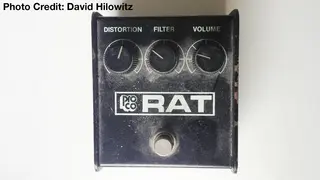
Pro Co RAT 2
4.5 (473)
-s.webp?v=1784905089)


Average Price: $85
Standard/Professional
$80
$181+
Budget
Standard
High-end
- Versatile, from smooth overdrive to full distortion
- Works well with both single-coil and humbuckers
- Flexible tone control with low-pass filter
- Doesn't alter tone when adjusting output volume
- See 5 more
- Tone control extremes can be too harsh or muffled
- Not all units consistently deliver the preferred sound
- Doesn't play well with some other pedals
- Can be noisy, especially with older circuit designs
- See 6 more
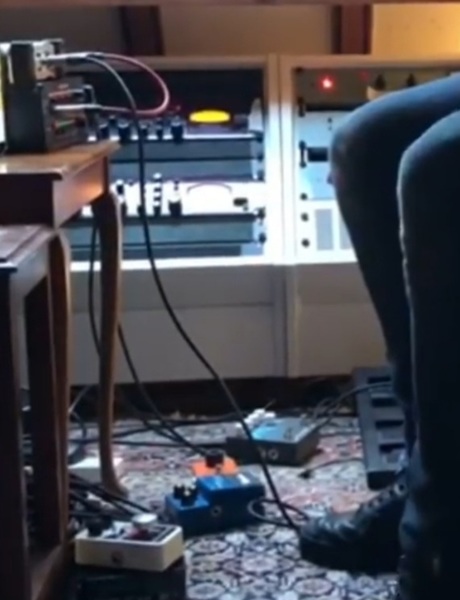
Vintage RATs used the LM308 op-amp. Swapping to an LM308 changes feel and attack due to its slower slew rate, which many players perceive as smoother sustain. Simply swapping the chip can dramatically change the pedal's character.
The "Ruetz" mod addresses muddiness at high gain by removing or bypassing a resistor in the filter circuit. This creates a more usable filter knob that doesn't completely mud out when turned clockwise. The "Turbo RAT" mod swaps silicon diodes for LEDs, creating more open, less compressed distortion with greater output.
See how artists use this







Boss GE-7 Graphic Equalizer
4.5 (324)

Average Price: $119
Standard/Professional
$50
$176+
Budget
Standard
High-end
- Versatile EQ options enhance guitar tone significantly
- Durable and reliable, typical of Boss products
- Compact size compared to other EQ pedals
- Easy integration into pedalboards for various musical styles
- See 5 more
- Can introduce noise/hiss, especially at higher settings
- Faders are extremely sensitive, making precise adjustments tricky
- Some users find the pedal not transparent, adding its color to the tone
- Limited band adjustments compared to some other EQ pedals
- See 1 more
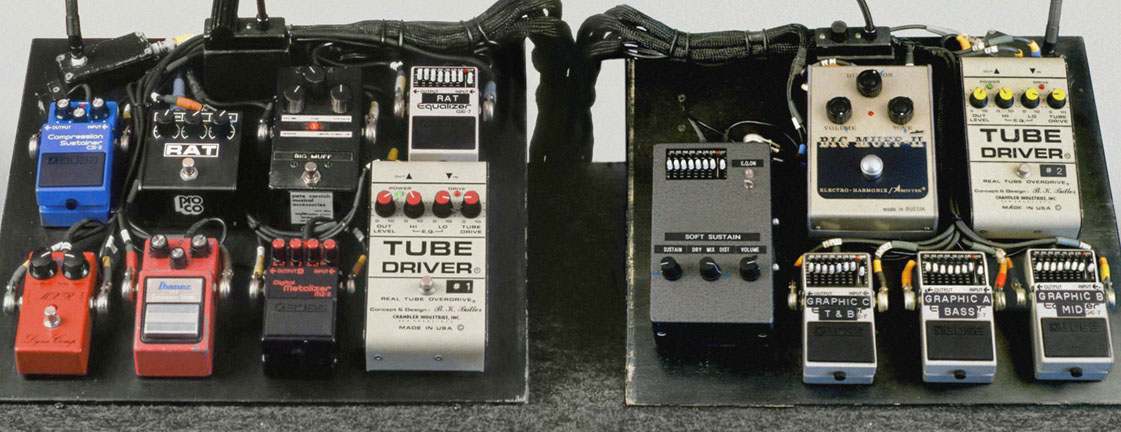
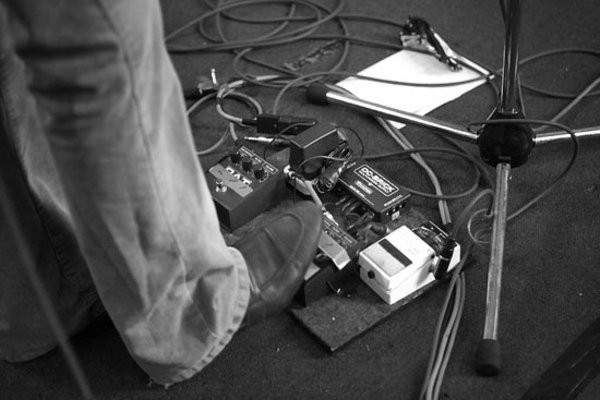
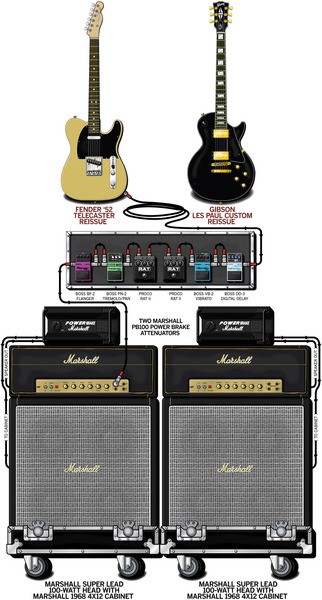
The GE-7’s fatal flaw is noise. Boost any frequency and you’re greeted with hiss that can make it unusable professionally. The Analog Man mod replaces stock op-amps with premium Burr-Brown chips and upgrades capacitors throughout. The noise floor drops by up to 10dB, making it dead quiet even with extreme settings.
The XAct Tone Solutions (XTS) mod takes a slightly different approach, optimizing the GE-7 for both tone quality and live reliability. In addition to lowering the noise floor, XTS refines the pedal’s overall EQ curve to make frequency adjustments more musical and amp-like. Each slider band is re-voiced for smoother interaction, giving players broader, more natural control over midrange shaping and low-end clarity. The result is a studio-quality EQ that enhances touch response and transparency, making the GE-7 a genuinely high-end tone-shaping tool.
See how artists use this



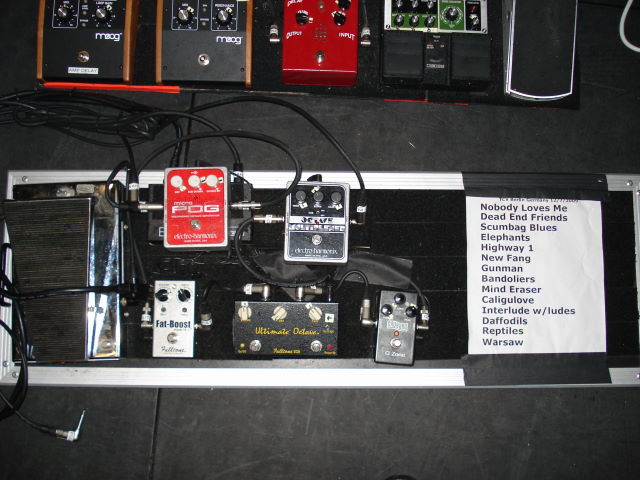
General Mods That Apply to Any Pedal
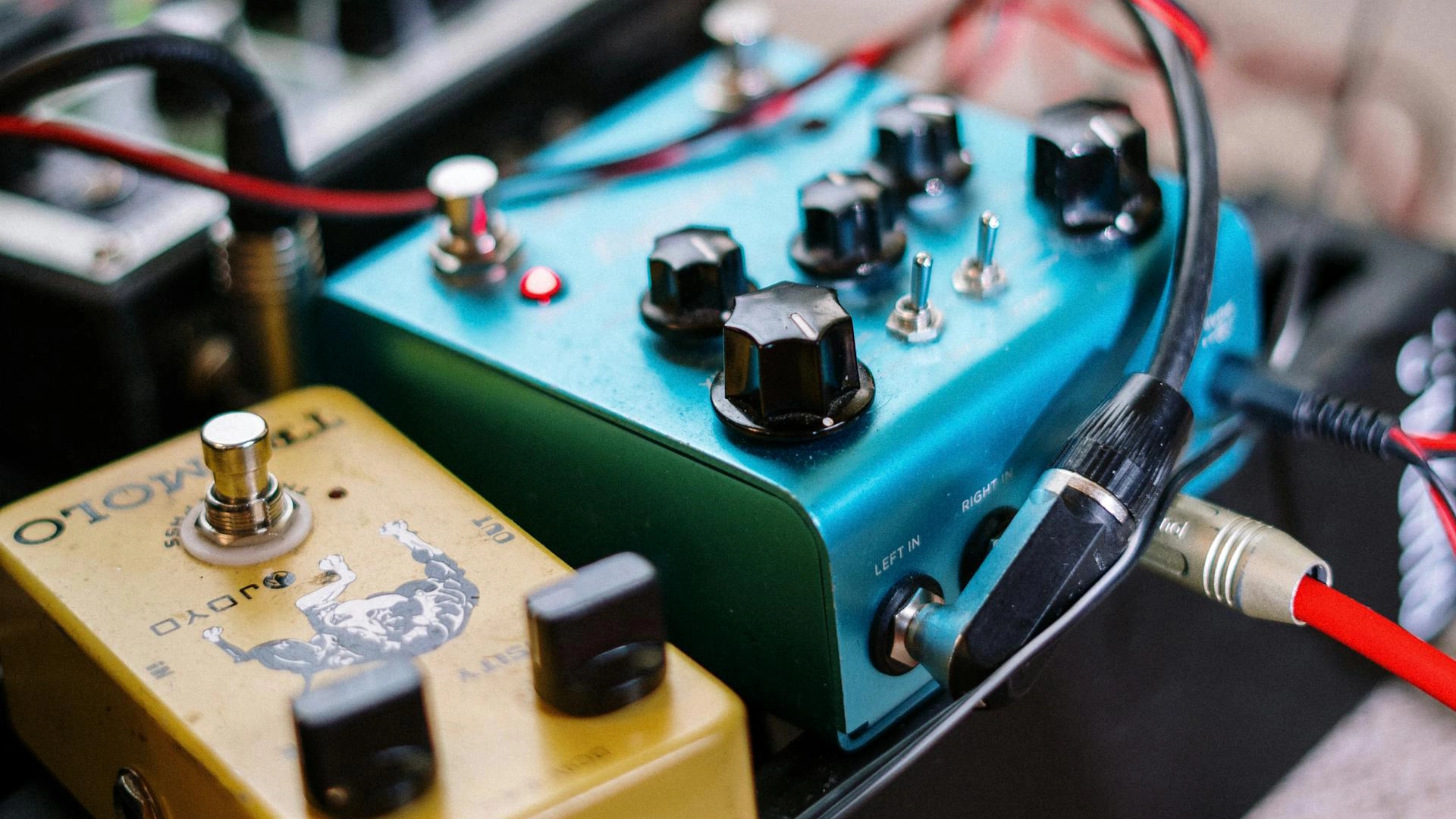
Some modifications can improve almost any pedal. These general mods are often where beginners start their journey.
True Bypass Conversion
True bypass completely removes a pedal from your signal path when off, preserving tonal purity. Many vintage and budget pedals use buffered bypass, which can color your tone even when disengaged. Multiple buffered pedals can result in high-frequency loss that players describe as sounding "blanketed."
Converting to true bypass involves replacing the footswitch with a 3PDT switch and rewiring connections. It requires basic soldering skills but is within reach of most players.
LED Upgrades
LED modifications serve practical purposes beyond aesthetics. Many vintage pedals lack indicators or use dim LEDs impossible to see on bright stages. A bright, modern LED makes a huge difference live.
This basic swap requires minimal soldering experience and costs just a few dollars. Simply desolder the old LED, solder in the new one with an appropriate current-limiting resistor (usually 1k to 4.7k ohms for 9V pedals).
The Big Players: From Mod Shops to Pedal Brands
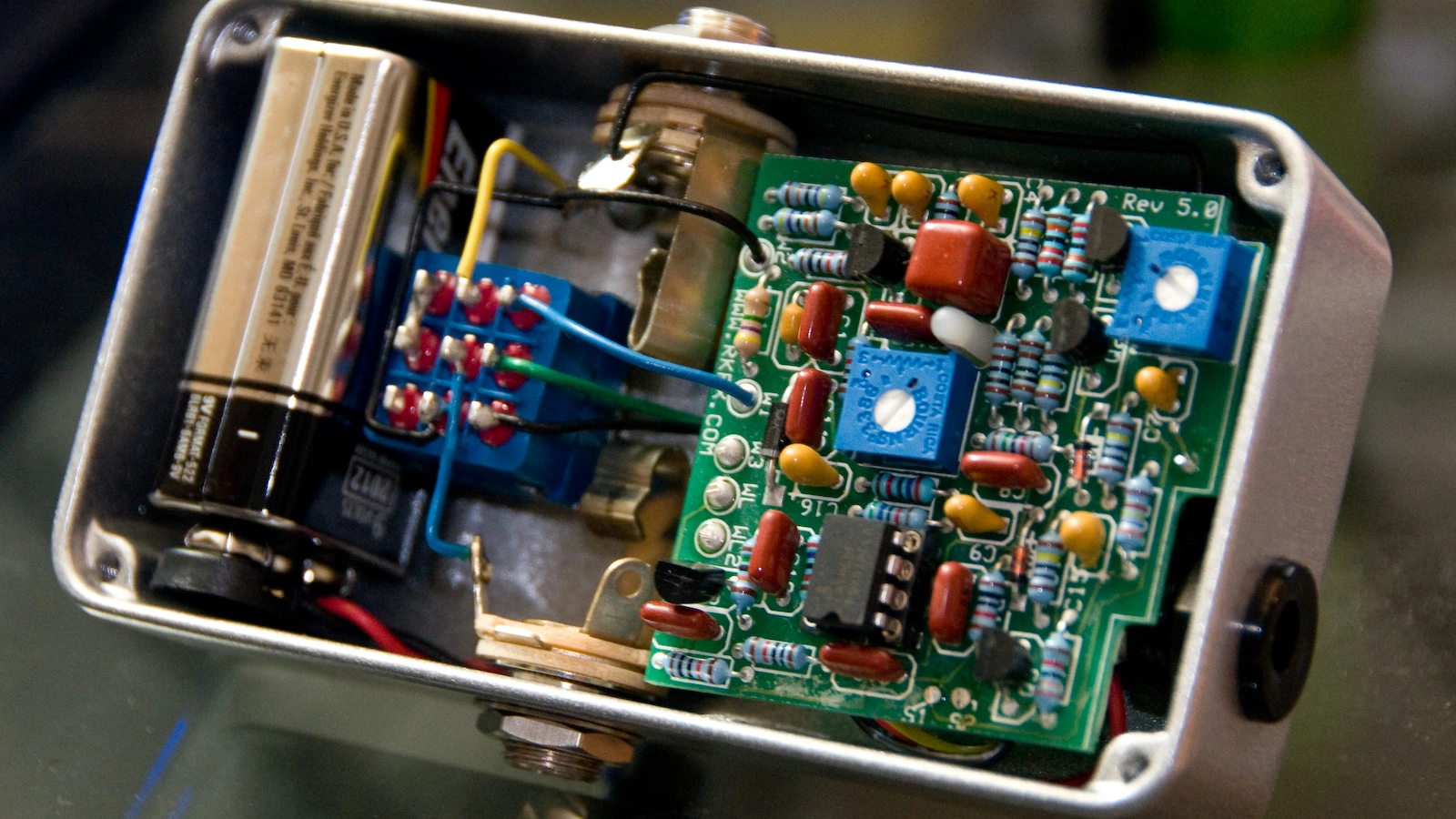
The journey from modification shop to established brand is well-worn by today's most respected manufacturers.
Keeley Electronics
Robert Keeley started in 2001 from his Oklahoma home, modifying pedals for local musicians. His DS-1 modifications put him on the map. When Brad Paisley and other established artists began using his mods, demand exploded.
What separated Keeley was his transition to original designs. The Keeley Compressor (2003) was a ground-up design incorporating everything learned from modifications. Today, Keeley Electronics employs over 20 people while still offering modification services, remembering its roots while innovating.
Analog Man
Mike Piera built Analog Man's reputation on obsessive attention to detail. Starting in Connecticut in the early 1990s, his modifications involve hand-selecting components for optimal values. He discovered tolerance variations meant identical pedals could sound different, so he tests and measures components to match the best-sounding vintage units.
This perfectionism attracted professionals needing consistency. When Trey Anastasio of Phish needed Tube Screamers, he turned to Analog Man. The King of Tone overdrive, with its years-long waiting list, proves a modification shop can create the most coveted pedals in existence.
JHS Pedals
Josh Scott began JHS Pedals in 2007, using online forums and YouTube to learn and share knowledge. His transparency about the why behind modifications set JHS apart. The Morning Glory overdrive essentially began as a heavily modified Blues Breaker circuit, and Scott was always open about his influences.
JHS now operates from Kansas City, producing dozens of original designs while offering select modifications. The company's success proves the modification scene is about understanding what players want and delivering it.
Should You Try Modding?
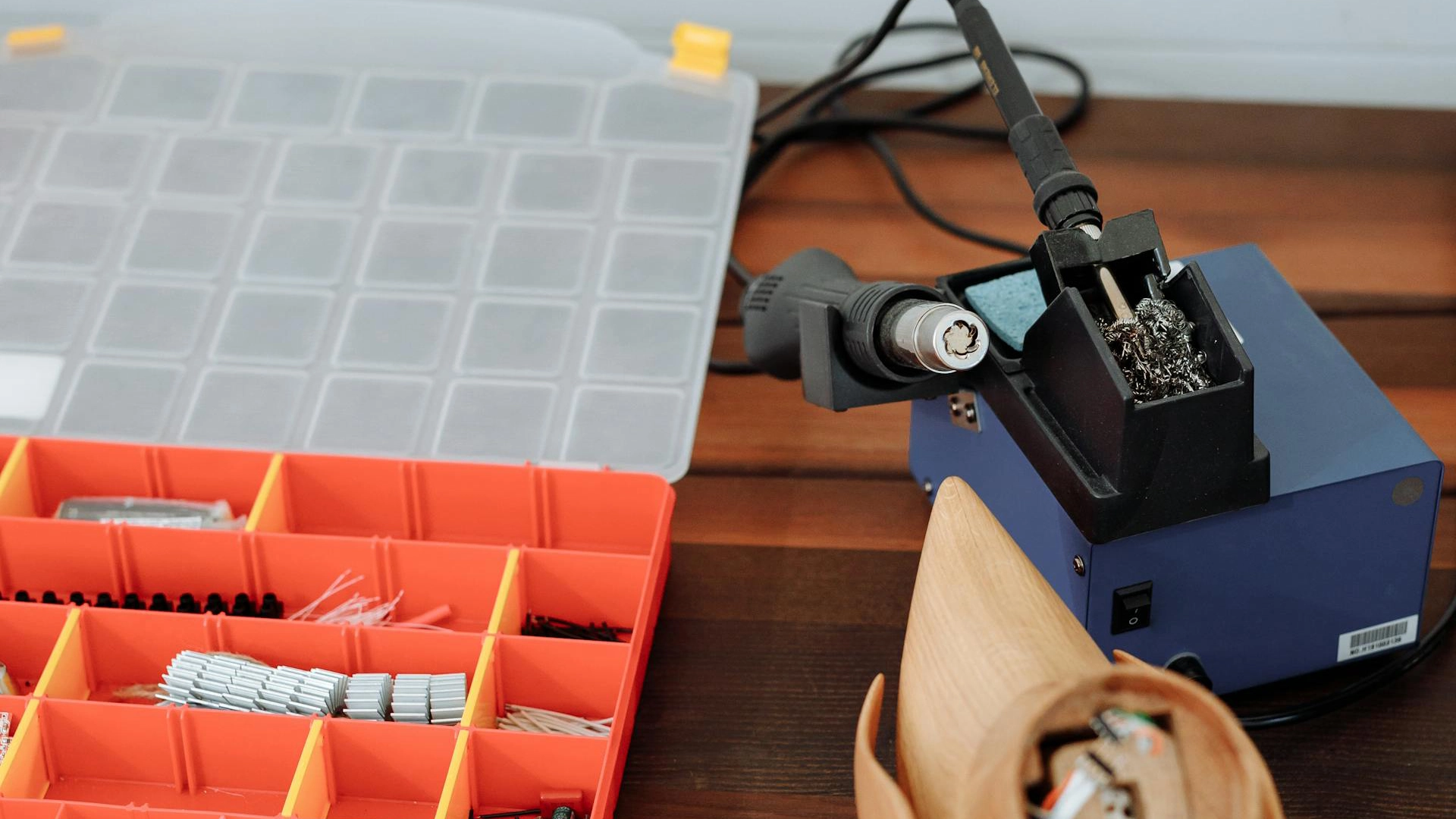
Modding can be incredibly rewarding, giving you unique tones and deeper understanding of your gear. But it's not without challenges.
Benefits and Risks
Learning to modify pedals offers deep satisfaction and practical education. You learn electronics hands-on, develop troubleshooting skills, and save money once you have basic tools. However, you can permanently damage pedals if careless. A slipped soldering iron can destroy PCB traces. Any modification voids warranties, and simple mods can become weekend troubleshooting sessions.
Getting Started
Start with LED swaps, which are simple and largely reversible. Buy quality tools: a temperature-controlled soldering iron (25-40 watts), proper solder, desoldering braid, and a multimeter. Practice on old electronics before touching valued pedals. Join communities like DIY Stompboxes forum for support.
Some modifications need professionals, especially involving surface-mount components or rare vintage pedals. Complex switching systems, digital components, or enclosure drilling often justify professional costs.
Conclusion
Pedal modifications represent a unique intersection of art, science, and cultural expression. Modders have shaped modern music's sound by refusing to accept that mass-produced pedals must sound one way. Companies like Keeley, Analog Man, and JHS prove today's modification becomes tomorrow's industry standard.
Understanding this world makes you a more informed player. You know why vintage units command high prices, what makes boutique pedals special, and how to evaluate modifications. This knowledge helps make better gear decisions and might save you from chasing expensive solutions a simple mod could provide.
The modification scene continues evolving with new techniques and components. Forums buzz with discussions of op-amp chips and capacitor materials. This exploration ensures pedal modification remains vibrant in guitar culture.
The next time you wish something was different about a pedal's sound, remember you're not stuck with it. Somewhere, a modder has probably figured out how to fix what bothers you. And if they haven't, maybe you'll discover the next legendary modification.
Top Ranked Guitar Pedals & Effects on Equipboard
-m.webp?v=1784905089)
-m.webp?v=1784905089)
-m.webp?v=1784905089)


About the authors
S. Jino is an accomplished multi-instrumentalist and music producer based in Kolkata, India, distinguished by his self-taught mastery and unique blend of technical acumen and musical performance. His extensive experience was forged through hands-on dedication, starting with the full restoration of a broken guitar. Jino's capabilities span keyboards, pedals, and advanced digital production, reflecting a comprehensive skill set developed independently. As a significant contributor to the music scene, Jino regularly performs with worship bands and college ensembles. He has also established himself as a reliable and authoritative professional in freelance mixing, mastering, and original music creation. Inspired by the innovative sounds of Brian May and David Gilmour, and influenced by Kolkata's vibrant metal community, Jino is committed to the intricate art of vintage gear restoration and the continuous exploration of music and technology fusion. His current professional setup, featuring a meticulously restored nameless guitar, a Fender Player Strat, and a Boss Katana 50. Read more
Michael R. Pierce is the co-founder of Equipboard and a lifelong musician with over 25 years of experience as a guitarist and gear enthusiast. He blends solid music theory chops (thanks to formal training in guitar, piano, and trumpet) with real-world experience, always exploring and experimenting across genres like rock, blues, and hip-hop. Michael launched Equipboard in 2013 after graduating from The University of Texas at Austin, leveraging his unique blend of musical passion, technological acumen, and community building. His current go-to rig features a Fender American Original ‘50s Telecaster, Analogman King of Tone, Strymon Flint, and a Fender ‘57 Custom Champ. Read more
.webp)




.webp)
.jpg)


.jpg)

.jpg)