-s.webp?v=1784732543)
-xl.webp?v=1784732543)
Pricing and availability
We compare 600+ stores and found this item at 1 store. Prices updated .
Store
Reviews
Price




Average Price: $600
Standard/Professional
$300
$701+
Price Tier
Budget
Standard
High-end
* Product prices and availability are updated by Equipboard every 24hrs and are subject to change. Equipboard may receive compensation for purchases made at participating retailers linked on this site. This compensation does not affect what products or prices are displayed, or the order of prices listed. For more information, please refer to our affiliate disclosure.
Description
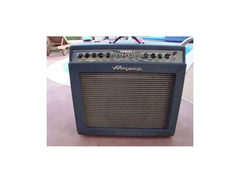
Fuel your passion for vintage music gear with the Ampeg Gemini I G-12, a timeless piece of craftsmanship from the early 1960s. Initially conceived for accordion players, this 1x12 guitar combo has found its rightful place among guitar enthusiasts. It emanates a powerful sound with its 22-watt capacity, enveloping your surroundings with the nostalgic charm of its era. Beyond its all-tube design lies the secret to its unique sound - the onboard reverb and tremolo, a testament to its authenticity and a nod to the characteristic music of its time.
Key Features:
- A 1x12 guitar combo amplifier with a vintage appeal
- Equipped with a powerful 22-watt capacity
- Features an all-tube design for a warm, rich tone
- Includes onboard reverb and tremolo for added sound versatility
- Originally designed in the early 1960s, offering a classic and authentic sound experience.
Product specs
| Brand | Ampeg |
| Model | G-12 Gemini I 2-Channel 22-Watt 1x12" Guitar Combo |
| Finish | Blue |
| Year | 1964 - 1968 |
| Made In | United States |
| Categories | Guitar Combo Amps |
| Direct Output | No Direct Output |
| Electronics | Tube |
| Number of Channels | 2 Channels |
| Number of Inputs | 4 Inputs |
| Output Power (Watts) | 22 |
| Power Tube Type | 7591 |
| Reverb | None |
| Speaker Configuration | 1x12" |
FAQs
-
What kind of music is the Ampeg Gemini I G-12 best suited for?
-
The Ampeg Gemini I G-12 is ideal for genres that benefit from warm, vintage tube tones, such as blues, jazz, and classic rock, thanks to its 22-watt output and 12" Jensen speaker.
-
Does the Ampeg Gemini I G-12 have built-in reverb?
-
No, the Ampeg Gemini I G-12 does not include built-in reverb, focusing instead on delivering pure tube-driven sound through its 22-watt combo design.
-
How many channels does the Ampeg Gemini I G-12 offer?
-
The Ampeg Gemini I G-12 features two channels, allowing for versatile sound shaping and tonal variety for different playing styles and settings.
-
What type of power tubes does the Ampeg Gemini I G-12 use?
-
The Ampeg Gemini I G-12 utilizes 7591 power tubes, which contribute to its warm, vintage sound and reliable performance for guitarists seeking classic tones.
-
Is the Ampeg Gemini I G-12 suitable for live gigs with a drummer?
-
With its 22-watt output, the Ampeg Gemini I G-12 provides sufficient volume for small to medium-sized gigs, though it may need additional amplification for larger venues with a full band.
Videos

CigarBGuitarefx
1969 Ampeg Gemini G-12 Tube 1x12 Combo Amp Amplifier
1969 Ampeg Gemini G-12 Tube 1x12 Combo Amp Amplifier
CigarBGuitarefx
1966 Ampeg Gemini I GS-12 Demo

Larkstongues
'66 Ampeg Gemini I | Final Playing Test

Psionic Audio
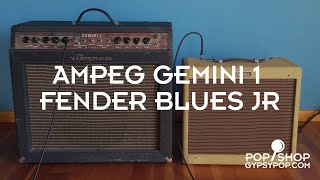
Ampeg Gemini 1 vs Fender Blues Jr. (1967-2012)

GYPSYPOP RECORDS
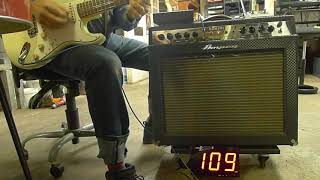
Gemini 1 G-12-1966

eric's page
1960s Ampeg Gemini 1 Tube Guitar Amp

No Nonsense Music
Reviews
PROS
-
Echo and vibrato effects are exquisite
-
Performs well at both low and high volumes
-
Compatible with a variety of guitars and music styles
-
Original components (e.g., tubes, Jensen speaker) enhance sound quality
-
Warm, tube-driven sound ideal for retro styles
-
Reverb tank replacements match original quality
-
Responsive to both analog and digital pedals
-
Useful bright switch on treble and bass knobs for varied sounds
-
Accommodates multiple input types, including unique accordion inputs
-
Versatile for use with different instruments beyond guitar
CONS
-
Requires maintenance, including tube and reverb tank replacements
-
Clean tones may not match pure 6L6 Fender Twin or solid-state amps
-
Volume needs to be low to maintain clean sound
-
Harsh breakup tone may not suit all music genres
-
Can overheat and require rest after several hours of continuous play
Owner Insights
We analyzed real musician discussions from forums and Reddit to find what players love, question, and tweak about Ampeg Gemini I G-12.
Build quality
-
Some users report issues with the transformer mounting, which may require new machine screws with locking washers for proper stabilization.
Source -
The presence of blue check tolex can indicate the amp is from the mid-60s, narrowing down its production year range.
Source -
The presence of pointed knobs can pinpoint a Gemini I to 1967, as this feature was exclusive to that year.
Source -
Serial numbers are a reliable way to date the amp, with specific ranges indicating particular years.
Source
Mods and upgrades
-
Owners suggest replacing the non-original Realistic Utah speaker with a Weber for improved sound quality.
Source
Setup and maintenance
-
It's noted that vintage amps like the Gemini I G-12 often require new electrolytic caps and a 3-wire power cord for safety and performance.
Source -
Inspect for any metallic rattling at high volumes, which might require securing loose parts, such as using Velcro to fix a vibrating cover plate.
Source -
Checking the original speaker for a date stamp can help confirm the production year.
Source -
Re-coning might be necessary if the original speaker isn't functioning properly.
Source
Comparisons
-
Users compare the Gemini I's sound favorably to vintage Fender amps, citing its unique tonal characteristics as superior.
Source
User experience
Value and pricing
-
A price of $350 is considered a bargain for an Ampeg Gemini I, even with necessary repairs, due to its rarity and vintage appeal.
Source
Features and functionality
4.0 out of 5
Based on 2 Reviews and 3 Ratings

Beautiful old, odd tube amp
I own this amp. Got it in 2005 from Guitar Center in Jackson Heights, Queens, NYC in the used section. Has a Jensen speaker that seems to be original, according to techs I have sent it to as well. I had to replace a pre-amp tube right away (one channel was howling like a banshee), and replaced another in 2010. Also replaced the reverb tank in 2007 or so - the tech who did it said they exact same reverb tank as the original is still available (or was then) and that is what he put it in it. Other than that this thing has worked beautifully. It was my main amp for almost every band I was in, and from 2005 - 2010 I was in 3-5 bands simultaneously. In 2008 I purchased a VHT 5084 head and 4X12 cab for a heavy industrial band I was in, but I continued to use this amp for everything else, and even this amp had worked well even for that heavy band when pushed by a Proco Rat, Marshall Shredmaster or certain settings on my GT-8.
Perhaps around 30 minutes of playing will warm it up and get it into an amazing sweet spot. Just the most incredible warm, kind of psychedelic, glowing tube distortion you can paint with. It feels like swimming in golden sunshine. Has nice warm cleans as well, but not a pure clean like a 6L6 Fender Twin or a transistor amp, a retro dusty kind of clean (great for jazz, retro rock, country types sounds) that gets dirtier as you raise the volume. Volume must be quite low (and probably mic'ed) to maintain the cleans. The reverb (called echo on this amp) is gorgeous. The tremolo is amazing, and alone or with the reverb can make some really cool sounds and noises. The bright switch on the treble is useful, even with a strat. The bass knobs can get you into fuzz sounds. The amp can get to a point where it needs a rest, if you leave it on and play through it for several hours.
This amp does amazing things to pedals, both analog and digital, though I think it is really the nicest with analog distortions and overdrives. Analog delay is fun with this amp, and digital delay sounds great too. A few years after getting this amp I started collecting analog pedals which gave a beautiful sound with it. When I used my GT-8 processor with it, I found that I preferred to turn off the amp simulations and only use the distortions/overdrives and the effects.
The separate guitar and accordion inputs are funny little feature of this amp. Rumor says accordion inputs may provide more gain - I think this is correct - they do make the sound a little bassier and fuzzier. Generally, I think the guitar inputs are best. I do always use a little cable to pass out of channel 1 (via the unused input) and into channel 2, since only 1 has tremolo and 2 has reverb. You could mix and match a couple of ways to experiment with the sounds produced.
This amp also sounds great with harmonica. I have run digital keyboards through it for Fender Rhodes as well as analog synth type sounds.
You can hear this amp on many recordings I made with bands I was in - studio, live and even jam and practice recordings. As long as you mic it well, you can get great sounds from it.

41028
ampegy
these 1x12 combos are no gemini II when it comes to jazz and clean 60s pop, but they have a certain vibe.... plus you can get them to break up, unlike their 15" loaded siblings.... and that breakup is this harsh, can't you hear me knocking rasp! the power tubes are vailable again from JJ so these are fun amps and still relatively affordable.
Artist usage
Add artist

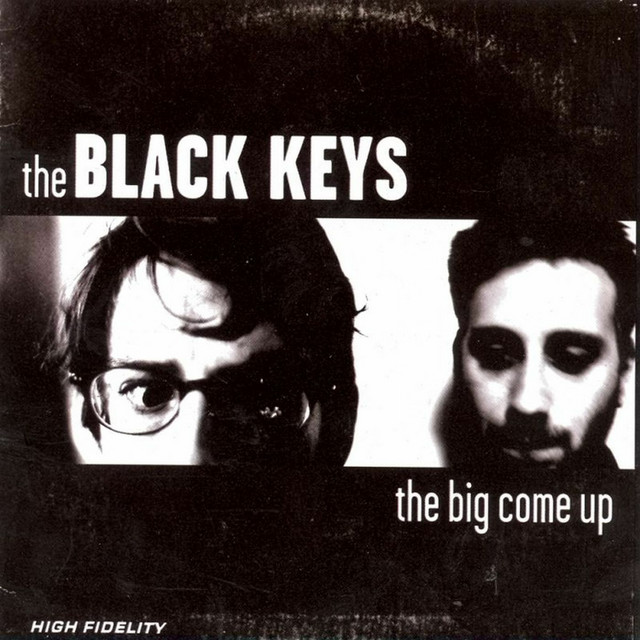
In this photo of the inside artwork of The Black Keys album: Rubber Factory, the combo amp sitting on the far left is an Ampeg Gemini I, which coincidentally can also be seen on the inside cover of their debut album: The Big Come Up in the photo where Dan is performing a rather impressive jump.The rich, wet reverb and spiky, gritty drive tones of this amp can be heard on both these albums.
.jpeg?v=1784890826)
.jpg)
Bob Dylan plays a Fender Stratocaster electric guitar through an Ampeg amplifier while recording his album ‘Bringing It All Back Home’ on January 13-15, 1965 in Columbia's Studio A in New York City, New York Photo: Michael Ochs Archives


Rob Schnapf mentioned that after recording XO Elliott Smith didn’t have a rig to tour with so he lent him a Gibson 330 and an Ampeg Gemini amp, staring around 7:08 in the Show Us Your Junk video, and “he loved it”…


Used in the recording of the album "Move Like This" as explained by the guitarist.


Ampeg Gemini: Greg recorded the first three Wipers records with 1965 Ampeg Gemini. Due to its fragility, and extreme weight, Greg never toured with it (though it can be seen in the background of this photo.) However, this amp's tremolo (which Greg set extremely low, to use as a semi-choral effect) and heavy reverb was essential to the guitar tone and tecnique on those records.


In Columbia's New York studios in June and then again in July, Michael played his Telecaster through an Ampeg Gemini I, a studio amp, while he, Dylan, Al Kooper and a number of studio musicians laid down tracks.


Heath Fogg of Alabama Shakes is seen using the Ampeg Gemini I G-12 amplifier in a user-uploaded photo.


"I also used a blackface Deluxe Reverb; the slide on “Supersonic” was a ’59 double-cut Les Paul Junior through a late-’60s Ampeg Gemini. I played the last part through that amp before it bit the dust – power transformer blew. I had blown the output transformer a few years earlier… and the speaker. That amp’s had a tough life!"


In a "Six Questions" interview on Tumblr, J. Robbins discusses using the Ampeg Gemini I G-12 amplifier.


This image appear on a Lily's geocities fansite, reportedly found on Guitar Geek.


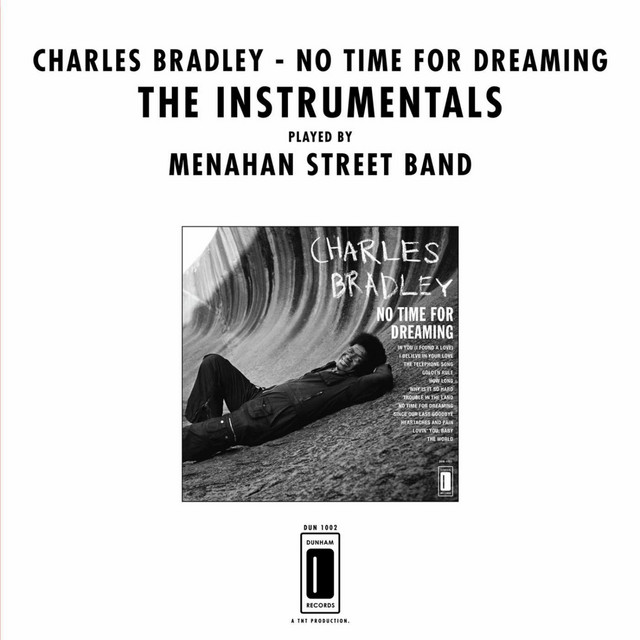
The in-house G-12 at Daptone's House of Soul was used for Charles Bradley's No Time for Dreaming, as mentioned by Brenneck in this March 15, 2011 Electronic Musician interview.
“Some of these tracks have the crunchiest organ and Rhodes sounds,” Brenneck explains, “because they were getting bounced with the guitar [a ’66 Harmony H74 through a ’68 Ampeg Gemini amp], and of course every time you bounce, you get another generation of tape compression. You don’t really need outboard gear when you do that, and you can end up with some really tough-sounding shit. Then you’ve got Bradley and the horn players just pinning the needles with tape distortion; there’s no way I’m gonna record it again if what they just did is magic. It’s all about commitment and hard work beforehand, and I think the sound just comes naturally as a result of that.”
The specification of a G-12 is made in this November 1, 2007 Electronic Musician article by Daptone founder Gabriel Roth (a.k.a Bosco Mann), who describes how he acquired it.
Ampeg Gemini G-12 guitar amp: “About 10 years ago, I was walking down the street on my way to the studio,” Roth says, “and as I passed a building that was being demolished, I felt a bang against my leg. They were gutting the building and one guy was throwing all the garbage out the door over the sidewalk to another guy on the street who was tossing it into a dumpster. That Gemini is what hit me in the leg on its way to the dumpster. How's that for fate? Didn't even need to repair it.”

The in-house G-12 at Daptone's House of Soul was used on Shattered, as mentioned producer and engineer Wayne Gordon in this August 28, 2014 Electronic Musician article,
“For Mike (Catanese)’s and Greg’s guitars, they used [the studio’s] Ampeg Gemini, a couple of Magnatones, and Greg brought in a boutique amp of his own. Mike plays a ’70s Silvertone that sounds f*cked up in a good way, which helps."
The specification of a G-12 is made in this November 1, 2007 Electronic Musician article by Daptone founder Gabriel Roth (a.k.a Bosco Mann), who describes how he acquired it.
Ampeg Gemini G-12 guitar amp: “About 10 years ago, I was walking down the street on my way to the studio,” Roth says, “and as I passed a building that was being demolished, I felt a bang against my leg. They were gutting the building and one guy was throwing all the garbage out the door over the sidewalk to another guy on the street who was tossing it into a dumpster. That Gemini is what hit me in the leg on its way to the dumpster. How's that for fate? Didn't even need to repair it.”
Album Usage
The Ampeg Gemini I G-12 has been featured on the following albums:



Genre Usage
Based on how artists on Equipboard use this gear, it is most commonly found in the following genres.
Used With
Based on how musicians on Equipboard use Ampeg Gemini I G-12, it is most commonly used with the following gear.



-s.webp?v=1784845261)


More Ampeg Combo Guitar Amplifiers


.jpg?v=1784792382)


-m.webp?v=1784819425)


Accessories & Related Items



-s.webp?v=1784334630)
Community setups


Similar


Gear Guides







Most Popular Combo Guitar Amplifiers
Most Popular Brands


