Bootsy Collins
US funk musician & songwriter
Genre
Group
Genre
Group
Bootsy Collins' Gear


In this June 20, 2020 Fender video at 2:51, Bootsy shows off his original P-Funk bass from 1971.
Find it on:


Bootsy Collins collaborated with Warwick to design the Bootsy Collins Spacebass, a star-shaped electric bass, as showcased on Warwick's official website.
Find it on:


This Bass Player interview states that Collins uses a Warwick Bootsy Collins Infinity Signature Bass.
Find it on:

Used with Parliament and Funkadelic, as mentioned by Collins in this June 24, 1978 Sounds interview, this excerpt from a 1979 Guitar Player interview, this May 1991 Musician interview, this November 1, 2010 Bass Player interview and this November 15, 2011 Funk U video.
Sounds, June 24, 1978, "Bootsy Collins: 'Don't Leave Home Without Your F.U.N.K!'" by Vivien Goldman
What are your favourite toys, really. I mean, apart from that joke buzzer and the toy gun...
Bootsy: "Apart from that..." (waves his dark red almond-toed boot in the air,) "It's gadgets. I've got a new thing that looks like R2D2, the Space Case. It's a bunch of different gadgets, a 3 way system, instead of one straight bass thing I got it set up – you'll be funked all the way up – with an MXR Digital Delay, an Eventide Harmoniser, a multi divider, there's three Big Muffs, Moreley fuzz, wah, three Mutrons, a coupla Space Echoes.
"It all comes out separately, I got 12 speakers so you might hear one thing out of this side and something else talking to ya on the other. In the middle of the concert hall I got this thing called the Space Station, so your ears will be going WAAAAANG. It's all in the space. I got the space spex, the space bass, the space case and the space station."
Guitar Player 1979, as transcribed on TalkBass here and here from a reprint in Bass Heroes: Styles, Stories & Secrets of 30 Great Bass Players
What kind of amps do you use in your setup?
The entire system is divided into three different parts - high, mid, and low. But we're not just talking about amplification, we're talking about the effects in each part. On my highs I use a Big Muff fuzz, a Mu-tron III [envelope-following filter], an MXR digital delay, a Morley Fuzz/Wah, a Morley Power Wah, and an Eventide Harmonizer. The Harmonizer sits in a case that looks like R2D2 from Star Wars. It looks just like a little robot, so I call it R2FunkU. There's a sign hanging on it that says, "Can I Play?" Inside of it, there's also a keyboard for the Harmonizer that enables me to preset harmonized intervals to what I'm playing. That way I can play a note and have a fifth or a third coming out at the same time.
All of that equipment just for the highs?
Right. For the mids, I have a Big Muff fuzz, a Mu-tron III, and an MXR digital delay. On the lows, I use a Mu-tron Octave Divider, two Roland Space Echos, a Big Muff fuzz, and a Mu-tron III. I keep all my effects in one box called the Space Case. The highs and mids each have an Alembic preamp, two Crown DC-300A amps, and four Cerwin-Vega speaker cabinets.
What's in each cabinet?
The cabinets used for the highs are called V-32s. They have two 12s, one midrange horn, and two tweeters. The midrange cabinets are basically the same, except there's one 15" speaker instead of two 12s. Those are called V-34s. On the bottom end are three Acoustic 370 heads and six Cerwin-Vega cabinets. Two have one 18" speaker and one 12", two more have an 18 and a 10, and two have one 18" and an 8.
Isn't that a lot of equipment for onstage?
I don't play it that loud. I've just got it there so that I don't have to strain the equipment and everybody can hear. As a matter of fact, the whole stage is set up like that. The guitar player, the keyboard player, everybody is set up like that so there is no real strain.
Musician, May 1991, "Bootsy Collins Effects the Funk" by Gene Santoro
"My role was pretty fluid in P-Funk. I got to play all the things I'd been thinking about: bass, drums, guitar lines, joking with the voice. I got a chance to experiment. I was always in Manny's [music store] checking out new stuff. Today, the things all sound the same. Back then, different gadgets had different sounds. But the Mutron was the one. I use it for talking without opening my mouth — letting the speakers speak for me. It's about the way you hit the string, the mood you're in. It's a conversation going on between me and it and the world. And then there was the Big Muff: It was raw and rowdy and loud, it'd irritate anybody — gnnnahhh! It got back my momma and everybody else who always told me to turn that damn guitar down.
"I had 18 speaker cabinets on the set then, with four super-clean Crown amps, three Alembic tube preamps and all that shit on the floor to give me the dirt. It was a big wall of sound, and I got off on it. Black bands at the time would have the cheapest equipment onstage; the singers'd be singing and the band'd be real hush-hush. I was so tired of that, I figured I was on a mission: Seek out and deploy emblems of the funk." Working now with a revived Rubber Band and rappers like Deee-Lite, he's still scouting hyper-space with that goal in mind. •
MUFFS 'N' MUTES
BOOTSY'S RIG is far from simple. "On the pedalboard I've got all the old stuff: three Mutrons, one Big Muff, a Yamaha distortion, an old rackmount digital MXR, the small Boss DD-3. I've got a few new Digi-Techs for rackmount: the Time Machine 4000, the Smartshift Bass Harmonizer, a stereo Rat, an FX-500B. I'm using Roland Space Echo — of course. I've only got two Electro-Harmonix Bass-micro synths left, and I can't find no more. At least I've got a million Mutrons and Big Muffs!
"My amps are the QSC 4000: They run my two sets of subwoofers, which are four 18"s in each cabinet. On the mids I've got four cabinets, each with two 15"s, two 12"s and a horn; the highs are four 12"s and a horn. All my speakers are Celestions. The amps running the mids and highs are two Yamaha 2000As and one QSC 4000. I'm still going with three old Alembic preamps, which gives me that warm, clean sound; they're running my highs, mids and lows. I use that for the Bootsy Rubber Band; for Deee-Lite I lighten up. Oh yeah — always the Space Bass. But I'm starting to get into five- and six-string basses, and even fretless, since I've been working with Bill Laswell."
Bass Player, "In Session With Professor Bootsy Collins" by Jimmy Leslie (November 1, 2010)
Generally speaking, how would you compare old pedals to new ones?
The old Mu-Trons and Big Muffs were all slightly different, so you had to work with them. To me, that was fun. It helped push you creatively. Pedals are so preset and consistent now that they all sound the same. At F.U., we’re trying to get away from the domestication of sound. I’m not knocking manufacturers, but I want musicians to avoid getting locked in on a particular sound that everybody’s using. Find your own.
Electro-Harmonix YouTube channel - "Electro-Harmonix Bootsy Collins Funk U" (November 15, 2011)
You know, back in the day, like, in the '70s I was using, like, the Big Muff on all those old records we used to do with Parliament-Funkadelic.
Collins did not start using fuzz with Parliament until 1975's Chocolate City, evincing a Ram's Head as the unit he purchased.
Find it on:


"...once I landed my first real gig with James Brown the Godfather of Soul, he and I decided: "Well, son, I think it's time for a big-boy bass...." He bought me my first real bass, a Fender Jazz, the Bomb..."
Find it on:


You can see Bootsy playing over this amp with a number of speakers attached to it.
Find it on:

A pivotal component of Collins' funk bass sound with Parliament-Funkadelic, the Mu-Tron III was a mainstay of his rig until it was replaced with later reissues. Effects Database even quotes him saying "Without that Mu-Tron, there ain't no Bootsy". The following interviews document his use of the pedal:
Sounds, June 24, 1978, "Bootsy Collins: 'Don't Leave Home Without Your F.U.N.K!'" by Vivien Goldman
What are your favourite toys, really. I mean, apart from that joke buzzer and the toy gun...
Bootsy: "Apart from that..." (waves his dark red almond-toed boot in the air,) "It's gadgets. I've got a new thing that looks like R2D2, the Space Case. It's a bunch of different gadgets, a 3 way system, instead of one straight bass thing I got it set up – you'll be funked all the way up – with an MXR Digital Delay, an Eventide Harmoniser, a multi divider, there's three Big Muffs, Moreley fuzz, wah, three Mutrons, a coupla Space Echoes.
"It all comes out separately, I got 12 speakers so you might hear one thing out of this side and something else talking to ya on the other. In the middle of the concert hall I got this thing called the Space Station, so your ears will be going WAAAAANG. It's all in the space. I got the space spex, the space bass, the space case and the space station."
Guitar Player, 1979, as transcribed on TalkBass here and here from a reprint in Bass Heroes: Styles, Stories & Secrets of 30 Great Bass Players
What kind of amps do you use in your setup?
The entire system is divided into three different parts - high, mid, and low. But we're not just talking about amplification, we're talking about the effects in each part. On my highs I use a Big Muff fuzz, a Mu-tron III [envelope-following filter], an MXR digital delay, a Morley Fuzz/Wah, a Morley Power Wah, and an Eventide Harmonizer. The Harmonizer sits in a case that looks like R2D2 from Star Wars. It looks just like a little robot, so I call it R2FunkU. There's a sign hanging on it that says, "Can I Play?" Inside of it, there's also a keyboard for the Harmonizer that enables me to preset harmonized intervals to what I'm playing. That way I can play a note and have a fifth or a third coming out at the same time.
All of that equipment just for the highs?
Right. For the mids, I have a Big Muff fuzz, a Mu-tron III, and an MXR digital delay. On the lows, I use a Mu-tron Octave Divider, two Roland Space Echos, a Big Muff fuzz, and a Mu-tron III. I keep all my effects in one box called the Space Case. The highs and mids each have an Alembic preamp, two Crown DC-300A amps, and four Cerwin-Vega speaker cabinets.
What's in each cabinet?
The cabinets used for the highs are called V-32s. They have two 12s, one midrange horn, and two tweeters. The midrange cabinets are basically the same, except there's one 15" speaker instead of two 12s. Those are called V-34s. On the bottom end are three Acoustic 370 heads and six Cerwin-Vega cabinets. Two have one 18" speaker and one 12", two more have an 18 and a 10, and two have one 18" and an 8.
Isn't that a lot of equipment for onstage?
I don't play it that loud. I've just got it there so that I don't have to strain the equipment and everybody can hear. As a matter of fact, the whole stage is set up like that. The guitar player, the keyboard player, everybody is set up like that so there is no real strain.
Musician, May 1991, "Bootsy Collins Effects the Funk" by Gene Santoro
His twangy, rubbery, butt-thumping bottom can suddenly zoom into the stratosphere and turn vocalic or spacey or both, in a way that recalls tone-painting pioneer Jimi Hendrix.
That's no accident, according to Bootsy: "He changed the way everybody heard. He influenced my whole idea of the Mutron and all, because he was gadgetized. He had this magic thing — the look, the sound, all that kept pulling me. Black radio was only telling you about the Temptations. The whole message about Hendrix — the look, the sound, 'this is a guy who's got airplanes in his music' — was that you can't be flying that high. For me it was like, Damn, why're they telling us this magic's no good? I'm looking around and people are getting off, but radio's saying naaah. Once P-Funk got going and they started telling us naaah, I figured, 'This is the way they go.' I never was looking to get play from radio, so I wasn't surprised — until I did get some. We were way off to the left, but the world needs something this off-centered. They're trying to make us all straight, but that'll never work. Even a robot's gonna go nuts on you."
[...]
"My role was pretty fluid in P-Funk. I got to play all the things I'd been thinking about: bass, drums, guitar lines, joking with the voice. I got a chance to experiment. I was always in Manny's [music store] checking out new stuff. Today, the things all sound the same. Back then, different gadgets had different sounds. But the Mutron was the one. I use it for talking without opening my mouth — letting the speakers speak for me. It's about the way you hit the string, the mood you're in. It's a conversation going on between me and it and the world. And then there was the Big Muff: It was raw and rowdy and loud, it'd irritate anybody — gnnnahhh! It got back my momma and everybody else who always told me to turn that damn guitar down.
"I had 18 speaker cabinets on the set then, with four super-clean Crown amps, three Alembic tube preamps and all that shit on the floor to give me the dirt. It was a big wall of sound, and I got off on it. Black bands at the time would have the cheapest equipment onstage; the singers'd be singing and the band'd be real hush-hush. I was so tired of that, I figured I was on a mission: Seek out and deploy emblems of the funk." Working now with a revived Rubber Band and rappers like Deee-Lite, he's still scouting hyper-space with that goal in mind. •
MUFFS 'N' MUTES
BOOTSY'S RIG is far from simple. "On the pedalboard I've got all the old stuff: three Mutrons, one Big Muff, a Yamaha distortion, an old rackmount digital MXR, the small Boss DD-3. I've got a few new Digi-Techs for rackmount: the Time Machine 4000, the Smartshift Bass Harmonizer, a stereo Rat, an FX-500B. I'm using Roland Space Echo — of course. I've only got two Electro-Harmonix Bass-micro synths left, and I can't find no more. At least I've got a million Mutrons and Big Muffs!
"My amps are the QSC 4000: They run my two sets of subwoofers, which are four 18"s in each cabinet. On the mids I've got four cabinets, each with two 15"s, two 12"s and a horn; the highs are four 12"s and a horn. All my speakers are Celestions. The amps running the mids and highs are two Yamaha 2000As and one QSC 4000. I'm still going with three old Alembic preamps, which gives me that warm, clean sound; they're running my highs, mids and lows. I use that for the Bootsy Rubber Band; for Deee-Lite I lighten up. Oh yeah — always the Space Bass. But I'm starting to get into five- and six-string basses, and even fretless, since I've been working with Bill Laswell."
Bass Player, December 1998, quoted in Bass Player, "“Until I found the Mu-Tron, I never heard anything that made the bass sound totally wacko”: How Bootsy Collins’ mastery of the envelope filter became the flamboyant funkateer’s signature sound" by Bill Leigh (May 18, 2024)
"Until I found the Mu-Tron, I never heard anything that made the bass guitar sound totally wacko. When I played it for some girls in the studio, they said, ‘Ooh, what's that wet, watery sound? That's sexy!’ Oh, man – all of that rattle made me want to play every song with that sound!”
Bass Player, "In Session With Professor Bootsy Collins" by Jimmy Leslie (November 1, 2010)
Generally speaking, how would you compare old pedals to new ones?
The old Mu-Trons and Big Muffs were all slightly different, so you had to work with them. To me, that was fun. It helped push you creatively. Pedals are so preset and consistent now that they all sound the same. At F.U., we’re trying to get away from the domestication of sound. I’m not knocking manufacturers, but I want musicians to avoid getting locked in on a particular sound that everybody’s using. Find your own.
Promotional quote for the Biegel Labs Tru-Tron 3X (May 21, 2014) (see Bass Player and IndiePulse Music)
“Okay Funkateers, if you loved the original ‘Mutron’, then you are going to really love funkin’ with the all new ‘Tru-Tron 3X’,” says Bootsy Collins. “Why is it so much like the OG-Mutron? Because the OG maker of the original is doing the Dirty work on the ‘Tru-Tron’.”
“My motto is: Don’t Fake the Funk or your Nose will Grow.
Better get the real deal & stay away from the Dill-Doe!
Tell Mike Beigel that Bootsy sent you.
Funk away baba!”
Bass Player, "Bootsy Collins Still Stretchin' Out" by E.E. Bradman (inexplicit reference to "that underwater bubble sound") (Archive 1, Archive 2)
What inspired you to get into effects?
When I started out, I was searching for ways to not sound just like a bass player. When I hear an effect, it makes me play something different. It’s like certain women that touch you—you get a different feeling from different touches. Different sounds make you play different. I guess I was led by that, and it was always mysterious to me: “What does this sound like? What does that sound like?” And then I messed around and fell into that underwater bubble sound. I didn’t know that was going to be a signature sound that would be with me for years. I just knew I liked it. I was like, Wow! It was incredible. It was something I wasn’t hearing.
Folks must have been knocked out!
< When I first brought it to the studio, the engineer was like, “Nah, you don’t need no pedal. Just do it like we’ve been doing it. Plug in and play.” Nobody was down with me when I did it. After the fact, of course, everybody thought of it. “Yeah, I bought Bootsy that pedal. Yeah, I bought him all that stuff, his glasses and those sound effects.” But the real deal is, didn’t nobody want to hear that stuff until it got recorded.
And the collection just kept on growing.
I kept adding pedals, the engineer stopped resisting me, and he started being like, “Whatever you got, bring it on!” We did that first thing, and next thing you know, they wanted me to hook everything up. One thing led to another, and eventually I had to get a pedalboard. Nobody else was using a pedalboard with bass back then. I just started hearing this stuff in my head, and I was like, how can I get this sound? I started looking around, going to music stores, and I was always looking and trying to find something that moved me. Whatever moved me some kind of way, it got out into the audience, and it started moving them, too. Once that started happening, everybody was like, “Yeah! That’s the sound!”
What did you learn from that experience?
It taught me a lot about how people react to your first thing. If they resist and you feel good-heart-heavy about it, go with it. I started building on it, and I’m still building on it. You’d be shocked at all the pedals that are hanging around, waiting to be used. On this album, I tried to give a little variety to my pedal thing, using old stuff and new stuff, too.
Find it on:

Visible in this photo from this November 23, 2017 Premier Guitar interview.
Find it on:


Mentioned in this November 23, 2017 Premier Guitar interview.
Are your guitars recorded direct to the board or do you have guitar amps and effects set up in your studio as well?
I got amps and I got direct. I got the old 50-watt Ampeg with the two 12s. I mean, you name it. The old Epiphone, the old Gibson, the old Fender Twin Reverb—all that old stuff, I got it. I got the B-3 organ. I mean, fully blown. Musicians come in and have a field day. It’s like having a studio with things you can touch. These are things you can actually get on and play. And I don’t care what era a musician was brought up in, when he’s able to sit down, jam, mess around, and experiment—when he can do that—that’s when he fully gets a chance to open up with his own self-expression and beat it out of himself. I think it’s very important to be able to beat it out, because otherwise you sit there and play with yourself. And I just don’t like playing with myself like that [laughs].
Find it on:

A post from feb. 4th 2016 on Electro-Harmonix Key9 website shows a Picture of Bootsy Collins with a Key9 pedal, under the title "KEY9 Keeps It Funky". EHX quote: "Bassist extraordinaire, Bootsy Collins, just added a KEY9 Electric Piano Machine to his funktacular setup."
Find it on:

This Bass Player interview states that Collins uses this pre-amp.
Find it on:

Used with James Brown and on World Wide Funk, as stated by Collins in this November 23, 2017 Premier Guitar interview.
Did you have a Vox bass with James Brown as well?
Yeah, I’ve still got that Vox bass [an Apollo IV] and I played it on one of the songs on the new album—I can’t think which one it was off the top of my head—but I played it on one of the songs and man, I mean, nothing sounds like that. It’s like a dead-string sound—those old flatwound strings on top of that hollow Vox bass guitar. It’s got a built-in fuzz on it and a built-in tuner. It was incredible. I used a lot of different things on this record to try to give me a facelift. I’m still keeping the old stuff, but I’m adding a little newness here and there. On different songs, I use different pedals as well.
Find it on:

"Ahh the name is Bootsy baby, & I like um Fuzzier than a Cactus with 9 inch nails in it.
Before you become extinct, try out the Wooly Mammoth!
I stepped on one & thought I was caught up in a purple haze for dazes!
Get yr connection at: ZVex Effects baba!
Bootsy baby!!!" says Bootsy Collins, in this Facebook post.
Find it on:

"The original funk 'n' roll wild child, Bootsy Collins, puts bass in yer face with the EHX Deluxe Bass Big Muff, which he just added to his "Bootzilla" pedal board for some funked up Godzilla-tone." - this was featured on Electro-Harmonix website.
Find it on:

This interview states Collins uses this pedal.
Find it on:
-m.webp?v=1783735994)
In an interview with Bassplayer, Bootsy Collins discusses using the Pro Co RAT 2 distortion pedal.
Find it on:

Known from the following interviews:
Guitar Player, 1979, as transcribed on TalkBass here and here from a reprint in Bass Heroes: Styles, Stories & Secrets of 30 Great Bass Players
What kind of amps do you use in your setup?
The entire system is divided into three different parts - high, mid, and low. But we're not just talking about amplification, we're talking about the effects in each part. On my highs I use a Big Muff fuzz, a Mu-tron III [envelope-following filter], an MXR digital delay, a Morley Fuzz/Wah, a Morley Power Wah, and an Eventide Harmonizer. The Harmonizer sits in a case that looks like R2D2 from Star Wars. It looks just like a little robot, so I call it R2FunkU. There's a sign hanging on it that says, "Can I Play?" Inside of it, there's also a keyboard for the Harmonizer that enables me to preset harmonized intervals to what I'm playing. That way I can play a note and have a fifth or a third coming out at the same time.
All of that equipment just for the highs?
Right. For the mids, I have a Big Muff fuzz, a Mu-tron III, and an MXR digital delay. On the lows, I use a Mu-tron Octave Divider, two Roland Space Echos, a Big Muff fuzz, and a Mu-tron III. I keep all my effects in one box called the Space Case. The highs and mids each have an Alembic preamp, two Crown DC-300A amps, and four Cerwin-Vega speaker cabinets.
What's in each cabinet?
The cabinets used for the highs are called V-32s. They have two 12s, one midrange horn, and two tweeters. The midrange cabinets are basically the same, except there's one 15" speaker instead of two 12s. Those are called V-34s. On the bottom end are three Acoustic 370 heads and six Cerwin-Vega cabinets. Two have one 18" speaker and one 12", two more have an 18 and a 10, and two have one 18" and an 8.
Isn't that a lot of equipment for onstage?
I don't play it that loud. I've just got it there so that I don't have to strain the equipment and everybody can hear. As a matter of fact, the whole stage is set up like that. The guitar player, the keyboard player, everybody is set up like that so there is no real strain.
Musician, May 1991, "Bootsy Collins Effects the Funk" by Gene Santoro
His twangy, rubbery, butt-thumping bottom can suddenly zoom into the stratosphere and turn vocalic or spacey or both, in a way that recalls tone-painting pioneer Jimi Hendrix.
That's no accident, according to Bootsy: "He changed the way everybody heard. He influenced my whole idea of the Mutron and all, because he was gadgetized. He had this magic thing — the look, the sound, all that kept pulling me. Black radio was only telling you about the Temptations. The whole message about Hendrix — the look, the sound, 'this is a guy who's got airplanes in his music' — was that you can't be flying that high. For me it was like, Damn, why're they telling us this magic's no good? I'm looking around and people are getting off, but radio's saying naaah. Once P-Funk got going and they started telling us naaah, I figured, 'This is the way they go.' I never was looking to get play from radio, so I wasn't surprised — until I did get some. We were way off to the left, but the world needs something this off-centered. They're trying to make us all straight, but that'll never work. Even a robot's gonna go nuts on you."
[...]
"My role was pretty fluid in P-Funk. I got to play all the things I'd been thinking about: bass, drums, guitar lines, joking with the voice. I got a chance to experiment. I was always in Manny's [music store] checking out new stuff. Today, the things all sound the same. Back then, different gadgets had different sounds. But the Mutron was the one. I use it for talking without opening my mouth — letting the speakers speak for me. It's about the way you hit the string, the mood you're in. It's a conversation going on between me and it and the world. And then there was the Big Muff: It was raw and rowdy and loud, it'd irritate anybody — gnnnahhh! It got back my momma and everybody else who always told me to turn that damn guitar down.
"I had 18 speaker cabinets on the set then, with four super-clean Crown amps, three Alembic tube preamps and all that shit on the floor to give me the dirt. It was a big wall of sound, and I got off on it. Black bands at the time would have the cheapest equipment onstage; the singers'd be singing and the band'd be real hush-hush. I was so tired of that, I figured I was on a mission: Seek out and deploy emblems of the funk." Working now with a revived Rubber Band and rappers like Deee-Lite, he's still scouting hyper-space with that goal in mind. •
MUFFS 'N' MUTES
BOOTSY'S RIG is far from simple. "On the pedalboard I've got all the old stuff: three Mutrons, one Big Muff, a Yamaha distortion, an old rackmount digital MXR, the small Boss DD-3. I've got a few new Digi-Techs for rackmount: the Time Machine 4000, the Smartshift Bass Harmonizer, a stereo Rat, an FX-500B. I'm using Roland Space Echo — of course. I've only got two Electro-Harmonix Bass-micro synths left, and I can't find no more. At least I've got a million Mutrons and Big Muffs!
"My amps are the QSC 4000: They run my two sets of subwoofers, which are four 18"s in each cabinet. On the mids I've got four cabinets, each with two 15"s, two 12"s and a horn; the highs are four 12"s and a horn. All my speakers are Celestions. The amps running the mids and highs are two Yamaha 2000As and one QSC 4000. I'm still going with three old Alembic preamps, which gives me that warm, clean sound; they're running my highs, mids and lows. I use that for the Bootsy Rubber Band; for Deee-Lite I lighten up. Oh yeah — always the Space Bass. But I'm starting to get into five- and six-string basses, and even fretless, since I've been working with Bill Laswell."
Guitar Center, Artist Interviews, "Bootsy Collins: Bring on the Funk" (2007)
I have a certain setting for each amp and output from the bass. It's pretty simple but hard to explain... Hughes and Kettner amps is what I use for recording and also on the road. But on the road I need some additional power for which I add Alembic pre-amps and two Crown Macro Tech 5000 and two Macro Tech 3600's...that's the Bootzilla monster sound.
Bass Player, "In Session With Professor Bootsy Collins" by Jimmy Leslie (November 1, 2010)
STUDIO GEAR
Bass Warwick Bootsy Collins Infinity Signature Bass
Rig SWR Mo’Bass, Hughes & Kettner BassBase 600, Warwick Hellborg preamps and power amps, four custom-made 4x15 cabinets with Electro-Voice speakers
Effects Electro-Harmonix Bass Micro Synthesizer, Musitronics Mu-Tron III, Gig-FX SubWah, MXR Bass Envelope Filter, Chunk Systems Octavius Squeezer, Akai SB-1 Deep Impact, MXR Bass Blowtorch, ModTone Extreme Metal, Boss RE-20 Space Echo. “I used all these pedals on the new record, although I never use a single pedal by itself. I always use a combination of pedals in order to create my own unique sounds,” says Bootsy.
STAGE GEAR
Basses Space Bass, custom F Bass
Rig Alembic F2B preamp, two Crown Micro 5000 power amps, two Crown Micro 3600 power amps, eight custom-made cabinets with Electro-Voice speakers: two 4x18s, two 4x15s, and four 8x10s
Effects, Alembic Super Filter, Roland Space Echo, MXR Digital Delay, Pro Co Rat II, Electro- Harmonix Big Muff distortion, DOD Thrash, DigiTech Grunge, DigiTech Whammy Pedal, Boss BF-3 Flanger, DOD Envelope, two Mu-Tron IIIs, Electro-Harmonix Bass Micro Synthesizer
Find it on:

This Bass Player interview states that Collins uses this pedal.
Find it on:

Bootsy uses this mic "for recording of lead vocals and solo instruments in studio and on stage", according to AKG's official website.
Find it on:

Featured in this November 15, 2011 video at 2:09.
Find it on:
-m.webp?v=1783609189)
Featured in this November 23, 2017 Premier Guitar interview and this November 1, 2010 Bass Player interview.
Effects, Alembic Super Filter, Roland Space Echo, MXR Digital Delay, Pro Co Rat II, Electro- Harmonix Big Muff distortion, DOD Thrash, DigiTech Grunge, DigiTech Whammy Pedal, Boss BF-3 Flanger, DOD Envelope, two Mu-Tron IIIs, Electro-Harmonix Bass Micro Synthesizer
Find it on:
-m.webp?v=1783685679)
Featured in this November 23, 2017 Premier Guitar interview.
Find it on:

Featured on Collins' official Ampeg artist page.
Gear: SVT4PRO, SVT410HLF
Find it on:

Featured in this September 10, 2015 Facebook post.
Man, I just got my Eastwood EEB-1 Bass today, looks like my 1969 Ampeg unright style bass, which was designed to be more of an electric Upright sounding bass. The Eastwood is designed to be a modern day put the funk in yr face, rock in yr roll, Blues in yr Happy , kinda bass. Click here to see what they got: http://www.eastwoodguitars.com
Find it on:

Catfish's 1969 Jazzmaster is featured in this June 20, 2020 Fender video at 1:54.
Ah yeah, my big brother Catfish Collins. He was a big fan of the Fender brand as well. He loved, at this time that we was with James Brown, he loved the Fender Jazzmaster. Actually, this is the original 1969 that he played on The James Brown Show. The difference is he colored it after we left James Brown because we were goin' with Funkadelic and he colored it in blue. I asked him "What was that all about?" He had no clue, he just started laughin'. You know, but this is the original guitar, the Fender Jazzmaster. When you see Cat playin' with James Brown, this will be in a sunburst because that's what the original color was. Catfish was on the one.
Find it on:
-m.webp?v=1783609146)
Bootsy Collins uses the TC Electronic Alter Ego X4 Vintage Echo pedal, as shown in the user-uploaded photo on Imgur.
Find it on:

This Bass Player interview states Collins uses this pedal.
Find it on:

"What I like about my Duality Fuzz pedal is the sound of fresh hard Funk squirting out like a Smooth operator! Get your Grind on & contact Darkglass Electronicx to become a Smooth Operator while playing rough & getting yr hard on! Funk Away, Bootsy baby!!!"
Bootsy Collins (Bootsy's Website) 2015
Find it on:

“The TimeFactor makes you want to be creative, even at the moment when you have run out of ideas.”
Find it on:

According to Pigtronix's website, Bootsy Collins uses an Envelope Phaser.
Find it on:
This is a community-built gear list for Bootsy Collins.
- Find relevant music gear like Microphones, Bass Guitars, Amplifiers, Effects Pedals, and other instruments and add it to Bootsy Collins.
- The best places to look for gear usage are typically on the artist's social media, YouTube, live performance images, and interviews.
- To receive email updates when Bootsy Collins is seen with new gear, follow the artist.
-
Added to Equipboard on by
.jpg?v=1783663745) gchiaren
gchiarenGear IQ 37592
-
Updated
Discography
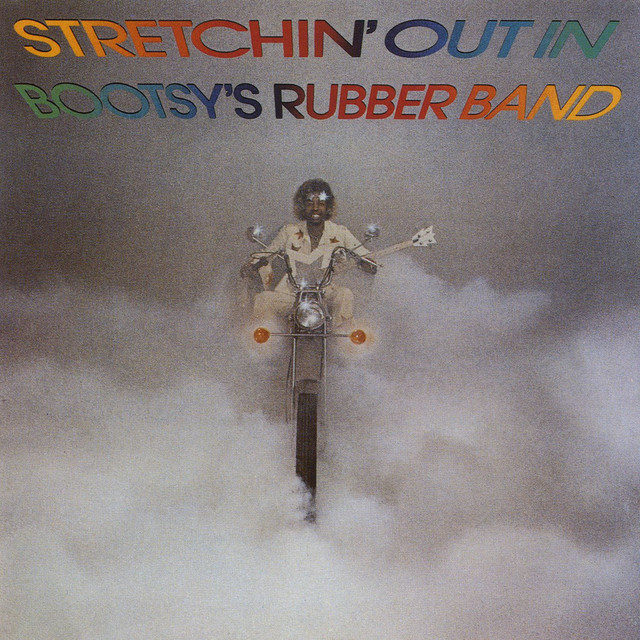
Stretchin' Out In Bootsy's Rubber Band
1976
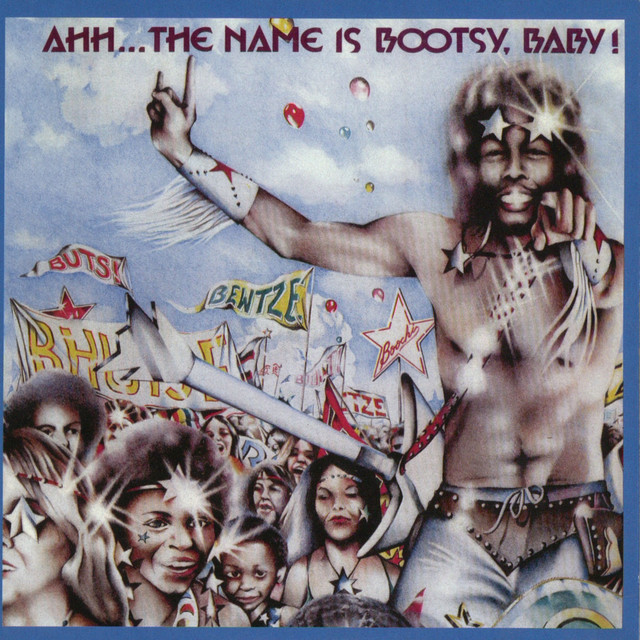
Ahh...The Name Is Bootsy, Baby!
1977
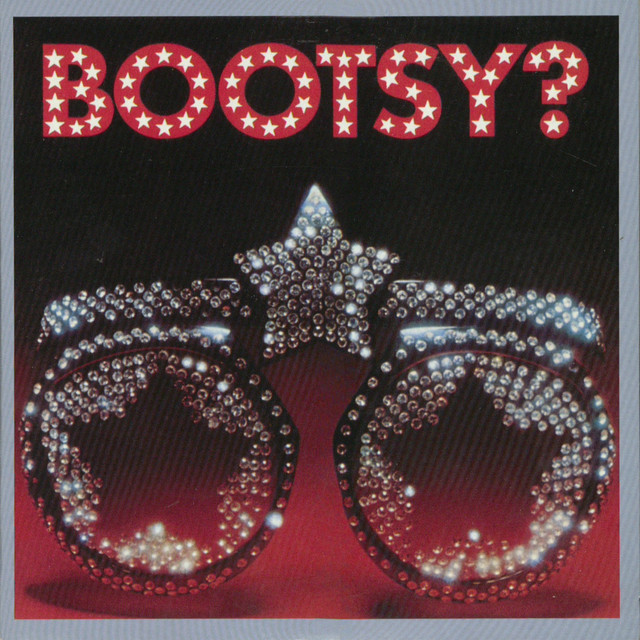
Bootsy? Player Of The Year
1978
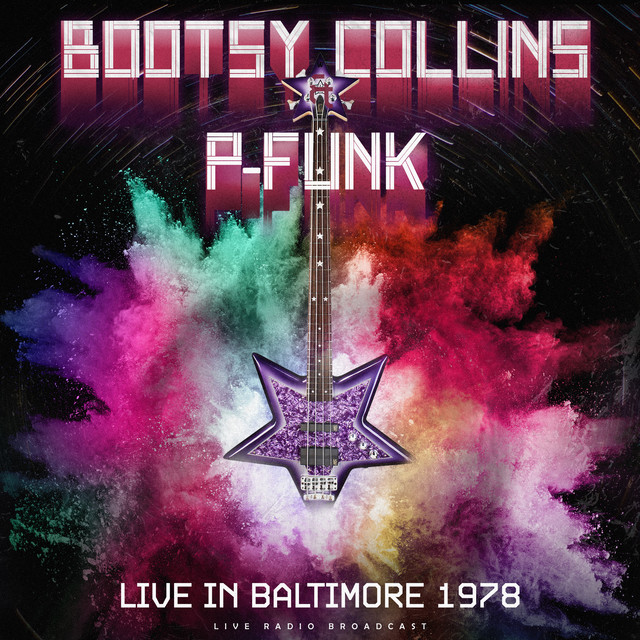
Live in Baltimore 1978 (live)
1978
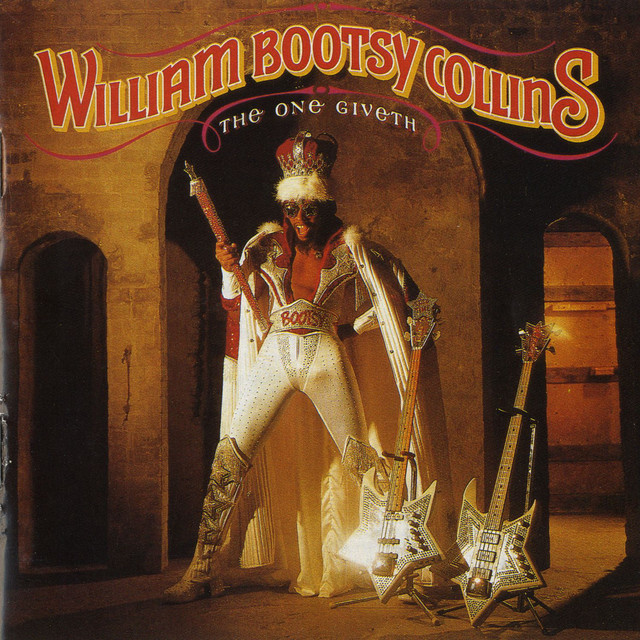
The One Giveth, The Count Taketh Away
1982
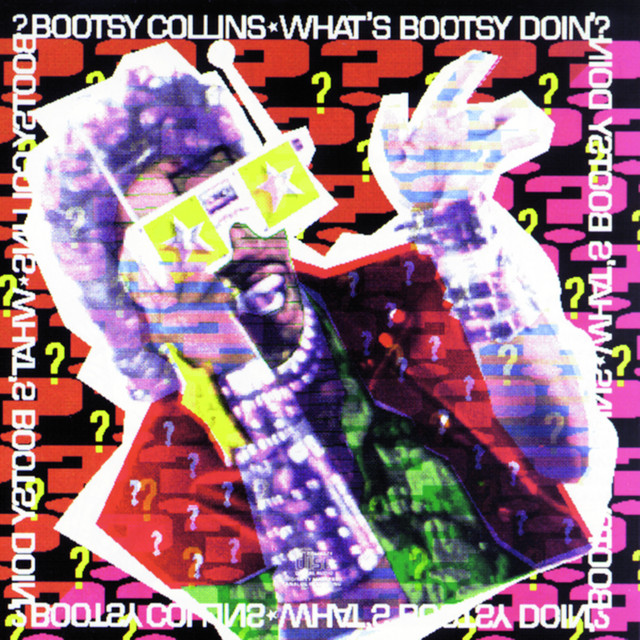
What's Bootsy Doin'?
1988
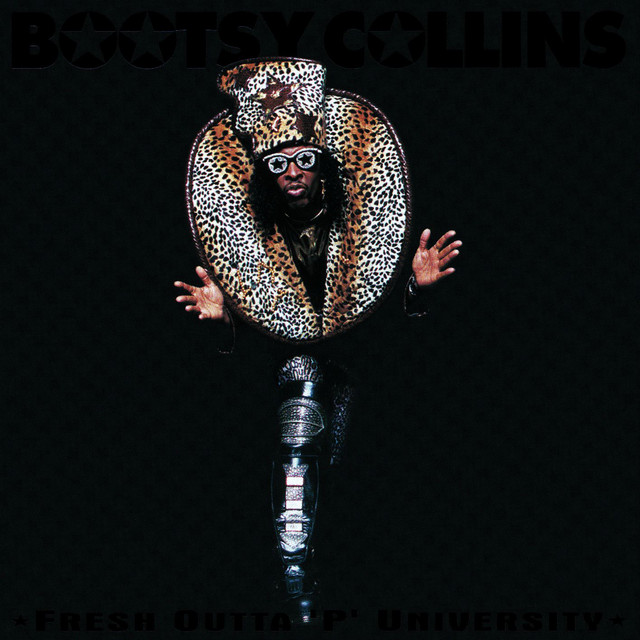
Fresh Outta "P" University
1997
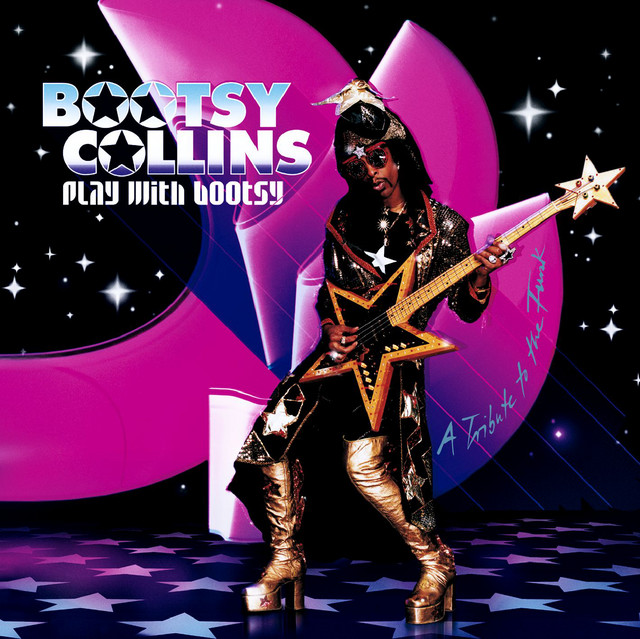
Play with Bootsy: A Tribute to the Funk
2002
Active Resonance
2007
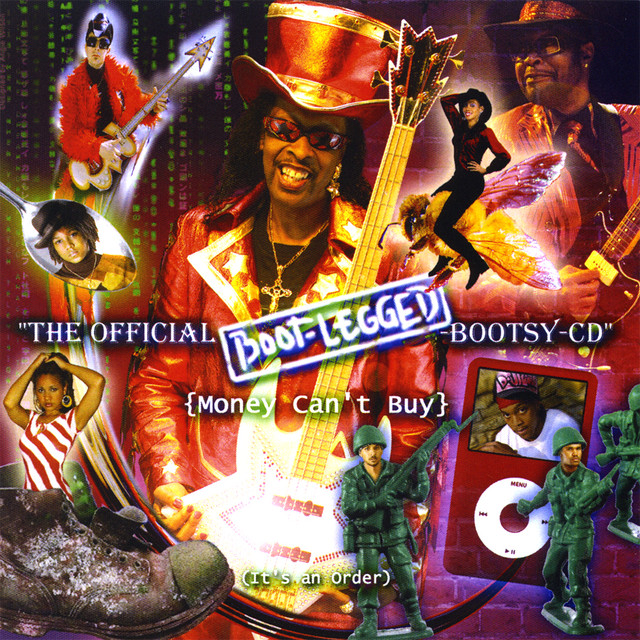
The-Official-Boot-Legged-Bootsy-CD
2008
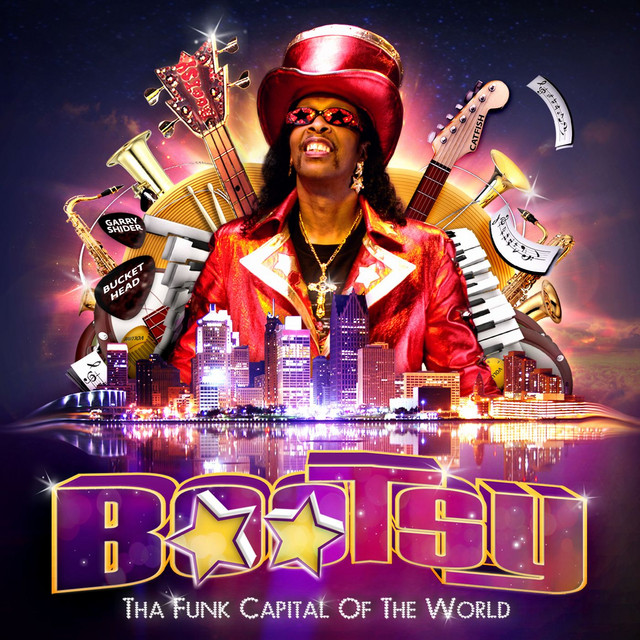
Tha Funk Capitol Of The World
2011

World Wide Funk
2017
Album Credits
-
Brian Culbertson · 2020
Producer -
Zapp · 2018
Producer -
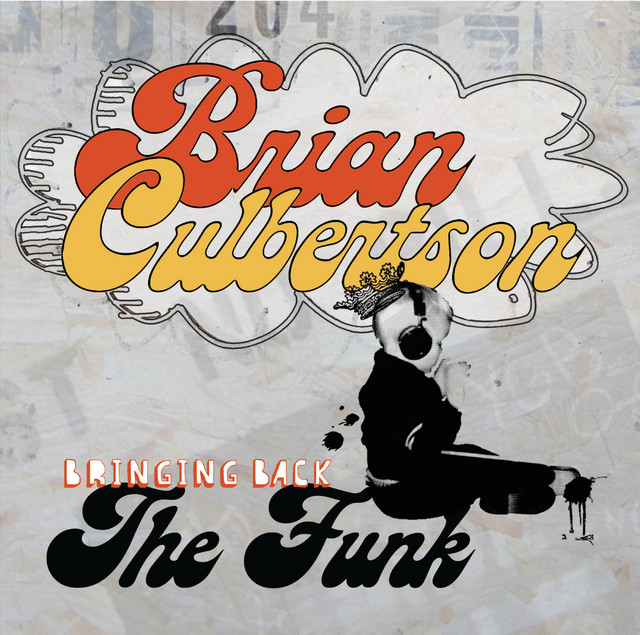
Brian Culbertson · 2008
Producer -
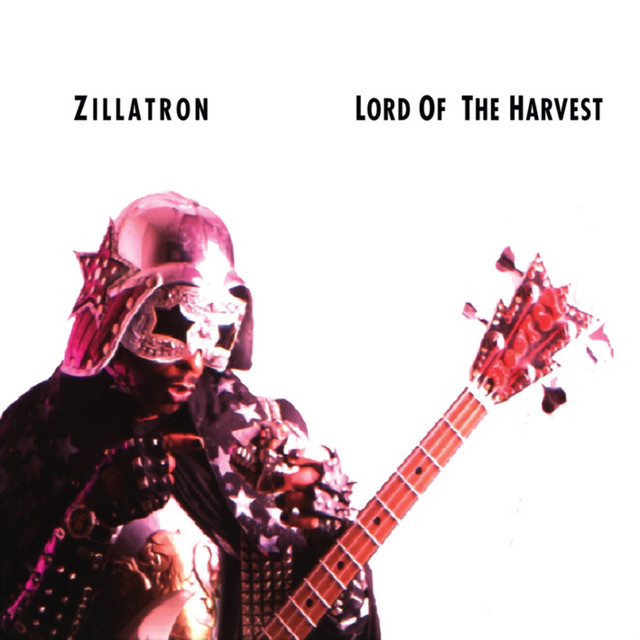
Zillatron · 2004
Producer -
Bootsy Collins & William Earl Collins · 1988
Producer -
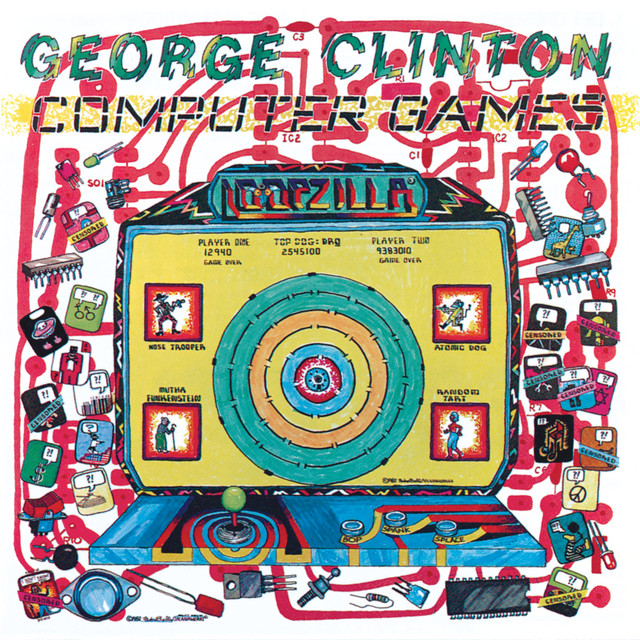
George Clinton & George Clinton · 1982
Producer -
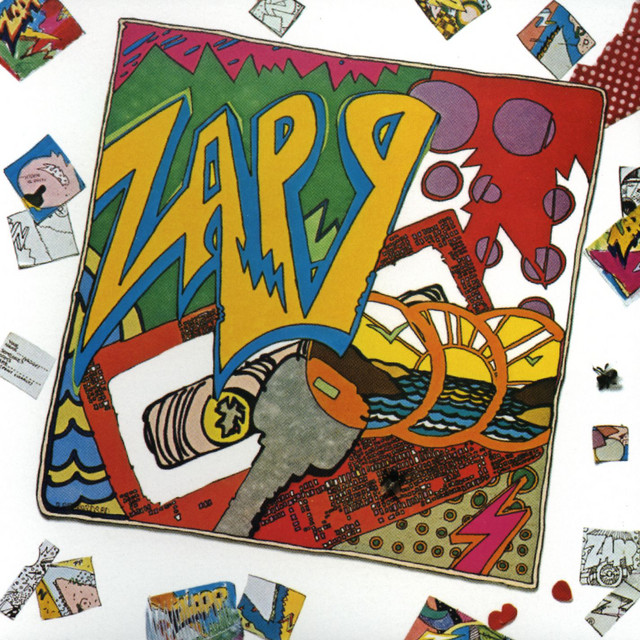
Zapp · 1980
Producer