

Pricing and availability




Average Price: $27
Budget/Beginner
$499
$1700+
Price Tier
Budget
Standard
High-end
* Product prices and availability are updated by Equipboard every 24hrs and are subject to change. Equipboard may receive compensation for purchases made at participating retailers linked on this site. This compensation does not affect what products or prices are displayed, or the order of prices listed. For more information, please refer to our affiliate disclosure.
Description
Step into the realm of classic analog recording with the Teac A-2340, a true gem for audio enthusiasts and professionals alike. This vintage four-track multitrack recorder brings the warmth and character of analog sound, capturing every nuance with precision. Its robust design reflects the craftsmanship of an era when durability and performance were paramount. Ideal for both studio recording and live performance settings, the Teac A-2340 allows musicians to craft their sound with a touch of nostalgia.
With its thoughtful layout, the A-2340 offers user-friendly operation, making it accessible for both seasoned engineers and newcomers exploring the analog domain. The machine's dynamic range ensures that every note is captured with clarity, while its noise reduction system minimizes unwanted background interference, delivering pristine sound quality. Whether you're layering tracks or experimenting with soundscapes, the Teac A-2340 provides a versatile platform for creativity.
For those who appreciate the tactile experience, this recorder offers a hands-on approach to sound engineering, with manual controls that invite you to engage directly with your recordings. Rediscover the art of analog with the Teac A-2340, and let your music resonate with timeless warmth.
Key Features:
- Classic four-track analog recording
- Robust and durable design
- User-friendly interface
- Dynamic range for clear sound capture
- Noise reduction system for minimal interference
- Manual controls for hands-on recording experience
Videos

Jordan Pier
Servicing a Teac A-2340 4 channel reel to reel
Servicing a Teac A-2340 4 channel reel to reel
Jordan Pier
My TEAC A-2340 4-Track Reel-To-Reel tape recorder

ToastmachineIdiot
How to create reel to reel tape delay & echo using a TEAC A-2340 ||| MADE ON TAPE

Made on Tape
Teac A 2340 4 Track Reel to Reel Demonstration.

marcusdolby1
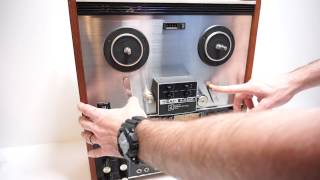
Teac A-2340 4 Channel Simul-Sync Stereo Tape Deck Demo

Jay Brokers
Reviews
Owner Insights
We analyzed real musician discussions from forums and Reddit to find what players love, question, and tweak about Teac A-2340.
Features and functionality
-
A Mackie 808m powered mixer can suffice for basic recording needs if it has more than four inputs, despite being primarily designed for PA use.
Source -
The TEAC A-2340 features auto-reverse, allowing continuous playback without manually flipping tapes, which enhances convenience during long recording sessions.
Source -
The A-2340 operates without dbx or Dolby noise reduction, requiring slight EQ adjustments during mixdowns for optimal sound.
Source
Software and compatibility
-
Mixing to a DAW is possible by digitizing the stereo output from the mixer or tracking to the deck and mixing digitally, although speed inconsistencies may require adjustments.
Source
Use cases and applications
User experience
-
Owners transitioning from digital to analog find the 4-track workflow familiar but require more planning for track management compared to 8-track machines.
Source -
Owners transitioning from a Sony TC230 find the TEAC A-2340 to be a significant upgrade in sound quality and ease of use, highlighting its high-end pro-sumer appeal.
Source -
Despite the lack of noise reduction, the A-2340 provides excellent frequency response, especially appreciated with factory tapes.
Source
Build quality
-
The TEAC A-2340 has solenoid-operated buttons, offering more reliable and smoother operation compared to mechanical levers on older models like the Sony TC230.
Source -
The TEAC A-2340's solid-state analog design includes three hefty motors, contributing to its substantial weight and robust construction.
Source
Comparisons
4.0 out of 5
Based on 0 Reviews and 2 Ratings
Artist usage
Add artist
.jpg)
kevin posted this picture on Instagram. You can see a Teac A-2340 on top of the rack behind him.

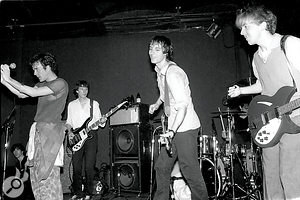
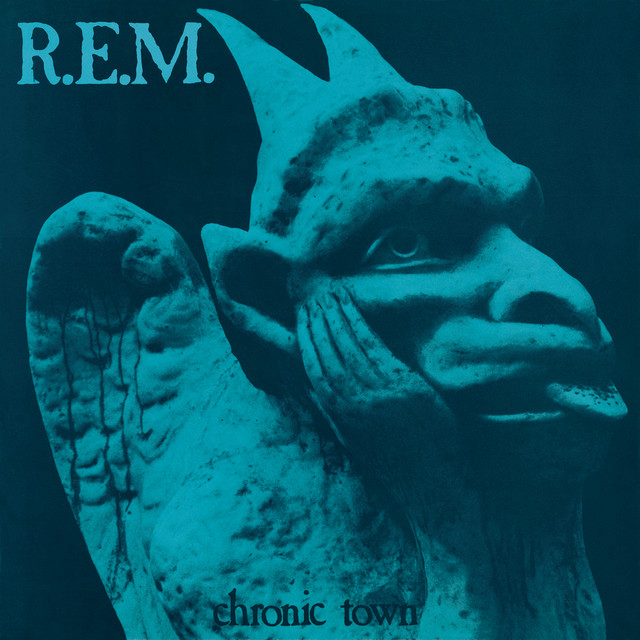
Used to record the Chronic Town EP, as recalled by producer Mitch Easter in this November 2009 Sound on Sound interview.
"After buying all of this used equipment, the bare minimum you could make records with, I just started up shop. I didn't have any training or professional experience, but having already made tons of four‑track recordings at home on a TEAC 2340 with my friend Chris Stamey — using only an Echoplex and a TEAC device that would switch the four outputs to left, right or centre — I figured, 'Well what's the difference?' It really wasn't all that different. The four‑track had been fantastic in terms of learning how things worked, and I was right in figuring the pro stuff would be the same, except I had to start all over again because it was much more clean‑sounding. This great fur that the old four‑track had put on everything made it all hang together, and so now I had to re‑learn what I was doing.
"I had two 3M tape machines — a classic M56 two‑inch 16‑track and the equivalent M64 two‑track machine — along with a pair of ADS 810 monitors and a Quantum Audio board manufactured in California by one of the very few companies that were still making humble pro‑level consoles. It was a 12‑channel board with an eight‑channel sidecar, bolted together at the factory to custom order. With 20 inputs, 16 tracks of monitoring, three‑band EQ on every channel, a couple of aux sends and a couple of echo sends I thought I was really living. It was an unbelievable leap from anything I had ever used before. Everything worked pretty well and I also bought a couple thousand dollars of good microphones, the showpieces being two AKG 414s.
"Everything was learned as I went along. With the TEAC, Chris and I had originally put two microphones on the drums, which was a good introduction to moving the mics around until everything sounds good, and then later, when we had four or five microphones, we started messing around with individually recording more parts of the kit, and from that I learned a lot about just tuning the drums. The fact that we had no EQ and no nothing made us get the sounds totally with drum tone and mic placement.”

Used to record the Chronic Town EP, as recalled by producer Mitch Easter in this November 2009 Sound on Sound interview.
"After buying all of this used equipment, the bare minimum you could make records with, I just started up shop. I didn't have any training or professional experience, but having already made tons of four‑track recordings at home on a TEAC 2340 with my friend Chris Stamey — using only an Echoplex and a TEAC device that would switch the four outputs to left, right or centre — I figured, 'Well what's the difference?' It really wasn't all that different. The four‑track had been fantastic in terms of learning how things worked, and I was right in figuring the pro stuff would be the same, except I had to start all over again because it was much more clean‑sounding. This great fur that the old four‑track had put on everything made it all hang together, and so now I had to re‑learn what I was doing.
"I had two 3M tape machines — a classic M56 two‑inch 16‑track and the equivalent M64 two‑track machine — along with a pair of ADS 810 monitors and a Quantum Audio board manufactured in California by one of the very few companies that were still making humble pro‑level consoles. It was a 12‑channel board with an eight‑channel sidecar, bolted together at the factory to custom order. With 20 inputs, 16 tracks of monitoring, three‑band EQ on every channel, a couple of aux sends and a couple of echo sends I thought I was really living. It was an unbelievable leap from anything I had ever used before. Everything worked pretty well and I also bought a couple thousand dollars of good microphones, the showpieces being two AKG 414s.
"Everything was learned as I went along. With the TEAC, Chris and I had originally put two microphones on the drums, which was a good introduction to moving the mics around until everything sounds good, and then later, when we had four or five microphones, we started messing around with individually recording more parts of the kit, and from that I learned a lot about just tuning the drums. The fact that we had no EQ and no nothing made us get the sounds totally with drum tone and mic placement.”

Used to record the Chronic Town EP, as recalled by producer Mitch Easter in this November 2009 Sound on Sound interview.
"After buying all of this used equipment, the bare minimum you could make records with, I just started up shop. I didn't have any training or professional experience, but having already made tons of four‑track recordings at home on a TEAC 2340 with my friend Chris Stamey — using only an Echoplex and a TEAC device that would switch the four outputs to left, right or centre — I figured, 'Well what's the difference?' It really wasn't all that different. The four‑track had been fantastic in terms of learning how things worked, and I was right in figuring the pro stuff would be the same, except I had to start all over again because it was much more clean‑sounding. This great fur that the old four‑track had put on everything made it all hang together, and so now I had to re‑learn what I was doing.
"I had two 3M tape machines — a classic M56 two‑inch 16‑track and the equivalent M64 two‑track machine — along with a pair of ADS 810 monitors and a Quantum Audio board manufactured in California by one of the very few companies that were still making humble pro‑level consoles. It was a 12‑channel board with an eight‑channel sidecar, bolted together at the factory to custom order. With 20 inputs, 16 tracks of monitoring, three‑band EQ on every channel, a couple of aux sends and a couple of echo sends I thought I was really living. It was an unbelievable leap from anything I had ever used before. Everything worked pretty well and I also bought a couple thousand dollars of good microphones, the showpieces being two AKG 414s.
"Everything was learned as I went along. With the TEAC, Chris and I had originally put two microphones on the drums, which was a good introduction to moving the mics around until everything sounds good, and then later, when we had four or five microphones, we started messing around with individually recording more parts of the kit, and from that I learned a lot about just tuning the drums. The fact that we had no EQ and no nothing made us get the sounds totally with drum tone and mic placement.”

Used to record the Chronic Town EP, as recalled by producer Mitch Easter in this November 2009 Sound on Sound interview.
"After buying all of this used equipment, the bare minimum you could make records with, I just started up shop. I didn't have any training or professional experience, but having already made tons of four‑track recordings at home on a TEAC 2340 with my friend Chris Stamey — using only an Echoplex and a TEAC device that would switch the four outputs to left, right or centre — I figured, 'Well what's the difference?' It really wasn't all that different. The four‑track had been fantastic in terms of learning how things worked, and I was right in figuring the pro stuff would be the same, except I had to start all over again because it was much more clean‑sounding. This great fur that the old four‑track had put on everything made it all hang together, and so now I had to re‑learn what I was doing.
"I had two 3M tape machines — a classic M56 two‑inch 16‑track and the equivalent M64 two‑track machine — along with a pair of ADS 810 monitors and a Quantum Audio board manufactured in California by one of the very few companies that were still making humble pro‑level consoles. It was a 12‑channel board with an eight‑channel sidecar, bolted together at the factory to custom order. With 20 inputs, 16 tracks of monitoring, three‑band EQ on every channel, a couple of aux sends and a couple of echo sends I thought I was really living. It was an unbelievable leap from anything I had ever used before. Everything worked pretty well and I also bought a couple thousand dollars of good microphones, the showpieces being two AKG 414s.
"Everything was learned as I went along. With the TEAC, Chris and I had originally put two microphones on the drums, which was a good introduction to moving the mics around until everything sounds good, and then later, when we had four or five microphones, we started messing around with individually recording more parts of the kit, and from that I learned a lot about just tuning the drums. The fact that we had no EQ and no nothing made us get the sounds totally with drum tone and mic placement.”


Genre Usage
Based on how artists on Equipboard use this gear, it is most commonly found in the following genres.
Used With
Based on how musicians on Equipboard use Teac A-2340, it is most commonly used with the following gear.


More Teac Analog

$217.59
in Analog Rank


.png?v=1784519197)


$400.00
in Analog Rank


$350.00
in Analog Rank


$536.90
in Analog Rank


-m.webp?v=1784473254)
$585.00
in Analog Rank


$4,314.52
in Analog Rank


.jpeg?v=1784429023)


$579.00
in Analog Rank


$339.99
in Analog Rank


$579.00
in Analog Rank


$200.00
in Analog Rank


$730.00 - $899.00
in Analog Rank

$660.00
in Analog Rank
.jpeg?v=1784519197)


$325.00
in Analog Rank


$230.00
in Analog Rank


$350.00
in Analog Rank


$430.00
in Analog Rank


Community setups


Similar


Most Popular Analog
Most Popular Brands
-
Added to Equipboard on by
 jesse_bridges
GearIQ 85
-


