By Gear Experts
Table of Contents

Equipboard
Equipboard is the world's largest community of artists and their gear. Read our review process.
We are reader-supported. When you buy through links on our site, we may earn an affiliate commission. Learn more.
Our Picks

Best Overall Mic for Acoustic Guitar: The Neumann KM 184 delivers unmatched clarity and detail with a balanced frequency response that captures every nuance of your acoustic guitar.
Read more


Audio-Technica AT2020 Cardioid Condenser Microphone
Best Budget Mic: The Audio-Technica AT2020 brings professional-caliber sound quality to home studios with exceptional clarity and detail that belies its affordable price point.
Read more
Best Dynamic Mic for Acoustic Guitar: The Shure SM57 brings surprising versatility to acoustic guitar recording with a focused sound that cuts through mixes while handling challenging recording environments with ease.
Read more
Best Ribbon Mic for Warm, Vintage Tones: The Royer R-121 imparts a lush, natural character to acoustic guitars with its silky high end and rich midrange that flatters both modern and vintage instruments.
Read more
Best Large-Diaphragm Condenser for Versatility: The Neumann U87 AI adapts to virtually any acoustic guitar recording scenario with switchable polar patterns and unparalleled sonic refinement that has made it a studio legend for decades.
Read more
lewitt LCT 040 Match Small Diaphragm Condenser (Pair)
Best Stereo Mic Pair: The Lewitt LCT 040 MATCH stereo pair delivers precise imaging and balanced sound that brings acoustic guitar recordings to life with dimensional clarity and perfect channel matching.
Read moreThe acoustic guitar is a complex instrument with a rich tonal palette. From the bright sparkle of finger-picked high strings to the warm resonance of its wooden body, capturing the full sonic character of an acoustic guitar demands more than just pointing any microphone in its general direction.
When you record an acoustic guitar, the microphone you choose becomes the ears of your listeners. A quality microphone doesn't just capture sound; it preserves the intimate details, the breath of air around each note, and the full frequency spectrum that makes an acoustic guitar so captivating. The right microphone can transform a flat, lifeless recording into a three-dimensional sonic experience that places listeners right in the room with the performer.
Many home recording enthusiasts discover that while digital interfaces, preamps, and software have dramatically improved in recent years, the microphone remains the critical link in the recording chain. No amount of post-processing can restore harmonic details and transient response that weren't captured in the first place. This makes your microphone choice perhaps the single most influential factor in achieving professional-quality acoustic guitar recordings.
Key Factors to Consider When Choosing a Mic for Acoustic Guitar
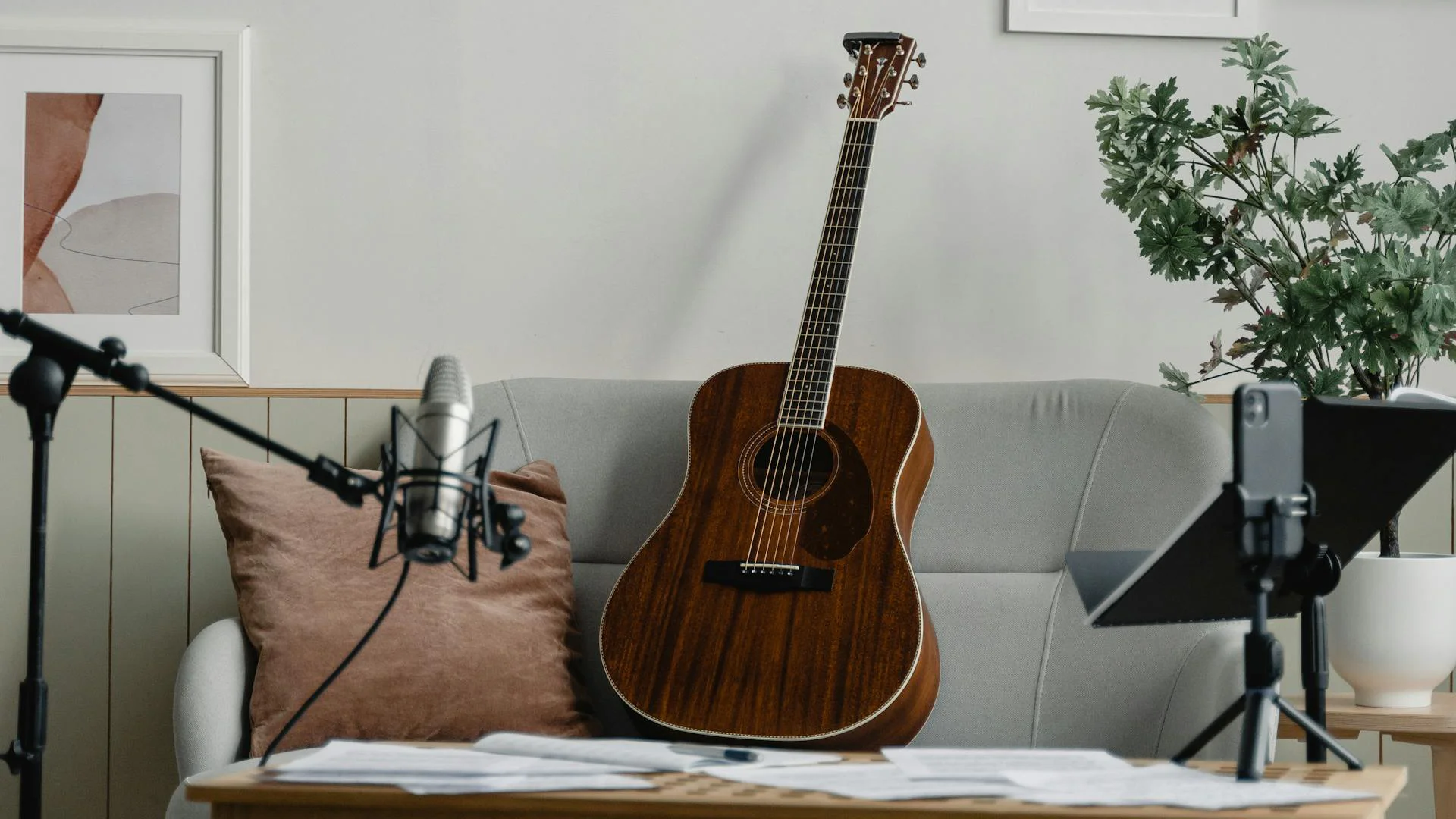
Let's start by exploring the fundamental factors that will guide your decision-making process. Understanding these elements will help you select the perfect microphone for your unique recording needs and acoustic guitar style.
Microphone Types
Different microphone designs capture sound in distinct ways, each leaving its signature on your recordings.
Condenser microphones are the go-to choice for most acoustic guitar recordings. Their lightweight diaphragms respond quickly to transient details and capture the full frequency spectrum of an acoustic guitar. Small-diaphragm condensers excel at preserving detail and transient response, while large-diaphragm models often add a pleasing character to the sound. Condenser mics require phantom power and are typically more sensitive to room noise.
Dynamic microphones are rugged workhorses that handle high sound pressure levels without distortion. While they generally lack the sensitivity and extended high-frequency response of condensers, quality dynamic mics can still deliver excellent results, especially in live settings or noisy environments where their reduced sensitivity becomes an advantage.
Ribbon microphones capture sound using a thin metal ribbon suspended in a magnetic field. They typically offer a smooth, warm sound character that flatters acoustic guitars, especially when you want a vintage tonal quality. Modern ribbon designs have overcome many of the durability concerns of vintage models, though they still require careful handling. Ribbon mics excel at taming harsh frequencies while preserving a natural, detailed sound.
Polar Patterns
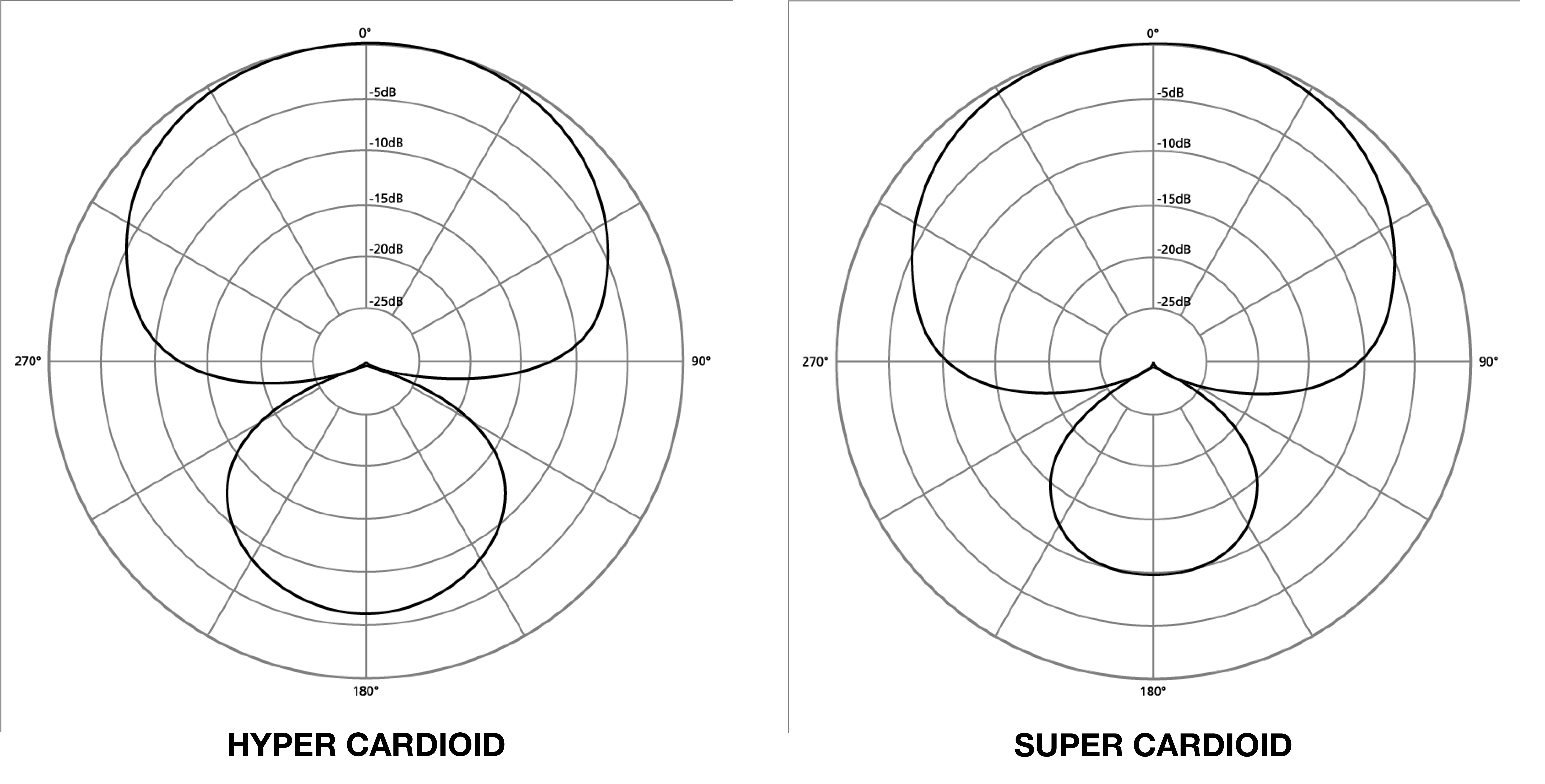
The polar pattern describes how a microphone captures sound from different directions, dramatically affecting your recording results.
Cardioid patterns capture sound primarily from the front while rejecting sound from the rear. This makes them ideal for isolating the acoustic guitar from other sounds in the room or from the player's voice. Most acoustic guitar recordings use cardioid microphones for their focused pickup pattern.
Omnidirectional patterns capture sound equally from all directions. While this makes isolation more challenging, omni mics often deliver a more natural, open sound with excellent low-frequency response. In acoustically pleasing rooms, an omnidirectional mic can capture both the direct sound of the guitar and the natural ambiance of the space.
Figure-8 patterns (bidirectional) capture sound from the front and rear while rejecting sound from the sides. Ribbon microphones naturally have this pattern, which can be useful for certain stereo techniques or for recording a guitarist who is also singing, with the voice on one side and the guitar on the other.
While other polar patterns exist, such as hypercardioid, supercardioid, and various multi-pattern designs, these three primary patterns cover the vast majority of acoustic guitar recording scenarios. Each pattern offers distinct advantages depending on your recording environment, the sound character you're seeking, and whether you're recording solo guitar or multiple instruments simultaneously.
You can read about microphone polar patterns in detail here.
Frequency Response and Sensitivity

Acoustic guitars produce frequencies ranging from approximately 80Hz to over 10kHz. A microphone with a flat, extended frequency response will capture the full tonal spectrum without artificial coloration. However, some microphones feature purposeful frequency adjustments that complement acoustic guitars, like a gentle presence boost that enhances string detail without harshness.
Sensitivity measures how effectively a microphone converts acoustic pressure into electrical signal.
Transient Response
Transients are the initial burst of sound energy that occurs at the beginning of a note, before the sustained portion. In acoustic guitar playing, transients happen when a string is first struck, creating a sharp, sudden spike in volume that quickly decays into the sustained note. These brief moments contain critical information about the articulation, playing technique, and character of both the instrument and the performer.
Microphones with quick transient response preserve the attack and definition of each note, maintaining the dynamics and articulation of your playing.
Budget and Use Case
Your recording environment and intended use will decide which microphone will serve you best. A home recordist dealing with some room noise might prioritize different features than a professional studio engineer recording in an acoustically treated space. Similarly, microphones for live performance face different demands than those used exclusively in controlled studio environments.
Now that we've covered the essential factors to consider, let's explore our top microphone recommendations for recording acoustic guitar across various categories and price points.
Top Microphones for Recording Acoustic Guitar
Each of the following microphone recommendations has been selected based on sound quality, versatility, value, and real-world performance. Whatever your budget or recording needs, you'll find excellent options to capture your acoustic guitar with precision and character.
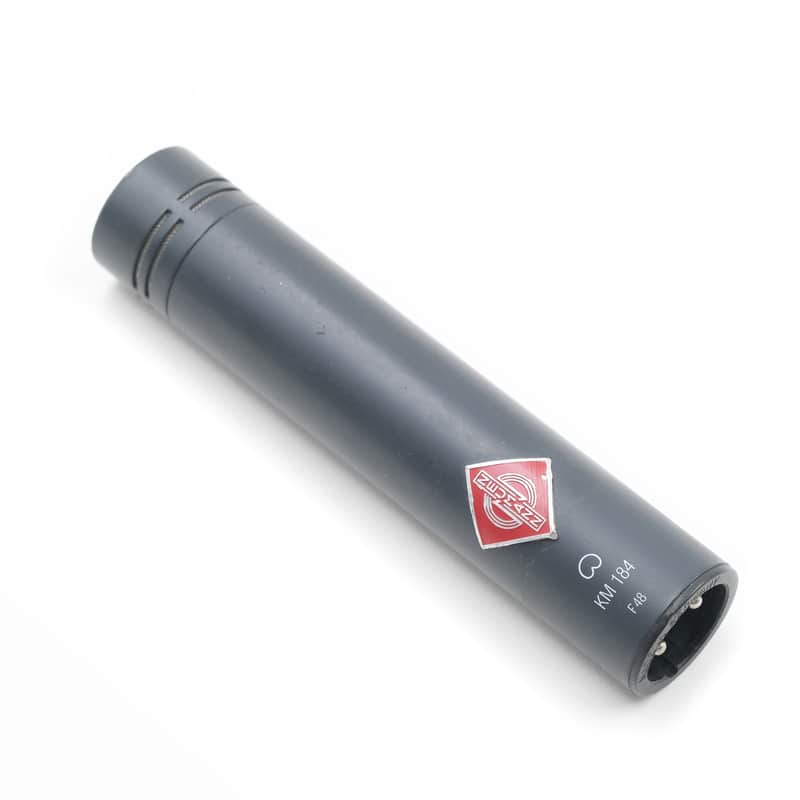
Neumann KM 184
5.0 (8)
The Studio Standard










Average Price: $837
High-end/Boutique
$100
$401+
Budget
Standard
High-end
- Excellent sound reproduction across low, mid, high frequencies
- Quiet operation, minimal noise interference
- Performs well across a variety of instruments, including acoustic guitar and drums
- Detailed, clean high end without being overly boosted
- See 6 more
- Pricey compared to some alternatives
- Does not include a carrying case
- Nickel plated version prone to scuffing easily
- Sensitive to wind/plosives, requiring careful placement and additional pop filters
- See 2 more
The Neumann KM 184 has earned its reputation as the industry standard for recording acoustic guitar, and for good reason. This small-diaphragm condenser microphone offers extraordinary sonic transparency that faithfully represents your instrument's true voice without imposing its own character.
Sound Character and Performance
What makes the KM 184 exceptional is its ability to capture both the immediate articulation of string attack and the full-bodied resonance of the guitar's wooden body. The cardioid polar pattern provides excellent off-axis rejection while maintaining a natural sound even when the guitar moves slightly during performance.
The frequency response is remarkably flat across the acoustic guitar's range, with a subtle presence boost around 9kHz that brings out string detail without creating harshness. Engineers particularly value the KM 184's consistent sound when used in stereo pairs, maintaining a cohesive sound image regardless of positioning technique.
Build Quality and Practical Considerations
Constructed to Neumann's exacting standards, the KM 184 features robust build quality designed to last decades with proper care. Its compact size allows for unobtrusive placement, while the included swivel mount enables precise positioning.
The microphone handles high sound pressure levels admirably, accommodating even aggressive strumming without distortion. Its self-noise rating of 13dB (A-weighted) ensures quiet recordings even with gentle playing styles.
For professional studios and serious home recordists looking for the definitive acoustic guitar microphone, the Neumann KM 184 represents an investment in sound quality that will serve countless recording sessions for years to come.
See how artists use this







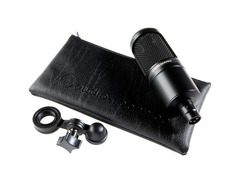
Audio-Technica AT2020 Cardioid Condenser Microphone
4.5 (222)
The Home Studio Hero


Average Price: $98
Budget/Beginner
$100
$401+
Budget
Standard
High-end
- Delivers crisp, clean, and truly accurate sounding vocals
- Versatile for recording various instruments and vocals
- Durable build quality, withstands years of use
- Excellent value for the price, suitable for beginners to professionals
- See 6 more
- Stand mount adapter is prone to falling apart
- Does not come with a mic stand mount
- Mount not very practical, tricky to position
- Higher self-noise at 20dBA compared to some mics
- See 6 more
For musicians building their first recording setup or working within budget constraints, the Audio-Technica AT2020 stands out as an extraordinary value proposition. This large-diaphragm condenser has become a staple in home studios worldwide by delivering performance that competes with much more expensive microphones.
Sound Quality and Versatility
The AT2020 captures acoustic guitar with impressive clarity and detail across the frequency spectrum. While it doesn't quite match the refinement of premium models, it delivers a balanced, natural representation of your instrument with a slightly forward midrange that helps acoustic guitars sit well in a mix.
Unlike some budget microphones that sound thin or harsh, the AT2020 maintains a pleasing warmth in the lower midrange, preserving the body resonance that gives acoustic guitars their fundamental character. The extended high-frequency response captures string articulation and pick attack with surprising precision, delivering professional-sounding results even in modest recording environments.
Practical Features and Construction
Built with quality components in a durable metal chassis, the AT2020 withstands the rigors of regular use while maintaining consistent performance. The fixed cardioid polar pattern provides good isolation from room noise and other instruments, making it well-suited for home recording environments that might not have ideal acoustics.
The AT2020 requires standard 48V phantom power provided by most audio interfaces. Its moderate output level pairs well with the preamps found in consumer-grade interfaces, achieving clean signal levels without excessive gain.
For beginners and budget-conscious recordists, the Audio-Technica AT2020 represents an excellent entry point into quality acoustic guitar recording, delivering professional results without breaking the bank.
See how artists use this






Shure SM57
5.0 (913)
The Reliable Workhorse


Average Price: $113
Standard/Professional
$75
$201+
Budget
Standard
High-end
- Versatile across instruments: drums, guitar, bass amps, and vocals
- Industry-standard with a strong reputation
- Durable, robust construction withstands heavy use
- Excellent off-axis rejection minimizes bleed
- See 3 more
- Some find it lacks high-end clarity for vocals
- May not excel in capturing very soft, low-level sounds
- Requires significant gain for optimal volume
- Some users prefer alternatives for specific instruments like guitar cabs
- See 1 more
Though dynamic microphones aren't typically the first choice for acoustic guitar recording, the legendary Shure SM57 proves itself as a versatile exception. This industry workhorse has recorded countless hit records and offers distinct advantages in specific recording scenarios.
Sound Characteristics and Applications
The SM57 captures acoustic guitar with a focused, present sound that emphasizes the midrange frequencies. While it doesn't offer the same extended high-frequency response or sensitivity as condenser microphones, its tight frequency profile actually helps acoustic guitars stand out in busy mixes without competing for the same sonic space as vocals or other instruments.
The pronounced proximity effect—the bass boost that occurs when the microphone is placed close to the sound source—can be leveraged creatively with the SM57. Positioning it near the guitar's soundhole captures additional warmth and body, while placement near the 12th fret emphasizes string articulation and pick attack.
Durability and Practical Advantages
The SM57's legendary durability makes it ideal for recording sessions where the microphone might be repeatedly repositioned or used in challenging environments. Its lower sensitivity compared to condenser microphones becomes an advantage when recording in rooms with less-than-ideal acoustics, as it picks up less ambient noise and room reflections.
For live performances or recording sessions where vocals and guitar must be captured simultaneously, the SM57's excellent rejection of off-axis sound helps minimize bleed between sources. Its ability to handle high sound pressure levels ensures distortion-free recording even with aggressive playing styles or when placed near the soundhole.
While the Shure SM57 might not be your only microphone for acoustic guitar, its unique sonic character and practical benefits make it a valuable addition to any microphone collection, especially for those who record in various environments or need a microphone that excels in both studio and stage applications.
See how artists use this







Royer R-121
5.0 (13)
The Vintage Voice


Average Price: $1,517
High-end/Boutique
$499
$1500+
Budget
Standard
High-end
- Excels with loud guitar cabinets and horns, versatile on various instruments
- Adds unique character and color, especially for vocals and guitars
- Pairs well with high impedance preamps for optimal sound quality
- Can sound significantly different and versatile when used from different angles
- See 6 more
- Requires careful mic placement to avoid bad sound quality
- Needs a good amount of gain, common with ribbon mics
- Performance varies significantly with mic preamp quality
- May not be the best choice for vocal recordings without precaution
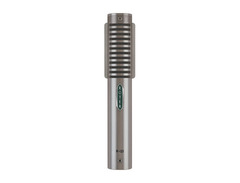
For recordists seeking to capture acoustic guitar with a warm, vintage-inspired character, the Royer R-121 ribbon microphone offers a distinctly musical alternative to condenser microphones. This modern classic has helped revive interest in ribbon technology by combining traditional sound quality with modern reliability.
Sonic Character and Tonal Balance
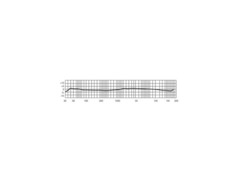
The R-121 captures acoustic guitar with a natural warmth and smoothness that's immediately appealing. Unlike some ribbon microphones that can sound dark or muffled, the R-121 maintains excellent clarity and detail while gently softening harsh transients. This creates recordings with a three-dimensional quality that places the guitar in a believable acoustic space.
One of the R-121's greatest strengths is its ability to capture the midrange complexities of acoustic guitars. The resonant qualities of the wooden body come through with remarkable authenticity, while the top end exhibits a silky smoothness that flatters acoustic guitars without needing additional equalization.
Technical Design and Application
The R-121's figure-8 polar pattern captures sound equally from the front and rear of the microphone while rejecting sound from the sides. This can be used creatively in acoustic guitar recording by positioning the null points toward unwanted sound sources or by using the rear side of the microphone, which offers a slightly different tonal character than the front.
A unique feature of the R-121 is its ability to handle high sound pressure levels without the distortion typically associated with ribbon microphones. This makes it suitable for close-miking techniques that would overwhelm vintage ribbon designs, giving engineers greater flexibility in microphone placement.
For studios seeking to add a distinct tonal color to their microphone arsenal, the Royer R-121 offers a premium option that brings vintage warmth and character to acoustic guitar recordings while meeting modern technical standards for noise performance and durability.
See how artists use this





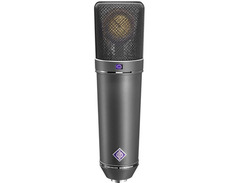
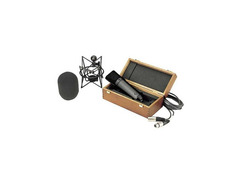
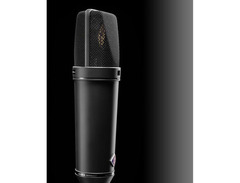
Neumann U87 Ai
5.0 (11)
The Versatility Champion

Average Price: $3,358
High-end/Boutique
$100
$401+
Budget
Standard
High-end
- Crystal clear sound quality, perfect EQ spectrum
- Built-in noise gate minimizes background noises
- Versatile across vocals, guitars, and percussions
- Accurate sound reproduction, true to source
- See 5 more
- Pricy, but considered worth the investment
- Some users find alternative mics comparable at lower prices
- Less suited for very loud signals, like close-miked electric amps
When maximum versatility meets uncompromising sound quality, you arrive at the Neumann U87 AI. This iconic large-diaphragm condenser microphone has recorded countless hit records across all genres and remains the benchmark against which other studio microphones are judged.
Sound Quality and Character
The U87 AI captures acoustic guitar with remarkable fidelity and a subtle yet pleasing character that enhances without coloring. Its large diaphragm delivers a rich, full-bodied sound with excellent low-frequency response that conveys the resonant qualities of acoustic guitars. At the same time, its extended high end preserves the sparkle and air around each note.
What truly distinguishes the U87 AI is its ability to flatter virtually any acoustic guitar, from bright modern instruments to warm vintage models. The microphone seems to bring out the best qualities in different guitars while maintaining a consistent level of detail and dimension that serves both solo performances and complex arrangements.
Versatility Through Design
The U87 AI's switchable polar patterns (cardioid, omnidirectional, and figure-8) transform it into essentially three different microphones. This flexibility proves invaluable when recording acoustic guitar in different environments or seeking specific tonal qualities:
Cardioid mode offers focused capture with good isolation, ideal for most studio applications. Omnidirectional mode provides a more natural low-frequency response and captures the room ambiance for a sense of space. Figure-8 pattern enables specialized stereo techniques or creative room sound capture.
Additional practical features include a switchable high-pass filter that helps tame proximity effect when close-miking, and a 10dB pad that accommodates loud sound sources without distortion.
For studios and serious recordists who work with diverse players, musical styles, and acoustic environments, the Neumann U87 AI represents an investment in sonic versatility that adapts to virtually any recording scenario while maintaining exceptional sound quality.
See how artists use this







lewitt LCT 040 Match Small Diaphragm Condenser (Pair)
The Stereo Specialists

Average Price: $226
Standard/Professional
$100
$401+
Budget
Standard
High-end
- Exceptional clarity and natural sound for overheads and acoustic instruments
- Provides great value, punching above its price point
- Perfectly matched pair enhances stereo recording quality
- Compact and discrete design for easy placement
- See 5 more
- Some units may exhibit hiss with certain recorders due to high power consumption
- Higher self-noise compared to some other microphones at similar price points
- Lacks features like pad buttons or changeable capsules
- Sound may be too bright or hyped in higher frequencies for some preferences
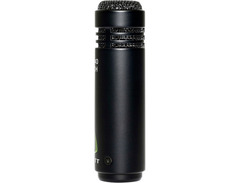
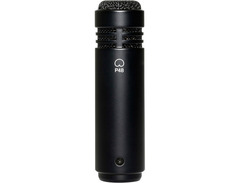
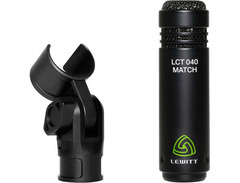
Recording acoustic guitar in stereo adds dimension and realism that single-microphone techniques simply cannot achieve. The Lewitt LCT 040 MATCH stereo pair has been factory-matched for perfect channel balance, ensuring consistent phase coherence and imaging accuracy crucial for convincing stereo recordings.
Sound Characteristics and Performance
The LCT 040 MATCH captures acoustic guitar with remarkable clarity and detail. These small-diaphragm condenser microphones offer a neutral frequency response that faithfully represents your instrument without artificial coloration. The balanced sound profile works well with various acoustic guitar types, from bright dreadnoughts to warm parlor guitars.
What sets these microphones apart is their excellent transient response, capturing the immediacy of picked notes and strummed chords with precision. The stereo image created by these matched microphones presents acoustic guitars with stunning three-dimensionality, placing listeners in the acoustic space with the performer.
Application and Practicality
The included mounting hardware makes these microphones ideal for standard stereo techniques like XY, ORTF, and spaced pair configurations. Their compact size allows for unobtrusive placement, while their cardioid polar pattern provides good isolation from room reflections and other sound sources.
For singer-songwriters who perform and record simultaneously, these microphones excel at capturing a balanced blend of guitar and vocals in stereo, creating an intimate, immersive listening experience. Their consistent performance also makes them excellent room microphones that can be paired with a close microphone for additional depth and ambiance.
The Lewitt LCT 040 MATCH stereo pair offers an accessible entry point into professional stereo recording techniques that can dramatically elevate your acoustic guitar recordings beyond what's possible with single-microphone approaches.
Mic Placement Techniques for Recording Acoustic Guitar
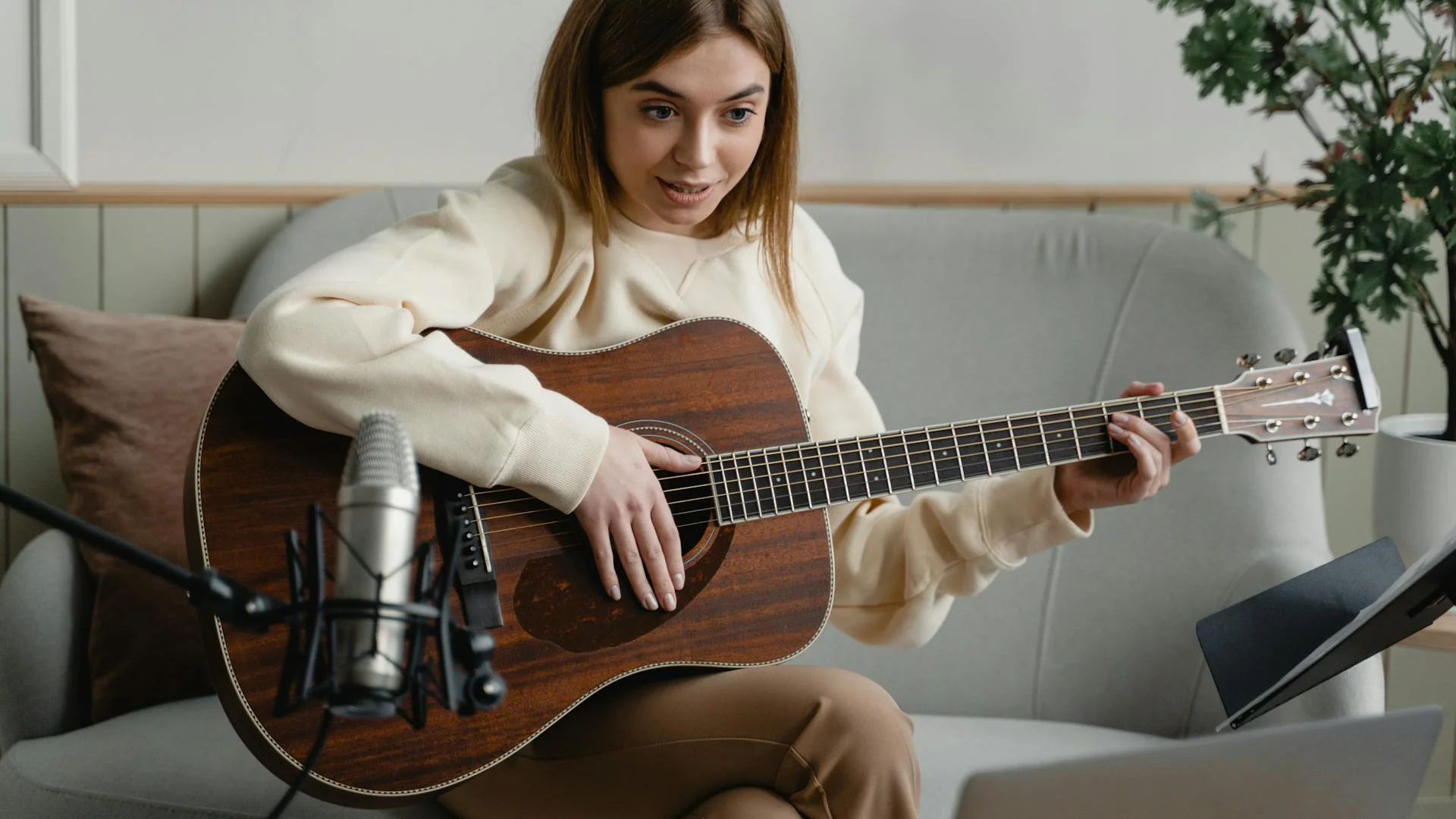
Even the finest microphone won't deliver its potential without thoughtful placement. Your microphone position dramatically affects the tonal balance, amount of room sound, and overall character of your acoustic guitar recording. Let's explore several proven techniques that you can adapt to your specific instrument and musical context.
The Sweet Spot Approach
Finding the acoustic guitar's "sweet spot" is perhaps the most fundamental microphone placement technique. This approach uses a single microphone positioned to capture a balanced representation of the entire instrument.
Start by placing your microphone 10-12 inches from where the guitar neck meets the body, pointed toward the soundhole. This position typically captures a good balance of string articulation and body resonance. From here, small adjustments can significantly alter the sound:
- Moving toward the soundhole increases bass response but may introduce unwanted boominess.
- Moving toward the neck emphasizes string sound and pick attack while reducing body resonance.
- Moving closer to the guitar increases detail and presence while reducing room ambiance.
- Moving farther from the guitar introduces more room sound and a more natural perspective.
Listen carefully through headphones as you make small adjustments, seeking the position that best complements your specific guitar and playing style.
Stereo Miking Techniques
Stereo recording creates width, depth, and dimension that can transform a flat recording into an immersive experience. Several standard techniques offer different sonic characteristics:
XY Configuration
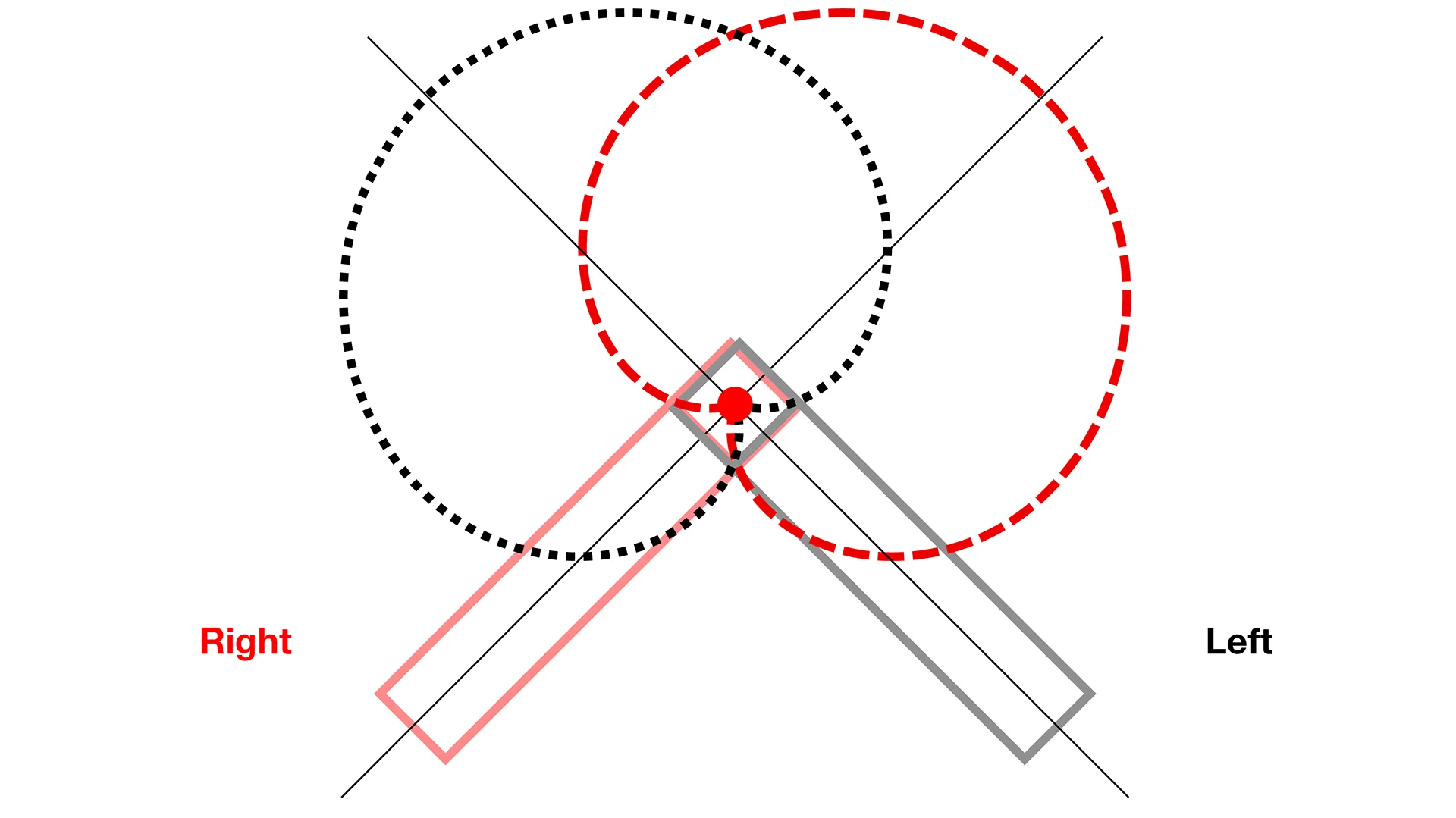
Position two cardioid microphones with capsules close together at 90-120 degree angles, typically aimed at the 12th fret and lower bout area. This technique provides excellent mono compatibility and focused imaging with minimal phase issues.
ORTF Configuration
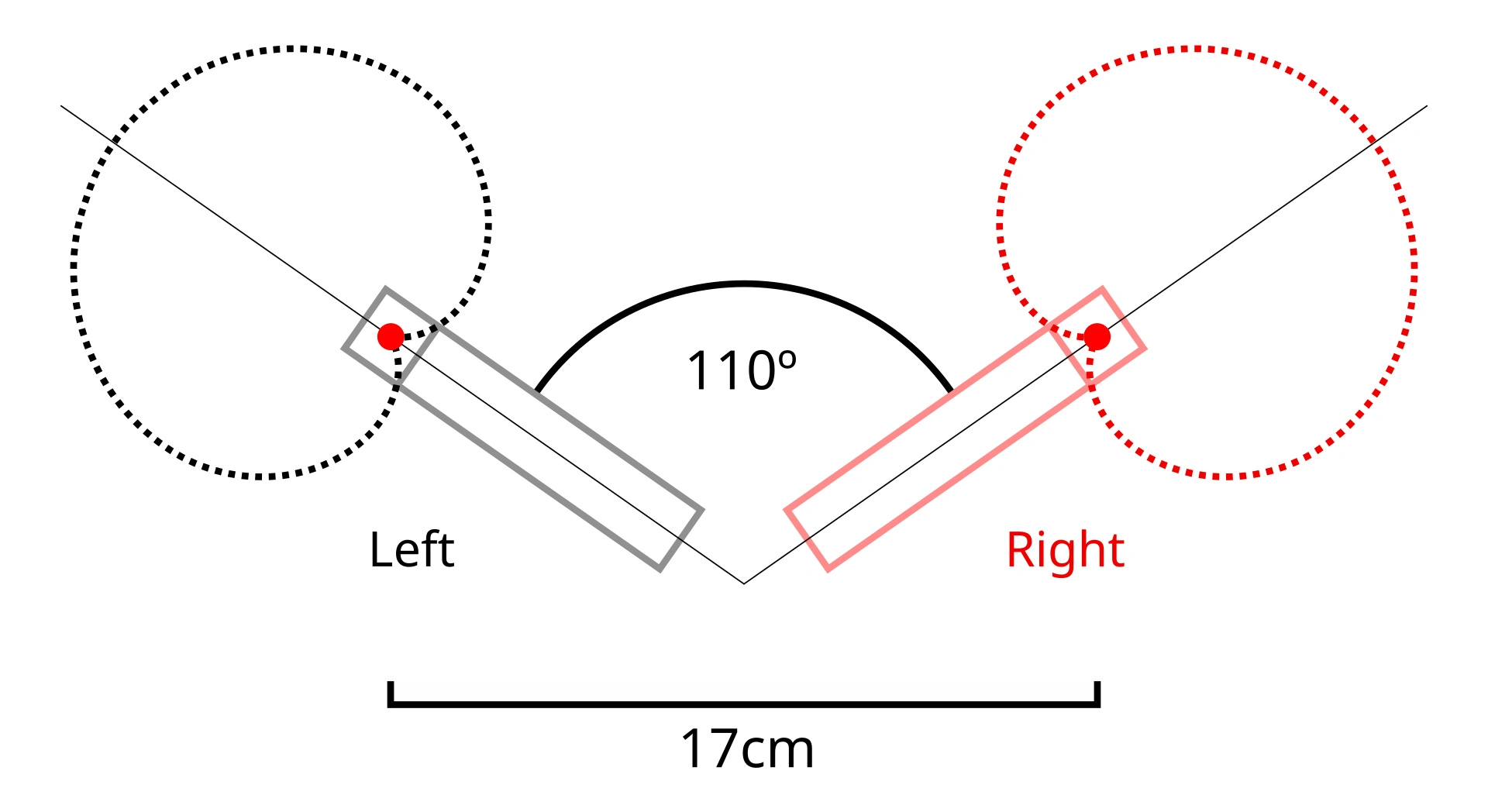
Place two cardioid microphones about 17cm apart with capsules angled outward at 110 degrees. This approximates human ear spacing and creates a more natural stereo field with improved spatial information while maintaining good mono compatibility.
Spaced Pair Technique
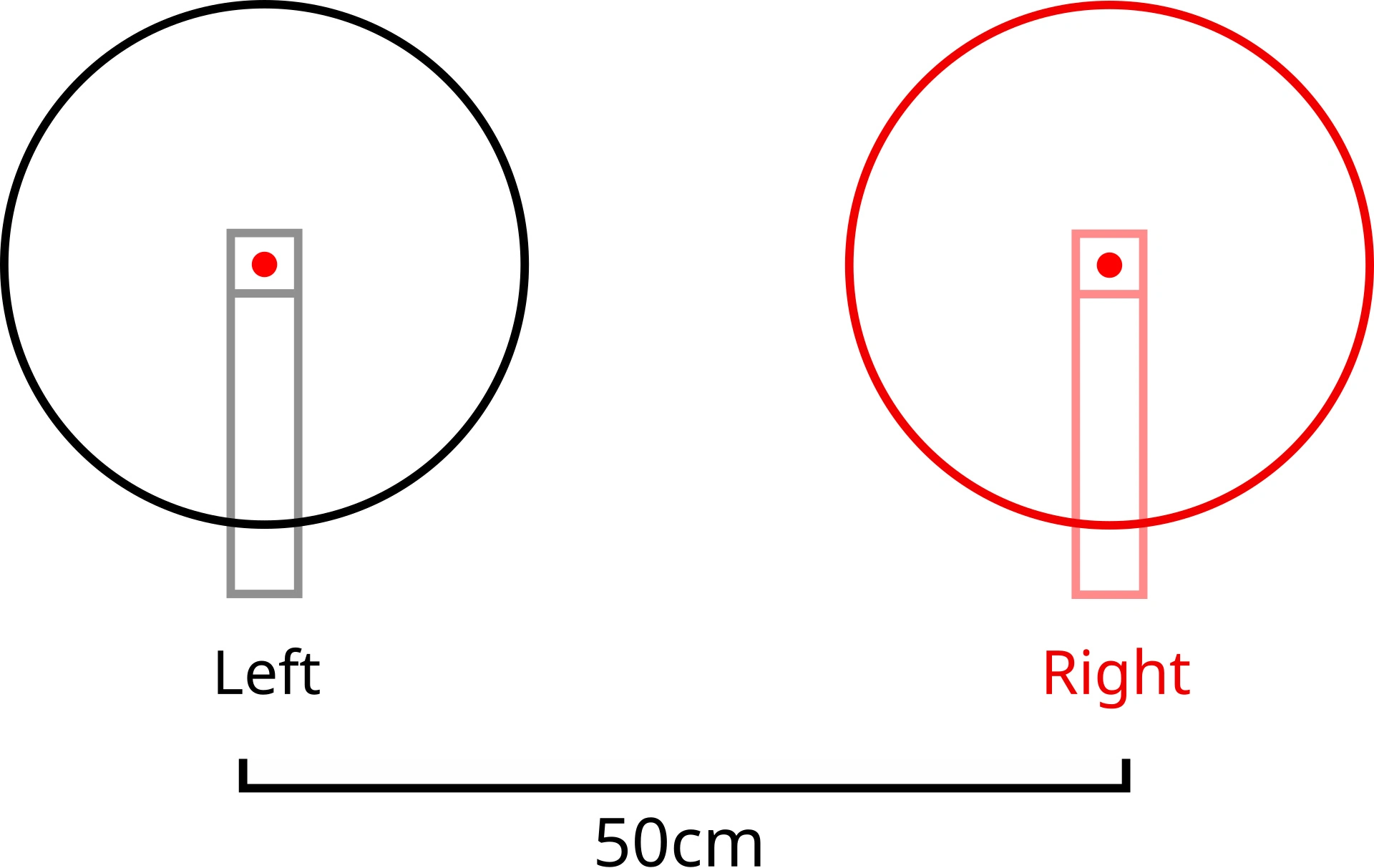
Position two microphones (often omnidirectional) several feet apart, typically with one near the neck and one near the lower bout. This creates dramatic stereo width but requires careful listening for phase coherence.
Multi-Microphone Approaches
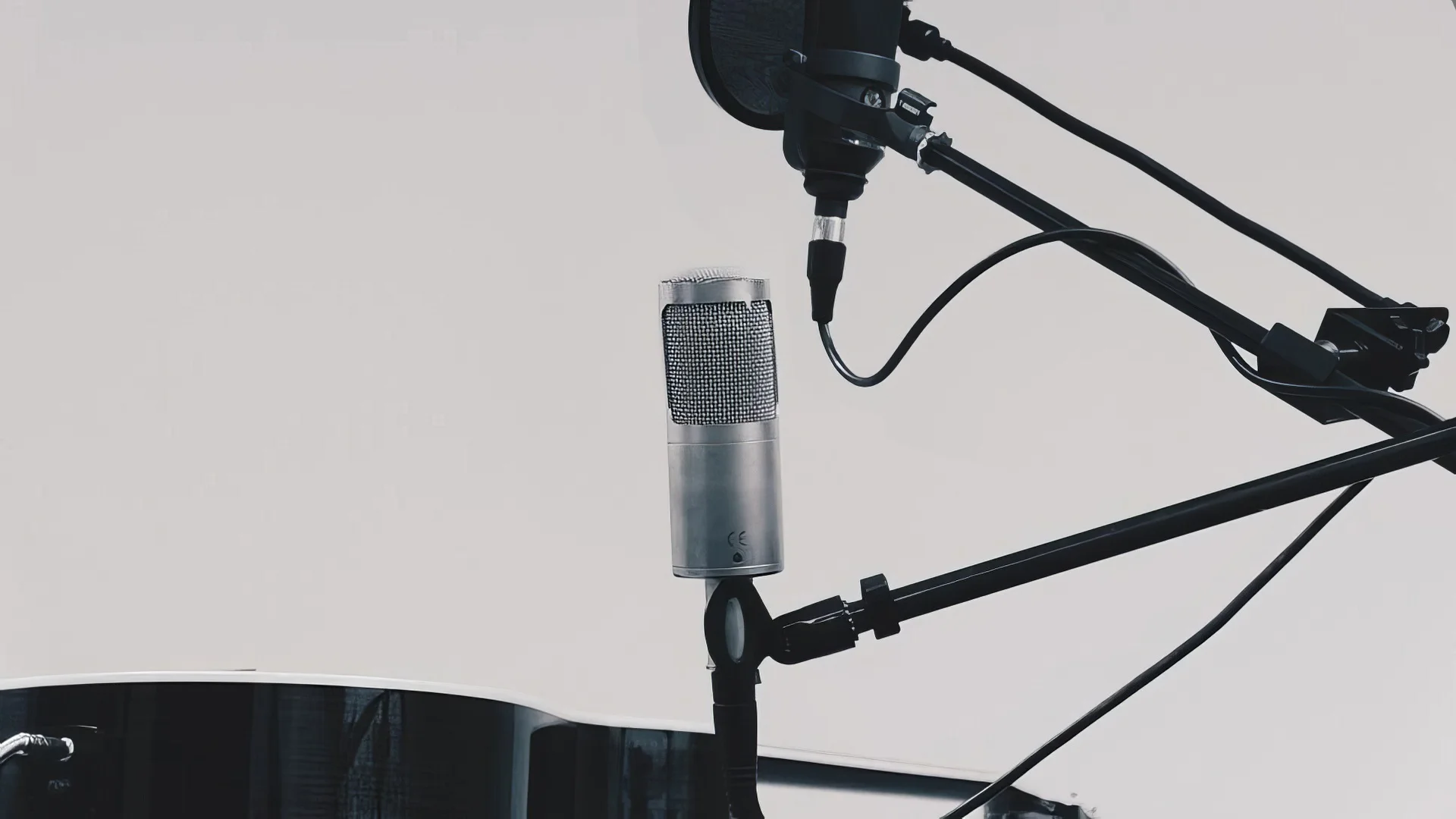
Combining close and distant microphones offers tremendous flexibility for creating the perfect acoustic guitar sound:
- Position a small-diaphragm condenser near the 12th fret for clarity and articulation.
- Add a large-diaphragm condenser near the lower bout to capture body resonance.
- Optionally place a room microphone several feet away to capture natural ambiance.
Always check your recording in mono to identify phase issues, which can cause thin sound or strange frequency cancellations. Adjust microphone distances to maintain proper phase alignment.
Common Mistakes to Avoid
Several placement errors consistently lead to problematic acoustic guitar recordings:
| Mistake | Effects | How to Fix |
|---|---|---|
| Pointing directly at the soundhole | Boomy, unbalanced sound lacking definition; excessive low-frequency buildup | Aim the microphone at the area where the neck meets the body, or try positions between the 12th fret and the edge of the soundhole |
| Placing microphones too close to the fretboard | Excessive finger noise, string squeaks, and fret buzz; thin tone lacking body resonance | Balance fretboard position with body placement; maintain at least 6-8 inches distance; consider dual-mic approach for both areas |
| Using too much distance in untreated rooms | Unwanted room reflections, muddy sound, loss of definition and clarity | Use closer microphone positions in problematic rooms; add portable acoustic treatment; consider dynamic mics with tighter pickup patterns |
| Failure to account for player movement | Inconsistent tone, volume fluctuations, phase issues with multiple mics | Position microphones to accommodate expected movement; use slightly wider pickup patterns; have performer practice maintaining position |
| Using inappropriate polar patterns | Poor isolation from other instruments or room noise; thin or unnatural sound | Match polar pattern to recording environment; use cardioid in noisy spaces; consider omnidirectional in good-sounding rooms |
Best Accessories for Recording Acoustic Guitar
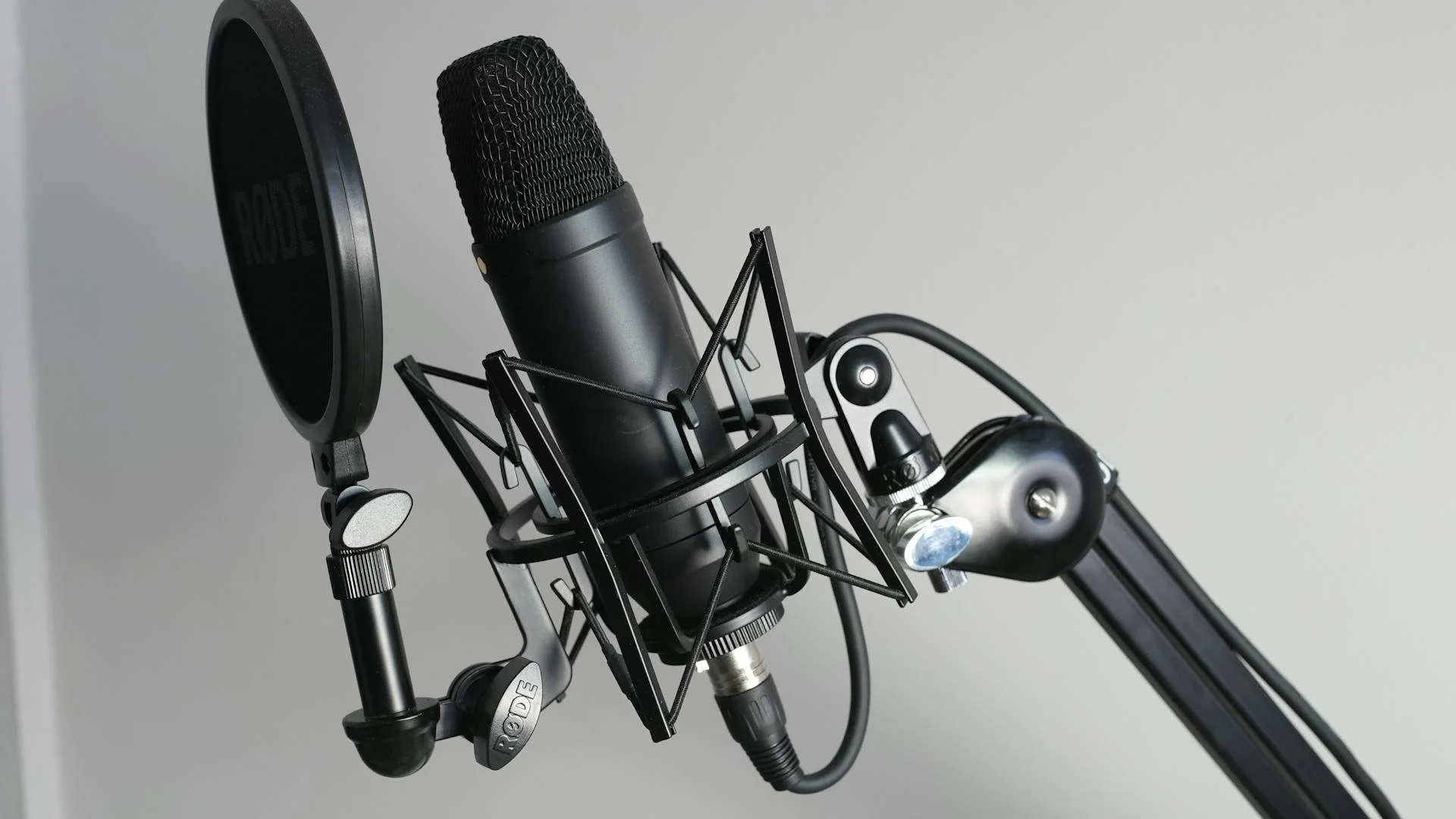
While your microphone choice and placement are paramount, several accessories can dramatically improve your acoustic guitar recordings by solving common problems and enhancing your setup's capabilities.
Shock Mounts and Microphone Stands
Nothing ruins a perfect take faster than unwanted vibrations traveling through your microphone stand. Quality shock mounts isolate your microphone from mechanical vibrations, particularly important when recording in rooms with wooden floors or when the performer might contact the stand during playing.
Invest in a sturdy microphone stand with a boom arm that allows precise positioning without drooping or drifting during the recording session. For stereo techniques, consider a stereo bar that maintains consistent positioning between multiple microphones while allowing for precise angle adjustments.
Pop Filters and Windscreens
While primarily associated with vocal recording, pop filters and windscreens serve valuable purposes when recording acoustic guitar. They can reduce plosive sounds from players who sing while playing, minimize handling noise and breath sounds, and provide protection from dust and moisture.
For ribbon microphones in particular, windscreens offer essential protection from the air movement produced by aggressive strumming, which can potentially damage delicate ribbon elements.
Preamps and Audio Interfaces
The preamplifier that boosts your microphone signal significantly impacts your recording quality. While many audio interfaces include serviceable preamps, dedicated external preamps can provide cleaner gain, lower noise, and unique tonal characteristics that complement acoustic guitar recordings.
For condenser microphones, ensure your audio interface or preamp provides clean, reliable phantom power. For ribbon microphones, consider preamps with higher gain capabilities and input impedance specifically designed to complement ribbon technology.
Acoustic Treatment Solutions
Even the finest microphone setup struggles in poor acoustic environments. Strategic acoustic treatment of your recording space improves results dramatically without requiring professional studio construction:
- Portable acoustic panels placed behind and to the sides of the recording position minimize early reflections.
- Bass traps in room corners control low-frequency buildup that can muddy acoustic guitar recordings.
- Diffusers on the rear wall create a more natural sense of space without harsh reflections.
Frequently Asked Questions About Recording Acoustic Guitar
What's better for recording acoustic guitar: large or small diaphragm condensers?
Small-diaphragm condensers generally offer more accurate transient response and extended high-frequency capture, making them excellent for detailed acoustic guitar recording, especially for fingerpicking styles. Large-diaphragm condensers typically provide a slightly warmer character with more pronounced proximity effect, which can flatter strummed acoustic guitars and add body to thinner-sounding instruments. Many professional engineers keep both types available, selecting based on the specific guitar and musical context.
Should I use a single mic or stereo setup for acoustic guitar?
For recordings where the acoustic guitar is part of a full arrangement, a well-placed single microphone often provides focused sound that sits better in a mix. For solo performances, acoustic-centered compositions, or situations where spatial dimension is important, stereo techniques create immersive, realistic presentations that highlight the instrument's full tonal palette. Consider your musical context and the role the guitar plays in the final production when making this decision.
How do I reduce unwanted noise when recording acoustic guitar?
Address mechanical noises like fret buzzing or excessive finger noise by adjusting your playing technique and ensuring proper guitar setup. Minimize environment noise by recording in a quiet location during times with minimal external sound. Use directional microphones to reject off-axis sounds, and consider acoustic treatment to reduce room reflections. Maintain appropriate microphone distance; too close captures mechanical noises, while too distant picks up excess room sound.
Can I use a USB mic for recording acoustic guitar?
Quality USB microphones can produce excellent acoustic guitar recordings, especially when portability or simplicity is prioritized. Modern USB microphones offer significant improvements over earlier designs, with some providing professional-level sound quality. However, traditional XLR microphones used with a dedicated audio interface typically offer advantages in sound quality, upgrade flexibility, and lower latency monitoring options. For serious studio work, an XLR-based system remains the professional standard.
What's the best budget mic for recording both vocals and guitar?
A large-diaphragm condenser like the Audio-Technica AT2020 offers excellent versatility for recording both vocals and acoustic guitar on a budget. Its balanced frequency response captures vocal clarity while handling the dynamic range of acoustic guitar, making it ideal for singer-songwriters. Position it slightly above and between your mouth and guitar (favoring the instrument) for simultaneous recording, or use it for separate tracking sessions to achieve optimal placement for each source.
Conclusion and Final Recommendations
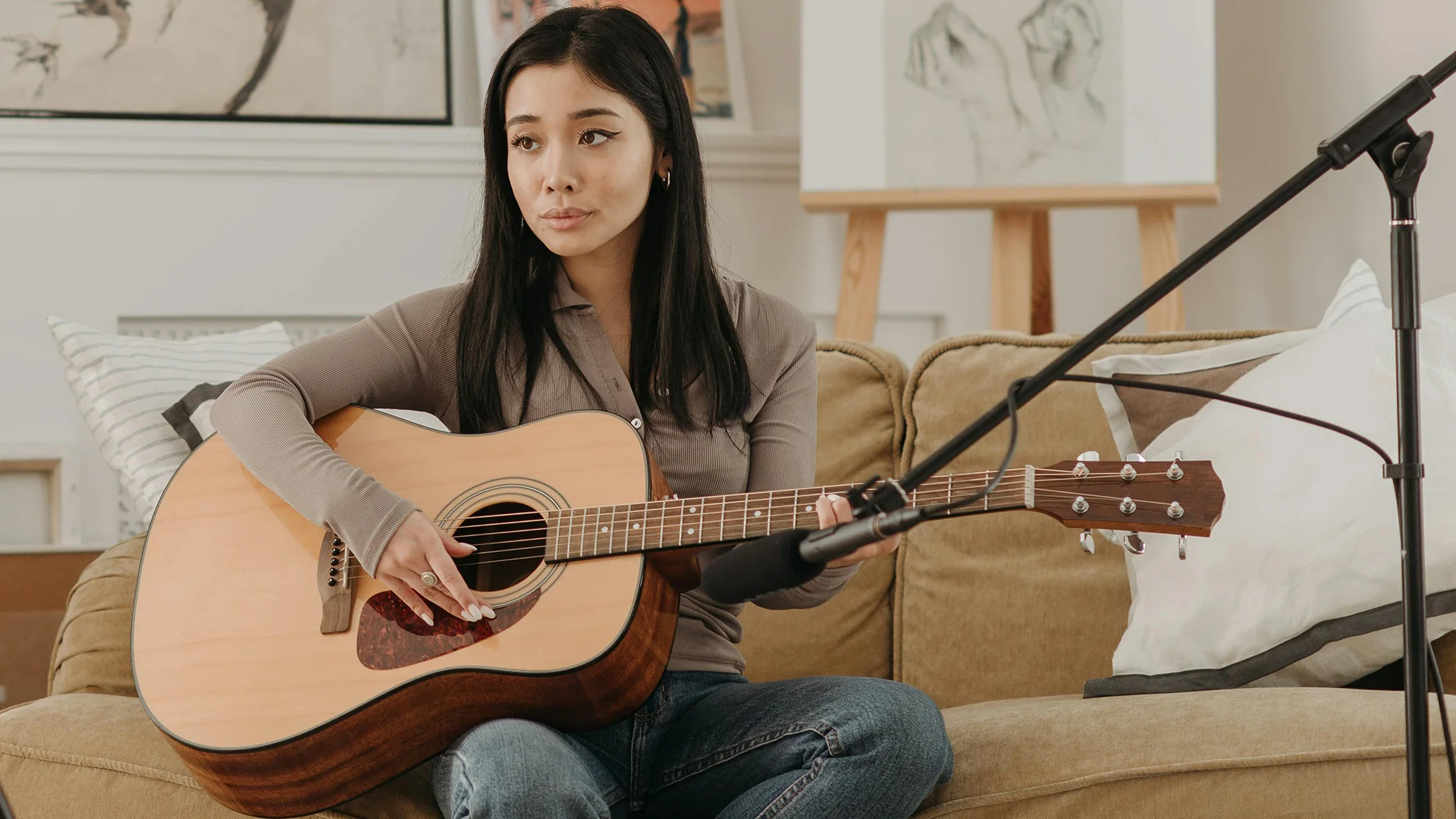
Selecting the perfect microphone for recording acoustic guitar involves balancing technical specifications, sound character, and practical considerations against your specific recording needs and budget. The right microphone becomes an essential creative tool that preserves not just the sound of your instrument, but the emotion and nuance of your performance.
For professionals and serious enthusiasts seeking the ultimate in acoustic guitar capture, the Neumann KM 184 sets the industry standard with unparalleled clarity and detail. Those working with limited budgets will find the Audio-Technica AT2020 delivers remarkable performance for its price point, capturing professional-quality recordings that belie its affordability.
The Shure SM57 provides a rugged, reliable option for challenging recording environments, while the Royer R-121 brings vintage warmth and character to your acoustic guitar sound. For maximum versatility, the legendary Neumann U87 AI adapts to virtually any recording scenario with uncompromising sound quality. When stereo imaging and dimensional recording are priorities, the Lewitt LCT 040 MATCH stereo pair delivers precise, matched performance.
Experiment with different positions and techniques to discover the sound that best showcases your instrument and playing style. Consider your recording environment, and when possible, add acoustic treatment to minimize unwanted room effects.
Ultimately, the best microphone for recording acoustic guitar is one that inspires you to play your best and captures your musical voice with authenticity. Whether you're producing professional albums, creating content for social media, or simply documenting your musical journey, investing in quality microphones elevates your recordings from amateur to professional, allowing listeners to experience the full beauty of your acoustic guitar playing
Top Ranked Condenser Microphones on Equipboard


-m.webp?v=1784977334)


About the authors
Michael R. Pierce is the co-founder of Equipboard and a lifelong musician with over 25 years of experience as a guitarist and gear enthusiast. He blends solid music theory chops (thanks to formal training in guitar, piano, and trumpet) with real-world experience, always exploring and experimenting across genres like rock, blues, and hip-hop. Michael launched Equipboard in 2013 after graduating from The University of Texas at Austin, leveraging his unique blend of musical passion, technological acumen, and community building. His current go-to rig features a Fender American Original ‘50s Telecaster, Analogman King of Tone, Strymon Flint, and a Fender ‘57 Custom Champ. Read more
New in Condenser Microphones

$4,799.00 - $5,080.00


$479.00 - $599.00


$159.00 - $162.00
in Condenser Microphones Rank