Table of Contents

Equipboard
Equipboard is the world's largest community of artists and their gear. Read our review process.
We are reader-supported. When you buy through links on our site, we may earn an affiliate commission. Learn more.
Our Picks


Walk into any music store, browse any gear forum, or scroll through any synthesizer Facebook group, and you'll inevitably encounter the same heated debate. On one side, passionate defenders praise Behringer for making professional-grade sounds accessible to bedroom producers and cash-strapped musicians. On the other, purists condemn the company as nothing more than a copycat operation that profits from other people's innovations.
The truth about Behringer sits somewhere in this messy middle ground, wrapped in layers of business strategy, legal gray areas, and genuine musical passion. This German company has sparked more arguments than any other gear manufacturer, and for good reason. Behringer has fundamentally changed how we think about music equipment pricing, accessibility, and originality.
The core question isn't really whether Behringer makes "good" products. It's whether a company built on recreating classic designs can be considered a positive force in the music industry. The answer depends entirely on who you ask and what you value most: innovation, affordability, or artistic authenticity.
From Bedroom Studio Dreams to Billion-Dollar Brand
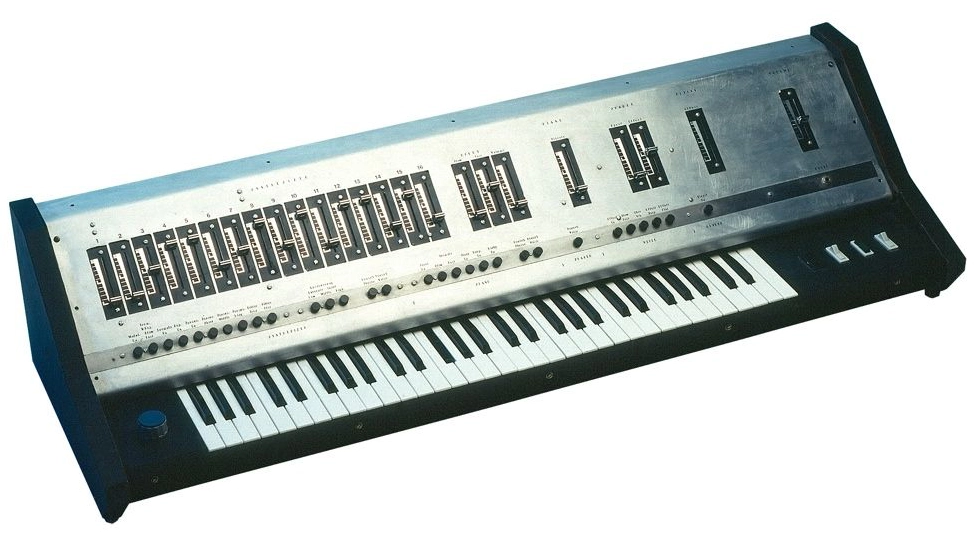
Uli Behringer's story begins exactly where you'd expect: in a cluttered bedroom studio, frustrated by expensive gear that seemed designed to keep regular musicians on the outside looking in. Back in 1989, this young German engineering student couldn't afford the professional audio equipment he needed for his own music projects. Instead of giving up, he decided to build his own.
The Basement Years
Behringer's first products weren't revolutionary. They were practical solutions to expensive problems. The company's earliest mixers and processors offered similar functionality to established brands at dramatically lower prices. This wasn't sophisticated reverse engineering yet. It was simply a determined engineer figuring out how to manufacture decent audio gear without the premium pricing that dominated the industry.
The early reputation followed predictably. Audio professionals dismissed Behringer products as cheap knockoffs with questionable reliability. The build quality was inconsistent, and the company's customer service struggled to keep pace with growing demand. However, something important was happening beneath the surface criticism.
The China Strategy
By the late 1990s, Uli Behringer made a decision that would define the company's future. Rather than competing on the same manufacturing terms as established German and American brands, Behringer moved production to China. This wasn't just about cutting labor costs. It was about vertical integration on a scale that traditional music companies had never attempted.
The move allowed Behringer to control every aspect of production, from component sourcing to final assembly. More importantly, it provided the manufacturing capacity needed to achieve genuine economies of scale. What started as cost-cutting became a competitive advantage that no traditional music company could match.
Current Ownership and Management
Uli Behringer sold his company to Music Group (now Music Tribe) in 2007 but remains deeply involved as the founder and key decision-maker. The company is currently owned by Music Tribe, which operates as a privately held corporation. While Uli stepped back from day-to-day operations, he continues to influence major product decisions and maintains an active presence in the company's direction, particularly in the controversial social media interactions that have defined much of Behringer's recent public image.
Music Tribe City
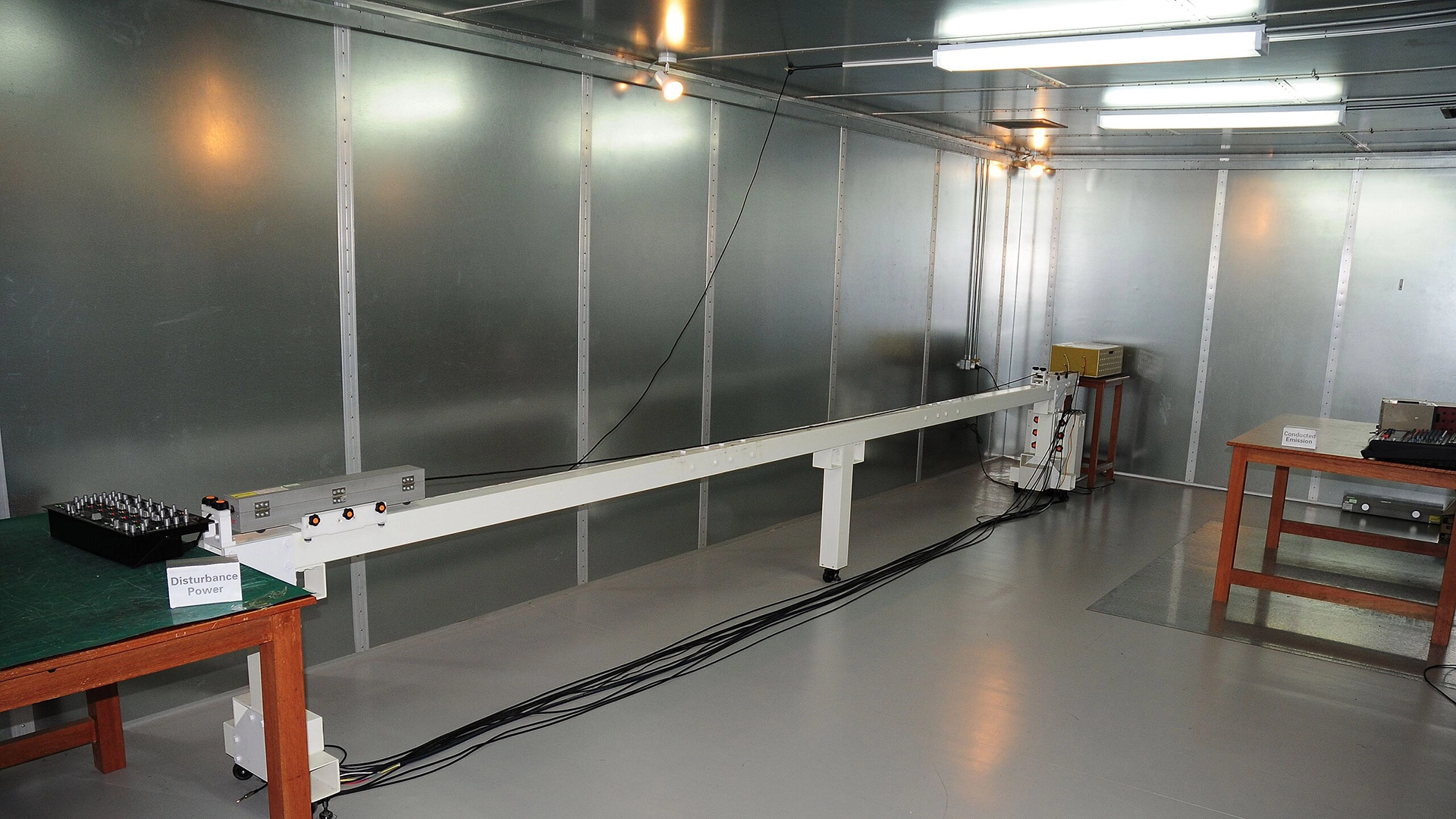
Today's Behringer operates from what the company calls Music Tribe City, a massive manufacturing complex in Zhongshan, China. This facility produces millions of units annually across multiple product categories, from basic mixers to complex analog synthesizers. The scale is unprecedented in music equipment manufacturing.
The acquisition strategy proved equally important. Between 2007 and 2019, Behringer's parent company Music Tribe acquired respected brands including Midas, Klark Teknik, TC Electronic, and Tannoy. These purchases provided access to decades of engineering expertise and established reputations that Behringer itself lacked.
The Transformation
The combination of massive manufacturing scale, vertical integration, and acquired engineering talent transformed Behringer from a budget alternative into something more complex. The company could now produce genuinely sophisticated products at prices that traditional manufacturers simply couldn't match.
Built to Clone: Inside Behringer's Business Model
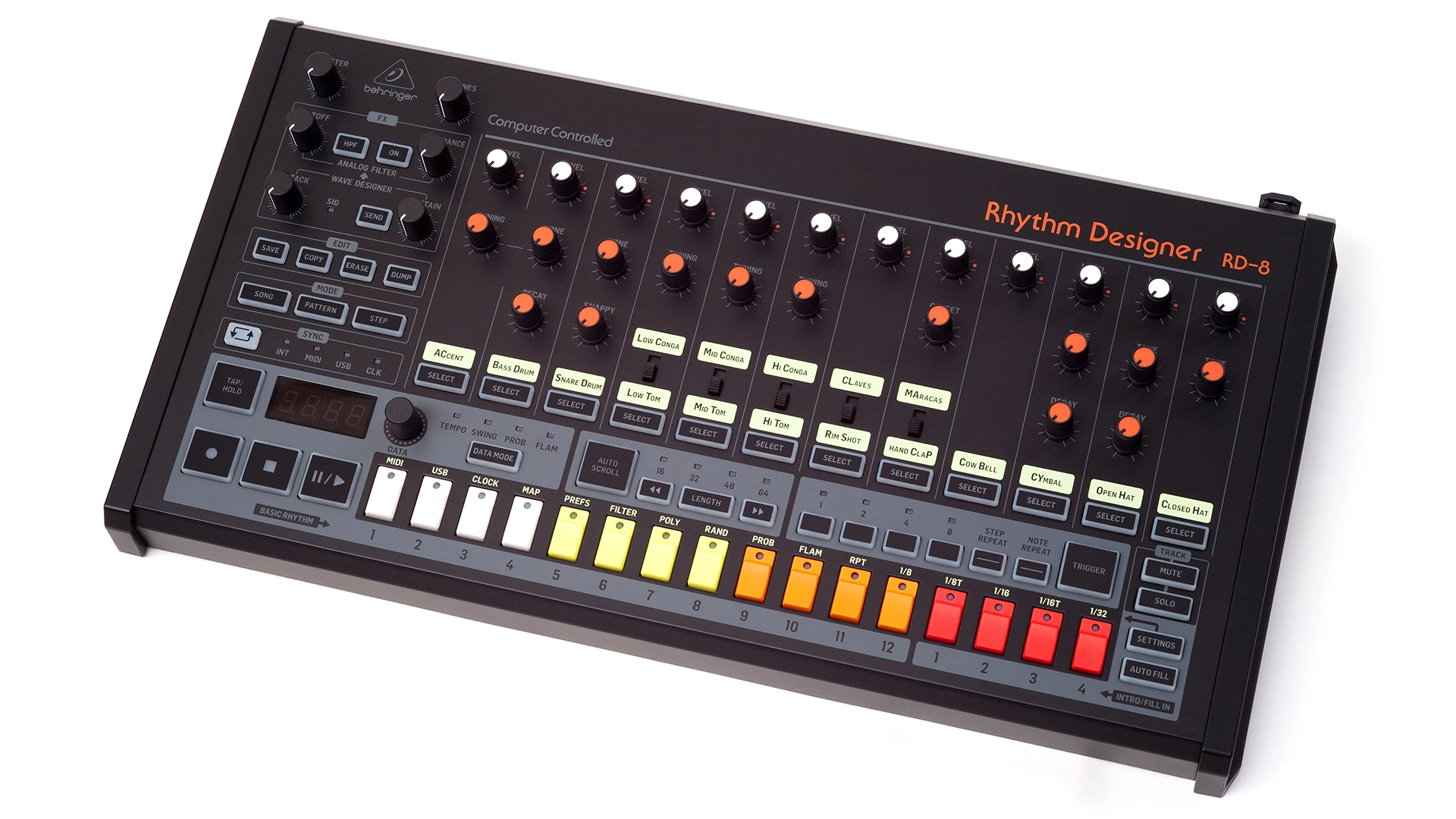
Understanding Behringer requires understanding their fundamental approach to product development. The company's unofficial motto could be "double the features, half the price," but the reality behind this promise reveals a sophisticated manufacturing philosophy that goes far beyond simple cost-cutting.
Vertical Integration as Strategy
Most music equipment companies design products and outsource manufacturing. Behringer controls the entire process, from initial component production to final packaging. This vertical integration allows them to achieve profit margins at price points where competitors would lose money on every unit sold.
When you buy a Behringer product, you're buying something manufactured almost entirely within their controlled ecosystem. This level of integration is rare in any industry, not just music equipment.
The Reverse Engineering Advantage
Behringer's product development process focuses heavily on reverse engineering existing designs, particularly vintage equipment that's no longer in production. This approach allows them to skip the expensive research and development phase that creates new products from scratch. Instead, they analyze successful designs and figure out how to manufacture them efficiently at modern scale.
This strategy works particularly well with analog synthesizers and effects pedals, where the core circuits haven't fundamentally changed in decades. A Moog filter from 1970 uses the same basic electronic principles as a Moog filter today. Behringer's engineers understand these principles and can recreate the sounds without violating active patents.
Modern Manufacturing Meets Vintage Design
The interesting twist in Behringer's approach involves modernizing vintage designs for contemporary users. Their recreations often include features that the original products lacked: MIDI connectivity, USB interfaces, improved reliability, and additional sound-shaping options.
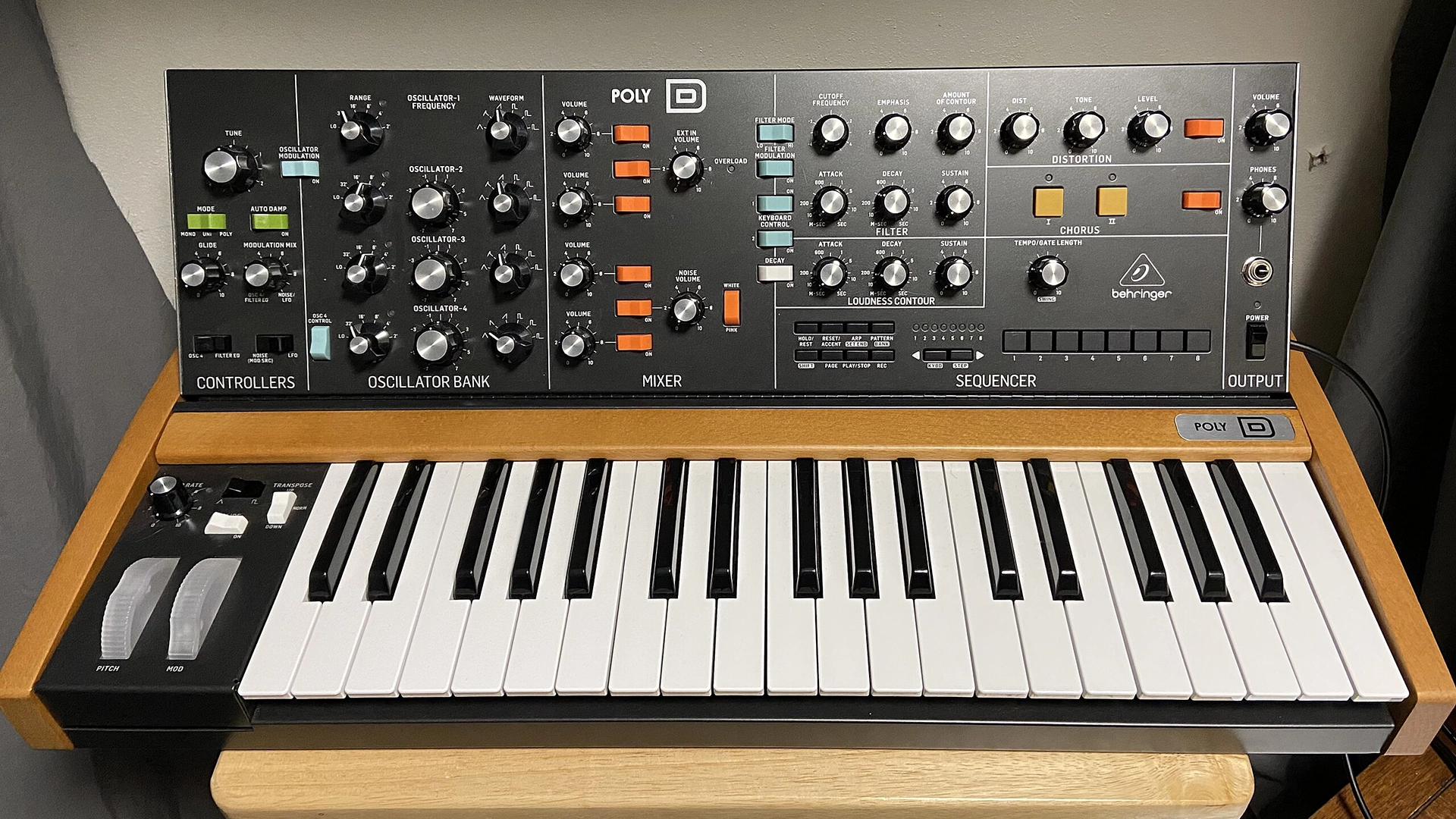
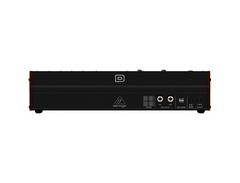
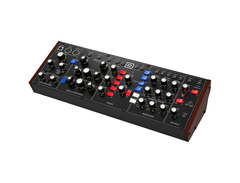
Consider their Model D synthesizer, which recreates the classic Moog Minimoog. The original Minimoog was monophonic, meaning it could only play one note at a time. Behringer's version includes a polyphonic mode that allows chord playing, something that would have required multiple original Minimoogs to achieve.
The Economics of Scale
The numbers behind Behringer's pricing reveal the power of manufacturing scale. Where a boutique pedal maker might produce 500 units of a particular design, Behringer thinks in terms of 50,000 units or more. This volume allows them to negotiate better component pricing, justify expensive tooling costs, and spread development expenses across massive production runs.
The result is products that would cost $2,000 from a boutique manufacturer selling for $300 from Behringer. The actual per-unit manufacturing cost might be similar, but the fixed costs are distributed across vastly different production volumes.
The Clone Wars: Controversy, Lawsuits & Ethics
The legal landscape surrounding music equipment cloning is more complex than most musicians realize. Patent law, trademark protection, and trade dress rights create a patchwork of rules that vary between different types of products and designs.
What's Legal in the Clone Game
Most vintage synthesizer and effects pedal designs rely on circuits that are decades old. In the United States, utility patents expire after 20 years, which means that classic designs from the 1970s and 1980s are generally fair game for recreation. This explains why companies like Behringer can legally recreate Moog filters, Roland drum machine sounds, and classic distortion circuits.
The legal protection focuses on specific implementation details rather than general concepts. You can't patent the idea of a low-pass filter, but you can patent a specific circuit topology that achieves low-pass filtering in a novel way. Once that patent expires, anyone can use the same circuit approach.
The Gray Areas
Legal permission doesn't automatically translate to ethical clarity. Trade dress protection covers the visual appearance of products, which creates complications when recreating vintage designs. Behringer has faced criticism for creating products that look remarkably similar to their inspiration sources, even when the underlying circuits are legally available.
The Klon Centaur situation exemplifies these complications. The original Klon overdrive pedal with the gold enclosure and specific aesthetic became iconic among guitarists.
High-Profile Disputes
The most visible conflicts involve companies with strong brand identities and passionate customer bases. Moog Music has been particularly vocal about Behringer's recreations of their classic synthesizer designs. While Moog can't prevent Behringer from using expired patents, they can protect their trademark and trade dress rights.
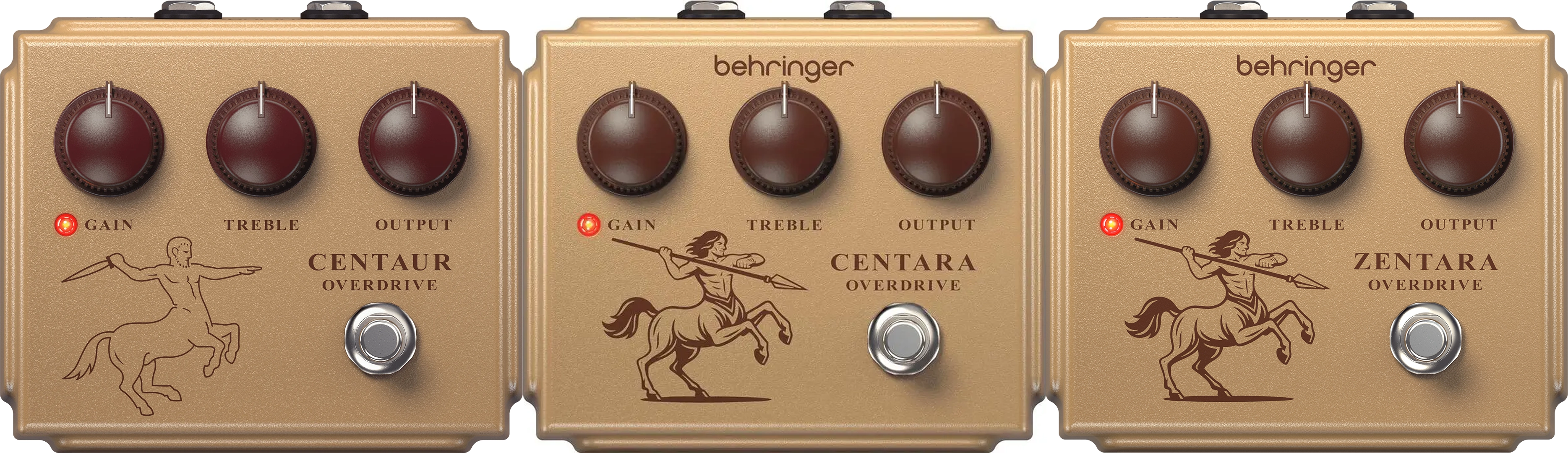
The Klon Centaur controversy became one of Behringer's most damaging legal and PR disasters. Behringer released the budget-friendly Centaur Overdrive in late 2024, which closely copied the original Klon Centaur's name, gold casing, and centaur graphic. The similarities went far beyond circuit recreation into direct trademark territory.
Klon LLC filed a lawsuit in May 2025, alleging trademark and trade dress infringement. The legal action forced Behringer to make multiple changes to distance their product from the original. First, they changed the name from "Centaur Overdrive" to "Centara," moved the logo from the front to the side, and updated the artwork to feature a different centaur pose.
Even these changes weren't sufficient to resolve the conflict entirely. Behringer eventually renamed the pedal again to "Zentara" in an attempt to make it as distinct as possible from the original Klon. The multiple name changes and design modifications highlighted how closely the original Behringer version had mimicked the Klon's protected elements.
The incident became a textbook example of the difference between legal circuit copying and trademark infringement. While Behringer could legally recreate the Klon's circuit topology, they had crossed into protected intellectual property by copying the name, visual design, and brand identity. The lawsuit and subsequent changes damaged Behringer's reputation even among supporters who appreciated their circuit recreations.
Boss (Roland) faced similar issues when Behringer recreated several of their classic pedal designs with remarkably similar visual aesthetics. The Blues Breaker and other Behringer pedals used color schemes and layouts that closely mimicked the originals. While legally permissible, these choices sparked debates about where inspiration ends and imitation becomes problematic.
TC Electronic, ironically now owned by Behringer's parent company Music Tribe, previously criticized Behringer for copying their products before the acquisition. The corporate relationships within Music Tribe have eliminated some potential conflicts, but they've also raised questions about market consolidation in the music equipment industry.
The Ethics Debate
Beyond legal considerations, the music community grapples with ethical questions about originality and fair competition. Critics argue that Behringer profits from innovation without contributing meaningful advances to the art form.
Supporters counter that Behringer democratizes access to sounds that were previously available only to wealthy musicians or major recording studios. They point out that many classic synthesizers and effects pedals are no longer in production, making Behringer recreations the only way for modern musicians to access these sounds affordably.
PR Missteps and Social Media
Behringer's response to criticism has sometimes made controversies worse. The company has engaged in public disputes with critics on social media, creating additional negative attention.
These communication missteps have damaged Behringer's reputation even among musicians who appreciate their products. Professional musicians often avoid publicly endorsing Behringer gear not because of quality concerns, but because of the associated controversies.
Is Behringer Actually Good? It Depends Who You Ask
Evaluating Behringer's actual product quality requires looking beyond the clone controversy to examine performance, reliability, and value across different product categories. The answer varies depending on what type of gear you're considering and what standards you're applying.
Synthesizers: The Success Story
Behringer's analog synthesizer recreations represent their strongest product category. Models like the Model D, Neutron, and Pro-1 have earned genuine respect from synthesizer enthusiasts who care more about sound quality than brand prestige. These instruments capture the essential character of their inspiration sources while adding modern conveniences.
The build quality has improved dramatically from Behringer's early reputation. Modern Behringer synthesizers use quality components and generally offer reliable performance. The knobs feel solid, the connections are stable, and the sound quality genuinely competes with much more expensive alternatives.
Professional musicians have quietly integrated these synthesizers into their setups. While they might not advertise their use of Behringer gear, many producers and performers rely on these instruments for specific sounds and textures.
Effects Pedals: Mixed Results
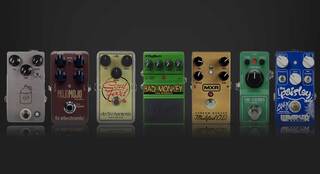
The effects pedal category shows more variation in quality and acceptance. Some Behringer pedals, particularly their overdrive and distortion designs, offer genuinely useful sounds at remarkable prices. Others feel cheap and don't capture the character of their inspiration sources effectively.
Build quality remains a concern with many Behringer pedals. The plastic enclosures and basic switches don't inspire confidence for heavy touring use. However, for bedroom recording and casual playing, many musicians find them perfectly adequate for the price point.
The most successful Behringer pedals tend to be recreations of expensive boutique designs. Their Klon clone and various vintage fuzz recreations provide access to sought-after sounds without the collector market pricing.
Mixers and Interfaces: Reliable Workhorses
Behringer's original strength in mixing consoles and audio interfaces continues to serve them well. These products focus on functionality rather than recreation, allowing Behringer to compete on pure value rather than controversial cloning.
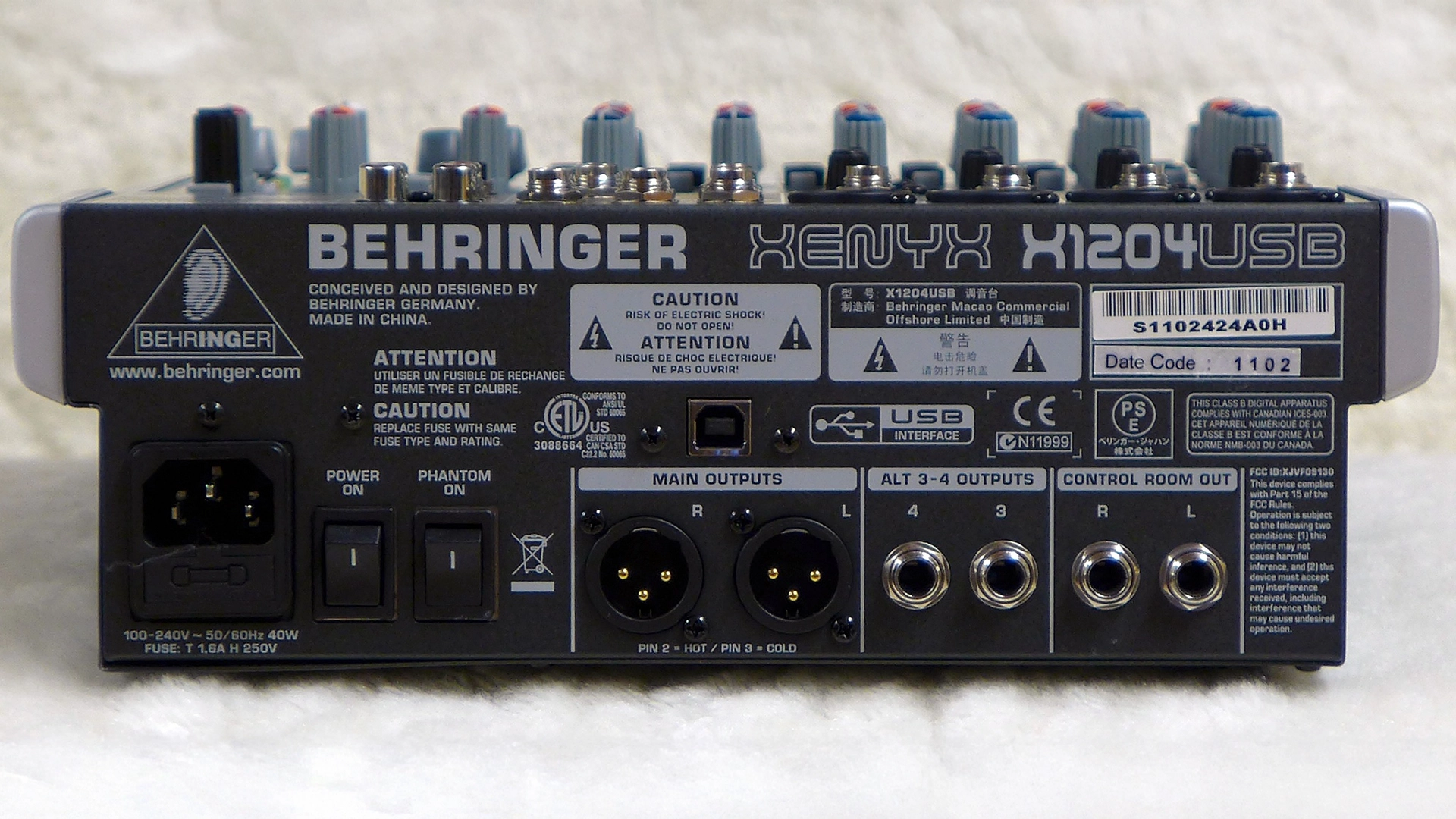
Their X32 digital mixing console has become genuinely popular among live sound engineers and small venues. The feature set rivals much more expensive professional consoles, while the price point makes advanced mixing technology accessible to smaller operations.
Audio interface products like the UMC series offer solid performance for home recording applications. While they don't match the premium feel of high-end interfaces, they provide reliable analog-to-digital conversion at prices that make home recording accessible to more musicians.
Professional Acceptance
The professional music community's relationship with Behringer remains complicated. Many working musicians use Behringer products in situations where the cost savings matter more than brand prestige. However, few professionals prominently display or endorse these products due to the associated controversies.
The Democratizer, the Disruptor, or the Copycat?
After examining Behringer's history, business practices, legal situation, and actual product quality, the question of whether they're a "good" brand becomes more nuanced than simple approval or disapproval. The company stands for different things to different segments of the music community, and those perspectives are often irreconcilable.
The Case for Behringer
Behringer has undeniably expanded access to professional-quality music equipment. Sounds that were once available only to major recording studios or wealthy collectors are now within reach of bedroom producers and hobbyist musicians. This democratization has enabled creativity that simply wouldn't exist otherwise.
The company has also forced the broader music industry to reconsider pricing strategies. Traditional manufacturers have had to justify their premium pricing or develop more affordable product lines to compete. This market pressure ultimately benefits all musicians through increased choice and competitive pricing.
Modern manufacturing techniques, quality control, and additional features make these instruments more reliable and versatile than the originals. The nostalgia for vintage gear often overlooks the practical limitations that modern recreations solve.
The Case Against Behringer
The fundamental criticism remains valid: Behringer profits primarily from other companies' innovations rather than contributing original designs to the industry. This approach may discourage research and development spending across the industry if companies can't recoup their investment before competitors copy their work.
The impact on boutique manufacturers deserves consideration. Small companies that develop original designs can't compete with Behringer's manufacturing scale once their products become successful. This dynamic potentially reduces innovation and diversity in the long term.
Behringer's communication and marketing practices have also damaged relationships within the music community. The company's aggressive responses to criticism and tendency toward controversial marketing have created unnecessary conflicts that hurt their reputation even among potential supporters.
The Verdict
Behringer succeeds as a manufacturer of functional music equipment at exceptional prices. Their products work, they sound good relative to their cost, and they enable musical creativity that wouldn't otherwise be financially feasible.
However, Behringer fails as an innovative force in music technology. The company rarely introduces genuinely new concepts or pushes the boundaries of what's possible with music equipment.
The "good brand" question ultimately depends on what you value most in music equipment. If access and affordability matter more than originality and innovation, Behringer is objectively a good brand. If you prioritize supporting original research and development, the ethical concerns become harder to dismiss.
Perhaps most importantly, Behringer gear has appeared on countless recordings and performances that matter to the people who created them. The brand controversy becomes irrelevant when a musician creates something meaningful with tools that were financially accessible to them.
FAQ

What is Behringer best known for?
Behringer is best known for creating affordable recreations of classic synthesizers and effects pedals. Their most famous products include the Model D synthesizer (based on the Moog Minimoog) and various clone pedals of expensive boutique effects. The company has built its reputation on offering professional-sounding equipment at lower prices than original or competing products.
Why is Behringer controversial?
The controversy stems from Behringer's business model of copying existing designs rather than creating original products. Critics argue that this approach undermines innovation and hurts smaller manufacturers who develop original designs. The company has also faced criticism for aggressive social media responses to negative feedback and for creating products that closely mimic the visual appearance of their inspiration sources.
Are Behringer clones legal?
Yes, most Behringer clones are completely legal because they recreate designs whose patents have expired. Utility patents in the US expire after 20 years, making most vintage synthesizer and effects circuits fair game for recreation. However, companies can still protect their trademarks and trade dress (visual appearance), which creates some legal gray areas around product aesthetics.
Are Behringer synths and pedals good quality?
Behringer's quality has improved over the years, particularly in their synthesizer line. Their analog synths like the Model D and Neutron offer genuine analog sound quality that competes well with more expensive alternatives. Effects pedals show more variation in quality, with some offering excellent value while others feel cheaply built for heavy use.
Who owns Behringer?
Behringer is owned by Music Tribe, a privately held company that acquired the brand in 2007. Founder Uli Behringer remains involved in key decisions and product direction, though he's no longer the direct owner. Music Tribe also owns several other audio brands including Midas, Klark Teknik, TC Electronic, and Tannoy, operating primarily from their massive manufacturing facility in Zhongshan, China.
How does Behringer compare to Moog, Roland, and boutique pedal brands?
Behringer offers similar sounds at much lower prices but with less prestige and sometimes lower build quality. Their synthesizers capture the essential character of Moog and Roland classics while adding modern features, but they lack the premium materials and brand heritage. Compared to boutique pedal makers, Behringer provides accessibility to expensive sounds but with plastic enclosures and simpler construction that may not withstand heavy professional use.
Behringer Zentara Overdrive











Average Price: $101
Standard/Professional
$50
$176+
Budget
Standard
High-end
- Closest match to the original Klon KTR sound available
- Exceptional transparency and responsiveness, even at high volumes
- Offers a unique growl that enhances tonal character
- Stacks well with other drive and boost pedals
- See 2 more
- Sound comparison may vary for those without Klon experience
Behringer Model D
4.5 (98)




Average Price: $241
Budget/Beginner
$500
$1501+
Budget
Standard
High-end
- Faithful sound reproduction of the original Model D
- Affordable alternative to expensive vintage synths
- Offers aggressive and customizable sounds
- Additional features like MIDI and extra LFO enhance versatility
- See 5 more
- Knobs too close together, making adjustments tricky
- Pitch bend range set to an octave can be impractical
- Firmware issues affecting pitch and tuning stability
- Some users report it goes easily out of tune
- See 3 more
See how artists use this


.jpg)


.jpg)


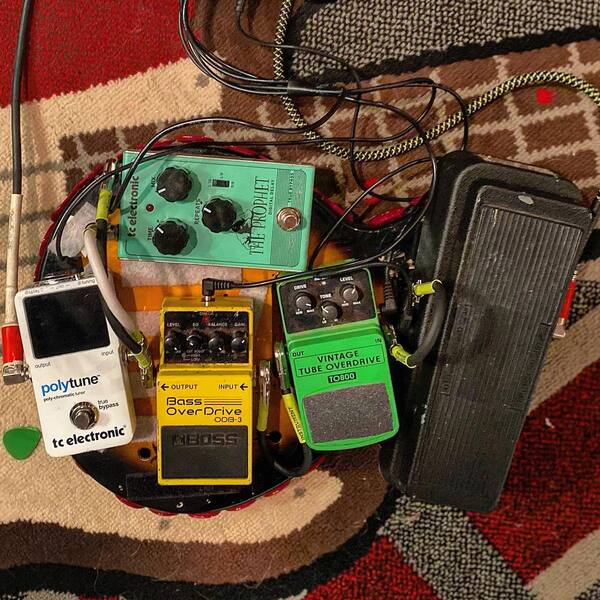
Behringer TO800 Vintage Tube Overdrive
4.0 (80)



Average Price: $35
Budget/Beginner
$50
$176+
Budget
Standard
High-end
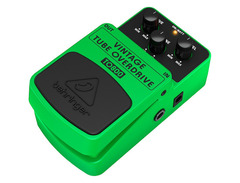
- Emulates the classic Tube Screamer sound effectively
- Works well with various guitar types and amps
- Controls are responsive and offer tonal versatility
- Affordable option compared to original Tube Screamers
- See 6 more
- Plastic housing feels less durable than metal enclosures
- Battery compartment access is inconvenient
- Some users experience reliability issues over time
- Susceptible to noise, especially with certain power supplies
- See 4 more
See how artists use this






.jpg)


Behringer UMC1820
4.5 (13)


Average Price: $214
Standard/Professional
$150
$501+
Budget
Standard
High-end
- Exceptional value for the price, offering professional features affordably
- 8 XLR inputs with expandability via ADAT for larger setups
- Low noise and latency, especially after driver updates
- Durable construction and good build quality for its price point
- See 6 more
- Some units may have input-specific issues, like humming on input 7
- Interface panel app is basic, offering fewer options than competitors
- Occasional recognition issues on PC startup, solved by using USB 2 port
- Latency is not the lowest available, though manageable for most applications
- See 1 more
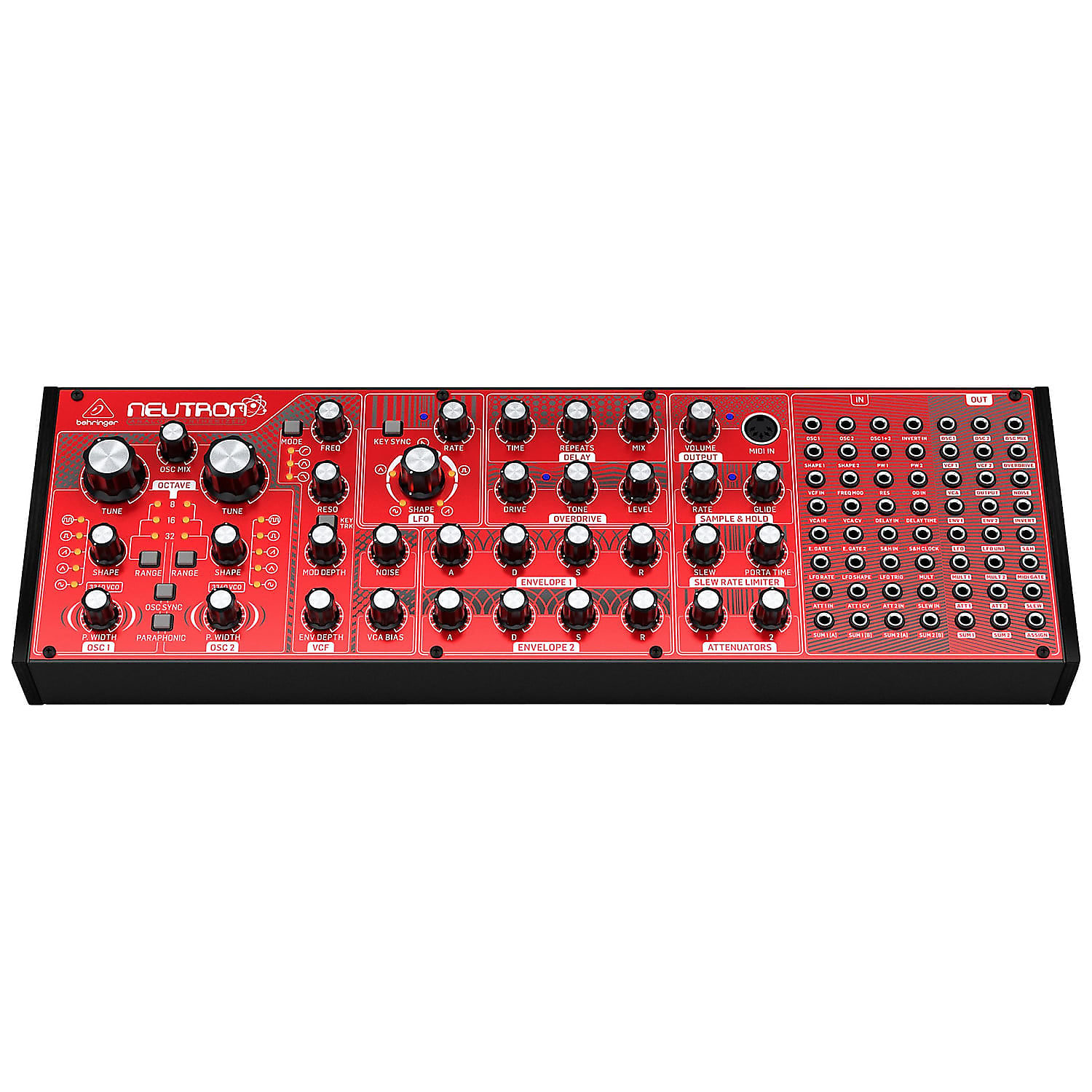
Behringer Neutron
4.5 (44)


Average Price: $367
Budget/Beginner
$500
$1501+
Budget
Standard
High-end
- Durable build and rugged construction withstands gigs and transport
- Dual oscillators offer flexible sound shaping
- Patch panel enhances experimentation and connectivity with other gear
- Offers good value for its price, with high feature density
- See 6 more
- Limited envelope modulation options
- Complicated button combinations for some features require manual consultation
- MIDI and USB connectivity issues reported
- Oscillator tuning can be unstable, requiring frequent adjustments
- See 6 more
See how artists use this



.jpg)

.jpg)

.jpg)
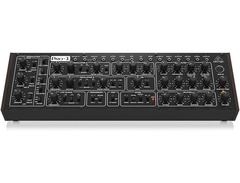
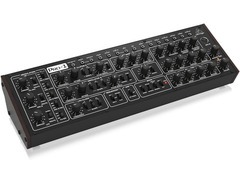
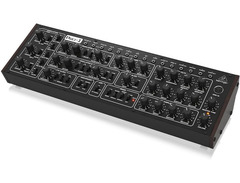
Behringer Pro-1
5.0 (20)


Average Price: $263
Budget/Beginner
$500
$1501+
Budget
Standard
High-end
- Affordable and offers great value
- Pure analog sound with flexible patching options
- Compact, lightweight, and versatile in setup (Eurorack, desktop, 19" rack)
- Intuitive and easy MIDI mapping
- See 6 more
- Lacks a polyphonic version for more voice options
- Initial tuning and warm-up time needed for optimal performance
- Retains some original quirks like tricky Arp latching and no preset memory
- Some controls exhibit a slight delay in response
- See 4 more
See how artists use this







Behringer DM100 Distortion Modeler
2.5 (8)
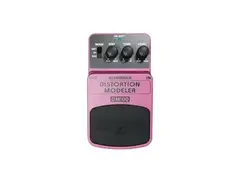

- Affordable option for exploring different distortion sounds
- DS-1 emulation mode is relatively accurate
- Includes three distinct distortion modes: DS-1, RAT, Distortion +
- Comes with a three-year warranty
- See 1 more
- RAT and MXR settings have limited control range, nearly unusable
- Gain sweep is minimal, with abrupt increase at high settings
- Distortion can be heard even when pedal is off
- Build quality and durability concerns for live use
- See 2 more
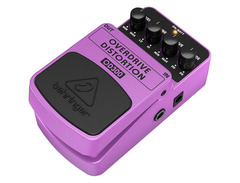
Behringer OD300 Overdrive Distortion
3.5 (21)



Average Price: $40
Budget/Beginner
$80
$181+
Budget
Standard
High-end
- Delivers both crunchy overdrive and searing distortion
- Versatile: suitable for genres like rock, metal, and progressive music
- Affordable alternative to more expensive brands
- Sturdy build quality despite plastic construction
- See 6 more
- Plastic body may feel fragile or breakable to some
- Sound quality may deteriorate with aggressive settings beyond midpoint
- Battery changing experience could be better
- May create noise even when off
- See 1 more


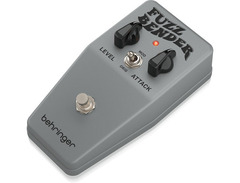
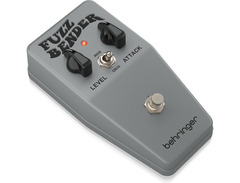
Behringer Fuzz Bender Fuzz Pedal



Average Price: $67
Standard/Professional
$60
$181+
Budget
Standard
High-end
- Offers a unique blend of light distortion and fuzz
- Cleans up well with guitar volume adjustment
- Features two distinct modes: vintage and modern
- Vintage mode provides a balanced, mid-ranged tone
- See 5 more
- May pick up radio interference under certain conditions
- High gain pickups might not work optimally
- Not suitable for achieving super gnarly fuzz sounds
- Some users experienced unit failure shortly after receiving it
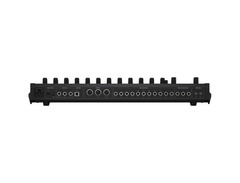
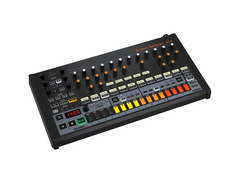
Behringer RD-8 MKII
4.5 (3)
-s.webp?v=1785217594)
-l.webp?v=1785217594)
Average Price: $316
Standard/Professional
$150
$601+
Budget
Standard
High-end
- True analog sound captures the essence of the TR-808
- Offers sound shaping options beyond basic 808 samples
- Individual instrument outputs for advanced mixing setups
- More accessible programming compared to the original
- See 4 more
- Large footprint may not suit all studio spaces
- Limited sound tweaking compared to digital grooveboxes
- Mixer knobs instead of faders limit mixing precision
- Onboard filter can't be used with individual outs
- See 4 more


About the authors

S. Jino is an accomplished multi-instrumentalist and music producer based in Kolkata, India, distinguished by his self-taught mastery and unique blend of technical acumen and musical performance. His extensive experience was forged through hands-on dedication, starting with the full restoration of a broken guitar. Jino's capabilities span keyboards, pedals, and advanced digital production, reflecting a comprehensive skill set developed independently. As a significant contributor to the music scene, Jino regularly performs with worship bands and college ensembles. He has also established himself as a reliable and authoritative professional in freelance mixing, mastering, and original music creation. Inspired by the innovative sounds of Brian May and David Gilmour, and influenced by Kolkata's vibrant metal community, Jino is committed to the intricate art of vintage gear restoration and the continuous exploration of music and technology fusion. His current professional setup, featuring a meticulously restored nameless guitar, a Fender Player Strat, and a Boss Katana 50. Read more





.jpg)








.webp)