Chasing the Splatter: Your Complete Tone Bender Fuzz Pedal Handbook

By Gear Experts

By Gear Experts
Table of Contents

Equipboard
Equipboard is the world's largest community of artists and their gear. Read our review process.
We are reader-supported. When you buy through links on our site, we may earn an affiliate commission. Learn more.
Our Picks

JHS Legends of Fuzz Series Bender
Best for Beginners: This pedal makes authentic MKIII tones available at a reasonable price with the reliability and consistency that modern players expect. The addition of helpful modern features makes it perfect for players new to vintage fuzz.
Read more


Sola Sound Tone Bender "MK 1.5"
Best Historical Accuracy: As the official reissue from the original manufacturer, this pedal offers unique legitimacy and careful attention to historical detail. It's the closest thing to buying a new vintage Tone Bender.
Read more


Best Professional Choice: The Sun Bender MK-IV takes the classic MKIV circuit topology and enhances it with modern reliability and consistency that touring musicians demand. Each unit is hand-selected and tested to ensure optimal performance across temperature ranges.
Read more
Best Hybrid Option: The Soul-Bender v2 reimagines the MKIII circuit with modern enhancements that expand its versatility while maintaining vintage character. This second version refines the original Soul-Bender with improved consistency and enhanced tone-shaping capabilities.
Read more
Best for MKII-style sustain with extra range: A flexible, vintage-voiced Tone Bender that covers MK1.5-style grit and MKII sustain in one box, with smart modern control.
Read moreThe Big Four Fuzz Pedals
When guitarists talk about the foundation of fuzz, four pedals dominate the conversation: the Maestro Fuzz-Tone, the Fuzz Face, the Tone Bender, and the Big Muff. Each brought something unique to the sonic palette of the 1960s, but the Tone Bender stands out as the British wildcard that shaped the raw, aggressive edge of late-60s rock. While the Maestro kicked off the fuzz revolution with its appearance on the Rolling Stones' "Satisfaction," and the Fuzz Face became Hendrix's weapon of choice, the Tone Bender carved its own path through the London music scene.
The Foundation of Fuzz
The story of fuzz begins with happy accidents and rebellious spirits. The Maestro FZ-1 Fuzz-Tone, released in 1962, initially gathered dust on music store shelves until Keith Richards discovered its potential. The Fuzz Face followed in 1966, offering a warmer, more vocal quality that would define psychedelic rock. The Big Muff arrived slightly later, bringing wall-of-sound sustain to the party. But sandwiched between these American innovations was Britain's answer: the Tone Bender, a pedal born from necessity and refined through relentless experimentation.
The Tone Bender's Voice
What sets the Tone Bender apart from its fuzzy siblings? Its sonic identity typically runs brighter and more aggressive than the Fuzz Face, with a characteristic "splatter" or gated edge that emerges at extreme settings. Where the Fuzz Face sings with a warm, rounded tone, the Tone Bender snarls and spits. It's the difference between a velvet glove and a leather jacket. This gritty character made it the perfect companion for the harder edge of British rock that was emerging in the mid-1960s. The pedal could deliver everything from subtle overdrive warmth to complete sonic annihilation, often within the same song.
Origins, History, and Evolution
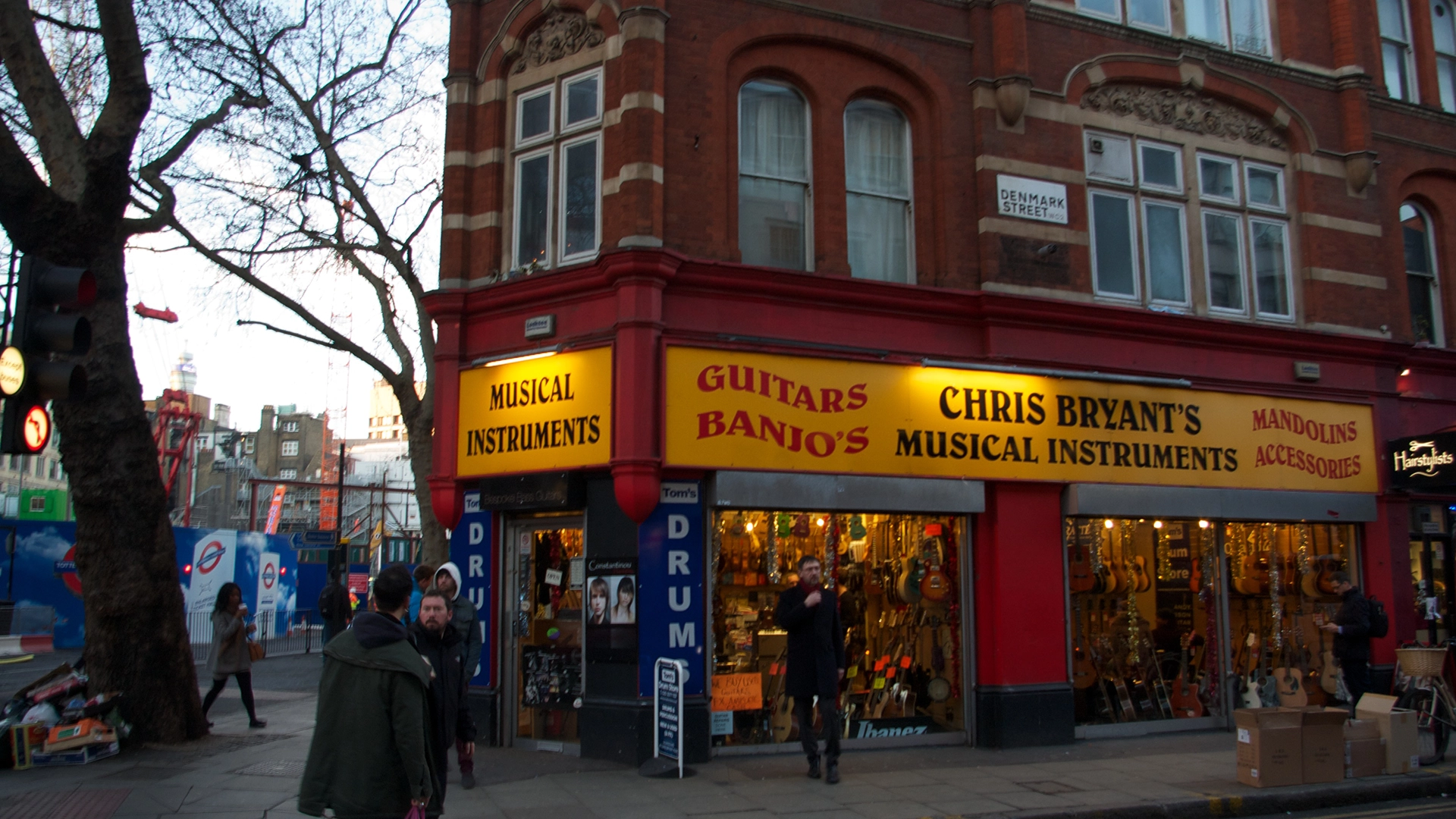
The Tone Bender emerged from the bustling streets of 1960s London, where music shops doubled as laboratories for sonic experimentation. The story begins with Gary Hurst, a former electrical engineer who found himself at the center of Britain's guitar revolution. Working with Macari's Musical Exchange on Denmark Street (London's "Tin Pan Alley"), Hurst created what would become the foundation for decades of fuzz evolution.
The British Response
In 1965, American fuzz pedals were nearly impossible to find in Britain. The Maestro FZ-1 had created demand, but import restrictions and limited availability left British guitarists frustrated. Gary Hurst, who had already been modifying and repairing equipment for local musicians, saw an opportunity. Using his engineering background and whatever components he could source, Hurst began building his own fuzz boxes. The first Tone Bender wasn't a careful clone of the Maestro; it was a reimagining that reflected both the available parts and the aggressive sound British bands were seeking.
The relationship between Hurst and Sola Sound (the manufacturing arm of Macari's Musical Exchange) would prove crucial. While Hurst designed and refined the circuits, Sola Sound handled production and distribution. This partnership created a flexible, almost improvisational approach to pedal design. Unlike American manufacturers who might lock down a circuit and mass-produce it unchanged for years, the Tone Bender evolved constantly, responding to player feedback and component availability.
Version Breakdown: The Core Evolution
Understanding the Tone Bender means understanding its many incarnations. Each version represents not just a technical refinement but a response to the changing needs of musicians pushing the boundaries of electric guitar.
The MKI (1965): Raw Power Unleashed
The original MKI Tone Bender used three germanium transistors, typically OC75s, though due to the inconsistent supply of the time, various low-gain germanium transistors (like OC81D or similar types) were often substituted, contributing to the MKI's notorious variability. This circuit delivered a raw, gated, sputtery tone that sounded like a speaker being torn apart. The MKI was thin and aggressive, with an unpredictable character that could shift from moment to moment based on temperature, guitar volume, and playing dynamics.
Jeff Beck wielded the MKI during his Yardbirds era, using its chaotic nature to fuel tracks like "Heart Full of Soul." Mick Ronson, David Bowie's guitarist, would later use similar early Tone Benders to create the apocalyptic guitar sounds on "The Man Who Sold the World." The MKI wasn't trying to be musical in a traditional sense; it was trying to destroy conventional notions of guitar tone.
The MK1.5 (1966): The Transitional Circuit
Reducing the transistor count from three to two, this version is the direct circuit precursor to the Fuzz Face, which adopted and standardized this simpler two-transistor topology shortly after. The result was a smoother, simpler sound that retained fuzz character but added more responsiveness to playing dynamics. The gating effect was reduced, allowing notes to sustain more naturally.
This transitional circuit attracted players who wanted fuzz without complete chaos. Early Jimmy Page recordings show hints of this smoother fuzz character, though Page would soon become more associated with the MKII.
The Professional MKII (1966-1968): The Archetypal Tone Bender
If one version defines the Tone Bender sound in popular consciousness, it's the Professional MKII. Returning to a three-transistor configuration but with a completely redesigned circuit, the MKII achieved what earlier versions had struggled toward: saturated, sustaining, harmonically rich fuzz that remained musical even at extreme settings.
The MKII's secret lay in its gain staging. Rather than simply amplifying the signal until it distorted, the circuit carefully shaped how the distortion developed through each transistor stage. The result was a pedal that could sing with infinite sustain on lead lines while maintaining note definition on chords. Jimmy Page used the MKII extensively on Led Zeppelin's debut album, creating the monolithic riffs of "Dazed and Confused" and "Communication Breakdown." Jeff Beck's work on "Truth" also showcased the MKII's ability to move from subtle grit to full sonic assault.
The MKIII/MKIV (Late 1960s-1970s): Adding Control
The MKIII and MKIV represent the Tone Bender's evolution toward greater versatility. The addition of a tone control marked a significant departure from the "take it or leave it" approach of earlier versions. The MKIII used a larger, wedge-shaped enclosure that became iconic in its own right, while the MKIV put the same circuit in a smaller Sola Sound box.
These versions often transitioned from germanium to silicon transistors, reflecting both component availability and a desire for more consistent performance. The tone was fatter and smoother, with the tone control allowing players to dial in everything from muddy doom to piercing treble assault. Pete Townshend adopted these later Tone Benders, using them to create the massive power chord sounds that defined The Who's live performances.
The Jumbo and Supa Tone Bender (Early 1970s): Into the Modern Era
By the early 1970s, the Tone Bender name had become valuable enough to spawn several variants. The Jumbo Tone Bender used four silicon transistors in a circuit that bore more resemblance to the Big Muff than traditional Tone Benders. The Supa Tone Bender, meanwhile, modified the MKII/MKIII topology for even more gain and sustain.
David Gilmour famously used the Jumbo Tone Bender on Pink Floyd's "Animals" album, particularly on the searing lead tones of "Pigs (Three Different Ones)." These pedals represented the broader, thicker sound that would come to define 1970s rock, bridging the gap between 1960s fuzz and the high-gain distortion pedals that would follow.
The Tone Bender Sound: Practical Application for Musicians
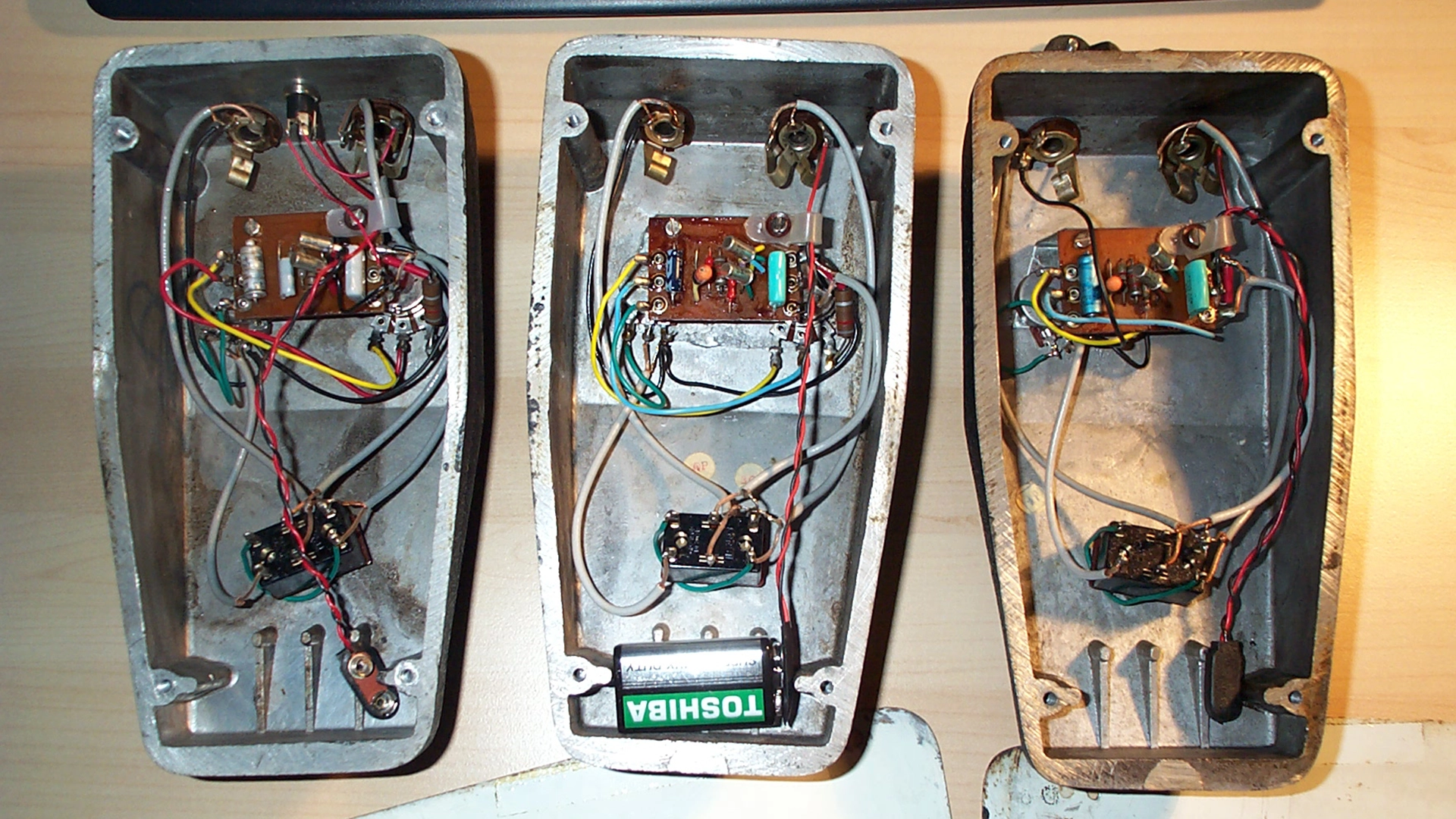
Understanding how to use a Tone Bender effectively requires more than just plugging it in and turning knobs. These pedals interact with your entire signal chain in ways that can either create magic or frustration. The key lies in understanding their quirks and working with them rather than against them.
Tone Bender vs. Fuzz Face: The Essential Differences
While the Tone Bender and Fuzz Face might seem similar on paper (both use germanium transistors, both create fuzz), their sonic signatures diverge significantly. The differences become apparent the moment you play through both pedals back to back.
EQ and Midrange Character
The Tone Bender typically presents a brighter, more focused midrange compared to the Fuzz Face's warmer, rounder tone. Where a Fuzz Face might sit back in a mix with its scooped mids and smooth highs, a Tone Bender cuts through with more presence and bite. This isn't necessarily better or worse; it's about choosing the right tool for the job. The Tone Bender's brightness makes it excellent for cutting through dense arrangements, while the Fuzz Face excels at thick, creamy lead tones that blend with the band.
Later Tone Bender models, particularly the MKIII and MKIV, offer more tonal flexibility. Their tone controls allow you to dial in everything from dark, doomy thickness to bright, aggressive bark. This adaptability made them popular with players who needed one pedal to cover multiple sonic territories.
Gain and Saturation Characteristics
MKII circuits deliver noticeably higher gain and smoother sustain than most Fuzz Faces. While a Fuzz Face might clean up beautifully when you roll back your guitar's volume, revealing an almost clean tone at lower settings, the Tone Bender maintains more of its fuzzy character throughout the volume knob's range. This makes the Tone Bender ideal for players who want consistent fuzz texture rather than dynamic clean-to-dirty transitions.
The saturation quality differs too. Fuzz Faces tend toward a singing, vocal quality at high gain settings, while Tone Benders lean toward a more aggressive, grinding distortion. Think of it as the difference between Eric Johnson's violin-like lead tone and Tony Iommi's crushing doom riffs.
Volume Knob Cleanup and Dynamics
While not as dynamically responsive as the Fuzz Face, certain Tone Bender versions (particularly the MK1.5 and MKII) still clean up effectively when you reduce your guitar's volume. The cleanup isn't as dramatic; you won't get sparkling clean tones, but you can achieve a nice gritty overdrive that maintains the pedal's basic character. This partial cleanup can be incredibly useful for rhythm playing, allowing you to maintain some fuzz texture without overwhelming the mix.
Understanding Transistor Types
The germanium versus silicon debate has raged since the late 1960s, and the Tone Bender provides an excellent case study in how transistor choice affects tone and performance.
Germanium: Warmth and Temperament
Germanium transistors create the classic vintage fuzz warmth that defined the 1960s. They produce even-order harmonics that our ears perceive as musical and pleasant, contributing to that singing sustain on lead notes. However, germanium comes with significant practical challenges. These transistors are extremely temperature-sensitive; a pedal that sounds perfect in your climate-controlled studio might sound completely different at an outdoor summer festival.
The temperature sensitivity isn't just about tone consistency. Extreme temperatures can cause germanium transistors to stop working entirely. Many touring musicians who use vintage-style germanium fuzzes keep their pedals in coolers backstage, only bringing them out for performance. Some players embrace this variability as part of the charm, while others find it frustrating.
Silicon: Brightness and Stability
Silicon transistors, adopted in later Tone Benders, offer brightness, aggression, and rock-solid stability. They don't care about temperature, humidity, or phase of the moon. A silicon Tone Bender will sound the same whether you're playing in Alaska or Arizona. The trade-off is a different harmonic content; silicon tends toward odd-order harmonics that can sound harsher or more aggressive.
Many modern builders offer hybrid designs that attempt to capture the best of both worlds. These might use germanium transistors in certain gain stages for warmth, with silicon transistors elsewhere for stability. Some builders also carefully select and match modern production germanium transistors that offer better stability than vintage components.
Amp Pairing Strategies
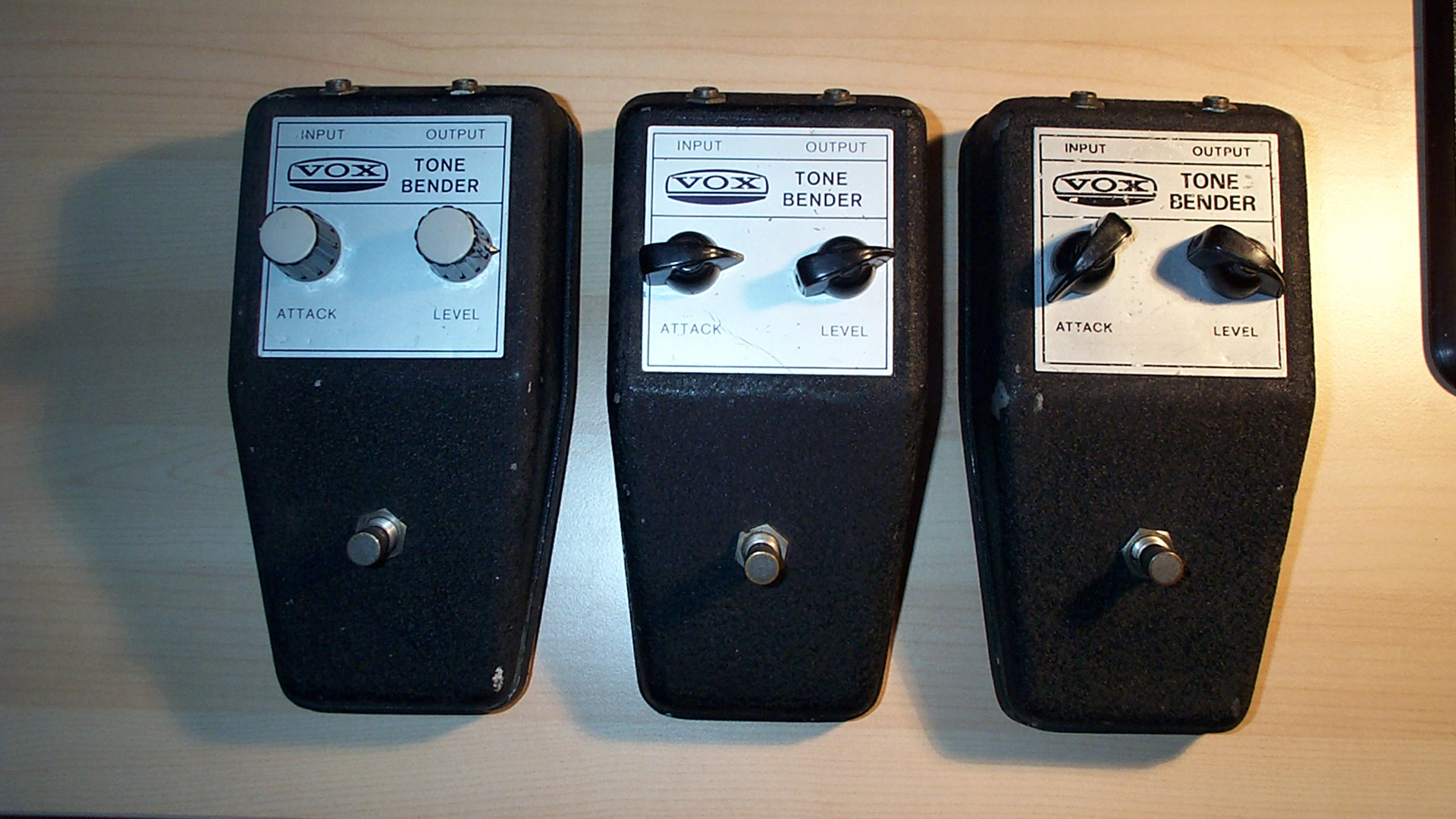
Your choice of amplifier can make or break your Tone Bender experience. These pedals were designed in an era of simple, clean amplifiers, and they generally perform best in similar conditions today.
Clean and Edge-of-Breakup Settings
Running a Tone Bender into a clean or slightly overdriven amp preserves the pedal's character and dynamics. Classic pairings include Vox AC30s (brilliant for highlighting the Tone Bender's aggressive midrange), Fender Twin Reverbs (offering a neutral platform that lets the pedal's character shine), and Marshall Plexis set just at the edge of breakup (creating a perfect blend of amp and pedal distortion).
The key is avoiding too much preamp distortion from your amplifier. When you run a fuzz into an already distorted amp, the result often becomes muddy and undefined. The two distortion types fight each other rather than complementing. If you must use a gained-up amp, try running the Tone Bender with its fuzz control backed off slightly, using it more as a texture enhancer than a primary distortion source.
Speaker Considerations
Speaker choice matters more with fuzz than perhaps any other effect type. Vintage-style speakers with controlled high-frequency response work best with Tone Benders. Celestion Greenbacks, with their warm midrange and gentle high-frequency rolloff, pair beautifully with the brightness of most Tone Benders. Modern high-powered speakers with extended frequency response can make fuzzes sound harsh or fizzy.
Some players deliberately pair bright Tone Benders with darker speakers (or vice versa) to achieve tonal balance. The MKIII's tone control makes this kind of matching easier, allowing you to compensate for overly bright or dark speaker characteristics.
Signal Chain Wisdom
The placement of your Tone Bender in your signal chain isn't just important; it's absolutely critical to achieving the sounds you're after. This isn't a suggestion or a general guideline. It's a fundamental rule of fuzz physics.
First in Chain: The Non-Negotiable Rule
Vintage-style fuzz circuits, including all traditional Tone Benders, must see your guitar's pickups directly. No buffers, no true-bypass pedals with LED circuits, nothing between your guitar and the fuzz. This isn't about tone snobbery; it's about electrical impedance. Fuzz circuits rely on the interaction between your pickups' impedance and the fuzz's input impedance to create their characteristic sound and cleanup behavior.
When you place a buffered pedal (like most modern tuners, many overdrives, or any Boss pedal) before a germanium fuzz, you destroy this interaction. The fuzz will still make noise, but it won't clean up with your volume knob, won't respond to your picking dynamics, and generally sounds thin and buzzy rather than full and musical. Even true-bypass pedals can cause problems if they use LED indicators, as these circuits can affect impedance even when bypassed.
Working with Wah Pedals
The fuzz-before-wah versus wah-before-fuzz debate has specific implications for Tone Bender users. Placing fuzz before wah (guitar into fuzz into wah) creates the classic 1960s psychedelic sound, with the wah filter shaping the fuzz's frequency content. This configuration works well with Tone Benders, creating everything from Hendrix-style leads to avant-garde noise textures.
Placing wah before fuzz usually doesn't work with vintage-style circuits due to the impedance issues mentioned above. However, some modern Tone Bender recreations include internal buffers or impedance correction circuits that allow more flexible placement. If you absolutely must run wah first, look for these modernized versions.
The Modern Landscape: Clones, Reissues, and Innovations
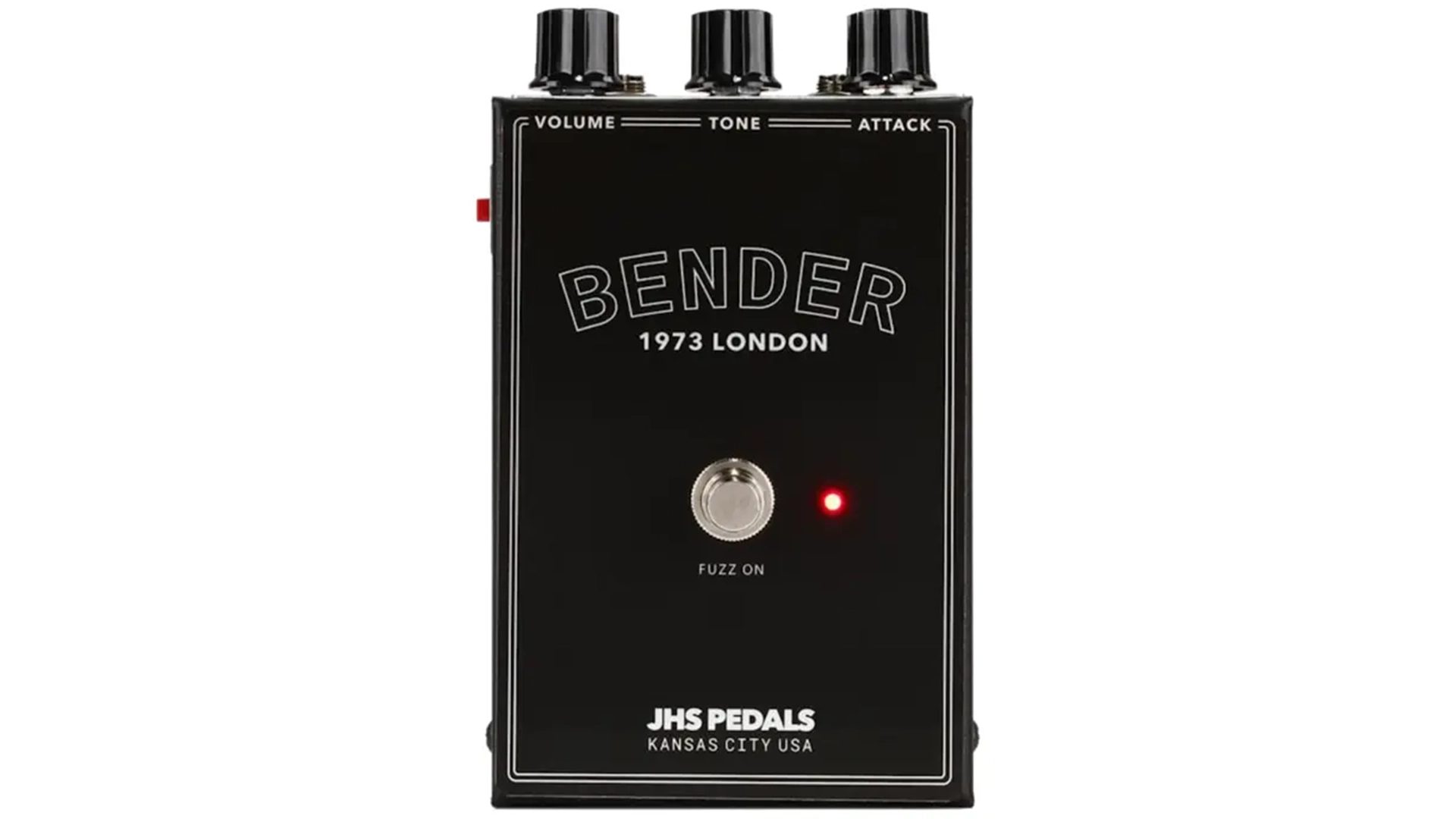
The Tone Bender's influence extends far beyond its original production run. Today's pedal market offers everything from exact vintage recreations to wild reimaginings that push the circuit into new territories. Understanding this modern landscape helps players find their perfect fuzz match without spending vintage prices.
Boutique Builders and Official Reissues
The revival of interest in vintage fuzz has spawned a cottage industry of builders dedicated to recreating and refining classic circuits. Each brings their own philosophy to the challenge of modernizing vintage tone.
The Pursuit of Authenticity
Differential Audio Manifestationz (D.A.M.) has built a reputation as the benchmark for Tone Bender recreations. David Main's obsessive attention to detail extends beyond just circuit topology to component selection, construction techniques, and even PCB layout. D.A.M. fuzzes command high prices on the used market, testament to their quality and authenticity.
Analog Man's Sun Bender series takes a slightly different approach, refining MKII and MK1.5 circuits for better consistency while maintaining vintage character. Mike Piera's extensive experience with germanium transistor selection ensures each pedal performs optimally, avoiding the dead spots and temperature extremes that plague inferior builds.
JHS Pedals' Legends of Fuzz: Bender makes vintage tones accessible to modern players without the vintage hassles. While purists might scoff at some of the modernizations, Josh Scott's approach brings Tone Bender sounds to players who need reliability for touring and recording.
The Original Returns
Sola Sound, under Macari's ownership, has returned to producing official Tone Bender reissues. These range from exact recreations using new-old-stock components to modernized versions with contemporary features. The legitimacy of having the original manufacturer's name on the pedal appeals to many players, though opinions vary on how these modern Sola Sound pedals compare to vintage units or high-end boutique recreations.
Collaborations between Sola Sound and contemporary artists have produced limited edition versions that sell out quickly. These often feature unique graphics or slightly modified circuits tailored to the collaborating artist's preferences.
Modern Enhancements and Innovations
Today's Tone Bender-inspired pedals often include features that would have seemed like science fiction in the 1960s. These enhancements address the practical limitations of vintage circuits while maintaining their essential character.
Bias Controls: Tuning Your Fuzz
External bias controls have become increasingly common on modern Tone Benders. These knobs allow you to adjust the transistors' operating point, dramatically affecting the fuzz character. Turn the bias down, and you get gated, sputtery sounds perfect for staccato riffs. Turn it up for smooth, sustained lead tones. Some players use bias controls as an effect in itself, turning the knob while playing to create sweeping textural changes.
The beauty of external bias control is that it makes every pedal more versatile. A single fuzz can now cover the territory of multiple vintage units, from broken speaker sputter to violin-like sustain. This feature has become so popular that many builders consider it essential rather than optional.
Voltage Sag: The Dying Battery Effect
Eric Johnson famously used partially depleted batteries to achieve his signature fuzz tone, and modern builders have responded with voltage sag controls. These circuits reduce the pedal's operating voltage, simulating the effect of a dying battery. The result is compression, harmonic complexity, and a unique playing feel that many players find addictive.
Unlike actually using dying batteries (inconsistent and wasteful), voltage sag controls offer repeatable results. You can dial in exactly the amount of sag you want and recall it perfectly every time. Some designs even allow you to control voltage sag via expression pedal, creating dynamic swells and fades impossible with vintage gear.
Component Selection: NOS vs. Modern
The debate over new-old-stock (NOS) versus modern components continues to divide the fuzz community. NOS germanium transistors from the 1960s have become increasingly rare and expensive, with some builders paying hundreds of dollars for matched sets. These components arguably provide the most authentic vintage tone, but their scarcity makes them impractical for large-scale production.
Modern germanium transistor production has resumed in limited quantities, with some manufacturers specifically targeting the pedal market. While these don't have the mojo of vintage components, careful selection and matching can yield excellent results. Many builders have found that the consistency of modern components actually produces more reliable pedals than vintage parts.
Hybrid Circuits: Best of Both Worlds
Some modern designers have created hybrid circuits that combine germanium and silicon transistors within the same pedal. These designs might use germanium for the input stage (maintaining touch sensitivity and warmth) with silicon transistors for later gain stages (adding stability and sustain). Other approaches include switchable germanium/silicon modes or parallel signal paths that can be blended.
These hybrid designs acknowledge that the germanium versus silicon debate doesn't have to be binary. By combining both technologies thoughtfully, builders can create pedals that capture vintage essence while meeting modern reliability standards.
Multi-Circuit Designs: The Swiss Army Fuzz
Why choose one Tone Bender circuit when you could have them all? Several modern builders offer pedals with switchable circuits covering MKI, MK1.5, MKII, and MKIII topologies in a single enclosure. These ambitious designs use either digital switching or complex analog routing to reconfigure the circuit path for each mode.
While purists argue that jack-of-all-trades pedals master none, the convenience of having multiple vintage circuits in one pedalboard-friendly package appeals to many players. The better examples of these multi-mode pedals get remarkably close to the sound of individual vintage units, though they typically lack some of the quirky character that makes each original version special.
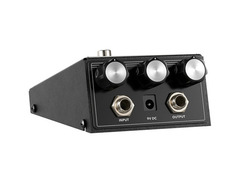
JHS Legends of Fuzz Series Bender
4.5 (3)
Modern Accessibility






Average Price: $172
Standard/Professional
$60
$181+
Budget
Standard
High-end
- Affordable entry into vintage fuzz sounds
- Rich, robust fuzz tone that's versatile for various musical genres
- Unique mode switch adds punchy mids, enhancing sonic possibilities
- Cleans up well with guitar volume adjustments for dynamic play
- See 3 more
- Some users find the pedal too shrill with certain amp setups
- Control placement is awkward, making live adjustments difficult
- Main fuzz sound considered thin by some, lacking in fullness
- Paint quality issues reported with minor cosmetic damage occurring easily
- See 1 more
User-Friendly Vintage Tone
JHS's approach democratizes the Tone Bender experience. The Legends of Fuzz: Bender uses silicon transistors in a MKIII-inspired topology, eliminating the temperature sensitivity and inconsistency that can frustrate newcomers to vintage fuzz. The result is a pedal that delivers classic Tone Bender aggression every time you step on it, regardless of environmental conditions.
The control layout stays true to the MKIII original with Volume, Fuzz, and Tone knobs. The Tone control is particularly well-voiced, offering usable sounds throughout its range. Fully counterclockwise delivers doom-ready darkness, while cranking it clockwise produces cutting treble that can pierce through any mix. The middle settings provide classic rock tones that cover everything from Black Sabbath to T. Rex.
Build Quality and Features
Despite its accessible price, the pedal doesn't compromise on build quality. The powder-coated enclosure will survive years of pedalboard abuse, and the soft-touch relay switching eliminates the mechanical wear that eventually affects traditional switches. Internal voltage regulation ensures consistent performance regardless of power supply variations.
The pedal runs on standard 9V power supplies, eliminating the battery-only limitation of many vintage-style fuzzes. An internal charge pump actually runs the circuit at higher voltage for increased headroom and clarity. This modern convenience makes it ideal for players who want vintage tone without vintage hassles.
See how artists use this




.png?v=1784159851)

Sola Sound Tone Bender "MK 1.5"
The Official Heritage

Direct Lineage
There's something special about buying a Tone Bender from Sola Sound, the company that created the originals. This isn't just another clone; it's a continuation of the original product line, built with access to original documentation, templates, and institutional knowledge that no boutique builder can match.
The MK1.5 circuit receives faithful reproduction here, using the two-transistor topology that bridged the gap between early Tone Benders and the Fuzz Face. The simplicity of this circuit means fewer components to source and match, resulting in more consistent performance between units. The germanium transistors are new-production types specifically chosen to match the characteristics of 1960s components.
Tonal Character
The MK1.5 reissue nails the smoother, more refined fuzz that distinguished this circuit from its more aggressive siblings. It lacks the gated sputter of the MKI and the overwhelming saturation of the MKII, instead offering a balanced fuzz that works equally well for leads and rhythm. The famous Tone Bender brightness is present but controlled, never becoming harsh or fizzy.
Guitar volume cleanup is excellent for a vintage-style fuzz, rolling back to reveal a gritty overdrive that maintains the pedal's basic character. This makes the MK1.5 particularly versatile for players who use their guitar volume as an effect control. The interaction with different pickup types is also noteworthy; single coils retain clarity and definition, while humbuckers push the pedal into thicker, more saturated territory.
Modern Production Values
While the circuit remains faithful to the original, Sola Sound has made subtle concessions to modern manufacturing and reliability. The PCB uses modern materials and production techniques for consistency, though the circuit topology and component values remain vintage-accurate. The mechanical bypass switching is robust and reliable, tested for thousands of cycles.
The enclosure deserves special mention. Sola Sound offers various finish options, from accurate reproductions of the original hammertone paint to modern powder coating. Limited edition versions with special graphics regularly appear, often selling out quickly to collectors. These special editions maintain the same circuit and sound quality as standard models, making them usable pedals rather than mere collectibles.
Analog Man Sun Bender MK-IV
4.5 (3)
The Refined Evolution


Modern Reliability Meets Vintage Soul
Mike Piera's approach to the MKIV circuit focuses on consistency without sacrificing character. The MKIV topology, with its distinctive tone control, gets the Analog Man treatment through carefully matched germanium transistors that have been tested not just for gain, but for temperature stability and noise characteristics. The result is a pedal that sounds authentically vintage but performs reliably night after night.
The internal construction reflects Analog Man's reputation for quality. Hand-wired on custom PCBs with full-sized components, these pedals are built to survive decades of use. The true-bypass switching uses high-quality mechanical switches that won't fail after thousands of stomps. Small touches like internal trim pots for bias adjustment allow techs to optimize the pedal for different environments.
Sound Character and Tone Control
The Sun Bender MK-IV excels at delivering the fuller, smoother fuzz that distinguished the later Tone Benders from their earlier siblings. The addition of the tone control transforms this from a one-trick pony into a versatile tone machine. Rolled back, the tone control delivers thick, muddy doom tones perfect for sabbath-style riffs. Pushed forward, it cuts through with presence and clarity that earlier Tone Benders couldn't achieve.
The pedal responds beautifully to picking dynamics, maintaining the touch sensitivity that makes vintage fuzzes so expressive. Rolling back guitar volume reveals usable overdrive tones that retain more character than many modern fuzzes. The MKIV circuit's naturally fatter tone makes it particularly effective with single-coil pickups, adding body without sacrificing clarity.
See how artists use this


Fulltone Soul-Bender v2
5.0 (10)
The Modern Classic


Average Price: $177
Standard/Professional
$60
$181+
Budget
Standard
High-end
- Authentic vintage Tone Bender sound with modern enhancements
- Responsive to playing dynamics and pick attack
- Solid, high-quality construction and components
- Wide range of fuzz tones via effective control knobs
- See 4 more
- Requires isolated power supply and polarity reversal adapter for external powering
- Some users find the fuzz too "spitty" or "raspy" at lower levels or without strong attack
- Tone control sweep may be too exaggerated for some
- Unique power requirements (center-positive polarity) inconvenient for some pedalboards
Enhanced Tone Shaping
While based on the MKIII circuit, the Soul-Bender v2 adds refinements that make it more versatile than any original Tone Bender. The three-knob layout looks familiar, but the Tone control offers a wider range than vintage units. This expanded range allows the pedal to cover everything from muddy stoner rock to bright, cutting leads that would be impossible with an original MKIII.
The version 2 improvements focus on consistency and usability. The fuzz control has been recalibrated for more usable sounds throughout its range. Rather than going from nothing to everything in the first quarter turn, the Soul-Bender v2 spreads the gain range evenly across the knob's rotation. This makes it easier to find and recreate specific settings, particularly important for recording situations where consistency matters.
Germanium Character with Silicon Stability
The Soul-Bender v2 uses carefully selected germanium transistors, but Fuller's circuit modifications minimize temperature sensitivity. Internal biasing networks automatically compensate for temperature changes, maintaining consistent tone whether you're playing in a freezing rehearsal space or under hot stage lights. This stability doesn't sacrifice character; the pedal still responds to playing dynamics and guitar volume changes like a good germanium fuzz should.
The construction quality reflects Fulltone's reputation for roadworthy pedals. The thick aluminum enclosure could probably survive being run over, and the premium components are rated for thousands of hours of use. True-bypass switching preserves your signal when the pedal is off, while the quality jacks and switches ensure reliable performance night after night.
See how artists use this


.png?v=1784215363)
.png?v=1784215363)



Ramble FX Twin Bender V3
4.0 (4)
Best for MKII-style sustain with extra range
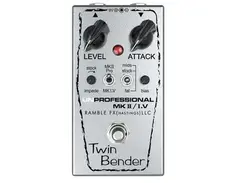
- Mk 1.5 and Mk 2 circuits offer versatile fuzz tones in one box
- Cleans up with guitar volume roll-back, offering dynamic playability
- Input and transistor bias pots, and tone switches for fine-tuning
- Soft-touch relay bypass switch and top mounted jacks for convenience
- See 4 more
- Complexity may deter those who prefer simpler two-knob pedals
- Becoming pricier and harder to find due to the builder's passing
Circuit Inspiration and Design
The Twin Bender aims to bottle two of the most coveted Bender flavors in a single enclosure. In practice, it delivers a bright, cutting fuzz with firm mids and a tight low end that holds together in a band mix, then adds thoughtful tools like a bias control and a mode switch to glide between ragged MK1.5-style snap and the saturated, singing MKII voice. At lower gain, it eases into a chewy overdrive edge that keeps definition intact. Push it a bit and its British bark becomes unmistakable, with a present midrange that slices through dense arrangements. Dimed, it blooms into thick, harmonically rich sustain that stays articulate even with humbuckers. Cleanup from the guitar’s volume isn’t as glassy as a Fuzz Face, but the pedal responds dynamically enough that riding the volume knob feels rewarding, not like flipping a switch.
How It Sounds
The Twin Bender is happiest at the very front of the chain, unbuffered and feeding a clean or edge-of-breakup amp. In that context it gives up its best texture and touch response, reacting to pick dynamics with satisfying sensitivity. Bias at traditional settings yields smooth bloom and sustain, while colder bias settings introduce a sputtery gate that’s perfect for staccato lines and garage-rock grit. With brighter single-coil instruments or very chimey amps, rolling back the guitar tone slightly or nudging the bias warmer keeps the top end sweet rather than sharp.
Road-ready build quality and standard power integration make this a practical daily driver rather than a fragile museum piece. It’s a strong fit for players who want the core Bender DNA with more range and consistency than a true vintage circuit, and who need one pedal to cover multiple eras of fuzz without swapping boxes. Extreme MKI chaos seekers or players with buffered tuners early in their chain may not be its ideal audience, but for most guitarists looking to explore the legendary Bender voice with modern reliability, the Twin Bender V3 is an easy recommendation.
See how artists use this


.jpg)


Choosing Your Tone Bender
| If You Want | Choose This Style | Key Characteristics |
|---|---|---|
| Raw, sputtering garage fuzz | MKI-style | Gated, unpredictable, aggressive |
| Page-like sustain and singing tone | MKII-style | Saturated, harmonic, sustaining |
| Smooth, refined vintage tone | MK1.5-style like the Sola Sound reissue | Balanced, responsive, versatile |
| Flexibility and EQ shaping | MKIII/MKIV or modern clone with tone control | Versatile, adjustable, fuller tone |
| Vintage tone with modern reliability | Hybrid circuit or silicon-based clone | Stable, roadworthy, predictable |
Frequently Asked Questions
What's the main difference between a Tone Bender and a Fuzz Face?
Tone Benders typically sound brighter and more aggressive than Fuzz Faces, with different circuit topologies despite both using germanium transistors. The Tone Bender cuts through a mix more aggressively while the Fuzz Face has a warmer, rounder character. Most Tone Benders also have higher gain and less dramatic cleanup when rolling back guitar volume.
Why does my Tone Bender sound different in summer versus winter?
Germanium transistors are extremely temperature-sensitive, changing their electrical characteristics as temperature varies. Cold temperatures can make the pedal sound gated and sputtery, while heat can cause it to become muddy or even stop working entirely. This is normal for vintage-style germanium pedals and is considered part of their organic character.
Can I use a Tone Bender with active pickups?
Active pickups can work with Tone Benders, but the results vary depending on the specific circuit and pickup output. The high output and low impedance of active pickups may overwhelm some vintage-style circuits, causing them to sound compressed or lifeless. Modern Tone Bender designs with input buffers or adjustable impedance tend to work better with active electronics.
Should I buy a vintage original or a modern recreation?
Modern recreations often sound as good as vintage originals while offering better reliability and consistency. Vintage originals are increasingly expensive and may need restoration, while quality modern recreations from builders like Analog Man or DAM provide authentic tone with less risk. Unless you're collecting or need absolute historical accuracy, a good modern recreation is usually the better choice.
Why can't I put my tuner before my Tone Bender?
Most tuners use buffer circuits that change the impedance relationship between your guitar and the fuzz pedal. This prevents the fuzz from responding properly to your guitar's volume control and dynamics, resulting in a thin, fizzy tone. Always place vintage-style fuzz pedals first in your signal chain, directly after your guitar.
What's the best amp to use with a Tone Bender?
Clean or edge-of-breakup tube amps work best with Tone Benders. Classic choices include Vox AC30s, Fender Twin Reverbs, and Marshall Plexis. The key is avoiding too much preamp distortion, which can make the fuzz sound muddy and undefined when combined with the pedal's distortion.
Conclusion
The Tone Bender's journey from a London music shop to the pantheon of legendary effects proves that innovation often comes from necessity and creative problem-solving. Whether you're drawn to the chaotic sputter of an MKI or the versatile control of later models, there's a Tone Bender circuit for every player.
Today's market offers exceptional access to these classic tones. The Analog Man Sun Bender MK-IV delivers the refined MKIV circuit with professional reliability, while the JHS Legends of Fuzz: Bender makes genuine Tone Bender attitude accessible to all players. The Fulltone Soul-Bender v2 bridges vintage and modern with enhanced features and germanium warmth, and the Sola Sound Tone Bender MK1.5 Reissue carries forward the original manufacturer's legacy with authentic two-transistor simplicity.
Success with any Tone Bender comes from understanding and embracing its interactive nature. These pedals reward players who explore how they respond to guitar volume, picking dynamics, and amplifier settings. Modern enhancements like bias controls and improved stability have expanded possibilities without diminishing the essential character that makes these fuzzes special.
The Tone Bender represents an approach to tone that values character over perfection and expression over precision. In an age of digital perfection, these circuits remind us that the most inspiring sounds often come from gear that fights back and demands we meet it halfway. This isn't just a relic but a living art form that continues to inspire players to push boundaries and explore new sonic territories.
Top Ranked Fuzz Effects Pedals on Equipboard
-m.webp?v=1784315935)


About the authors
Michael R. Pierce is the co-founder of Equipboard and a lifelong musician with over 25 years of experience as a guitarist and gear enthusiast. He blends solid music theory chops (thanks to formal training in guitar, piano, and trumpet) with real-world experience, always exploring and experimenting across genres like rock, blues, and hip-hop. Michael launched Equipboard in 2013 after graduating from The University of Texas at Austin, leveraging his unique blend of musical passion, technological acumen, and community building. His current go-to rig features a Fender American Original ‘50s Telecaster, Analogman King of Tone, Strymon Flint, and a Fender ‘57 Custom Champ. Read more
New in Fuzz Pedals

$95.00 - $99.00
in Fuzz Effects Pedals Rank

$199.00
in Fuzz Effects Pedals Rank

$124.18 - $136.10

$148.00 - $149.00
in Fuzz Effects Pedals Rank


$119.00 - $149.00

$152.00 - $169.99


$156.16 - $179.00
in Fuzz Effects Pedals Rank


.jpg)







.webp)
.webp)