

Pricing and availability




* Product prices and availability are updated by Equipboard every 24hrs and are subject to change. Equipboard may receive compensation for purchases made at participating retailers linked on this site. This compensation does not affect what products or prices are displayed, or the order of prices listed. For more information, please refer to our affiliate disclosure.
Description
Dive into the world of analog recording with the Otari 5050MKIII-8, a classic choice for audio enthusiasts seeking the warm, rich sound that only tape can provide. This 8-track multitrack recorder is revered for its reliability and exceptional sound quality, making it a staple in both professional studios and home setups. Designed to meet the needs of modern recording while preserving the analog charm, the Otari 5050MKIII-8 is equipped with advanced features that appeal to both experienced engineers and newcomers to the art of tape recording.
The Otari 5050MKIII-8 offers a seamless user experience with its straightforward layout and intuitive controls. It supports various tape speeds, allowing for flexibility and creativity in your recordings. The precision-engineered components ensure a high level of fidelity, capturing every nuance of your performance with clarity and depth. Its robust build and durable design make it a long-lasting addition to any studio environment.
Whether you're looking to capture the raw energy of a live band or the subtle intricacies of a solo performance, this multitrack recorder delivers unmatched sonic character and warmth. The Otari 5050MKIII-8 is not just a piece of equipment; it's a portal to the golden era of analog recording.
Key Features:
- 8-track analog multitrack recorder
- Variable tape speeds for versatile recording options
- Precision-engineered for high fidelity and sound quality
- Intuitive controls for ease of use
- Durable construction suitable for studio environments
Videos

Fran Blanche
FranLab: The Otari MX5050 MKIII-8 Multitrack Recorder
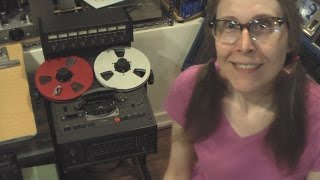
FranLab: The Otari MX5050 MKIII-8 Multitrack Recorder
Fran Blanche
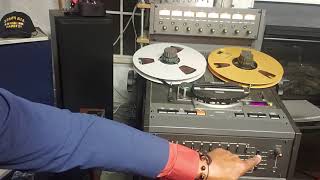
Otari MX 5050 MKIII 8 Reel to Reel Demo

Bigg Matt
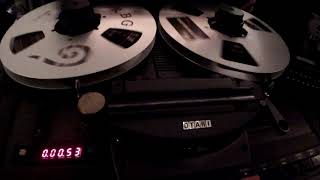
Otari MX-5050 MKIII-8

Sal
Reviews
Owner Insights
We analyzed real musician discussions from forums and Reddit to find what players love, question, and tweak about Otari 5050MKIII-8.
Features and functionality
-
The Otari 5050MKIII-8 is a half-inch 8-track machine, making it unsuitable for playing commercial reels but ideal as a multitrack workhorse.
Source
Use cases and applications
-
The 8-track model allows for stereo recording setups, like using two tracks for a drum submix and others for instruments and vocals.
Source
Setup and maintenance
Comparisons
-
The TASCAM TSR-8 is mentioned as a comparable unit, having been used effectively with sequencing for album production.
Source
4.5 out of 5
Based on 1 Review and 2 Ratings

5453
The "Everyman's" 8 Track. Kicks butts-
Long love affair with this guy & I'm in good company. Chances are you've heard this guy weather you know it or not.
Of the "Things You Should Know" top of the list is that you'll likely have to switch the hot pins on the XLR in's & out's as there wasn't yet a set standard for that at its time of manufacture. Trust me, even if you've never done anything like this before-You totally can, easily- just read a little, maybe watch a video or two & get to know a soldering iron a bit (maybe fix a few old instrument cables for practice). No big whoop, or you can just fix it at your patch bay if you've got one. I chose to fix mine at the source as you you can just plug mics strait into the back a record as you can set your levels right on the machine! I don't go this way but I figured hell, why not.
It can sound AMAZING but these are in the "RTFM required!" Category of gear. You can learn just the basic maintenance (but please do yourself the favor of digging deep!) & have a pro handle the heavier lifting OR you can get deeper so you can keep it tip-top yourself + you'll get the fun of tweaking the for effect (say change the bias a smidge =change eq bump for a Bass track) granted I have only done that sorta thing maybe a few times in all my years, but it's fun & you'll learn tons of knowledge that will make you a better engineer in general.
1st thing is to master your tools. 2nd is the language & nomenclature.
Learn this guy well & you'll be far more literate in both AND have fun doing it!
That said, it's not required provided you live in a area with people doing that sorta work or send it to good ol' Randy Blevins! Think he's still knocking around! Hope so! One of the "Greatest Weirdos" of the engineering world & just a A+ human being.
Only 8 track to have a bigger place (and even bigger footprint!) was my MCI 1" 8 track. It was a BEAST with headroom for dddddaaaaaayyys.

41031
oh my god, I used to work in a dumpy little place with one of these decks as well as the 1/2" stereo deck from the same series.... so underrated! Its funny, we almost never used the thing, occasionally for drums synced to the Alesis HD24.... I don't know why the heck I kept her biased, something to do when we weren't busy I guess.... those were the days, when recording paid my bills. Alas.
41031
and yeah, I had to build special cables for her to get her in service when I was working there, the guy who owned the studio didn't know why she didn't work
5453
Ha! Mixed feelings about my days workin as an engineer "full time" (11 hours a day, everyday for months and months with largely horrible music, doing 40 punch in takes on one 3 word phrase of some jackass's Vox)-There were the magic times w/ great tunes, MILLIONS in just the mic safe alone to play with & God that Trident... Work in our "Project Studio" (hate that expression) was 80% a blast as we picked our clients & just poured nearly all our fees into more & more gear & pizza delivery.
Oh yeah! The Otari 5050...Good stuff.
41031
dude, I developed a serious stimulants habit before getting out of the recording biz.... when you're not working for 10+ hours straight you're out at shows meeting otential clients, hearing bands you often would rather not listen to elt alone work with.... but at the level I was at its hustle your ass up the ladder or quit, I chose to quit eventually as the lifestyle was too trying by my late 20s! being in a regional touring act was less stressful and exhausting
5453
Ha! I'm pounding Pepsi and had a dip in Pappa's Lil Helpers (doctor approved) as I have beeen reading thru your replies. Gotta track drums with some kids later and they are greeeeeeen as they get.
I don't know how I didn't do the same thing-likely only because I didn't have enough time to think of it. The hustle or quit thing? Dead on. I held in there too long honestly. I didn't quit until they closed the studio (this is back when the big ones just started falling like dominos). Thank god mine did. I was miserable at the very end.
Artist usage
Add artist

John Flansburgh mentions using the Otari 5050MKIII-8 tape machine during the Flood tour in 1990, as detailed in a Tumblr post.


According to a post on the White Denim Instagram account, James Petralli mentioned recording a song on an Otari 5050MKIII-8. The post states: "This is @myselfjeffolson @terrybeckins @adamchetwood @pocketsoundsmusic and myself running down 2HB by Roxy Music on an Otari 8 track operated by @dss10k about ten years ago now🤯." This confirms Petralli's use of the Otari 5050MKIII-8 during the recording process.

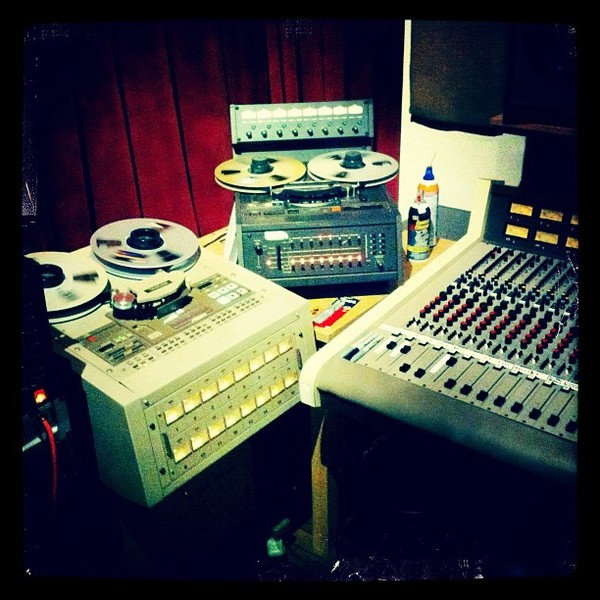
”While the aforementioned technique was used on about a fourth of LP's tracks, one element Brenneck kept consistent was recording in analog. With songs like the dub-leaning “Montego Sunset,” you can hear the raw, lo-fi resonance that he was shooting for by recording straight to an Otari MX-5050 ½-inch 8-track without any compressors.”

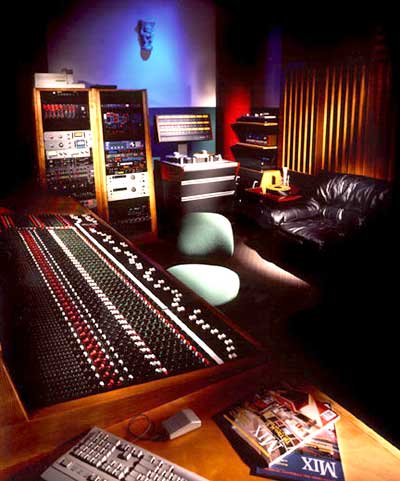
Where were the first recordings done and what gear were you using?
It’s important to note that Nirvana had recorded almost a year before meeting me. Like the “live” at KAOS, a college station in Olympia, WA, John Goodmanson did that demo, and some of it is on the “Lights Out” box set. That drummer may have been Aaron Burkhard. We recorded at Reciprocal Recording in January 1988, with Dale Crover from the Melvins guesting on drums; Chad hadn’t joined yet.
We had an Otari MX5050 Mk 3 1/2 inch 8-track machine, running at 15 IPS with no noise reduction. The board was a Ramsa. Mics were the usual generic stuff: 414 x/y as overheads, 421s on toms and probably bass, 57s on snare and guitar, a d112 on kick, probably a 58 on vocals. I still use some of the same mics today (plus many other choices) except the 57s and 58s are banished. It was mixed to 1/4 inch tape at 15 IPS on a Revox PR99 with no noise reduction.

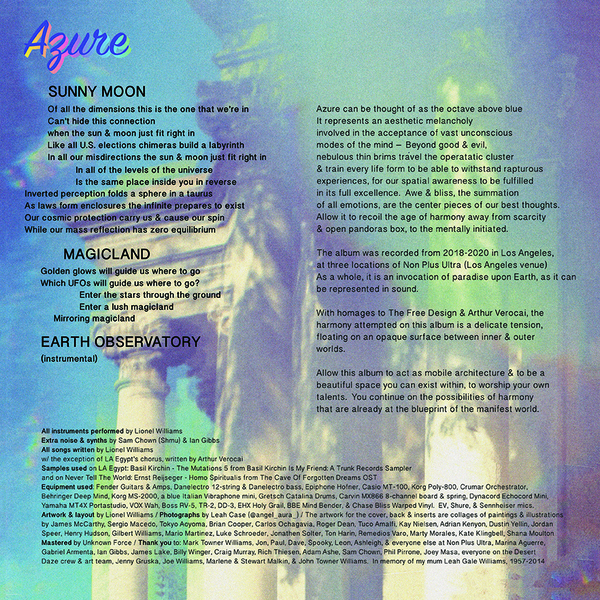
Genre Usage
Based on how artists on Equipboard use this gear, it is most commonly found in the following genres.
Used With
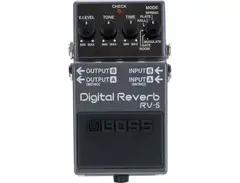
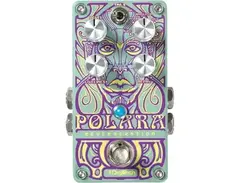
Based on how musicians on Equipboard use Otari 5050MKIII-8, it is most commonly used with the following gear.

-s.webp?v=1784905089)
-s.webp?v=1784905117)
-s.webp?v=1784905114)

More Otari Analog


$3,500.00
in Analog Rank


$536.15
in Analog Rank


-m.webp?v=1784905367)


$4,298.56
in Analog Rank


.jpeg?v=1784863480)


$702.95
in Analog Rank


$299.00
in Analog Rank


$702.95
in Analog Rank


$217.28
in Analog Rank


$200.00
in Analog Rank


$730.00 - $899.00
in Analog Rank


$301.00
in Analog Rank


$230.00
in Analog Rank


$350.00
in Analog Rank


$430.00
in Analog Rank


.png?v=1784755332)


$300.00
in Analog Rank


$404.78
in Analog Rank


Community setups


Similar


Gear Guides






Most Popular Analog
Most Popular Brands
-
Added to Equipboard on by
xaqaryGearIQ 5453
-


