


Pricing and availability




* Product prices and availability are updated by Equipboard every 24hrs and are subject to change. Equipboard may receive compensation for purchases made at participating retailers linked on this site. This compensation does not affect what products or prices are displayed, or the order of prices listed. For more information, please refer to our affiliate disclosure.


Videos

StewMac
Build Your Dream Partscaster Guitar!
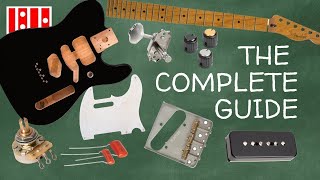
Build Your Dream Partscaster Guitar!
StewMac
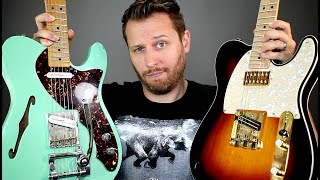
PARTSCASTERS VS FENDER! - Can I Build a Better Guitar Than Fender???

Darrell Braun Guitar

His GREATEST Solo Was Played On a BEAT UP Partscaster?

Tim Pierce Guitar
My TEMU Partscaster Guitar Build Will DESTROY Your Fender STRAT!

The Guitologist
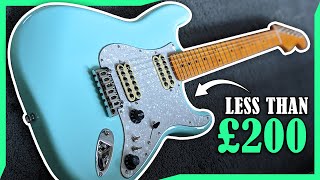
How I Made This Partscaster for Under £200

Giant Guitars
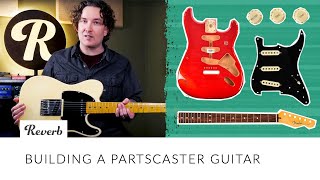
Building a Partscaster Guitar

Reverb
The Cheapest PRO Spec Guitars? The Story of My Partscasters....

John Nathan Cordy
How Much Is My 'Partscaster' Guitar Worth?

Radioshop Pickups
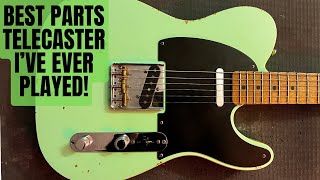
This Is The Best Parts Telecaster I've Ever Seen Or Played! - Partscaster Bliss!

Marty5150
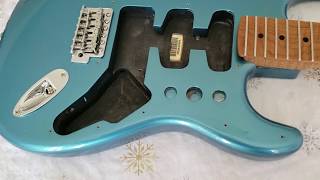
Lake Placid Blue Stratocaster Body & Warmoth Roasted Flame Maple Neck / Fender Partscaster Update #1

Brian C. // CoffeeDrinker71
Is Building a Partscaster REALLY Worth It?

Michael Lagerstedt
Reviews
Owner Insights
We analyzed real musician discussions from forums and Reddit to find what players love, question, and tweak about Partscaster.
Mods and upgrades
-
Japanese Telecasters are favored for mods due to their alder bodies and real rosewood fretboards, with Gotoh saddles recommended for tuning precision.
Source -
Telecasters can benefit from Brandonwound pickups for enhanced tone, with custom pickguards from Warmoth allowing for versatile pickup configurations.
Source -
Owners praise Kluson tuners and Callaham saddle bridges for improved tuning stability and tone in partscaster builds.
Source -
Tonerider, Guitar Fetish, and GuitarMadness pickups are frequently chosen for partscasters, offering a range of tonal enhancements at varying price points.
Source -
Owners recommend using Gotoh or Hipshot tuners for reliable performance, with options available for under $100, including locking variants.
Source
Use cases and applications
-
Warmoth can custom build a Tele body with Strat ergonomic features, offering improved playability while maintaining Tele aesthetics.
Source -
A partscaster with a Fender licensed ash body and US-made Fender neck is praised for live performances and recording, comparable to an American Standard Telecaster.
Source
User experience
-
Many users suggest starting with a used Fender or Squier neck for budget-friendly quality and better fit with Fender-spec bodies.
Source -
Parting out used guitars is a cost-efficient strategy, with one owner acquiring a quality neck for $50 by selling off unwanted components.
Source -
It's been reported that starting with a Tele body from MJT and adding an All-Parts TMNFAT neck creates a highly playable and frequently used Esquirecaster.
Source
Build quality
-
Solo Music Gear kits are noted for decent semi-hollow Tele bodies, but upgrading pickups, such as to Bootstrap, can significantly improve the end result.
Source -
Guitar Fetish XGP bodies are standard strat thickness, while their Lido bodies are slimmer; both offer pre-finished or natural color options for a custom finish.
Source -
TWT necks require similar fretwork to Guitar Fetish necks but are noted for better neck pocket fit compared to the rough and sloppy TWT bodies.
Source
Value and pricing
Features and functionality
-
Locke Custom Guitars kits receive high marks for quality, though inconsistencies like incorrect nut sizes (R3 instead of requested R2) have been noted.
Source
4.5 out of 5
Based on 11 Reviews and 33 Ratings

115
the best guitar a poor dud like me could have
Build by myself, made for myself, modded by myself... My partscaster is basically a cheap Benson black strat modded with some cheap Guyker locking tuners, an magnetic pickup for acoustic guitar on the neck, a treble bleed at the volume, a killswitch and a switch that turns on neck and bridge pickups at the same time...
Preferred Settings + Usage:
the one that goes "wheeew wheeeeew whooooooown"

922

1200
Every Partscaster is different
This is more of a review of Telecasters in general. I've always been a Gibson LP and SG kind of guy so this world with the 25.5 in scale length, single two single coils on a piece of furniture kind of thing is super new to me. I used the body of a Nashville Guitar Works tele body and a Mighty Might maple neck with a rosewood fretboard and block inlays to be the foundation of the instrument. I got lazy and used the EMG T System as a drop in for pickups and electronics. Wilkinson hardware including locking tuners and brass compensated bridge saddles. I had the guitar setup to my liking, polished the frets and rounded off the ends. This thing is actually quite nice. The guitar is a top loader instead of a string through so the play and feel is a bit different from a traditional tele, easier to play and slinkier. The EMG T pickups are FANTASTIC! I was expecting typical EMG type results but was surprised that the pickups sounded clear and articulate, like a good single coil, but there was no 60 cycle hum! I noticed that the guitar has a lot more twang and high end than I was expecting (In a good way) and the guitar had a comfortable weight (maybe me being used to my Les Paul). I played it out for two worship gigs and was so pleased with it. It's become my main Worship guitar.

995
A great Vintage-style Strat
2002 Fender Mexico Standard Stratocaster Maple neck combined with 1980s Tokai 57-style alder body (2T sunburst), CTS pots and 5 way switch, Fender JV tremolo, Fender US 57/62 Strat Pickups (neck/middle) and Fender Mexico Tex/Mex bridge pickup. First Tone pot wired to neck/middle PU, second to bridge PU. This is a highly resonant guitar which delivers classic 50s vintage Strat sounds, but with a more balanced and less harsh bridge pickup. The satin finished neck is on the slim side and easy to play. An inspiring, responsive guitar, great for classic Blues (think Ronnie Earl, Duke Robillard, Jimmie Vaughan).

One of a kind tele
'84 Fender Tele body, Chandler neck, matched Seymour Duncan Quarter Pound pickups, original '56 Fender Tele bridge, compensated saddles, and Schaller tuning machines. My favorite guitar, an absolute pleasure to play. I always outfit her with Power Slinky strings. Just love this thing to death.

41013
I love my frankentele.... stitching together parts always makes such a great Tele!

185
Frankenstein of Fender Parts
MIJ body, with a scalloped Yngwie Malmsteen neck, I can't remember the pups, but it's HSS Wilkinson's on a dark turtleshell pickguard. Giving it this overall kinda blue, cream and black look. Killer. Took my time and always sought out fender parts. Everything from the jack plug to the neck plate.

3007
Mosrite pitbull DIY Partscaster
A nice Pitbull Guitars Kit build Mosrite copy with a Seymour Hotrail in the bridge and a Firebird style mini-humbucker in the neck. Roller Bridge replacing the standard tune-o-matic. Finished in a trans purple stain with a brilliant satin neck.
3007
A nice Pitbull Guitars Kit build Mosrite copy with a Seymour Hotrail in the bridge and a Firebird style mini-humbucker in the neck. Roller Bridge replacing the standard tune-o-matic. Finished in a trans purple stain with a brilliant satin neck.

253
cheap and cheerful
My partscaster has a japanese body, and a cheap allparts neck, with stock mexican pickups, but im not a huge strat guy, and this is my 2nd guitar behind my les paul. But for trying to emulate Dave Gilmore nothing else will do!


33
Artist usage
Add artist.jpeg?v=1783944111)

This guitar was most likely one of his first electric guitars, built by Jerry himself sometime in the early 80s. According to an interview he gave to GuitarWorld Magazine in 2014, Jerry worked at the Boogie Bodies shop and was offered to pick out one of the Boogie necks that the owner (Lynn Ellsworth) prepared to send to Eddie Van Halen.
Rest of the guitar Jerry allegedly built himself using instructions given to him by Lynn. He built the body in his high-school wood shop class,which included drilling all the holes and adding contours to the body. The hardware that he used is unfortunately a mystery, but it based of the pictures he used a single humbucker placed in the bridge pickup cavity, a Kahler tremolo system, and a locking nut.
According the June 1998 Guitar World interview "Jerry Cantrell Unchained" by Marc Weingarten, Cantrell dubbed the guitar "EMBO" and used for "Cut You In":
GW: There are some really interesting departures for you on this record. 'Cut You In', for example, is almost like a samba, but it has that bizarre, inverted riff.
Cantrell: I was pretty hammered when I wrote that tune – I just started humming this thing I had in my head, and I grabbed this guitar I made in high school – it's a white Strat that I call EMBO, which stands for Eat My Butt Out. Anyway, I grabbed the guitar and wrote it in about 20 to 30 minutes.


Frank Iero sold a homemade, 1-of-1 “partscaster” based on the Fender La Cabronita Borracha on his official Reverb.com shop. He mentions that he became enamoured with Fender’s La Cabronita Borracha after playing one at a barbecue at Gerard Way’s house just before My Chemical Romance reunited in 2019. However, due to how prohibitively expensive and difficult to find they were, Frank bought the parts to build the guitar online and assembled it himself.


Quoting the article. “Interviewer: And you have that gray Strat. ERB: Yeah, that’s a Frankenstein Strat.
Interviewer:Was that also a Japanese knockoff? ESB: I would not spray paint a real Stratocaster [laughs]. At the time I had a sunburst Stratocaster, but that [gray guitar] was basically Frankenstein parts. I bought the body, neck, and pickguard, and put it together. I may have taken the neck and the parts off the real Strat and put them on that guitar.” Was used on most of the albums and the Hoilday In Cambodia Music Video and according to East Ray Bay Rig Rundown, he still owns it.


One of the guitars made by Isaac Wood himself.

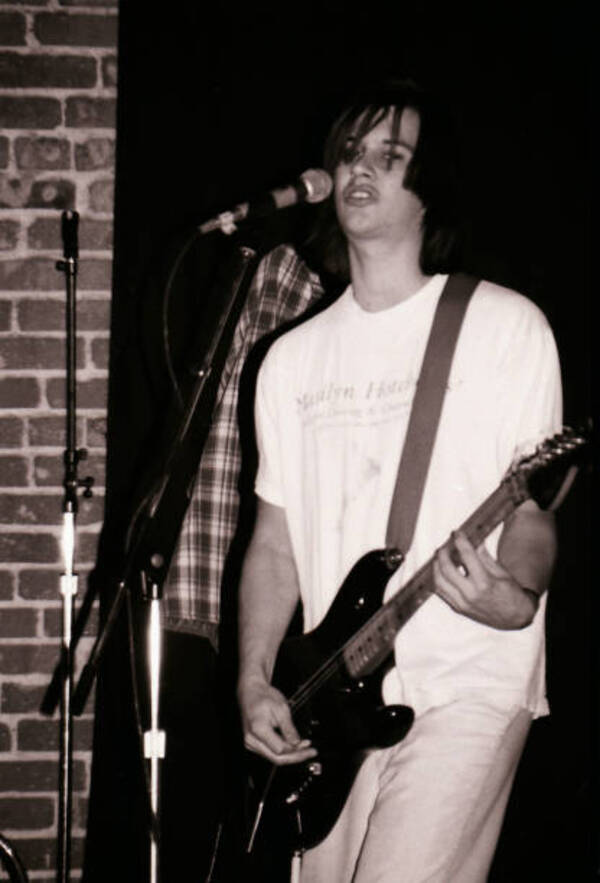
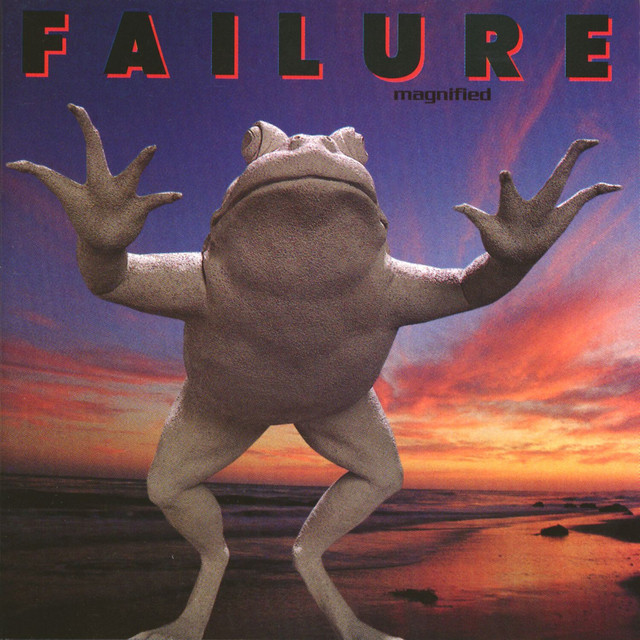
In this photo taken at Club Lingerie in Los Angeles, California on November 4th, 1991, Ken can be seen playing a black Partscaster gifted to him by his younger brother. He mentions that his brother gave him the guitar in the 2004 Golden Documentary. This guitar was likely used for the majority of the band's first studio album, Comfort, released in September 1992, as well as their second album, Magnified, released in March 1994.
Credit to Reddit user MackinawCity2000 for locating this photo and several others from that show.


In this video Fluff gets parts from stew mac to make a partscaster strat. This is considered a partscaster because, even though they are mostly fender parts, Fluff chose all the parts Individually and put it together himself. This includes the body, neck, pickguard, pickups, electronics, and hardware. For this guitar fluff chose a fender 50s strat body, fender neck, fender locking tuners, a goto bridge, and a fender prewired pickguard. Fluff chose a set of fender texas special pickups for the guitar.

At 0:25 you can see Leo playing his custom partscaster that he made in this vid: https://www.youtube.com/watch?v=tiBU3jf4ges


Luke Mark is playing a guitar built by Isaac Wood that features an Artec Mini Humbucker “Toaster” pickup in the bridge position.


David Hislop is listed on his official gear page as using a Partscaster, highlighting his preference for custom-built solid body electric guitars.

MAIN INFORMATION
Paul Dean's main guitar during the early Loverboy days (not to mention Streetheart) started life as a 1964 Fender Stratocaster with a home-built neck that he completley rebuilt. The guitar featured many modifications/features that inspirte the later Odyssey and Hondo Paul Dean guitars.
Home Built Telecaster style neck with a break at the 10th fret (and lots of hollow spots in the neck) which gave it that unique resonance. This was later reproduced on the home-built prototypes + Odyssey and Hondo guitars by routing 1/4" resonance slots under the fingerboard parallel to each side of the Truss Rod.
Grover Machine Heads
Presumably an alder Fender Stratocaster body, chambered, tuned, and filled/reinforced with Fir or Pine, another element in the tone. Part of the body chambering is filled in with DAP Plastic Wood.
Pickups include 3 aftermarket single coils, possibly hotter than normal.
Gibson Stoptail tailpiece for a bridge
Metal backed, rubberized "Anti-Scratch" pickguard, which now is missing all the rubberized material from the front.
This was the guitar Paul used on almost all of Loverboy's hits including "Turn Me Loose", "The Kid Is Hot Tonight", and "Working for the Weekend", and he still uses it apparently in his home studio from the looks of a recent guitar lesson posted on Youtube called "Lesson for the Weekend" which provides MANY closeup shots of the guitar.
REFERENCES
GUITAR PLAYER - MARCH 1983 - PAUL DEAN LEAD LOVERBOY http://web.295.ca/~gtmadore/article%2016.htm
This is the entire story of this guitar's construction.
How did you get interested in building?
I knew a guy who made a bass, and I guess that I got the idea from him. The first instrument I ever built was a 6-string bass I made in high school work shop. Then I had this old Les Paul--I think it was the '58 double cutaway with the little round horns. I picked it up for $125.00 because the neck was broken. Ifixed it and traded it to a guy for a '64 Strat, which I ended up totally smashing onstage trying to imitate Townshend.
What did you do to fix it?
I was really broke at the time, and even though I had another guitar--a custom one that I wasn't crazy about--I wanted the Strat back so I decided to fix it myself. I glued the neck back together--it broke at the 10th fret--using LePage's Bondfast and three drumsticks fro splints. I held the whole thing together with an elastic bandage. Believe it or not, it turned out great even though it was missing a few chunks of wood.
Why did it sound good?
Because the neck had been glued and filled in places with plastic wood, it had a particular resonance that was unbelievable. Shortly after that I left the guitar in a hot car trunk and the glue softened, which made the neck go for a total shit. Then I put on a new Tele neck, but it sounded worse than ever. I tried everything to make it better. I took the finish off and shaved it down. I even soaked it in a the bathtub and put it in the oven. I ended up making a new neck with a joint in the same spot as the original break.
Did you ever do anything else to the neck?
Yes, and I've never revealed this before. I put a couple of hollow grooves under the fingerboard to help the resonance--they weaken the structure and allow it to vibrate in a certain way. Actually there are three grooves; one for the truss rod and two resonance slots.
What happened to that body?
I had to reinforce it because it was totally wrecked; I used either fir or pine. Then I mounted a different bridge in the wrong place, so I had to fill in the holes and start over. Finally I got the whole thing back together, but it still sounded awful, it had a great sustain, but no real tone. So I took a screwdriver and hammer and chiseled out a bunch of wood underneath the pickguard. But I carved away too much so I filled up the cavity with plastic wood--it turned out to be right on. That guitar had a totally unique sound. I used some of those ideas on my Paul Dean guitar, including the neck slots, the body cavity under the pickguard, and a three-piece hard rock maple neck that resonates like the one I patched together.
RECENT PAUL DEAN INTERVIEW MENTIONING THE STRAT - Rocky Mountain Entertainer http://www.rmemag.com/pauldeanInterview.htm
RME/LFC - Jane: Do you have a favorite guitar, one you prefer over others?
PD - Yes. I just got this new Les Paul. It's my favorite 'live' guitar. You'll see it in the video. It's the one in the hotel room. It is a pretty interesting guitar. It's called a Les Paul Axcess. I think it's Alex Lifeson - the guitar player from Rush - I believe it's the one that he's endorsing. I changed the nobs, picks ups, the things that hold the strap on, the tuning heads, the nuts where the strings go through - basically everything except for the wood and the paint.
Now there's another guitar that's my favorite. REALLY MY FAVORITE GUITAR. You'll see it on the "No Tomorrow" video. It's the guitar I played "Working For The Weekend", "Turn Me Loose", and "Jump" on AND the whole first two Loverboy albums, plus the album I recorded with Streeheart as well. It's the one I built in Edmonton in 1973.
At 6:40 in this video interview with Fender, Lyle Workman says:
I can only recall putting my first Telecaster together. This is in the early '90s, so I made a Partscaster and I used that when I was touring with Frank Black.

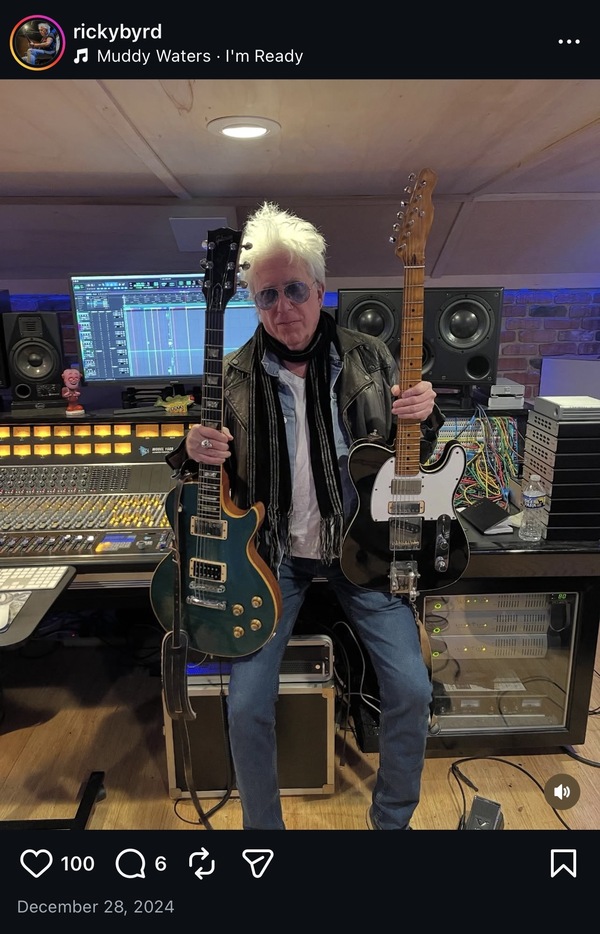
Album Usage
The Partscaster has been featured on the following albums:




Genre Usage
Based on how artists on Equipboard use this gear, it is most commonly found in the following genres.
Used With
Based on how musicians on Equipboard use Partscaster, it is most commonly used with the following gear.




-s.webp?v=1783984221)


Community setups
Show yours

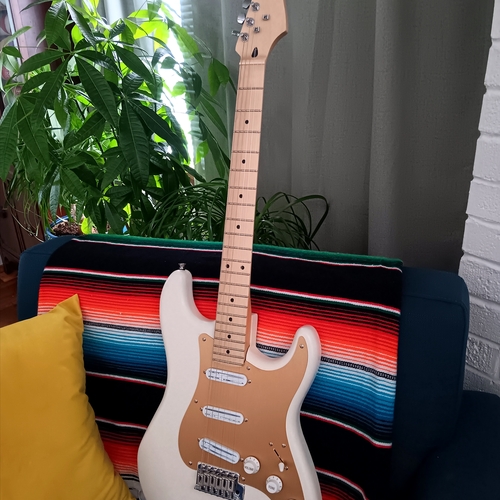

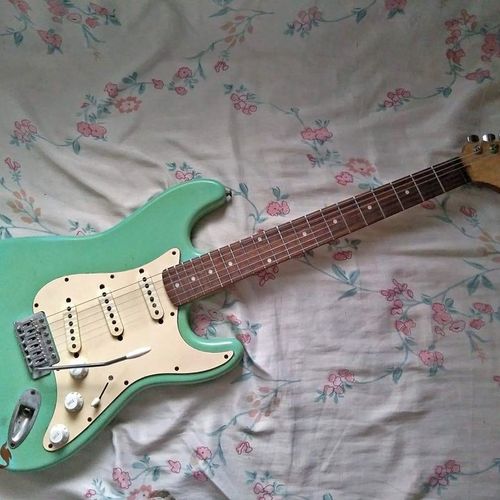

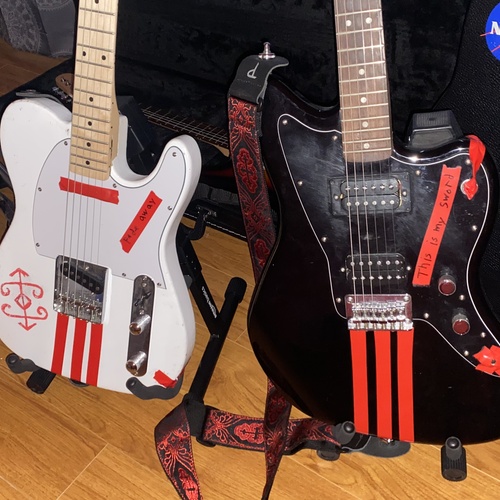
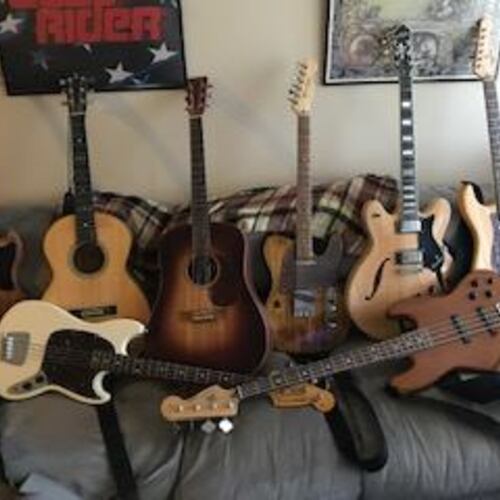
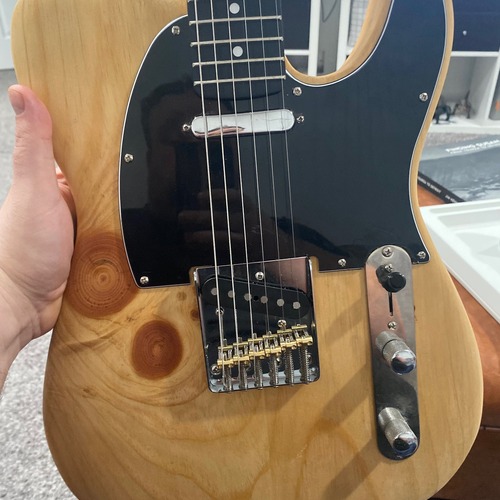
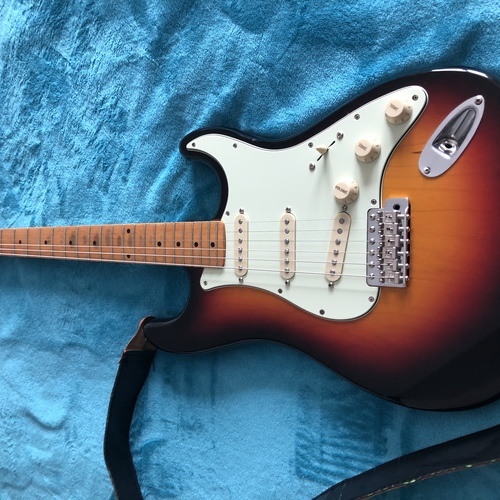
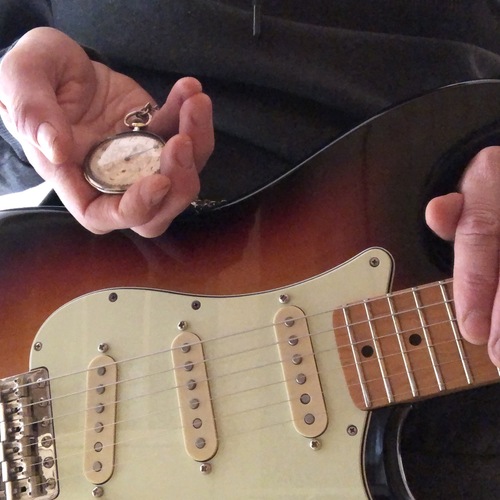
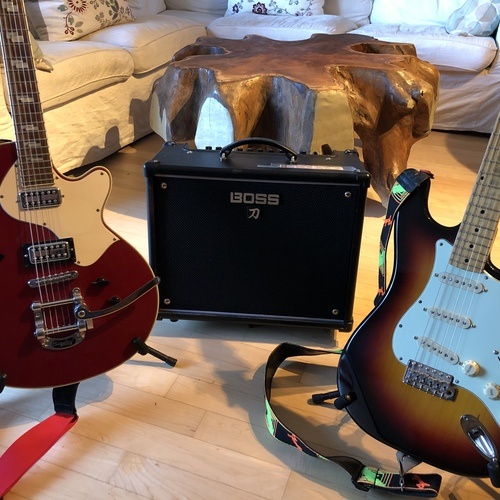


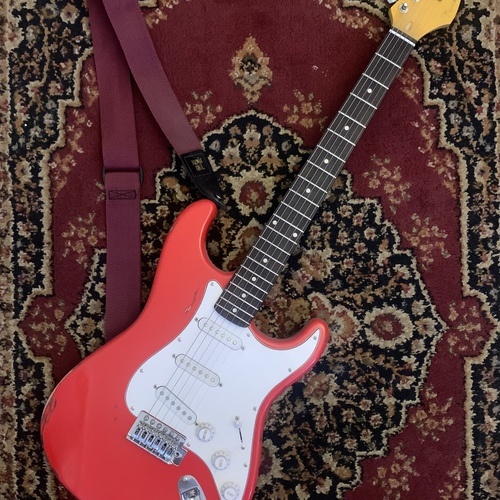

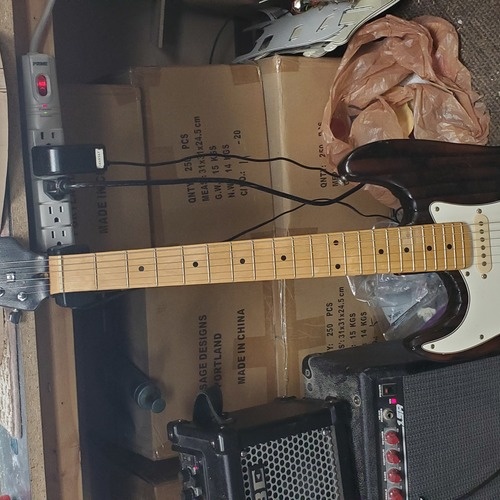

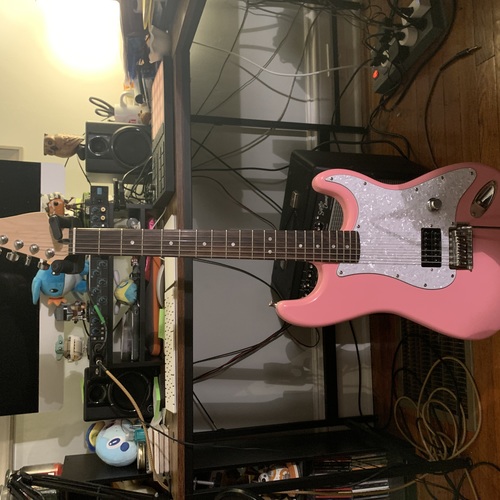
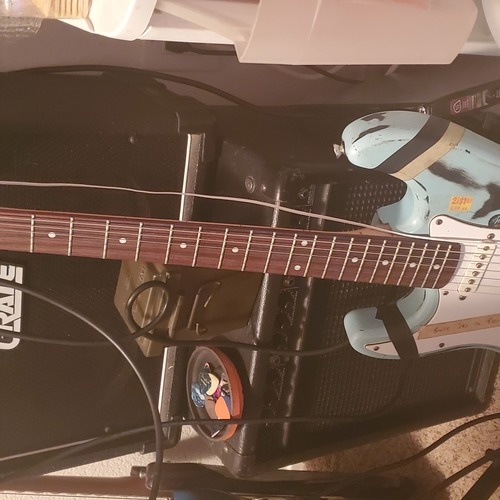
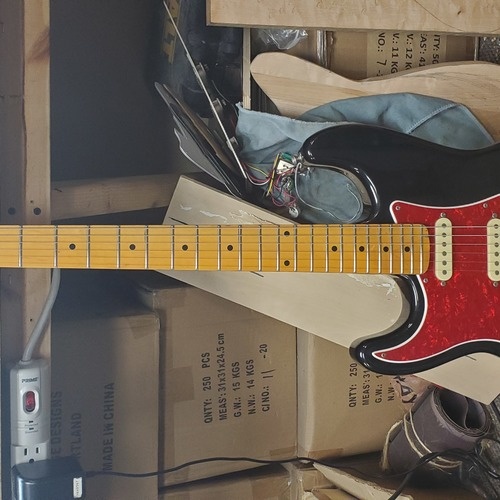
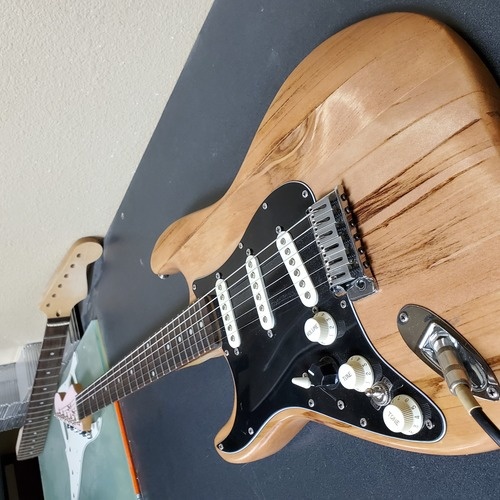
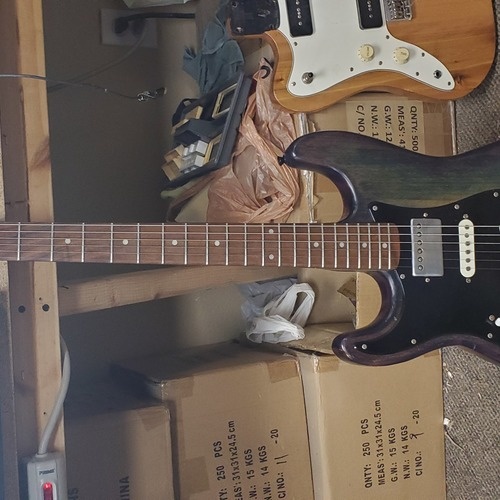
Similar
Add recommendation2 alternative and related items for Partscaster, curated by the Equipboard community.

$4.66 - $189.99
-m.webp?v=1783928172)
It's the Telecaster. A tele partcaster will often have many of the same looks and features.
More Solid Body Electric Guitars

$800.00
in Solid Body Electric Guitars Rank
.png?v=1783959784)


$666.00 - $929.99
in Solid Body Electric Guitars Rank

$375.00 - $499.99
in Solid Body Electric Guitars Rank

$999.99
in Solid Body Electric Guitars Rank


$219.00 - $233.00
in Solid Body Electric Guitars Rank


$1,899.00 - $2,799.00
in Solid Body Electric Guitars Rank


$2,309.00 - $110,153.34
in Solid Body Electric Guitars Rank


$2,199.00 - $2,222.00
in Solid Body Electric Guitars Rank


$4,499.00 - $8,977.21
in Solid Body Electric Guitars Rank

-m.webp?v=1783955054)
$1,499.99
in Solid Body Electric Guitars Rank


$1,799.99 - $2,539.00
in Solid Body Electric Guitars Rank


$615.93 - $849.99
in Solid Body Electric Guitars Rank


$1,250.00
in Solid Body Electric Guitars Rank


$2,219.99 - $3,069.00
in Solid Body Electric Guitars Rank


-m.webp?v=1783868365)
$875.00
in Solid Body Electric Guitars Rank


$2,199.00 - $2,599.99
in Solid Body Electric Guitars Rank


$1,333.00 - $2,741.79
in Solid Body Electric Guitars Rank


$1,121.23 - $3,040.30
in Solid Body Electric Guitars Rank
.jpg?v=1783959210)


$461.00 - $629.99
in Solid Body Electric Guitars Rank


$257.53 - $1,099.00
in Solid Body Electric Guitars Rank


$1,236.00 - $2,443.28
in Solid Body Electric Guitars Rank

$619.00 - $719.99
in Solid Body Electric Guitars Rank

$1,834.95 - $2,699.00
in Solid Body Electric Guitars Rank


$2,099.00 - $2,599.00
in Solid Body Electric Guitars Rank

$999.99 - $1,152.81
in Solid Body Electric Guitars Rank


-m.webp?v=1783945143)
$609.99 - $799.99
in Solid Body Electric Guitars Rank


$484.99 - $679.99
in Solid Body Electric Guitars Rank


-m.webp?v=1783984870)
$1,460.21 - $1,999.99
in Solid Body Electric Guitars Rank


$1,322.64 - $2,465.03
in Solid Body Electric Guitars Rank
.jpeg?v=1783944111)

$1,333.00 - $2,741.79
in Solid Body Electric Guitars Rank


$689.00 - $799.00
in Solid Body Electric Guitars Rank


$649.95 - $949.00
in Solid Body Electric Guitars Rank


$1,333.00 - $1,499.00
in Solid Body Electric Guitars Rank


$1,333.00 - $1,799.00
in Solid Body Electric Guitars Rank

$999.00 - $1,899.00
in Solid Body Electric Guitars Rank

.png?v=1783959269)


$1,150.00
in Solid Body Electric Guitars Rank


$450.00 - $879.99
in Solid Body Electric Guitars Rank


$400.00
in Solid Body Electric Guitars Rank


$2,836.85 - $4,260.00
in Solid Body Electric Guitars Rank


Gear Guides






Most Popular Brands
-
Added to Equipboard on by
 jamesdlow
GearIQ 118
-


