

Pricing and availability
We compare 600+ stores and found this item at 1 store. Prices updated .
Store
Reviews
Price




Average Price: $250
High-end/Boutique
$75
$201+
Price Tier
Budget
Standard
High-end
* Product prices and availability are updated by Equipboard every 24hrs and are subject to change. Equipboard may receive compensation for purchases made at participating retailers linked on this site. This compensation does not affect what products or prices are displayed, or the order of prices listed. For more information, please refer to our affiliate disclosure.
Description
Dive into the sonic legacy with the Sennheiser MD 421-U, a dynamic microphone that blends historical acclaim with modern precision. Esteemed for its clear, presence-boosting sound, this mic surpasses the ordinary, making it a staple in studios worldwide. Its versatility is enhanced with a switchable high-pass filter, catering to both music and speech applications effortlessly.
Key Features:
- Clear and present sound quality, surpassing many dynamic microphones of its era
- Tight cardioid polar pattern, nearing "supercardioid" at various frequencies
- Switchable high-pass filter with "M" (music) and "S" (speech) settings
- Equipped with a 3-pin XLR connector for professional use
- Compatible with both 3/8" and 5/8" stand mounts, adaptable for different studio setups
Product specs
| Brand | Sennheiser |
| Model | MD 421-U Cardioid Dynamic Microphone |
| Finish | Black, White |
| Year | 1960s |
| Made In | Germany |
| Categories | Microphones |
| Electronics | Passive |
| Microphone Type | Dynamic |
| Polar Pattern | Cardioid |
| Wired/Wireless | Wired |
FAQs
-
What is the primary use of the Sennheiser MD 421-U microphone?
-
The Sennheiser MD 421-U is ideal for recording instruments with high sound pressure levels, such as drums and guitar amps, due to its large diaphragm and dynamic element. It also performs well for group vocals and broadcasting.
-
Does the Sennheiser MD 421-U require phantom power?
-
No, the Sennheiser MD 421-U is a dynamic microphone and does not require phantom power to operate.
-
What polar pattern does the Sennheiser MD 421-U have?
-
The Sennheiser MD 421-U features a cardioid polar pattern, which helps to isolate the sound source and reduce background noise.
-
Is the Sennheiser MD 421-U suitable for live performances?
-
Yes, the Sennheiser MD 421-U is well-suited for live performances due to its robust build and ability to handle high sound pressure levels without distortion.
-
How does the Sennheiser MD 421-U differ from other dynamic microphones?
-
The Sennheiser MD 421-U is distinguished by its full-bodied cardioid pattern and five-position bass control, allowing for versatile use across various recording and broadcast applications.


Reviews
PROS
-
Excels in capturing mid-range and upper pick attack
-
Versatile for vocals, drums, and guitar
-
Features a 5-position bass roll-off for flexibility
-
Recognized as a widely used professional microphone
-
Delivers a smooth sound across applications
-
Offers a significant improvement over other industry-standard mics for toms
-
Historical significance with use in broadcasting since 1960
-
Still prominently featured in Sennheiser's product line
CONS
-
Mic clip design is problematic
-
Considered to have a low output, requiring a strong preamp
Owner Insights
We analyzed real musician discussions from forums and Reddit to find what players love, question, and tweak about Sennheiser MD 421-U.
Use cases and applications
-
The MD421-U5 is considered superior for voice-over work, offering a smooth and exceptional performance according to user experience.
Source -
The MD 441, often compared with the 421, is highlighted for its specific sound that suits certain vocal styles, adding context to the 421's versatile reputation.
Source -
The MD 421 Kompakt's frequency response is suggested to work well for vocals, particularly those with high frequencies, such as screaming.
Source -
The MD 421 is praised for its versatility, performing well on vocals and spoken word, as well as traditional applications like toms and guitar amps.
Source -
The MKII is praised for producing rocking, grindy overdrive tones on bass cabs, highlighting its effectiveness in achieving aggressive sound profiles.
Source -
The MKII's brighter, scooped character makes it ideal for aggressive guitar cabs and toms, while the U5's warmth is suited for vocals and horns.
Source
Comparisons
-
The Sennheiser Blackfire 541 is noted as a cheaper alternative to the MD 421 with similar sound characteristics, appealing to budget-conscious buyers.
Source -
The MD 421 is preferred over the SM7B by some users for vocal applications, highlighting its unique tonal qualities.
Source -
The MD 421 Kompakt is noted for its darker tone compared to the 421-II, making it a potential choice for vocals needing warmth.
Source -
The original white MD421s are noted for their superior sound quality compared to later versions, though they are deemed too costly for live performances by some users.
Source -
Vintage U5 models are praised for their thicker sound and lack of nasal midrange compared to the MKII, which some users describe as having a "weird nasal midrange."
Source -
The BF521 model is favored over the MKII for having no high-pass filter to check and a more pleasing sound, especially compared to the latter's increased brightness.
Source
Features and functionality
Value and pricing
-
A U5 priced at $200 is considered a good deal if in decent condition, with potential resale profit or personal studio use benefits.
Source
User experience
-
Owners highlight a lack of iron in the MKII's transformer, which affects its sound compared to the vintage U5's thicker tonality.
Source
5.0 out of 5
Based on 0 Reviews and 1 Rating
Artist usage
Add artist

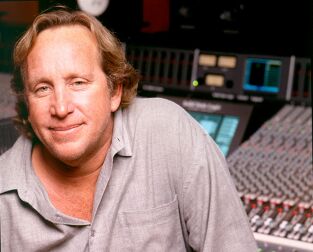
In this video, Ulrich Wild lists some of the mics he uses, including the Sennheiser MD 421.


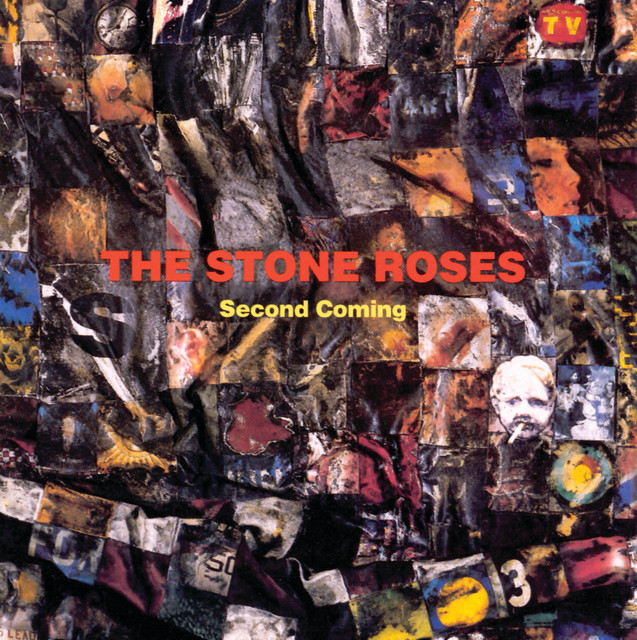
Used for the toms on Second Coming, as mentioned by producer Simon Dawson in the January 14, 1995 Melody Maker interview "Diary of an LP: the Stone Roses' Second Coming, Part One" by Tom Doyle.
"Oh yeah, the same old skins and everything. I don't think he changed a skin in the whole time — they've probably been on there for years. Sometimes we'd use an acoustic tunnel if there was too much ambience, but not very often because we quite liked the live-sounding bass drum. The snare was miked up by a straight Shure SM57, the toms were all Sennheiser 421s, the overheads — which are probably the best overhead mikes I've heard in my life — were Neumann 56s, which are valve pencil mikes. In fact, you get a great kit sound just from the overheads, so we tended to build up the sound of the kit around those. We'd also use a pair of straightforward Neumann U87s and maybe an SM2 valve, either Telefunken or Neumann — it's a stereo mike and we used that sometimes in the corridor that runs along the side of the live room. We'd open the door and record the sound of the corridor as well."


In the YouTube video titled "Engineering tips from Dave Jerden - 1 Minute Mixing Madness Ep. 111" at the 0:40 mark, music producer and audio engineer Dave Jerden confirms his use of the Sennheiser MD 421-U microphone, stating, "Sometimes I add the Sennheiser 421."

Album Usage
The Sennheiser MD 421-U has been featured on the following albums:
Genre Usage
Based on how artists on Equipboard use this gear, it is most commonly found in the following genres.
Used With
Based on how musicians on Equipboard use Sennheiser MD 421-U, it is most commonly used with the following gear.



-s.webp?v=1784905109)


Community setups
Show yours.jpg?v=1783112765)
More Sennheiser Dynamic Microphones
-m.webp?v=1784934252)
$129.00 - $938.03
in Dynamic Microphones Rank


-m.webp?v=1784933951)
$327.50 - $449.00
in Dynamic Microphones Rank


$145.00 - $199.95
in Dynamic Microphones Rank


$138.00 - $219.00
in Dynamic Microphones Rank


$85.00 - $99.95
in Dynamic Microphones Rank


$973.00 - $1,249.00
in Dynamic Microphones Rank


$75.00 - $429.00
in Dynamic Microphones Rank


$119.00 - $159.00
in Dynamic Microphones Rank


$166.80
in Dynamic Microphones Rank


$447.00 - $549.00
in Dynamic Microphones Rank


$115.00 - $197.70
in Dynamic Microphones Rank


$163.73 - $219.00
in Dynamic Microphones Rank


$70.90 - $119.00
in Dynamic Microphones Rank


$149.00 - $219.00
in Dynamic Microphones Rank


$75.00 - $119.00
in Dynamic Microphones Rank


$79.00 - $99.95
in Dynamic Microphones Rank


$149.00 - $229.00
in Dynamic Microphones Rank


$839.00 - $1,099.00


Accessories & Related Items
-s.webp?v=1784905105)


Similar


Gear Guides





.webp)
Most Popular Dynamic Microphones
Most Popular Brands
-
Added to Equipboard on by
 jack_of_alderaan
GearIQ 117
-


