This page about Sound Techniques A-Range is a stub. You can help improve it:


Pricing and availability




* Product prices and availability are updated by Equipboard every 24hrs and are subject to change. Equipboard may receive compensation for purchases made at participating retailers linked on this site. This compensation does not affect what products or prices are displayed, or the order of prices listed. For more information, please refer to our affiliate disclosure.
Description
Known for its unparalleled sonic character, the Sound Techniques A-Range is a legendary mixer that has graced some of the most iconic recordings in music history. Originally designed in the late '60s and early '70s, this classic British console has been meticulously recreated to offer the same vintage warmth and distinctive EQ curves that made it a favorite among top-tier producers and engineers. The A-Range's unique equalization section is prized for its musicality, delivering a smooth and natural tonal shaping that cannot be replicated by any other mixer.
The Sound Techniques A-Range is a perfect blend of historical reverence and modern precision. Whether you're tracking, mixing, or mastering, this mixer provides a seamless integration into any studio setup, ensuring your projects benefit from its timeless sound quality. It's crafted to cater to both purists and modern-day creators, allowing you to harness the power of its legendary EQ to sculpt your sound with precision and warmth.
Key Features:
- Authentic recreation of the classic Sound Techniques A-Range console
- Renowned for its distinctive EQ curves and sonic character
- Ideal for tracking, mixing, and mastering in any studio environment
- Offers a unique blend of vintage warmth and modern precision
- Perfect for producers and engineers seeking a legendary sound quality


Reviews
Owner Insights
We analyzed real musician discussions from forums and Reddit to find what players love, question, and tweak about Sound Techniques A-Range.
Use cases and applications
-
The Sound Techniques A-Range has been used in recording sessions for albums by artists like Pat Benatar, Metallica, and Jimmy Eat World.
Source
Features and functionality
-
Some Trident A-Range consoles, particularly those at Cherokee Studios, were custom-built with original parts, offering a unique blend of vintage and recreated elements.
Source -
The A-Range EQ is noted for its wide Q on frequencies, contributing to its distinct sound character that balances well with the preamp's clarity devoid of "London Fog."
Source
User experience
-
Recording on the A-Range at Cherokee provided a wider EQ range, enhancing the preamps' sound, while Studio 3's monitor setup was noted for being less conducive to capturing a vibe.
Source -
Engineers found the pin 3 hot configuration on inserts challenging, often requiring additional gear like a Pultec to balance signals for certain equipment.
Source
Comparisons
Other
-
The A-Range at Smart Studios was involved in recording several emo-adjacent bands' albums, impacting the sound of the genre during its time there.
Source
Setup and maintenance
-
Maintaining the A-Range involves meticulous cleaning and using sacrificial modules, as replacement parts like 100kOhm EQ-faders are scarce.
Source
Mods and upgrades
-
Some studios modified the A-Range with a Jensen 990 stereo bus from API to achieve properly balanced insert points, addressing compatibility issues with specific outboard gear.
Source
Critic Reviews
Based on 0 Reviews and 0 Ratings
Artist usage
Add artist

In this July 19, 2018 Instagram post by Sound Techniques, an A-Range console from De Lane Lea Studios is identified in a 1974 photo of Lynne.
Jeff Lynne with the Sound Techniques A Range. ELO “Can’t Get It Out of My Head” era. De Lane Lea Studios.

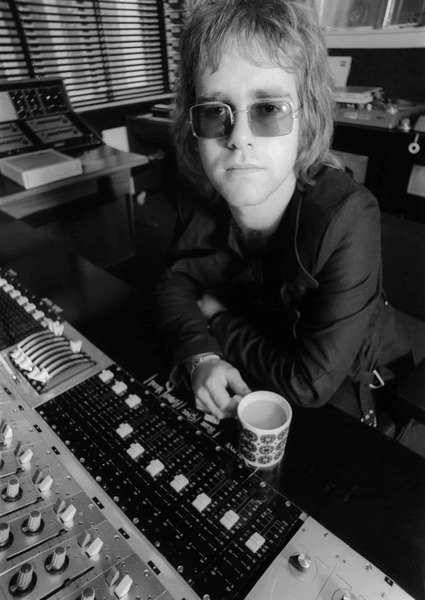
John can be seen with an A-Range at Trident Studios in this 1970 photograph taken by Ray Stevenson, which features on the "Photo Archive" page of Studio Techniques' website with the following caption:
Elton John at Trident Studios, 1970
Sir Elton John with the Sound Techniques console in the remix room at Trident Studios – 1970.
Photo credit: Ray Stevenson/REX Shutterstock


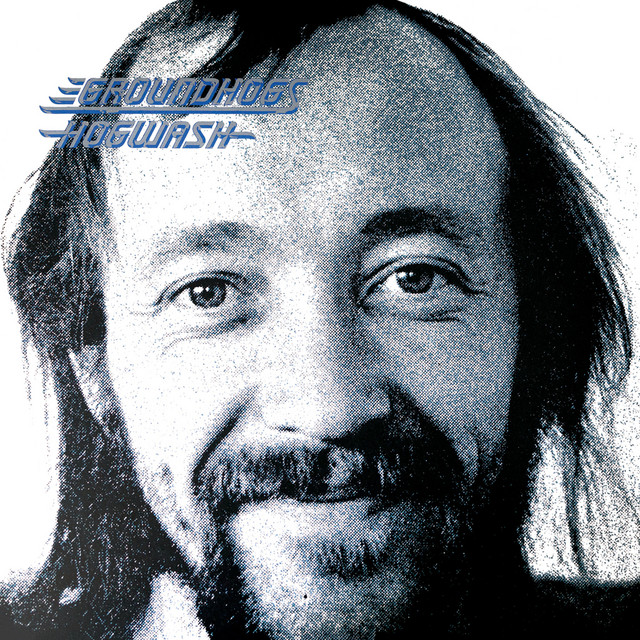
Acquired by McPhee sometime after the recording of Hogwash and used for The Two Sides of Tony (T.S.) McPhee, as stated in this May 5, 1973 Sounds interview, a November 1974 Beat Instrumental interview and in a 1997 interview with John Tobler.
Sounds, May 5, 1973, "Mac’s Home Cooking: The Groundhogs" by Jerry Gilbert
Tony started building the studio in January, the centrepiece being an eight track console which he’d procured from the De Lane Lea studios in Kingsway. As a technician for whom nothing less than the right sound is sufficient, he made up his mind that Hogwash would be the last album the Groundhogs would record in London.
[...]
"Studios really piss me off so I wanted to get my own studio done because it was necessary", McPhee blandly pointed out. "It started off as a four-track and then became eight when I got this equipment."
[...]
"The eight track I have is obsolescent, which means that I have to go and stick jacks in round the back but that doesn’t matter — I mean how much more can you get from a modern machine?"
Beat Instrumental, November 1974, "Home Studios: Tony McPhee" by Del Robinson, pgs. 28
Tony certainly has plenty of opportunity to develop his engineering now. For a start, the centrepiece of the crowded control room is the Cadac 8-track desk, which he bought second-hand from Majestic Studios in Clapham. 'It can be converted very easily to 16.' This is the second desk Tony's installed in his home studio. 'I did a deal with De Lane Lea, before they became Kingsway Recorders, and bought about £5,500 worth of gear, which was the basis of a complete studio.
'I used the original desk to do my solo album, but it didn't have the advantage of pan pots, so when this one came up I decided to take it. I've ordered an Ampex 16-track recording machine which I should be getting very soon.'
Rock's Backpages audio, "AUDIO: The Groundhogs' Tony McPhee (1997)" by John Tobler (@ 53:38)
Tony "T.S." McPhee: So, by that time, I'd got equipment, 'cause my idea was it's cheaper to buy the equipment. Then you can, from that point, you can have as many albums as you'd like. Yeah.
John Tobler: Yeah. You mean recording it?
McPhee: Recording from it, yeah.
Tobler: Okay.
McPhee: So I actually bought out De Lane Lea... a eight-track,
Tobler: Yeah.
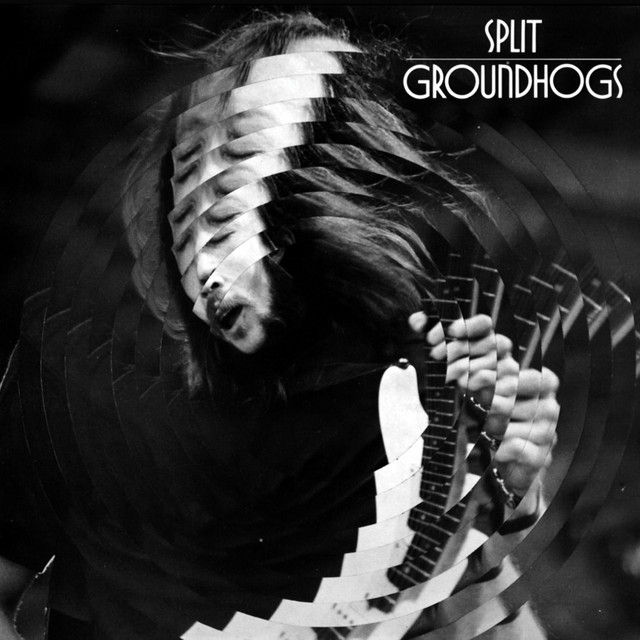
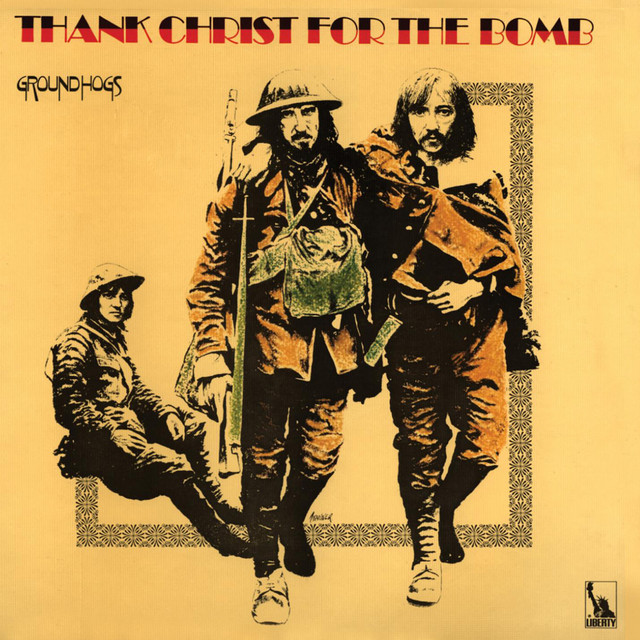
McPhee: which is what we did Thank Christ and Split on.
Tobler: Oh.
McPhee: And other assorted bits and pieces. And so, from that point on, I did my own albums.
The following information further corroborates that the A-Range built for De Lane Lea Kingsway was sold to McPhee:
- The March 1970 issue of Beat Instrumental reports on page 23: "Equipment at Kingsway includes an 18-channel 8-track console, custom-built by Sound Techniques, which was also responsible for the electronics of the 8-track tape machine, which has a 3M deck. In addition, there are Ampex four-track, two-track and mono machines and an EMI mono."
- The May 1970 issue of Beat Instrumental reports on page 12: "At De Lane Lea's Kingsway studios, the Groundhogs were putting finishing touches to their album".
- On the "Recording Consoles" page of Sound Techniques' website, there are only pictures of the A-Range consoles built for De Lane Lea Wembley and De Lane Lea Soho. Yet, the site's "History" page lists a total of three De Lane Lea consoles: Soho, Kingsway and Wembley.
Album Usage
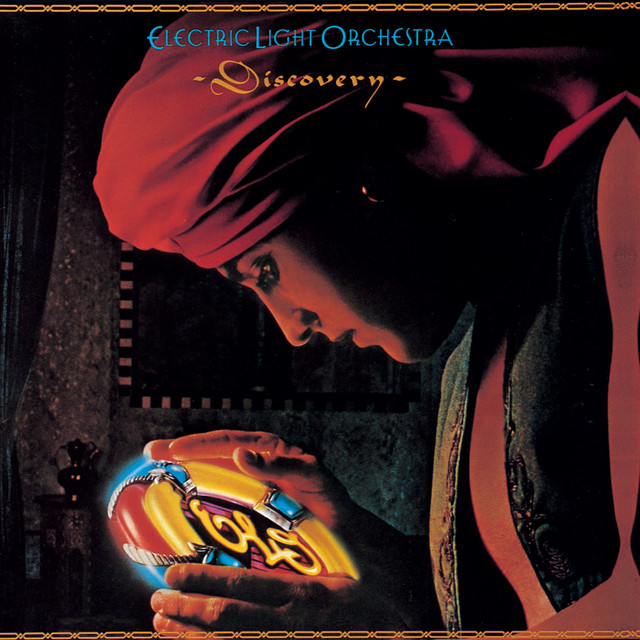
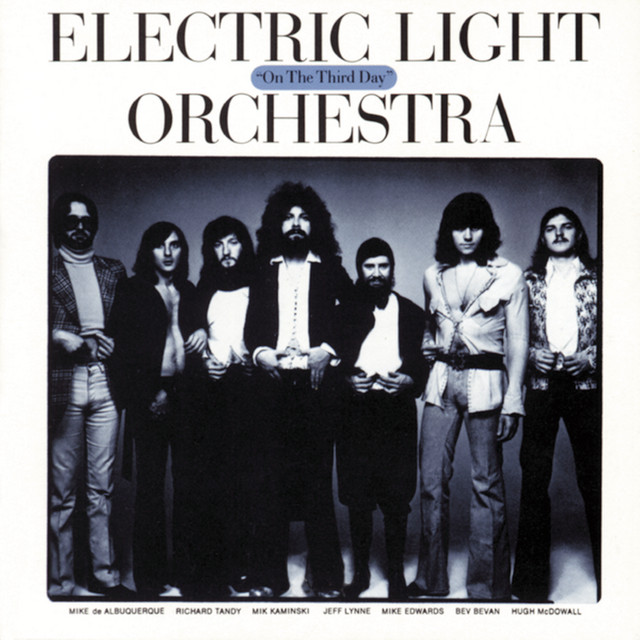
The Sound Techniques A-Range has been featured on the following albums:
Genre Usage
Based on how artists on Equipboard use this gear, it is most commonly found in the following genres.
More Mixers

$28.00 - $415.00
in Mixers Rank


$677.00 - $989.00
in Mixers Rank


$1,462.00 - $1,999.00
in Mixers Rank


$215.41 - $250.74
in Mixers Rank


$125.00 - $449.99
in Mixers Rank


-m.webp?v=1784241739)
$341.69 - $379.00
in Mixers Rank


$219.00 - $329.99
in Mixers Rank


$45.30 - $89.00
in Mixers Rank


$180.25 - $219.99
in Mixers Rank


$1,764.69 - $3,299.99
in Mixers Rank


$200.00 - $573.74
in Mixers Rank


$129.00 - $209.00
in Mixers Rank


$310.00 - $479.99
in Mixers Rank


$185.00 - $309.00
in Mixers Rank


$75.00 - $329.99
in Mixers Rank


$141.13 - $169.00
in Mixers Rank


$65.00 - $219.50
in Mixers Rank


$277.00 - $382.00
in Mixers Rank


$244.00 - $399.99
in Mixers Rank


$35.00 - $295.00
in Mixers Rank


$205.00 - $329.00
in Mixers Rank


$550.00 - $1,271.95
in Mixers Rank


$99.00 - $179.00
in Mixers Rank


-m.webp?v=1784210481)
$1,900.00 - $2,999.99
in Mixers Rank


$1,006.00 - $1,499.99
in Mixers Rank


$14.50 - $45.00
in Mixers Rank


$659.00 - $1,159.99
in Mixers Rank


$849.99 - $1,049.99
in Mixers Rank


$129.99 - $176.99
in Mixers Rank


$190.75 - $229.99
in Mixers Rank


$416.00 - $679.99
in Mixers Rank


$1,049.00 - $1,649.00
in Mixers Rank


$362.00 - $449.99
in Mixers Rank


$539.00 - $799.99
in Mixers Rank

$99.90 - $149.99
in Mixers Rank


Community setups


Similar


Gear Guides




Most Popular Brands
-
Added to Equipboard on by
 eyeseeofficial
GearIQ 161592
-


