

Pricing and availability
We compare 600+ stores and found this item at 6 stores. Prices updated .
Store
Reviews
Price








Average Price: $827
Standard/Professional
$500
$1501+
Price Tier
Budget
Standard
High-end
Price History
Based on price data from 4 merchants for "Waldorf Blofeld Keyboard". Prices shown reflect NEW condition. Tracking began Apr 2, 2026.
* Product prices and availability are updated by Equipboard every 24hrs and are subject to change. Equipboard may receive compensation for purchases made at participating retailers linked on this site. This compensation does not affect what products or prices are displayed, or the order of prices listed. For more information, please refer to our affiliate disclosure.
Description
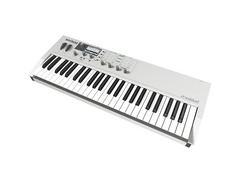
Immerse yourself in a world of infinite sound possibilities with the Waldorf Blofeld Keyboard. This 49-key wonder doesn't just stand out for its sleek metal enclosure, but it's the keyboard's flexibility and adaptability that really sets it apart. Designed for the adventurous musicians, it allows you to import your own sample libraries, essentially giving you a near-limitless sonic palette. Whether you're a seasoned pro or a beginner, you'll quickly come to appreciate the semi-weighted keys that offer a professional feel with velocity and aftertouch.
The Blofeld Keyboard isn't just about the keys; it carries over many of the award-winning features of the renowned Blofeld module. It's packed with virtual-analog synthesis, classic wavetables, and a generous 60 megabytes of sample memory. Not to forget, the countless oscillator and filter modulations, the pitchblend and modulation wheels, and the sustain pedal connection that will undoubtedly enhance your musical journey.
To top it all off, the keyboard also comes with Spectre, a tool designed for creating and transferring sample content for Blofeld Module with License SL upgrade installed. It's essential to note that Spectre is not a patch editor. The large graphic display and endless stainless steel rotaries just add to the charm of this beautiful instrument.
Key Features:
- 49-key semi-weighted keyboard with velocity and aftertouch
- Allows import of personal sample libraries
- Virtual-analog synthesis and classic wavetables
- 60 megabytes of sample memory
- Pitchblend and modulation wheels, sustain pedal connection
- Countless oscillator and filter modulations
- Comes with Spectre for creating and transferring sample content
- Large graphic display and endless stainless steel rotaries
- Encased in a sleek metal enclosure
Product specs
| Type | Keyboard Synthesizer |
| Sound Engine | Modeling |
| Number of Keys | 49 |
| Type of Keys | Weighted |
| Other Controllers | Pitchbend, Mod Wheel |
| Polyphony | 25 Notes |
| Number of Effects | 7 |
| Effects Types | Reverb, Chorus, Flanger, Overdrive, Delay, Phaser, Ring Modulation |
| Arpeggiator | Yes |
| Audio Outputs | 2 x 1/4" |
| Headphones | 1 x 1/4" |
| USB | 1 x Type B |
| MIDI I/O | In/Out |
| Pedal Inputs | 1 |
| Power Source | Detachable AC cable |
| Height | 3.9" |
| Width | 29.1" |
| Depth | 10.8" |
| Weight | 17.6 lbs. |
FAQs
-
Is the Waldorf Blofeld Keyboard suitable for live performances?
-
Yes, the Waldorf Blofeld Keyboard is equipped with 49 weighted keys and an extensive sound engine, making it suitable for live performances. Its robust build and comprehensive effects suite also enhance its live usability.
-
What synthesis methods does the Waldorf Blofeld Keyboard use?
-
The Waldorf Blofeld Keyboard utilizes virtual analog, wavetable, and FM synthesis, providing a wide range of sound design possibilities for musicians and producers.
-
How many notes of polyphony does the Waldorf Blofeld Keyboard support?
-
The Waldorf Blofeld Keyboard offers 25-note polyphony, allowing for complex chord structures and layered sounds without voice-stealing.
-
What types of effects are available on the Waldorf Blofeld Keyboard?
-
The Waldorf Blofeld Keyboard includes seven effects: reverb, chorus, flanger, overdrive, delay, phaser, and ring modulation, enabling diverse sound shaping and enhancement.
-
Can the Waldorf Blofeld Keyboard be integrated with a DAW?
-
Yes, the Waldorf Blofeld Keyboard can be integrated with a DAW via its USB and MIDI I/O connections, allowing for seamless control and recording of your performances.
-
Does the Waldorf Blofeld Keyboard have an arpeggiator?
-
Yes, the Waldorf Blofeld Keyboard features an arpeggiator, which can add rhythmic complexity and movement to your soundscapes and performances.
-
What are the main connectivity options for the Waldorf Blofeld Keyboard?
-
The Waldorf Blofeld Keyboard offers 2 x 1/4" audio outputs, a 1/4" headphone output, USB Type B, and MIDI In/Out, providing versatile connectivity for studio and live setups.
Videos

musictrackjp
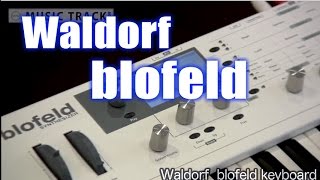
Waldorf blofeld Keyboard Demo & Review
Waldorf blofeld Keyboard Demo & Review
musictrackjp
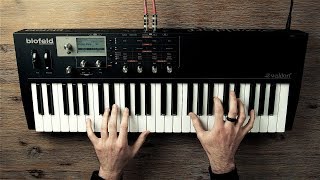
Waldorf Blofeld melodic synth demo

once upon a synth
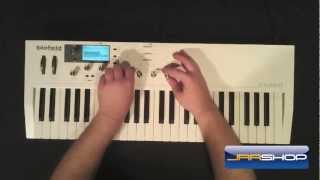
Waldorf Blofeld Keyboard Demo

JRR Shop
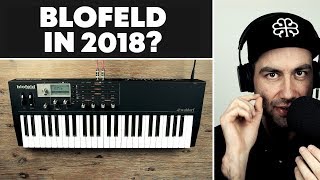
Why I got a Blofeld in 2018
once upon a synth
Waldorf Blofeld Keyboard Demo

S- Knob
Waldorf Blofeld Keyboard

Musik Schmidt
Waldorf Blofeld 49 Note Keyboard Synthesizer | Gear4music demo

Gear4music Guitars
Reviews
PROS
-
Deep functionality and sound design possibilities
-
Intuitive programming despite complexity
-
Metallic, digital sound quality suitable for various genres
-
Random sound generation feature offers creative surprises
-
Solid build quality and great keybed feel
-
Firmware updates and new sounds added in 2018
-
Extensive modulation matrix with 16 slots and 4 modifiers
-
25 voice polyphony with 3 oscillators, 2 filters, and built-in effects
-
Compatible with Micro Q sounds and 60MB sample memory
-
16-part multitimbral capability for layered soundscapes
CONS
-
Factory patches perceived as uninspired and dull
-
Menu navigation can be daunting and software buggy
-
Oscillators and filter quality lag behind competitors
-
Volume and pitch inconsistencies between presets
-
Known for occasional freezes and unresponsive behavior
-
Master volume encoder known to jump values
-
Engine can become overwhelming and produce unwanted noise
-
Requires extensive time to create and tweak patches for live performance
-
Limited real-time tweakability due to few knobs
-
Buggy multi and FM synthesis implementation
Owner Insights
We analyzed real musician discussions from forums and Reddit to find what players love, question, and tweak about Waldorf Blofeld Keyboard.
Features and functionality
-
The Blofeld is 16-part multi-timbral but can struggle with voice allocation, especially when using FM and effects, leading to note-stealing issues.
Source -
Blofeld's menu system can be complex, requiring a clear idea of desired sound before exploring options.
Source -
The Blofeld interface, despite involving menu diving, is considered one of the most efficient for its category, with the matrix layout praised for its intuitiveness.
Source
Use cases and applications
-
It's highly valued for ambient, techno, and EDM, and can emulate analog sounds effectively, blending well with other synths like the Waldorf Pulse 2.
Source
User experience
-
Some owners experience issues with encoders skipping values, though this mostly affects early models and can be fixed by replacing with Bourns encoders.
Source -
Some users find the Blofeld's sound overly harsh when overloaded, leading to unpleasant distortion and clipping.
Source -
Although some users report slight lag during editing, patience allows leveraging the Blofeld's deep capabilities, particularly when utilizing the sample import feature.
Source
Build quality
Value and pricing
Comparisons
4.5 out of 5
Based on 4 Reviews and 28 Ratings

All electronic music in my hands, with the widest waldorf synthesizer in polyphony with 25 voices and 16 multi parts.
I don't know where to start, but I'll try to be brief (difficult with such a deep super synth). I don't know where to start, but I'll try to be brief (difficult with such a deep super synth).
To begin with it is a real waldorf synthesizer, digital but with a very well calibrated character, warm similar to the nord lead and with 16 bit 48k hz sound quality.
The machine is endless, you can always create something new.
It has the ability to make most of the waldorf wave and PPG wave sounds, thanks to its 2 legacy wavetable oscillators from the Q series (waldorf Q, xt,xtk, microQ).
It is the best emullator of the classic PPG/Waldorf synthesizers
Waldorf blofeld is a super synth that has 3 VA oscillators(first 2 are va+sampleplayer+wavetable) the third oscillator is just a VA.
1024 sounds, 128 multi programs, Graphic display, editable arpeggiator with 16 sequence steps, Compatible with Micro Q sounds, 60MB sample memory,
It has 3 ultra-fast LFOS, and they can be used as subtractive oscillators.
4 envelopes where the first two are typical of any normal synthesizer but with different behaviors, the last 2 are more special and are inherited from the waldorf wave.
It has 2 routable filters in series and parallel as in waldorf wave waldorf Q, a distortion in each of the 2 filters and the two effects slots. This is ideal for me, to make sounds of drum and bass, trap, grime, uk garage, furute garage, hard sounds of dub-step, 2-step, hard techno, detroit electro-techno, trance, hard house. (just an idea).
It has FM in every section of the synth, and the entire synth is modulatable to all parts and sections to create the sound. FM is subtractive, but can be used with wavetable sweeps and their comb filters, which are a very powerful way of making weird, bototic sounds.
Traditional arpeggiator, but also editable as a 16-step step sequencer, this can generate sequences with samples or subtractive sounds, ideal for use as a precussion module or drum machine.
The much loved polyphonic aftertouch that not everyone has, for 25 voice polyphony, for a synth that is also 16 part multi-timbral (16 blofeld synths inside).
It also has 16 modulation slots + 4 modifiers for a total of 20 modulations.
It also offers stereo L and R output, which can be used for routing or destinations from its internal mixer for 2 parts that have different sounds and recording live in a DAW.
This german synthesizer was made by waldorf when the company was bankrupt, they still had the great accumulated debt of waldorf wave and they managed to make the blofeld with the lowest budget of their history with a bank loan, hence their DSP problems and poor development of firmware. It is a 100% made in Germany synthesizer, it has no Chinese stuff.
The keyboard version is the cheapest keyboard synthesizer of the brand, and it is the synthesizer with the most polyphony of the brand, even iridium only has 16 polyphony voices and blofeld 9 more voices, it is one of the reasons why it is still in use. the market, with a wide community of users.
It has been used in electronic music for a long time, it came out a year later than the desktop version, in 2024 it will be 15 years old and it will still be the only wadorf synthesizer with 16 multitimbral parts.
Many avant-garde music tracks and pop content like trap and dubstep contain a waldorf blofeld among their tracks, it is highly recognizable for its more trance-like sound and glitch-like bass. .
It defends itself well against an access virus, nord lead, Modal...
Where this keyboard shines the most is inside, its minimalist appearance does not do it justice, even so, inside it hides an entire ecosystem of incredible possibilities for waveform-based and samples PCM sound files design.
After almost 15 years, this synthesizer does not age and continues on the market, being of interest to many musicians.
Waldorf's most modern and most expensive digital and hybrid synthesizers in 2023 offer polyphony of 8 and 16 notes, other brands such as Modal, ASM, Arturia, Clavia at most 8 to 16 voices.
But in these times where the voices, the keys and multiplicity are so expensive, the blofeld is the one that offers the most below 800 and 500 euros in its 2 versions.
Preferred Settings + Usage:
16 parts, 25 polyphonic synth, wavetables, samples, filters, stereo synthesis, synthesizer with more polyphony of the brand..

41028
I want to love this synthesizer...
I really want to love it.... but I can't. I sent this synth BACK to the retailer. Yup. I spent a week with it and found its sound & features to be fantastic but f you're going to get the keyboard version thinking "live performance instrument" think again. Its so deep with such a limited interface that you need to spend a long time creating patches. They're going to be killer, unique patches. This is the mother of all digital engines, covering every type of synthesis you can imagine with huge multitibrality for layered soundscapes. That said, its a preset machine or studio piece. I ight get the module version in the future, but I wanted something more immediate from the keyboard. I perform live with friends a lot and I need to be to imagine a patch, throw it up from an initialized state, and then be able to screw with it while playing. This is not the modern digital synth for that. On top of its interface issues, the engine can get over the top and do things you don't really want. it can 'freak out' on you so to speak. What else can I say? this is a hugely powerful engine. Just amazing. But its hard to take advantage of while playing and you wind up with a very expensive rompler. Get the module. I'd give that 5 stars as its purpose is clear, a studio sound design swiss army knife. Add a keyboard without adding any functionality to the interface and I'm left flat. What I DO like? the display is great, easy tor ead, informative text/graphics.... myriad of options. very cool waveforms/tables n addition to the usual stuff... COMB FILTER.... like I said, I'm thinking about a module. I think you can make the stereoping synth controller command this thing with a bunch more knob per function control of bread and butter parameters one might need, but for this price I shouldn't have to resort to a 3rd party controller like that. This is an expensive device new.

130
I had anticipated the menu diving aspect looking at the module, but I wasn't aware of this keyboard version until now. I'm still in the market for a midi controller, maybe the right one would make the process less time-consuming? In any case I'm enticed by your description of the engine on this, for my purposes (and given the inability to perform live at present) it sounds ideal. My interest is in complex and chaotic patches along the lines of what the serum software can do, and I'm no stranger to all-night programing sessions to achieve them.
41028
@toxicant, the people who called it buggy are legit, it can freeze up at times... the argon is simpler architecturally with a soemwhat streamlined feature set but its glitch free, smooth operation like an analog machine... Blofeld and Argon are similar in spirit to eachother but Blofeld piles on features that aren't always useful, as mentioned the multis can cause problems and its tedious to program. Argon8 eschews heavy duty multitimbrality, samples, comb filter.... but it runs like an analog machine and is a delight to program ONCE YOU UNDERSTAND IT. Because its far more confusing than Blofeld. The cross modulation and voice spread are incredibly powerful, but can take a long time to wrap your head around. It depends what kinda headaches you like... in covid world I've been toying with the idea of a blofeld module.... wish they had a rack unit. At the moment my argon's not racked but it can be and probably will wind up racked.
Also consider the hybrids, peak/summit and prologue. I have both. and they're, well, awesome at doing their respective things.

112
Really amazing machine.
+Really powerful modulation matrix. 16 modulation slots and 4 modifiers. (Modifier is a thing, where you can do logic and math things, for example "Source X * Source Y". You have: Constant, +, -, *, AND, OR, XOR, MAX, min)
+3 oscillators, 2 filters, 4 envelopes, 3 LFOs and 2 effects give you great possibilities.
+On oscillator 1 and 2, besides the classic shapes, you can have wavetables and samples, both of which you can import. Default samples sound really good though, I really like the Piano and the Guitar.
+Great overall sound
+A lot of preset memory.
+16-part multitimbral, though with 25 voices of polyphony (keep in mind it's DSP) I doubt you'll be able to load 16 decked out sounds at once.
+Good price.
-Very buggy. Multis bug out constantly. FM bugs out when trying to FM samples together. It once bugged out when changing MIDI to omni.
-Hard to use with a computer (at least for newbies - like me). It uses SysEx and only SysEx for updates, moving presets, samples, wavetables etc.

3579
Best sounding Waldorf synth but... when do we get a the Blofeld XT?
One of the best sounding Waldorf synths out there. Excellent and very deep synth engine with classic wavetables, good virtual analog waves (check the Don Solaris sounds) and even imports user samples. This synth can make an enormous range of good sounds and has an excellent value/money. It has a metal casing and a good keyboard, which gives you a very good feel.
The down side: -Not enough knobs to tweak in real-time. Probably done for keeping the cost low. Fortunately menu-diving is relatively quick thanks to the matrix next to it. - The FX are not really up to the same level as the actual synth engine. But that's easy enough to fix...
If only they would marry the Blofelds synth engine with the microWave XT's user interface and stick it in a 19" rackmountable case (angled and with optional wooden cheeks)... to create the ultimate Waldorf Blofeld XT
I'd buy it immediately and give it the full 5 stars but for now...
Artist usage
Add artist

The white keyboard at 1:39


You can see his white Blofeld keyboard behind him in this picture of his studio.

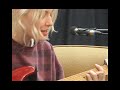
Dragos is using a Waldorf Blofeld In Forever Live Sessions , as seen in the garage session videos


In the video, Orjan uses the Blofeld keyboard to play sounds from the Virus. It is clearly seen at minute 0:22.


We see him use it at around 0:59 in this video


Live, Eric can be seen using a blofeld keyboard


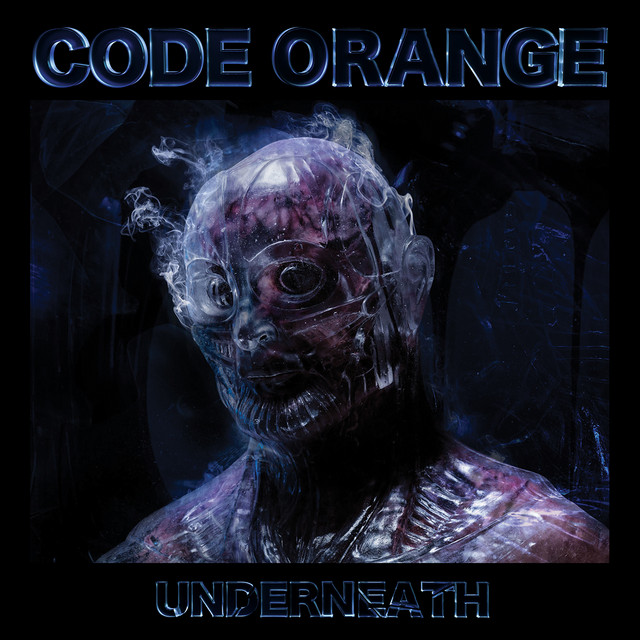
In the official video for "Swallowing The Rabbit Whole" by Code Orange, Eric "Shade" Balderose is seen using the Waldorf Blofeld Keyboard.


Per this July 13, 2017 interview for Music Radar, Bola mentions that he's using a Waldorf Blofeld:
“I have the [Waldorf] Blofeld, which is a wavetable synthesiser. Its ancestor would have been things like the Wolfgang Palm PPG Wave series synths from the ’80s. You’ve got waveforms that are continually variable, and a wavetable starts at a sine wave and ends at something random and there’s thousands in between. The idea is that you can pan along it and it has a very unique character."
Note: Per the photo in the interview, we can confirm it is a white keyboard version of the instrument.


In this pic you can spot the setup of Jan; a Waldorf Blofeld is visible
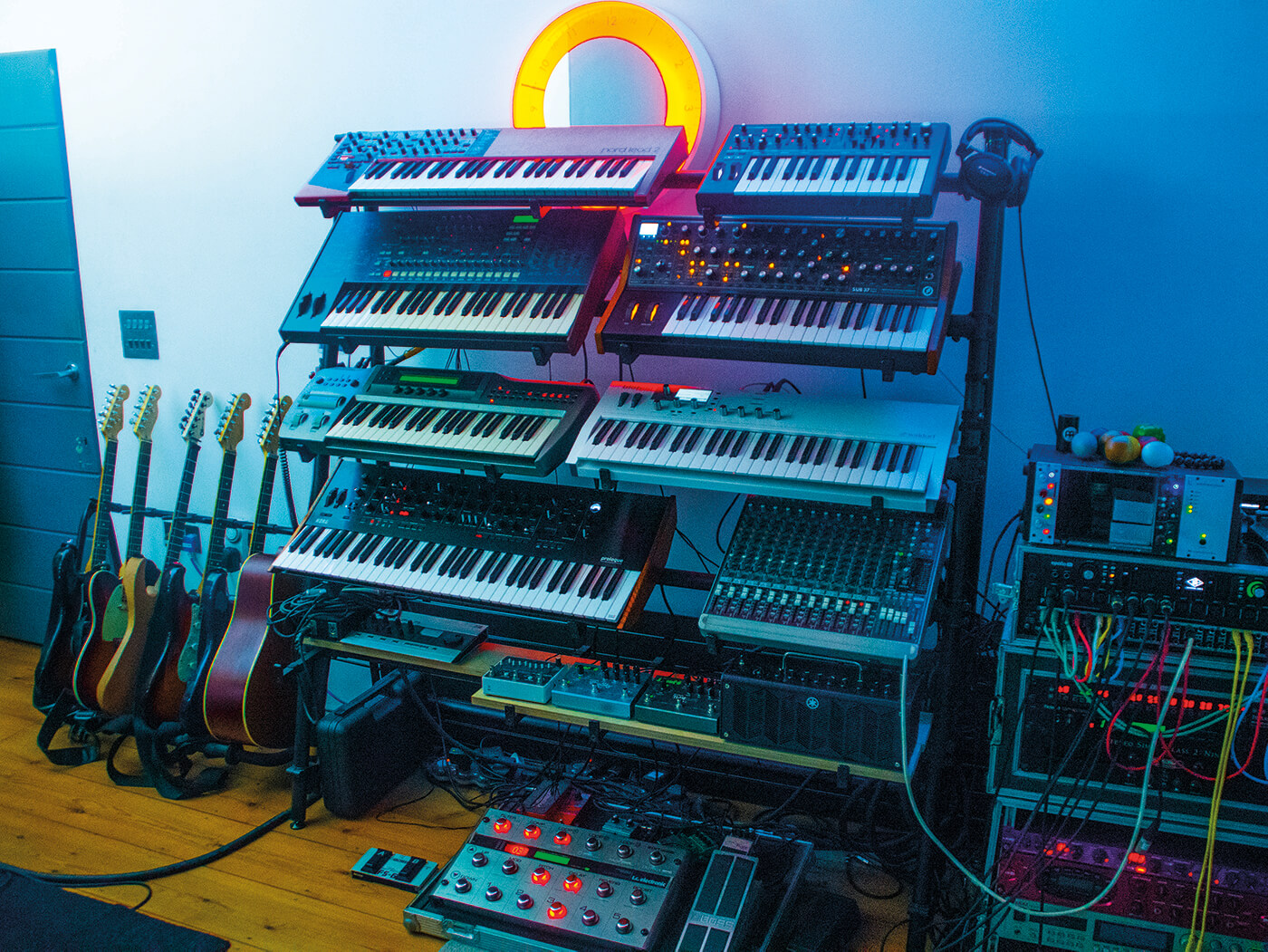
Ranging from Korg’s classic Prophecy and MS2000 to the Moog Sub 37, Timo’s synths cover most bases…
.jpg?v=1784450238)

During The Cassandra Complex's performance at the Infest Festival in Bradford, UK, in 2022, Rodney Orpheus was seen using the Waldorf Blofeld Keyboard, as captured in a user-uploaded photo.

Album Usage
The Waldorf Blofeld Keyboard has been featured on the following albums:


Genre Usage
Based on how artists on Equipboard use this gear, it is most commonly found in the following genres.
Used With
Based on how musicians on Equipboard use Waldorf Blofeld Keyboard, it is most commonly used with the following gear.



-s.webp?v=1784559449)
Similar
Add recommendation1 alternative for Waldorf Blofeld Keyboard, curated by the Equipboard community.

More Waldorf Synthesizers

$481.81 - $699.00
in Synthesizers Rank


$109.99 - $479.99
in Synthesizers Rank


$299.00 - $475.95


$3,699.00 - $6,499.00


$1,444.00 - $2,499.99


$4,555.00 - $5,999.00


$2,490.00 - $4,299.00


$2,269.00 - $3,699.00


$3,272.18 - $3,499.99
in Synthesizers Rank


$469.00 - $699.99
in Synthesizers Rank


$20,256.12
in Synthesizers Rank


$439.00 - $545.00
in Synthesizers Rank
.jpeg?v=1784640200)
.jpg?v=1784640202)

$3,333.00 - $3,499.99
in Synthesizers Rank


$999.00 - $1,084.00
in Synthesizers Rank


Accessories & Related Items


Community setups


Gear Guides






.webp)

Most Popular Synthesizers
Most Popular Brands


