

Pricing and availability
We compare 600+ stores and found this item at 1 store. Prices updated .
Store
Reviews
Price




Average Price: $409
Standard/Professional
$100
$501+
Price Tier
Budget
Standard
High-end
* Product prices and availability are updated by Equipboard every 24hrs and are subject to change. Equipboard may receive compensation for purchases made at participating retailers linked on this site. This compensation does not affect what products or prices are displayed, or the order of prices listed. For more information, please refer to our affiliate disclosure.
Description
Discover the Yamaha E1010, a versatile effects processor that has become a cherished tool in the world of studio recording. This classic piece of gear is known for its analog delay section, delivering warm and organic echoes that capture the essence of vintage sounds. Designed with musicians and producers in mind, the E1010 provides a range of modulation effects that can enhance any audio project.
Originally released in the late 1970s, the Yamaha E1010 has stood the test of time, partly due to its bucket-brigade device (BBD) chip technology. This allows for a distinctive sound quality that's both rich and dynamic, making it a favorite among those seeking to add depth and texture to their recordings. With intuitive controls and robust build quality, the E1010 is perfect for both live performances and studio sessions.
Whether you're looking to recreate the iconic sounds of yesteryear or explore new sonic territories, the Yamaha E1010 offers the flexibility and reliability needed to make your musical vision a reality.
Key Features:
- Classic analog delay with warm, organic echoes
- Integrated modulation effects for versatile sound shaping
- Bucket-brigade device (BBD) chip technology for rich sound quality
- Intuitive interface with easy-to-use controls
- Durable construction suitable for both studio and live use
Product specs
| Brand | Yamaha |
| Model | E1010 Rack Analog Delay |
| Finish | Black |
| Year | 1980s |
| Categories | Delay |
FAQs
-
What type of delay does the Yamaha E1010 provide?
-
The Yamaha E1010 is an analog delay processor, known for its warm, vintage sound that is characteristic of analog delay units from the 1980s.
-
What are the key features of the Yamaha E1010?
-
The Yamaha E1010 features adjustable delay time, feedback, and modulation controls, allowing users to create a wide range of delay effects suitable for studio and live settings.
-
Is the Yamaha E1010 suitable for guitar or vocal effects?
-
Yes, the Yamaha E1010 is versatile and can be used to enhance both guitar and vocal tracks with its rich analog delay effects.
-
How does the Yamaha E1010 compare to digital delay units?
-
The Yamaha E1010 offers a warmer, more natural sound compared to digital delay units, which often provide cleaner and more precise delays.
-
Can the Yamaha E1010 be used in a modern recording studio?
-
Absolutely, the Yamaha E1010 can add unique analog delay textures to recordings, complementing digital effects with its vintage character.
Videos

Nail Guitar Skills
Yamaha E1010 Delay Unit - Guitar Rack FX
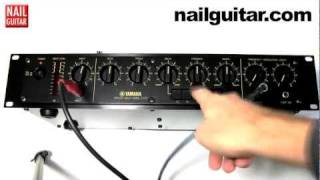
Yamaha E1010 Delay Unit - Guitar Rack FX
Nail Guitar Skills
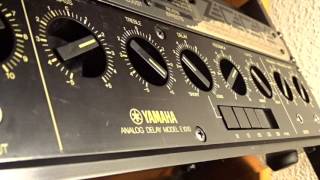
yamaha e1010 analog delay circa 1980

Ticco Ross
ARP odyssey MK II 2810 + Yamaha E1010

thainmlh
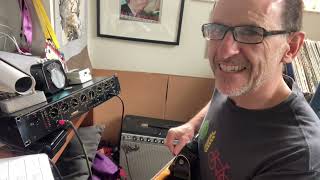
Demo the epic Yamaha E1010 Vintage BBD Analog Delay

Capital University Music Technology
Reviews
Owner Insights
We analyzed real musician discussions from forums and Reddit to find what players love, question, and tweak about Yamaha E1010.
Comparisons
-
Both Yamaha E1010 and Ibanez AD-202 are respected BBD rack units, with the Ibanez offering stereo capabilities and a chorus effect that users appreciate.
Source
Features and functionality
-
The Ibanez AD-202's various modes are highly praised, with users noting the effectiveness of each mode in different musical applications.
Source
4.0 out of 5
Based on 0 Reviews and 3 Ratings
Artist usage
Add artist

In this photo of Stu's outboard gear, a Yamaha E1010 Analog Delay can be seen. This comes from an AudioTechnology showcase on King Gizzard and The Lizard Wizard (http://www.audiotechnology.com.au/wp/index.php/king-gizzards-lo-fi-gut-feeling/).


Sakamoto/Yellow Magic Orchestra relies on this analog delay in the late 70s to early 80s.


" Used by: Randy Rhoads with Ozzy Osbourne. "

In this article, you can see that the Yamaha is part of his rack set up.

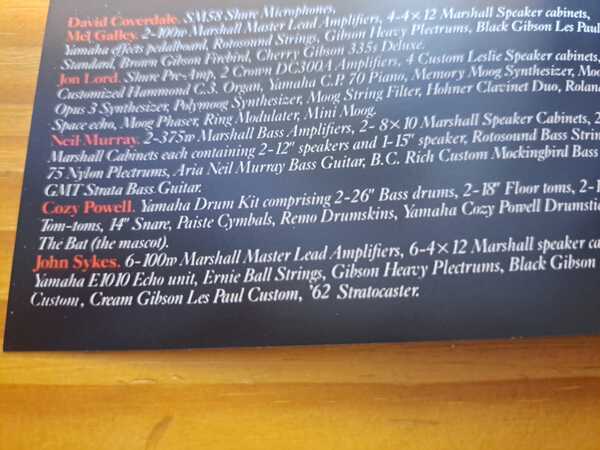
The use of the Yamaha E1010 by John Sykes is confirmed in the Whitesnake "Slide it In" Ultimate Special Edition booklet.


Issei Noro is listed as using a Yamaha E1010 in the effects section of his gear history in ozzyoon's blog.


In the Equipment & Stage Plan it lists the Yamaha E1010 as the delay JJ would use.


In a reel posted on Instagram by whitedenimmusic, James Petralli is seen in his studio with multiple racks of equipment in the background. The Yamaha E1010 is visible in the upper right rack, positioned just above a power unit.


Mentioned in this March 1984 Musician interview, and this January 1985 International Musician & Recording World interview.
Musician, March 1984, "Who The Hell Is Carlos Alomar?" by J.D. Considine, pg. 90
Carlos Alomar's criterion for his stage sound with David Bowie is fairly simple: "When I strum my guitar," he says, "I want to hear it come out of the amplifier just like on the record." To get that clean, well-manicured sound, he uses an Alembic stereo guitar, outfitted with Dean Markley strings (usually .009s), run through two Roland Stereo Chorus amps, with two Ibanez UE-300 effect units, a pair of Yamaha E-1010 delays, and twin Electro-Harmonix 203 guitar synthesizers. He also uses a Stratocaster, a couple of Yamaha guitars, and a prototype Steinberger guitar which he describes as "great, it's really great."
International Musician & Recording World, January 1985, "The Boy Keeps Swinging: David Bowie" by Philip Bashe
Carlos Alomar used an array of guitars: Alembic stereo electric, Steinberger prototype, acoustic, Spanish and 12-string. Amplification consisted of two Roland JC-120s and for effects, he employed two Yamaha E-1010 digital delays, Ibanez UE-400 and UE-405 multi-effects units, and two Electro Harmonix 230 guitar synthesizers. In this era of guitars that sound like every instrument but, Alomar opted for a fairly traditional and lightly textured sound.
"I didn't want too much of a synthesized sound," he explains. "I wanted to keep it balanced because of the horns on the album. And I didn't use the real heavy-duty power, because David's always screaming, 'No Heavy Metal!'"
Alomar played virtually all of the guitars on Tonight and details his unorthodox method of devising parts.
"I'll start off with the Alembic guitar and play one very complicated part, and from that I'll break it down into three parts and then play them all separately. This way you have your stereo placement: one guitar on the right, the other guitar answering on the left, and one guitar playing everything in the middle of the mix. It keeps the sound very interesting."

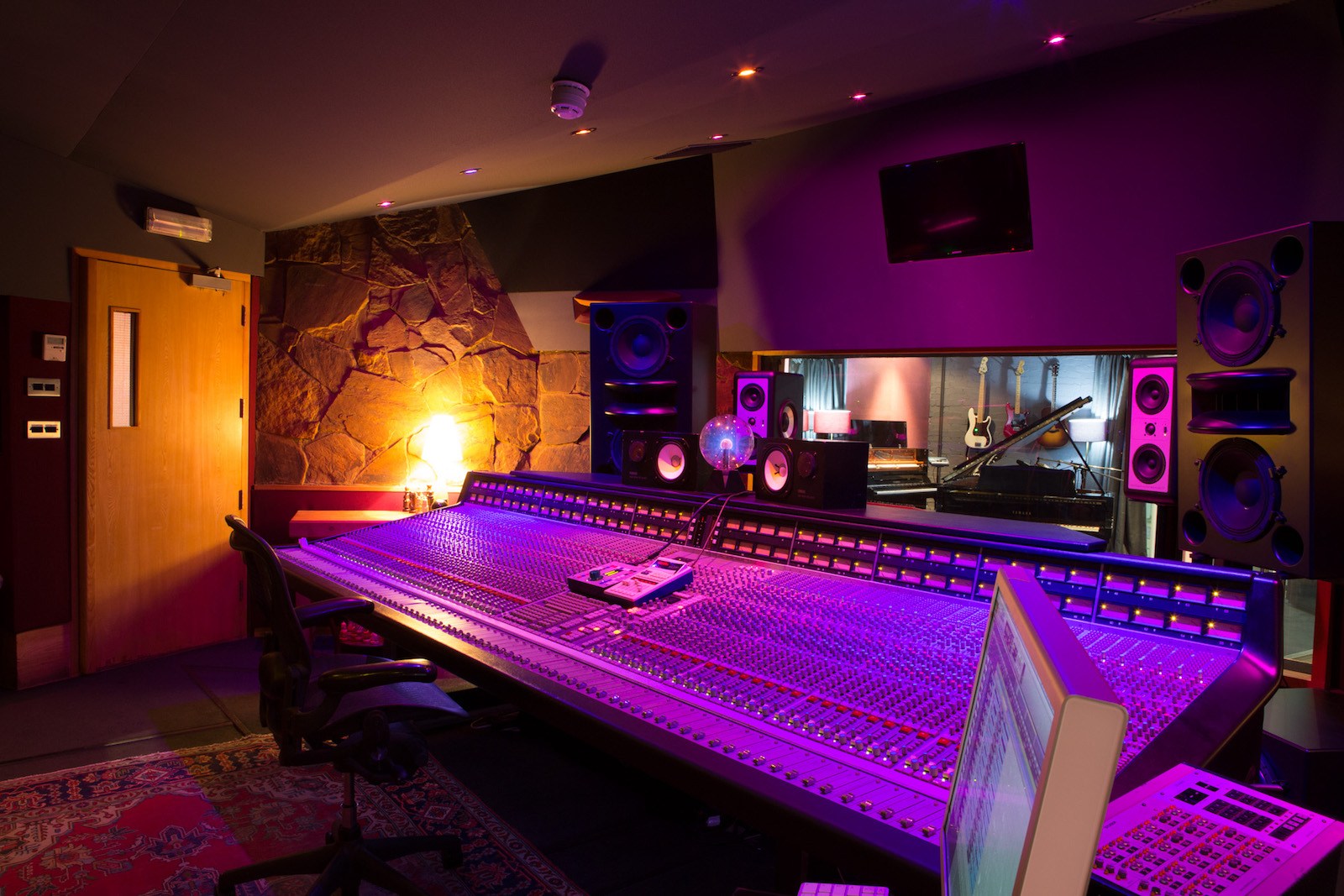
According to the "equipment list" found on Church Studios, owned by Epworth, one of the things listed is Yamaha E1010.

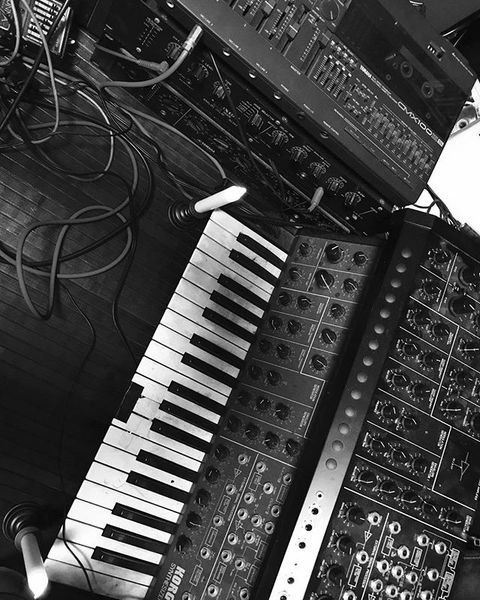
A Yamaha Analog Delay Model E 1010 can be seen in this gear photo posted to Maso Yamazaki’s Instagram


"I've recently made two fantastic discoveries - the AMS Digital Delay/Reverb, which is made in Burnley somewhere, and Roland's Dimension D, which both help to keep the keyboard sounds clear and separate. Almost anything you do with them sounds great. Also I use the Roland Chorus Echo and the Yamaha 1010 signal processor live."
Album Usage
The Yamaha E1010 has been featured on the following albums:
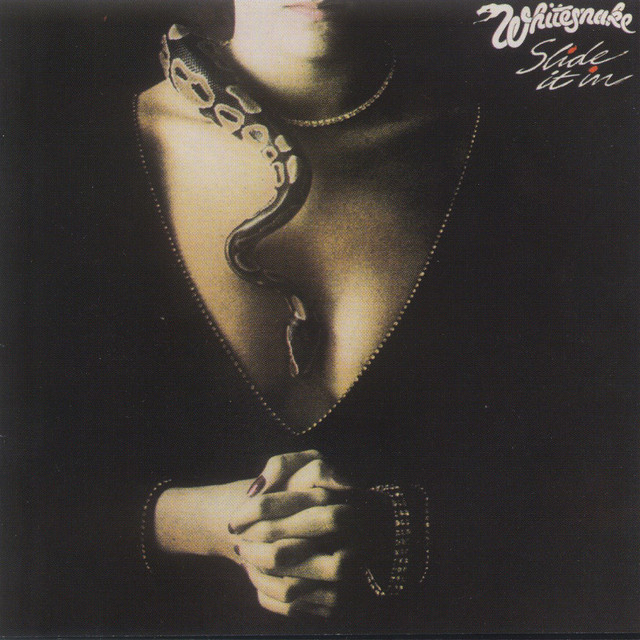
Genre Usage
Based on how artists on Equipboard use this gear, it is most commonly found in the following genres.
Used With
Based on how musicians on Equipboard use Yamaha E1010, it is most commonly used with the following gear.


-s.webp?v=1784331624)


More Yamaha Effects Processors


-m.webp?v=1784333891)


-m.webp?v=1784335400)


.jpg?v=1784030063)


Community setups


Similar


Most Popular Effects Processors
Most Popular Brands
-
Added to Equipboard on by
 auxthamasterfader
GearIQ 63
-


