


Pricing and availability
We compare 600+ stores and found this item at 1 store. Prices updated .
Store
Reviews
Price




* Product prices and availability are updated by Equipboard every 24hrs and are subject to change. Equipboard may receive compensation for purchases made at participating retailers linked on this site. This compensation does not affect what products or prices are displayed, or the order of prices listed. For more information, please refer to our affiliate disclosure.
Description
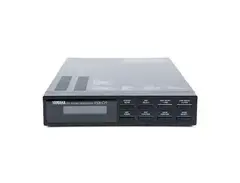
Produced in 1987. Despite its name, the TX802 FM Tone Generator is basically a rack-module version of the DX7mkII with full 8-part multi-timbral operation for sequencing and/or key mapping. It has 16-voices of polyphony and six digital FM Operators, the same as in the DX7mkII. There are 128 preset and 64 user patches for your sounds, as well as an external memory cartridge slot.
Product specs
| Brand | Yamaha |
| Model | TX802 FM Tone Generator |
| Finish | Black |
| Year | 1986 |
| Made In | Japan |
| Categories | Digital Synthesizers, Rackmount Synths |
| Analog / Digital | Digital |
| MIDI I/O | MIDI Input, MIDI Output, MIDI Through |
| Polyphony | 16 Voices |
FAQs
-
What type of synthesis does the Yamaha TX802 use?
-
The Yamaha TX802 uses FM synthesis, which is known for its complex, digital sound textures and was popularized by the iconic Yamaha DX7.
-
How many voices of polyphony does the Yamaha TX802 offer?
-
The Yamaha TX802 provides 16 voices of polyphony, allowing for rich, layered sounds and complex performances.
-
Is the Yamaha TX802 compatible with modern MIDI setups?
-
Yes, the Yamaha TX802 features MIDI Input, Output, and Through connections, making it compatible with modern MIDI setups for seamless integration into your studio.
-
Can the Yamaha TX802 be used for live performances?
-
The Yamaha TX802 is a rackmount synth, making it ideal for studio use, but it can also be integrated into a live performance setup with proper MIDI control.
-
What are some key sound characteristics of the Yamaha TX802?
-
The Yamaha TX802 is known for its bright, digital sounds typical of FM synthesis, capable of producing everything from bell-like tones to complex, evolving textures.
Videos

SynthMania
Yamaha TX802 - A few performance patches
Yamaha TX802 - A few performance patches
SynthMania

Yamaha TX802 | The pinnacle of what the DX line became in the 80s.

Espen Kraft
YAMAHA TX802 PERFORMANCE sound

もりや @ no talking synth demos.
Yamaha TX802 - Exploring the Presets - Midiverse - TV

Midiverse - TV
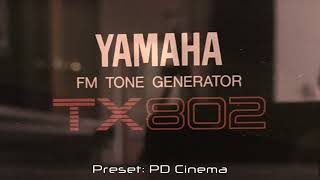
Yamaha TX802 "Flashback" Soundset 128 Sounds

LFOstore
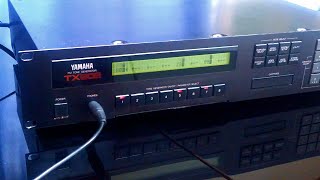
Yamaha TX802: Under the Radar Review

Off The Matrix
Reviews
PROS
-
Immense sound design potential
-
Highly versatile and multi-timbral for hardware sequencing
-
Better DACs and more polyphony than the DX7
-
Full, warm, rich, and soulful sound character
-
Key release/rebound effect unique to FM synthesis
-
Compact size fits easily in setups
-
Large library of free patches available
-
Can produce sharp attacks for expressive horns and strings
-
Classic DX7 sound in a rack version
CONS
-
Programming interface challenging without external software
-
Limited by understanding of FM synthesis
-
Lacks onboard storage and volume knob
-
Overexposed DX sound may not appeal to all
Owner Insights
We analyzed real musician discussions from forums and Reddit to find what players love, question, and tweak about Yamaha TX802.
Features and functionality
-
The TX802 offers 16-note polyphony and eight-part multitimbrality, making it more versatile than the Volca FM's three-note polyphony.
Source -
The TX802 allows for microtuning and assigning control change messages, a feature not available in the Volca FM.
Source -
The TX802 can be used like eight monosynths due to its eight outputs, offering a unique flexibility not typically found in single-unit setups.
Source
User experience
-
Owners of the TX802 report minimal noise, which is often masked in live settings, suggesting reliability for performance use.
Source -
Owners note the TX802 can replicate distinctive tones from bands like Oingo Boingo, offering a unique sound profile hard to mimic with other synths.
Source -
Owners report the TX802 sounds much better and more versatile than the original DX7, particularly appreciating its ability to layer and split patches.
Source
Mods and upgrades
-
Consider replacing audio op amps in the TX802 for improved sound quality, a common tweak discussed for maintaining vintage units.
Source
Comparisons
-
The TX802 provides eight separate outputs, enhancing its flexibility compared to the Volca FM's limited outputs.
Source -
The Korg Volca FM reportedly sounds tinny compared to the fuller, richer tones of the TX802 and other Yamaha DX models.
Source -
Compared to the DX7, the TX802's programming interface is considered more user-friendly, featuring a backlit display and logical layout for easier navigation.
Source -
The TX802's 16-bit DAC offers a cleaner, quieter sound than the DX7's 12-bit DAC, which some owners prefer for its grit and character.
Source -
The TX7 is noted for having the same "gritty" 12-bit DAC sound as the original DX7, making it a closer match for those seeking that specific tone.
Source
Use cases and applications
-
When layering and detuning patches in Performance mode, the TX802 produces exceptionally rich and dynamic sounds, enhancing its use for complex musical compositions.
Source
Software and compatibility
-
DEXED software is highly recommended as an editor for the TX802, with verified 100% sysex compatibility, simplifying programming and sound design.
Source -
Some users recommend using a tape saturation plugin or space echo to blend the TX802's cleaner sound with the original DX7's character in a mix.
Source
4.0 out of 5
Based on 6 Reviews and 21 Ratings

Great for multi-timbral layering
I use a great deal of horn, organ, and string samples. But they lack the sharp attack and expressiveness you wish for. Especially strings, they usually have a soft attack and sound mushy. Horns also can have a weak attack when you want a real percussive stab. Enter the digitally sharp attacks to strings and horns using my TX802. The combination of real instrument samples and digital padding creates a nice full sound that covers the frequency spectrum. My digital horns have velocity sensitivity to control how bright they sound, making them more expressive. I also have a multi-timbral organ combination that combines the full body B3 samples with a bright and punchy digital organ.

236
Great
It a DX 7 Mark II so you know it will sound great (better hardware and DAC resolution than original). Too bad it didn't have more storage and a volume knob! Still, classic sounds at the push of a button. I program it with software (Dexed - https://asb2m10.github.io/dexed/) and it is still a pain; however, there are soooo many free patches available you can find something to get you going.

257
Classy sounding FM
Nice rack, but i bought it in the mid 90's and the DX sound was still suffering from over exposure so i quickly moved it on, i think would like this now 20 years has passed, it has big wide clean sound from what i can remember of it.

41029
all of the FM stuff is best enjoyed with software editors via MIDI to create unique patches... otherwise its all just overplayed presets like the electric piano and 'lately bass'


124
41029
you can get an editor/librarian app for your computer and program her over MIDI... the learning curve is still pretty steep but with a graphical interface you can learn FM w/o an advanced degree if you dedicate some serious time to it... the DX and TX synths are capable of so much more than is evidenced by the presets and popular expansion libraries

424
Beautiful FM Synth
A DX7 II rack version. Very beautiful sounds and very rare to find. Stereo and rich FM mix.
Artist usage
Add artist

One of the synths used live for Xenocircuit side project


BOTH CLIMIE AND Fisher have their own separate home set-ups. These have Fostex B16's, A&H mixing desks and recently acquired D50's in common, but very little else. Climie works mainly with the Sequential Studio 440 linked to a Macintosh run Performer sequencing program, while Fisher prefers the Atari based Steinberg Pro24 driving a combination of DX7, TX802, Akai S900 and LinnDrum. Between them they also have a full complement of effects including the Roland SRV2000 ("thoroughly recommended") and the Yamaha REX50.


Used whilst on tour with Cutting Crew in 1990.

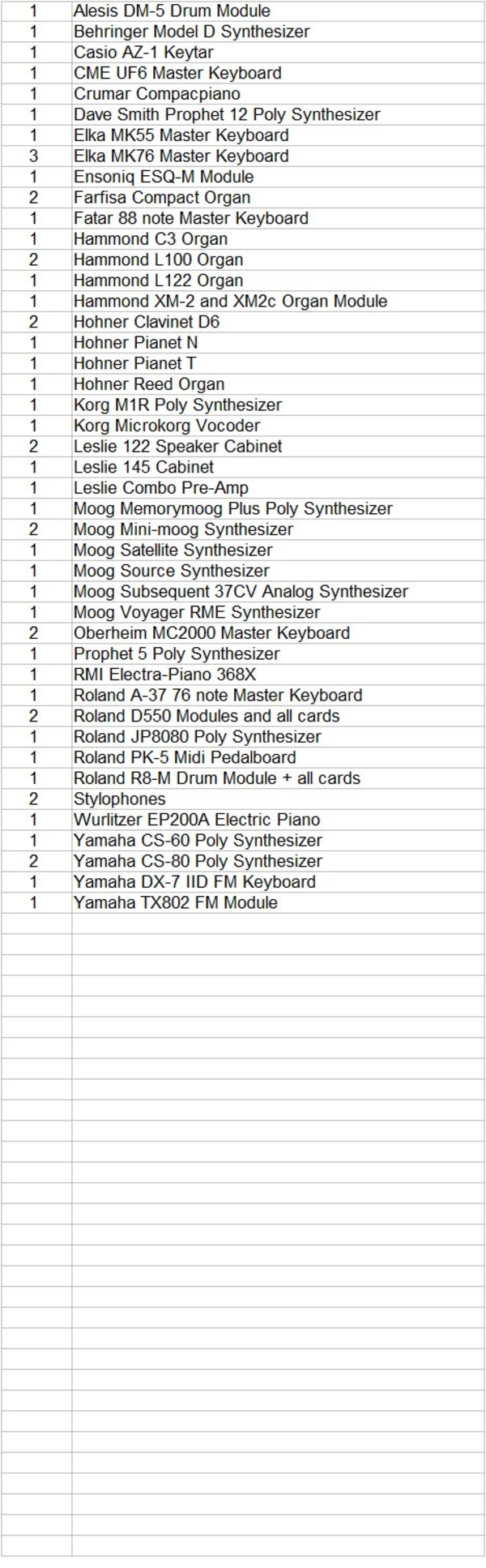
Didge Digital is confirmed to use the Yamaha TX802 sound module. This information is supported by a Facebook post where Didge lists the musical gear they have owned from 1970 to the present.


Album Usage
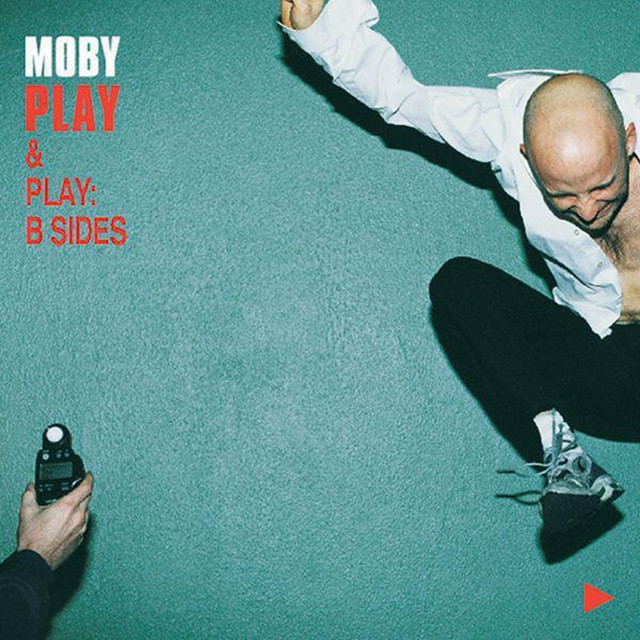
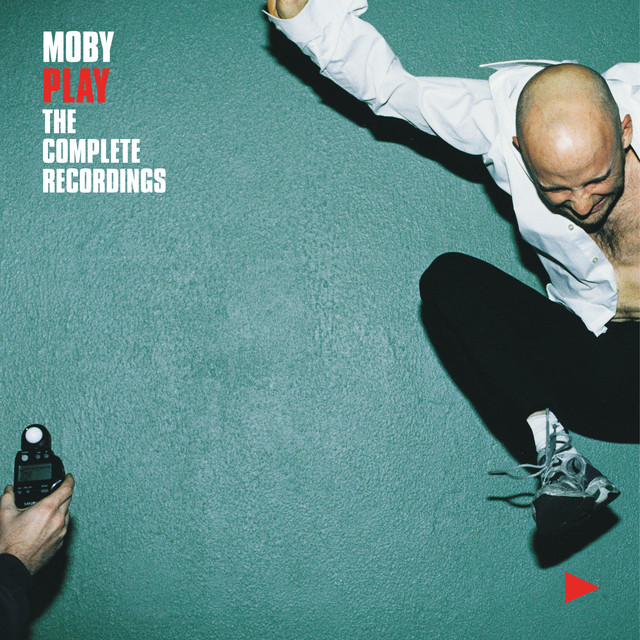
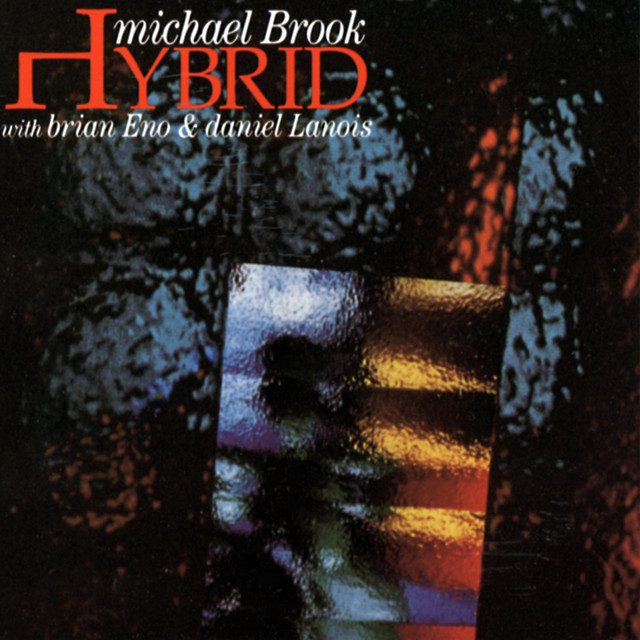
The Yamaha TX802 has been featured on the following albums:

Genre Usage
Based on how artists on Equipboard use this gear, it is most commonly found in the following genres.
Used With
Based on how musicians on Equipboard use Yamaha TX802, it is most commonly used with the following gear.


Community setups
Show yours


Similar
Add recommendation1 alternative for Yamaha TX802, curated by the Equipboard community.

More Yamaha Sound Modules

$194.73
in Sound Modules Rank


$65.55
in Sound Modules Rank


$2,099.00
in Sound Modules Rank


$400.00 - $1,299.99
in Sound Modules Rank


$629.10
in Sound Modules Rank


$600.00
in Sound Modules Rank


$154.76
in Sound Modules Rank


$629.10
in Sound Modules Rank




-m.webp?v=1783238222)
$350.00
in Sound Modules Rank


$1,250.00 - $1,999.99
in Sound Modules Rank


$1,350.00
in Sound Modules Rank


$906.26
in Sound Modules Rank


$298.54
in Sound Modules Rank


$2,299.00 - $2,333.00
in Sound Modules Rank


$550.00
in Sound Modules Rank


$119.00
in Sound Modules Rank


$261.00
in Sound Modules Rank


.jpg?v=1783200117)

$500.00
in Sound Modules Rank


$3,900.00
in Sound Modules Rank

$4,999.99
in Sound Modules Rank


$495.00
in Sound Modules Rank

Accessories & Related Items


Most Popular Sound Modules
Most Popular Brands
-
Added to Equipboard on by
federicovaonaGear IQ 424
-


