Table of Contents

Equipboard
Equipboard is the world's largest community of artists and their gear. Read our review process.
We are reader-supported. When you buy through links on our site, we may earn an affiliate commission. Learn more.
Our Picks

Best for Indie and Shoegaze: The quintessential offset that started it all, the Jazzmaster delivers lush, warm tones with incredible dynamic range that can handle everything from gentle cleans to wall-of-sound distortion.
Read more


Best for Alt-Rock and Post-Punk: Offering snappy articulation and a tighter response than its larger sibling, the Jaguar delivers a brighter, more focused sound in a slightly smaller package with distinctive switching options.
Read more


Best Alternative to Jazzmaster: Combining traditional offset aesthetics with modern refinements, the Doheny delivers familiar tones with improved playability and reliability that appeal to both vintage enthusiasts and contemporary players.
Read more
Best for Garage Rock and Blues: Delivering the best elements of vintage design with modern reliability, the Jetstream 390 combines three P90 pickups with innovative controls for an incredibly versatile instrument that excels across multiple genres.
Read more
Best Modern Offset: Pushing offset design into the future, the Meteora HH combines aggressive humbucking power with a bold, angular body shape that delivers modern performance while maintaining the offset family's ergonomic advantages.
Read more
Best for Rock and Retro Styles: Combining German precision engineering with vintage-inspired aesthetics, the Caribou delivers rich, harmonically complex tones with exceptional build quality and distinctive visual flair that stands out in any setting.
Read more
Best Premium Option: Handcrafted with meticulous attention to detail, the JM6-HB Standard delivers the ultimate expression of offset design with premium tonewoods, custom pickups, and a playing experience that justifies its boutique status.
Read more

Honorable Mention: Blurring the line between traditional and offset designs, the S2 Vela offers PRS quality and versatility with just enough offset character to appeal to players seeking something different without straying too far from familiar territory.
Read moreThe moment you pick up an offset guitar, you're holding a rebel. These aren't just instruments; they're statements. With their asymmetrical bodies and unconventional curves, offset guitars have transformed from outsiders to icons, becoming the weapon of choice for musicians who refuse to follow the crowd.
When Fender unleashed the Jazzmaster in 1958, they couldn't have imagined how this "jazz" guitar would eventually become the cornerstone of alternative rock, shoegaze, and indie music. The story of offset guitars is the ultimate musical redemption arc: rejected by their intended audience, only to be embraced decades later by sonic revolutionaries who would use them to create entire new genres.
What draws players to these instruments isn't just their striking visual appeal but their incredible sonic versatility. From the searing noise assaults of Sonic Youth to Kurt Cobain's distortion-drenched anthems to the ethereal soundscapes of My Bloody Valentine, offset guitars have proven themselves capable of extraordinary tonal range. Every knob twist and pickup selection unlocks new sonic territories waiting to be explored.
Today's guitar landscape is experiencing an offset renaissance. Players tired of blending in with traditional Stratocasters and Les Pauls are discovering these instruments offer both visual distinction and genuine sonic personality.
What Makes a Guitar "Offset"?
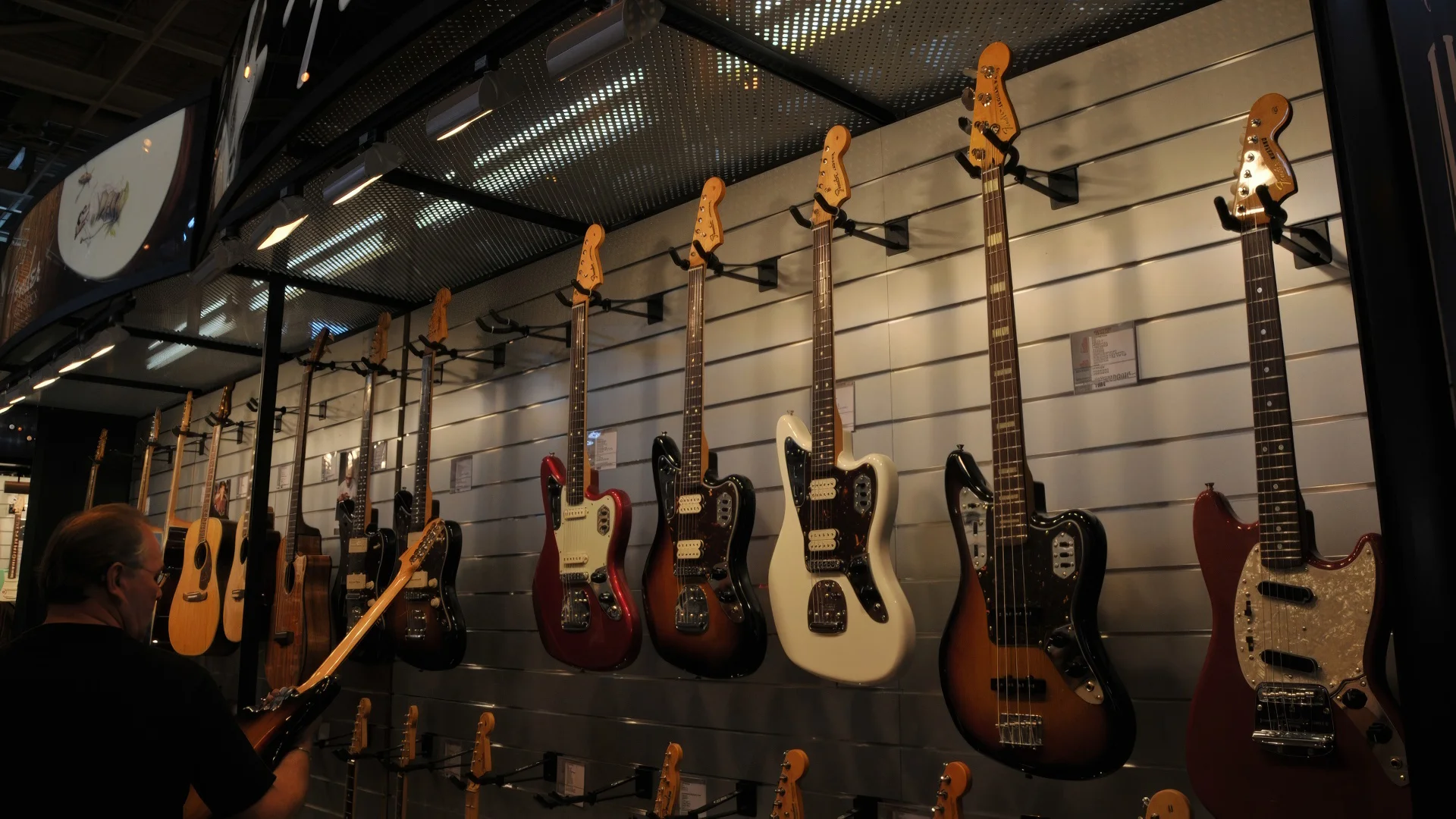
Let’s understand what actually constitutes an offset guitar. The term refers to the asymmetrical waistline of the instrument, where the lower bout is shifted or "offset" from the upper bout. This creates an uneven waistline when viewed from the front.
This makes for more comfortable extended playing sessions, especially for guitarists who prefer to rest the instrument on their right leg (for right-handed players).
Beyond comfort, offset guitars typically feature distinctive hardware components that contribute to their unique tonal characteristics:
Unique Hardware Elements
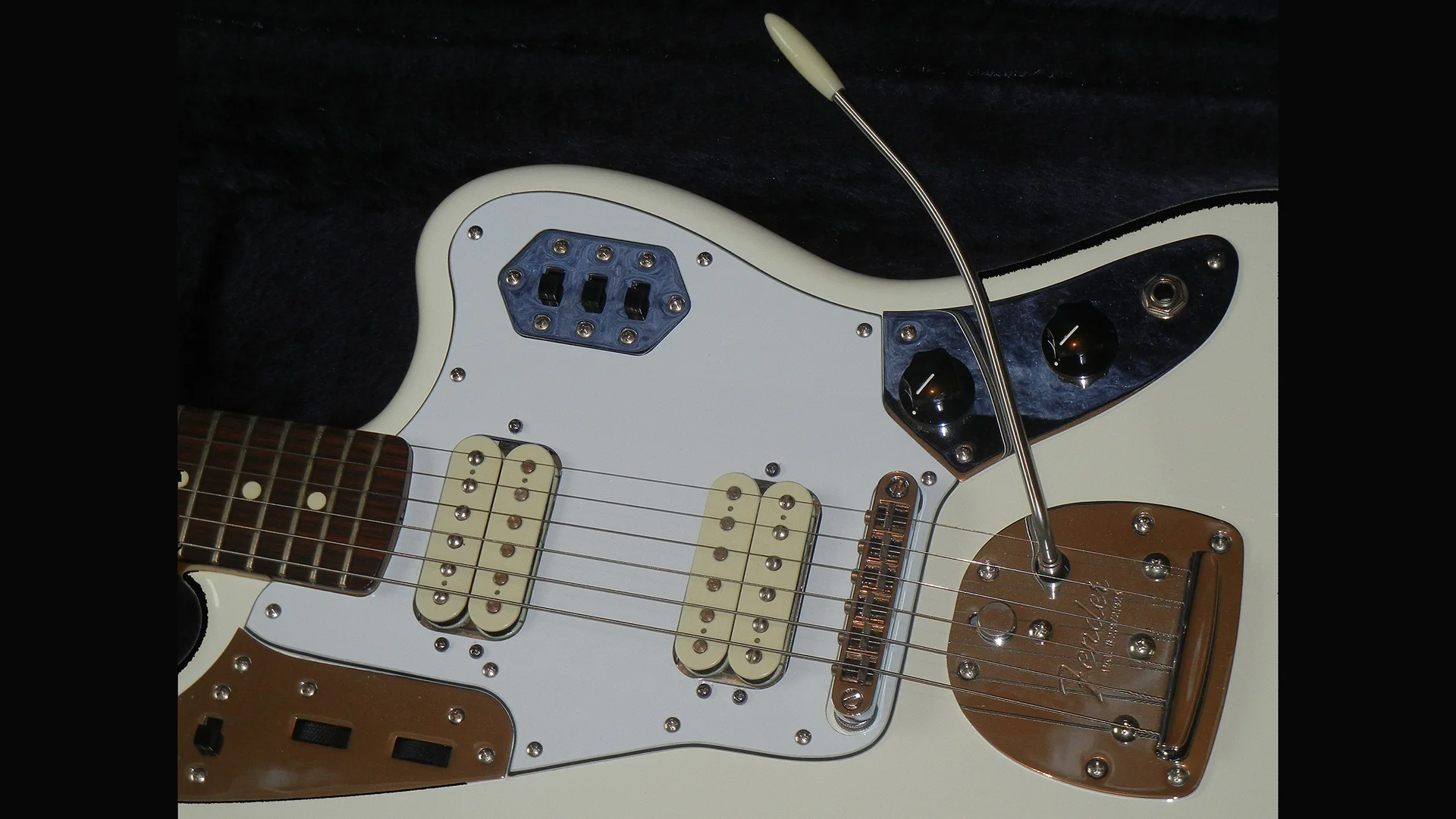
Offset guitars often incorporate specialized vibrato systems unlike those found on Stratocasters. The Jazzmaster and Jaguar, for instance, use a floating bridge and tremolo system with a separate tailpiece. This setup produces a distinctive feel and subtly different sustain characteristics.
The pickup configurations in offset models tend to favor variety and versatility. From wide single-coils to P90s and humbuckers, these guitars embrace sonic diversity, often incorporating unique switching options that expand their tonal palette beyond what's possible with more conventional designs.
Cultural Impact
The cultural significance of offset guitars extends far beyond their technical specifications. They've become symbols of alternative music, embraced by artists looking to distinguish themselves from mainstream rock aesthetics. Their visual distinctiveness makes a statement before a single note is played.
The offset silhouette has transcended its origins to become synonymous with independent thinking and musical creativity.
Best Offset Guitars
Now let's explore some of the finest offset guitars available today, from classic models that defined the category to modern interpretations that push the boundaries of what these instruments can do.
Fender Jazzmaster
5.0 (176)
The Original Alternative






Average Price: $1,217
High-end/Boutique
$400
$1001+
Budget
Standard
High-end
- Versatile sound, from clean tones to dirty, controlled distortion
- Lightweight and comfortable body, ideal for long playing sessions
- Easy-to-reach, stripped-back controls enhance playability
- Yosemite pickups provide a warm and rich tone, suitable for various genres
- See 6 more
- Bridge design can cause discomfort due to sharp saddle screws
- Paint and finish quality inconsistencies noted by some users
- Quality of rosewood fingerboard questioned by a few reviewers
- Some find the jumbo fretwire less comfortable for slides
- See 3 more
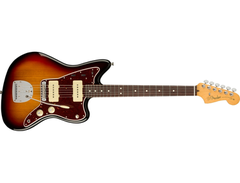
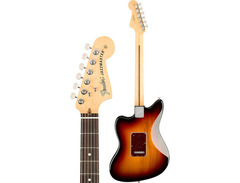
The Fender Jazzmaster represents the genesis of offset design, but its legacy extends far beyond its innovative body shape. When it debuted in 1958, Fender positioned it as their top-of-the-line model, aimed at jazz musicians. Ironically, while it failed to capture its intended audience, it found unexpected success decades later in alternative music circles.
Distinctive Tonal Character
What separates the Jazzmaster from other Fender offerings is its unique pickup design. The wide, flat single-coil pickups deliver a sound that's warmer and more mellow than a Stratocaster but with greater clarity than a Gibson. The result is a remarkably versatile tone palette that can deliver everything from pristine cleans to thick, sustaining leads when pushed through the right amplifier.
The Jazzmaster's standard configuration includes a rhythm circuit, activated by a switch on the upper bout. This secondary circuit, with dedicated volume and tone controls, provides instant access to a darker, mellower sound that's perfect for accompaniment or atmospheric playing. This feature alone makes the Jazzmaster incredibly versatile, essentially offering two guitars in one.
Playability and Feel
The Jazzmaster typically features a more substantial neck profile compared to other Fender models, with a comfortable 25.5" scale length that provides excellent tension and articulation. The offset body truly shines when playing seated, with contours that make extended practice sessions comfortable.
The floating tremolo system deserves special mention for its smooth, expressive character. Unlike the dive-bombing capabilities of a Floyd Rose or the subtle warble of a Stratocaster trem, the Jazzmaster's vibrato allows for gentle pitch modulation that works beautifully for creating atmosphere and texture.
Notable Features
Modern Jazzmasters have addressed some of the original model's quirks while preserving its essential character. Improved bridge designs offer better stability, and many current models feature upgraded electronics that reduce noise while preserving the signature sound.
For players captivated by shoegaze or indie rock tones, the Jazzmaster's ability to go from dreamy cleans to saturated walls of sound makes it an ideal canvas. Its sonic character particularly excels with reverb and modulation effects, creating spacious textures that have defined multiple genres.
See how artists use this



Fender Jaguar
4.5 (188)
The Compact Powerhouse

Average Price: $1,302
High-end/Boutique
$400
$1001+
Budget
Standard
High-end
- Simplified switching improves usability over traditional Jaguar models
- V Mod pickups offer enhanced sound quality compared to classic Jaguar pickups
- Great mid-range tone, suitable for rock and versatile genres
- Improved bridge design minimizes string slippage issues
- See 6 more
- Non-original specs may disappoint purists seeking traditional Jaguar features
- Intonation adjustment limitations due to lack of individual string control
- Tremolo system has ergonomic and consistency issues
- Some quality control concerns, like factory dents under the clear coat
- See 1 more
The Fender Jaguar may have arrived four years after the Jazzmaster, but it quickly established its own identity. Introduced in 1962 as Fender's new top-of-the-line model, the Jaguar combined offset ergonomics with several innovative features that set it apart from not just the Jazzmaster, but every other guitar on the market.
Compact Design, Distinctive Sound
The Jaguar's most immediately noticeable physical difference is its shorter 24" scale length, compared to the Jazzmaster's 25.5". This shorter scale creates a slightly looser string tension that's remarkably comfortable for complex chord voicings and lead playing. The reduced scale also contributes to the Jaguar's distinctive tonal character, with a bit more warmth in the midrange despite its reputation for bright, cutting treble response.
While it shares a similar offset body shape with the Jazzmaster, the Jaguar is slightly more compact, making it particularly appealing for players with smaller frames. The body contouring remains excellent for comfort, whether playing standing or seated.
Innovative Electronics
The Jaguar's electronics package is where it truly distinguishes itself. The dual circuit system offers even more switching options than the Jazzmaster, with dedicated tone controls and a series of switches for on-the-fly tone shaping. The chrome control plates housing these switches add to the Jaguar's futuristic aesthetic while providing tremendous tonal flexibility.
The pickups, while visually similar to Jazzmaster pickups, are actually more compact and focused, delivering a brighter, more aggressive sound. Combined with the shorter scale length, these pickups help give the Jaguar its distinctive jangle and bite that cuts through even the densest mix.
Cultural Impact
While initially overlooked like the Jazzmaster, the Jaguar found its audience during the punk and alternative movements of the late 1970s and 1980s. Players like Johnny Marr of The Smiths and Kurt Cobain of Nirvana brought the model significant attention, appreciating both its ergonomics and its unique sonic character.
The Jaguar's versatility extends across multiple genres, from surf rock to punk to alternative. Its ability to deliver both pristine cleans and aggressive, cutting tones when overdriven makes it particularly well-suited to music that requires dynamic range and tonal versatility.
See how artists use this



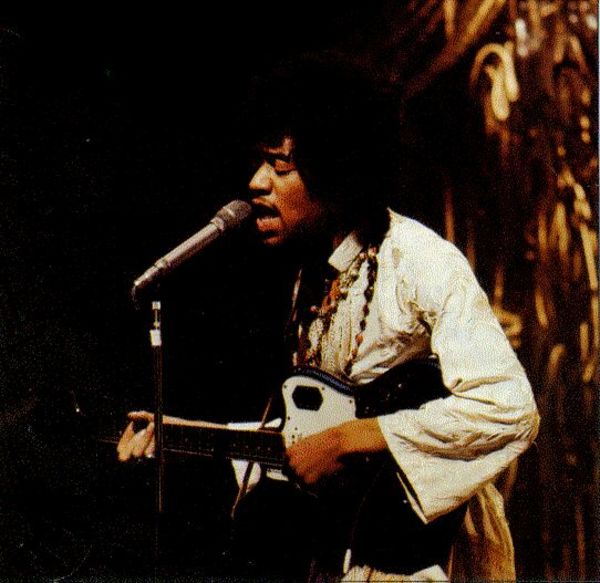


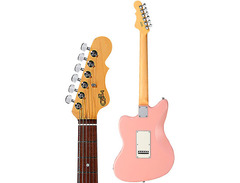
G&L Doheny
5.0 (4)
The Modern Classic

Average Price: $1,419
High-end/Boutique
$400
$1001+
Budget
Standard
High-end
- Wide range of usable tones with PTB control circuit
- Tremolo stability surpasses Jazzmaster and some Strat systems
- Excellent pickup tones, especially with MFD design
- Comfortable neck with a smooth, slightly chunky feel
- See 6 more
- Initial fretwork and neck texture issues may require maintenance
- Gig bag lacks sufficient cushioning and reinforcement
- Ground wire and plug issues reported
- Neck bow and tuning stability problems in some units
- See 2 more
The G&L Doheny represents Leo Fender's evolved thinking on offset design. As one of the last guitar models Leo worked on before his passing, the Doheny carries forward his legacy while addressing some of the practical challenges that plagued earlier offset designs.
Leo's Final Refinement
Named after a famous Southern California surf beach, the Doheny pays clear homage to the offset legacy while incorporating G&L's modern innovations. The body shape clearly recalls the Jazzmaster's iconic silhouette, but with subtle refinements to contours and weight distribution that enhance both comfort and resonance.
What makes the Doheny special is how it honors tradition while embracing progress. The familiar offset waist and comfortable contours remain, but G&L has incorporated their own innovations to create something that feels both familiar and fresh.
Modern Hardware Solutions
One area where the Doheny particularly shines is in its hardware. G&L's Dual-Fulcrum vibrato system offers improved stability over vintage units while maintaining the smooth, expressive feel that offset players cherish. The bridge design eliminates many of the tuning stability issues that plagued early offset models, without sacrificing the characteristic sound.
The MFD (Magnetic Field Design) pickups represent another significant upgrade, delivering the familiar wide single-coil sound but with increased output and improved noise rejection. These pickups maintain the articulation and clarity of traditional single-coils while offering a slightly more robust midrange that works beautifully with both clean and overdriven sounds.
Tonal Versatility
The Doheny's control set typically includes master volume, tone, and a three-way pickup selector, streamlined compared to vintage offsets but highly effective. Many models also incorporate G&L's PTB (Passive Treble and Bass) system, which provides exceptional tonal flexibility through passive bass and treble controls.
For players who appreciate the look and general feel of offset classics but desire more consistent performance and modern amenities, the Doheny strikes an ideal balance between heritage and innovation. It captures the essence of what makes offset guitars special while solving many of the practical challenges that kept some players away from the originals.
See how artists use this




.jpg)




Reverend Jetstream 390
5.0 (9)
The Tonal Chameleon

Average Price: $1,073
High-end/Boutique
$400
$1001+
Budget
Standard
High-end
- Versatile 3 P90 pickups deliver diverse, rich tones
- Bass contour feature enhances tonal flexibility
- Wilkinson tremolo system stays perfectly in tune
- Impeccable fit and finish, with a stunning gold-top-burst design
- See 5 more
- Requires initial setup adjustments when changing string gauges
- Some might find the accompanying case slightly overpriced
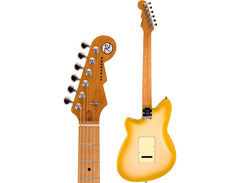
The Reverend Jetstream 390 demonstrates how the offset concept can evolve beyond its Fender roots. This distinctive instrument combines classic offset ergonomics with modern features and unique tonal options that set it apart from both vintage and contemporary offerings.
Innovative Design Philosophy
Reverend has built its reputation on combining vintage inspiration with forward-thinking features, and the Jetstream 390 exemplifies this approach. The offset body maintains the comfortable ergonomics players expect, but with a slightly more streamlined, modern contour. The roasted maple neck provides exceptional stability and a smooth, fast feel that works for everything from complex chord work to rapid-fire leads.
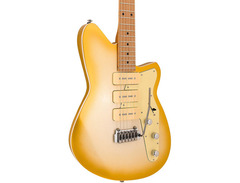
What truly distinguishes this guitar is the triple P90 pickup configuration. These pickups deliver the punchy midrange and aggressive attack P90s are known for, but with Reverend's own refinements for improved clarity and reduced noise.
Versatile Electronics
The Jetstream 390's electronics package centers around its three Reverend CP90 pickups, configured in a traditional Stratocaster-like arrangement. This provides classic five-way switching options, but with the distinctive P90 voice instead of traditional single-coils.
The addition of Reverend's signature Bass Contour control is a game-changer for tonal flexibility. This passive control allows players to roll off bass frequencies, effectively transforming the thick, full sound of the P90s into something closer to a traditional single-coil when desired. This single control dramatically expands the guitar's versatility, making it suitable for everything from jazz to punk.
Construction and Playability
Reverend's attention to detail extends to the Jetstream's construction. The korina wood body provides excellent resonance with balanced weight, while medium jumbo frets on a comfortable neck profile facilitate easy playing. The Boneite nut and locking tuners ensure stable tuning, even with aggressive playing.
The pin-lock tuners and bass contour control are small but significant quality-of-life improvements that demonstrate Reverend's practical approach to instrument design. For players who appreciate the offset aesthetic but want something beyond the traditional Fender offerings, the Jetstream 390 offers a compelling alternative with its own distinctive voice.
See how artists use this


.jpeg?v=1783828864)






Fender Player Plus Meteora HH
5.0 (3)
The Forward-Thinking Design

Average Price: $900
Standard/Professional
$400
$1001+
Budget
Standard
High-end
- Unique offset design stands out visually
- Fireball pickups offer versatile, clear tones
- 12" radius neck with rolled edges feels smooth and comfortable
- Locking tuners and coil-split feature enhance playability
- See 6 more
- Inconsistent quality control, especially with finish and fretwork
- Overspray issues with vintage tint causing extra maintenance
- Large, cube neck joint criticized for lack of sculpting
- Placement of toggle switch and input jack considered awkward
- See 3 more
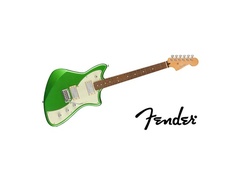
The Fender Player Plus Meteora HH represents Fender's boldest contemporary take on the offset concept. Rather than simply updating a classic design, the Meteora introduces a completely new offset body shape that looks toward the future while maintaining connections to Fender's design language.
Revolutionary Aesthetics
The Meteora's most striking feature is its angular body shape, which retains the offset waist but introduces sharper lines and more dramatic contours. This creates a bold visual statement that stands apart from both vintage and modern competitors. Despite its futuristic appearance, the Meteora maintains excellent ergonomics, with weight distribution and balance that feel natural both standing and seated.
The body shape may be the initial attention-grabber, but it's the overall design cohesion that makes the Meteora successful. From the distinctive headstock to the modern control layout, every element feels purposeful and integrated into a unified design vision.
Modern Performance Features
As the name suggests, the Meteora HH comes equipped with dual humbucking pickups, a departure from the single-coil configurations found on traditional offset models. These Player Plus Fireball humbuckers deliver a hotter, more aggressive tone that's well-suited to contemporary music styles, from modern rock to heavy alternative.
The push-pull tone controls add another dimension to the Meteora's versatility, allowing players to split the humbuckers for single-coil tones when desired. This feature effectively provides both humbucker and single-coil sounds in one instrument, expanding its tonal palette considerably.
Playability and Feel
The Meteora features a modern C-shaped neck with a 12" radius fingerboard, striking a balance between comfort for chording and ease for lead playing. The medium jumbo frets and smooth rolled fingerboard edges enhance playability, while the 2-point synchronized tremolo provides smooth vibrato action with good tuning stability.
For players looking for an offset that breaks free from vintage constraints and embraces contemporary performance needs, the Meteora represents an exciting option. It carries forward the innovative spirit that first inspired offset designs while creating something distinctly new for today's musicians.
See how artists use this
.jpg?v=1783879254)

.jpg?v=1783885803)




Duesenberg Caribou
5.0 (2)
The Retro Luxury Option

Average Price: $2,562
High-end/Boutique
$500
$1201+
Budget
Standard
High-end
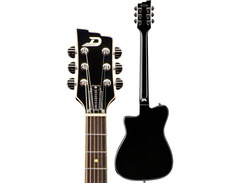
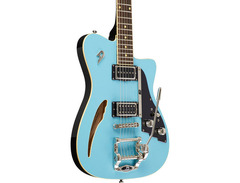
The Duesenberg Caribou represents a luxurious take on the offset concept, combining the comfort and playability of offset design with premium appointments and distinctive German engineering. This is an offset that doesn't try to emulate the classics but instead creates its own sophisticated identity.
European Craftsmanship
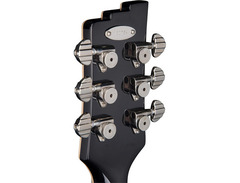
The Caribou immediately distinguishes itself through its exemplary build quality and attention to detail. The offset body shape incorporates subtle Art Deco influences alongside practical ergonomic considerations, creating a visually striking instrument that remains comfortable during extended play. The distinctive Duesenberg headstock and hardware accents further enhance its upscale aesthetic.
What makes the Caribou special is how it incorporates premium touches throughout without sacrificing playability. The result is an instrument that feels as good as it looks, with a solid, substantial quality that inspires confidence.
Distinctive Electronics
Duesenberg equips the Caribou with their Grand Vintage humbuckers, which deliver a rich, harmonically complex sound that spans from crystalline cleans to powerful overdriven tones. These pickups offer excellent clarity and definition, even with high-gain settings, making the guitar surprisingly versatile despite its vintage-leaning aesthetics.
The Duesenberg hardware package includes their own proprietary tremolo system, which provides a smooth, responsive feel with excellent tuning stability. This system strikes an ideal balance between expressive capability and practical reliability, addressing one of the common complaints about traditional offset tremolo designs.
Unique Character
The Caribou's 25.5" scale length provides familiar tension and articulation, while the C-shaped neck offers comfortable playability for a wide range of hand sizes and playing styles. The hardware and electronics exude quality, from the smooth-turning control knobs to the distinctive Duesenberg bridge.
For players seeking an offset guitar that makes a sophisticated statement while delivering premium performance, the Caribou offers European refinement and distinctive style. It's an instrument that respects offset tradition while confidently charting its own path through premium materials and meticulous craftsmanship.
See how artists use this









Fano JM6- Standard
5.0 (1)
The Boutique Beauty

- Impressive build quality with attention to detail
- Tasteful relic’ing adds vintage character without drawbacks
- Smooth tone balances highs, mids, and lows well
- Punchy and responsive sound, sits between single coil and humbucker
- See 5 more
- Comes with a subpar gig bag
The Fano JM6-HB Standard exemplifies the boutique approach to offset design, with hand-built quality and carefully considered details that elevate it beyond mass-produced instruments. For discerning players seeking the ultimate offset experience, the JM6-HB offers exceptional craftsmanship and tone.
Artisanal Build Quality
Each Fano guitar is built with extraordinary attention to detail, and the JM6-HB Standard is no exception. The offset body clearly draws inspiration from the Jazzmaster, but with subtle refinements to the contours and proportions that make it uniquely Fano. The aged finish options provide vintage authenticity without sacrificing the structural integrity of a new instrument.
What distinguishes a boutique instrument like the Fano is the level of hand craftsmanship involved in its creation. From carefully selected tonewoods to precision fretwork, every element receives individual attention that's simply not possible in mass production.
Premium Components
Fano equips the JM6-HB with premium pickups that vary by model, from traditional-style single-coils to P90s or humbuckers as specified by the HB designation. These carefully selected pickups are often wound to Fano's specifications, delivering tones that honor vintage inspirations while incorporating modern refinements for noise reduction and enhanced output when desired.
The hardware package typically includes a TonePros bridge and tailpiece arrangement, providing exceptional tuning stability and sustain without the quirks associated with vintage offset bridges. This modern approach to hardware maintains the essential character of an offset while eliminating many of the practical challenges.
Playing Experience
The JM6-HB features a comfortable medium C neck profile with a compound radius fingerboard, facilitating both chord work and lead playing. The meticulous fretwork and setup ensure that every note rings clear, with excellent intonation across the entire fingerboard.
For players who appreciate the offset aesthetic but demand the highest level of craftsmanship and tone, the Fano JM6-HB represents the pinnacle of boutique offset design. It's an investment-grade instrument that delivers inspiration through its exceptional playability and sound, with the added benefit of head-turning looks that stand out even among other high-end guitars.


PRS S2 Vela
5.0 (11)
The Crossover Contender

Average Price: $1,451
High-end/Boutique
$400
$1001+
Budget
Standard
High-end
- Lightweight design makes it easy to handle during long sessions
- Versatile sound covers a wide range of musical styles
- Unique bridge enhances brightness and attack
- High-quality finish that never feels sticky or rubbery
- See 5 more
- Stock bridge pickup lacks appeal for heavier music styles
- May require pickup customization for optimal performance
The PRS S2 Vela earns its place on this list by stretching the definition of "offset" in interesting ways. While not as dramatically asymmetrical as Fender's classics, the Vela incorporates enough offset elements in its design to create a comfortable, distinctive instrument that appeals to players seeking something between traditional and alternative.
Hybrid Design Philosophy
The Vela's body shape represents a thoughtful blend of offset and traditional influences. The lower bout shows clear offset inspiration, while the upper horn and overall proportions maintain connections to PRS's established design language. This creates a unique silhouette that stands apart from both vintage offsets and traditional double-cutaway guitars.
What makes the Vela interesting is how it incorporates just enough offset DNA to provide the ergonomic benefits and visual distinction without alienating players who might find more dramatic offset shapes too unconventional. It's an excellent "gateway offset" for players coming from more traditional instruments.
Versatile Pickup Configuration
PRS equips the Vela with a distinctive pickup combination: a PRS-designed humbucker in the bridge position and a Type-D single-coil in the neck. This arrangement provides exceptional versatility, from thick, driving bridge tones to clear, articulate neck sounds. The addition of a push-pull coil-split on the tone control further expands the tonal palette.
The Vela's electronics offer impressive flexibility from a deceptively simple control layout, with master volume, push-pull tone, and a three-way selector providing access to a wide range of sounds. This streamlined approach provides versatility without the complexity of some vintage offset switching systems.
PRS Quality and Playability
The Vela benefits from PRS's renowned attention to build quality and playability. The Pattern Regular neck carve provides a comfortable, medium profile that suits a wide range of playing styles, while the 25" scale length splits the difference between Fender and Gibson standards for a balanced feel.
The aluminum bridge is another distinctive feature, providing excellent intonation and sustain with a look that complements the guitar's contemporary aesthetic. For players who appreciate PRS quality but want something outside the company's more traditional designs, the Vela offers an intriguing option with just enough offset character to earn its place in this category.
See how artists use this







Offset Guitars vs Traditional Guitars
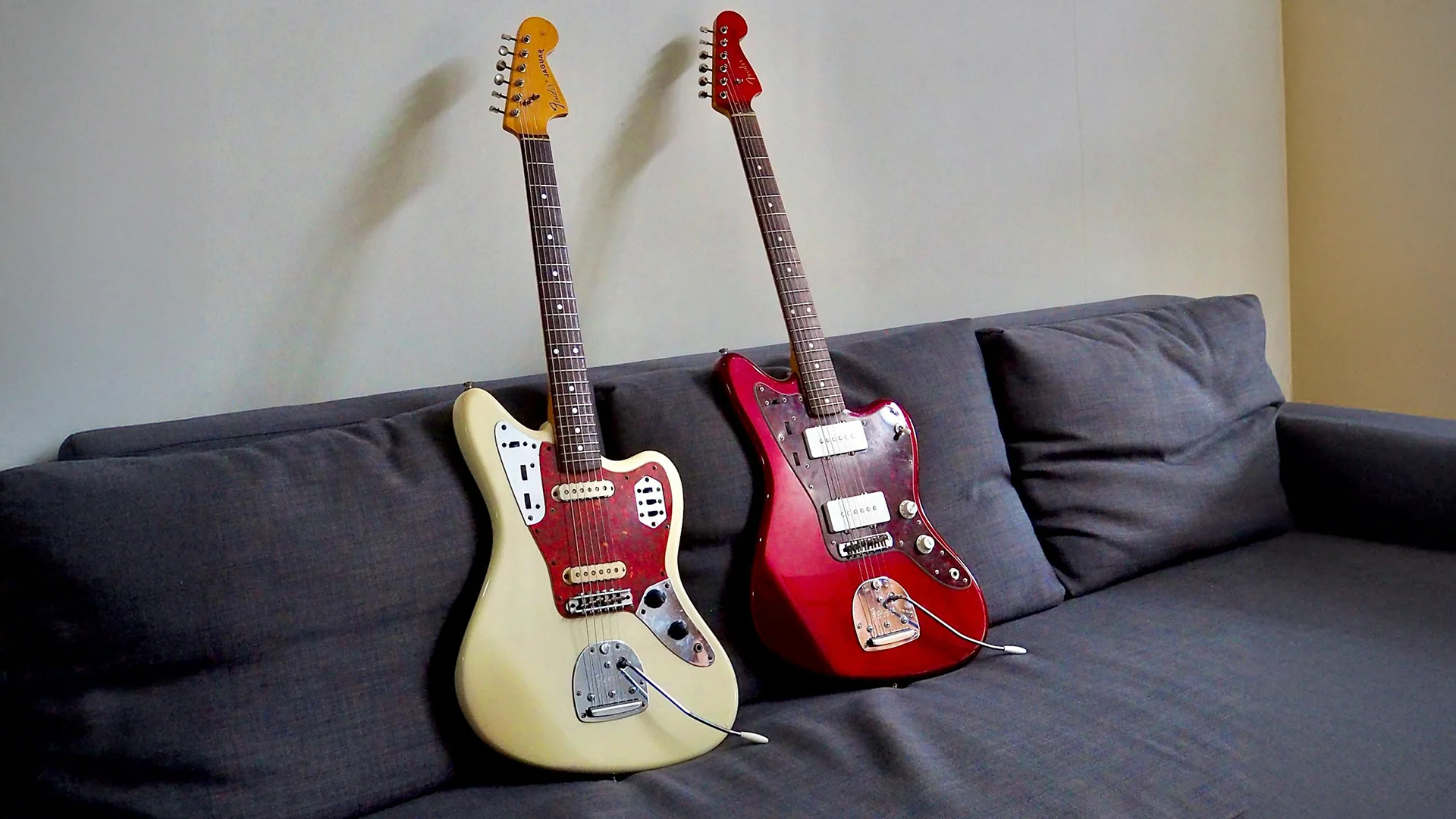
When considering an offset guitar, it's helpful to understand how they compare to more traditional designs like Stratocasters, Telecasters, and Les Pauls. These differences extend beyond mere aesthetics to impact playability, tone, and overall experience.
Ergonomic Advantages
The most immediately apparent benefit of offset designs is their ergonomic body contour. The asymmetrical waist typically results in improved comfort during seated play, as the guitar rests more naturally on the player's leg. This can be particularly beneficial for extended practice sessions or recording situations.
The weight distribution of offset guitars often differs from traditional designs as well. Many offset models balance differently on a strap, sometimes reducing shoulder strain during long performances.
Tonal Characteristics
While each model has its own sonic fingerprint, offset guitars generally occupy a different tonal space than their traditional counterparts. Jazzmasters and Jaguars, for instance, deliver a sound that's neither Strat-like nor Tele-like, with wider, flatter single-coils producing a warmer, more midrange-focused tone.
The bridge and tremolo systems used on many offset guitars also contribute to their distinctive sound. The floating bridge design common to Jazzmasters and Jaguars creates a different resonance character, with a slightly looser, more vibrant quality compared to the direct mounting of a Telecaster bridge or the solid tailpiece of a Les Paul.
Scale Length Considerations
Offset guitars come in various scale lengths, from the Jaguar's short 24" to the Jazzmaster's full 25.5". This variation affects everything from string tension to overtone structure, contributing to each model's unique feel and sound.
The shorter scale of models like the Jaguar creates slightly looser string tension, which can facilitate bending and vibrato techniques. Conversely, longer scale instruments like the Jazzmaster provide increased definition and articulation, particularly in the lower registers.
How to Choose an Offset Guitar
With so many excellent offset options available, selecting the right one depends on understanding your needs, preferences, and playing style. Here are some key factors to consider when making your decision.
Pickup Configurations
The pickups in your offset guitar will significantly impact its fundamental sound and versatility. Consider these common options:
Single-coil pickups like those found in traditional Jazzmasters and Jaguars offer clarity, detail, and that characteristic offset jangle. They excel at clean to moderately overdriven tones but may introduce some hum in high-gain settings.
P90 pickups, as found in models like the Reverend Jetstream 390, deliver a thicker, punchier sound with strong midrange presence. These pickups work beautifully for everything from blues to garage rock, with excellent response to playing dynamics.
Humbucker pickups, featured in models like the Fender Meteora HH, provide higher output and noise-free operation, making them ideal for heavier styles or situations requiring maximum volume without feedback.
Many modern offset guitars offer coil-splitting options that allow humbuckers to approximate single-coil sounds, providing greater versatility from a single instrument. This feature is worth considering if you play across multiple genres.
Tremolo Systems
The tremolo system on your offset guitar affects both playability and sound:
Floating tremolos like those on vintage Jazzmasters and Jaguars offer a smooth, expressive feel that's perfect for gentle vibrato and surf-style techniques. However, they can present tuning stability challenges, especially with heavy use.
Fixed bridges eliminate potential tuning issues and maximize sustain, making them ideal for players who don't use vibrato effects or who prioritize stability over tremolo capabilities.
Modern vibrato systems found on contemporary offsets often blend vintage aesthetics with improved stability, offering a compromise between traditional feel and practical performance.
Neck Profiles and Scale Length
The neck of your offset guitar forms your primary physical connection to the instrument:
C-shaped necks offer a comfortable, versatile profile that works well for most playing styles, from chording to lead work.
Thicker, more substantial neck profiles often found on vintage-inspired instruments provide a solid feel that many players find helps with vibrato and bending techniques.
Scale length affects both feel and sound, with shorter scales (like the Jaguar's 24") providing looser tension and warmer tone, while longer scales (like the Jazzmaster's 25.5") deliver tighter feel and increased clarity.
See our full guide to guitar necks for more.
Budget Considerations
Offset guitars are available across a wide price spectrum:
Budget-friendly options (under $500) typically come from manufacturers like Squier, with simplified features but the essential offset experience.
Mid-range instruments ($500-1,000) offer improved build quality and components, with models from Fender's Player series and brands like G&L providing excellent value.
Premium and boutique options ($1,000+) from manufacturers like Fender's American Professional series, Duesenberg, and Fano deliver the ultimate offset experience with top-tier materials and craftsmanship.
Frequently Asked Questions

What exactly makes a guitar "offset"?
An offset guitar features an asymmetrical body where the waist is shifted or "offset" between the upper and lower bouts. This design creates an uneven waistline when viewed from the front. Originally conceived for improved playing comfort in the seated position, this distinctive shape has become synonymous with alternative musical aesthetics and innovative design.
Why have Jazzmasters and Jaguars become so popular again?
The resurgence of Jazzmasters, Jaguars, and other offset models stems from several factors. Their adoption by influential alternative and indie artists in the 1980s and 1990s created strong associations with these genres. Their unique tonal characteristics offer something different from more common guitar designs, and their distinctive aesthetic appeals to players looking to stand out visually. Additionally, many manufacturers now offer improved versions that address some of the practical challenges of vintage models while maintaining their essential character.
Are offset guitars harder to play than traditional designs?
Offset guitars aren't inherently more difficult to play than traditional designs. In fact, their ergonomic body contours often improve comfort, especially when playing seated. Some vintage-style offset models do have quirks that take adjustment, such as the floating bridge and tremolo systems found on traditional Jazzmasters and Jaguars. However, many modern offset guitars incorporate contemporary improvements that eliminate these potential challenges while maintaining the distinctive look and feel that make offsets special.
What's the best offset guitar for heavy music?
For heavier music styles, offset guitars with humbucker pickups offer the best combination of high output and noise rejection. The Fender Player Plus Meteora HH delivers excellent performance for heavy music with its dual humbuckers and modern construction. The Duesenberg Caribou also performs well in high-gain scenarios, with powerful pickups and solid construction that minimizes unwanted feedback. Players seeking vintage offset aesthetics but modern heavy tones might also consider aftermarket pickup replacements for traditional models.
Conclusion
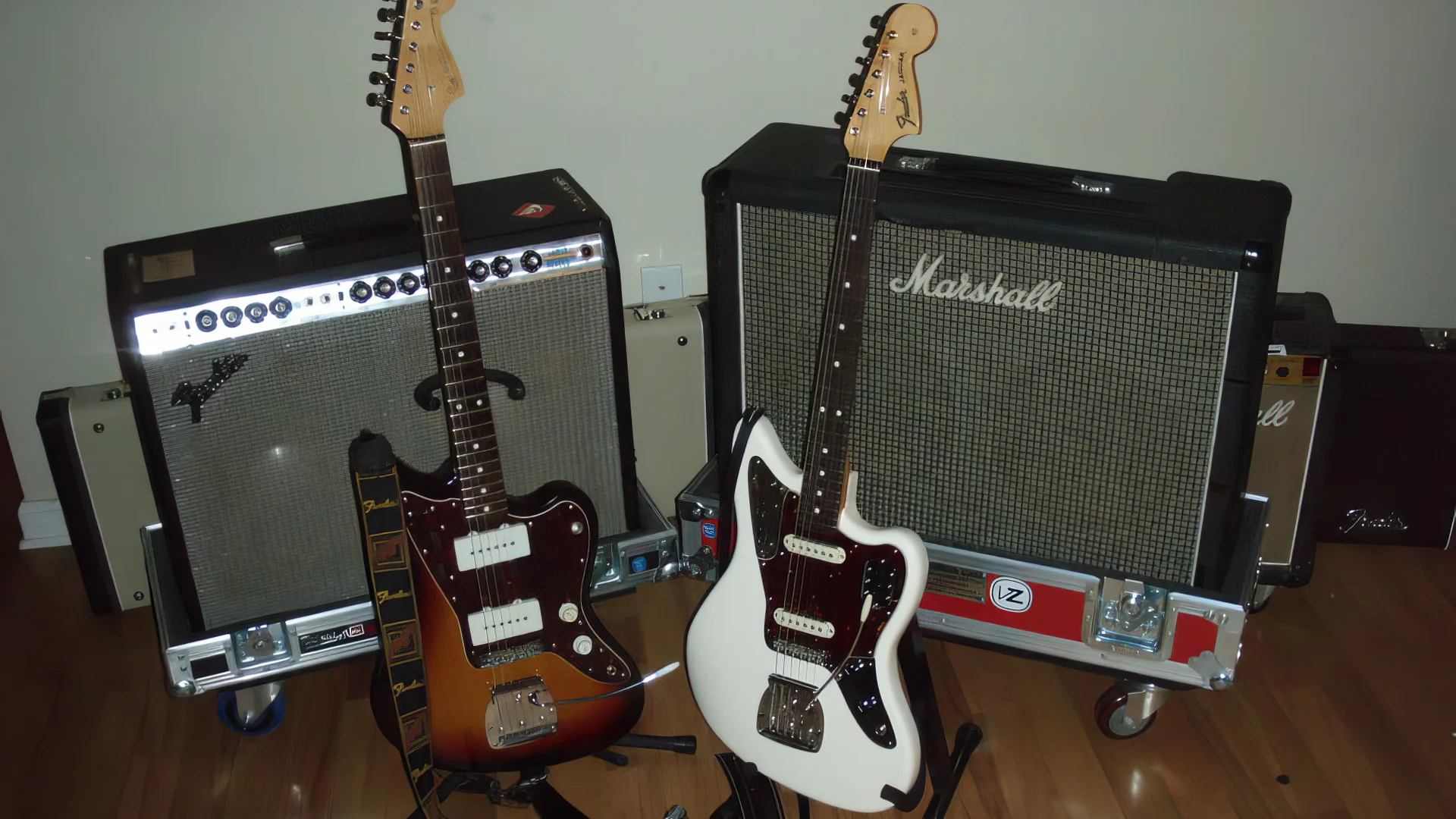
The world of offset guitars offers something truly special: instruments that combine distinctive aesthetics with unique playing experiences and tonal capabilities. From the pioneering Fender Jazzmaster that started it all to modern interpretations like the Fender Player Plus Meteora HH, these instruments continue to inspire musicians seeking something beyond the ordinary.
The Fender Jaguar remains the perfect choice for players who want snappy, bright tones in a slightly more compact package, while the G&L Doheny offers Leo Fender's refined take on his original offset concept. For those seeking different flavors, the Reverend Jetstream 390 delivers P90 punch with modern reliability, and the Duesenberg Caribou brings European craftsmanship to the offset world.
Players with premium tastes will appreciate the handcrafted excellence of the Fano JM6-HB Standard, while those looking for a subtle step into offset territory might find the PRS S2 Vela strikes the perfect balance between familiar and fresh.
What makes offset guitars so compelling isn't just their unique appearance—it's how their design, electronics, and hardware come together to create instruments that inspire new approaches to playing and songwriting. Whether you're crafting atmospheric shoegaze soundscapes or punchy garage rock anthems, there's an offset guitar ready to become your sonic signature.
About the authors

S. Jino is an accomplished multi-instrumentalist and music producer based in Kolkata, India, distinguished by his self-taught mastery and unique blend of technical acumen and musical performance. His extensive experience was forged through hands-on dedication, starting with the full restoration of a broken guitar. Jino's capabilities span keyboards, pedals, and advanced digital production, reflecting a comprehensive skill set developed independently. As a significant contributor to the music scene, Jino regularly performs with worship bands and college ensembles. He has also established himself as a reliable and authoritative professional in freelance mixing, mastering, and original music creation. Inspired by the innovative sounds of Brian May and David Gilmour, and influenced by Kolkata's vibrant metal community, Jino is committed to the intricate art of vintage gear restoration and the continuous exploration of music and technology fusion. His current professional setup, featuring a meticulously restored nameless guitar, a Fender Player Strat, and a Boss Katana 50. Read more




.webp)

.webp)