.webp)

By Gear Experts
Table of Contents

Equipboard
Equipboard is the world's largest community of artists and their gear. Read our review process.
We are reader-supported. When you buy through links on our site, we may earn an affiliate commission. Learn more.

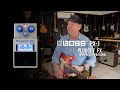
The Boss PX-1 Plugout FX reimagines the classic Boss stompbox as a digital platform that lets players load vintage and modern effects from an expanding online library, blending nostalgia with cutting-edge convenience.
Read more

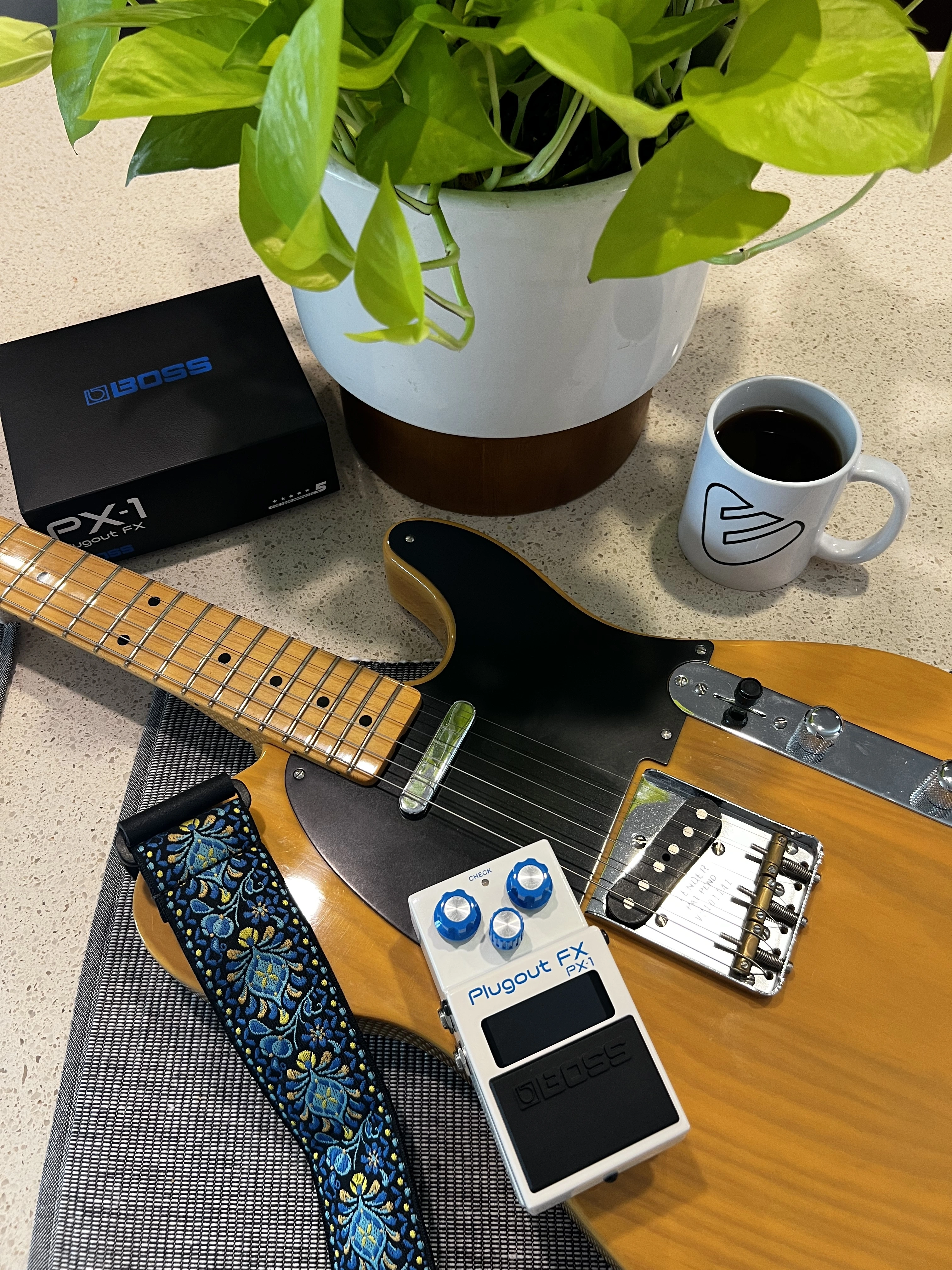
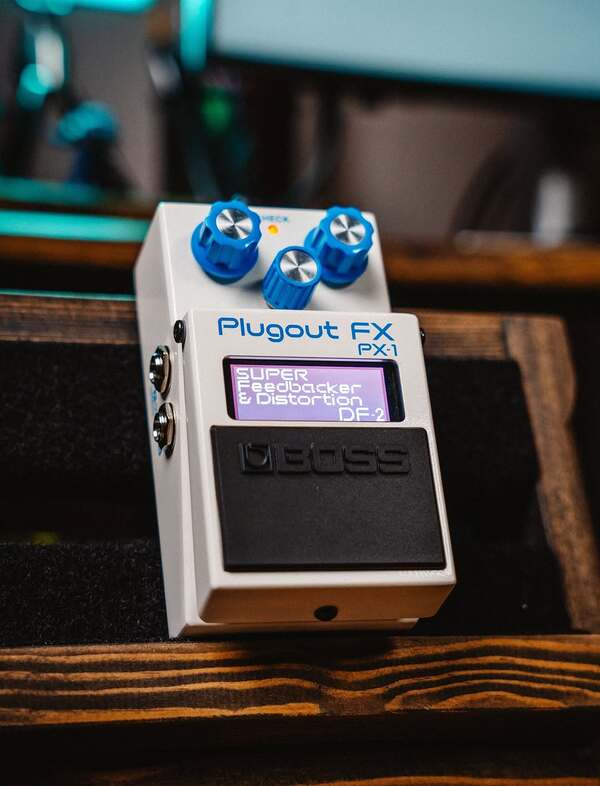
At first glance, the Boss PX-1 Plugout FX looks like any other classic Boss stompbox. It has the familiar chassis, three knobs, and that unmistakable rugged build quality that's graced pedalboards for nearly five decades. But underneath that nostalgic exterior lies something entirely different: a digital-first ecosystem that challenges everything we thought we knew about pedal ownership.
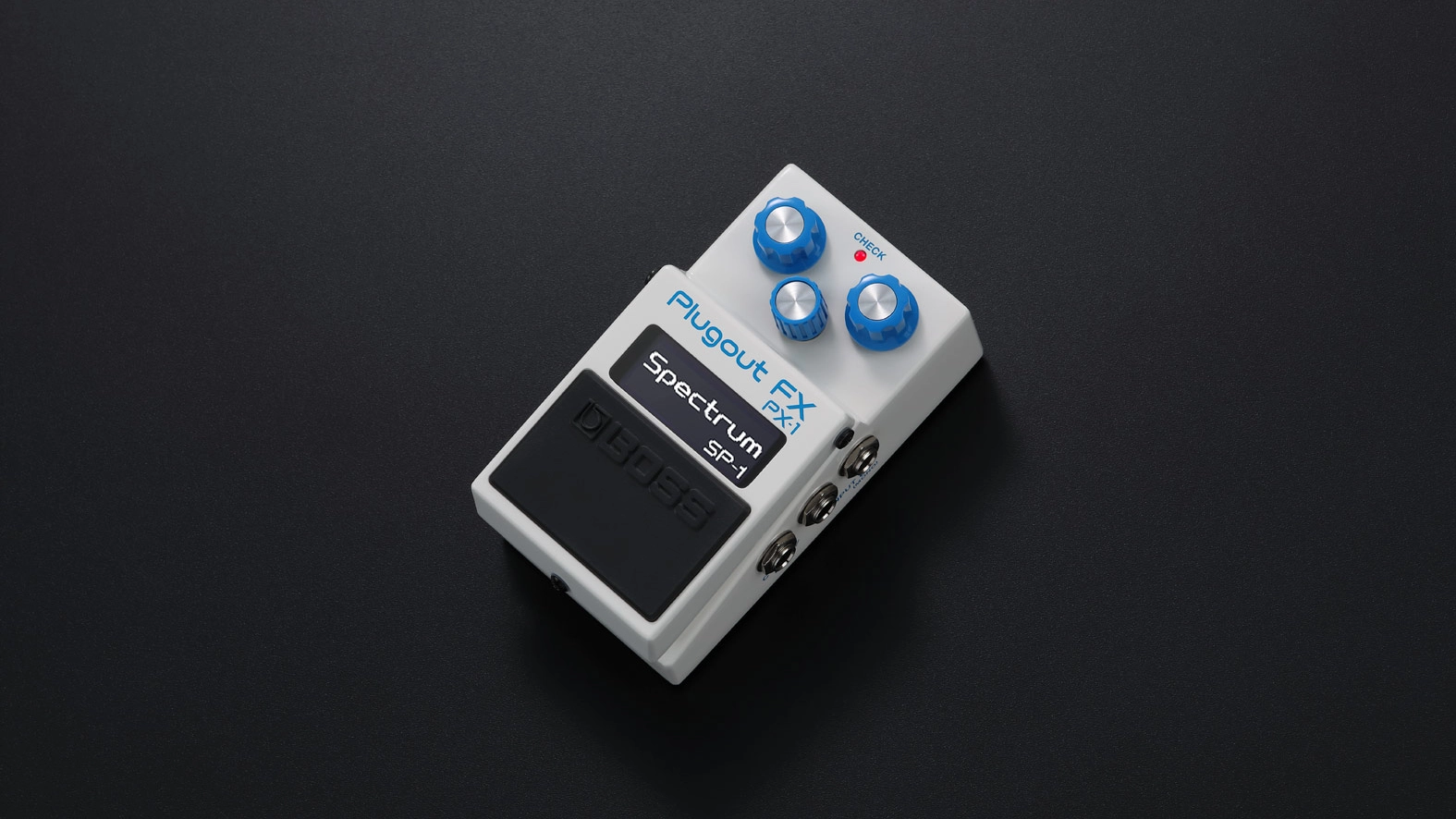
The PX-1 marks Boss' boldest experiment yet, functioning as a "convertible stompbox" that runs one effect at a time from an ever-expanding digital library. Want the legendary SG-1 Slow Gear that's been commanding vintage prices north of $500? It's here. Miss the SP-1 Spectrum that disappeared from production decades ago? Available at the tap of a screen. The promise is tantalizing: access to Boss's greatest hits collection, all housed in a single pedal that fits perfectly into your existing rig.
But this convenience comes with a catch that's divided the guitar community. Unlike traditional pedals you own outright, the PX-1 operates on a licensing model where purchased effects are tied to your specific unit and account. It's the musical equivalent of buying movies on iTunes versus owning a physical DVD, and it raises fundamental questions about what it means to "own" gear in an increasingly digital world.
This isn't just another gear review. It's an examination of where the effects industry might be heading, and whether Boss' vision of app-driven, subscription-style effects signals evolution or a concerning shift away from the ownership model that built the company's reputation.
Features and Functionality: What You're Getting
The PX-1 walks a careful line between familiar and futuristic, maintaining the classic Boss compact pedal DNA while introducing modern connectivity that would have seemed like science fiction just a decade ago.
Hardware That Honors Tradition
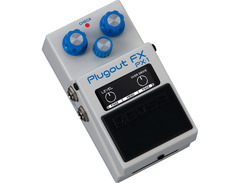
Boss hasn't messed with success when it comes to the physical design. The PX-1 measures exactly 73 x 125 x 56mm and weighs a reassuring 400 grams, making it almost indistinguishable from other compact Boss pedals when viewed from pedalboard height. The three knobs retain that satisfying click and smooth rotation that Boss is known for, but with a modern twist: they're clickable encoders that double as navigation buttons for menu diving.
The most obvious departure from tradition is the wide LCD screen that dominates the pedal's face. Unlike the simple LED indicator bulbs found on classic Boss pedals, this display shows the active effect name, parameter values, and menu options in crisp detail. When you load up the OD-1 OverDrive, you'll see "Over Drive OD-1" displayed prominently, maintaining that nostalgic connection to the original.
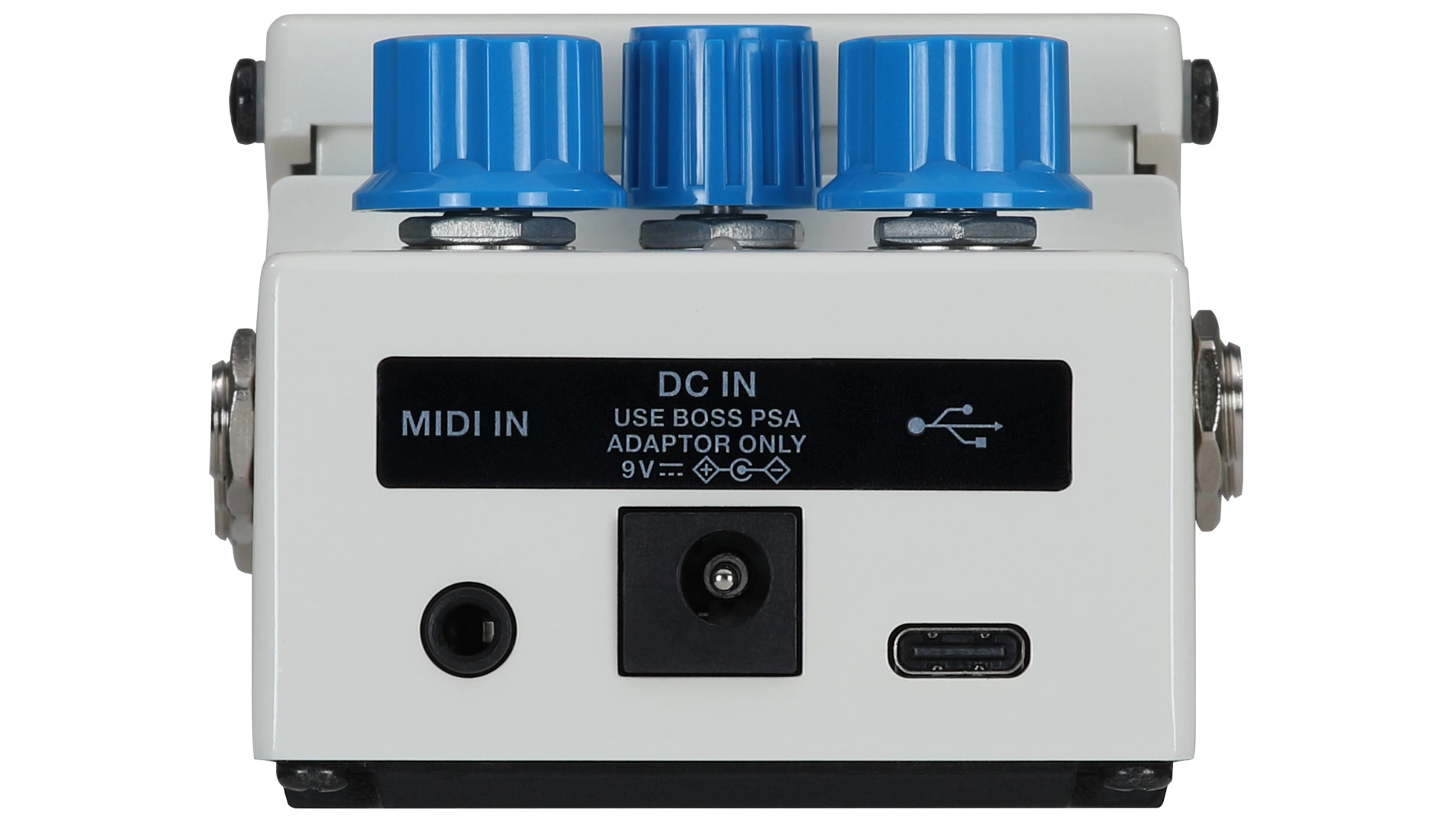
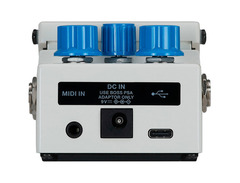
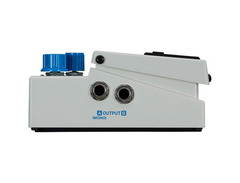
Connectivity options reflect the pedal's hybrid nature. Alongside standard mono/stereo I/O, you'll find a USB-C port that handles power, software updates, and direct app connection. The MIDI IN jack allows tempo sync with time-based effects, while the CTL 1, 2/EXP jack opens up expression pedal control and footswitch expansion.
The Digital Library Experience
Out of the box, the PX-1 comes loaded with eight iconic Boss effects that span the company's early golden era. The selection reads like a vintage collector's wish list: the OD-1 OverDrive, PH-1 Phaser, and SP-1 Spectrum from Boss' legendary 1977 debut trio, joined by the DS-1 Distortion, CS-1 Compression Sustainer, TW-1 T Wah, SG-1 Slow Gear, and SD-1 Super OverDrive.
What makes this particularly compelling is that several of these effects have been discontinued for decades. The SG-1 Slow Gear, in particular, has achieved mythical status among collectors, with original units selling for astronomical prices when they surface on the vintage market. Having authentic recreations readily available creates genuine value for players who've been priced out of the originals.
The pedal supports up to 16 effects simultaneously, with eight additional slots ready to fill immediately through the free Boss Effect Loader app. This second wave includes modern classics like the CE-2 Chorus, BF-2 Flanger, PN-2 Tremolo/Pan, OC-2 Octave, PS-2 Pitch Shifter/Delay, VB-2 Vibrato, DD-2 Digital Delay, and DF-2 Distortion Feedbacker.
App Integration and User Experience
The Boss Effect Loader app serves as the mission control for the PX-1. Available for both iOS and Android, the app connects via Bluetooth and presents effects as virtual pedal graphics that mirror their original hardware appearance. The interface feels intuitive, displaying each effect with authentic coloring and knob layouts that veteran Boss users will recognize instantly.
Installing new effects requires an internet connection and a Roland account, reinforcing the ecosystem approach that Boss has adopted. The process itself is straightforward: browse the library, tap install, and wait for the algorithm to transfer to your pedal. Installation times vary depending on the complexity of the effect, but most complete within a few minutes.
The app also handles parameter assignment and control mapping, allowing you to customize how external expression pedals and footswitches interact with specific effects.
The Controversy: Digital DLC in a Physical Pedal
The PX-1's most polarizing aspect isn't its sound quality or build construction, but rather its licensing model that treats effects like downloadable content rather than owned tools. This marks a fundamental shift in how effects companies approach product ownership, and the implications extend far beyond this single pedal.
Understanding the Model Pass System
When you purchase additional effects for the PX-1, you're not buying the effect itself. Instead, you're purchasing what Boss calls a "Model Pass" that grants you permission to use that specific algorithm on your registered device. These passes are tied to both your Roland account and your individual PX-1 unit, creating a non-transferable license that cannot be shared, sold, or moved to another pedal.
This system mirrors the iTunes model for digital media purchases. Just as buying a movie on iTunes gives you viewing rights rather than ownership of the actual film file, Model Passes grant usage rights rather than true ownership of the effect algorithms. The analogy extends to the potential consequences: if Apple decides to remove a movie from their platform or shut down iTunes entirely, your "purchased" content could become inaccessible.
Community Concerns and Long-term Risks
The guitar community's reaction to this licensing approach has been decidedly mixed, with concerns centering around three primary areas: abandonware risk, account dependency, and resale value.
Abandonware risk poses perhaps the most significant long-term concern. What happens to your purchased effects if Boss decides to discontinue the PX-1 platform? Unlike a traditional pedal that continues functioning regardless of company support, the PX-1's digital nature makes it vulnerable to platform abandonment. If Roland shuts down the Effect Loader servers or stops maintaining the app, new installations become impossible, and existing effects could potentially become stranded on aging hardware.
Account dependency creates another layer of vulnerability. Your purchased effects exist only within Roland's ecosystem, requiring ongoing account maintenance and platform stability. Password resets, account suspensions, or server outages could temporarily lock you out of effects you've paid for. Traditional pedals simply don't have these dependencies.
Resale implications affect the secondhand market that's always been vibrant for Boss products. A used DS-1 from 1985 can still command respectable prices because it's a complete, self-contained unit. A used PX-1, however, transfers only with its original eight effects, since purchased Model Passes cannot be transferred to new owners. This dramatically impacts resale value and creates artificial scarcity in the used market.
Competitors and Alternatives: How the PX-1 Fits In
The PX-1 enters a crowded market of multi-effect solutions, each taking different approaches to the balance between versatility, sound quality, and user control. Understanding where it fits requires examining both direct competitors and alternative philosophies.
Direct Multi-Effect Competition
The Line 6 HX Stomp offers the most obvious comparison point, providing similar compact dimensions with radically different capabilities. Where the PX-1 runs one effect at a time with maximum fidelity, the HX Stomp can run multiple effects simultaneously with its more powerful processing engine. The trade-off comes in effect authenticity versus flexibility.
The HX Stomp includes hundreds of effects and amp models out of the box, with no additional purchases required. Its effects span multiple manufacturers and eras, offering broader sonic territory than the PX-1's Boss-focused library. However, Line 6's modeling approach prioritizes versatility over exactness, creating very good approximations rather than the pixel-perfect recreations Boss claims for their vintage algorithms.
| Feature | Boss PX-1 | Line 6 HX Stomp | Eventide H9 |
|---|---|---|---|
| Base Price | $250 | $649 | $599 |
| Included Effects | 16 (8 pre-loaded + 8 free) | 300+ effects and amps | 25+ algorithms |
| Simultaneous Effects | 1 | 6-8 depending on complexity | 1 |
| Licensing Model | Paid expansions tied to device | All included, free updates | Paid expansions transferable |
| Best For | Boss purists wanting vintage accuracy | Versatility and amp modeling | High-end modulation and reverb |
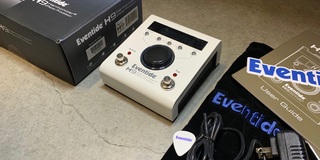
The Eventide H9 takes yet another approach, focusing on premium algorithms rather than quantity. Like the PX-1, it runs one effect at a time and offers paid expansions, but Eventide's licensing allows purchased algorithms to transfer between devices. This creates a more traditional ownership model while still embracing digital distribution.
Alternative Philosophies
Source Audio's One Series pedals offer an interesting middle ground in the app-driven effects space. These pedals connect to smartphones for deep editing and preset management, but they don't lock effects behind licenses. Once you own a Source Audio pedal, you have access to all its algorithms permanently, regardless of app availability or account status.
For players specifically seeking Boss' vintage sounds, analog alternatives still exist in limited quantities. The recent Boss Waza Craft series has brought back several classics like the DM-2W Delay and CE-2W Chorus, offering authentic analog circuitry at premium prices. Original vintage units remain available through the used market, though prices for sought-after effects like the SG-1 Slow Gear have reached collectible status.
The key differentiator for the PX-1 isn't being the cheapest or most powerful option available. Instead, it offers something unique: a Boss-native digital experience that delivers their classic sounds in the exact form factor that generations of guitarists already know and trust. Whether that's worth the licensing trade-offs depends entirely on your priorities and risk tolerance.
How It Sounds: The Tone Test
The ultimate question for any effects pedal isn't about features or philosophy, but rather how it sounds when you plug in and play. The PX-1's single-effect approach allows Boss to dedicate maximum processing power to each algorithm, theoretically delivering the highest possible fidelity.
Digital Modeling Versus Analog Originals
Boss claims their "state-of-the-art modeling technology" delivers the most authentic recreations of vintage effects available in digital form. This presents a significant technical challenge, as classic Boss pedals achieved their character through component tolerances, circuit interactions, and the subtle imperfections that make analog gear musical.
The PX-1 captures the essential character of its source material with impressive accuracy. The OD-1 OverDrive retains that smooth, transparent boost that made it a favorite among session players in the late 1970s. The SG-1 Slow Gear reproduces the distinctive volume swell behavior that made it such a unique creative tool.
However, subtle differences become apparent during direct comparisons with original hardware. The PX-1's digital precision can sometimes feel almost too perfect, lacking the slight variations and component drift that give vintage pedals their organic feel. Whether this matters depends on your sensitivity to such nuances and the musical context in which you're playing.
Real-World Performance Characteristics
The PX-1's stereo capabilities add modern flexibility that many original Boss pedals lacked. Effects like the CE-2 Chorus and BF-2 Flanger benefit significantly from true stereo operation, creating spacious soundscapes that wouldn't have been possible with their mono predecessors. The option to blend dry and wet signals also provides mixing flexibility that enhances studio applications.
Live performance presents its own considerations. The PX-1's single LCD screen provides clear visual feedback about the active effect, but switching between effects requires either the app or menu navigation via the clickable knobs. This makes it less suitable for players who need to change effects rapidly during songs, favoring those who set their sound for entire songs or sets.
The pedal's expression pedal compatibility opens up dynamic possibilities that go well beyond the original designs. Controlling the SG-1's sensitivity or the DD-2's feedback in real-time adds modern expressiveness to vintage-inspired tones. This creates genuine added value for players who integrate expression control into their performance style.
Audience and Application Fit
The PX-1 makes the most sense for players who want multiple Boss classics without dedicating individual pedalboard real estate to each effect. Studio musicians who need occasional access to specific vintage tones will appreciate having the SG-1 Slow Gear available without hunting down a $500 original. Similarly, players building tribute acts or covering specific eras can access period-appropriate effects without the investment and maintenance requirements of vintage gear.
Tone purists may find the digital nature ultimately unsatisfying, regardless of accuracy claims. There's something intangible about plugging into a genuine 1970s Boss pedal that digital modeling struggles to replicate completely. For these players, the PX-1 serves better as a preview tool for deciding which vintage effects deserve the investment in original hardware.
The pedal also suits players who embrace the convenience of digital workflows. If you're already comfortable with app-based preset management and digital effect libraries, the PX-1 feels like a natural extension of that philosophy into the traditionally analog world of compact pedals.
The Verdict: Should You Buy It?
The Boss PX-1 Plugout FX embodies both an impressive technical achievement and a philosophical fork in the road for effects pedals. Your decision should hinge less on its immediate capabilities and more on your comfort with the long-term implications of its licensing model.
Where the PX-1 Excels
The pedal's greatest strength lies in democratizing access to Boss' rarest and most expensive vintage effects. Having authentic recreations of the SG-1 Slow Gear, SP-1 Spectrum, and other discontinued classics available for the price of a typical boutique pedal creates genuine value. The convenience factor cannot be overstated: sixteen effects in a single compact footprint that integrates seamlessly with traditional pedalboards.
Build quality maintains Boss's legendary standards, ensuring the hardware will survive decades of use. The familiar form factor means zero learning curve for existing Boss users, while the modern connectivity options provide flexibility that vintage units simply cannot match. The stereo capabilities and expression pedal integration add contemporary functionality to classic designs.
The app-based management system, while controversial, does offer undeniable convenience for players comfortable with digital workflows. Swapping effects takes seconds rather than the physical cable switching required with individual pedals. Preset storage and parameter recall provide consistency that's particularly valuable in studio environments.
Critical Limitations and Risks
The licensing model remains the elephant in the room, creating long-term uncertainties that don't exist with traditional pedals. Your investment in Model Passes could potentially become worthless if Boss discontinues the platform, shifts their business model, or encounters technical difficulties with their servers. This risk may be acceptable for some players but marks a fundamental departure from the ownership model that built Boss' reputation.
Single-effect operation limits the PX-1's versatility compared to other multi-effect solutions in similar price ranges. Players who need to run multiple effects simultaneously will find the unit restrictive, especially given the processing power that could theoretically handle more complex signal chains.
The dependence on digital infrastructure creates vulnerabilities that analog pedals simply don't have. App compatibility issues, operating system updates, or connectivity problems could temporarily render portions of your effects library inaccessible.
Making the Decision
Analog purists should probably look elsewhere. If you're drawn to vintage Boss pedals specifically because of their analog character and historical authenticity, the PX-1's digital nature may ultimately feel like a compromise regardless of its accuracy.
Digital-forward players who already embrace app-based workflows and trust Boss to maintain long-term platform support will find much to appreciate. The convenience, space savings, and access to rare effects create compelling value for players who prioritize functionality over philosophical concerns about ownership.
Collectors and vintage enthusiasts might consider the PX-1 as a supplementary tool rather than a replacement for original hardware. Having instant access to rare effects for songwriting and experimentation could justify the investment even if you prefer originals for recording and performance.
Ultimately, the PX-1 Plugout FX is more than just another effects pedal. It's an early statement about where Boss believes the industry is heading, and your reaction to its licensing model may say as much about your own relationship with gear ownership as it does about the pedal itself. For players who embrace its digital-first philosophy, the PX-1 offers remarkable access to Boss' greatest hits. For those who prefer the certainty of traditional ownership, it serves as an interesting glimpse into a future they may not be ready to embrace.
Boss PX-1 Plugout FX Pedal
2.5 (2)









Average Price: $231
Standard/Professional
$150
$601+
Budget
Standard
High-end
| Analog/Digital | digital |
| Power | 9V |
| Effects | multi-fx |
See how artists use this





Top Ranked Multi Effects Pedals on Equipboard


-m.webp?v=1784978237)
$299.00 - $401.69
5.0 (54)
5.0 (54)

About the authors
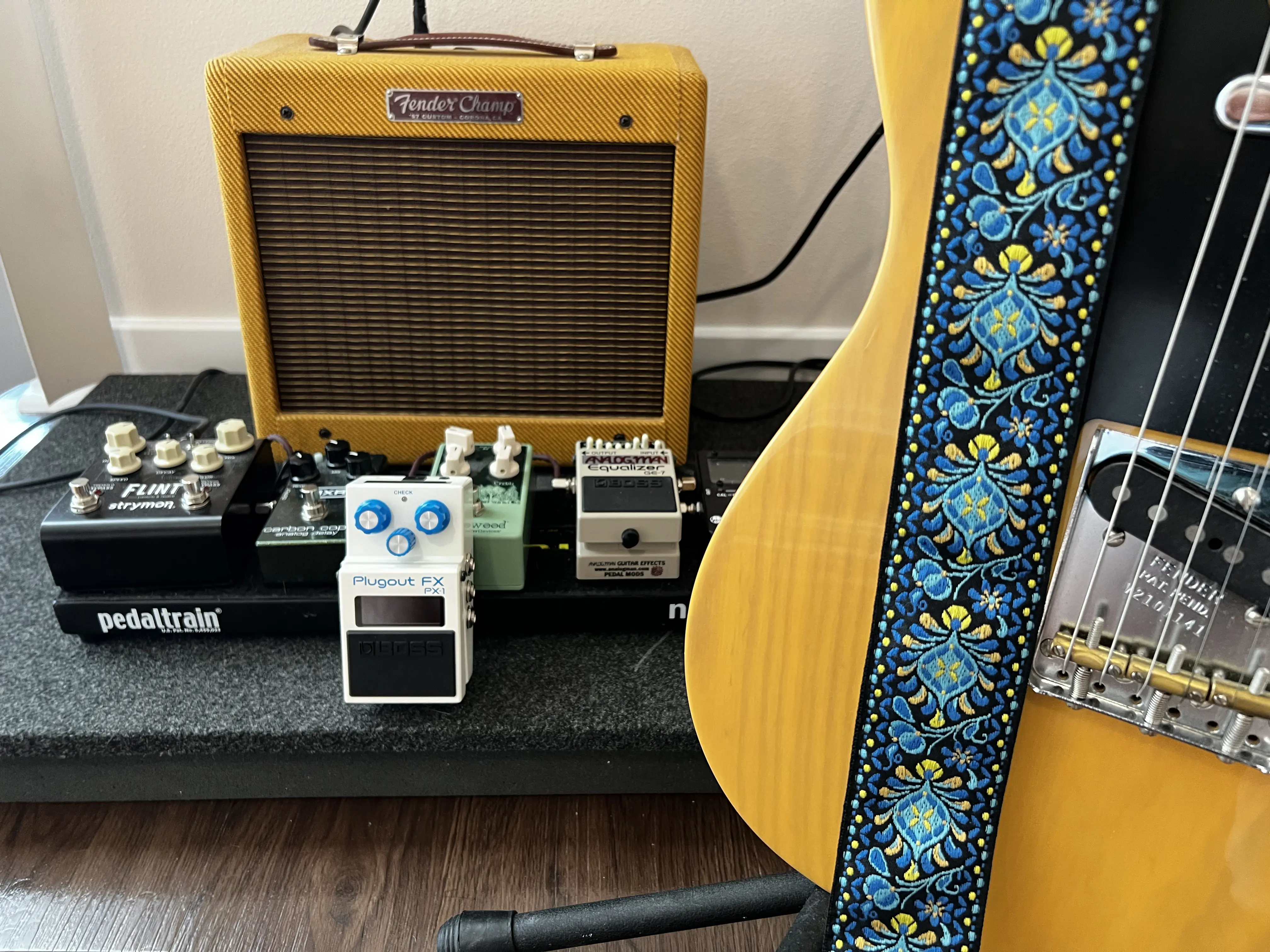
Michael R. Pierce is the co-founder of Equipboard and a lifelong musician with over 25 years of experience as a guitarist and gear enthusiast. He blends solid music theory chops (thanks to formal training in guitar, piano, and trumpet) with real-world experience, always exploring and experimenting across genres like rock, blues, and hip-hop. Michael launched Equipboard in 2013 after graduating from The University of Texas at Austin, leveraging his unique blend of musical passion, technological acumen, and community building. His current go-to rig features a Fender American Original ‘50s Telecaster, Analogman King of Tone, Strymon Flint, and a Fender ‘57 Custom Champ. Read more
New in Multi Effects Pedals

$599.00 - $666.00


.jpeg?v=1784917540)


-m.webp?v=1784957509)


$199.00 - $249.99


$899.00 - $1,199.99


.webp)





.jpg)

.jpg)

.jpg)