

Pricing and availability
We compare 600+ stores and found this item at 10 stores. Prices updated .
Store
Reviews
Price








Average Price: $65
Standard/Professional
$50
$176+
Price Tier
Budget
Standard
High-end
Price History
Based on price data from 6 merchants for "Boss SD-1 Super OverDrive". Prices shown reflect NEW condition. Tracking began Apr 2, 2026.
* Product prices and availability are updated by Equipboard every 24hrs and are subject to change. Equipboard may receive compensation for purchases made at participating retailers linked on this site. This compensation does not affect what products or prices are displayed, or the order of prices listed. For more information, please refer to our affiliate disclosure.
Description
Take the stage with the Boss SD-1 Super OverDrive, a pedal that has been a staple in the music world for over four decades. Known for its unique asymmetrical clipping circuit, this pedal is designed to mimic the warm, creamy overdrive that you'd get from a fully cranked tube amp.
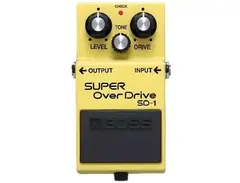
With its fully analog circuitry, the SD-1 Super OverDrive allows you to customize your sound to fit your style. Equipped with controls for Level, Tone, and Drive, it's easy to adjust your sound from mild breakup to soaring leads. The SD-1 is not just an overdrive pedal, but a tool to shape your tone, whether you're into rock, blues, country, or jazz.
The SD-1's dynamic response and touch-sensitive drive have made it a favorite among musicians from all genres. Whether you're looking to enhance your lead tones or tighten your bass response, the SD-1 Super OverDrive has got you covered.
Key Features:
- Proprietary asymmetrical clipping circuit for authentic tube-amp overdrive
- Fully analog circuitry for warm, rich tones
- Level, Tone, and Drive controls for tailored sound
- Versatile tone shaping suitable for all genres
- Reliable and rugged construction
- Perfect fit for any pedalboard
- Backed by BOSS's 5-year warranty
Owner's manual
Boss SD-1 Super OverDrive User ManualProduct specs
| Pedal Type | Overdrive |
| Analog/Digital | Analog |
| Inputs | 1 x 1/4" |
| Outputs | 1 x 1/4" |
| Bypass Switching | Buffered |
| EQ | Tone Control |
| Power Source | 9V DC power supply (sold separately) |
| Batteries | 1 x 9V |
| Power Usage | 10mA |
| Height | 2.37" |
| Width | 2.87" |
| Depth | 5.08" |
| Weight | 1 lbs. |
FAQs
-
What kind of overdrive sound does the Boss SD-1 Super OverDrive produce?
-
The Boss SD-1 Super OverDrive delivers a warm, smooth overdrive reminiscent of an overdriven tube amp, maintaining the nuances of your playing dynamics. Its unique asymmetric circuitry provides a classic overdrive effect with precise tonal control via its Tone knob.
-
How does the Boss SD-1 differ from a Tube Screamer?
-
While the Boss SD-1 and Tube Screamer share some similarities, the SD-1 features unique asymmetric clipping circuitry, offering a distinct overdrive character. This provides a different tonal response and feel, setting it apart from the classic Tube Screamer sound.
-
What power supply is required for the Boss SD-1 Super OverDrive?
-
The Boss SD-1 Super OverDrive requires a 9V DC power supply, which is sold separately. It can also be powered by a 9V battery for convenience during performances.
-
Is the Boss SD-1 Super OverDrive suitable for beginners?
-
Yes, the Boss SD-1 Super OverDrive is suitable for beginners due to its straightforward controls and classic overdrive sound. It offers easy tone shaping with its Tone, Level, and Drive knobs, making it accessible for guitarists at any skill level.
-
Can the Boss SD-1 Super OverDrive be used with a bass guitar?
-
While primarily designed for electric guitars, the Boss SD-1 Super OverDrive can be used with a bass guitar. However, it may alter the low-end response, so it's recommended to test its sound with your specific setup.
Equipboard's Expert Review

Equipboard tested this
Versatile, reliable, and affordable
The Boss SD-1 Super OverDrive has been a staple in the pedal world for decades, and for good reason. This pedal to be a perfect blend of classic tones and modern versatility.
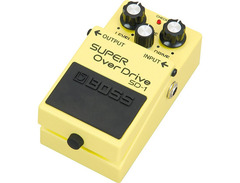
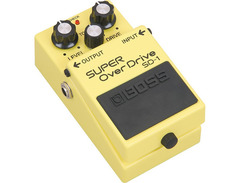
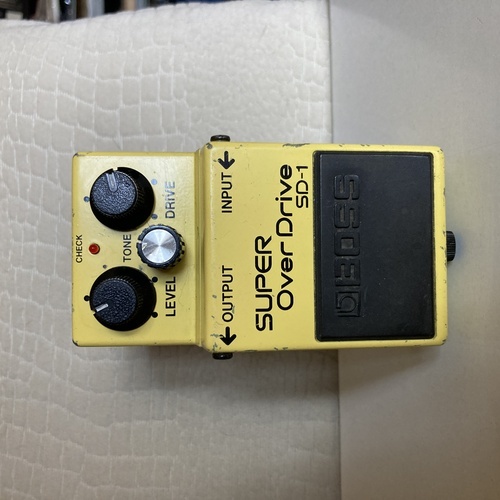
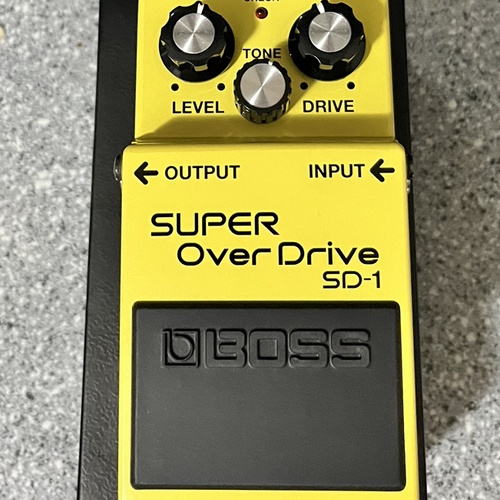
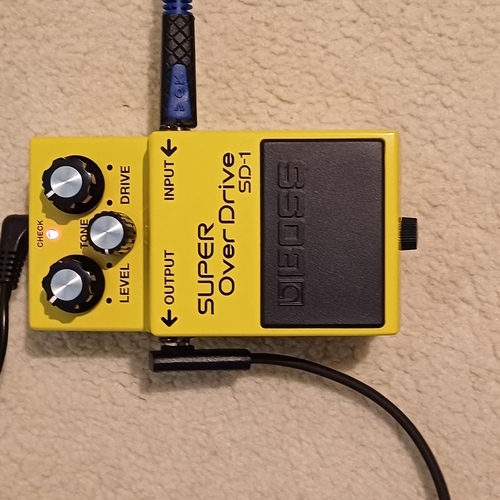
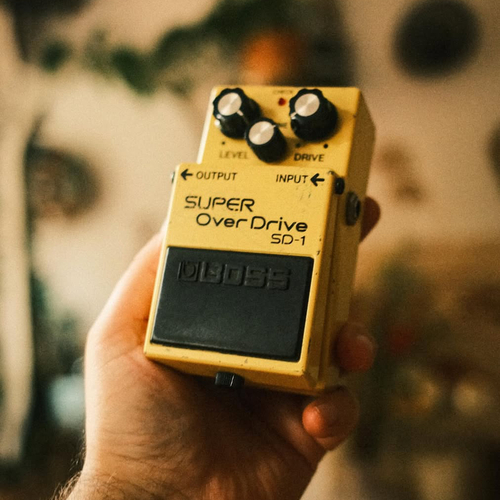
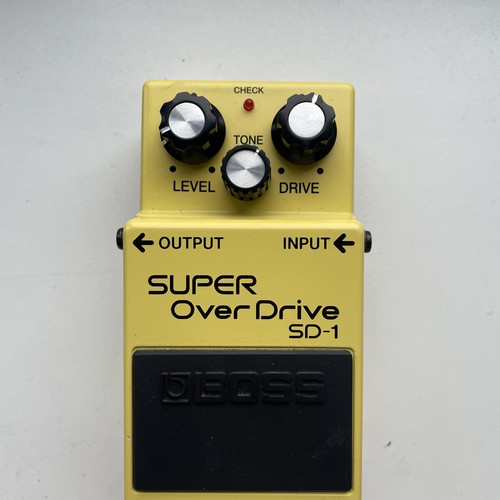
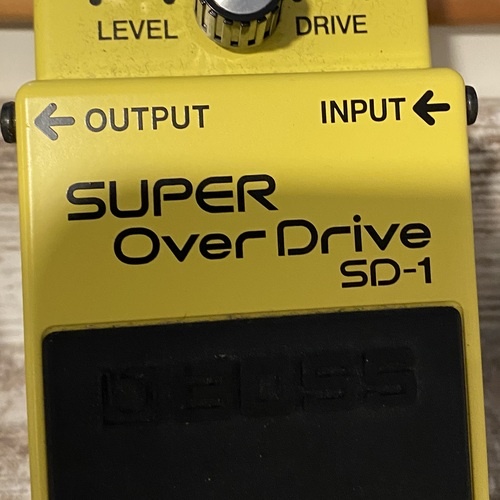
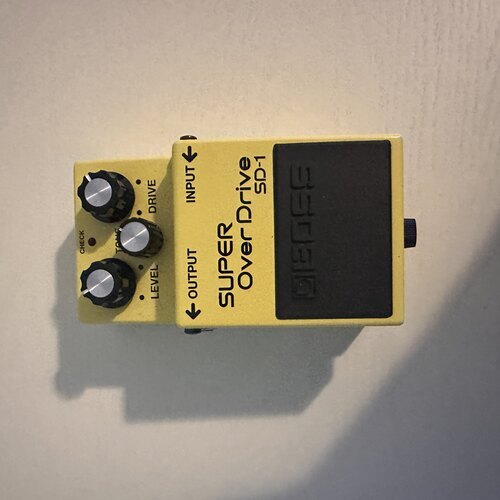
Right out of the box, we were impressed by the SD-1's build quality. It's built like a tank, with the signature Boss durability that can withstand the rigors of constant gigging. The classic yellow enclosure and simple three-knob layout (LEVEL, TONE, and DRIVE) exude a no-nonsense approach to tone shaping.
We found the controls to be intuitive and responsive. The wide range of gain available allows for everything from a subtle boost to a full-on overdrive. However, we did wish for more EQ options, as the single TONE knob can be limiting for some players.
Sound-wise, the SD-1 delivers in spades. It excels at producing warm, classic rock and blues tones with a nice high-mid boost that cuts through the mix. We were particularly impressed by its ability to tighten up the low-end and add a mellow sparkle to clean tones. That said, at higher gain settings, we noticed it could introduce some noise, and it does lack a bit in the low-end department.
For us, the SD-1 really shined when used as a boost for lead work or to push an already breaking-up amp into sweet, saturated territory. However, we found it could sound a bit artificial on ultra-clean amps, and its maximum overdrive might not satisfy players looking for more extreme distortion tones.
At its price point, the SD-1 is an absolute steal. It offers great tones, reliability, and versatility at a fraction of the cost of boutique overdrives. We think it's an excellent choice for blues and classic rock players, or anyone looking for a solid, no-frills overdrive. Metal heads or those seeking more extreme sounds might want to look elsewhere, but for most players, the SD-1 is a pedal that will likely never leave your board.
Videos

ProGuitarShopDemos
Boss SD-1 Super Overdrive
Boss SD-1 Super Overdrive
ProGuitarShopDemos
![Video thumbnail for BOSS SD-1 SUPER OverDrive [BOSS Sound Check] by BOSSchannel](https://img.youtube.com/vi/HUHMNV7bJxI/mqdefault.jpg)
BOSS SD-1 SUPER OverDrive [BOSS Sound Check]

BOSSchannel
Boss SD-1 Super OverDrive Pedal - One Of The Greatest Ever!

PMTVUK
Boss SD-1 Super Overdrive - Guitar Pedal Demo/Review

SRGuitar
BOSS SD-1 Super Overdrive Pedal Demo - Sweetwater Sound

Sweetwater
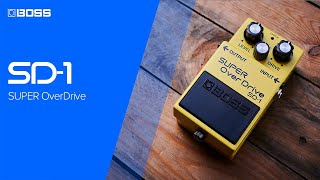
BOSS SD-1 SUPER OverDrive - INTRO
BOSSchannel
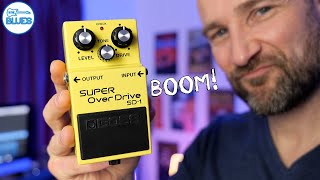
This is a MONSTER - The BOSS SD-1 Super Overdrive Pedal Review

intheblues
SD-1 SUPER OverDrive
BOSSchannel
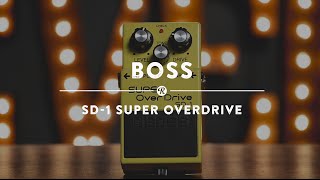
Boss SD-1 Super Overdrive | Reverb Demo Video

Reverb
5 Reasons You NEED A Boss SD-1 Super Overdrive! - This Little Yellow Pedal Is Iconic, & Here's Why!
PMTVUK
Boss SD1 - Demonstration and getting the most from it.

Guitar and Music Institute
Get the most out of your overdrive pedal with the BOSS SD-1 | Guitar.com

Guitar
Boss OD-1 vs. SD-1

Sean Kerns
BOSS SD-1 Super Overdrive | Demo & Review by Dave Devlin

DaveDevlinMusic
Pedal Vault – Boss Super Overdrive SD-1 Death Metal review

Dome
![Video thumbnail for BOSS SD1 is a PEDAL for EVERYONE [Best Drive Pedal under £70?] by John Nathan Cordy](https://img.youtube.com/vi/w3OoKp6ajsw/mqdefault.jpg)
BOSS SD1 is a PEDAL for EVERYONE [Best Drive Pedal under £70?]

John Nathan Cordy
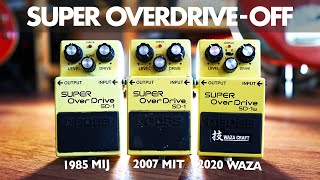
Vintage Boss SD-1 vs Standard SD-1 vs Waza Craft SD-1w...which one sounds BEST??

TheSuperFunAwesomeHappyTimePedalShow
IBANEZ Tubescreamer TS-808 Vs BOSS Super Overdrive (SD-1 Pedal Made in JAPAN) 🎸

Alberto Martinez Del Rio Guitar
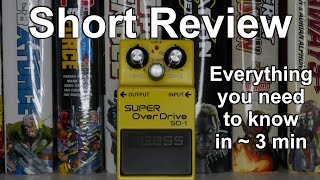
Boss Super OverDrive SD-1 - Everything you need to know in around 3 minutes (Review)
Dome
Boss SD1 Super Overdrive, Sounds Demo

Alaina Guitar
Reviews
PROS
-
Durable construction, typical of Boss products
-
Affordable, offering good value for the quality and versatility
-
Effective as a mild boost or for achieving crispy overdrive
-
Works well as a booster in front of other distortion pedals
-
Minimal noise/hum, even at high gain settings
-
Great for classic rock/blues tones, emulating artists like Hendrix and Cream
-
Can be used as a standalone overdrive or to push a clean amp
-
Favored by many notable musicians, used on countless recordings
-
Versatile, suitable for many music styles except metal
-
Offers a distinct warm tone that's different from typical distortion pedals
CONS
-
Some users find it alters bass tones unfavorably
-
Can introduce noise when not used with a noise gate
-
The tone might be too mid-focused for some players' taste
-
Limited EQ options, with some wishing for more control over the sound
-
May not satisfy those looking for a more significant boost in volume
-
Requires external power supply for continuous use, as it quickly drains batteries
-
May not provide enough "drive" for some, especially for metal genres
-
Not as transparent as some boutique overdrive pedals
-
Some users find it lacks character on its own, needing to be paired with another pedal for the best sound
-
The pedal's design is seen as unremarkable by some
Owner Insights
We analyzed real musician discussions from forums and Reddit to find what players love, question, and tweak about Boss SD-1 Super OverDrive.
Comparisons
-
Users often compare the SD-1 to the TS9, noting the SD-1 adds more body with increased drive, whereas the TS9 remains consistent.
Source -
The SD-1, unlike the DS-1, offers a lighter distortion, making it less suitable for metal unless stacked with another pedal.
Source -
Owners note that the SD-1 provides less compression and a more usable sound than the Ibanez Tube Screamer when used alone.
Source
Use cases and applications
-
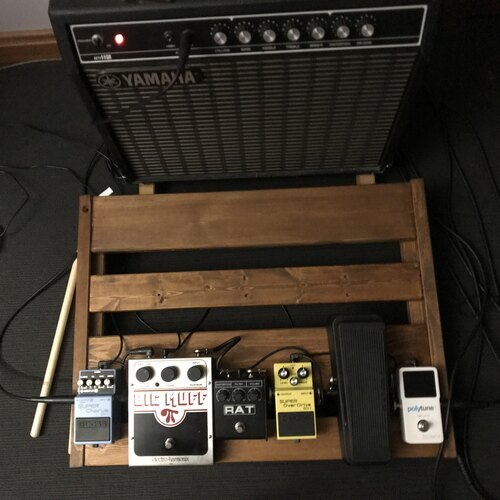
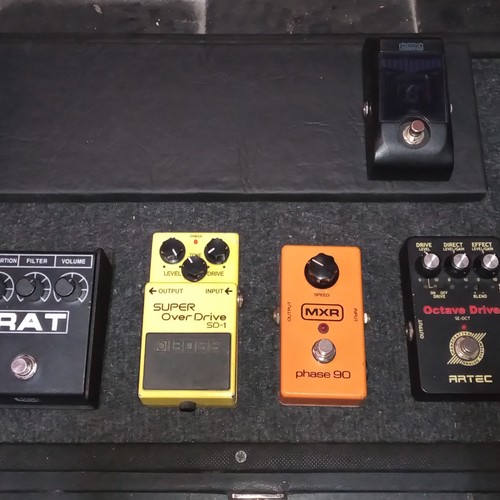
The SD-1 is favored for stacking, particularly when boosting a Big Muff or Rat, enhancing tonal complexity.
Source -
The pedal excels in live settings, effectively cutting through the mix and performing well with slightly overdriven tube amps.
Source -
The SD-1 is praised for its versatility, delivering tones from late 50s rock to 80s hair metal with various amp and guitar combinations.
Source -
With humbuckers, many users prefer the SD-1 set with the drive knob between 9-10 o'clock for optimal sound.
Source -
When paired with a DS-1, the SD-1 can achieve heavier metal tones, proving its versatility in various rock styles.
Source
Value and pricing
Mods and upgrades
-
Some owners recommend the Wampler Blues mod, including swapping the OpAmp for a newer model to reduce noise. Post-2016 models need precision for mods due to surface mount parts.
Source
User experience
4.5 out of 5
Based on 100 Reviews and 568 Ratings

821
Rich and Harmonics Rhythms, nice price
Currently, testing this pedal so I would prefer you take this review like a grain of salt.
Previously, I had a TS Mini, BD-2 Blues Driver, Fulldrive 2 Mosfet and recently got a Nux Tubeman MkII, all them are great on its own for the way these were designed. Now, it's time for a Boss SD-1 Super Overdrive. My rig for test was a Gretsch G5420T into the SD-1, then jacked into a Vox AC15C1 and to a Fender Custom Deluxe on Vintage Channel. The electrical outlet is grounded properly, just the power supply for the pedal is ungrounded.
I read great reviews about this pedal, and all them are true. The AC15C1 might sound harsh in some setups, but the SD-1 tames well this amp. The SD-1 brings a mellow sparkle and a very comfortable smoothness to your playing (Strokes-You only live once rhythm interlude riff for example), but if you add more gain to the sound, you can play hard rock or even metal if you bring treble.
Volume and gain pots are like an equation to balance for me, but sometimes I can experiment full volume and gain just for fun. Starting at zero gain, we get sparkled clean boost with some mellow vibes. The more the gain, adds more subtle sparkle on the background guitar sound, so you can understand what is currently playing. The Volume control is preferred at 12'o clock first, then you turn the knob to adjust The Tone knob is toward clarity (contour).
For the Fender CDR 68', I liked better how the SD-1 matches the amp, the smoothness is still noticeable, but not excesive, like when playing on the Vox AC15C1 that feels like playing on a sponge fretboard (that grade of smoothness in a good way). The sound is amazing, you can listen to the notes, and still a little grit on the background, a distintive chime for the SD-1. However, using the Custom Channel that uses mid-push I found an interesting response from the amp, still clear, pushed the low mid frequencies in a good way, great for soloing and still can be rhythmical. Probably, a compressor could be added to the formula, but is not required.
Comparing the SD-1 versus other pedals:
SD-1 vs. TS Mini. As far I remember, the TS Mini has more grit and can sound harsh on full tone, its EQ makes that you want to do riffs all the time. With the SD-1, I tend to do mellow rhythms (bigsby included). Also, the TS Mini needed a booster to do nicely for solos and consistent riffs (EP Booster). Probably, a booster might help for the SD-1.
SD-1 vs. Fulldrive 2 Mosfet. Not in the same category, but for versatilty, the FD2 wins here, however, the SD-1 has clarity while the FD2 might sound unclear or muddy on some setups, unless you plug a 18 vdc power supply for the FD2 to bring clarity. For mellowness, dynamics and vibe, the SD-1 is the way to go. If you want versatility, you may prefer the FD2.
SD-1 vs. BD-2. This is an interesting match, both are somewhat transparent, however the SD-1 sounds mellow and also its EQ is provided with Mids, where the BD-2 is mid-cut, it might sound harsh on a Vox AC15C1 or a Fender Deluxe Reverb. Not the case for the SD-1 on these both amps.
Boss SD-1 vs Nux Tubeman MkII. A very close match. Both are mellow, both starts on clean boost setups. However, where the Nux has a modern vibe tone because the FET electronic design, the SD-1 tends for a classic tone. You can play with both pedals the same songs and probably you will don't notice if the pedal was changed. But, both are EQ on different ranges, and I tend to do rhythms with the SD-1 more than with the Nux, which is more an general purpose pedal. Update Feb.19.2023: Is also important to mention, the Nux Tubeman MKII has less grit on the gain Pot where the SD-1 has more grit starting the 9 o'clock gain pot position. You could 'clean' the grit on the SD-1 with a compressor before the SD-1 lowering the sustain and bringing up the level. As Summary, the Nux Tubeman MKII is a bit cleaner than the Boss SD-1.
On its own, the SD-1 as lead tone, is not being a favorite for my taste, is because I feel so much the mid push on my fingers, probably could fit nice for slow riffs or rhythm-riff-like solos (Hendrix - Little Wing). Also for rhythm lead feels great, warm, smooth and easy to go between chords, Bigsby vibrato chords or changing the neck position.
Update Feb.19.2023 The SD-1 matches other pedals nicely, say, for Riffs and Solos, put a very subtle Reverb on the first spot of the pedal chain to improve the acoustic frequencies. As well, pairing the SD-1 after a MXR Micro Amp gives extra frequencies to the overdrive.
Based on the previous comment I can state:
The Tone Knob controls a contour parameter for the whole EQ sound, if you balance the gain-volume and finally you adjust the tone, you will be able to master this pedal. Think about this like a mini amp.
The best matches for guitar-amp is Single Coils with Mid-Cut amps, examples: Strat with Vox AC15, Fender Deluxe Reverb, and so on. This because the Boss SD-1 offers mid push. However, it reinforces smoothness and mid push in a good way with Humbuckers and mid pushed amps (Les Paul into a SD-1 plugged to a Marshall, Hi-Watt, for example). It is up to your taste how your setup is going.
You can't go wrong with a Boss SD-1, which I'm considering to put on my pedalboard and kick off the current green overdrive.
31/08/2024 Update Today I did a practice pairing a MXR Micro Amp with the Boss SD-1 plugged into the Fender Custom Deluxe Reverb '68, Custom Channel, all this because all the excitement about the comeback of the Oasis band. If you don't have a Marshall Amp nearby, well, this is a practical "Marshall at home", just try to add also some compression to the recipe and the windows will begin to shake. Sounds are some like 70's-80's depending how you configure the drive-volume ratio on the pedal and the tone.
Best Overdrive Pedal
This pedal is amazing, can be a boost, main drive and also get closer to high gain when stacked. My first pedal and ever since I never took it from my pedalboard. Amazing TS Like option but with more crunch and volume.

170
A quintessential take on a "classic" overdrive.
It knows its place and, at any setting, remains firmly in overdrive territory, never encroaching on distortion. It provides a surprisingly wide palette of sounds within its range—from a subtle, warm, tube-like drive to a slightly aggressive, biting overdrive.
Preferred Settings + Usage:
It also works fantastically as a boost.

853
Affordable, durable, and with a very pleasant tone, perfect for boost or for clean tones with little gain
I use this pedal as a boost for solos, riffs, and some rhythmic parts. The truth is that as a main drive, I don't love it, since it doesn't have as much gain as I like or use in my songs, but it gives a much better tone to solos, more sustain, more mids, and more volume, and it makes them stand out much more in the mix and live sound, something I had always struggled with or hadn't been able to achieve as I wanted.
This review has been translated automatically into English. See original129
It adds “that something” to the sound.
Great as a single effect. Works brilliantly with an amplifier and other overdrive, distortion, and fuzz pedals.
Preferred Settings + Usage:
Level - full, drive - zero, tone in the noon position.

569
A must go to start in pedal world
What you can say about this pedal, easy to use, very intuitive, very easy learnig curve, the must go to start adding noise to your signal, work very well as a volume booster, in extreme you can make a very grunge, shoegaze, noise ambient, very useful pedal and with charasteristic everlating quality that boss offers, the only bad thing it have so much treble in it, so be careful with your tone knob.
Preferred Settings + Usage:
Drive in the middle and tone very in the left almost middle it's my favorite setting.

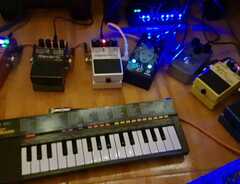


1086
Great drive, but not for me
Borrowed this from a friend for a couple weeks, so I haven't had super long to get to know it, but I'm a long time tubescreamer (clone) user so I wondered if it could convert me. Sadly, it did not. It's very much "the same but different" in very minor ways and by all means is an excellent alternative. However, I found that the colouration of the eq to be much stronger that my Kaffir lime and the gain seemed to be a touch more prickly. All in all, a fantastic overdrive. It's just not what I was looking for!
Preferred Settings + Usage:
Volume at unity, Tone at 2o'clock and Gain at 9o'clock gives a great light gain push to boost into a heavier distortion (such as a proco Rat)

Always come back to this one
43 years of uninterrupted production for a reason. No, it’s not “transparent” sounding. No, it’s not boutique. Yes, it’s a classic. Great for boosting leads and tightening the low-end on a Marshall-style tube amp that’s just on the edge of break-up. You’ve heard this on countless recordings. Easily the equal of the Ibanez TS-9 for half the price.
Preferred Settings + Usage:
Level maxed, Tone at 12 to 1 o’clock. Gain at 8 to 9 o’clock

41037
I prefer this to a TS9
I started on tubescreamers eventually favoring the TS9 until someone gave me their SD1. I adh switched fromf ender to amrshall amps back then and the SD1 sounded better into a marshall. It sounds good into a vox. Low on bottom end though. MXR's custom abdass remedies that issue with an extra 100hz control. Mine is old, probably 80s issue? Just found it recently. It appears to power up. I'm stoked. I gave my original TS9 and some TS5s and I think a 10 away to my best buddy, but this I kept. I think it sounds better than a tubescreamer... that extra diode and handful of different cap and resistor values really make a difference to me. People say the enw oens don't sound as good but they're not far off the mark to my ear. I was in a store around DC I sued to frequent and this dude I knew who worked there was A/Bing the current Boss version and an old one they were selling for like 20 times its original retail value. Pretty close. Not the eb all end all or anything, but there's a strange wisdom to this OD. I think the edge uses one of these and a ts9 as his main dirt stomps and that guy can have anything (and does). People shouldn't be cork sniffers, this little guy sounds good and its a steal.
Artist usage
Add artist
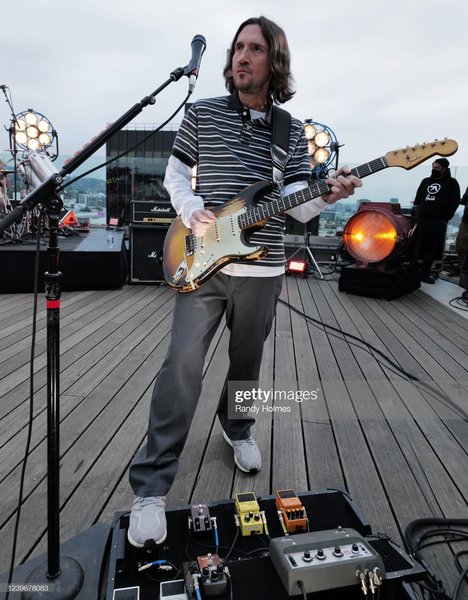
The Boss SD-1 can be seen beside his turbo distortion from this photos of their performance of "these are the ways" on the Jimmy Kimmel show April 1st

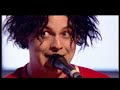
Jack White use this pedal in the Video from the Top of the Pops 2002 in the song Dead leaves and the Dirty ground


Used on Gilmour's solo record About Face and its respective tour.

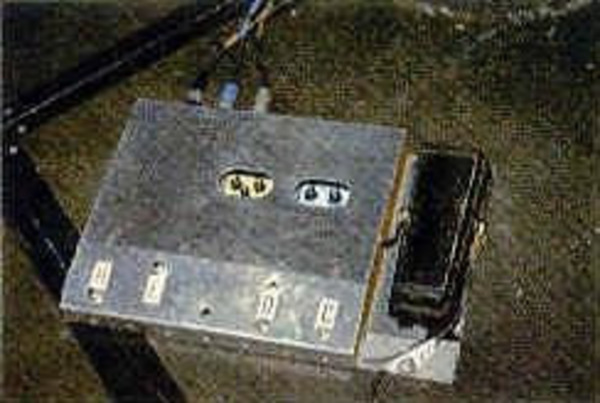
Used during Page's time with The Firm and his first solo tour, as is visible in this photo of Page's 80s pedalboard from this My Les Paul Forum thread.
Before the big Cornish pedalboard Jimmy commissioned from Pete Cornish in the early 90s, there was this much smaller pedalboard, in the Cornish style, but not from Cornish.
I know because I asked Pete Cornish by email and here's his reply:
Not guilty - it's not one of mine.
Best Wishes, Pete Cornish.

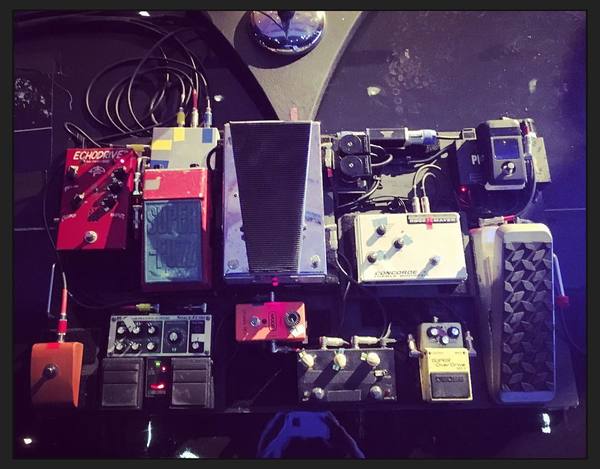
Used live during the Songs for the Deaf and Post Pop Depression tours. The former is documented by www.stonerrock.com's Queens of the Stone Age page and this July 6, 2004 eyewitness account from DIYstompboxes.com user Prive, while the latter is documented by a March 30, 2016 Instagram post by Sarah Lipstate of Homme's board from a show at Keller Auditorium.
stonerrock.com
[http://www.stonerrock.com/qotsa/Image/Pics/gear/joshbosstuner.jpg] [http://www.stonerrock.com/qotsa/Image/Pics/gear/joshbossoverdrive.jpg] [http://www.stonerrock.com/qotsa/Image/Pics/gear/bassmicro.jpg]
Josh Boss Tuner used in the Kyuss days. I guess he still use that. On the other pic, you can see a boss overdrive really clearly. Don't know the other one. Probably the boss tuner and a volume pedal. Josh was also spotted with an Electro Harmonix Bass Micro-synth. Travis sended that good peice of info too : "I was at the Troubadour show (the one on the SFTD DVD) and was standing right in front of Josh. His pedals for that show were an Ernie Ball volume pedal, on old beat up Boss SD-1, a Way Huge Aqua Puss (400ms analog delay - rare and expensive), and he had a Whirlwind Selector pedal covered in bright green tape with "BONUS" written over the A + B switch. (I think I also saw it on the Letterman performance)"
DIYstompboxes.com
He used a SD1 Boss always "on" in the QOTSA Argentinian shows, of course, Ampegs everywhere.
Saludos, Marcelo.
Lipstate
Ok, you guys freaked me out about posting Josh's pedalboard. But he said it was ok so here it is again: Josh Homme's pedalboard for the post pop depression tour with Iggy Pop!
An article about Boss SD-1 published in January 2023 Guitar World issue also talks about settings Homme used on the pedal. Both level and tone knobs were set to 10, while drive was set to 0.
Kosh has used the SD-1 with a vintage Ampeg amp with a distinctive midrange peak along with a Boss GE-7 graphic EQ to further boost 400Hz. This SD-1 setting adds sizzle and clarity to his thick-as-molasses midrange.

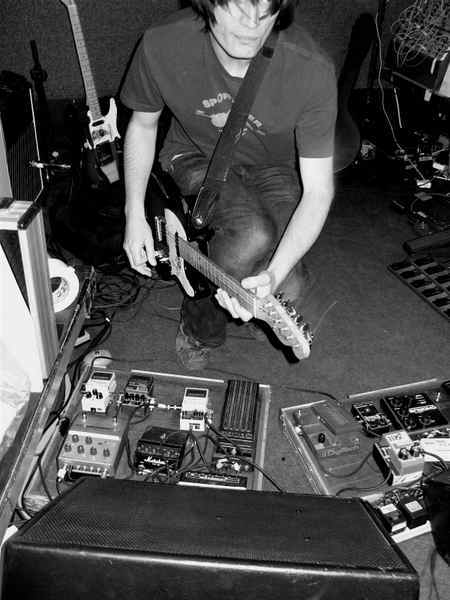
Jonny Greenwood can be seen using the Boss SD-1 pedal in this photo.


Kirk Hammett used this pedal in the Kill em All era with the Crybaby Wah. after Kill em All Kirk Hammett switched to the ibanez ts9 proof video at 9:00


Mentioned in The Van Halen Encyclopedia by C.J. Chivers.
Effects: A Roland DC30; an original Jimi Hendrix Fuzz Face purchased from Dan Martin sometimes between 1982 and 1984; a Roland Echo box used during live performances of 'Hot for Teacher' a Roland SDE-3000 Delay; a Rockman Smart Gate used for recording; a Boss OC-2 Octave; Boss SD-1 Overdrive; a Lexicon PCM-70 used for live performances of "Cathedral."
(...) For Unlawful Carnal Knowledge Tour (1991-92)
(...) Edward's live rig consisted of three Peavey 5150 cabinets, each housing four 12-inch speakers at 75-watts. One cabinet amplified a dry signal and the other two ran stereo effects. The speakers in the dry cabinet differed from the two effected cabinets in that they featured a lower efficiency coil form, which promoted a natural breakup and a more desirable tone. This cabinet fed a Palmer Speaker Simulator with a line level out to a Bradshaw switching system that controlled an Eventide H-3000 Harmonizer, two Roland SDE-3000s, a Lexicon PCM-70, an MXR Phase 90, a Boss SD-1, a Cry Baby Wah Wah, and a Boss OC-2.
(...) Right Here, Right Now Tour (1993)
(...) Edward's live rig consisted of three Peavey 4-by-12 cabinets: one dry and two with effects. Each effected cabinet was paired with an SDE-3000 digital delay, with the delay time on one set to one-half the delay time on the other to created a layered echo. An Evantide H3000 fed both effected cabinets along with a Lexicon PCM-70 digital reverb, which was used during his unaccompanied solo for "Cathedral." All remaining effects were handled with effects pedals patched in via a Bob Bradshaw footswitching system. The Bradshaw unit featured four presets: one was a SDE-3000/H3000 combination, a second added a BOSS OC-2 octave divider, the third featured an MXR Phase 90 phaser, and the fourth added a Dunlop Crybaby Wah-Wah, which was always kept in the ON position. On stages that required extra-long cable runs, Edward added a BOSS SD-1 Super Overdrive pedal to boost the signal to the wah (which occurred at approximately 10 shows throughout the tour). A Rockman noise gate was used with Ed's Sony wireless unit which sent a clean signal to his Peavey 5150 head. The signal was fed through a Palmer speaker simulator and an H&H power amp before hitting the speaker cabinets. The entire rig was capped off with Furman power conditioners keeping control of the AC voltage.


Used live with Alcatrazz, as documented and pictured on the "Alcatrazz Gear" page of Vai's official website. The "Live Gear" page specifies the "ALCATRAZZ USA & JAPAN TOURS 1984-1985".
http://www.vai.com/site-images/tm/xlivegear_alcatrazz06.jpg.pagespeed.ic.xAOYSy6fME.jpg
A very simple pedalboard consisting of a BOSS SD-1 Super Overdrive pedal, a Carvin footswitch used to control his amplifier, a custom-made clean/distortion switch and a Crybaby wah pedal.
Steve’s pedalboard soon grew into this one, featuring the same pedals as above (right), but without the custom clean/dirty switch, and adding 2 DC-8 switching units and a delay hold pedal.

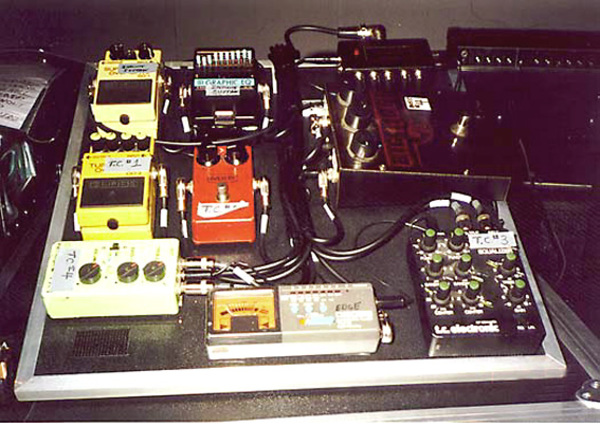
Known to have been used since U2's Boy. After a brief replacement by the Ibanez Tube Screamer (starting with the Elevation Tour), the SD-1 has made a return to The Edge's more recent rigs alongside its green rival. In this July 18, 2018 Premier Guitar Rig Rundown article for The Edge, it is shown that he uses the SD-1 in his rack system (visible in the bottom right corner of this photo).
The SD-1 is mentioned explicitly in this excerpt from the January 2001 issue of Guitar Player magazine in a list of then "projected" gear for the Elevation Tour.
On the stompbox front, he'll be using Boss SD-1 Super Overdrive and OD-2r Turbo Overdrive pedals, an FA-1 FET (for signal boost), three DigiTech Whammy pedals, three Dunlop Cry Baby's, and a trio of Lovetone pedals -- a Meatball (envelope filter), Doppelganger (phaser/vibrato), and Big Cheese (distortion). All of this will go through five pre-1966 Vox AC30s and two Randall 1x12 combos.
As compiled by U2 Guitar Tutorials forum member kultschar in this forum post, photos from the Joshua Tree Tour and the Zoo TV Tour (pictured) show that the SD-1 was used in a loop with a graphic equalizer labeled "Infinite Sustain", used for "With or Without You".
Joshua / Lovetown Rig:
- Boss SD1 As you can see there is the 3 triangular knobbed SD-1 at the back. Next to the SD-1 is the Pearl Graphic EQ. During the next tour it becomes apparent that the two are linked together for WOWY Infinite Sustain (thanks to Bradshaws later Zoo TV Rig photos which i will post further down)
(...) ZooTV Rig:
Well its the same pedals as the tour before, only he added a crazy amount of rack units
This picture is from CAE during the actual building of the rig, note the pedals were put into the TC2290 loops and labelled TC1, TC2 etc If your eagle eyed you can see the Boss SD-1 and Pearl Graphic EQ labelled Infinite Sustain therefore both combined in one loop for WOWY tone. (...) Below is the rig during the early Zoo tour when they played the Achtung Baby songs pre Zooropa, note the pedals were duplicated. I believe they were duplicated for backup purposes, he did substitute the odd one e.g. Boss Graphic EQ was used instead of the Pearl EQ, TC FET Booster was used instead of another FA-1 and CS-2 was used instead of another Dynacomp.
Popmart Rig
As you can see his Zoo pedals (core sounds remain intact). Im positive the OD-2 is still his main overdrive as its still the first switch on his MIDI controller like the Zoo days labelled Turbo.

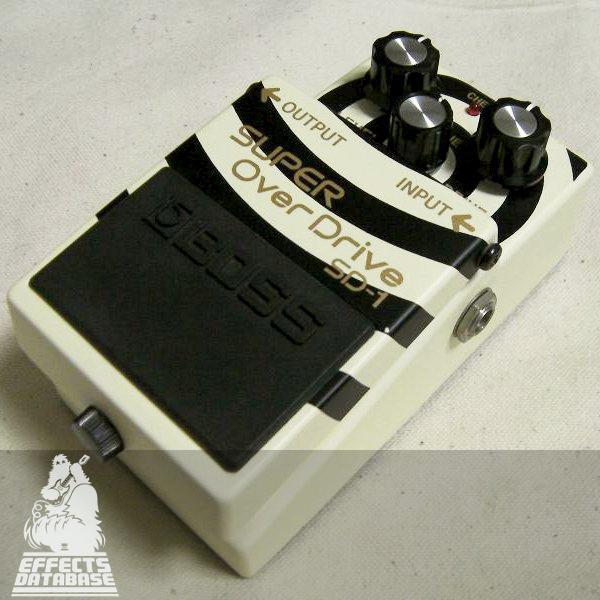
Wylde famously uses the SD-1 to boost his amps. In fact, he is so closely associated with the pedal that Boss released a limited edition Zakk Wylde version.

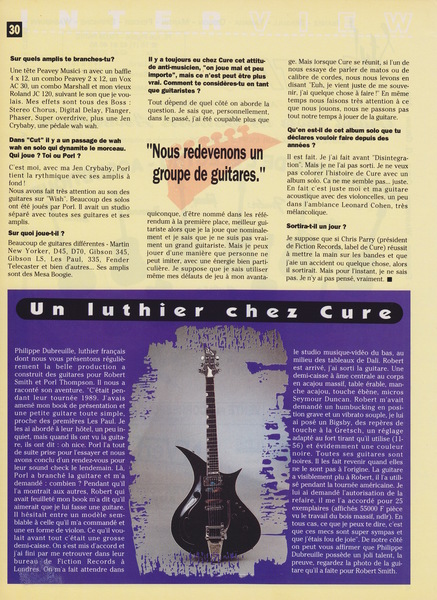
This source comes from the French Guitarist Magazine, April 1992 -
Robert says "Mes effects sont tous des Boss: Stereo Chorus, Digital Delay, Flanger, Phaser, Super overdrive, plus une Jen Crybaby, une pédale wah wah."
Translated: "My effects are all Boss: Stereo chorus, Digital Delay, Flanger, Phaser, Super overdrive, plus a Jen Crybaby, a wah wah pedal."
Album Usage
The Boss SD-1 Super OverDrive has been featured on the following albums:
Welcome To The Future
H.E.A.T (2025)

Kaitlyn
Eric Dangerfield (2024)
In Times New Roman...
Queens of the Stone Age (2023)
jams EP
Luna Li (2021)
Rockology
Eric Carr (2020)
Easter is Cancelled (Deluxe)
The Darkness (2019)
Brutalism
IDLES (2017)
A Head Full of Dreams
Coldplay (2015)
Live at the Royal Standard
Jimi Hocking (2013)
Songs From The Small Machine - Live In L.A.
Lindsey Buckingham (2011)
Recreio
Lupe De Lupe (2011)
Postcards From A Young Man
Manic Street Preachers (2010)
Them Crooked Vultures
Them Crooked Vultures (2009)
Permission to Land
The Darkness (2003)
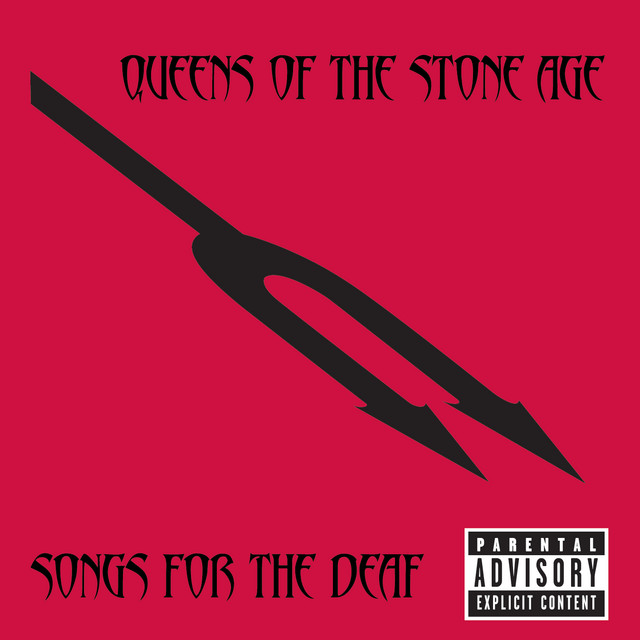
Songs For The Deaf
Queens of the Stone Age (2002)
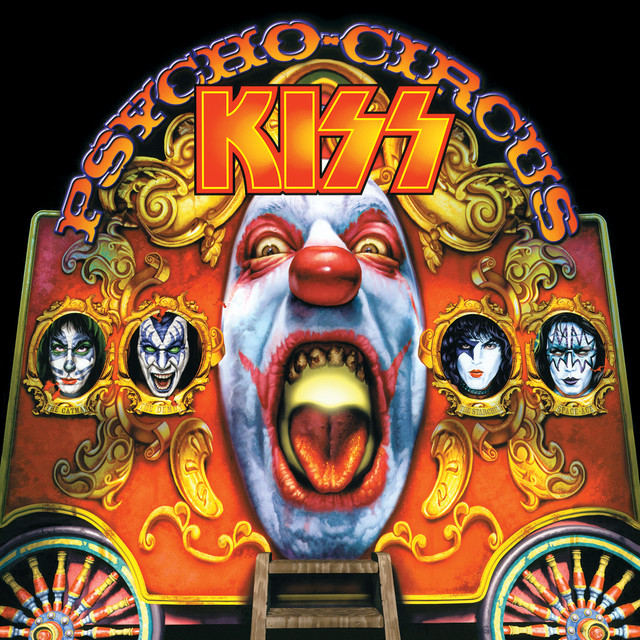
Psycho Circus
Kiss (1998)
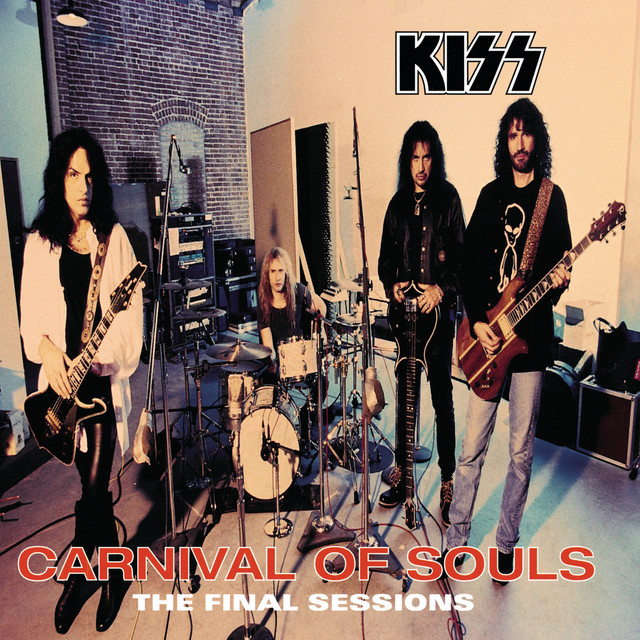
Carnival Of Souls: The Final Sessions
Kiss (1997)
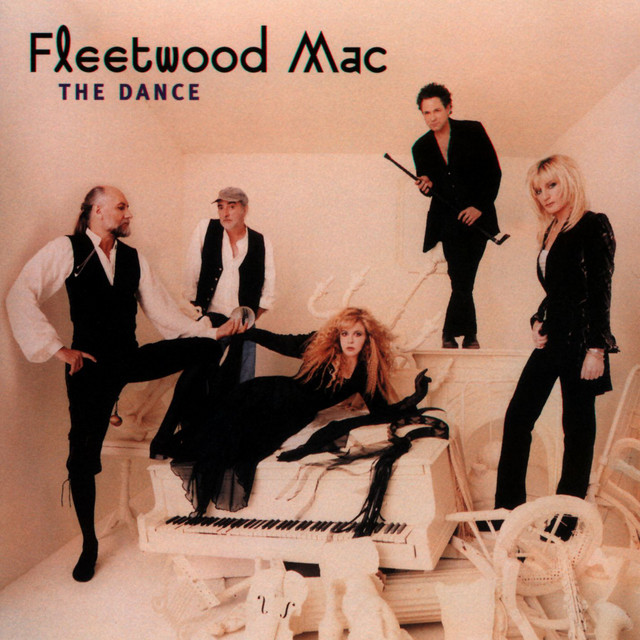
The Dance
Fleetwood Mac (1997)
Static & Silence
The Sundays (1997)
Hell Freezes Over (Remaster 2018)
Eagles (1994)

Zooropa
U2 (1993)
Alive III
Kiss (1993)
Van Halen Live: Right Here, Right Now
Van Halen (1993)
Revenge
Kiss (1992)
Goodbye
The Sundays (1992)
For Unlawful Carnal Knowledge
Van Halen (1991)
Beyond The Common Ground
Jan Cyrka (1991)
Hot In The Shade
Kiss (1989)
Extremely Live (Live)
The Groundhogs (1988)
Sign O' The Times
Prince & Prince (1987)
The Joshua Tree
U2 (1987)
Crazy Nights
Kiss (1987)
The Ultimate Sin
Ozzy Osbourne & Ozzy Osbourne (1986)
Asylum
Kiss (1985)
Animalize
Kiss (1984)
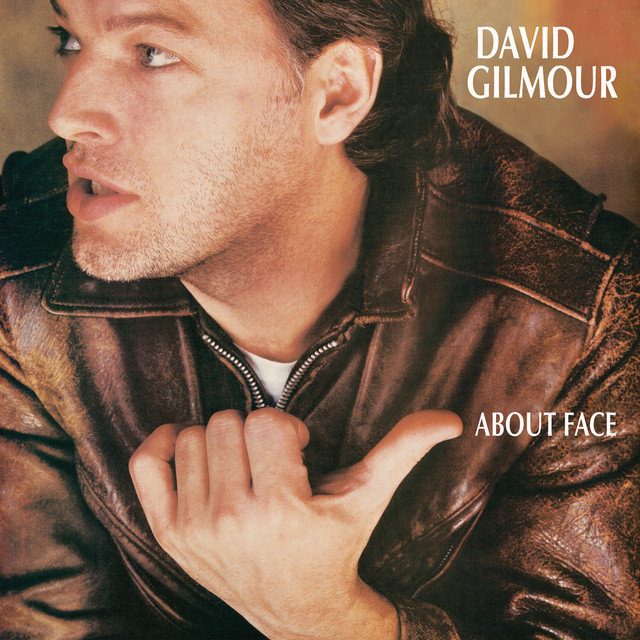
About Face
David Gilmour (1984)
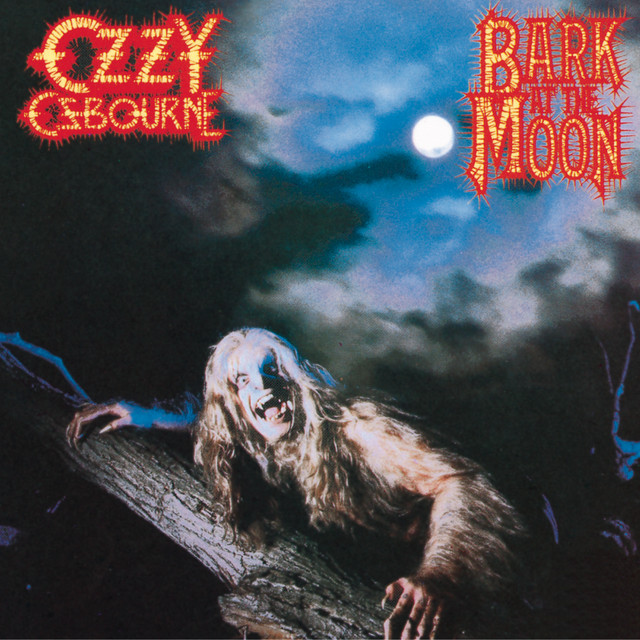
Bark At The Moon (Expanded Edition)
Ozzy Osbourne & Ozzy Osbourne (1983)
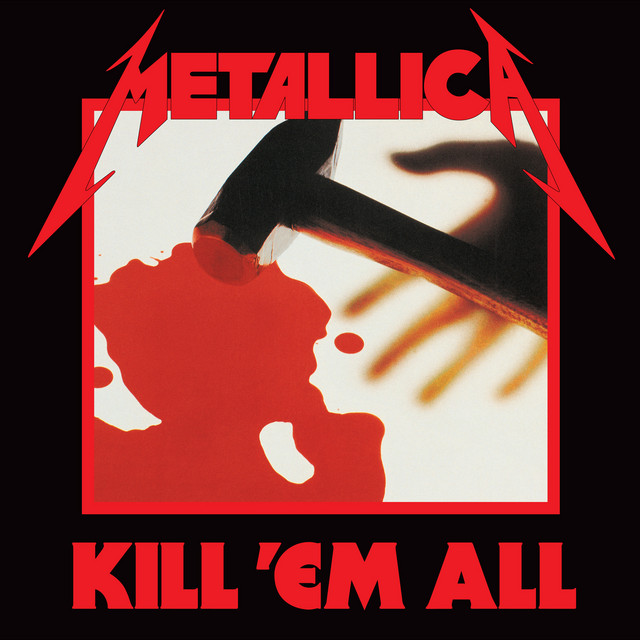
Kill 'Em All (Remastered)
Metallica (1983)
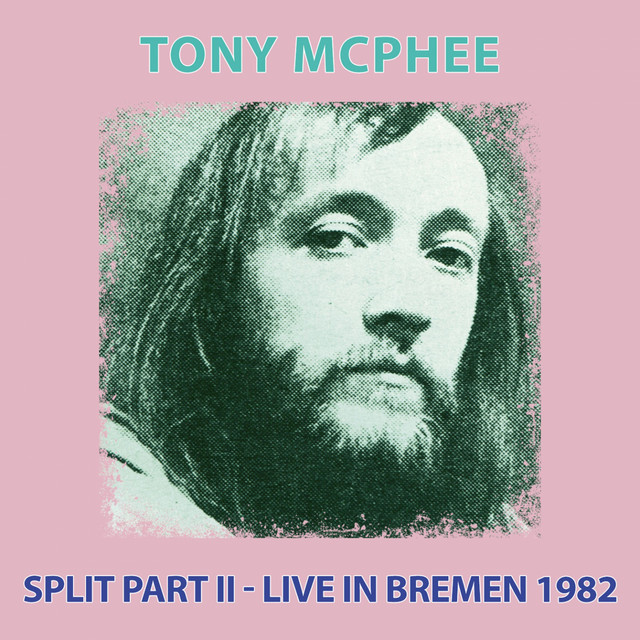
Split Part II (Live At Bremen 1982)
Tony McPhee (1982)
Genre Usage
Based on how artists on Equipboard use this gear, it is most commonly found in the following genres.
Used With
Based on how musicians on Equipboard use Boss SD-1 Super OverDrive, it is most commonly used with the following gear.
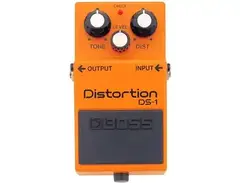

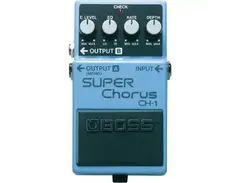
-s.webp?v=1785189956)


-s.webp?v=1785150042)

Community setups
Show yours
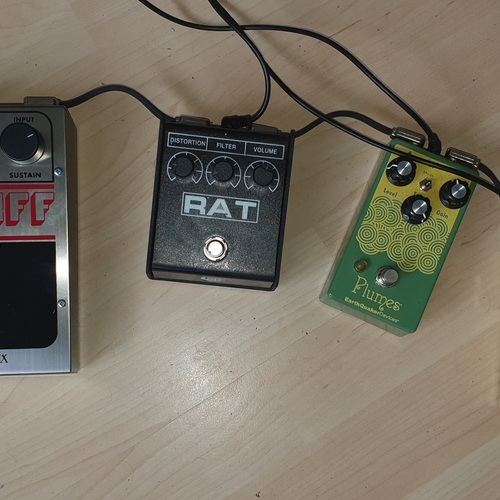

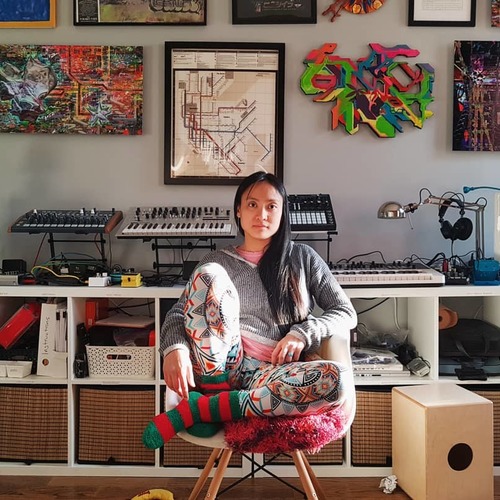


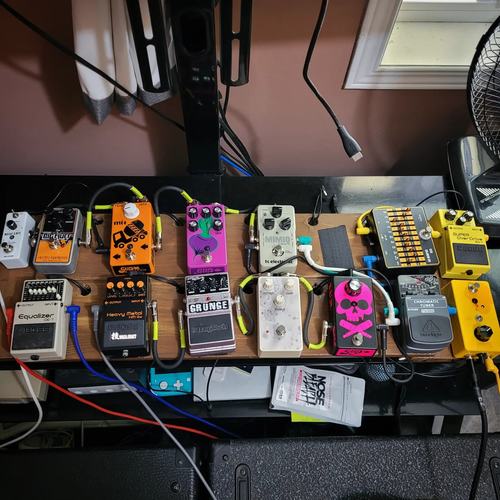

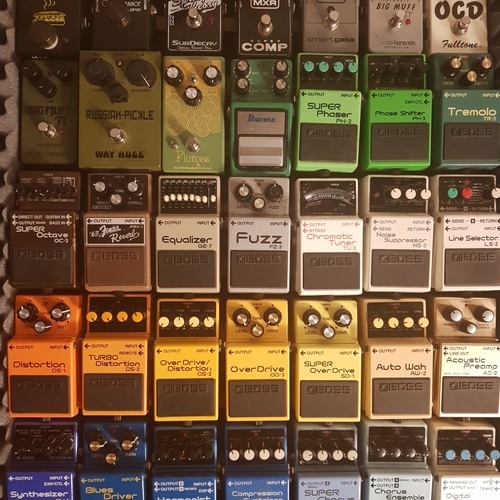


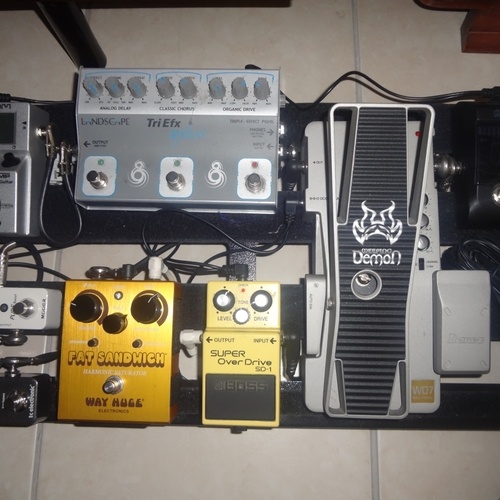

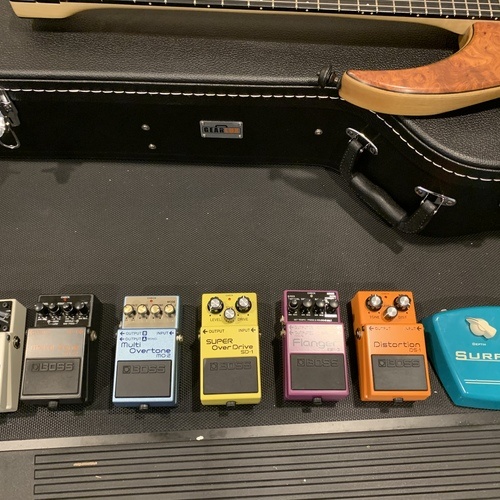
















.jpg?v=1757917210)




.jpeg?v=1775770057)


.jpg?v=1736131660)

.jpg?v=1784722896)

















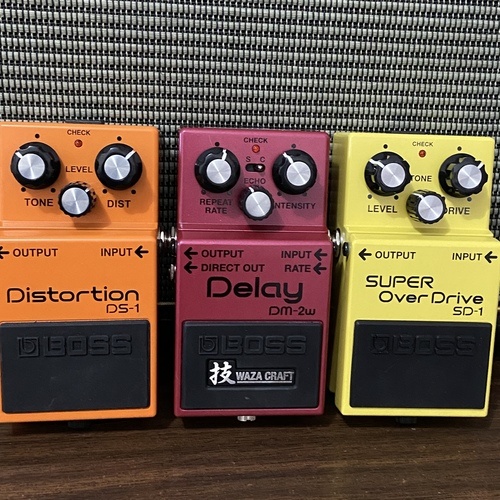

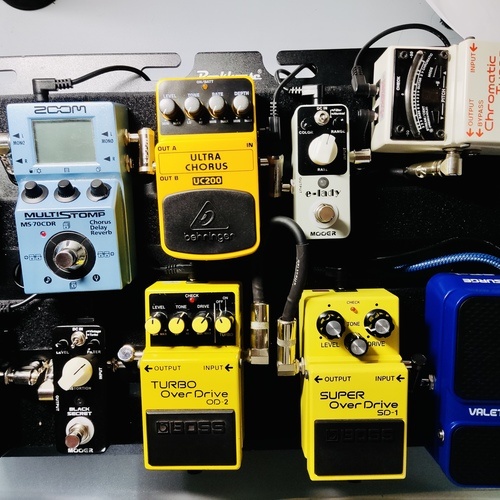


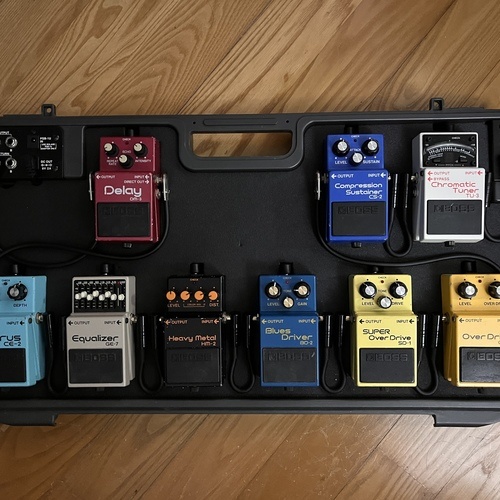


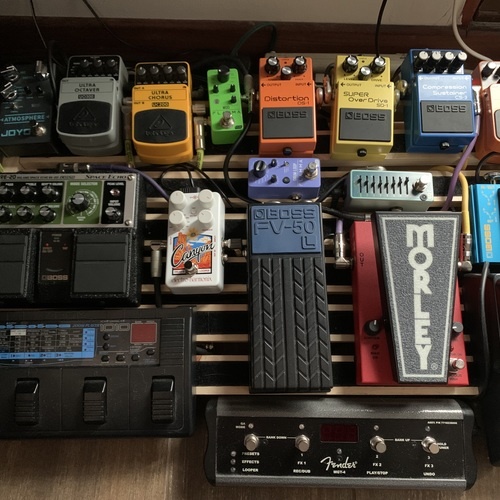

















.jpg?v=1784565275)






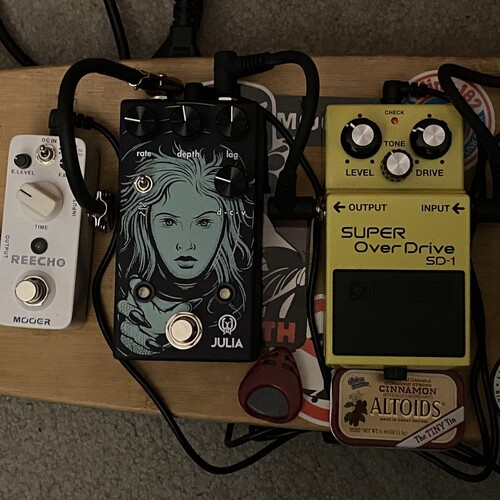
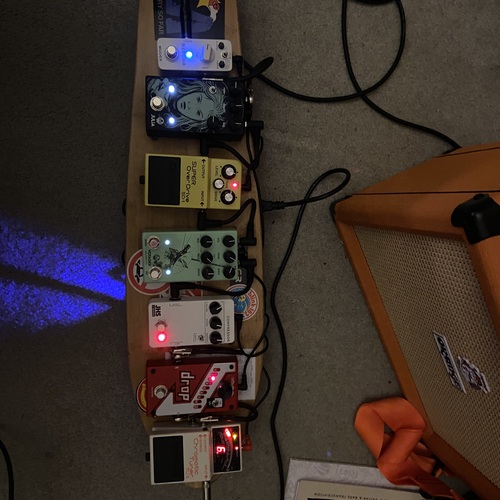
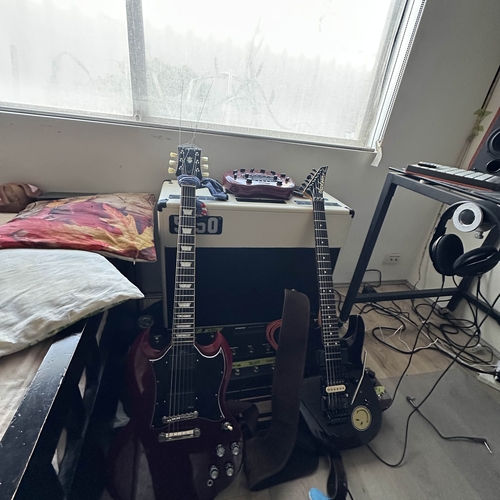
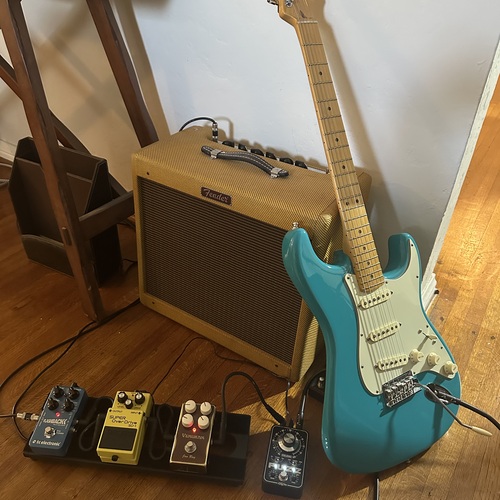

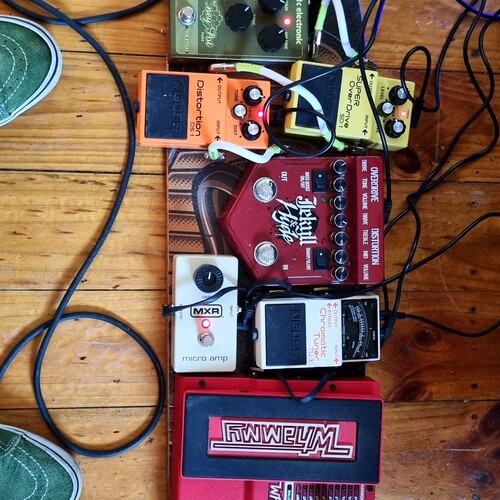

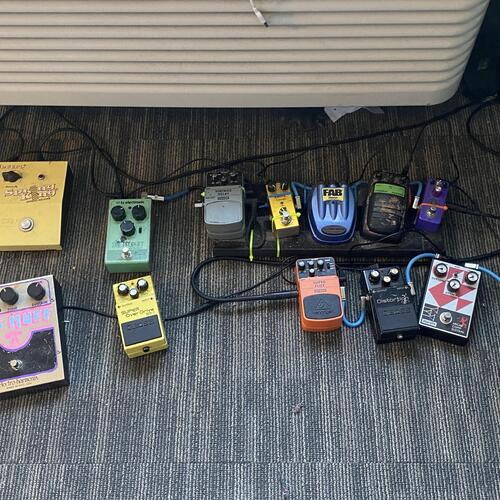
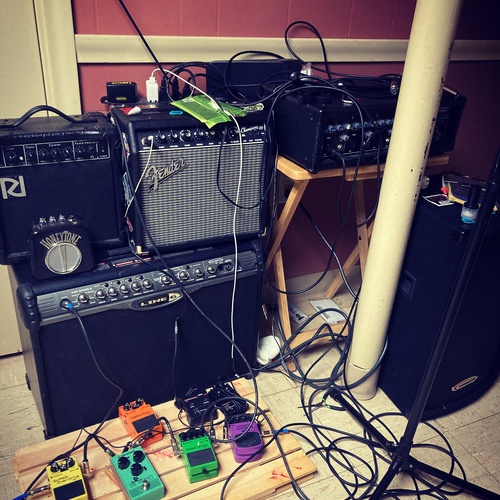

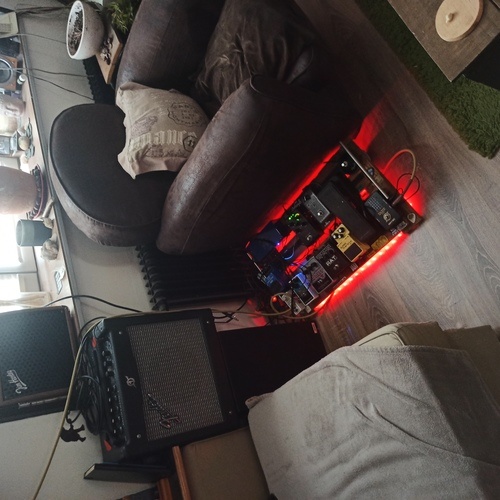

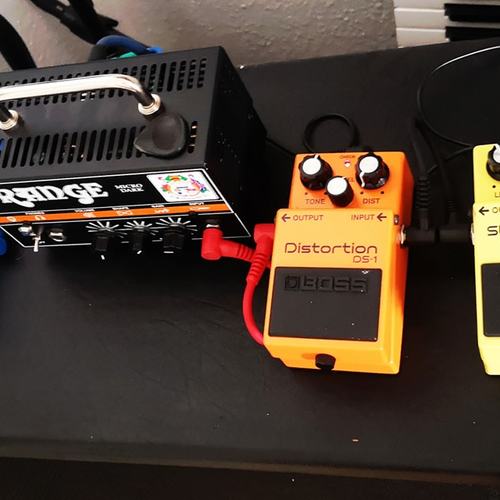
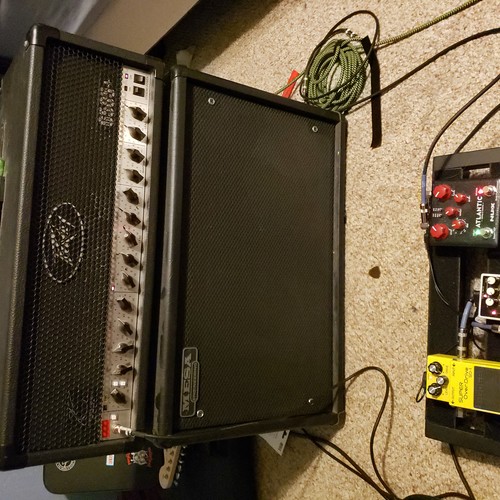

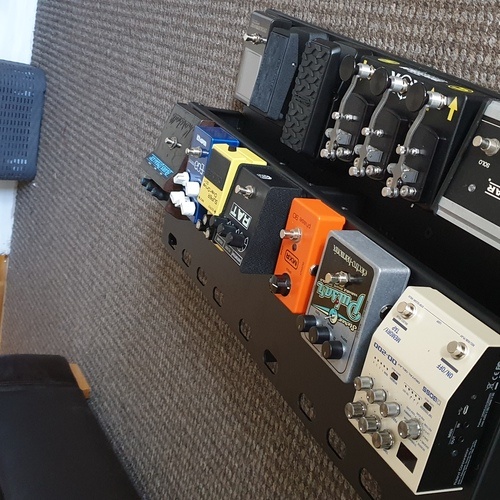
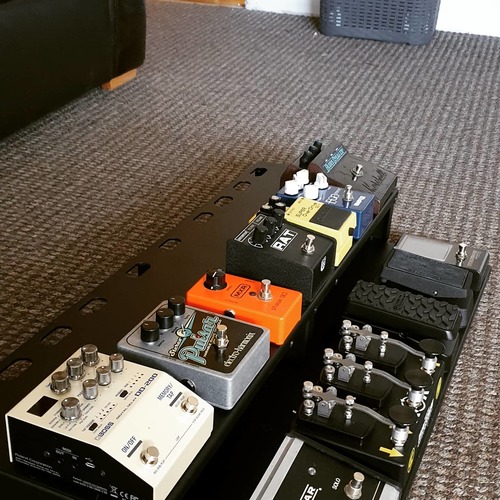

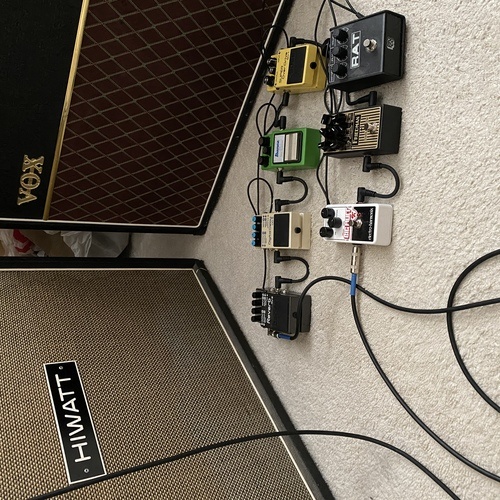

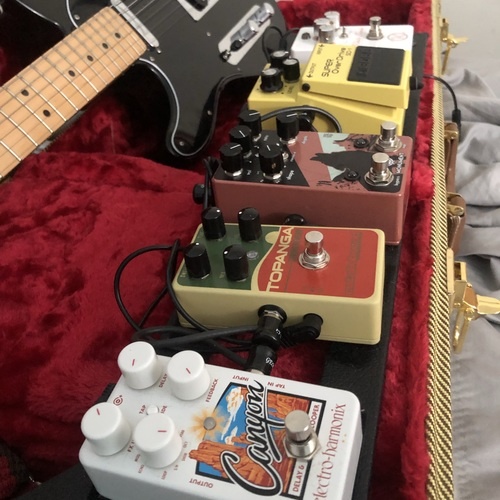

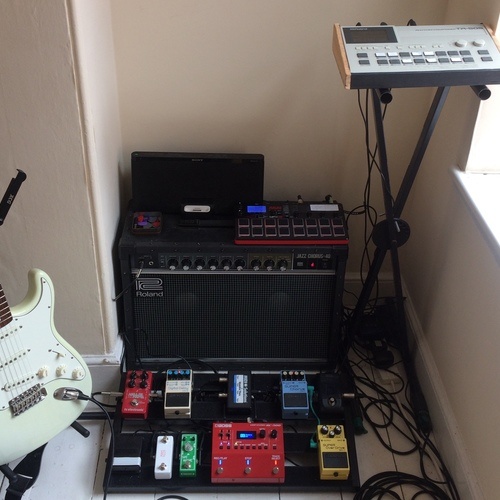


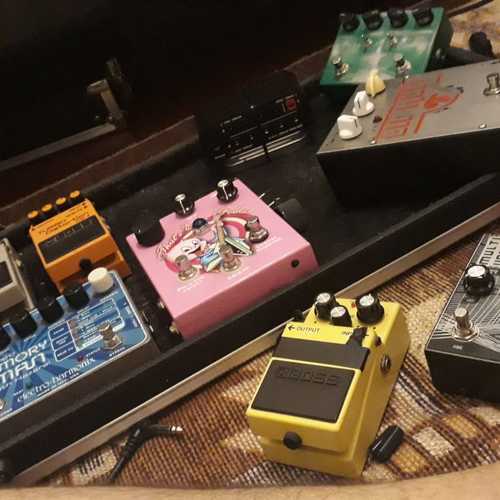






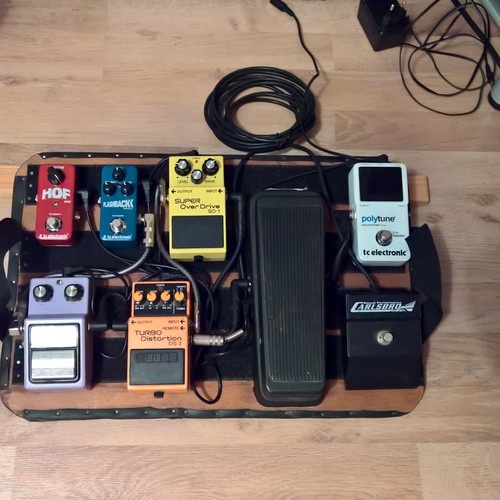

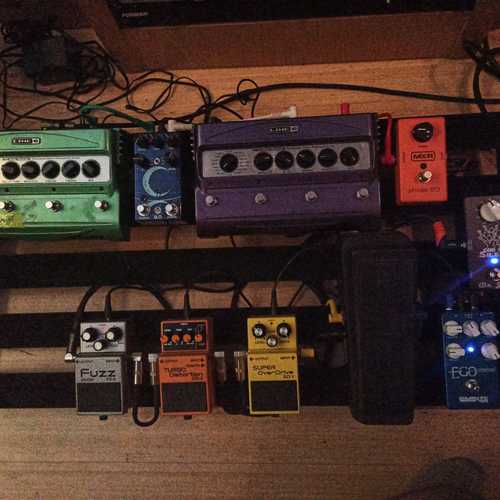
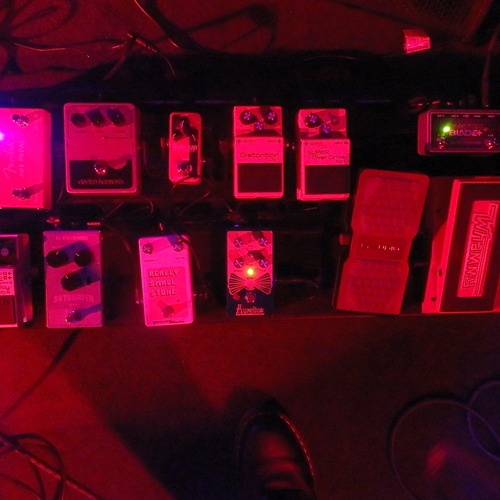

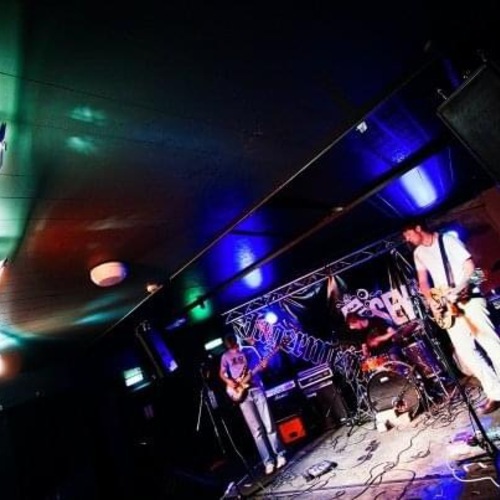

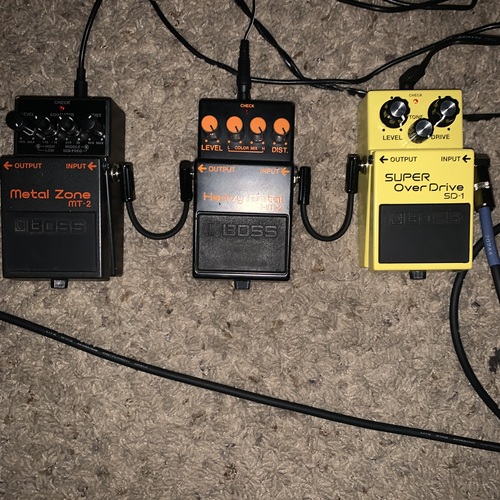
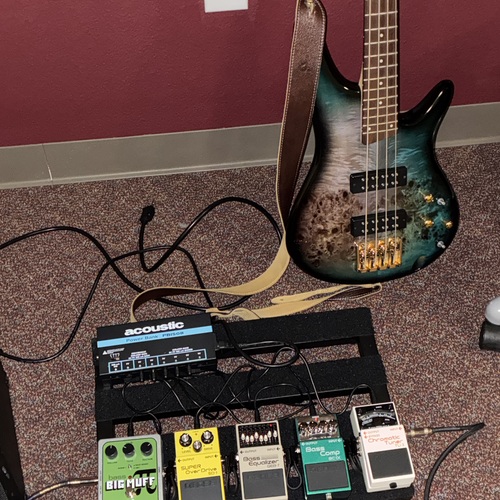
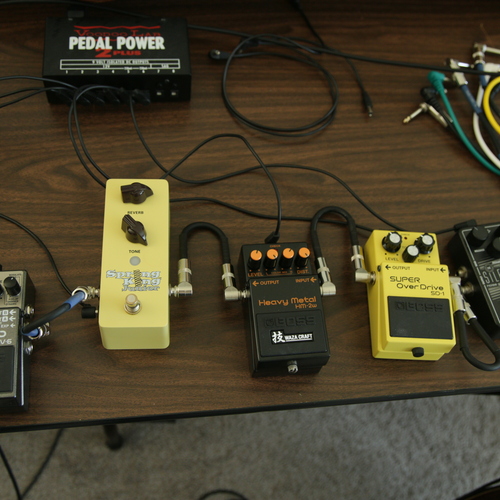

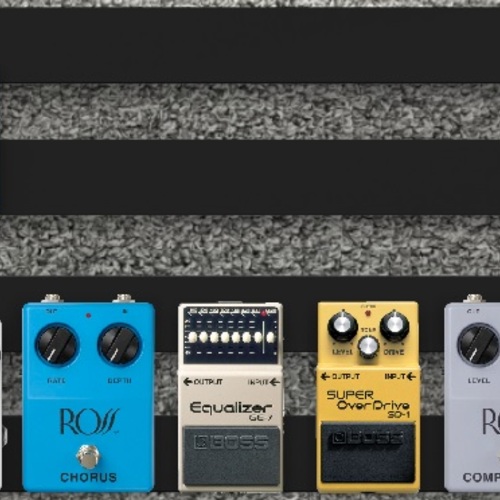

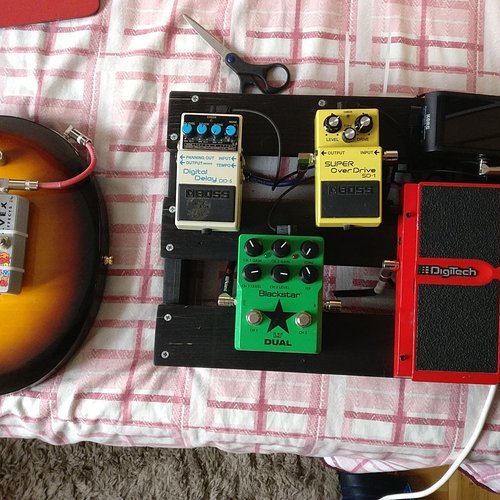

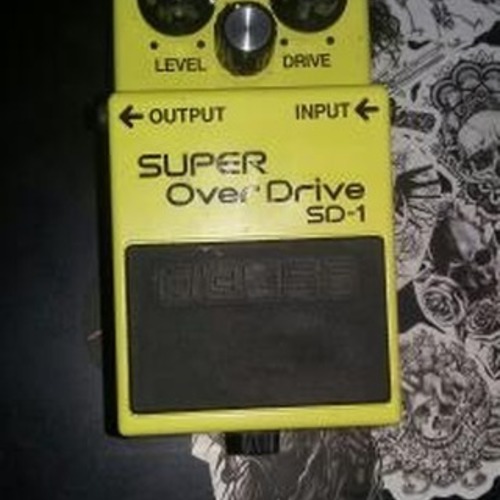
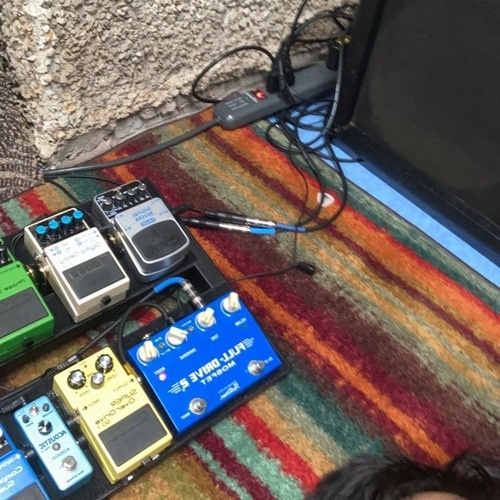

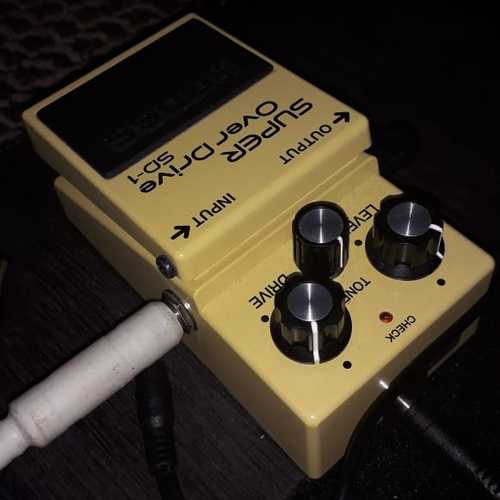
Similar
Add recommendation28 alternative and related items for Boss SD-1 Super OverDrive, curated by the Equipboard community.
-m.webp?v=1768422599)
A clone of the Boss SD-1. Manufactured in South Korea.

It can do what the SD-1 does and more, With the dirty booster setting on, it's just an overdrive, but with the clean boost setting it boosts your signal without clipping it, which is good for shaping already high-gain amps

$89.00 - $109.99
The two titans of Boss overdrive pedals, both are about equal in popularity.

$84.97 - $99.99
Based on the SD-1, as specified on the official product page.
The Triumph is a versatile overdrive based around two of Brian’s all-time favorite overdrives, the Digitech Bad Monkey and the Boss SD-1. In typical Wampler fashion, additional EQ stages have been added that allow a variety of different tones as well as internal circuit changes that add polished glassy overtones.

$174.00
Boutique high-end USA made equivalent with higher quality components and more EQ/tone shaping functions.

$62.00 - $81.60
East river sounds pretty similar to the boss SD-1, but I think you can get a tad more grit out if it if that’s something you want. Trade off is I think it sounds the slightest bit less warm than an SD-1. Both great options though!
More Boss Overdrive Effects Pedals

$100.75 - $120.99
in Overdrive Effects Pedals Rank


-m.webp?v=1785193158)
$149.00 - $186.99
in Overdrive Effects Pedals Rank


$266.63
in Overdrive Effects Pedals Rank


$89.00 - $109.99
in Overdrive Effects Pedals Rank


$127.00 - $142.00
in Overdrive Effects Pedals Rank


$155.00 - $249.99
in Overdrive Effects Pedals Rank


$60.99
in Overdrive Effects Pedals Rank


$136.44 - $208.99
in Overdrive Effects Pedals Rank


$209.00 - $274.99


.jpeg?v=1785199458)

$100.59


$64.99 - $100.00


$129.00 - $169.68


-m.webp?v=1785199181)
$95.00 - $399.52
in Overdrive Effects Pedals Rank


-m.webp?v=1784905094)
$733.00
in Overdrive Effects Pedals Rank


$180.00 - $216.75
in Overdrive Effects Pedals Rank


$139.00 - $999.99
in Overdrive Effects Pedals Rank


$65.00
in Overdrive Effects Pedals Rank


$179.00 - $229.99
in Overdrive Effects Pedals Rank


.jpg?v=1785166121)

$102.50 - $185.00
in Overdrive Effects Pedals Rank


$99.00 - $143.00
in Overdrive Effects Pedals Rank


$159.99 - $179.00
in Overdrive Effects Pedals Rank


$183.99 - $229.99
in Overdrive Effects Pedals Rank

-m.webp?v=1785190673)
$84.99 - $125.00
in Overdrive Effects Pedals Rank


$150.00
in Overdrive Effects Pedals Rank


$270.79
in Overdrive Effects Pedals Rank


$190.00 - $229.99
in Overdrive Effects Pedals Rank


$159.00 - $315.00
in Overdrive Effects Pedals Rank


$122.69 - $181.00
in Overdrive Effects Pedals Rank


$654.63
in Overdrive Effects Pedals Rank


$89.00 - $109.99
in Overdrive Effects Pedals Rank


$199.00 - $287.00
in Overdrive Effects Pedals Rank


Accessories & Related Items


-s.webp?v=1785150028)


-s.webp?v=1785151303)


Gear Guides




.webp)

Most Popular Overdrive Effects Pedals
Most Popular Brands
-
Added to Equipboard on by
equipboardGearIQ 4934
-


