Table of Contents

Equipboard
Equipboard is the world's largest community of artists and their gear. Read our review process.
We are reader-supported. When you buy through links on our site, we may earn an affiliate commission. Learn more.
Our Picks


You've spent hours researching the perfect guitar, comparing pickup specs and wood types. You've debated over which audio interface offers the cleanest preamps for your home studio. Maybe you've even splurged on that vintage synthesizer that your favorite producer swears by. But here's the thing: the most valuable piece of equipment in your arsenal isn't something you can order online or find in a music store. It's your skill set.
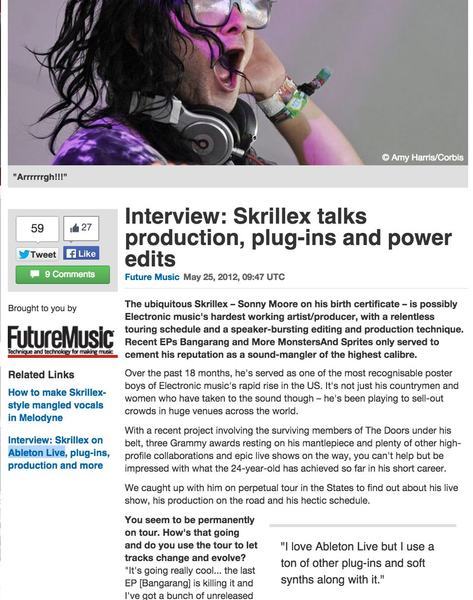
Think about it. The greatest musicians throughout history didn't achieve legendary status just because they owned the finest instruments. John Mayer doesn't sound incredible solely because of his collection of amazing guitars and pedals. Skrillex didn't revolutionize electronic music just because he had access to cutting-edge software.
In 2025, we're living in the golden age of music education. The same internet that lets you research every detail about your dream guitar also gives you access to world-class instruction from industry legends, comprehensive courses from prestigious universities, and innovative learning platforms that make practice actually fun. Whether you're a bedroom producer looking to level up your beats or a seasoned player wanting to expand into jazz theory, online music education has democratized access to knowledge that was once available only to those who could afford expensive private lessons or university tuition.
This guide isn't just another list of online courses. It's a roadmap to help you navigate the vast landscape of digital music education, understand which platforms match your learning style, and ultimately make smarter investments in your musical growth.
The New School: Why Go Online?
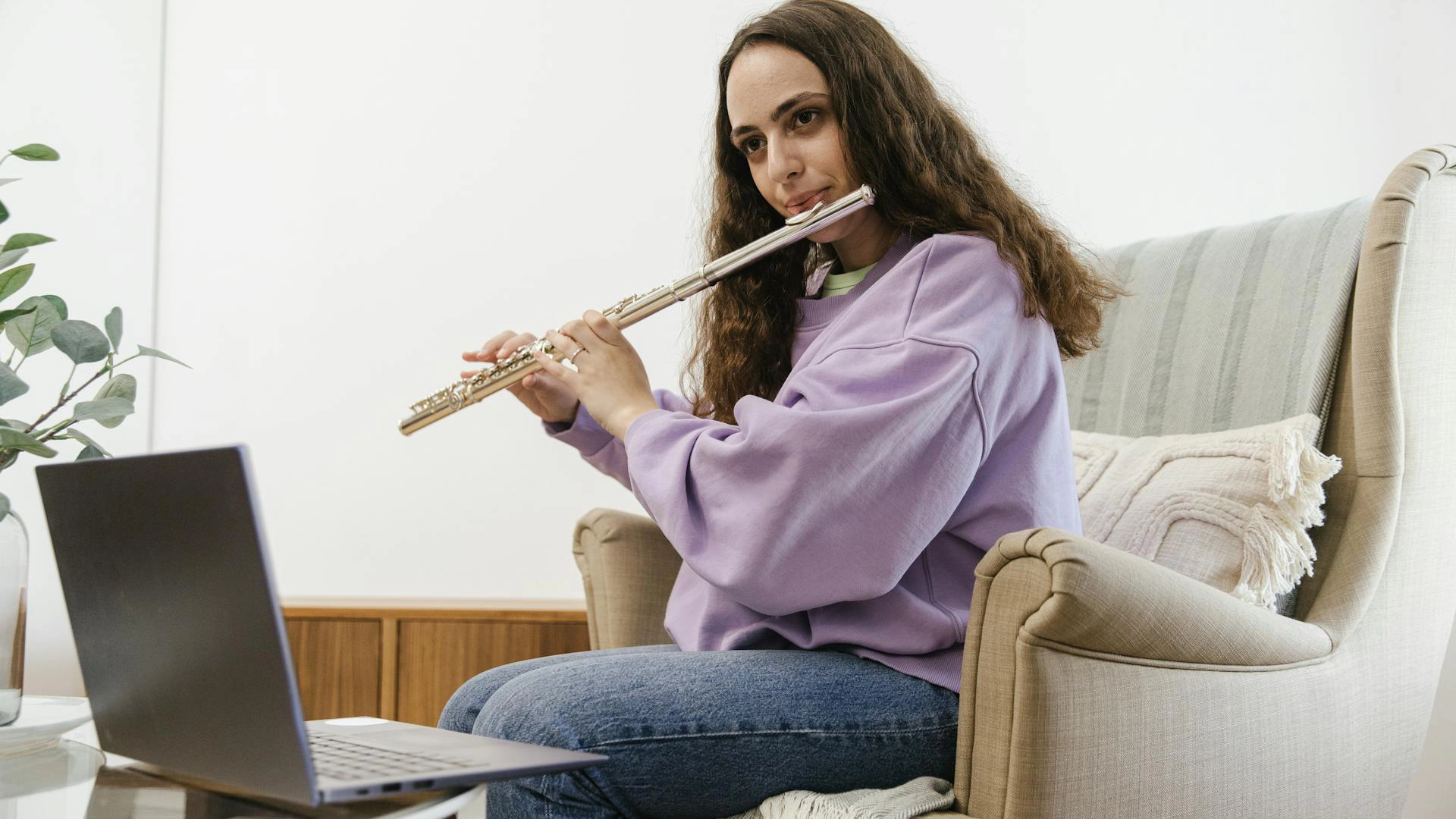
The shift toward online music education fundamentally changed how musicians learn, practice, and connect with knowledge that can transform their playing. Understanding why this shift happened helps explain why online learning has become such a powerful tool for musicians at every level.
Flexibility That Actually Works
Traditional music lessons follow a rigid schedule. You show up at 3 PM every Tuesday, whether you're feeling inspired or completely burned out from work. Online learning flips this dynamic entirely. Your practice session can happen at 6 AM before your day job, during lunch breaks, or at midnight when creative energy strikes. This flexibility isn't just convenient; it's practical for adult learners who have responsibilities beyond music.
Affordability That Opens Doors
Consider the math. Private lessons with a qualified instructor typically cost between $30-100 per hour. Over a year, weekly lessons could easily cost $1,500-5,000. Meanwhile, platforms like Coursera offer music courses from universities like Yale and Berklee for under $50 per month. Even premium services like MasterClass, featuring lessons from artists like Alicia Keys and Armin van Buuren, cost less than two private lessons annually.
Global Reach Without Geographic Limits
The internet has eliminated geography as a barrier to quality instruction. You can take mixing and mastering courses designed by Grammy-winning engineers, learn classical composition from conservatory professors, or study electronic music production with artists who've topped international charts. This global access means you're not limited by your local music scene or available instructors.
The Democratization Effect
Perhaps most significantly, online education has broken down traditional barriers to musical knowledge. You don't need connections in the industry, expensive equipment, or acceptance into competitive programs to access high-quality instruction. The same lesson that teaches a beginner their first chord progression can later serve as reference material when they're writing original songs.
Finding Your Digital Classroom: Platform Breakdown
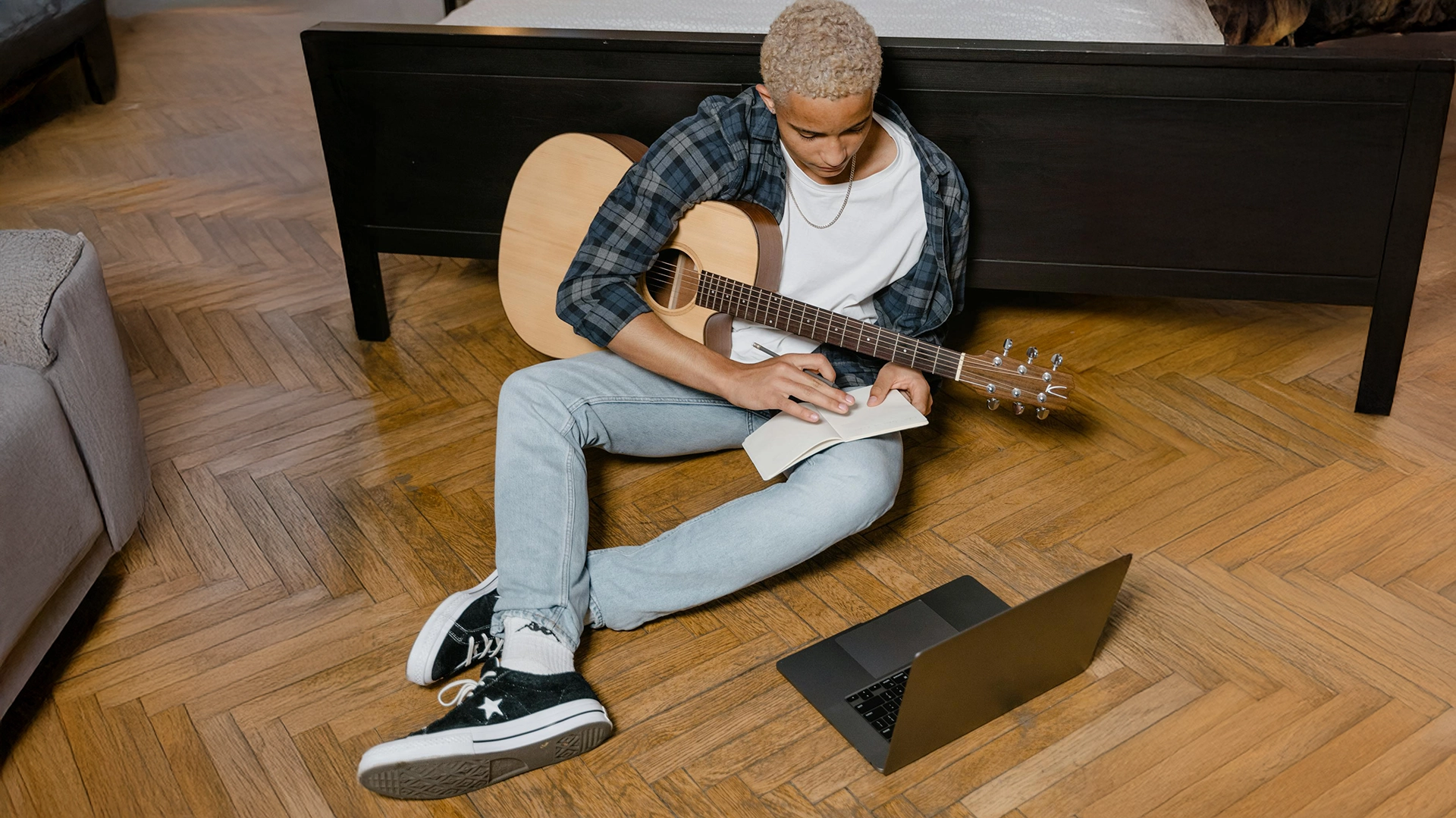
Choosing the right online learning platform is like selecting an instrument. Each type serves different purposes, appeals to different learning styles, and works better for certain goals. Understanding these categories helps you match your learning preferences with the most effective approach.
Interactive and Gamified Apps
Modern learning apps have transformed music education by borrowing techniques from video game design. These platforms use immediate feedback, progress tracking, and reward systems to keep students engaged while building fundamental skills.
Yousician: The Gateway Experience
Yousician treats music learning like a mobile game, complete with levels, achievements, and daily challenges. The app listens to your playing through your device's microphone and provides real-time feedback on timing, pitch, and accuracy. This immediate response helps beginners develop proper technique from the start, rather than reinforcing bad habits.
The platform covers guitar, bass, piano, ukulele, and singing with lessons that progress from basic note recognition to complex songs. While the gamified approach works exceptionally well for motivation, advanced players might find the content somewhat limiting for developing sophisticated techniques or deep theoretical understanding.
Simply Piano: Focused Excellence
Simply Piano concentrates specifically on piano and keyboard skills, using your device's microphone to listen as you play along with popular songs and classical pieces. The app's strength lies in its song recognition technology and carefully structured progression from beginner exercises to full arrangements.
What sets Simply Piano apart is its integration with acoustic instruments. Unlike purely digital learning tools, it encourages students to use real pianos and keyboards, making it an excellent complement to hardware investments in quality instruments.
Flowkey: Professional Production Values
Flowkey features high-quality video lessons with professional pianists demonstrating techniques on camera. The platform offers adjustable playback speeds, loop functions for difficult sections, and the ability to focus on just the left or right hand parts of arrangements.
The app includes lessons from contemporary artists and covers everything from classical pieces to current pop hits. Its strength is in making complex arrangements approachable through visual learning and interactive practice tools.
Self-Paced Course Libraries
Course library platforms provide structured learning paths with the flexibility to progress at your own speed. These services typically offer comprehensive curricula covering both theoretical knowledge and practical application.
Coursera: Academic Rigor Made Accessible
Coursera partners with universities to offer legitimate academic courses in music theory, composition, and production. Courses from institutions like Yale, Berklee College of Music, and Edinburgh University provide university-level instruction at a fraction of traditional tuition costs.
The platform's strength lies in its academic credibility and structured approach. Courses include assignments, peer reviews, and often result in certificates that carry weight in professional settings. The time commitment typically ranges from 4-8 hours per week over several months, making it ideal for serious students who want comprehensive knowledge.
Skillshare: Creative Community Focus
Skillshare emphasizes creative projects and community interaction. Music courses tend to focus on practical skills like beat making, songwriting, and home recording rather than theoretical foundations. The platform encourages students to share their work and receive feedback from both instructors and peers.
Project-based learning makes Skillshare particularly effective for producers and songwriters who learn best by creating rather than studying theory. The community aspect helps combat the isolation that sometimes accompanies self-directed learning.
MasterClass: Learning from Legends
MasterClass offers an entirely different approach by providing intimate access to world-renowned musicians sharing their knowledge and creative processes. Students can learn directly from artists like Herbie Hancock, Christina Aguilera, and electronic music pioneer Armin van Buuren.
The value here isn't just in technical instruction but in understanding the mindset and creative approaches that separate good musicians from great ones. These courses provide inspiration and insight into professional-level thinking that's difficult to find elsewhere.
One-on-One Lessons
Despite the rise of self-directed learning, personalized instruction remains crucial for developing advanced skills and addressing individual challenges. Online platforms have made private lessons more accessible and often more effective than traditional in-person sessions.
Preply: Global Instructor Network
Preply connects students with music instructors worldwide, offering lessons via video chat at competitive rates. The platform's strength lies in its diverse instructor pool, allowing students to find teachers who specialize in specific genres, techniques, or even cultural approaches to music.
Students can browse instructor profiles, read reviews, and often schedule trial lessons before committing to regular sessions. This transparency helps ensure a good match between student and teacher, which is crucial for effective learning.
Forte: Technology-Enhanced Lessons
Forte provides specialized software designed specifically for music lessons, including features like shared digital sheet music, recording capabilities, and interactive practice tools. Instructors can mark up scores in real-time, record lesson segments for later review, and assign homework through the platform.
The technology integration makes online lessons feel more interactive and organized than standard video calls. Students can review lesson recordings, access assigned materials, and track their progress over time.
Lessonface: Professional Focus
Lessonface caters to serious students and professional instructors with higher-quality streaming and specialized tools for music education. The platform attracts instructors from major music schools and professional performers who teach part-time.
The caliber of instruction tends to be higher, with correspondingly higher rates, making it ideal for intermediate and advanced students who need expert-level guidance. Many instructors offer lessons in multiple instruments or specialized areas like jazz improvisation or classical technique.
High-Quality Audio and Video Considerations
One-on-one online lessons demand attention to technical quality. Audio clarity is particularly crucial since subtle aspects of musical performance can be lost in poor-quality connections. Students serious about online lessons should invest in good microphones, audio interfaces, and reliable internet connections.
Many instructors recommend specific technical setups for optimal lesson quality. This might include using audio interfaces instead of built-in computer microphones, positioning cameras to show hand technique clearly, and using wired internet connections to avoid dropouts during critical instruction moments.
Accredited and Professional Programs
For students seeking formal credentials or comprehensive professional training, accredited online programs provide structured pathways to degrees and certificates that carry weight in the music industry.
Berklee Online: Industry Standard
Berklee Online extends the reputation of Berklee College of Music into the digital realm, offering both degree programs and individual courses. The curriculum covers contemporary music styles, music business, production, and performance with the same rigor as on-campus programs.
Students can earn certificates, bachelor's degrees, or master's degrees entirely online while accessing the same faculty and resources as traditional Berklee students. The networking opportunities alone often justify the investment, as Berklee alumni work throughout the music industry.
Point Blank Music School: Electronic Focus
Point Blank specializes in electronic music production, DJing, and music business with campuses in London and Los Angeles offering online versions of their programs. The school's focus on contemporary electronic music makes it particularly relevant for producers working in dance music, hip-hop, and other sample-based genres.
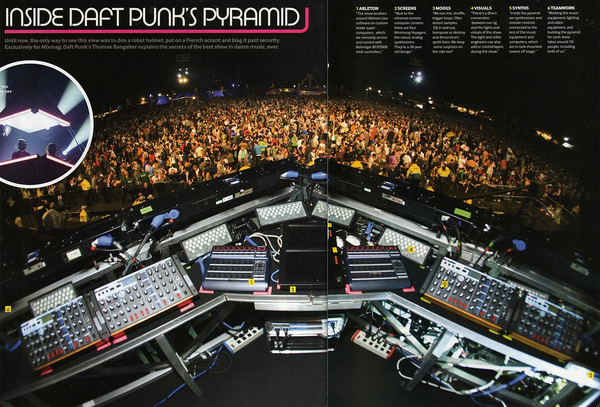
Courses emphasize hands-on production techniques using industry-standard software like Ableton Live, Logic Pro, and Pro Tools. The practical approach means graduates leave with portfolio-ready material and current industry skills.
USC Thornton School of Music: Classical Excellence
The University of Southern California's Thornton School offers online programs that maintain the school's reputation for classical excellence while embracing contemporary approaches. Graduate programs in music education, composition, and performance are available with hybrid formats that combine online instruction with intensive residencies.
The academic rigor matches traditional university programs, with full access to USC's resources and faculty. This makes it an excellent option for working musicians who want to pursue advanced degrees without interrupting their careers.
Juilliard Extension: Access to Elite Training
While The Juilliard School's main programs remain highly selective and in-person, Juilliard Extension offers online courses that provide access to the school's teaching methods and faculty expertise. These courses serve continuing education students and working professionals who want to study with Juilliard-affiliated instructors.
The programs focus on classical music, with some contemporary offerings, maintaining Juilliard's standards while being more accessible to students who couldn't attend the main conservatory program.
Specialized Skills and The Gear Connection
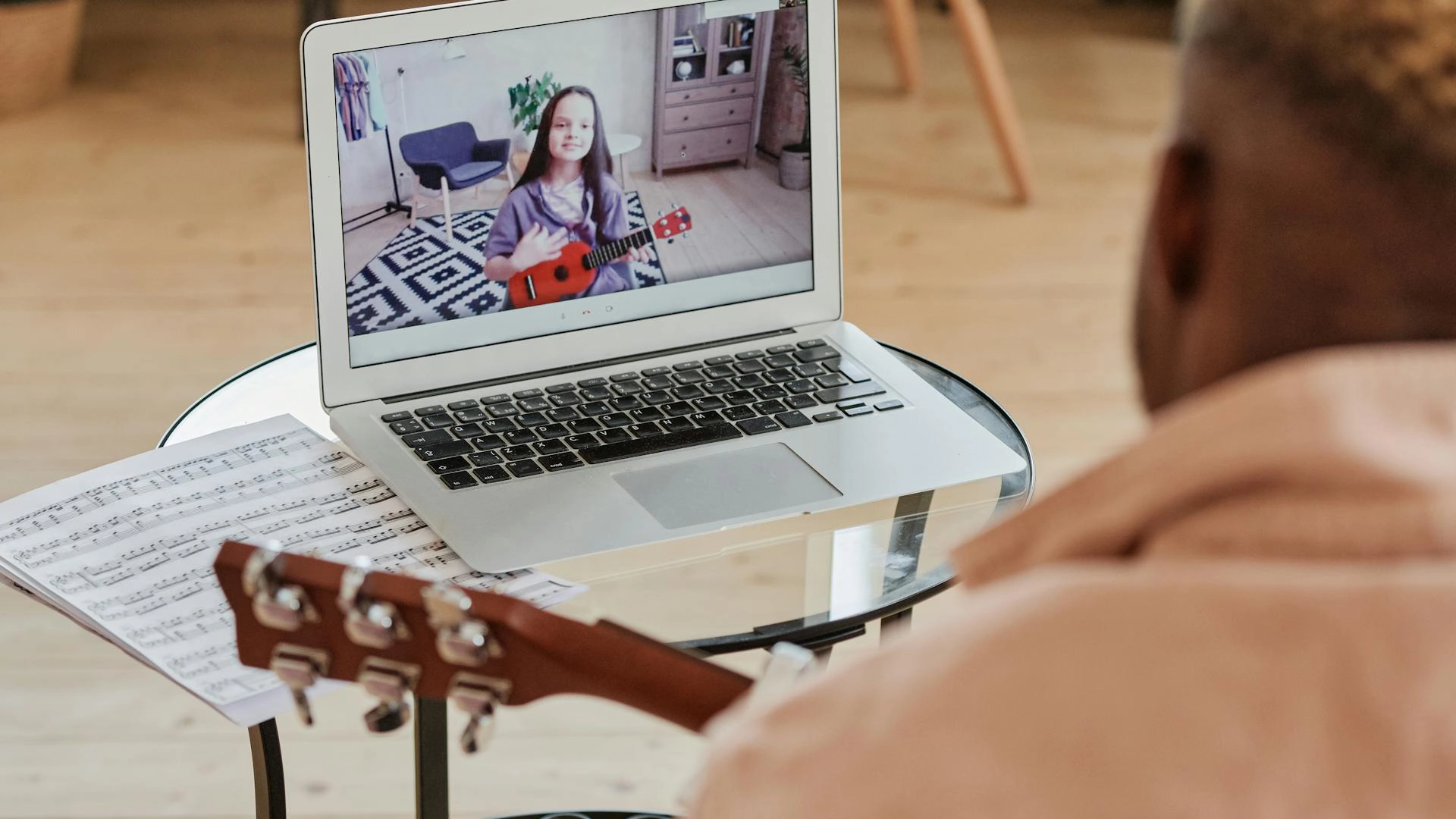
Online music education becomes even more powerful when it directly enhances your ability to use the gear you've invested in. Whether you've spent thousands on a home studio or finally bought that dream guitar, specialized online instruction can help you maximize those investments while developing skills that make your equipment truly shine.
Music Production and Engineering
Modern music production requires both technical knowledge and creative vision. Online courses in this area often provide more current information than traditional educational programs because the technology evolves so rapidly.
DAW-Specific Training
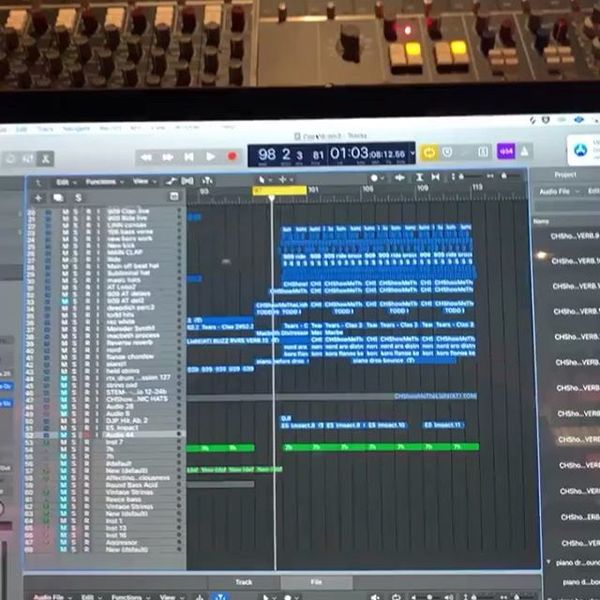
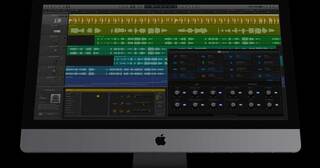
Every digital audio workstation has its own workflow, shortcuts, and advanced features that separate casual users from power users. Specialized training for your specific DAW such as Ableton Live, Logic Pro, or Pro Tools can dramatically improve your efficiency and creative possibilities.
Mixing and Mastering Excellence
The gear you use for monitoring and processing becomes exponentially more valuable when you understand proper mixing and mastering techniques. Professional mixing courses teach you how to make critical decisions about EQ, compression, and effects while working with your specific monitoring setup.
Understanding room acoustics and monitor placement helps you make better mixing decisions regardless of your budget. Courses that address home studio challenges can help you work around limitations and make professional-sounding recordings even in less-than-ideal spaces.
Mastering education focuses on the final polish that makes recordings sound cohesive and commercially competitive. Learning to use mastering plugins effectively, understanding loudness standards, and developing critical listening skills transforms your final productions from amateur to professional quality.
Music Theory and Composition
Music theory education unlocks creative possibilities in your instruments and software that you might never discover through experimentation alone. Understanding harmony, voice leading, and arrangement techniques helps you make more intentional creative choices.
Unlocking Creative Potential
Jazz harmony courses provide tools for sophisticated chord progressions and improvisation that apply to any instrument. Whether you're playing guitar, piano, or programming synthesizer parts, understanding extensions, substitutions, and modal concepts expands your harmonic vocabulary significantly.
Classical composition techniques offer structured approaches to developing musical ideas, creating effective arrangements, and understanding form. These skills prove invaluable when producing complete songs rather than just loops or basic chord progressions.
Contemporary songwriting courses bridge the gap between traditional music theory and modern production techniques. Learning about song structure, lyrical development, and commercial arrangement helps you create music that connects with listeners while showcasing your technical skills.
DAW Integration Understanding
Modern composition courses often teach how theoretical concepts translate into digital audio workstations. Understanding MIDI programming in the context of music theory helps you create more realistic orchestral mockups, better synthesizer programming, and more sophisticated arrangements.
Learning to use your DAW's built-in theory tools, scale detection, and chord suggestion features becomes much more powerful when you understand the underlying musical concepts. This knowledge helps you work faster and make better creative decisions during the production process.
Instrument-Specific Mastery
Online instruction can help you maximize your investment in quality instruments by teaching you techniques and applications you might never discover on your own.
Guitar Excellence Across Genres
Jazz guitar courses become particularly valuable when you own quality hollow-body or archtop instruments. Understanding complex chord voicings, walking bass lines, and bebop phrasing helps you utilize the full tonal capabilities of these sophisticated instruments. Artists like Joe Pass and Pat Metheny have specific approaches that make sense only when you understand both the theoretical background and the physical techniques involved.
Classical guitar education teaches proper technique, repertoire, and interpretation that transforms a quality nylon-string guitar from a casual instrument into a vehicle for serious musical expression. Understanding proper fingering, tone production, and musical style helps justify investments in high-end classical instruments.
Electric guitar specialization courses cover genre-specific techniques that help you use your amplifiers, effects pedals, and guitars to their full potential. Learning metal techniques makes your high-output pickups and tube amps truly shine, while blues courses help you understand how to use vintage-style single coils and analog effects for authentic expression.
Bass Mastery and Rhythm Section Skills
Bass guitar education often focuses on the instrument's role within rhythm sections and various musical styles. Understanding Latin, funk, and jazz bass techniques helps you utilize different bass guitars appropriately and work effectively with drummers and other rhythm section players.
Advanced bass courses cover extended range instruments, effects processing, and modern playing techniques that justify investments in high-end basses and amplification systems. Learning to use compression, EQ, and effects creatively makes your signal chain much more valuable.
Synthesizer Programming and Sound Design
Synthesizer education transforms expensive hardware from preset players into genuine creative tools. Understanding synthesis principles like oscillators, filters, and envelopes helps you program original sounds rather than relying on factory settings.
Modular synthesis courses provide the knowledge needed to effectively use expensive modular systems. Learning signal flow, patching techniques, and creative modulation strategies helps justify investments in modular hardware while opening up vast creative possibilities.
Drum Programming and Performance
Electronic drum courses teach you how to use drum machines, software, and electronic kits creatively. Understanding rhythm programming, quantization, and groove creation helps you make better music whether you're using vintage analog drum machines or modern digital workstations.
Acoustic drum education covers proper technique, tuning, and recording approaches that help you get professional sounds from your drum kit investments. Learning microphone placement, room acoustics, and mixing techniques maximizes the value of both your drums and recording equipment.
The Equipboard Checklist: How to Choose
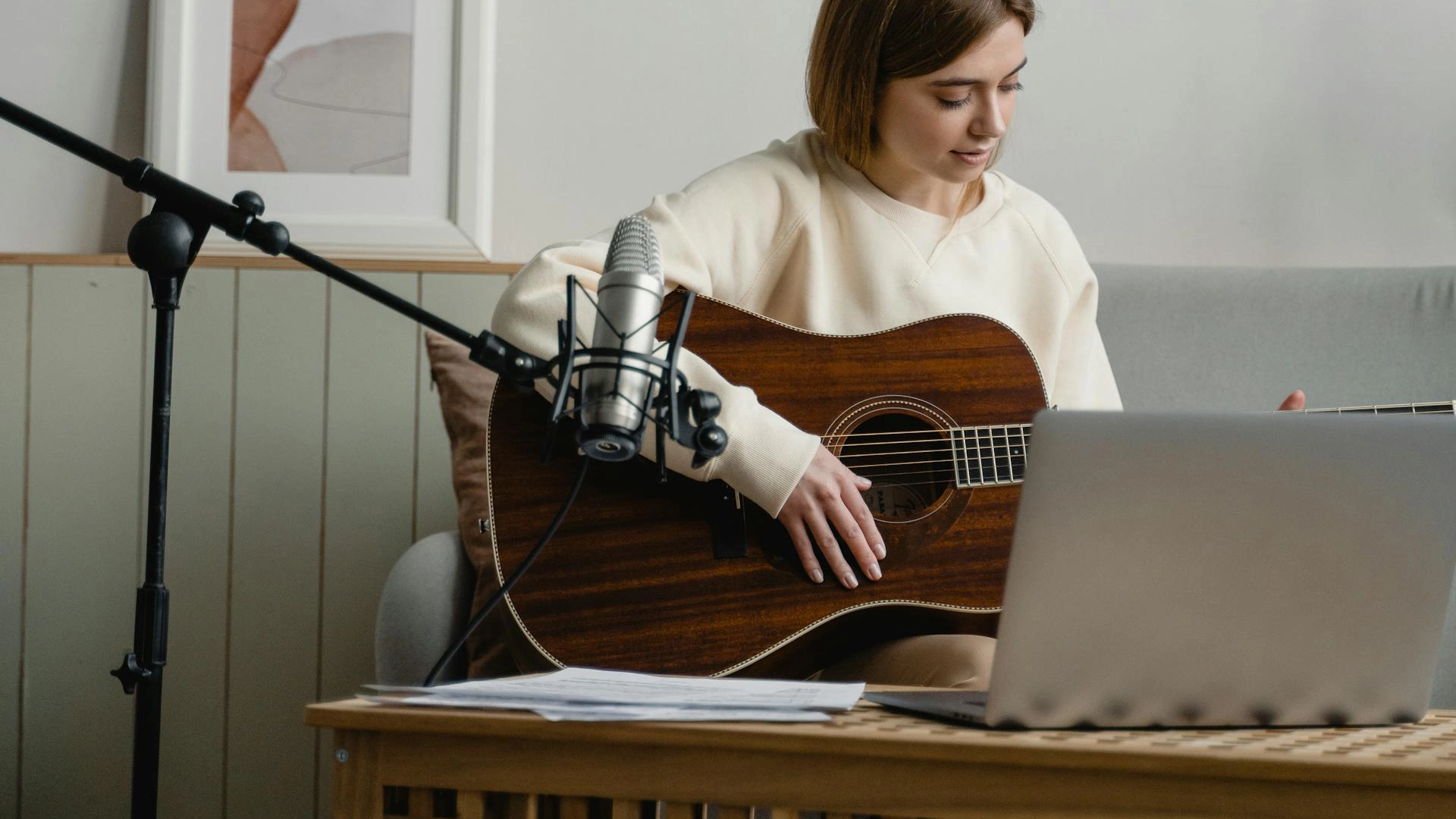
Selecting the right online music education approach requires honest assessment of your goals, resources, and learning preferences. This decision framework helps you match your specific situation with the most effective educational strategy.
| Consideration | Beginner Focus | Intermediate Development | Advanced/Professional |
|---|---|---|---|
| Primary Goals | Learn basics, build habits, stay motivated | Develop technique, expand repertoire | Master advanced concepts, earn credentials |
| Budget Range | Free to $20/month | $30-100/month | $200+ monthly or degree programs |
| Feedback Needs | App-based feedback sufficient | Occasional instructor guidance | Regular personalized critique |
| Time Commitment | 15-30 minutes daily | 1-2 hours daily | 3+ hours daily, structured schedule |
| Community Priority | Optional social features | Peer interaction beneficial | Professional networking essential |
Goals: Learning Your First Riff or Earning a Degree?
Recreational learners who want to play their favorite songs or understand basic music theory can achieve excellent results with app-based platforms and course libraries. These approaches provide structure without overwhelming complexity and keep learning fun rather than stressful.
Career-focused students need more comprehensive education that includes industry knowledge, networking opportunities, and credentials that employers or clients will recognize. Accredited programs and professional certifications justify higher investments because they provide tangible career benefits.
Hobby enhancement falls between these extremes. Musicians who want to improve their skills for personal satisfaction or local performance opportunities benefit from targeted courses that address specific interests without requiring full degree programs.
Budget Considerations Beyond Monthly Fees
While subscription costs are obvious, the total investment in online music education includes equipment, software, and opportunity costs. Quality microphones and audio interfaces become necessary for effective online lessons, while specialized software might require additional purchases.
Time investment represents a significant hidden cost. Serious online education requires consistent practice and study time, which means less time for other activities. Understanding this commitment helps prevent unrealistic expectations and abandonment of educational goals.
The cost per skill acquired often makes online education extremely economical compared to traditional alternatives. A comprehensive production course might cost $200 but provide knowledge that would require months of expensive private lessons to acquire through traditional instruction.
Feedback Requirements and Learning Styles
Visual learners often excel with video-based courses and platforms that provide detailed demonstrations of techniques. These students can learn effectively from high-quality recorded content without requiring real-time interaction.
Kinesthetic learners who need hands-on experience benefit from interactive apps and one-on-one lessons where they can receive immediate feedback on their physical technique. These students often struggle with purely theoretical courses that don't include practical application.
Auditory learners respond well to courses with extensive audio examples, backing tracks, and verbal instruction. Podcasts, audio courses, and discussion-based online lessons work particularly well for these students.
Community and Networking Priorities
Some students thrive on social interaction and benefit significantly from peer feedback, collaboration opportunities, and community challenges. Platforms with strong social features, group projects, and forums provide motivation and learning enhancement through shared experiences.
Independent learners prefer self-directed study without social obligations or group activities. These students often achieve better results with individual courses and private lessons that allow complete control over pacing and focus areas.
Professional networking becomes crucial for students who want to work in the music industry. Accredited programs, industry-connected instructors, and platforms with alumni networks provide valuable connections that can lead to career opportunities.
Frequently Asked Questions
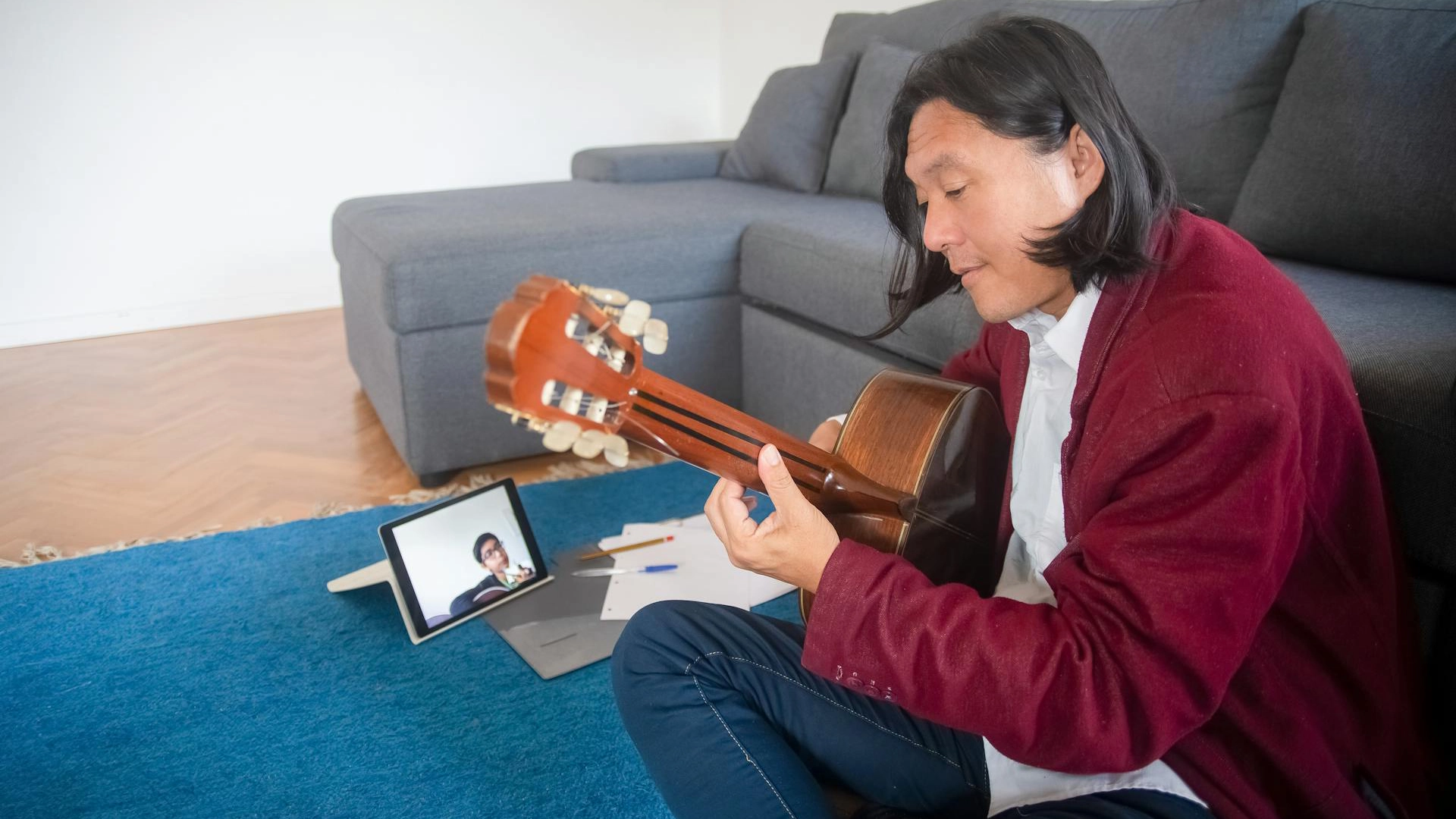
Can online music education really replace traditional in-person lessons?
Online education excels at delivering information, demonstrating techniques, and providing structured learning paths, but it cannot completely replace the immediate physical feedback and energy of in-person instruction. However, for many skills and learning goals, online education provides superior flexibility, affordability, and access to world-class instructors that make it more effective than traditional lessons.
How do I know if an online music course is legitimate and worth the investment?
Look for courses taught by credentialed instructors with professional experience, clear learning objectives, and student reviews that mention specific skills acquired. Legitimate courses provide structured curricula, assignment feedback, and realistic time commitments rather than promising unrealistic rapid mastery.
What equipment do I need for effective online music learning?
Basic online learning requires only a computer or tablet with reliable internet and decent audio quality. For interactive lessons or courses requiring audio submission, invest in a USB microphone or audio interface, comfortable headphones, and adequate lighting if video is involved.
How long does it typically take to see real progress with online music education?
Progress timelines vary dramatically based on practice consistency, prior experience, and learning goals, but most students notice improvement within 2-4 weeks of regular practice. Significant skill development typically requires 3-6 months of consistent study, while mastery of complex techniques may take years regardless of learning method.
Are online music degrees and certificates respected by employers and the music industry?
Accredited online degrees from established institutions carry the same weight as traditional degrees, while certificates demonstrate specific skill development. The music industry increasingly values demonstrable skills and portfolio quality over educational credentials alone, making online education a practical path to professional development.
Can I learn music production entirely online without expensive studio equipment?
Modern production courses teach techniques using software that provides professional-quality tools, making expensive hardware unnecessary for learning fundamental concepts. While high-end equipment enhances the final product, skilled producers create commercial-quality music using modest setups when they understand proper techniques and principles.
How do I stay motivated during self-paced online music courses?
Successful online learners set specific practice schedules, track progress through recordings or journals, and connect with other students through forums or social media groups. Breaking large goals into smaller, measurable objectives helps maintain momentum and provides regular satisfaction from achievement.
What's the difference between free and paid online music education platforms?
Free platforms typically offer basic instruction with limited feedback, while paid services provide structured curricula, instructor interaction, and comprehensive resource libraries. The investment in paid platforms often pays for itself through more efficient learning and access to advanced techniques that would require expensive private lessons to acquire otherwise.
Final Verdict: Your Software Upgrade
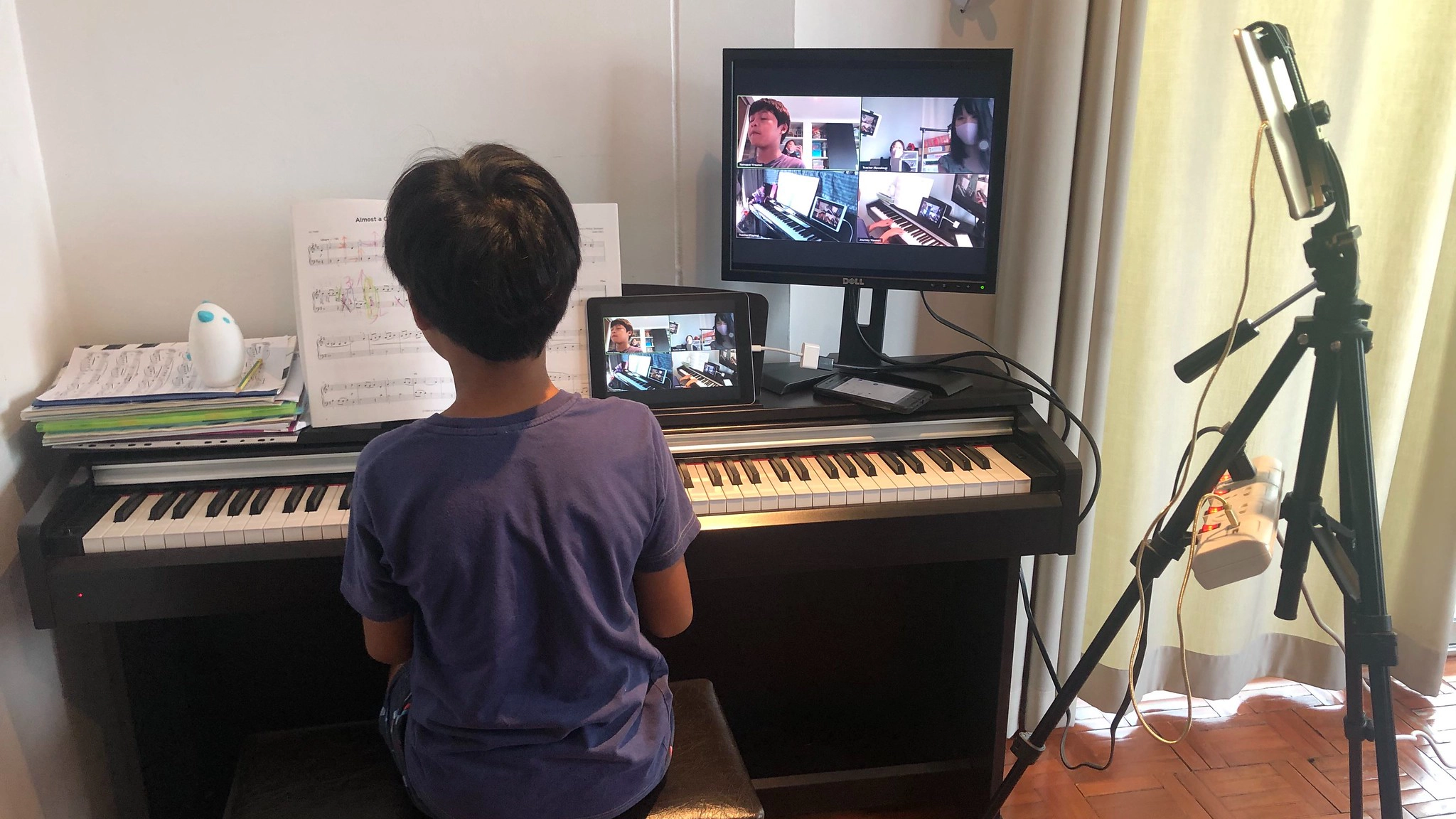
The relationship between musical skill and musical equipment mirrors the relationship between software and hardware in computers. Your instruments, amplifiers, and recording gear represent powerful hardware capabilities, but without the proper software (your knowledge and technique), that potential remains largely untapped.
Consider how differently the same guitar sounds in the hands of a beginner versus a master. The instrument hasn't changed, but the player's software has been upgraded through years of learning, practice, and musical development. Online music education provides the most efficient, affordable, and comprehensive path to these software upgrades that unlock your hardware's true potential.
The key insight is matching your educational approach to your specific goals, learning style, and current skill level. A bedroom producer working on electronic music needs different instruction than a classical guitarist pursuing conservatory-level technique, and online platforms now offer specialized paths for virtually every musical interest and ambition.
Your gear investments become more valuable as your skills develop. That expensive microphone preamp sounds better when you understand proper gain staging. Your vintage synthesizer becomes truly creative when you understand sound design principles.
The music industry continues evolving rapidly, with new software, techniques, and creative approaches emerging constantly. Online education provides the flexibility to stay current with these changes while building the foundational skills that remain constant across technological shifts.
Take the next step by exploring the platforms and courses that align with your goals. Whether that means downloading a gamified app for daily practice motivation, enrolling in a university-level course for comprehensive knowledge, or scheduling online lessons with a professional instructor, the path forward starts with a single decision to invest in your musical software upgrade.
Yousician
4.5 (2)




- We really like the Workouts as a supplement to the main learning path
- The Weekly Challenge is quite fun and refreshing
- The gamification is well-designed to keep you motivated
- Constantly updated song libraries with diverse genres
- See 1 more
- While Yousician can help you learn fundamental piano skills, there’s a risk of your playing would be too “mechanical” due to the learning system
- It doesn’t prepare you for real life sheet music due to the visual assistance.


Simply Piano

Flowkey

Music Theory for Guitarists: Everything You Ever Wanted to Know But Were Afraid to Ask by Tom Kolb

Music Theory for Computer Musicians by Michael Hewitt
3.0 (1)


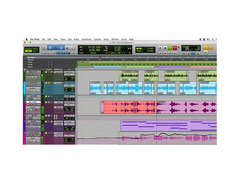
Avid Pro Tools
4.5 (509)


Average Price: $408
High-end/Boutique
$149
$400+
Budget
Standard
High-end
- Industry standard with extensive features for recording, mixing, and mastering
- Highly reliable and stable, with minimal crashes reported
- Versatile and flexible with a wide range of plugins and compatibility
- Offers a powerful audio engine for high-quality sound
- See 6 more
- High price point that may not justify the features for all users
- Compatibility issues and bugs more prevalent on PC systems
- Steep learning curve for new users, requiring significant time investment
- Limited MIDI capabilities compared to some competitors
- See 4 more
See how artists use this

.jpg)






Ableton Live
4.5 (2673)
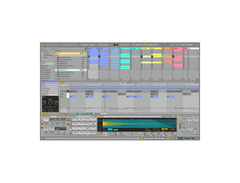
- Unmatched flexibility for live performances and improvisation with clip-based Session View
- Intuitive workflow with drag-and-drop simplicity
- Packed with creative tools like Wavetable and Operator synths
- Seamless integration with controllers like Push for live shows
- See 6 more
- High price point, especially for the Suite version
- Some users report performance issues and sluggishness on high-end systems
- Learning curve can be steep for new users
- Stock instruments and sounds may not appeal to everyone
- See 3 more
See how artists use this


Apple Logic Pro
4.5 (1706)
- Intuitive interface with seamless iPad integration for on-the-go music creation
- Advanced MIDI capabilities and robust audio editing features
- Comprehensive stock plugins and sound library, including Alchemy synth
- Regular free updates enhance functionality without additional cost
- See 6 more
- MacOS exclusivity limits cross-platform compatibility
- Lack of 32-bit plugin support can be a hurdle for legacy users
- Automation editing can be cumbersome with limited grid snap options
- Proprietary AU plugin format restricts third-party plugin availability
- See 6 more
See how artists use this




Top Ranked Music Lessons and Instruction on Equipboard


$10.42 - $24.99
4.5 (2)
4.5 (2)


$25.21 - $34.99
4.5 (3)
4.5 (3)
About the authors

S. Jino is an accomplished multi-instrumentalist and music producer based in Kolkata, India, distinguished by his self-taught mastery and unique blend of technical acumen and musical performance. His extensive experience was forged through hands-on dedication, starting with the full restoration of a broken guitar. Jino's capabilities span keyboards, pedals, and advanced digital production, reflecting a comprehensive skill set developed independently. As a significant contributor to the music scene, Jino regularly performs with worship bands and college ensembles. He has also established himself as a reliable and authoritative professional in freelance mixing, mastering, and original music creation. Inspired by the innovative sounds of Brian May and David Gilmour, and influenced by Kolkata's vibrant metal community, Jino is committed to the intricate art of vintage gear restoration and the continuous exploration of music and technology fusion. His current professional setup, featuring a meticulously restored nameless guitar, a Fender Player Strat, and a Boss Katana 50. Read more








.webp)