Table of Contents

Equipboard
Equipboard is the world's largest community of artists and their gear. Read our review process.
We are reader-supported. When you buy through links on our site, we may earn an affiliate commission. Learn more.
Our Picks

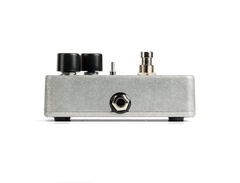
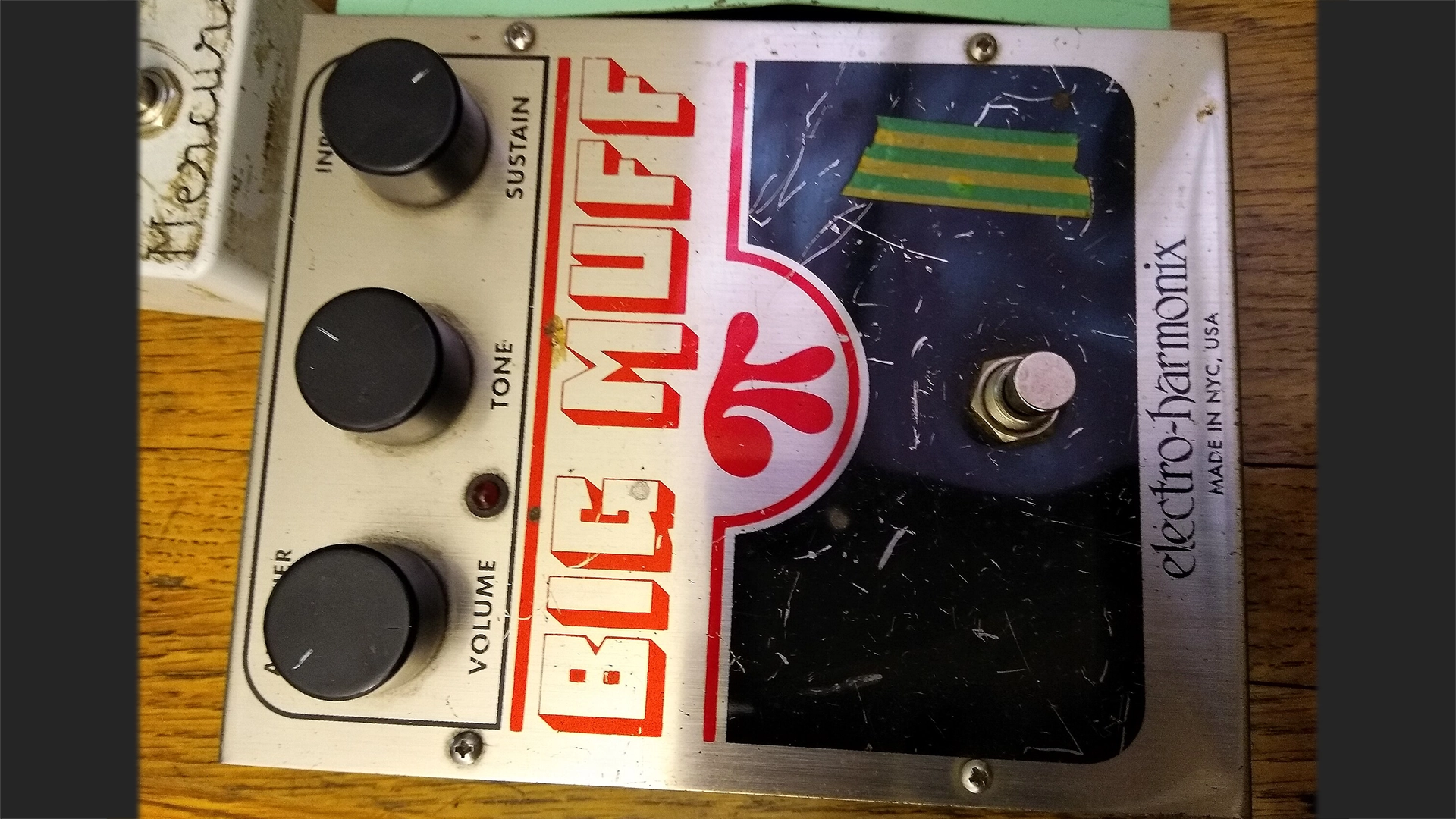
Electro-Harmonix Op-Amp Big Muff Pi
The Alt-Rock Essential: This is the sound of 1990s grunge and alternative rock. Bright, grainy, and unapologetically aggressive, the Op-Amp Big Muff cuts through with a presence that feels immediate and raw.
Read more


Electro-Harmonix Green Russian Big Muff Reissue
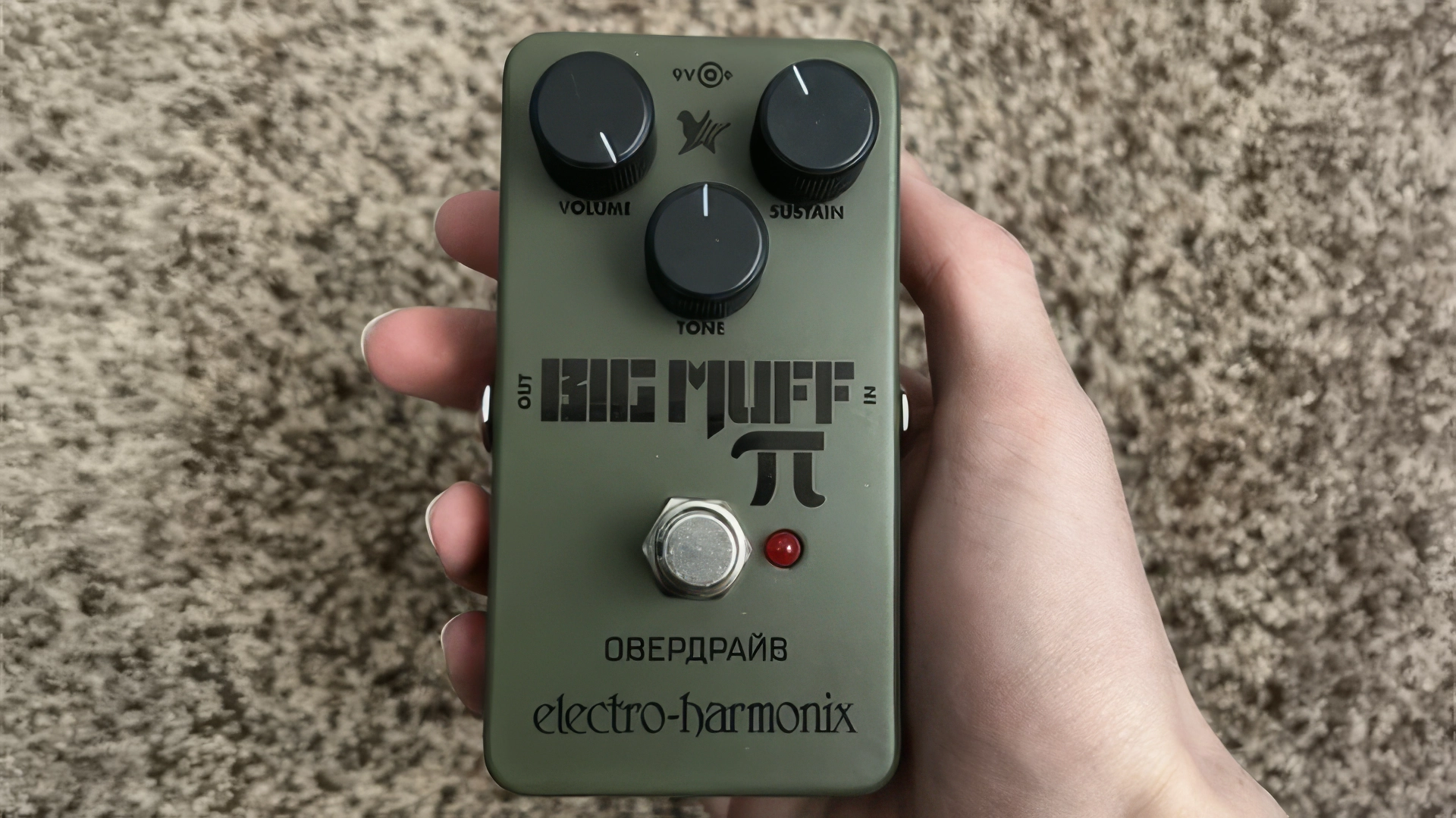
The Doom and Grunge Anchor: Heavy, thick, and loaded with low end, the Green Russian Big Muff is built for riffs that hit hard. This is the Sovtek-era sound that defined Sleep, Kyuss, and the heaviest corners of '90s grunge.
Read more
Electro-Harmonix Nano Big Muff Pi
The Compact, Budget-Friendly Choice: Full Big Muff tone in a pedalboard-friendly footprint. The Nano doesn't compromise on sound, making it an ideal entry point or a practical upgrade for players with space constraints.
Read more

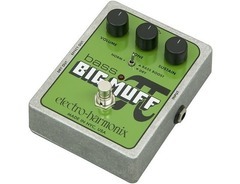
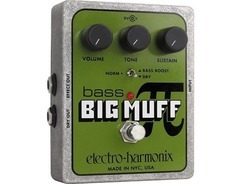
Electro-Harmonix Bass Big Muff Pi Fuzz
The Bass Player's Fuzz: Designed specifically for low-end instruments, this pedal preserves the clarity and punch that bass needs while delivering the Muff's signature sustain and compression.
Read more-l.webp?v=1784550203)
The Mix-Friendly Muff: This boutique rethinking of the Big Muff circuit restores midrange clarity while keeping the sustain and compression intact. The result cuts through a band mix without losing its fuzz character.
Read more
The Tone Historian's Swiss Army Knife: Six Big Muff eras built into one pedal with footswitchable selection. Studio musicians and tone obsessives use this as a Muff encyclopedia and a practical tool for nailing session tones.
Read more
The Ram's Head Benchmark: This boutique pedal nails the character of the classic 1973-1977 Ram's Head Big Muff with exacting precision and modern reliability.
Read more

The Tweakable Doom Weapon: Based on the Green Russian circuit but with added EQ control and midrange shaping, the Grey Stache combines heavy low-end punch with tone-sculpting flexibility.
Read more

The Extreme Tone-Sculpting Platform: This modern take on the Big Muff circuit includes extensive EQ controls, parametric shaping, and gain sculpting that lets you dial in tones far beyond the original design.
Read more
The Affordable Experimenters' Fuzz: This budget-friendly pedal isn’t a Big Muff circuit. It’s a versatile silicon fuzz that can overlap sonically with Muff sustain. It offers a wide range of tones and excellent value for exploring fuzz without investment fear.
Read moreSince its 1969 debut, the Big Muff Pi has earned its place among fuzz and overdrive royalty, sharing legendary status with the RAT and Tube Screamer as one of the three circuits that fundamentally rewired how modern guitarists approach tone. The Big Muff has become the foundation of countless tones across rock, grunge, shoegaze, doom metal, and experimental music. David Gilmour's "Comfortably Numb" solo and Billy Corgan's wall-of-fuzz approach on Siamese Dream defined generations of players' sonic expectations. What makes the Big Muff special isn't just its aggressive sustain or warm compression, but its adaptability.
This guide takes you through the legacy of the Big Muff, breaks down how the circuit actually works, and walks you through some of today's best options whether you're chasing classic lead tones, building a heavy doom rig, or looking for a mix-friendly alternative that won't disappear into the murk.
Legacy and Why It Still Matters
The Big Muff didn't just survive fifty years, it became the template for what a fuzz pedal could be. More than 100 clones and variants exist, from exact reproductions to radical reimagineerings. The circuit became the backbone of grunge (Mudhoney, Soundgarden), the secret weapon of stoner and doom (Sleep, Kyuss), and the textural anchor of shoegaze walls (My Bloody Valentine, Cocteau Twins). It's one of the most modified and customized circuits in pedal history, with builders tweaking component values, adding tone stacks, and experimenting with gain structures.
What makes it endure is simple: the Big Muff combines creamy compression with long, singing sustain, all wrapped in a thick mid-scoop that can feel like a wall of sound.
Quick Reference: Our Top Picks
| Pedal | Style | Key Tone Trait | Best For |
|---|---|---|---|
| EHX Op-Amp Big Muff Pi | Late '70s | Bright, aggressive, grainy wall | Alt rock and grunge |
| EHX Green Russian Big Muff | '90s Sovtek | Thick, low-end heavy punch | Doom, grunge, metal |
| EHX Nano Big Muff Pi | Compact classic | Full tone in small form | Budget, compact boards |
| EHX Bass Big Muff Pi | Bass-focused | Preserves low-end clarity | Bass fuzz, clarity needed |
| EarthQuaker Devices Hoof | Boutique hybrid | Germanium warmth, mid-friendly | Mix-friendly fuzz, solos |
| JHS Pedals Muffuletta | Multi-mode | Six eras in one pedal | Studio, tone historians |
| Wren and Cuff Caprid | Ram's Head precision | Smooth, classic sustain | Boutique players, purists |
| Fuzzrocious Grey Stache | Green Russian EQ hybrid | Heavy bass with tweakability | Doom, bass, doom bass |
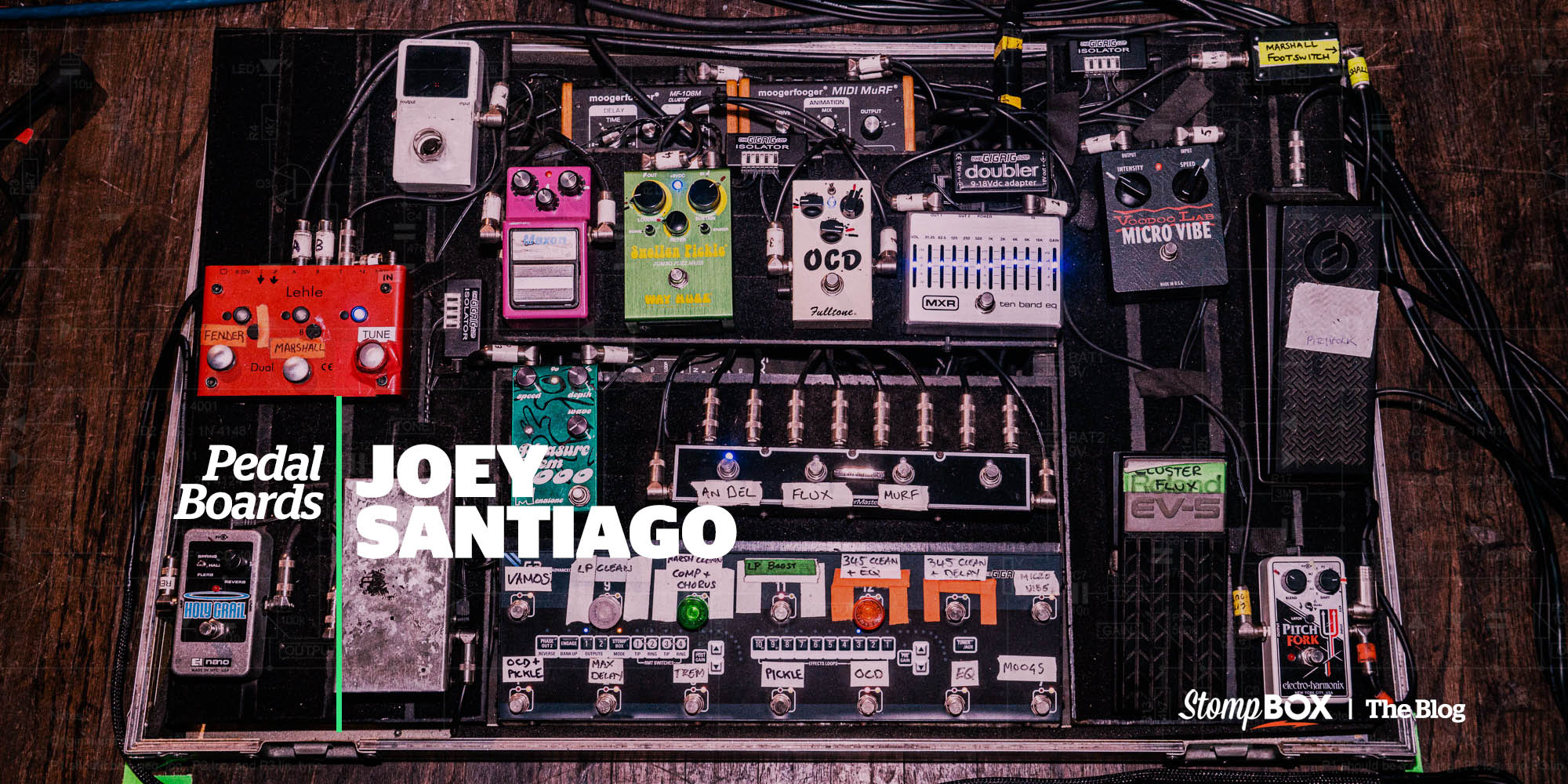
| Way Huge Swollen Pickle | Modern evolution | Extreme EQ and tone shaping | Experimenters, modern rigs |
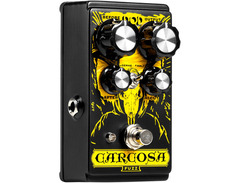
| DOD Carcosa | Budget Muff-inspired | Wide range of tones | Experimenting, value |
The Major Big Muff Eras
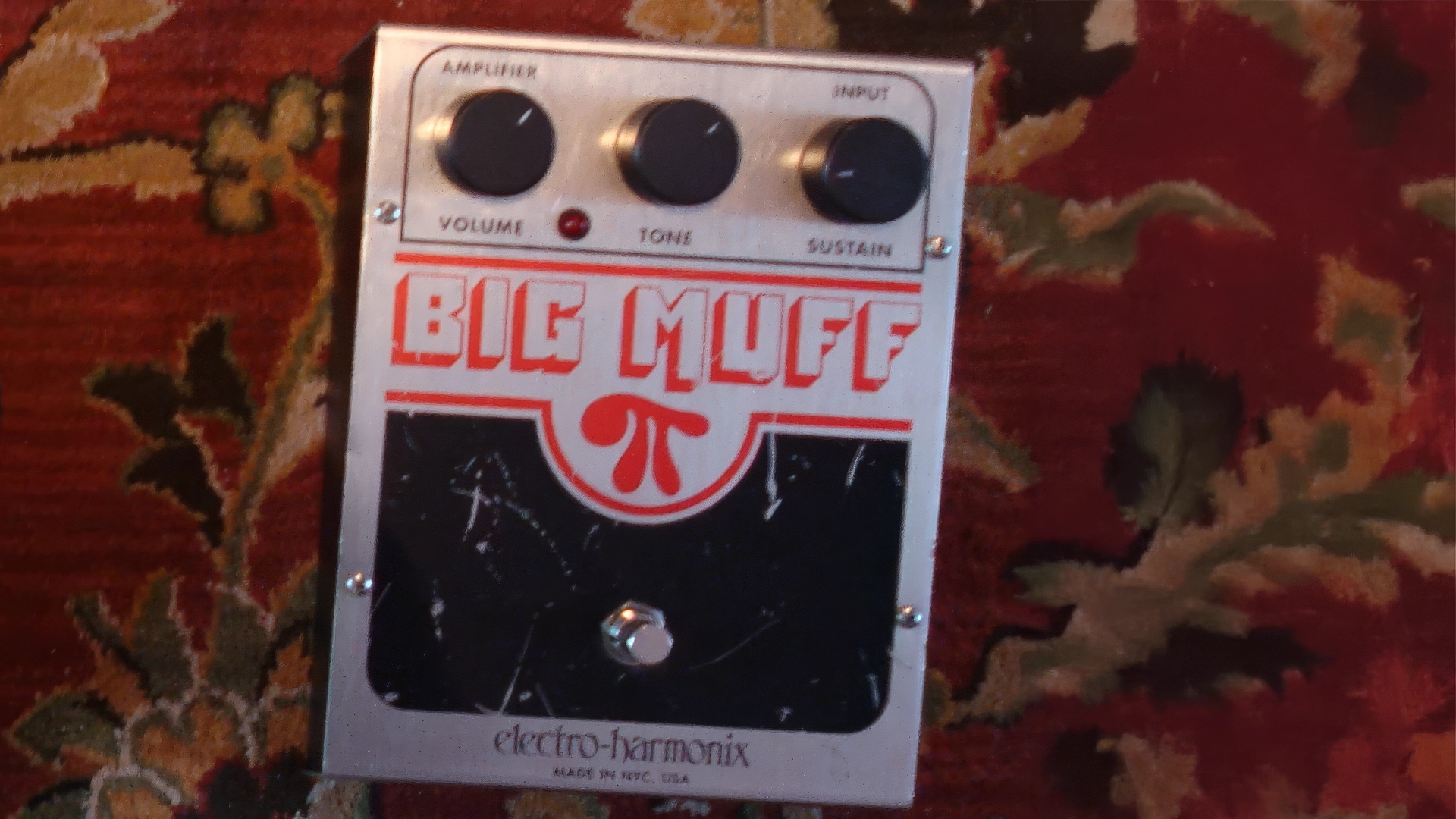
Each generation of the Big Muff brought different components, circuit tweaks, and sonic character. The original Triangle Big Muff (1969-1973) delivered a clear, dynamic sustain that felt responsive to your picking, while the Ram's Head era (1973-1977) introduced a mid-scoop that made the fuzz sit differently in a mix. The late '70s Op-Amp version became brighter and more aggressive, perfect for the punk and new wave explosion. By the 1990s, when Sovtek manufactured Big Muffs for Electro-Harmonix, the Green Russian variant emerged with massive bass and a rugged character that became essential for doom and stoner rock.
If you want Corgan’s Siamese Dream grind, start with the Op-Amp. If you want Ram’s Head sustain for spacious leads, start with a Caprid-style pedal. If you want huge low-end for doom, start with the Green Russian.
The Anatomy of Big Muff Sound
The Big Muff is built around four transistor gain stages that feed into a tone stack designed to scoop the midrange. This creates the classic "wall of fuzz" character, but it also explains why some players complain their Muff disappears in a live mix. The circuit compresses dynamically as you play harder, creating that creamy, violin-like sustain that makes the pedal so addictive.
The tone stack itself is where the magic and the challenge live. It cuts low mids around 200-500 Hz, which gives the fuzz that massive low end and high-end shimmer but leaves a gap in the frequencies where guitars naturally live. This is why boutique builders started adding mid controls or adjusting component values. Modern variants like the Hoof and Swollen Pickle restore or reshape those mids, making the fuzz work better in band settings without losing its fundamental character.
Buyer Profiles: Which Muff Fits You
Before diving into specific pedals, consider what sound you're chasing. If you want classic lead sustain like Gilmour's "Comfortably Numb," you're looking at Triangle or Ram's Head designs, which favor smooth, singing compression like the Wren and Cuff Caprid. If you're building a stoner or doom rig, the EHX Green Russian Big Muff or EHX Bass Big Muff Pi with its heavy low-end focus will anchor your tone. Modern players who need their fuzz to cut through a mix without disappearing should explore mid-control versions like the EarthQuaker Devices Hoof or JHS Pedals Muffuletta. Budget-conscious players or those with cramped boards have solid entry points in the EHX Nano Big Muff Pi or DOD Carcosa.
Signature Tones and Famous Users
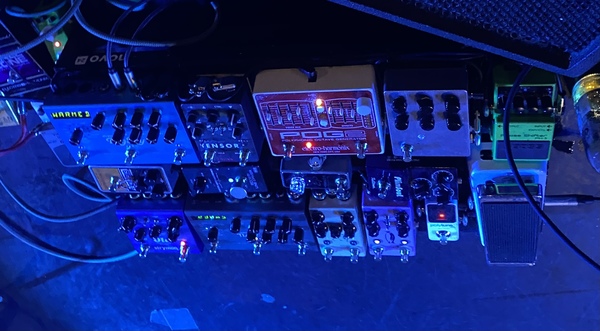
The Big Muff's legend is built on unforgettable recordings. David Gilmour used a Ram's Head Big Muff on Pink Floyd's The Wall and it became the textural definition of spacious, sustained lead tone. Billy Corgan of The Smashing Pumpkins dialed in an Op-Amp Big Muff for the grinding, aggressive fuzz that defined "Cherub Rock" and "Rocket" on Siamese Dream. J Mascis of Dinosaur Jr. layered multiple Big Muffs (often Green Russian versions) to create his signature wall-of-fuzz approach. Kevin Shields of My Bloody Valentine used Big Muff variants to create the textural wash on Loveless.
These tones emerged from specific combinations: the pedal itself, amp breakup, volume cranked, and deliberate underuse of high-end EQ.
The Reviews
Electro-Harmonix Op-Amp Big Muff Pi
5.0 (99)
When Grunge Needed a Voice











Average Price: $90
Standard/Professional
$60
$181+
Budget
Standard
High-end
- Achieves iconic Smashing Pumpkins Siamese Dream tone
- Affordable price point for the quality and features offered
- Crisper tone than other versions, pleasing to the ear
- EQ profile provides a nice thick low end
- See 6 more
- Does not chug; not suitable for certain metal styles
- Buzziness in distortion may not appeal to all
- Limited to a distinctive sound; could be a one-trick pony
- Some may find it lacks low-end grit at lower sustain settings
What It Does
The Op-Amp Big Muff delivers a thicker, more compressed fuzz than its earlier siblings. It's louder, brighter in the upper mids, and feels more present in a live setting. The sustain feels almost infinite, but in a controlled way that rewards precise picking. This version isn't trying to sound vintage or refined, it's trying to cut.
Where It Excels
Grunge riffs, alternative rock leads, and shoegaze textures all thrive on this pedal. The brightness means it works well with darker amps or mellower guitars. Stacking it with another drive gives you endless crunch possibilities. If you've got a darker rig and need clarity, the Op-Amp cuts through.
The Practical Side
The controls are straightforward. Sustain controls gain, Tone is self-explanatory, and Level gives you volume compensation. Expect some low-end mushiness if you max everything out, but that's part of its character. It's been manufactured since the '70s, so used examples are everywhere and reliability is proven.
See how artists use this






Electro-Harmonix Green Russian Big Muff Reissue
4.5 (147)
Thick, Heavy, and Ready to Rumble


Average Price: $101
Standard/Professional
$60
$181+
Budget
Standard
High-end
- Authentic, versatile fuzz tones perfect for genres like stoner rock, doom, and grunge
- Compact size with standard 9V power for easy pedalboard integration
- Offers a rich blend of sustain and distortion, maintaining clarity even at high settings
- Works well with both guitar and bass, offering a full, powerful bass response
- See 6 more
- Some find it lacking in weight and durability compared to other brands
- Not as effective on certain amplifiers, like Vox, without additional EQ or mid boosts
- Script on the pedal can be hard to read in low light conditions
- Tone might be too dark and bass-heavy for some, requiring additional shaping
- See 1 more
What It Does
The Green Russian scoops the midrange more aggressively than other versions, creating a tone that lives in the bass and high end simultaneously. The lows are massive, the compression is warm, and the overall character feels more organic than the Op-Amp's brightness. It's less about precision and more about presence.
Where It Excels
Doom, stoner, and heavy music find a home here. Bassists love this pedal because the low-end punch doesn't turn to mud like some fuzzes do. Vintage grunge players adopted it for its thickness. On guitar, it works best with riffs where the Muff is the centerpiece rather than just an accent. Paired with a dark amp, it becomes a wall.
The Practical Side
The Green Russian is relatively affordable and widely available in reissue form. Older Sovtek versions command a premium but aren't necessary if you just want the sound. The controls respond similarly to other Muffs, but this one is more forgiving with gain stacked high. It's not the most precise fuzz, but that's intentional.
See how artists use this





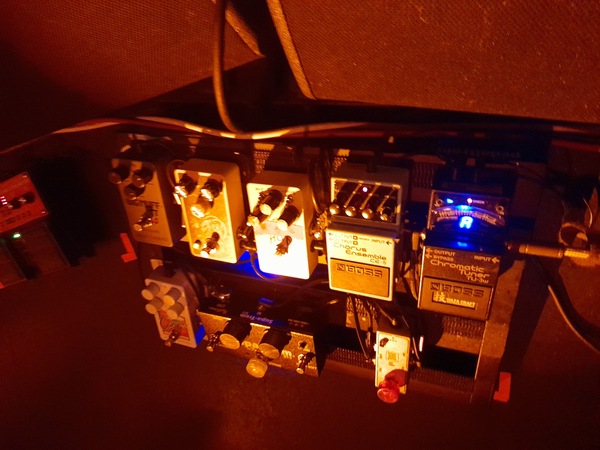
Electro-Harmonix Nano Big Muff Pi
4.5 (175)
Big Muff Power Without Board Real Estate


Average Price: $80
Standard/Professional
$60
$181+
Budget
Standard
High-end
- Compact size saves pedalboard space
- Authentic Big Muff fuzz tones, comparable to the original
- Works well with both humbucker and single-coil pickups
- Excellent sustain capabilities
- See 6 more
- Noticeable low end hum difficult to dial out in mixes
- Lacks headroom when stacking with other pedals
- Can overpower effects earlier in the signal chain
- Sound may be too overwhelming for some uses
- See 4 more
What It Does
The tone is nearly identical to its full-sized cousin: bright, grainy, present, and loud. Compact doesn't mean less powerful here. You get the same three-knob simplicity and the same unapologetic attitude.
Where It Excels
Packed boards, touring musicians, and players who want to test the Big Muff waters without committing money or space. The Nano gives you access to the classic grunge tone without taking up half your board. It's equally effective for bedroom tones and stage sounds. If you already own effects but want to add a Muff, this fits everywhere.
The Practical Side
The smaller footprint means the knobs are tighter together, but they're still easy to adjust. No compromises in build quality or sound. The price point makes it an obvious recommendation for newcomers. Used examples are plentiful because so many players upgrade or experiment laterally.
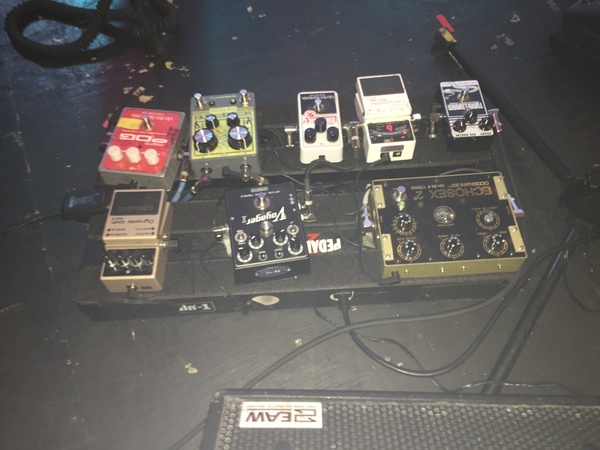
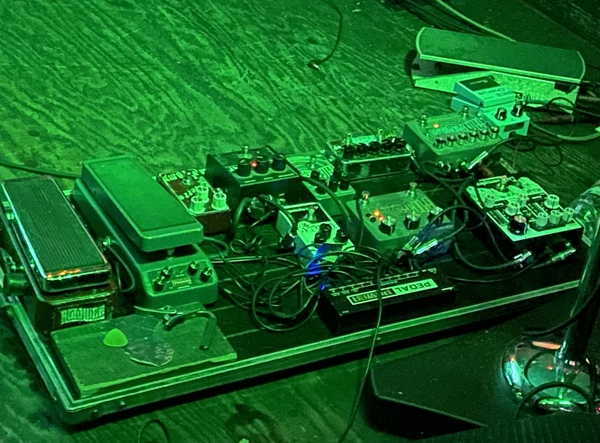
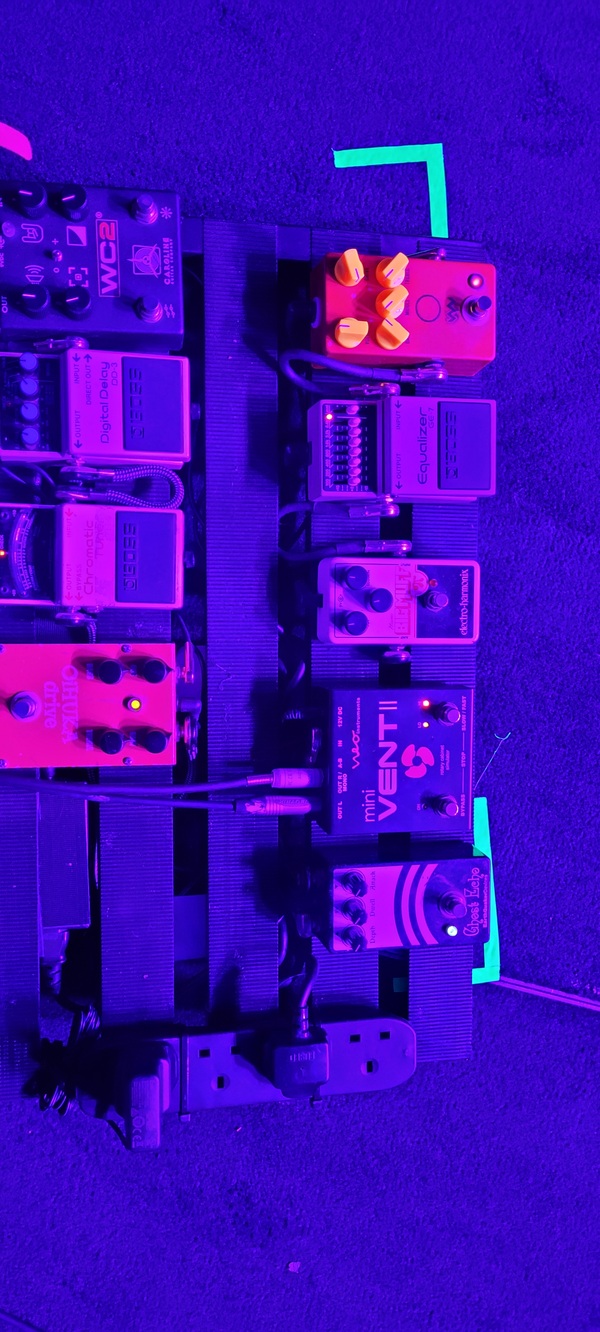
See how artists use this





Electro-Harmonix Bass Big Muff Pi Fuzz
4.5 (267)
Fuzz That Plays the Riff

Average Price: $89
Standard/Professional
$70
$201+
Budget
Standard
High-end
- Wide range of tones, from light fuzz to heavy distortion
- Durable die-cast metal construction
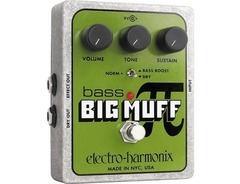
- Three EQ settings (Bass Boost, Normal, Dry) for tonal versatility
- Maintains low-end presence, even with heavy fuzz
- See 6 more
- Takes time to find the desired sound due to its versatility
- Some users find the bass boost too dark or muddy
- The dry mode can increase volume unexpectedly
- Knobs may feel cheap to some users
- See 4 more
What It Does
The Bass Big Muff narrows the mid-scoop and restores some of the low-end clarity that standard Big Muffs sacrifice. You get fuzz sustain without the note-to-note definition disappearing into a cloud. The compression still feels creamy, but the attack remains punchy. It's a fuzz that lets you play bass lines instead of just creating texture.
Where It Excels
Any bassist who wants fuzz tones but needs note articulation. Fuzz rock, doom bass, and experimental bass all benefit. Paired with a bright amp, it becomes a tool rather than just an effect. Some guitarists who play in bass registers also find this version more usable than the standard Muff.
The Practical Side
It costs more than the standard Big Muff, which is fair given the specialized circuit. The footprint is standard Big Muff size. Controls are identical to other versions. If you're a bassist shopping for fuzz, this eliminates the guesswork and customization headaches.
See how artists use this








EarthQuaker Devices Hoof V2
4.5 (2)
The Muff That Refuses to Hide
-s.webp?v=1784550203)


Average Price: $173
Standard/Professional
$60
$181+
Budget
Standard
High-end
- Most dynamic and organic Muff variant, easy to fit into the mix
- Massive, uncompressed output allows detailed character shaping
- EQ flexibility enhances tone versatility and natural growl
- Provides a wide range of fuzz tones, from light to heavy
- See 6 more
- Volume knob can be overly sensitive, risking excessive loudness
- Lacks an aspect of "fuzziness" akin to a dying battery sound
What It Does
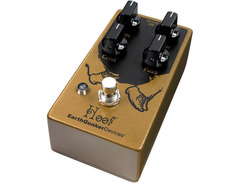
The Hoof uses germanium elements and a redesigned tone stack that doesn't scoop as aggressively as a standard Muff. You get warmth from the germanium, presence from the restored mids, and that addictive Big Muff sustain. It feels refined compared to the raw edge of an Op-Amp or Green Russian, but it's unmistakably related to the original circuit.
Where It Excels
Studio work, live bands where clarity matters, and players who love Big Muff character but hate disappearing in a mix. Lead players benefit from the midrange presence. The germanium warmth pairs beautifully with bright amps or aggressive guitars. Stacking it with another drive creates smooth, thick fuzz tones without phase weirdness.
The Practical Side
The Hoof costs more than a standard Big Muff, but the build quality and sound justify it. Three knobs plus a footswitch give you on-the-fly tone shaping. It's boutique without being precious. Many players use this as their forever Muff because it works in more situations than purist versions.
See how artists use this





JHS Muffuletta
5.0 (53)
Six Muffs in One Box


Average Price: $233
High-end/Boutique
$60
$181+
Budget
Standard
High-end
- Offers 6 different pedal sounds in one, maximizing pedalboard space
- Constructed solidly, ensuring durability
- Provides a wide range of tones, from smooth leads to crunchy riffs
- Features an additional tone knob for enhanced sound customization
- See 5 more
- Background noise and loudness can be an issue for some users
- Some players feel it doesn't capture the "magic" of a real vintage Muff
- Requires careful adjustment to avoid overwhelming amps
What It Does
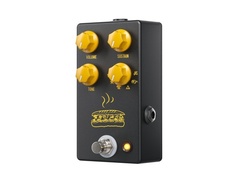
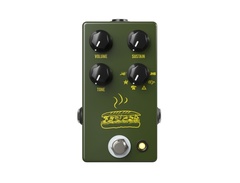
The Muffuletta lets you toggle between six different Big Muff circuit variations: Triangle, Ram's Head, Op-Amp, Sovtek Green Russian, and two custom JHS designs. Each mode has its own character and response. You can switch between them mid-performance or use it as a learning tool to find your era.
Where It Excels
Studios where you need multiple Muff tones without swapping pedals. Cover bands playing Gilmour, Corgan, and Mascis in one set. Tone historians who want to explore the circuit's evolution. Players who can't decide between eras use this to have them all. It's also excellent for discovering which Big Muff version actually speaks to you.
The Practical Side
This pedal is significantly larger and more expensive than a standard Muff. The controls are more complex because you're essentially getting six pedals. It demands pedalboard real estate. However, for the right player, it's the only Muff you'll ever need. Used prices are reasonable because players often gravitate back to simpler pedals.
See how artists use this



.jpg)
.jpeg?v=1784539049)
.jpeg?v=1784539049)



Wren and Cuff Caprid
5.0 (4)
The Blueprint Perfected



Average Price: $301
High-end/Boutique
$60
$181+
Budget
Standard
High-end
- Articulate fuzz that works well with both single coils and humbuckers
- Superior to other Ram's Head muff recreations and vintage versions
- Offers plenty of volume without tone suck
- Features a midrange presence, enhancing clarity
- See 5 more
- Pricier compared to some alternatives
- Lacks the low end of some other fuzz pedals like the Black Russian
What It Does
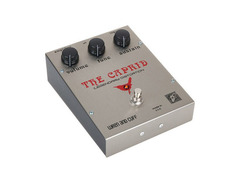
The Caprid captures the smooth, deep scoop and singing sustain of the Ram's Head era. The tone feels organic and compressed without the graininess of later Op-Amp versions. It's a fuzz that sounds like it belongs on a Pink Floyd record, but with modern build quality and consistency.
Where It Excels
Players chasing that classic '70s Muff tone without the maintenance and cost of a vintage original. Stoner and doom players who prefer smoothness over aggression. Lead players who value sustain and touch-responsive dynamics. The Caprid works beautifully in both clean amp settings and heavily driven rigs.
The Practical Side
Wren and Cuff are known for meticulous hand-crafted builds, and the Caprid reflects that. It's more expensive than a standard EHX Big Muff but less costly than hunting down a vintage Ram's Head. The footprint is standard. Used examples hold value because players rarely let them go.
See how artists use this






Fuzzrocious Grey Stache
4.5 (4)
Heavy Tone Meets EQ Control

Average Price: $124
Standard/Professional
$60
$181+
Budget
Standard
High-end
- High-quality construction enhances durability
- Wide range of fuzz tones available
- Sustain control adds versatility
- Silicon/germanium mod offers unique sound
- See 6 more
What It Does
This pedal takes the Green Russian's thick character and adds a three-band EQ section that gives you real control over the frequency response. You get the heavy, woody low end but can boost mids if you need to cut through or adjust highs for brightness. It's still unmistakably a Big Muff variant, but with more painterly control.
Where It Excels
Doom and stoner players who want weight but also clarity. Bass fuzz applications where the EQ section becomes essential. Studio work where tone tweaking is necessary. The Grey Stache also appeals to players who love the Green Russian character but struggled with its mid-scoop issues. This solves that problem without abandoning the low-end focus.
The Practical Side
The bigger footprint accommodates the EQ section. The price is higher than a standard Big Muff but reasonable for the added functionality. Build quality is excellent. Fuzzrocious has a strong reputation in the heavy music community, and this pedal justifies that respect. It's genuinely useful rather than just clever.
See how artists use this

.jpg)

.jpg)


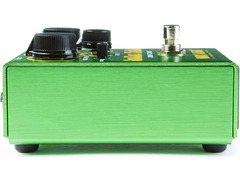
Way Huge Swollen Pickle MkIIS
4.5 (16)
Infinite Tone Sculpting Possibilities



Average Price: $151
Standard/Professional
$60
$181+
Budget
Standard
High-end
- Offers a wide range of fuzz tones, from dirty to smooth
- Versatile, suitable for various music styles and instruments
- Provides significant control over sound with multiple knobs
- Can clean up nicely when adjusting the guitar's volume knob
- See 5 more
- Has a steep learning curve for optimal pedalboard integration
- Sensitive knobs require time to dial in the perfect tone
- Internal trimpots are difficult to adjust frequently
- Can sound muddy if not adjusted correctly
What It Does
The Swollen Pickle keeps the Big Muff's core sustain and compression but wraps it in a full tone-shaping arsenal. Multiple knobs let you control gain, low, mid, high, mix (blend with clean), and volume. You can dial in anything from subtle character to complete fuzz domination. It's more of a tone-design tool than a traditional Muff.
Where It Excels
Experimenters, modern jazz fusion players, and anyone who values tweakability over simplicity. Studio recording where every pedal needs precision. Players who use multiple Big Muffs but want that replaced with one dial-intensive option. The Swollen Pickle rewards time spent exploring. It also works brilliantly for guitarists who need fuzz to stay articulate across different amp settings.
The Practical Side
This pedal demands real estate and attention. The learning curve is steeper than a three-knob Muff. However, once you dial it in, you have a sound that's truly yours. It's not a grab-and-go pedal, but for dedicated tone crafters, it's worth every knob and every minute of setup time.
See how artists use this

.jpg?v=1784480538)






.jpg)
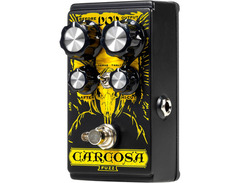
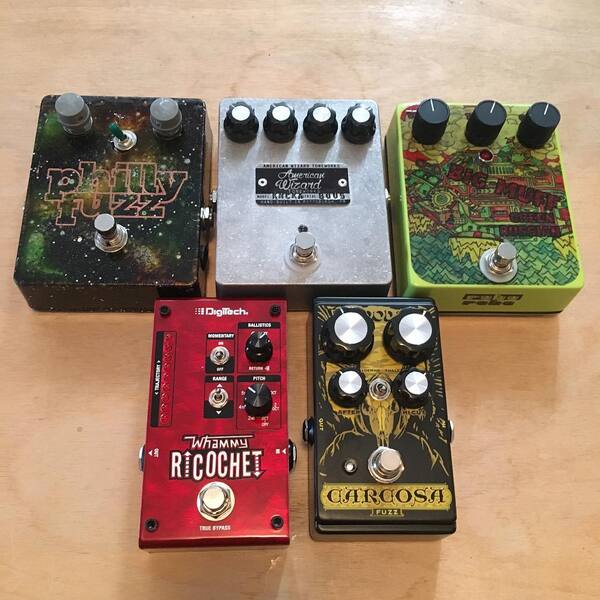
DOD Carcosa Fuzz
4.5 (52)
Fuzz for Explorers on a Budget

Average Price: $136
Standard/Professional
$60
$181+
Budget
Standard
High-end
- Versatile textures, from glitchy to harmonically rich distortion
- Intuitive controls, especially the 'after' knob
- Bass friendly and responsive to playing dynamics
- Wide range of tones from vintage fuzz to doom
- See 6 more
- Reliability issues reported within a few months of use
- Some settings produce unwanted hiss
- High gain settings can be difficult to control
- Lacks specific tones like "smashing pumpkins" sound
- See 1 more
What It Does
The Carcosa takes Big Muff-like sustain and compression and expands them with control options. Multiple knobs shape gain, tone, and character. It's capable of everything from subtle boost-like fuzz to massive sustain walls. The circuit is forgiving, responding well to different playing dynamics and pickup types.
Where It Excels
Beginners, experimenters on budgets, and players building their first effect-heavy board. The Carcosa costs significantly less than boutique Muffs, so you can try fuzz without financial risk. It also works as a second fuzz for stacking or exploring texture combinations. Many players discover fuzz character through a Carcosa before moving to premium pedals.
The Practical Side
Build quality is solid despite the price. The footprint is standard pedalboard size. DOD has a strong reputation for value, and this pedal maintains it. Used examples are easy to find. It's not trying to be a boutique experience or a museum piece, it's just trying to be a useful, affordable fuzz.
See how artists use this
.jpg)




.jpg)
Settings, Stacking, and Practical Tone Tips
Getting the most from any Big Muff starts with understanding its controls. For classic lead tones, try sustain around 10-11 o'clock, tone at noon, and level matching your ambient volume. This setup gives you singing sustain without excessive grit. For chord crunch where you want definition, lower the sustain to 8-9 o'clock and boost the tone to 1-2 o'clock. This restores pick attack and midrange punch.
If you want a fuzz wall for ambient or textural work, push sustain to maximum, tone to around 11 o'clock, and experiment with level. This creates that infinite compression and shimmer. Many players find their sweet spot exists somewhere between these three approaches, not at any extreme.
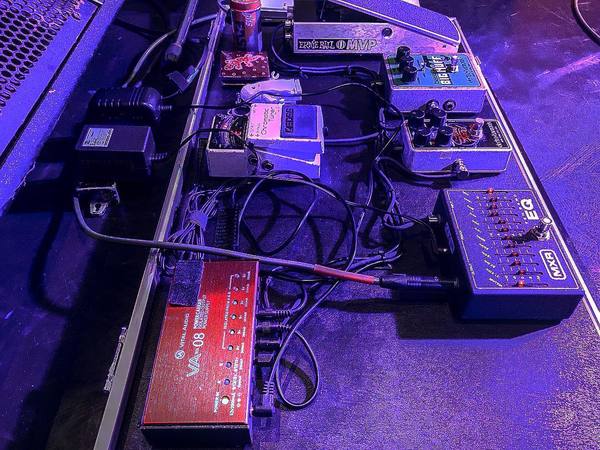
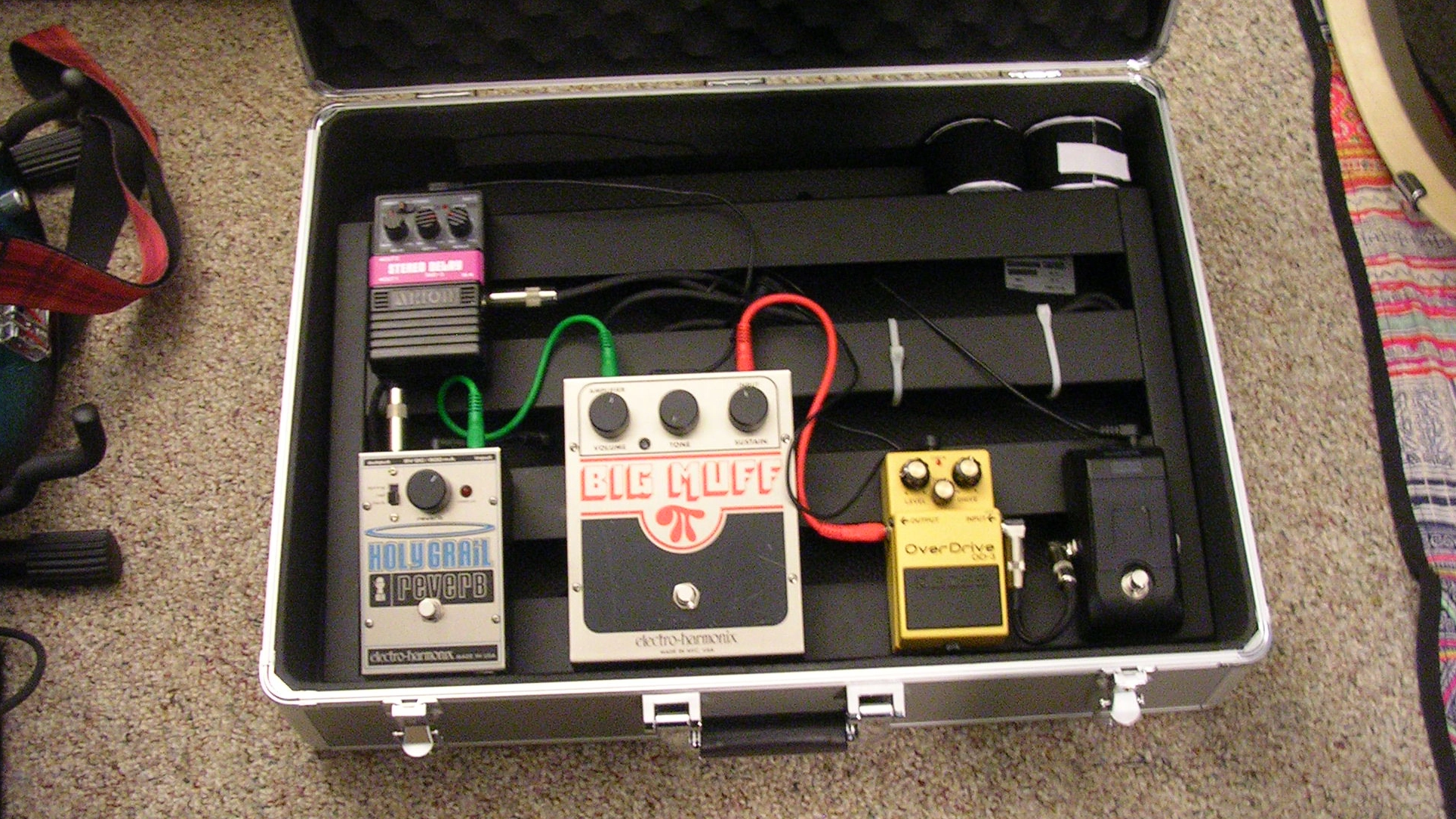
Stacking a Big Muff with other effects dramatically changes its character. Placing a boost before the Muff increases saturation and compresses more aggressively. A boost after the Muff adds volume to your solo without tightening the fuzz. An EQ pedal placed after restores midrange clarity without affecting the fuzz itself. Many modern players use this approach: Muff plus post-EQ as their answer to the "disappearing in a mix" problem.
If your Muff sounds muddy, first check your amp EQ. Often low end is naturally boosted. Try raising the Muff's tone control or adding a slight presence peak on your amp. If it still feels unclear, a parametric EQ after the pedal solves it surgically. Remember that a Big Muff is designed to scoop mids, so some mud is inherent. The question is whether you can work with it or need to modify it.
FAQs
What makes a Big Muff different from an overdrive?
A Big Muff is a fuzz pedal, which means it clips your signal harder and more aggressively than overdrive does. Overdrive adds gain and colors your tone while preserving your playing dynamics. A Big Muff compresses heavily and creates thick, sustained sustain that transforms your original tone into something new. The Big Muff also scoops midrange, while overdrives typically boost them.
Does the circuit version (Triangle, Ram's Head, Op-Amp, Green Russian) really matter?
Yes, significantly. Each version sounds measurably and subjectively different. Triangle Big Muffs are clearer and more responsive. Ram's Head versions scoop deeper. Op-Amps are brighter and grainier. Green Russians are low-end heavy. Your choice between these genuinely affects your tone, not just subtly.
Can I use a Big Muff on bass?
Yes, though you should use either the EHX Bass Big Muff or dial in conservative settings on a standard version. Bass players often struggle with note clarity when using guitar-designed Muffs. The Bass Big Muff and alternative versions like the Hoof restore clarity while preserving fuzz character.
Are boutique Big Muff clones as good as the original EHX versions?
It depends on what you value. Boutique versions offer hand-built quality, specific tonal tweaks, and often superior build consistency. EHX originals offer history, affordability, and proven reliability. A boutique isn't "better" than an EHX Op-Amp, it's different. Choose based on what matters to your rig and wallet.
Where should the Big Muff go in my pedal chain?
Typically, fuzz pedals go early in your chain, before reverb and delay. Most players place them after overdrive or boost but before modulation effects. If you want the Muff to affect delays and reverbs, place it before those effects. If you want delay and reverb clean, place the Muff after. Experiment based on your specific chain.
Which Big Muff did David Gilmour use?
David Gilmour’s most famous Big Muff tones are Ram’s Head era from the mid-1970s, notably on The Wall. Earlier in the early 1970s he also used a Fuzz Face for some lead tones, and in the 1990s he often used a Civil War/’90s EHX Muff.
What's the difference between Triangle, Ram's Head, and Green Russian Big Muffs?
Triangle Big Muffs (1969-1973) offer clear, dynamic sustain and minimal mid-scoop. Ram's Head versions (1973-1977) scoop deeper and feel smoother. Green Russian Big Muffs (1990s Sovtek manufacture) prioritize heavy bass and warm compression. Each sounds noticeably different and appeals to different playing styles and musical contexts.
Conclusion
The Big Muff remains one of the most essential fuzz circuits in modern guitar because it combines simplicity with character. Whether you're chasing David Gilmour's spacious leads, Billy Corgan's wall of sound, or doom metal's crushing weight, the Big Muff delivers.
Your choice between these options depends on your sound goals and budget. If you want affordable access to the classic Big Muff tone, start with the EHX Op-Amp Big Muff Pi or EHX Nano Big Muff Pi. If you're drawn to heavy music and need low-end authority, the EHX Green Russian Big Muff and EHX Bass Big Muff Pi both deliver. For mix-friendly fuzz that won't disappear, the EarthQuaker Devices Hoof offers warmth and midrange clarity.
Players exploring boutique territory should consider the Wren and Cuff Caprid for Ram's Head accuracy, or the Fuzzrocious Grey Stache for doom applications with tone control. The JHS Pedals Muffuletta deserves consideration if you want multiple eras in one pedal or need to nail session tones across different Big Muff styles.
For experimenters and tone sculptors, the Way Huge Swollen Pickle offers different approaches to Big Muff-inspired fuzz. The DOD Carcosa remains an excellent budget option for exploring fuzz character without commitment.
The Big Muff endures because it sounds distinctly itself while adapting to your intentions. Stack it, EQ it, dial it subtle or extreme, and it remains one of fuzz's most rewarding journeys.
Top Ranked Fuzz Effects Pedals on Equipboard
-m.webp?v=1784556046)


About the authors

S. Jino is an accomplished multi-instrumentalist and music producer based in Kolkata, India, distinguished by his self-taught mastery and unique blend of technical acumen and musical performance. His extensive experience was forged through hands-on dedication, starting with the full restoration of a broken guitar. Jino's capabilities span keyboards, pedals, and advanced digital production, reflecting a comprehensive skill set developed independently. As a significant contributor to the music scene, Jino regularly performs with worship bands and college ensembles. He has also established himself as a reliable and authoritative professional in freelance mixing, mastering, and original music creation. Inspired by the innovative sounds of Brian May and David Gilmour, and influenced by Kolkata's vibrant metal community, Jino is committed to the intricate art of vintage gear restoration and the continuous exploration of music and technology fusion. His current professional setup, featuring a meticulously restored nameless guitar, a Fender Player Strat, and a Boss Katana 50. Read more
New in Fuzz Pedals

$171.00 - $188.20

$95.00 - $99.00
in Fuzz Effects Pedals Rank

$199.00
in Fuzz Effects Pedals Rank

$124.22 - $136.10

$148.00 - $149.00
in Fuzz Effects Pedals Rank


$119.00 - $149.00

$152.00 - $169.99


$156.22 - $179.00
in Fuzz Effects Pedals Rank






.jpg)

.webp)





.webp)