This page about Custom / DIY Amplifier Head is a stub. You can help improve it:


Pricing and availability




* Product prices and availability are updated by Equipboard every 24hrs and are subject to change. Equipboard may receive compensation for purchases made at participating retailers linked on this site. This compensation does not affect what products or prices are displayed, or the order of prices listed. For more information, please refer to our affiliate disclosure.


Reviews
Based on 0 Reviews and 0 Ratings
Artist usage
Add artist

McPhee used a homemade amplifier head with Truth, Herbal Mixture, the John Dummer Blues Band, and The Groundhogs until the recording of Split, by which time the unhoused amp was irreparably broken due to fall damage and obsolete components. It is attested by the following sources:
Melody Maker, December 14, 1968, "Out of the Groundswell the New Groundhogs" by Max Jones
He tried a few more things when the Truth folded, then formed his own group, the Herbal Mixture, with Pete Cruickshank (former Groundhog bass player) and drummer Mick Meekam.
"The psychedelic scene was blossoming," says Tony, "so I built a fuzz into my amp and, wearing bizarre garb, we played the Electric Garden, Roundhouse and other feedback clubs."
The Mixture recorded for Columbia and, at this time, McPhee began singing. Then this group separated and, earlier this year, he joined the John Dummer Blues Band, and, in his words, "felt my way back into blues again."
Disc and Music Echo, June 6, 1970, "Me and My Music: Tony McPhee", pg. 9
Plays a Gibson SG, a Framus 9-string, a Harmony Sovereign acoustic and builds his own amplification equipment. Uses a 30-watt amp with eight speakers in two cabinets.
ZigZag, March 1971, "Tony McPhee... Groundhog" by John Tobler
Let’s get onto your equipment....why the change to Laney gear?
Well, I liked the stuff we used to have but it just literally became obsolete. I built my own amplifier and it was what I wanted, but I never got round to putting it in a cabinet and people used to drop it because it was just mounted in a sort of rabbit hutch thing and wasn’t screwed in properly. But I couldn’t replace the broken parts because they were so old, and we had to think about some new gear. We shopped around — looked at HiWatt and Marshall, but eventually settled for Laney. There’s not really much to choose between makes, but this Laney stuff gave out what it claimed to give out and seemed OK....though I’ve made some alterations to improve the tone, because I’m as interested in getting a good sound as I am in volume.
Beat Instrumental, June 1978, "Don't Mention the Gr**ndh*gs! says Tony 'T.S.' McPhee. Peter Douglas apologises" by Peter Douglas, pg. 18
The only amplifier that I really liked was one I built myself a long time ago. It was the only one that would do everything that I wanted it to, and some time ago I got hold of the parts again — and transformers for valve amps are pretty rare now. I've still got these parts at home, so I must make another one up.
Blues.Gr, "An Interview with Tony "TS" McPhee of The Groundhogs: A Legendary Artist of British Blues History" by Michael Limnois (June 28, 2013)
What do you miss most nowadays from the 60s and your first steps in music?
The thrill of getting my first guitar and amp & modifying them to my own requirements, these days guitars and amps are factory set-up, I used to have to stone the frets on all my guitars and modify my amps, maybe change the pre-amp wiring.
London, Reign Over Me: How England's Capital Built Classic Rock (2020) by Stephen Tow, Chapter 6, pg. 171
In 1966, the Groundhogs would morph into the psychedelic Herbal Mixture in 1966, but that fizzled out after a couple of years; they eventually re-formed the Groundhogs as a power trio by 1969. By that time, the blues boom was in full force. What distinguished this generation of blues from the earlier R&B boom? One word: “Heavier,” McPhee exclaimed. The evolving equipment, including the Marshall Super 100 head featuring 100-watt power, had something to do with it as well. “With the invention of the fuzz box used on the Stones’ ‘Satisfaction,’ [plus the Taste’s] Rory Gallagher had used a treble boost for ages, so changing or modifying the guitar sound was necessary even in the ’60s,” McPhee wrote me. “Heavier sounds was the next step, so amps and speakers had to get louder and bigger. I made or modified my own amps and made my own speaker cabinets. I made [bassist] Pete Cruickshank’s cabinets also.”
Album Usage
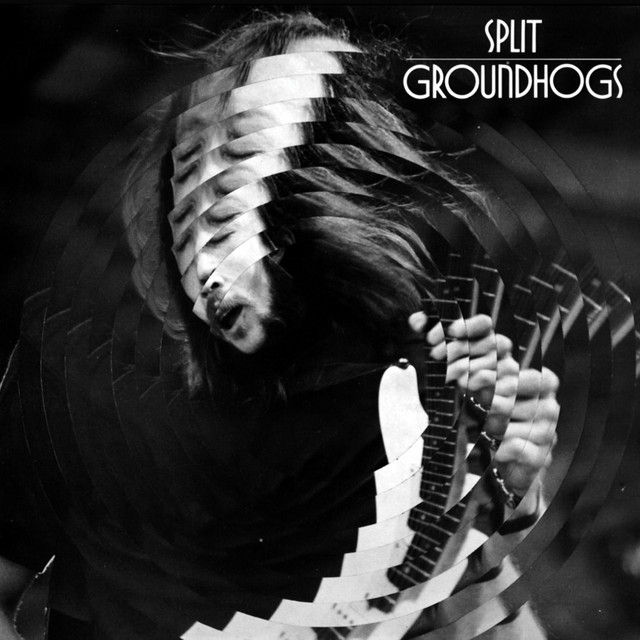
The Custom / DIY Amplifier Head has been featured on the following albums:
Genre Usage
Based on how artists on Equipboard use this gear, it is most commonly found in the following genres.
More Custom / DIY Guitar Amplifier Heads

$592.00 - $3,421.95
in Guitar Amplifier Heads Rank


$1,282.00 - $1,999.99
in Guitar Amplifier Heads Rank


$1,800.00 - $3,299.00
in Guitar Amplifier Heads Rank


$699.00 - $1,999.99
in Guitar Amplifier Heads Rank


$1,349.00 - $1,848.00
in Guitar Amplifier Heads Rank


$999.00 - $2,398.00
in Guitar Amplifier Heads Rank


$240.00
in Guitar Amplifier Heads Rank


-m.webp?v=1784645894)
$1,699.00 - $2,899.99
in Guitar Amplifier Heads Rank


$775.32 - $2,449.99
in Guitar Amplifier Heads Rank


$600.00 - $949.00
in Guitar Amplifier Heads Rank


$600.00
in Guitar Amplifier Heads Rank


$2,027.76 - $3,199.99
in Guitar Amplifier Heads Rank


$2,999.00 - $3,507.22
in Guitar Amplifier Heads Rank


$1,499.00 - $2,149.99
in Guitar Amplifier Heads Rank


$2,199.99 - $2,299.99
in Guitar Amplifier Heads Rank


$1,659.00 - $3,421.95
in Guitar Amplifier Heads Rank


$729.00 - $1,199.00
in Guitar Amplifier Heads Rank


$1,890.00 - $2,749.00
in Guitar Amplifier Heads Rank


$1,399.99 - $1,519.99
in Guitar Amplifier Heads Rank


$1,399.99 - $1,519.99
in Guitar Amplifier Heads Rank


$1,379.00 - $1,699.00
in Guitar Amplifier Heads Rank


$1,544.91 - $1,699.99
in Guitar Amplifier Heads Rank
.jpeg?v=1784600206)

$715.00 - $1,359.00
in Guitar Amplifier Heads Rank


$149.00 - $309.00
in Guitar Amplifier Heads Rank


$1,999.00 - $3,149.00
in Guitar Amplifier Heads Rank


-m.webp?v=1784645895)
$119.00 - $159.00
in Guitar Amplifier Heads Rank


$1,599.00 - $2,099.00
in Guitar Amplifier Heads Rank


$1,799.00 - $2,499.00
in Guitar Amplifier Heads Rank


$1,216.00 - $1,999.99
in Guitar Amplifier Heads Rank


$1,074.00 - $2,199.00
in Guitar Amplifier Heads Rank


$1,290.00 - $2,099.99
in Guitar Amplifier Heads Rank


$622.00 - $799.00
in Guitar Amplifier Heads Rank


$460.00 - $699.00
in Guitar Amplifier Heads Rank


$837.92
in Guitar Amplifier Heads Rank


$1,111.00 - $1,799.99
in Guitar Amplifier Heads Rank


$2,175.00 - $4,555.00
in Guitar Amplifier Heads Rank


$888.00 - $1,349.99
in Guitar Amplifier Heads Rank


$1,999.99 - $7,900.00
in Guitar Amplifier Heads Rank

-m.webp?v=1784645892)
$2,790.00 - $4,499.99
in Guitar Amplifier Heads Rank


$977.00 - $1,579.00
in Guitar Amplifier Heads Rank


Community setups


Similar


Gear Guides







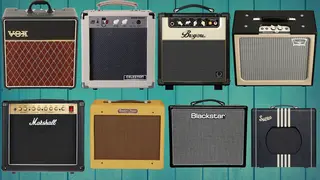
Most Popular Guitar Amplifier Heads
Most Popular Brands
-
Added to Equipboard on by
 eyeseeofficial
GearIQ 161592
-


