

Pricing and availability
We compare 600+ stores and found this item at 1 store. Prices updated .




Average Price: $600
High-end/Boutique
$50
$176+
Price Tier
Budget
Standard
High-end
* Product prices and availability are updated by Equipboard every 24hrs and are subject to change. Equipboard may receive compensation for purchases made at participating retailers linked on this site. This compensation does not affect what products or prices are displayed, or the order of prices listed. For more information, please refer to our affiliate disclosure.
Description
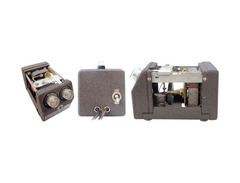
Considered by some to be the first standalone guitar effect, the DeArmond 601 Tremolo Control was developed around 1946 and would be launched commercially in 1948. The tremolo effect is achieved using a rotating drum that modulates the signal volume, and adds its own character much like an oil can delay.
Features:
- Early tremolo effect, utilized by the likes of Bo Diddley, Muddy Waters, and Billy Gibbons.
- Effect is achieved through warm and unpredictable volume modulations, several times a second
- Two knob layout with speed and intensity controls, reminiscent of vintage amplifiers
- Vintage collectable, difficult to find in functioning condition
Product specs
| Brand | DeArmond |
| Model | Tremolo Control |
| Finish | Brown |
| Year | 1950s |
| Made In | United States |
| Categories | Tremolo Pedals |
FAQs
-
What is the primary function of the DeArmond 601 Tremolo Control?
-
The DeArmond 601 Tremolo Control is designed to create a tremolo effect, modulating the volume of your audio signal to produce a pulsing sound characteristic of vintage tremolo units.
-
Is the DeArmond 601 Tremolo Control suitable for modern studio recording?
-
While it offers a classic tremolo sound, the DeArmond 601 is an older model from the 1950s, so its suitability for modern recording depends on your desire for vintage effects and tone.
-
How does the DeArmond 601 Tremolo Control compare to modern tremolo pedals?
-
The DeArmond 601 offers a distinct vintage character with a warm, analog tremolo sound, which may differ from the more precise and feature-rich capabilities of modern digital tremolo pedals.
-
What type of power supply does the DeArmond 601 Tremolo Control require?
-
The DeArmond 601 Tremolo Control typically requires an external power source, as it was designed before the widespread use of battery power in effects pedals.
-
Can the DeArmond 601 Tremolo Control be used with both guitar and bass?
-
Yes, the DeArmond 601 Tremolo Control can be used with both guitar and bass, providing a classic tremolo effect for either instrument.
Videos

scott51381
Dearmond Tremolo control Model 601 (2)
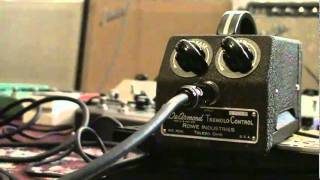
Dearmond Tremolo control Model 601 (2)
scott51381
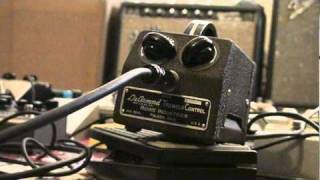
Dearmond Tremolo control Model 601 (1)
scott51381
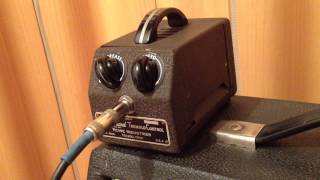
DeArmond Tremolo Control Model 601

amukaT
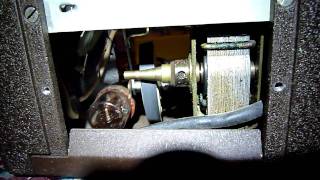
the inner workings of the DeArmond tremolo, made in 1946. (1)
scott51381
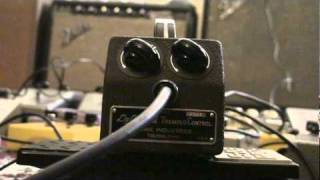
Dearmond Tremolo control Model 601 (3)
scott51381
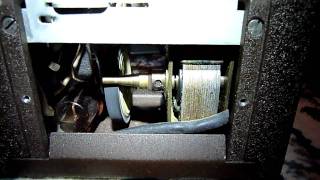
the inner workings of the DeArmond tremolo, made in 1946. (2)
scott51381
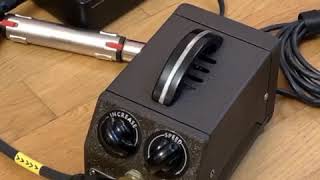
DeArmond 601 Tremolo Control '48

Soulman Vintage
Reviews
Owner Insights
We analyzed real musician discussions from forums and Reddit to find what players love, question, and tweak about DeArmond 601 Tremolo Control.
Features and functionality
-
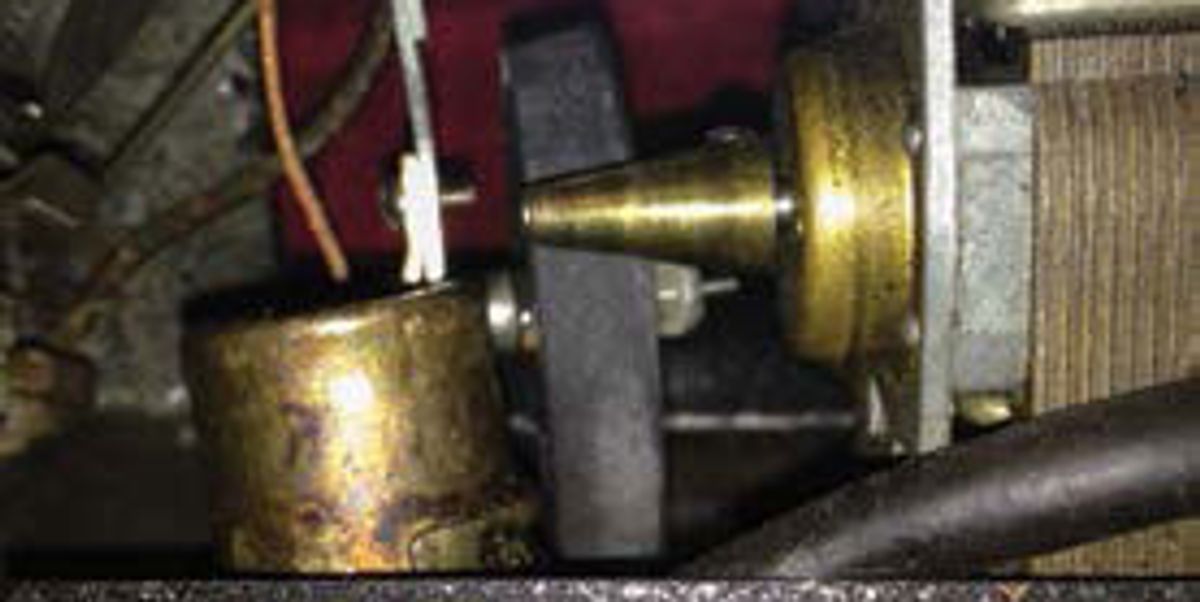
The DeArmond 601 Tremolo Control creates its effect using a motor-driven tank of conductive liquid, limiting speed to motor capabilities.
Source
Setup and maintenance
Use cases and applications
Value and pricing
-
These units have been observed selling for $350-$370 new and $300-$325 used on eBay, sometimes fetching higher prices used.
Source
User experience
-
If the tremolo effect is absent, it often indicates the liquid inside has leaked or evaporated, impacting the unit's functionality.
Source -
Some users caution against using the unit extensively before selling, as collectors may prefer a pristine circuit, and there's a risk of capacitors failing when powered.
Source
Critic Reviews
4.0 out of 5
Based on 0 Reviews and 3 Ratings
Artist usage
Add artist
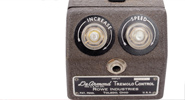
Featured in this September 2012 Vintage Guitar article covering the history of the Tremolo Control. One is on prominent display throughout Gibbons' segments in Fuzz: The Sound That Revolutionized the World, starting at 3:41.
Even now – four decades on – Billy F Gibbons remembers the first time he heard a DeArmond Tremolo Control work its peculiar magic.
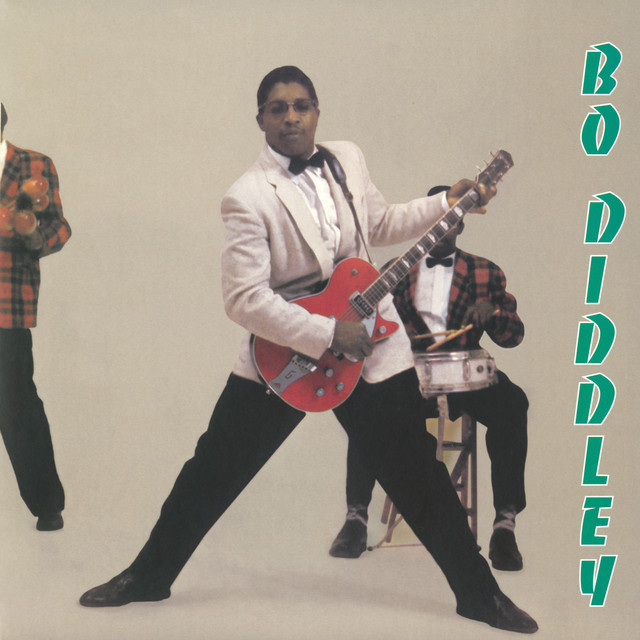
“We first heard the effect not knowing what it was,” he says, speaking in the royal plural and summoning up recordings including Muddy Waters’ 1953 Chess cut “Flood” and other early blues and rock-and-roll sides where that tremolo sound shimmered. “It was not until we took a gig in 1972 with Bo Diddley, who told me about it. We were speaking about what his sound was, and I said, ‘DeArmond Tremolo Control – I don’t think I know what that is?’ Bo Diddley planted the seed.”
It’s little wonder that even Gibbons, a renowned purveyor of rare and weird sounds, didn’t know of the effect; in the ’70s, the Tremolo Control was already “vintage” when other now-classic gear was just “used.”
(...) After Bo Diddley enlightened Gibbons to the Tremolo Control, he sought one. Plugging in, however, he was unimpressed. Little did he know, but his Tremolo Control was suffering from a common ailment of the unit after so many years.
“Many users discarded them or left them behind because they claimed they didn’t work,” Gibbon relates. “But in reality it was just the simple fact that the electrolytic liquid had evaporated. We fooled around and fooled around [with ours] and said, ‘Gee whiz, this thing doesn’t seem to be doing anything,’ and that’s when we took it apart and poked around, and an electronics specialist who worked at the recording studio smiled and said, ‘Oh, you fellows don’t know about that: this unit is missing the fluid.’ I said, ‘What went in there?’ And he said, ‘Well, I’ll tell you what will work, and that’s Windex.
“So we thought, how are we going to get it in there? The little canister has a soldered, sealed top; you don’t unscrew it – it was soldered shut. But it does have a rubber gasket. So you need to find a syringe, load it with Windex, stab it in there, and fill it a little less than two-thirds up.
“So this is where the fun begins. We went down to the nearest drug store with a bottle of Windex and threw this contraption on the counter, and we said to the pharmacist, ‘We need some syringes.’ He saw us with that bottle of Windex in our hands and this thing and he said, ‘Either explain yourselves or you’re going to jail.’ But sure enough, we slated a good story and he scratched his head and smiled and said, ‘This is a first for me, but I don’t think we’re breaking any laws. Open her up!’ So we gave it an injection, and all of the sudden, back at the studio we had tremolo, brother!”
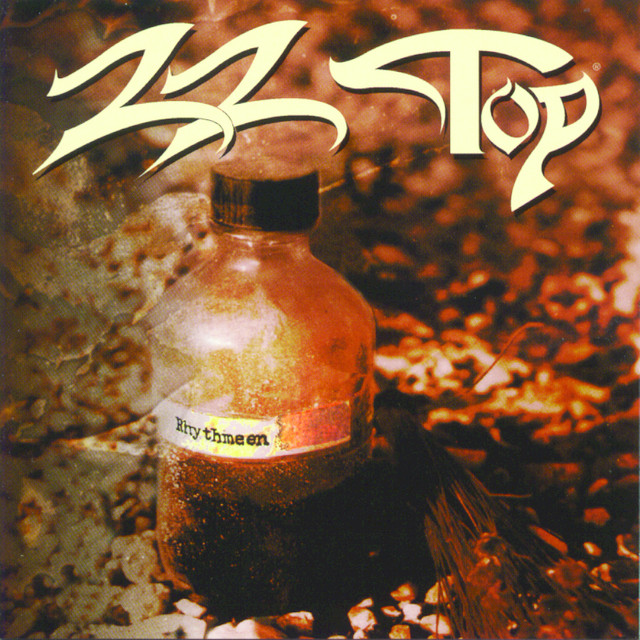
Gibbons first used the Tremolo Control on “What’s Up With That” from ZZ Top’s 1994 album Rhythmeen. From there, he never looked back. “We’ve used it on so many delightful excursions from the recording studio into the outer limits of the ether… We gained some measure of notoriety for using this thing exclusively. The mystique is quite entertaining.”
He told his fond tale of discovering the effect while recording a new album, featuring a “stereo” Tremolo Control setup. “We have two of them mounted in a convenient pull-out drawer and we’ve wired them so the guitar signal plugs into the drawer that feeds DeArmond Tremolo No. 1, which is the left signal, and DeArmond Tremolo No. 2, which is the right. The driving spindle is not notched; there are no presets. So if you’re trying to get them to jiggle at the same rate, good luck! It ain’t going to happen. But when you get two Tremolos operating at two different speeds, it really gets wild.”


According to an article by Dan Formosa in Guitar Buyer, Muddy Waters used a DeArmond 601 Tremolo Control. The article states, "One notable recording is 'Flood' by Muddy Waters from 1953, also recorded at Chess, with Muddy wielding a nice tremolo tone for the track's duration."


"documented that one of the first guitarists to use the DeArmond Tremolo was Bo Diddley. In fact he used this on his early Chess recordings."

According to an article by Chris Kies in Premier Guitar, Duane Eddy famously used the DeArmond 601 Tremolo Control on his track "Rebel-’Rouser."

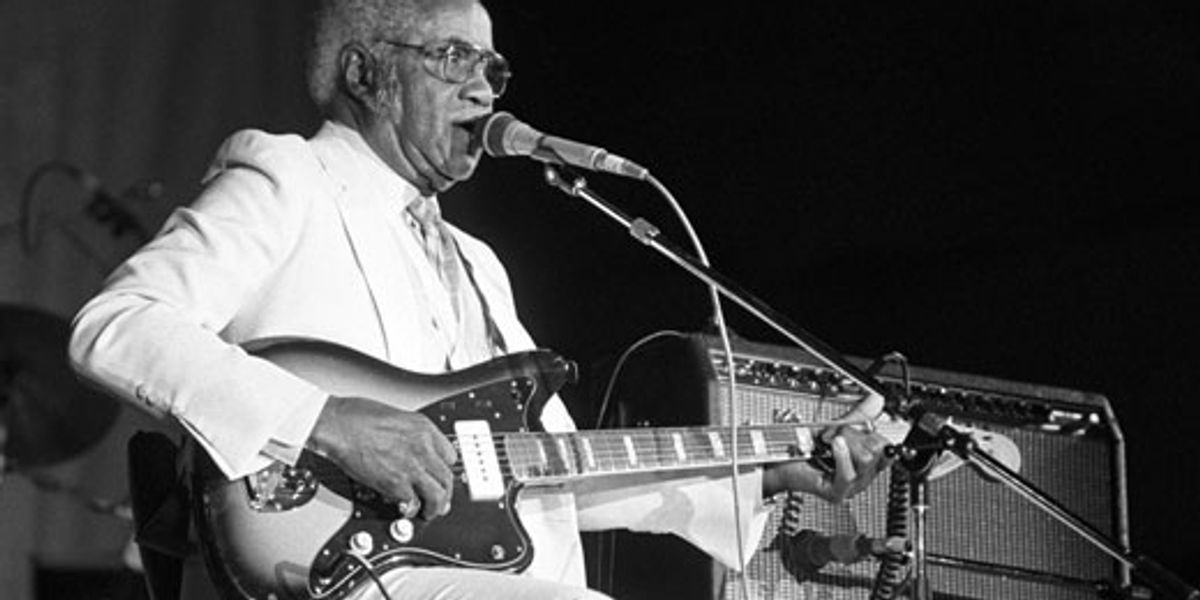
"In Greg Kot’s book, I'll Take You There: Mavis Staples, the Staple Singers and the March Up Freedom's Highway, Sam Cooke’s guitarist Leroy Crume recalled: “When Pops came on the scene, he brought this little gadget you put on an amplifier—at the time they weren’t making amps with tremolos … People used to call it ‘Pop Staples and his nervous guitar.’” The effect was most likely a DeArmond 601 Tremolo unit, which became available in 1948."
Album Usage
The DeArmond 601 Tremolo Control has been featured on the following albums:

Genre Usage
Based on how artists on Equipboard use this gear, it is most commonly found in the following genres.
Used With
Based on how musicians on Equipboard use DeArmond 601 Tremolo Control, it is most commonly used with the following gear.
More DeArmond Tremolo Effects Pedals


$89.99 - $109.99
in Tremolo Effects Pedals Rank


$114.00
in Tremolo Effects Pedals Rank


-m.webp?v=1783868168)
$51.70 - $103.40
in Tremolo Effects Pedals Rank


$246.00
in Tremolo Effects Pedals Rank


$139.00 - $253.00
in Tremolo Effects Pedals Rank


$47.99 - $56.00
in Tremolo Effects Pedals Rank


$79.99 - $142.00
in Tremolo Effects Pedals Rank


$151.76 - $269.80
in Tremolo Effects Pedals Rank


$169.15 - $243.00
in Tremolo Effects Pedals Rank


-m.webp?v=1783868557)
$29.51 - $37.99
in Tremolo Effects Pedals Rank


-m.webp?v=1783782057)
$123.48
in Tremolo Effects Pedals Rank


$85.00 - $119.00
in Tremolo Effects Pedals Rank


$149.99 - $219.99
in Tremolo Effects Pedals Rank


$47.99
in Tremolo Effects Pedals Rank


$119.99 - $249.99
in Tremolo Effects Pedals Rank


$210.00
in Tremolo Effects Pedals Rank


$42.00
in Tremolo Effects Pedals Rank


$94.32
in Tremolo Effects Pedals Rank
.jpg?v=1783815290)


-m.webp?v=1783868560)
$129.00 - $219.00
in Tremolo Effects Pedals Rank


$169.00 - $199.00
in Tremolo Effects Pedals Rank


$358.18
in Tremolo Effects Pedals Rank


$149.00 - $306.00
in Tremolo Effects Pedals Rank
.png?v=1783870102)


$339.00
in Tremolo Effects Pedals Rank


$70.00 - $103.90
in Tremolo Effects Pedals Rank

.png?v=1783866849)


$35.04
in Tremolo Effects Pedals Rank


$125.00
in Tremolo Effects Pedals Rank

.jpg?v=1783828864)

$150.00
in Tremolo Effects Pedals Rank


$27.00 - $49.00
in Tremolo Effects Pedals Rank


$282.00
in Tremolo Effects Pedals Rank


$16.44 - $28.90
in Tremolo Effects Pedals Rank


$129.00 - $229.00
in Tremolo Effects Pedals Rank


$249.00
in Tremolo Effects Pedals Rank


$99.00 - $147.00
in Tremolo Effects Pedals Rank


$79.20 - $109.00
in Tremolo Effects Pedals Rank


$189.00
in Tremolo Effects Pedals Rank


$177.11 - $191.00
in Tremolo Effects Pedals Rank


$169.25 - $191.00
in Tremolo Effects Pedals Rank


$338.45
in Tremolo Effects Pedals Rank


Accessories & Related Items


Community setups


Similar


Gear Guides





Most Popular Tremolo Effects Pedals
Most Popular Brands
-
Added to Equipboard on by
 ignaciosalim
GearIQ 211
-


