This page about AMS Neve 8078 is a stub. You can help improve it:


Pricing and availability




* Product prices and availability are updated by Equipboard every 24hrs and are subject to change. Equipboard may receive compensation for purchases made at participating retailers linked on this site. This compensation does not affect what products or prices are displayed, or the order of prices listed. For more information, please refer to our affiliate disclosure.
Description
The AMS Neve 8078 is a legendary piece of studio recording gear that continues to set the standard in audio mixing. Renowned for its classic analog warmth, this mixer is a favorite among top-tier recording studios and professional musicians around the globe. The 8078 is celebrated for its exceptional audio fidelity, providing an unmatched sonic character that has shaped countless iconic records. With a robust build and meticulously crafted components, this mixer offers both reliability and superior performance.
Designed for audio purists, the AMS Neve 8078 features a fully discrete Class A architecture, ensuring pristine sound quality. Its comprehensive channel layout provides versatile mixing options, allowing users to achieve precise control over every aspect of their audio. The intuitive interface and tactile controls make it a joy to operate, whether you're a seasoned engineer or an aspiring artist.
One of the standout features of the 8078 is its transformer-balanced inputs and outputs, which deliver a rich and vibrant sound that is instantly recognizable. This mixer also includes a comprehensive EQ section, providing flexible tone-shaping capabilities. Each channel offers a wide range of options to sculpt your sound, from subtle enhancements to dramatic transformations.
Key Features:
- Renowned for its classic analog warmth and exceptional audio fidelity
- Fully discrete Class A design for pristine sound quality
- Comprehensive channel layout for versatile mixing options
- Intuitive interface with tactile controls
- Transformer-balanced inputs and outputs for rich, vibrant sound
- Flexible EQ section for tone shaping
- Trusted by top-tier recording studios and professional musicians worldwide
Videos

Puremix
Blackbird Studio's Neve 8078: The console that transformed Music
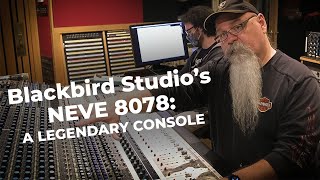
Blackbird Studio's Neve 8078: The console that transformed Music
Puremix
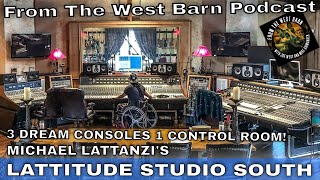
Neve 8078, SSL 4000 + API 1604 3 Consoles 1 Control room!! Michael Lattanzi's Lattitude Studio South

From The West Barn Podcast
The Amazing Neve 8078 Console - NRG Studios

VisionQuest Sound
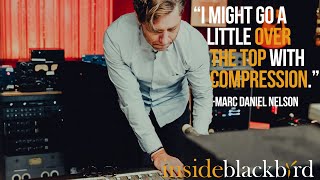
Mixing on the Neve 8078 with Marc Daniel Nelson

Inside Blackbird
Reviews
Owner Insights
We analyzed real musician discussions from forums and Reddit to find what players love, question, and tweak about AMS Neve 8078.
Setup and maintenance
-
Neve VR consoles require a complete recap every 3-4 years due to internal heat, leading to dried-out ribbon cables and melted solder joints.
Source -
Neve VR consoles must remain powered on 24/7 to avoid issues from power cycling, necessitating significant HVAC investment to manage heat output.
Source
Features and functionality
-
The Neve VR's monitoring section is full of VCAs and FETs, which many find degrade the console's overall sound quality, despite individual channels sounding good.
Source -
The original recall and automation systems for the Neve VR are based on outdated DOS and 286 PC technology, leading to potential reliability issues.
Source
Comparisons
-
The Neve VR is often contrasted unfavorably with the Neve 88R, which addressed many of the VR's issues like heat management and component reliability.
Source
Based on 0 Reviews and 0 Ratings
Artist usage
Add artist

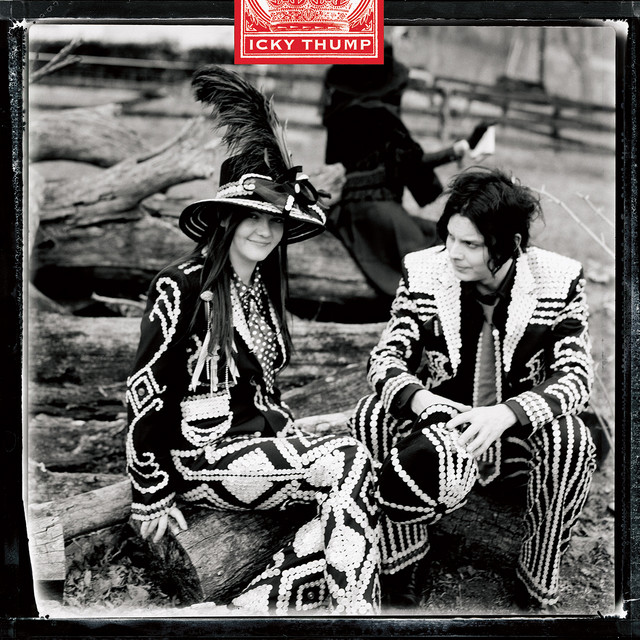
Used for the guitar and vocals on Icky Thump, as stated by recording and mixing engineer Joe Chiccarelli in this October 2007 Sound on Sound interview.
- Main guitars: Neve 8078 EQ, Universal Audio 1176, echo chamber, Neve 33609
“I don’t think I compressed the main guitar any further in the mix; all compression was added while tracking, probably an 1176. The guitars were mainly about balances and rides, and making sure the guitar line cut through, so I added some mid-range at the console. The song has an instrumental guitar chorus instead of a vocal chorus, so it was really important that it spoke. I multed the guitar out to two sets of faders, and one of them I EQ’d very mid-rangy and compressed with a Neve 33609 to get a slightly different tone. Every time the guitar riff came up the automation would switch to these faders. It made the melody pop out a little more. I also definitely used the live room in Studio A to add some ambience.”
- Vocals: Teletronix LA2A, Roland Space Echo, echo chamber, Neve 8078 EQ
“Jack always wanted more distortion on the vocals! The main vocal effect is a distorted slap echo, which I recorded: I overloaded the tape machine. When you severely overload something, it squashes the waveform so much that it almost sounds like a different instrument. Instead of being a delay of the original signal, it becomes its own sound and adds a vibe to the track. When it came to the mix, Jack wanted still more distortion on the vocals and more edge, so I overloaded an LA2A compressor, setting the output to 80. This meant that I was getting the distortion from the last tube stage of the compressor, which creates a really beautiful distortion.
“I also added some Roland Space Echo spring reverb to the vocals during the mix, and ran the vocals through the echo chamber. Any reverb that I used on the album would have been dark-sounding, and in a lot of cases I made it mono as well. In the case of ‘Icky Thump’ I’d pan a mono reverb left behind the vocal that was panned left, and the other mono reverb was panned right behind the vocal that was panned right. Both were panned at about three quarters. I might also have rolled some top end off the distortion, just to get rid of any ugly harmonics."

Used on "Icky Thump", as stated by recording and mixing engineer Joe Chiccarelli in this October 2007 Sound on Sound interview.
- Drums: Neve 8078 EQ, APSI EQ, Chandler TG1, API 2500, Chandler Zener Limiter and Curve Bender EQ
“The moment I heard Meg play that drum beat during tracking I knew that this song would call for a big, heavy drum sound, so I had to scramble to get the drums sounding as big as possible. I might have added some low end, perhaps 80Hz, to the kick, some mid around 4k to the snare, and some air, 15k or so, to the overheads. Adding 4k gave the snare some more crack and made it cut through better. I also used an old APSI graphic EQ on the kick drum — settings -2 at 35Hz, +2 at 75, and +4 at 3.5k. APSI was a ’70s offspring from API. I may also have added some bottom to the overheads with a Chandler Curve Bender, which has great low end. I loved it so much, I ended up buying one. In terms of the mix, in most cases the room microphones were not really processed.
“As far as compression is concerned, I applied a couple of drum submix compressors, probably API 2500 and Chandler Zener. On other songs I also sometimes used the SPL Transient Designer and sometimes an [Empirical Labs] Distressor. I set the API to fast attack and fast release, to get a bit of a pop to the snare, and blended that back in with the original. The Chandler has more of a round, warm, vintage sound. I set it to heavy limiting with a fast release, and blended that in to give the drums more character. I would say that the compressors were used on this album to make a statement, so I wasn’t shy of using extreme settings. I also may have sent the snare via loudspeakers to Studio A’s live room and blended that in to give more ambience.”


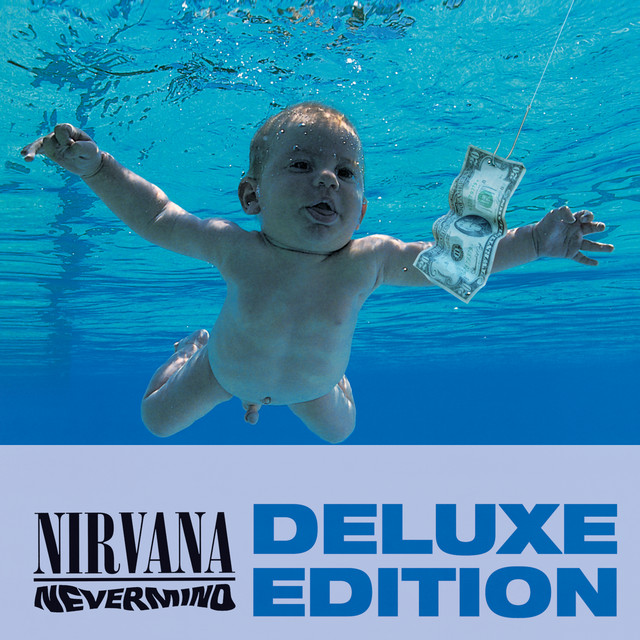
In an article on Guitar.com The Humble Gear Used By Kurt Cobain on Nirvana’s ‘Nevermind’, it mentions that the Neve 8078 console at Sound City studio had a "big influence on the sound of the album":
Another piece of gear that had a big influence on the sound of the album was the Neve 8078 console that was at Sound City – a console that recorded dozens of iconic albums both before and after Nirvana recorded Nevermind there. In fact, that was part of the reason they went to Cannon Falls, Minnesota in the dead of winter to record their follow-up album, In Utero – they also had an 80-series Neve console at the time.


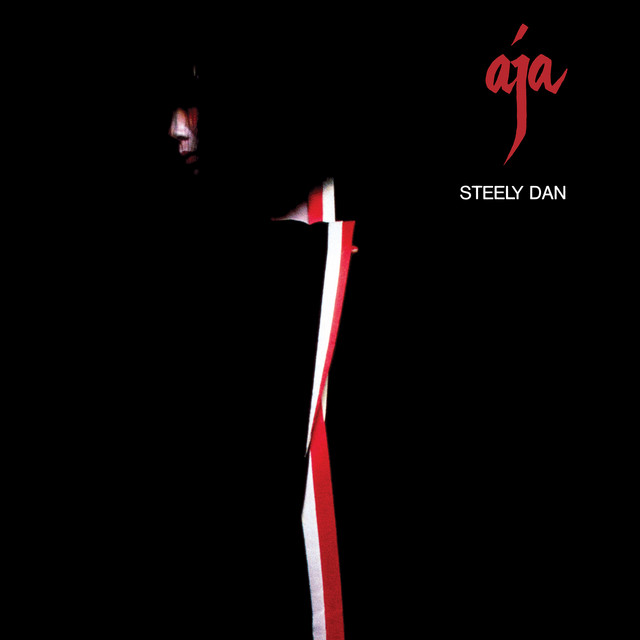
Fagen is known to have used two different 8078s in his career. The first, owned and later sold by him, was used to record and mix Aja, according to this May 2019 Reddit post.
ColbyKill I can currently enrolled in The Blackbird Academy in Nashville, Tennessee. If you haven't heard of it, should definitely check it out. So this console used to belong to Donald. John McBride, Martina's husband, had bought it from him a few years ago now. It has been slightly modified, but it is pretty much exactly how it was while they were using it to record Aja. Its amazing to be able to get to be in the same room let along get to work on it as well. Figured y'all would enjoy seeing this.
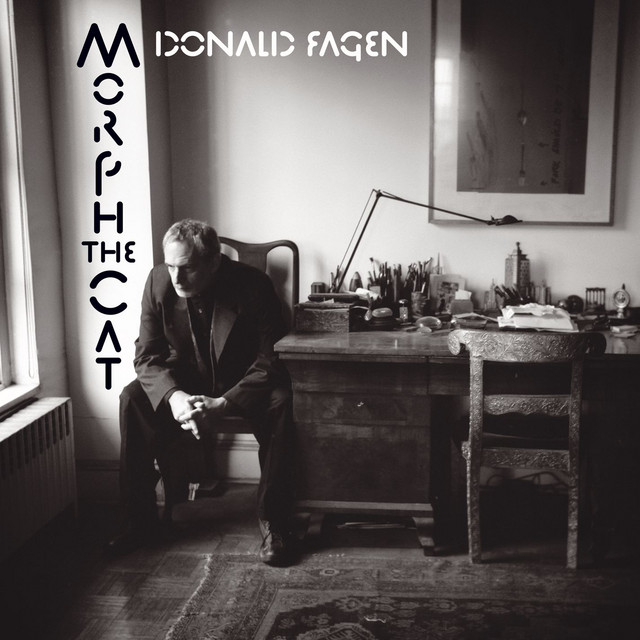
The second was the in-house console at the now defunct Clinton Recording Studios. It was used to record and mix Morph the Cat, as stated by Fagen and mix engineer Elliott Scheiner in this August 2006 Sound on Sound interview.
Scheiner adds that he 'seldom' uses EQ during the mix, and that Morph The Cat was recorded via Clinton's Neve 8078 directly to analogue 24-track. Straightforward recording to analogue without much processing is now Fagen's favoured approach, says he. "It's the sound I like. It's not necessary to have the latest equipment. Today I think that I could use any studio, and any equipment, and all I need is good players and it will sound good. I like the sound of jazz records recorded in the late 1950s. I love the sound of Rudy van Gelder's records for Prestige. I can't imagine anything sounding better. Van Gelder's jazz recordings definitely influenced the Steely Dan recording and mixing style."


Used to record all instruments on Donald Fagen's Morph the Cat, as stated by Fagen and mix engineer Elliott Scheiner in this August 2006 Sound on Sound interview.
Scheiner adds that he 'seldom' uses EQ during the mix, and that Morph The Cat was recorded via Clinton's Neve 8078 directly to analogue 24-track. Straightforward recording to analogue without much processing is now Fagen's favoured approach, says he. "It's the sound I like. It's not necessary to have the latest equipment. Today I think that I could use any studio, and any equipment, and all I need is good players and it will sound good. I like the sound of jazz records recorded in the late 1950s. I love the sound of Rudy van Gelder's records for Prestige. I can't imagine anything sounding better. Van Gelder's jazz recordings definitely influenced the Steely Dan recording and mixing style."


Used to record all instruments on Donald Fagen's Morph the Cat, as stated by Fagen and mix engineer Elliott Scheiner in this August 2006 Sound on Sound interview.
Scheiner adds that he 'seldom' uses EQ during the mix, and that Morph The Cat was recorded via Clinton's Neve 8078 directly to analogue 24-track. Straightforward recording to analogue without much processing is now Fagen's favoured approach, says he. "It's the sound I like. It's not necessary to have the latest equipment. Today I think that I could use any studio, and any equipment, and all I need is good players and it will sound good. I like the sound of jazz records recorded in the late 1950s. I love the sound of Rudy van Gelder's records for Prestige. I can't imagine anything sounding better. Van Gelder's jazz recordings definitely influenced the Steely Dan recording and mixing style."

Used to record all instruments on Donald Fagen's Morph the Cat, as stated by Fagen and mix engineer Elliott Scheiner in this August 2006 Sound on Sound interview.
Scheiner adds that he 'seldom' uses EQ during the mix, and that Morph The Cat was recorded via Clinton's Neve 8078 directly to analogue 24-track. Straightforward recording to analogue without much processing is now Fagen's favoured approach, says he. "It's the sound I like. It's not necessary to have the latest equipment. Today I think that I could use any studio, and any equipment, and all I need is good players and it will sound good. I like the sound of jazz records recorded in the late 1950s. I love the sound of Rudy van Gelder's records for Prestige. I can't imagine anything sounding better. Van Gelder's jazz recordings definitely influenced the Steely Dan recording and mixing style."

Used to record all instruments on Donald Fagen's Morph the Cat, as stated by Fagen and mix engineer Elliott Scheiner in this August 2006 Sound on Sound interview.
Scheiner adds that he 'seldom' uses EQ during the mix, and that Morph The Cat was recorded via Clinton's Neve 8078 directly to analogue 24-track. Straightforward recording to analogue without much processing is now Fagen's favoured approach, says he. "It's the sound I like. It's not necessary to have the latest equipment. Today I think that I could use any studio, and any equipment, and all I need is good players and it will sound good. I like the sound of jazz records recorded in the late 1950s. I love the sound of Rudy van Gelder's records for Prestige. I can't imagine anything sounding better. Van Gelder's jazz recordings definitely influenced the Steely Dan recording and mixing style."

Used to record all instruments on Donald Fagen's Morph the Cat, as stated by Fagen and mix engineer Elliott Scheiner in this August 2006 Sound on Sound interview.
Scheiner adds that he 'seldom' uses EQ during the mix, and that Morph The Cat was recorded via Clinton's Neve 8078 directly to analogue 24-track. Straightforward recording to analogue without much processing is now Fagen's favoured approach, says he. "It's the sound I like. It's not necessary to have the latest equipment. Today I think that I could use any studio, and any equipment, and all I need is good players and it will sound good. I like the sound of jazz records recorded in the late 1950s. I love the sound of Rudy van Gelder's records for Prestige. I can't imagine anything sounding better. Van Gelder's jazz recordings definitely influenced the Steely Dan recording and mixing style."

Used to record all instruments on Donald Fagen's Morph the Cat, as stated by Fagen and mix engineer Elliott Scheiner in this August 2006 Sound on Sound interview.
Scheiner adds that he 'seldom' uses EQ during the mix, and that Morph The Cat was recorded via Clinton's Neve 8078 directly to analogue 24-track. Straightforward recording to analogue without much processing is now Fagen's favoured approach, says he. "It's the sound I like. It's not necessary to have the latest equipment. Today I think that I could use any studio, and any equipment, and all I need is good players and it will sound good. I like the sound of jazz records recorded in the late 1950s. I love the sound of Rudy van Gelder's records for Prestige. I can't imagine anything sounding better. Van Gelder's jazz recordings definitely influenced the Steely Dan recording and mixing style."

Used to record all instruments on Donald Fagen's Morph the Cat, as stated by Fagen and mix engineer Elliott Scheiner in this August 2006 Sound on Sound interview.
Scheiner adds that he 'seldom' uses EQ during the mix, and that Morph The Cat was recorded via Clinton's Neve 8078 directly to analogue 24-track. Straightforward recording to analogue without much processing is now Fagen's favoured approach, says he. "It's the sound I like. It's not necessary to have the latest equipment. Today I think that I could use any studio, and any equipment, and all I need is good players and it will sound good. I like the sound of jazz records recorded in the late 1950s. I love the sound of Rudy van Gelder's records for Prestige. I can't imagine anything sounding better. Van Gelder's jazz recordings definitely influenced the Steely Dan recording and mixing style."

Used to record all instruments on Donald Fagen's Morph the Cat, as stated by Fagen and mix engineer Elliott Scheiner in this August 2006 Sound on Sound interview.
Scheiner adds that he 'seldom' uses EQ during the mix, and that Morph The Cat was recorded via Clinton's Neve 8078 directly to analogue 24-track. Straightforward recording to analogue without much processing is now Fagen's favoured approach, says he. "It's the sound I like. It's not necessary to have the latest equipment. Today I think that I could use any studio, and any equipment, and all I need is good players and it will sound good. I like the sound of jazz records recorded in the late 1950s. I love the sound of Rudy van Gelder's records for Prestige. I can't imagine anything sounding better. Van Gelder's jazz recordings definitely influenced the Steely Dan recording and mixing style."
Album Usage
The AMS Neve 8078 has been featured on the following albums:
Genre Usage
Based on how artists on Equipboard use this gear, it is most commonly found in the following genres.
Used With
Based on how musicians on Equipboard use AMS Neve 8078, it is most commonly used with the following gear.


More AMS Neve Mixers


$24,148.21 - $29,950.00


.jpeg?v=1784615590)


.png?v=1784327971)


$79,950.00 - $87,500.00


$28.00 - $415.00
in Mixers Rank


$677.00 - $989.00
in Mixers Rank


$1,462.00 - $1,999.00
in Mixers Rank


$215.75 - $250.74
in Mixers Rank


$120.00 - $449.99
in Mixers Rank


-m.webp?v=1784646045)
$342.23 - $379.00
in Mixers Rank


$219.00 - $329.99
in Mixers Rank


$45.30 - $89.00
in Mixers Rank


$180.25 - $219.99
in Mixers Rank


$1,755.58 - $3,299.99
in Mixers Rank


$200.00 - $573.74
in Mixers Rank


$129.00 - $209.00
in Mixers Rank


$310.00 - $479.99
in Mixers Rank


$188.00 - $309.00
in Mixers Rank


$75.00 - $329.99
in Mixers Rank


$141.35 - $169.00
in Mixers Rank


Community setups


Similar


Gear Guides



Most Popular Mixers
Most Popular Brands
-
Added to Equipboard on by
 eyeseeofficial
GearIQ 161592
-


