

Pricing and availability
We compare 600+ stores and found this item at 3 stores. Prices updated .
Store
Reviews
Price




Average Price: $4,909
High-end/Boutique
$100
$501+
Price Tier
Budget
Standard
High-end
Price History
Based on price data from 1 merchant for "Pultec EQP-1A3 Equalizer". Prices shown reflect NEW condition. Tracking began Apr 2, 2026.
* Product prices and availability are updated by Equipboard every 24hrs and are subject to change. Equipboard may receive compensation for purchases made at participating retailers linked on this site. This compensation does not affect what products or prices are displayed, or the order of prices listed. For more information, please refer to our affiliate disclosure.
Description
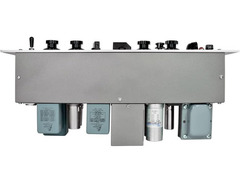
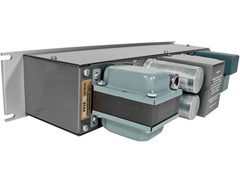
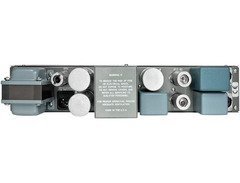
The Pultec EQP-1A3 Equalizer is a modern masterpiece that retains the essence of its legendary predecessor, the EQP-1A. This two-band equalizer isn't just an emulation; it's a genuine reissue built in the USA using original-spec components, promising that iconic warmth and clarity that have captivated ears for decades. Known for its ability to enhance audio simply by running a signal through it, the EQP-1A3 imbues tracks with massive bass and silky highs, making it an indispensable tool in any professional studio setup.
What sets the EQP-1A3 apart is its unique design that allows for both boosting and attenuating frequencies simultaneously. This characteristic enables creative sound sculpting, like adding weight to bass while subtly notching above the cutoff for a richer sound profile. On the high-frequency end, it offers the flexibility to boost and cut at different ranges, creating a pristine "air" without unnecessarily increasing presence.
Perfect for recording engineers and musicians looking to capture that vintage Pultec magic, the EQP-1A3 offers a supremely low noise floor and unparalleled musicality. Whether you're working on the next chart-topping hit or a timeless classic, the EQP-1A3 is your ticket to sound perfection.
Key Features:
- Single-channel, two-band equalizer mirroring legendary Pultec units
- Combines vintage character with modern reliability
- Incredibly low noise floor for a pure, uncolored sound
- Flexible bandwidth control for targeted sound sculpting
- Separate boost and cut controls for enhanced creative potential
Product specs
| Type | Tube |
| Number of Channels | 1 |
| Tube | 12AU7, 12AX7, 6X4 |
| Bypass | Yes |
| Number of Bands | 2 |
| Q Type | Variable |
| Boost/Cut Range | +13.5dB LF boost, -17.5dB LF cut, +18 HF boost, -16dB HF cut |
| Freq Range High | 3kHz-20kHz |
| Freq Range Low | 20Hz-100Hz |
| Inputs | 1 x XLR |
| Outputs | 1 x XLR |
| Frequency Response | 20Hz-20kHz |
| Rack Spaces | 2U |
| Height | 3.5" |
| Width | 19" |
FAQs
-
What is the difference between the Pultec EQP-1A and EQP-1A3?
-
The EQP-1A3 uses 12AU7, 12AX7, and 6X4 tubes and requires 2U of rack space, whereas the EQP-1A uses ECC82, ECC83, and 6X4 tubes and requires 3U of rack space.
-
What type of tubes does the Pultec EQP-1A3 use?
-
The Pultec EQP-1A3 uses 12AU7, 12AX7, and 6X4 tubes, contributing to its distinctive warm and musical sound.
-
What is the frequency range of the Pultec EQP-1A3 Equalizer?
-
The Pultec EQP-1A3 offers a frequency range from 20Hz to 20kHz, allowing for precise control over both low and high frequencies.
-
How many rack spaces does the Pultec EQP-1A3 require?
-
The Pultec EQP-1A3 requires 2U of rack space, making it suitable for most standard studio racks.
-
Can the Pultec EQP-1A3 be used for both boosting and cutting frequencies?
-
Yes, the Pultec EQP-1A3 allows for simultaneous boosting and cutting of frequencies, offering unique sound shaping capabilities often referred to as the "Pultec trick."
-
What are the input and output options for the Pultec EQP-1A3?
-
The Pultec EQP-1A3 features 1 x XLR input and 1 x XLR output, providing high-quality balanced connections for studio use.
Videos

Alec Brits
Pultec EQP1A3 Demo & Review
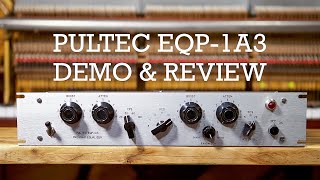
Pultec EQP1A3 Demo & Review
Alec Brits
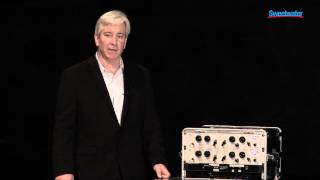
Pultec EQP-1A3 Equalizer Overview with Steve Jackson - Sweetwater Sound

Sweetwater
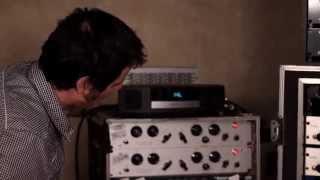
Spitfire Recording on the Pultec EQ 1A3 // Vintage King Audio

Vintage King

808s + Real Pultec Hardware ( Pultec EQP-1A3 )

2probeats
Reviews
Owner Insights
We analyzed real musician discussions from forums and Reddit to find what players love, question, and tweak about Pultec EQP-1A3 Equalizer.
Features and functionality
-
The Pultec EQP-1A3 can create a "hump" in the EQ curve by simultaneously boosting and attenuating the low band, enhancing kick drums and bass.
Source
Comparisons
-
Users note that the Ignite Amps PTEq-X offers more modules and potentially better sound than the UAD version, while being lighter on CPU usage.
Source
User experience
-
Owners appreciate the UAD version's ability to add saturation and presence before any knob adjustments, though some find this can sometimes disguise sounds.
Source
Use cases and applications
5.0 out of 5
Based on 0 Reviews and 2 Ratings
Artist usage
Add artist

"And I have six old 1176 compressors, a Fair-child, three Lang equalizers [a PEQ4 and two PEQ2s], two Pultec [EQP-IA3] equalizers, an EMT plate reverb, and an EMT 250 digital reverb."

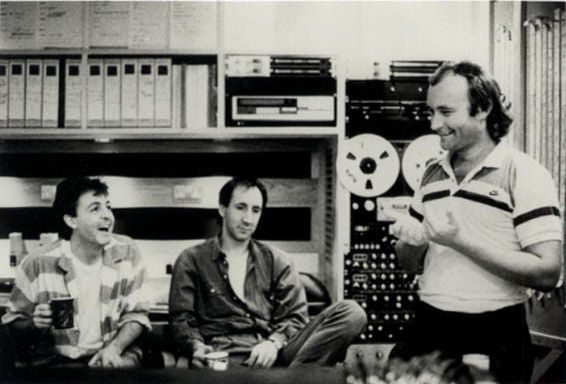
the Pultec EQP-1A3 Program Equalizer is listed in this blog


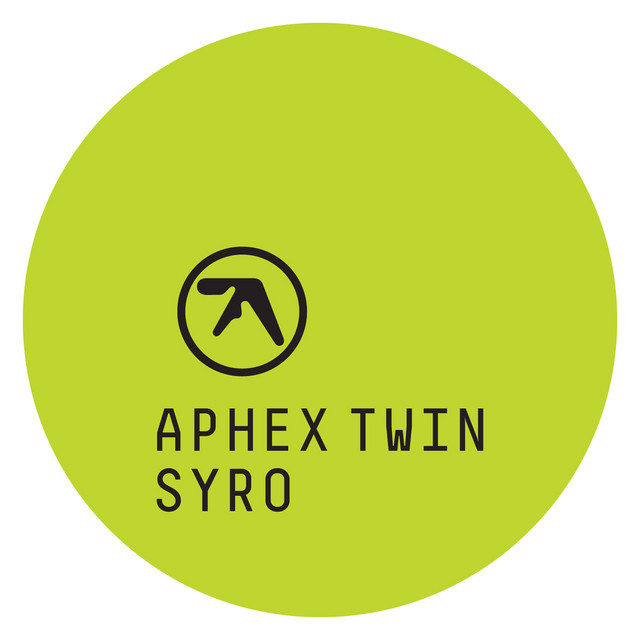
The Syro gear list mentions "Pultec EQP1A3", which refers to the Pulse Techniques Program Equalizer EQP-1A3, probably because there was no room on the list for such a long name.

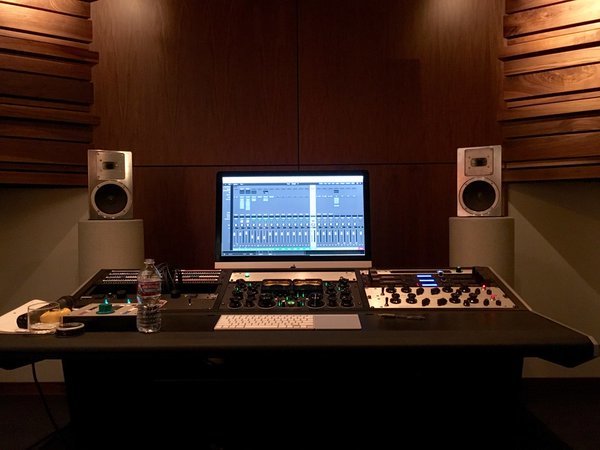
He posted a picture on twitter with his new studio desk with this gear

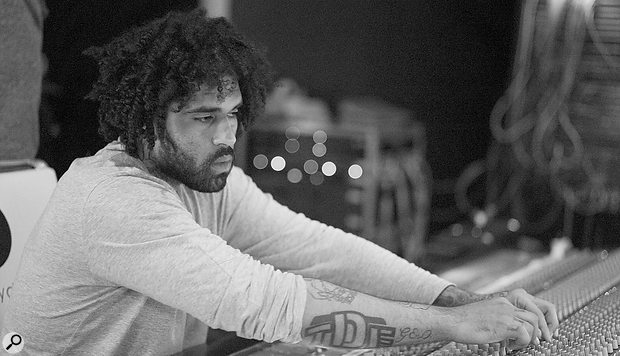
Engineer Derek Ali on recording To Pimp a Buterfly : "Sometimes I’ll run [Kendrick's] vocals through a Pultec EQP-1A3."


Used on vocals for Morning Phase, as stated in this May 4, 2014 Audio Technology interview with mix engineer Tom Elmhirst.
On lead vocals, Elmhirst used a Neve 1081 with a high pass at 82Hz and a little cut at 15kHz, an Altec A322C tube compressor and Pultec EQP-1A3.

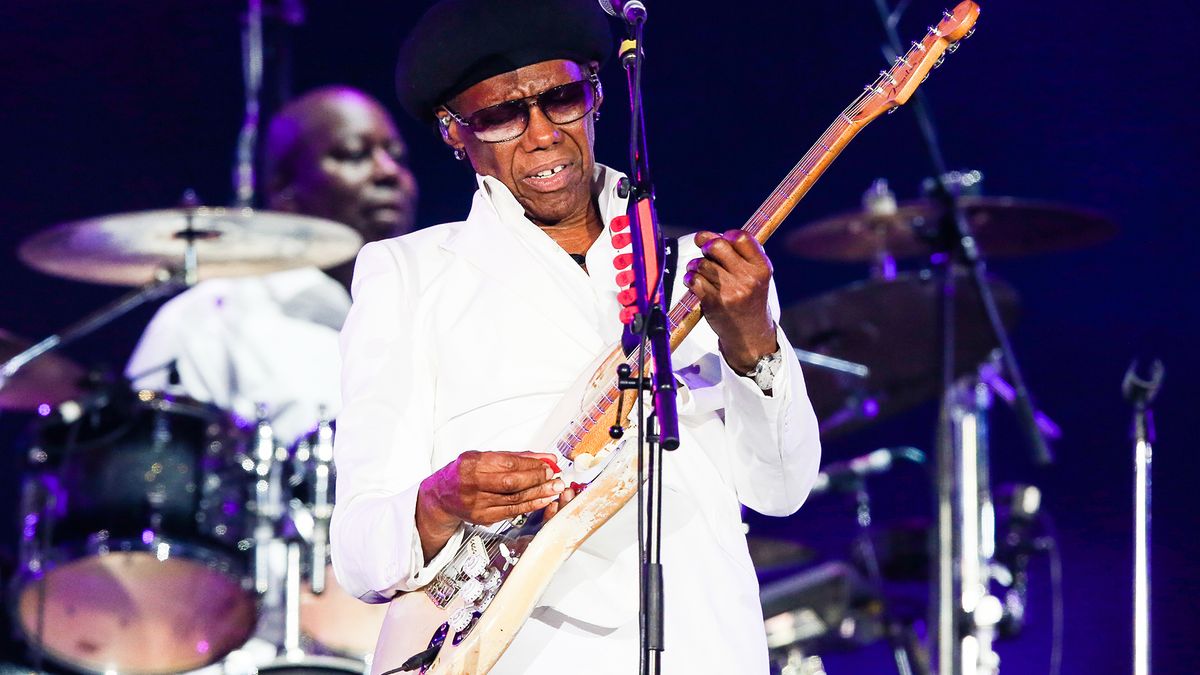
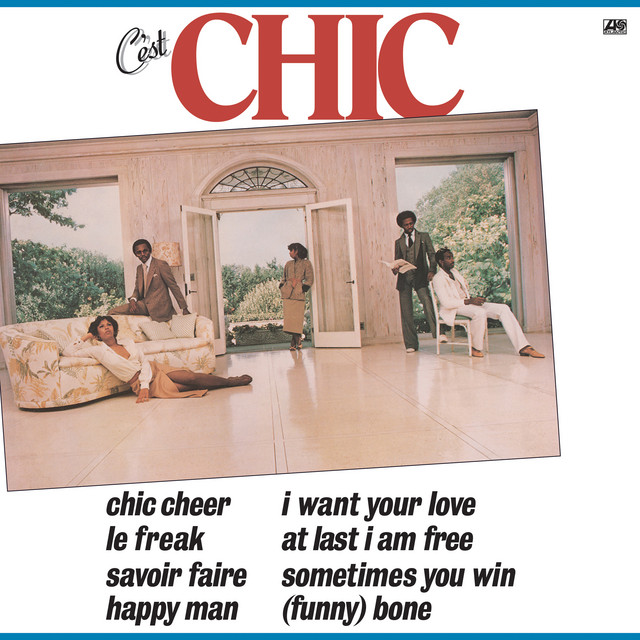
Used for C'est Chic, particularly on "Le Freak", as stated by this February 3, 2020 Guitar World article.
The Neve console’s 31102 mic preamp/EQ channel strip generously reduces bass (to provide extra room for Bernard Edwards’ booty-shaking bass low-end thump), while a miked Deluxe Reverb recorded simultaneously on a second track mixed below the direct track preserves body.
(...) Original gear
Guitar: 1960 Fender Stratocaster with maple 1959 neck and hardtail bridge (neck pickup only), Master Volume: 10, Neck Tone: 10
Direct input: Neve 8068 console with 31102 channel strips (Mic Preamp Level: -30dB, High Frequency: 12kHz, HF Level: +6dB, Mid Frequency: 4.8kHz, MF level: +4dB, Hi Q: On, Low Frequency: 220Hz, LF Level: -6dB, High Pass Filter: 160Hz, Low Pass Filter: off)
Amp: c. 1968-77 Fender Deluxe Reverb (Normal Channel input 1, Volume: 4, Treble: 7, Bass: 5) with Oxford 12K5 12-inch speaker
Effects (outboard): Neve 33609 compressor (settings unknown), Pultec EQP 1A3 2-Band EQ (settings unknown)
Strings/Tuning: D’Addario XL120 .009-.042/Standard
Pick: Fender Thin


Used for Winehouse's lead vocals on "Rehab", as listed in this August 2007 Sound on Sound interview by mix engineer Tom Elmhirst.
Lead vocals
- Urei 1176 blackface compressor, Pultec EQ, Fairchild compressor/limiter, McDSP F2 Filterbank, Waves Q10 Paragraphic EQ, Waves De-esser, Great British Spring reverb, EMT plate reverb.
"I am not a techno snob, I'll use whatever I can to make a great record. Simple as that. I do try to keep compression and EQ analogue, unless it's EQ to notch out specific frequencies, in which case plug-ins are more precise and effective. Amy is a very dynamic singer. She has a lot of bite in her voice, but I wanted it to sound warm and not take your head off. I often use the Renaissance Q10 EQ for radical reductive EQ'ing, and you can see this in the settings I used on Amy's voice. I'm cutting four frequencies by 18dB; in two cases, 465 and 917, with a Q of 100! That's a really heavy notch. At 3107Hz the Q is only 13.7, so that's quite wide. Taking off 18dB here is enormous, but that's what it was.
"There were specific frequencies in Amy's lead voice [the track labelled 'AmC'], that were bugging me. It may be due to hundreds of things, perhaps to do with the microphone that was used on the day. Don't get me wrong, it was not a bad vocal sound, but she does have some hard frequencies in her voice. There are a few tracks on the album that I did not mix [instead they were mixed by Gary 'G Major' Noble], and you can hear on them what she sounds like without the EQ I applied. I also use McDSP's Filterbank F2, probably shelving around 40Hz, and the Waves De-esser cuts around 5506Hz. Amy is not hugely sibilant. The threshold here is 22, which is not that high for me. There would probably be no more than 3dB of de-essing.
"In addition, I was also filtering with a Pultec outboard EQ and on the board as well. The outboard chain on Amy's vocal was Pultec, going into a Urei 1176 blackface compressor, going into a Fairchild compressor. On the Pultec I was probably adding around 12k, just to brighten it up a little bit, adding air. The Urei will have been set with a very fast attack and a super-fast release, doing perhaps 10dB of compression, while the Fairchild will have had a very slow release. I can't quite explain what this does, but in my head the Urei will catch anything that jumps out, while the Fairchild will pick up the slack and keep a more constant hold of the vocal -- ie. smooth things out. During the mix I'll be constantly playing with these two compressors; it's not something I set up and then leave. How hard the signal coming from the Urei hits the Fairchild affects the sound a lot.
"The vocals had a spring reverb which would have been tracked when they recorded Amy, at Chung King Studios in New York. I also recorded an EMT plate on the vocals at Metropolis. You can see both at the bottom of the Edit screen. I spent a lot of time on the vocal, and I would regularly come back to it. Late in the evening of the first day of mixing 'Rehab' I would have the vocal pretty much in the track all the time, and after that I'd constantly be tweaking it a little bit. I don't just do it and leave it. You're getting constantly closer to the final mix, but it's not immediate."
While the Pultec model goes unspecified in the Sound on Sound interview, it is specified in this May 4, 2014 Audio Technology interview covering Beck's Morning Phase and visible in this September 17, 2020 Mix with the Masters video at 3:05.
On lead vocals, Elmhirst used a Neve 1081 with a high pass at 82Hz and a little cut at 15kHz, an Altec A322C tube compressor and Pultec EQP-1A3.


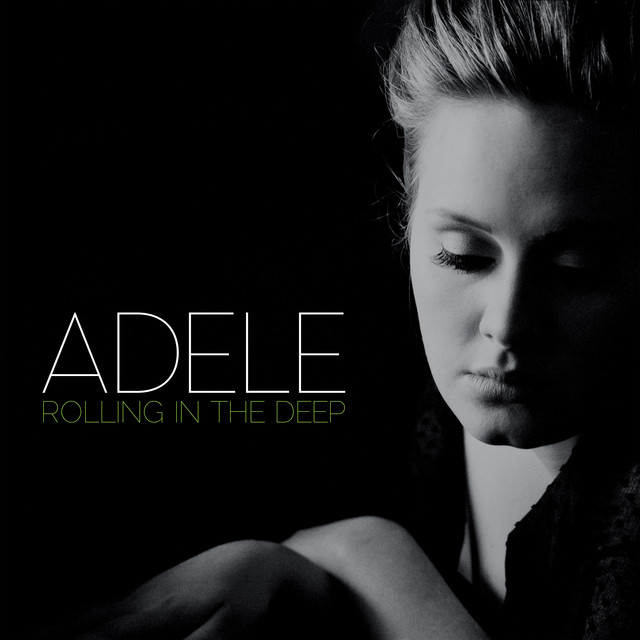
Used for the lead vocals on "Rolling in the Deep", as stated by mix engineer Tom Elmhirst in this September 2011 Sound on Sound interview.
Vocals: Waves Q6 & De‑esser, Digirack EQIII, Lo‑Fi & Trim, Pultec EQ, Urei 1176, Tube‑Tech CL1B, various spring reverbs and delays.
"I had the Q6 on the chorus vocal, notching out 930, 1634 and 3175 Hz very, very heavily: ‑18dB, ‑18dB and ‑12.1dB respectively, with very narrow Q. I also had the EQIII on the lead‑vocal sub, notching something out again. Something obviously needed to be taken out. The vocal is the most important thing in the track, and taking those frequencies out allowed me to keep it up front in the mix, particularly in the chorus. You can never account for what mic the vocals were recorded on, and whatever it is that bugs me, I can take it out. 'T' on the lead vocal bus is the [Massey] Tapehead plug‑in, which wasn't used, but I did use two Waves De‑essers, one taking out at 5449Hz and the other at 11004Hz. Rather than use one to try to cover all the sibilance I used two. I do that quite often.
"Regarding the outboard, I had the Pultec EQ, Urei 1176 and the Tube‑Tech CL1B on the lead vocal sub insert (desk channel 25). The Pultec boosted around 100Hz and 12k. It's colourful, but not drastic. There was not a lot of gain. The blackface Urei had fast attack and fast release, whereas the Tube‑Tech had slow attack and slow release, it was more evening out the level. You can use compression as an effect, but on the vocal you mainly want control. You want to set it up right so you're not constantly moving the channel fader to fit the vocal in the mix. If you're constantly moving the fader, rather than just doing the occasional ride, you know that you need to look at your compression. There's also Paul's Roland Space Echo track, which I used throughout, and which was the only lead vocal effect in the first chorus. On the backing vocals I had the Digirack Trim, again the Lo‑Fi, and the EQIII, cutting a bit around 405Hz and boosting a little around 3.17k. I used quite a few spring reverbs on the backing vocals, because I wanted them to have a lot more ambience. In the choruses I would also have added several delays. The delays make the backing vocals swing a bit, and they also fill up the space and make sure that they fit in the mix.”
While the Pultec model goes unspecified in the Sound on Sound interview, it is specified in this May 4, 2014 Audio Technology interview covering Beck's Morning Phase and visible in this September 17, 2020 Mix with the Masters video at 3:05.
On lead vocals, Elmhirst used a Neve 1081 with a high pass at 82Hz and a little cut at 15kHz, an Altec A322C tube compressor and Pultec EQP-1A3.


On August 21, 2018, Mariah Carey posted a photo on her Facebook page from a recording studio, which prominently features the Pultec EQP-1A3 Equalizer.


the constant was a PULTECH EQ, and LA2A compression


Album Usage
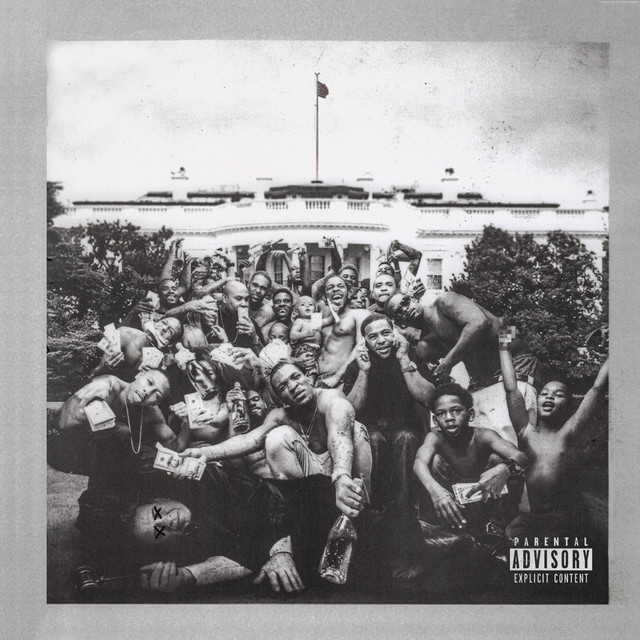
The Pultec EQP-1A3 Equalizer has been featured on the following albums:



Genre Usage
Based on how artists on Equipboard use this gear, it is most commonly found in the following genres.
Used With
Based on how musicians on Equipboard use Pultec EQP-1A3 Equalizer, it is most commonly used with the following gear.


-s.webp?v=1784844330)




More Pultec Effects Processors

$4,295.00 - $4,495.00
in Effects Processors Rank


$4,495.00 - $16,900.00


$3,795.00 - $15,000.00


$1,500.00
in Effects Processors Rank


-m.webp?v=1784559394)
$640.00
in Effects Processors Rank


$189.00
in Effects Processors Rank


$1,799.00
in Effects Processors Rank


$1,549.00
in Effects Processors Rank


$1,999.00
in Effects Processors Rank


$749.99 - $833.00
in Effects Processors Rank


$136.00
in Effects Processors Rank


$1,450.00
in Effects Processors Rank


$3,799.00 - $4,985.00
in Effects Processors Rank


-m.webp?v=1784844330)
$40.00 - $2,999.00
in Effects Processors Rank

$5,777.00 - $6,999.00
in Effects Processors Rank
.jpg?v=1784733415)

$1,153.00 - $2,635.00
in Effects Processors Rank


.jpg?v=1784637724)

$3,568.46 - $4,750.00
in Effects Processors Rank


$892.41 - $1,799.95
in Effects Processors Rank


$220.00
in Effects Processors Rank


$850.00
in Effects Processors Rank


$69.95
in Effects Processors Rank


$199.99 - $300.00
in Effects Processors Rank


-m.webp?v=1784818739)
$320.00
in Effects Processors Rank


$419.99 - $1,179.99
in Effects Processors Rank


$749.99 - $4,999.00
in Effects Processors Rank


$1,650.00
in Effects Processors Rank


$2,999.00 - $3,250.00
in Effects Processors Rank


$629.99 - $849.00
in Effects Processors Rank


$35.70 - $199.00
in Effects Processors Rank


-m.webp?v=1784818824)
$309.37 - $936.00
in Effects Processors Rank


Accessories & Related Items


Community setups


Similar


Gear Guides








Most Popular Effects Processors
Most Popular Brands
-
Added to Equipboard on by
 awentekr
GearIQ 1330
-


