-s.webp?v=1779983696)

-xl.webp?v=1779983696)
Pricing and availability




* Product prices and availability are updated by Equipboard every 24hrs and are subject to change. Equipboard may receive compensation for purchases made at participating retailers linked on this site. This compensation does not affect what products or prices are displayed, or the order of prices listed. For more information, please refer to our affiliate disclosure.
Description
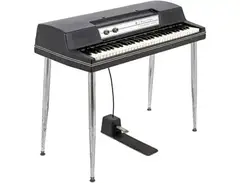
The Yamaha CP-30 Electric Piano was released in 1976. It is sturdy with its case-that-turns-into-legs and heavy at around 100 pounds. Despite its name, the CP-30 has relatively little to do with the Yamaha CP-70 and CP-80 series pianos as it has neither the mechanical keys nor the electro-mechanical harp and strings. The CP-30's sound is electrically generated with analog components (namely divide-down technology common in combo organs in the late 1960s and early 1970s). Most of the "piano" sounds are mellow like a Rhodes or a Wurlitzer, while the "harpsichord" sounds are reminiscent of a Clavinet.
The piano has two voices with four presets tabs (which can be mixed together), an adjustable tremolo effect on each voice (speed, intensity), and a pitch for each voice (chorus).
Videos

Kiko Onate
Yamaha cp30
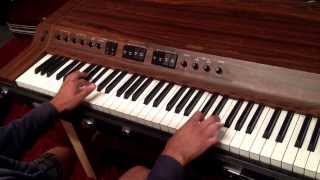
Yamaha cp30
Kiko Onate
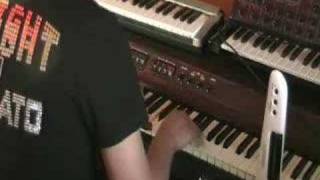
Yamaha CP30

epservice
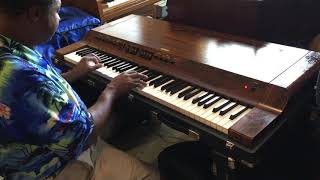
Kris Nicholson Get A Vintage Yamaha CP-30 Electric Piano

KMNKeyboardVault
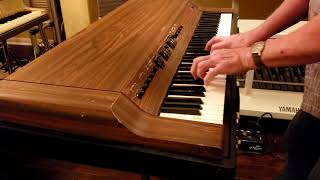
Yamaha CP-30 1977~78

George B.
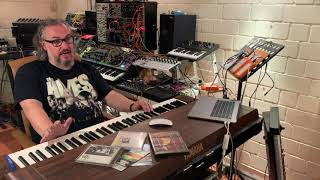
Yamaha CP30 & B.BOX FX Pedals (Ringmod, Auto-Wah, ModDelay, Fuzz, etc...)

Knobs & Switches
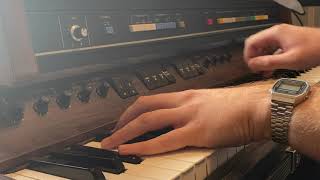
Soundcheck: Yamaha CP-30 (Stereo)

Carps
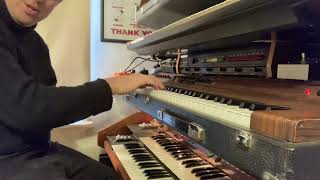
Yamaha cp30

mat roberts
Reviews
Owner Insights
We analyzed real musician discussions from forums and Reddit to find what players love, question, and tweak about Yamaha CP-30 Electric Piano.
Build quality
Features and functionality
-
The instrument's keybed is reportedly similar to that of the Yamaha CS-80, offering a high-quality tactile experience.
Source -
The dual tuning knobs can be used to create a unique chorus-like sound by adjusting one slightly left and the other slightly right.
Source -
The CP-30's sound is enhanced by "honeycomb hum," similar to vintage combo organs, providing a unique tonal character at higher volumes.
Source
Mods and upgrades
-
Owners suggest running the CP-30 through granular, reverb, and delay effects to enhance its sound, transforming it into a unique sonic tool.
Source
Use cases and applications
User experience
Comparisons
-
The Yamaha CP-30 is not favored for Rhodes emulation; alternatives like the Reface CP are more convincing for that sound.
Source -
The Roland RD-250, available for $100, is recommended as a MIDI controller, offering good value compared to its usual $300 price.
Source -
Users compare the CP-30's lower end to a "Moog Minimoog" due to its phat, rich tones, while its upper register resembles classic combo organs.
Source
4.5 out of 5
Based on 1 Review and 5 Ratings

Artist usage
Add artist
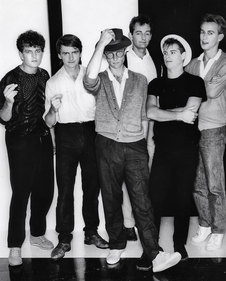
"The end of the 1970s saw a huge rise in the development of synthesisers, and in making traditional instruments like pianos and organs more transportable and able to be amplified well. In the early days Split Enz always used to need an acoustic piano at every gig, which was a pain for us (amplification without feedback was always an issue) and promoters alike, but with the advent of Yamaha’s CP-70, that all changed. Synthesisers had also become polyphonic and memory space to store your own sounds was also a new development. The 'space capsule', as the guys called it, was seven or eight different keyboards, including a CP-80 Yamaha (full 88-note piano), a CS-80 and Prophet 5 (both early polysynths), a CP-30 electric piano, a Mellotron for 'real' string and choir sounds, a string synth, and a monophonic synth such as an EML 500 or Cat Octave … Oh, and I bought the first Korg Vocoder to arrive in New Zealand, which was fun! As you can imagine, transporting the sheer weight and volume of all this gear became prohibitive, so we replicated the setup in the US. Unsure what happened to all that gear when the band broke up!"

At 4 minutes and 38 seconds into the YouTube documentary titled "The Secret Keyboardist of Robert Plant & Black Sabbath: Jezz Woodroffe" by JCM - Led Zeppelin Stories and more, all the keyboards used on Gerald Woodruffe's solo album "Opposite Directions" are shown, confirming that he used a Yamaha CP-30 Electric Piano.

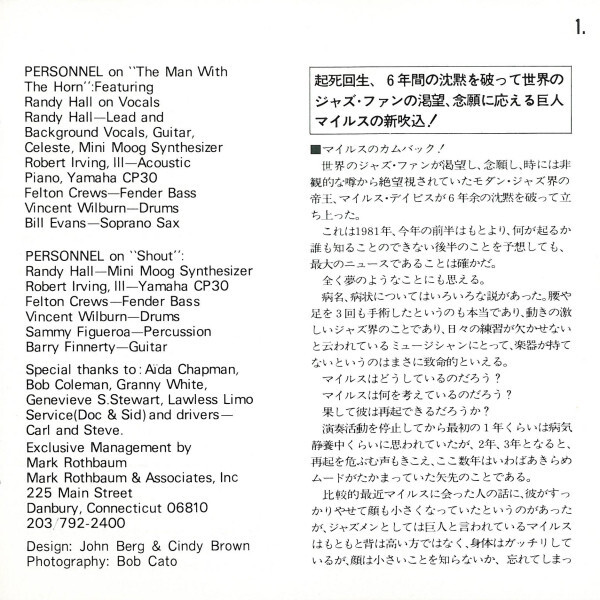
Robert Irving III is credited with the CP-30 in the liner notes to 'The Man With the Horn' by Miles Davis.
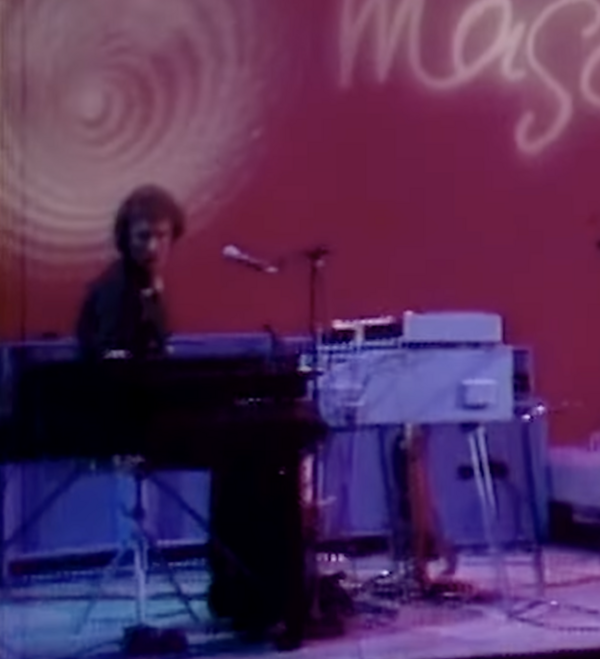
Mike Finnigan is seen with a Yamaha CP-30 during Dave Mason's appearance on the Midnight Special (note the distinctive thick legs and metal support bars).


Terry Watkinson uses the Yamaha CP-30 Electric Piano, as evidenced by its presence in the live album “Max Webster - Live Magnetic Air” from Anthem/Capitol Records, 1979. A live photo from 1978, showing Terry in his distinctive white lab coat, captures the Yamaha CP-30 positioned to his right. This information is confirmed by the Max Webster: High Class book by Canadian author, Bob Wegner and a post by Dennis Combes at https://www.facebook.com/groups/224019455329375/
Album Usage
The Yamaha CP-30 Electric Piano has been featured on the following albums:
The End (Live)
Black Sabbath (2017)
Honky
Keith Emerson (2013)
Travels
Pat Metheny Group & Pat Metheny (1983)
Private Eyes (Expanded Edition)
Hall & Oates (1981)
Telekon
Gary Numan (1980)
True Colours
Split Enz (1980)
Tusk (Deluxe Edition)
Fleetwood Mac (1979)
Sunlight
Herbie Hancock (1978)
Paraiso
Haruomi Hosono (1978)
Genre Usage
Based on how artists on Equipboard use this gear, it is most commonly found in the following genres.
Used With
Based on how musicians on Equipboard use Yamaha CP-30 Electric Piano, it is most commonly used with the following gear.



More Yamaha Digital Pianos
-m.webp?v=1783436437)
$299.00 - $499.99
in Digital Pianos Rank


$367.19 - $429.99
in Digital Pianos Rank


$250.00 - $874.99
in Digital Pianos Rank


$799.99 - $899.99
in Digital Pianos Rank

$999.95
in Digital Pianos Rank


$1,033.78 - $1,499.99
in Digital Pianos Rank


$300.00 - $874.99
in Digital Pianos Rank


$2.99 - $2,099.99
in Digital Pianos Rank


$895.00
in Digital Pianos Rank


$2,132.17 - $3,199.99
in Digital Pianos Rank


$500.00
in Digital Pianos Rank


$14.89 - $818.00
in Digital Pianos Rank


$1,090.00 - $1,799.99
in Digital Pianos Rank


$749.00 - $811.00
in Digital Pianos Rank

$1,599.99 - $1,998.75
in Digital Pianos Rank

$329.99 - $389.00
in Digital Pianos Rank


$350.00
in Digital Pianos Rank

$899.99 - $999.99
in Digital Pianos Rank

$429.99
in Digital Pianos Rank

$2,190.00 - $3,099.99
in Digital Pianos Rank


$6.90
in Digital Pianos Rank


$990.00 - $1,059.00
in Digital Pianos Rank

$2,755.00 - $4,619.99
in Digital Pianos Rank

$822.00 - $1,199.99
in Digital Pianos Rank

$1,063.00
in Digital Pianos Rank

$177.00 - $269.99
in Digital Pianos Rank

$314.08
in Digital Pianos Rank


$1,041.93 - $1,259.98
in Digital Pianos Rank

$266.00 - $399.99
in Digital Pianos Rank

$8.90 - $2,199.99
in Digital Pianos Rank


$799.99 - $899.99
in Digital Pianos Rank


-m.webp?v=1783431312)


$1,036.27


Community setups


Similar


Gear Guides





Most Popular Digital Pianos
Most Popular Brands
-
Added to Equipboard on by
 darrin_crawford
Gear IQ 206
-


