

Pricing and availability
We compare 600+ stores and found this item at 1 store. Prices updated .
Store
Reviews
Price




Average Price: $5,732
High-end/Boutique
$500
$1501+
Price Tier
Budget
Standard
High-end
* Product prices and availability are updated by Equipboard every 24hrs and are subject to change. Equipboard may receive compensation for purchases made at participating retailers linked on this site. This compensation does not affect what products or prices are displayed, or the order of prices listed. For more information, please refer to our affiliate disclosure.
Description
The E-Mu Emulator I is a trailblazing digital sampler synthesizer that has left a lasting mark on the world of electronic music. Released in 1981, this iconic instrument was one of the first to bring digital sampling to a broader audience. Its 8-bit sampling capability allowed musicians to capture and manipulate real-world sounds in innovative ways, paving the way for countless musical possibilities. With a straightforward interface and a unique approach to sound design, the Emulator I became a favorite among musicians and producers seeking to push the boundaries of creativity.
The Emulator I features a 4-octave keyboard and is renowned for its distinctive sonic character, often described as warm and gritty, which is a staple in many classic tracks. Its onboard floppy disk drive allowed users to store and recall samples with ease, making it a powerful tool in the studio and on stage. Despite being a vintage piece of technology, the Emulator I's charm and functionality continue to captivate artists who appreciate the roots of digital sampling.
Key Features:
- 4-octave keyboard for versatile playability
- 8-bit sampling with a rich, vintage sound quality
- Built-in 5.25" floppy disk drive for sample storage and retrieval
- Straightforward interface for easy sample manipulation
- Polyphonic capabilities with up to 8 voices
- Classic design that remains influential in electronic music production
Product specs
| Brand | E-MU Systems |
| Model | Emulator 49-Key 8-Voice Sampler Workstation |
| Finish | Blue / Black |
| Year | 1981 - 1983 |
| Made In | United States |
| Categories | Samplers, Workstation Keyboards |
| Analog / Digital | Digital |
| Key Size | Full Size |
| Keyboard Action | Synth Action |
| Number of Keys | 49 Keys |
| Polyphony | 8 Voices |
FAQs
-
What is the polyphony of the E-Mu Emulator I?
-
The E-Mu Emulator I features an 8-voice polyphony, allowing you to play up to eight notes simultaneously.
-
Is the E-Mu Emulator I a digital or analog synthesizer?
-
The E-Mu Emulator I is a digital synthesizer, known for its sampling capabilities and digital sound processing.
-
How many keys does the E-Mu Emulator I have?
-
The E-Mu Emulator I is equipped with a 49-key full-size keyboard, offering a synth action feel.
-
What year was the E-Mu Emulator I released?
-
The E-Mu Emulator I was released between 1981 and 1983, marking it as an early digital sampler in the music industry.
-
What are the primary categories of the E-Mu Emulator I?
-
The E-Mu Emulator I falls under the categories of samplers and workstation keyboards, highlighting its capabilities in sampling and sound manipulation.
Videos

MuStudio
E-mu - Emulator I
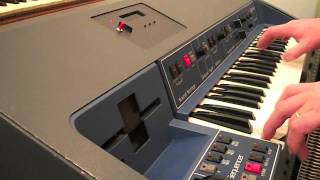
E-mu - Emulator I
MuStudio
![Video thumbnail for E-mu Emulator I audio demo [c. 1981] by VCO8](https://img.youtube.com/vi/E7KbknSSDeU/mqdefault.jpg)
E-mu Emulator I audio demo [c. 1981]

VCO8
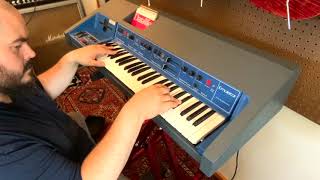
Original Emu Emulator I Sampler Synth Demo - with 90 Disks! from Maui Recorders Neff / Becker

eclecticsoundspdx
Reviews
5.0 out of 5
Based on 0 Reviews and 4 Ratings
Artist usage
Add artist

"My studio was called Pi West, and the initial bank of keyboards there when John and I started out working together were the Sequential Circuits Prophet 5 Rev3, a Prophet 10, an early ARP Quadra and two ARP Avatars — one Avatar was integrated with a Sequential Circuits Model 700 programmer — an ARP Sequencer, an Oberheim Four Voice, and an Emulator 1 sampler. I also had the Linn LM1 drum machine, which drove our main arpeggiator, the ARP Sequencer, using clock pulses."

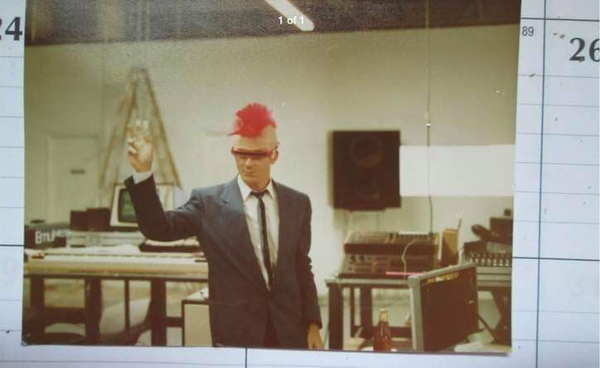
In this image of Mark in a mask taken during the "Shout" era (1983 or 1984), an Emulator can be seen on the far left, next to a Fairlight CMI. A LinnDrum can also be seen on the right, atop a Linn LM-1.


"But now I've got an Emulator and an Emulator II, two DX9's, an Oberheim, a Prophet, a Roland JX3-P and so on, and I'd say at this point that the synth has a generic sound of its own; when I wrote parts for the synths I used to write "woodwind" and "brass" to indicate the kind of sound, but now I tend to just write "bass synth" or "wind synth" because they have sounds of their own. And even when you think you're hearing an acoustic instrument on the albums there's a synth doubling it an octave below, which gives you a bigger bottom end."

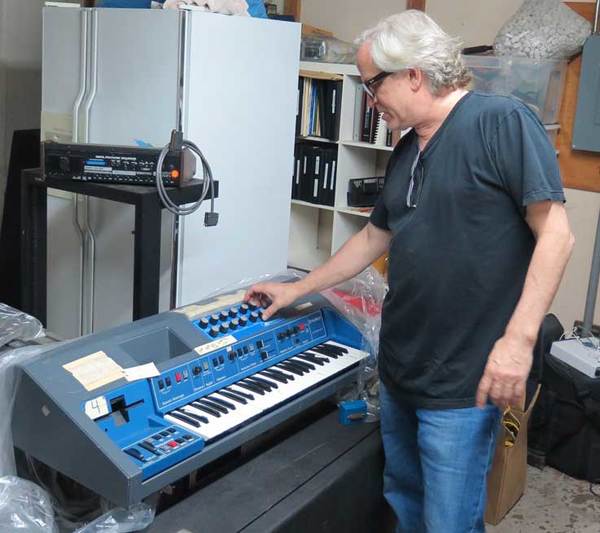
In this photo, Steve can be seen with his original E-MU Emulator I that he took on tour with him in the 80s.


"The ‘80s was really a period when great changes occurred in terms of making music... When I made [Philharmony], a musical sampler called the Emulator was released and I bought one even though it was expensive. I was really excited. Sampling was an important concept at the time. The Emulator is an American product and Stevie Wonder got the first unit. It had serial numbers on it and mine was 060. I decided to record a whole album with it, and ––Philharmony was the result. When you listen to it, it sounds normal. The Emulator was a sampler, so it could sample live sounds. It was an interesting instrument then."
From his Red Bull Music Academy lecture, 2014.

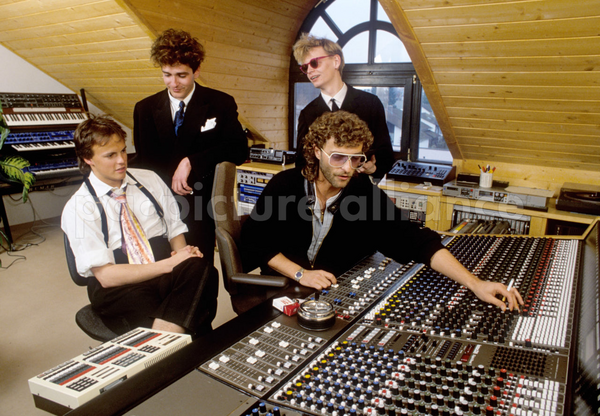
Michael Cretu uses the E-Mu Emulator I, as evidenced by an image where it is visible beneath a PPG Wave synthesizer.


"I didn’t like the Emulator I but the Emulator II, I did like. It was great and I started sampling my voice and using string samples. That became part of the whole thing as well."


This photo shows Jerry playing an E-Mu Emulator I.

:format(jpeg):mode_rgb():quality(90)/discogs-images/R-4906988-1379160829-5343.jpeg.jpg)
Andy is credited with "Emulator" in the liner notes for the album Junk Culture.

Paul is credited with "Emulator" in the liner notes for the album Junk Culture


This emulator is listed 9th down in their gear list

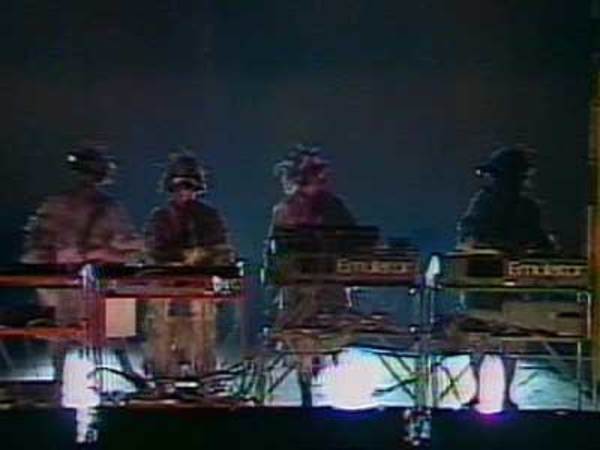
"[The Residents] had never toured before because their music depended so much on the studio and they feared that it would not translate well to stage. However, the invention of EM-U's Emulator in 1981 was a big step forward in music creation. The Emulator was the first affordable sampler, and it allowed musicians to take all those sounds which can't be produced by conventional instruments and play them back with great precision and control. They were so impressed that, ever the technophiles, they ordered one immediately. Their first one was Emulator #0005. The band used it extensively on the second Mole Trilogy album, The Tunes of Two Cities, and started experimenting with using it to perform music from The Mark of the Mole live in their studio."
Album Usage
The E-Mu Emulator I has been featured on the following albums:
Tour de France 2003
Kraftwerk & Kraftwerk (2003)
Calling All Stations (2007 Remaster)
Genesis (1997)

Air Liquide
Air Liquide (1994)

We Can't Dance (2007 Remaster)
Genesis (1991)
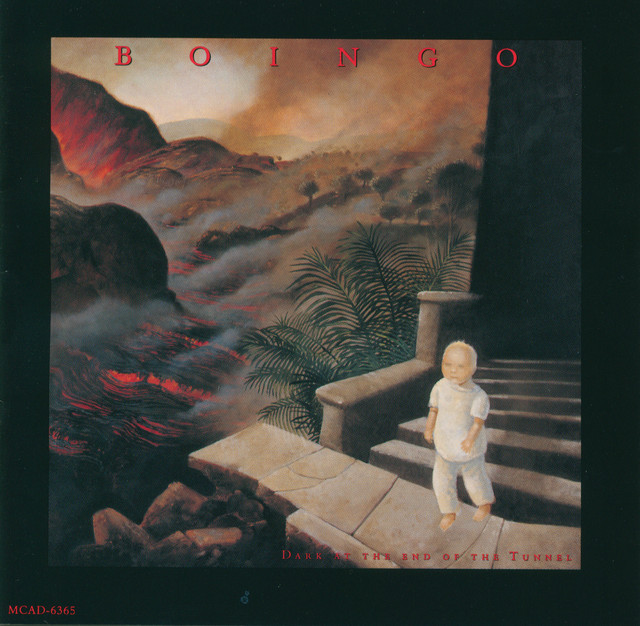
Dark At The End Of The Tunnel
Oingo Boingo (1990)
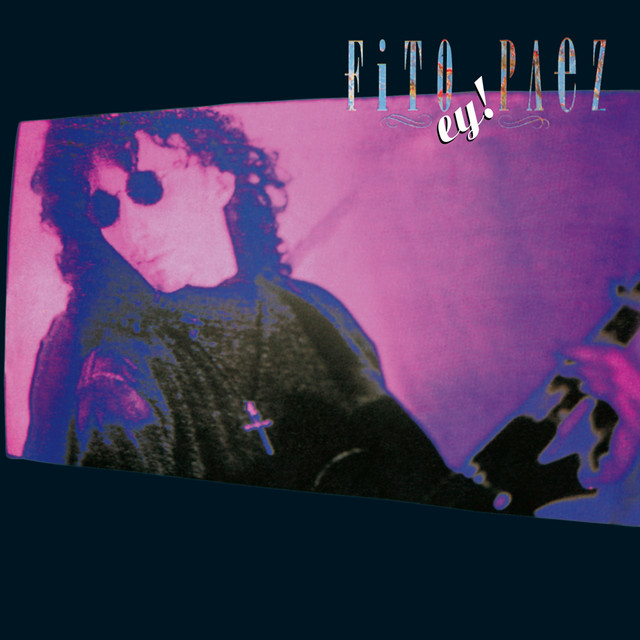
Ey!
Fito Páez (1988)
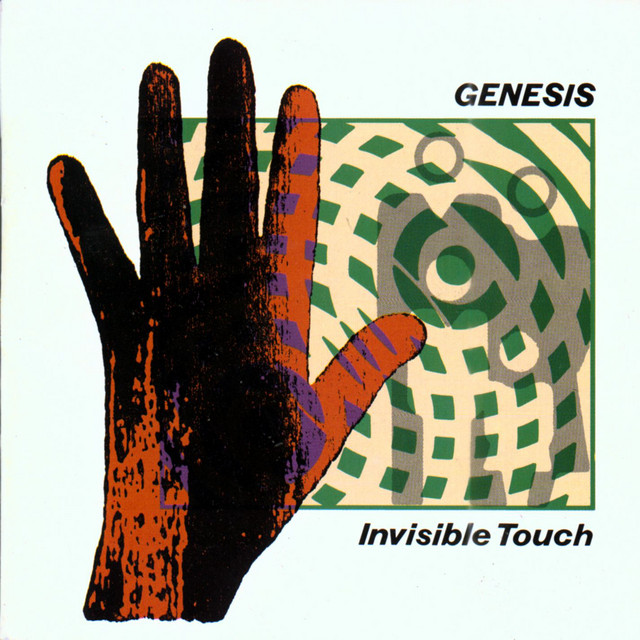
Invisible Touch (2007 Remaster)
Genesis (1986)
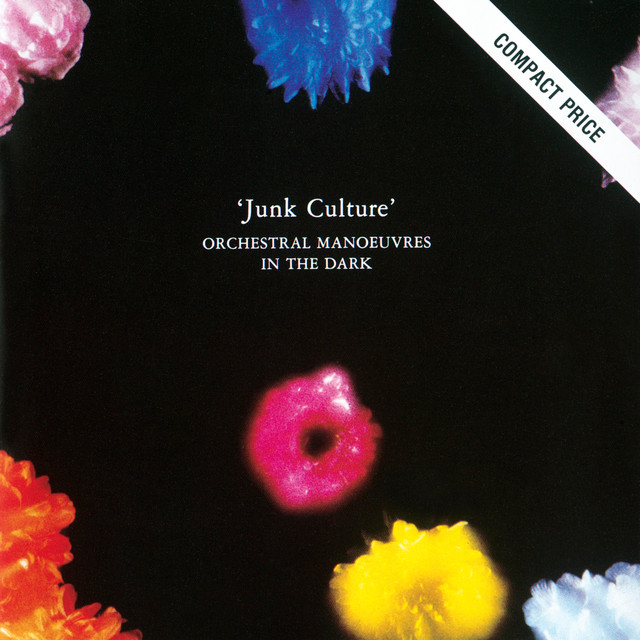
Junk Culture
Orchestral Manoeuvres in the Dark (1984)
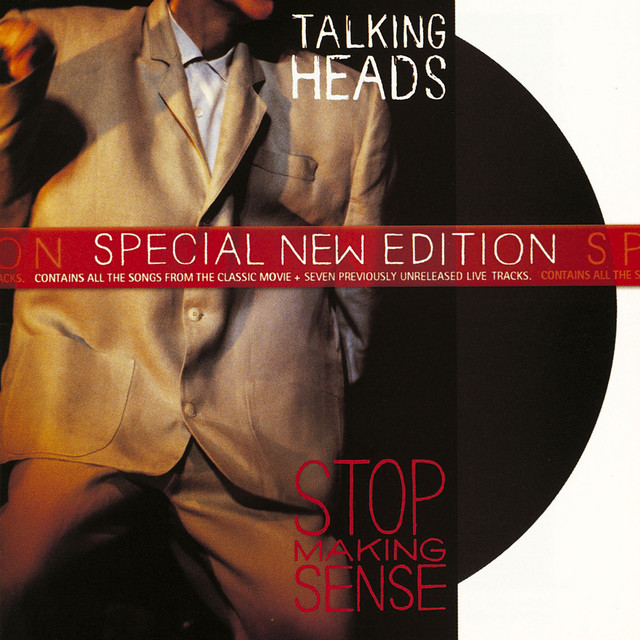
Stop Making Sense (Live)
Talking Heads (1984)
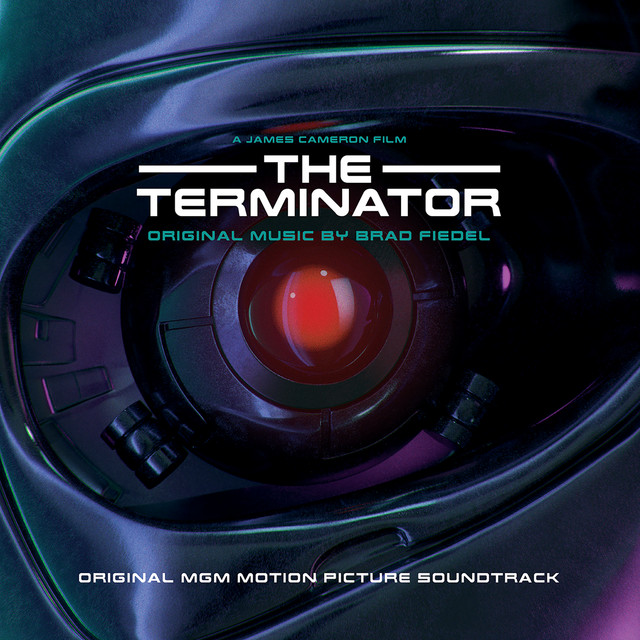
The Terminator (Original Soundtrack Album)
Brad Fiedel (1984)

Tunes Of Two Cities
The Residents (1982)
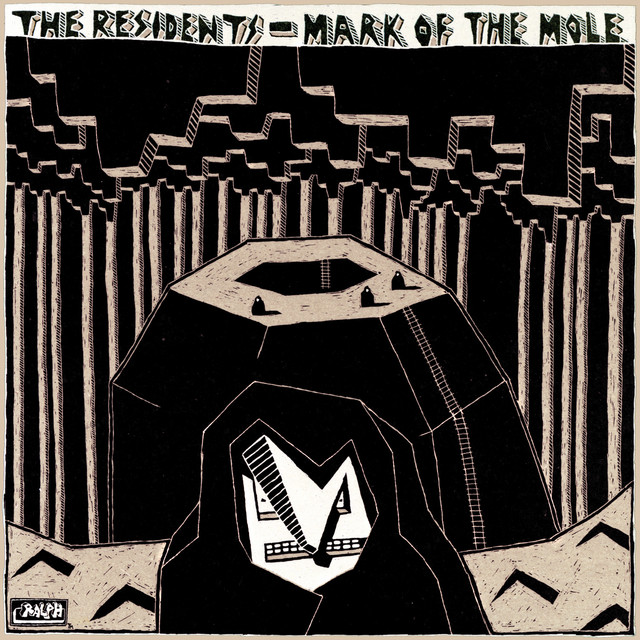
Mark Of The Mole
The Residents (1981)
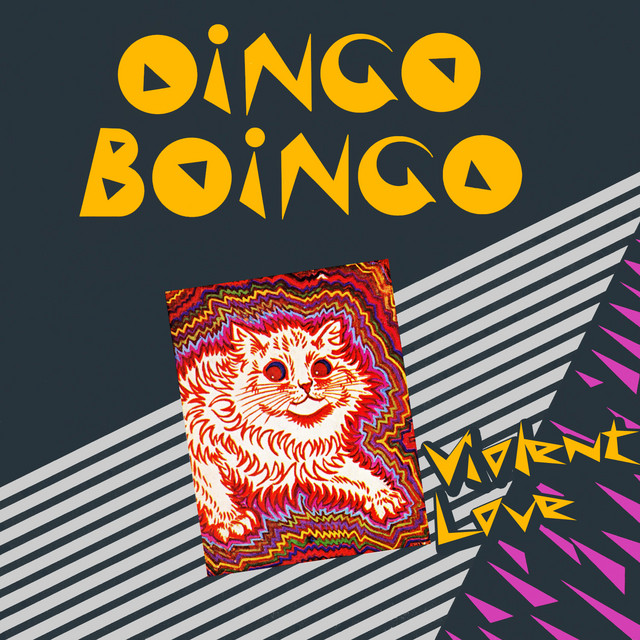
Violent Love
Oingo Boingo (1980)

Philharmony
Haruomi Hosono (1978)
Genre Usage
Based on how artists on Equipboard use this gear, it is most commonly found in the following genres.
Used With
Based on how musicians on Equipboard use E-Mu Emulator I, it is most commonly used with the following gear.




-s.webp?v=1783316362)


More E-Mu Synthesizers
-m.webp?v=1783177047)


.jpg?v=1782915672)


$3,283.92 - $3,499.99
in Synthesizers Rank


$469.00 - $699.99
in Synthesizers Rank


$19,535.25
in Synthesizers Rank


$999.00 - $1,084.00
in Synthesizers Rank


Accessories & Related Items
-s.webp?v=1783177047)

Community setups


Similar


Gear Guides









Most Popular Synthesizers
Most Popular Brands
-
Added to Equipboard on by
 adamdavidson
Gear IQ 266
-


