

Pricing and availability
We compare 600+ stores and found this item at 1 store. Prices updated .


* Product prices and availability are updated by Equipboard every 24hrs and are subject to change. Equipboard may receive compensation for purchases made at participating retailers linked on this site. This compensation does not affect what products or prices are displayed, or the order of prices listed. For more information, please refer to our affiliate disclosure.
Description
One of the world's first music workstations, the Fairlight Computer Musical Instrument (CMI) paved the way for modern music production with its unprecedented multitimbral capabilities and convincing ability to emulate various instruments. After its introduction in 1979, the CMI quickly became a studio staple (despite its nearly $100,000 price tag), appearing in everything from "Everybody Wants To Rule The World" by Tears for Fears to the "Miami Vice" soundtrack.
Videos

Fred Koke
Herbie Hancock jams with his Fairlight CMI
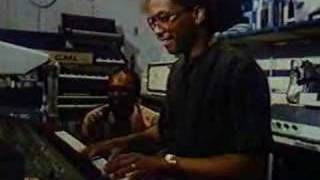
Herbie Hancock jams with his Fairlight CMI
Fred Koke
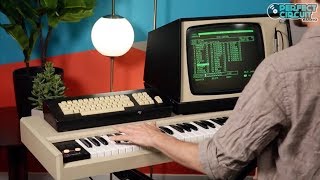
Some Fairlight CMI IIX Sounds

Perfect Circuit
How the Fairlight CMI changed the course of music

The Sydney Morning Herald and The Age

Herbie Demonstrates the Fairlight CMI Synthesizer on Sesame Street, 1983

Herbie Hancock
Kate Bush and the Fairlight CMI

Manuella Blackburn

The Fairlight CMI: Mother of All Samplers

Fuzz City Records
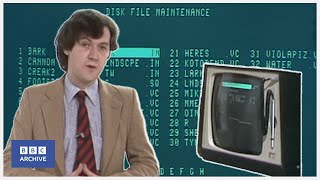
1980: The Sound of the FUTURE! With the Fairlight CMI | Tomorrow's World | Retro Tech | BBC Archive

BBC Archive
Reviews
Critic Reviews
5.0 out of 5
Based on 0 Reviews and 7 Ratings
Artist usage
Add artist

The first and second photo show Steve Levine with a Fairlight CMI.


It is mentioned in this article that Wang Chung used a Fairlight, a PPG Wave 2.2, a Prophet 5, a Jupiter 8, and a LinnDrum, on the "Points On The Curve" Album.

In this interview, Mark's use of the Fairlight CMI is mentioned.


"On my own album and on Melba Moore I used Fairlight CMI a lot. I use Page R mainly because it's so easy to use. It works the way the human mind works; you can bung a one bar idea into it, then modify it into a two bar idea, then into a whole song, then have different fills every eight bars. It's a great way of working because you don't have to conceive the whole thing in a blob. Previously you used to have to hold the thing in your head, but now it's getting to the point where you can actually sketch onto these machines, and from that sketch you can build the full colour picture."
It is mentioned in this article that Wang Chung used a Fairlight, a PPG Wave 2.2, a Prophet 5, a Jupiter 8, and a LinnDrum, on the "Points On The Curve" Album.


"I basically used everything you can think of except the Synclavier. I wrote and programmed most of the stuff here on the 9000 and the Studio 440 then transferred all the drum parts to a Fairlight III via a Simmons converter. For one song the basic program was on a Linn, then I had a clap from the Emulator, a bass drum from the Fairlight and a conga from the DX. Which meant I was using the Fairlight as a bass drum."


Used on Visage's 1984 album "Beat Boy", according to a 1984 interview with Electronic Soundmaker & Computer Music.
Surprisingly hardly any electronic instruments were used on the LP, just a Fairlight CMI, Egan's MC202/SH101 sequencer combination, a Jupiter 8 and a Linn Drum.


Doug Johnson, the keyboardist, has confirmed his use of the Fairlight CMI in an interview with Cherry Audio. He stated, "Believe it or not, I paid 35K for a Fairlight computer/synth/sampler, with the light pen and the whole nine yards. That would have been around 1983 or so. I used it a little; it could sample 8-bit for 1.5 seconds and store it on a humongous floppy disk. I leased it to a studio here in Vancouver, and then I sold it to a Belgian composer in 1989."

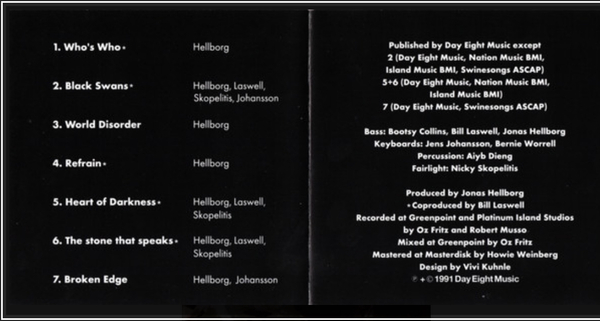
Nicky Skopelitis has been occasionally credited for performing the Fairlight CMI, as evidenced by the credits for Deadline's first album.

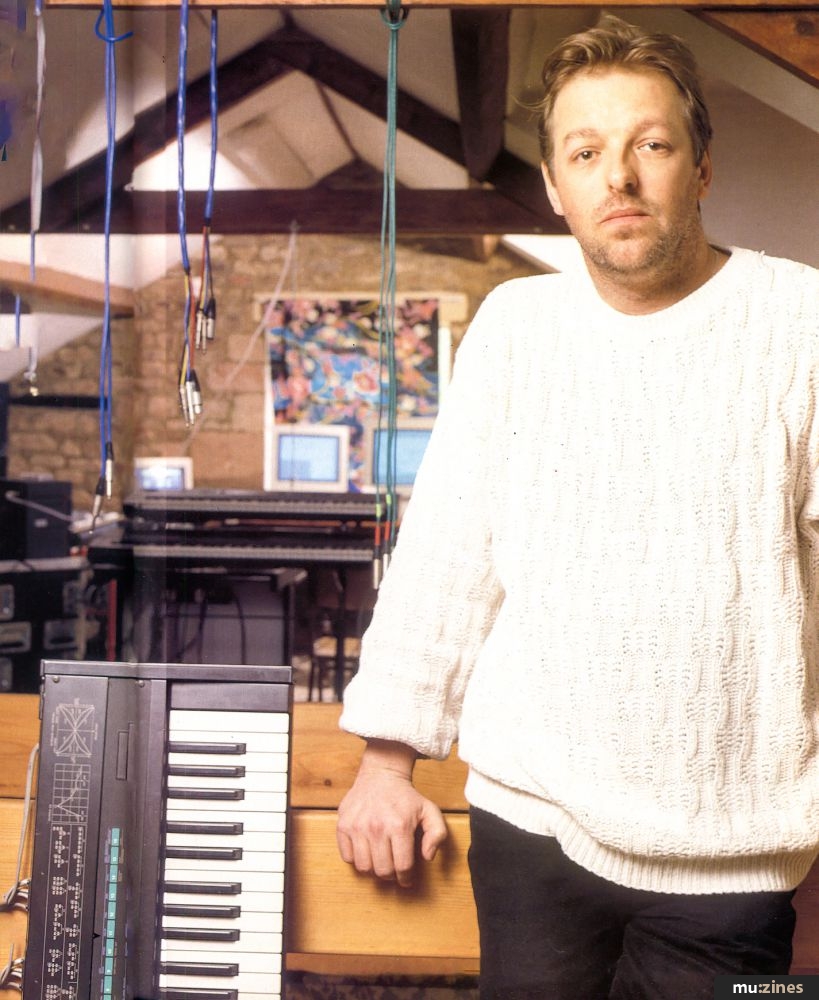
What also meets the eye is a three-pack of Alesis ADATs, a Mackie 8-Buss desk, and a range of classic keyboard instruments including a Fairlight CMI Series II, an NED Synclavier, and a Sequential Prophet 5. But while Hughes has always tried to use the latest technology, he's become wary of jumping aboard bandwagons that aren't yet fully fit to roll...

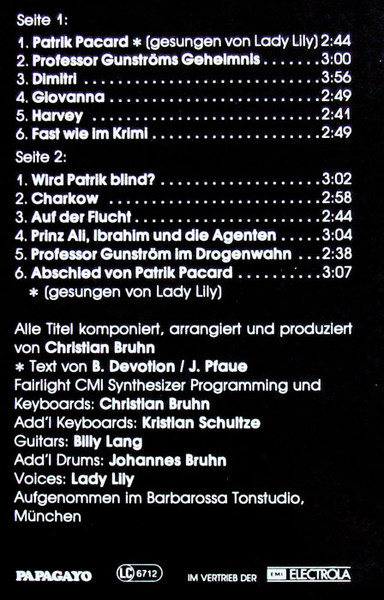
Christian Bruhn is associated with the Fairlight CMI, as noted in the booklet shown in a user-uploaded photo on Discogs.


Q: Rachel Stevens’ “Some Girls” was one of your biggest hits in the UK. What do you remember about recording this track, and is it true that you used the synthesizer once owned by the Thompson Twins?
A: Ha! Yes, there was the Thompson Twins’ Fairlight IIx sampler, the big old white ’80s machine with the computer monitor on top. It had apparently been on stage at Live Aid in the USA.
Album Usage
The Fairlight CMI has been featured on the following albums:

End Of World
Public Image Ltd (2023)
Existential Reckoning
Puscifer (2020)

Discovery (Remastered 2015)
Mike Oldfield (2016)

Merry Christmas, Mr. Lawrence
Ryuichi Sakamoto (2015)

Zoolook
Jean Michel Jarre (2015)
Sign O' The Times
Prince & Prince (1987)

They Might Be Giants
They Might Be Giants (1986)
Dream Come True
A Flock of Seagulls (1986)
Scoundrel Days
A-ha (1986)

Songs From The Big Chair
Tears for Fears (1985)

Heartbeat City
The Cars (1984)
Junk Culture
Orchestral Manoeuvres in the Dark (1984)
Points On The Curve
Wang Chung (1984)
Beat Boy
Visage (1984)
90125 (Deluxe Version)
Yes (1983)
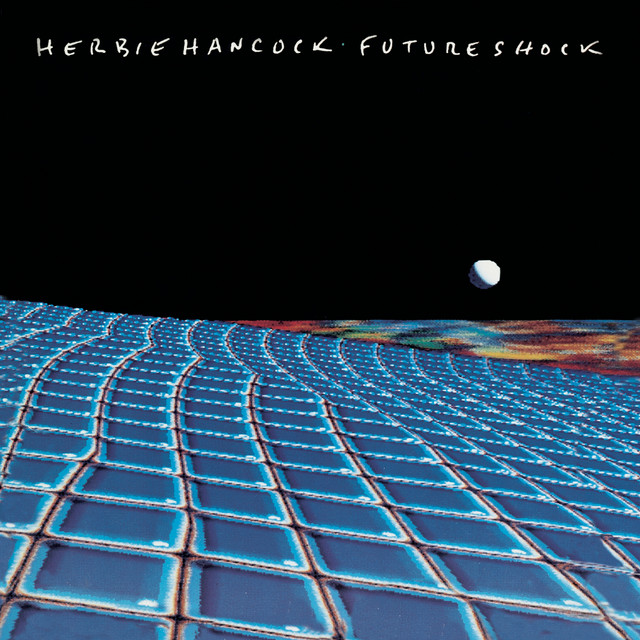
Future Shock
Herbie Hancock (1983)

Tug Of War
Paul McCartney (1982)
Genre Usage
Based on how artists on Equipboard use this gear, it is most commonly found in the following genres.
Used With
Based on how musicians on Equipboard use Fairlight CMI, it is most commonly used with the following gear.


Similar
Add recommendation2 alternative and related items for Fairlight CMI, curated by the Equipboard community.


More Fairlight Synthesizers


$3,283.92 - $3,499.99
in Synthesizers Rank


$469.00 - $699.99
in Synthesizers Rank


$19,535.25
in Synthesizers Rank


$999.00 - $1,084.00
in Synthesizers Rank


$3,216.54 - $3,499.99
in Synthesizers Rank


-m.webp?v=1783177119)
$1,200.00
in Synthesizers Rank


$439.00 - $543.00
in Synthesizers Rank
.jpg?v=1783265555)

-m.webp?v=1783377712)
$379.00 - $499.99
in Synthesizers Rank


$752.32 - $2,398.00
in Synthesizers Rank


$277.00 - $349.00
in Synthesizers Rank


$2,000.00
in Synthesizers Rank


$411.00 - $699.99
in Synthesizers Rank


$2,432.00 - $2,870.95
in Synthesizers Rank


$1,470.85 - $1,899.00
in Synthesizers Rank


$299.29 - $652.00
in Synthesizers Rank


$379.00 - $530.00
in Synthesizers Rank


$1,361.33 - $1,839.99
in Synthesizers Rank


$220.00 - $749.99
in Synthesizers Rank


$493.48 - $899.99
in Synthesizers Rank

$279.00 - $449.99
in Synthesizers Rank


$289.66 - $1,763.18
in Synthesizers Rank


$57.95 - $495.44
in Synthesizers Rank


$325.00 - $1,332.49
in Synthesizers Rank

-m.webp?v=1783350494)
$1,709.10 - $1,899.00
in Synthesizers Rank


$397.06 - $699.00
in Synthesizers Rank


$499.99 - $719.99
in Synthesizers Rank


$309.99 - $915.00
in Synthesizers Rank


$3,999.00 - $4,999.00
in Synthesizers Rank


$1,469.00 - $2,159.99
in Synthesizers Rank
.jpeg?v=1783389560)

$290.00
in Synthesizers Rank


$479.99 - $1,099.00
in Synthesizers Rank


$166.00 - $299.00
in Synthesizers Rank


$627.41
in Synthesizers Rank


$383.00 - $449.99
in Synthesizers Rank


-m.webp?v=1783349880)
$956.53
in Synthesizers Rank

$29.95 - $69.99
in Synthesizers Rank


Community setups


Gear Guides









Most Popular Synthesizers
Most Popular Brands
-
Added to Equipboard on by
IitisleeannGear IQ 1371
-

