

Pricing and availability
We compare 600+ stores and found this item at 1 store. Prices updated .


* Product prices and availability are updated by Equipboard every 24hrs and are subject to change. Equipboard may receive compensation for purchases made at participating retailers linked on this site. This compensation does not affect what products or prices are displayed, or the order of prices listed. For more information, please refer to our affiliate disclosure.
Description
One of the world's first music workstations, the Fairlight Computer Musical Instrument (CMI) paved the way for modern music production with its unprecedented multitimbral capabilities and convincing ability to emulate various instruments. After its introduction in 1979, the CMI quickly became a studio staple (despite its nearly $100,000 price tag), appearing in everything from "Everybody Wants To Rule The World" by Tears for Fears to the "Miami Vice" soundtrack.
Videos

Fred Koke
Herbie Hancock jams with his Fairlight CMI
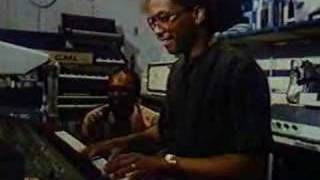
Herbie Hancock jams with his Fairlight CMI
Fred Koke
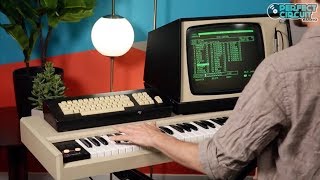
Some Fairlight CMI IIX Sounds

Perfect Circuit
How the Fairlight CMI changed the course of music

The Sydney Morning Herald and The Age

Herbie Demonstrates the Fairlight CMI Synthesizer on Sesame Street, 1983

Herbie Hancock
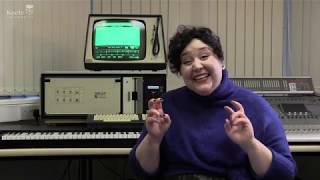
Kate Bush and the Fairlight CMI

Manuella Blackburn

The Fairlight CMI: Mother of All Samplers

Fuzz City Records
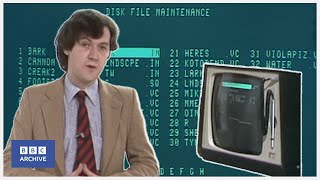
1980: The Sound of the FUTURE! With the Fairlight CMI | Tomorrow's World | Retro Tech | BBC Archive

BBC Archive
Reviews
Critic Reviews
5.0 out of 5
Based on 0 Reviews and 7 Ratings
Artist usage
Add artist

This is probably the oldest synth Joel has. In this instagram post we see his Moog Sub Phatty sitting atop his Fairlight CMI.

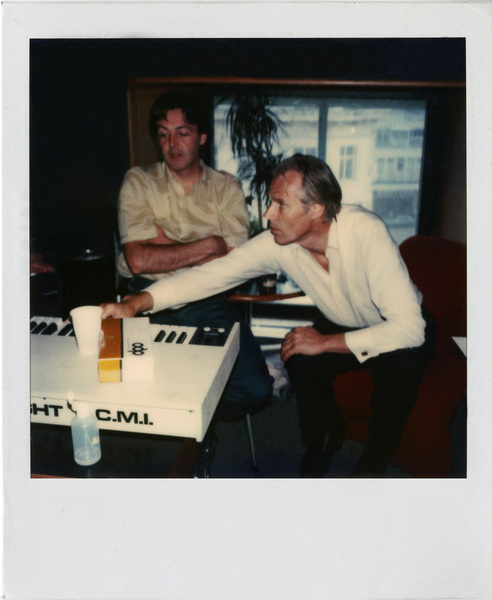
Photo comes from “Tug of War” recording sessions


Prince started to use the Fairlight CMI around 1985 he wrote a song titled Tibet which used a handful of samples from the Fairlight CMI. He used the synth a lot for The Sign ‘O’ The Times Album and continue to use them for a long time. He later had two of them fixed around 1996 according to an interview on http://www.fortheloveofthefairlight.com/tag/prince/


''Peter Vogel brought an early CMI to the UK in person, and one of the first people to get one was Peter Gabriel. Once UK distributor Syco Systems had been set up, the client list started to grow. John Paul Jones (Led Zeppelin) bought the first as a replacement for his Mellotron. He was soon followed by Kate Bush, Thomas Dolby, Geoff Downes, Queen, Keith Emerson, Alan Parsons, Stuart Copeland, JJ of Art of Noise, Trevor Horn and Frankie Goes To Hollywood, and many others''


"Making sure my Fairlight is still working...". Jean Michel Jarre use this sampler on the album Zoolook [1984].
.jpeg?v=1780852511)
.jpeg?v=1780852511)
A Fairlight CMI (Series IIx) sampler/synthesizer. Only used by Rick in Zee’s Confüsion

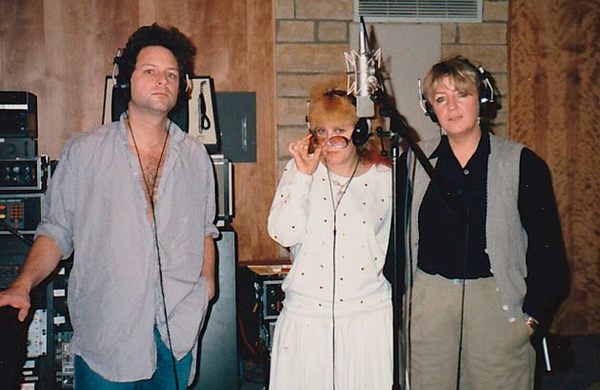
Lindsey recording Tango with the Fairlight Screen behind him!


This sampler was used in his albums starting with the soundtrack to "Merry Christmas, Mr. Lawrence". It can be seen starting 25:24.
It can also be seen in this video: https://youtu.be/fXcCdy0dkGo

According to the website "Synthtopia," this audio recording features Vince Clarke, in 1984, discussing the Fairlight CMI and how he was using it at the time.


Used on "Rockit", as specified in Herbie Hancock’s Electronic Instrument Glossary from September 14, 2016. It features in a 1983 Sesame Street episode and this excerpt of I Love Quincy at 0:09 and 0:34. Clive Smith gives the story of its acquisition in this August 4, 2019 For the love of the Fairlight interview.
Herbie Hancock’s Electronic Instrument Glossary
Fairlight CMI – This digital sampling synthesizer, released in 1979, was the first digital sampler of its kind and offered complete synthesis and editing of sampled sounds. Herbie used this on the tune “Rockit” for the album Future Shock in 1983.
Clive Smith Interview
Because of Liquid Sky, the US branche of the Fairlight company asked if he would work for them. He left PASS and became one of their consultants, from 1983 ’till about 1989. Clive: ”That was incredibly great. I had access to the equipment, I promoted their product doing demos, and I was doing session work on the side.” So, how did he end up with Herbie Hancock on Sesame Street? Clive: ”Alexander Williams, he did sort of what I was doing, on the West Coast. When Herbie Hancock purchased his Fairlight, he had Will training him on how to use the machine. When he wanted to capture his ideas, in a session, on the fly, Will was able to help him out with the technical side. When Herbie visited the East Coast, I kind of did the same thing for him. Will and I knew each other, and it turned out Herbie and I had some mutual friends. So, that worked out nicely. I think, if I remember correctly, Herbie didn’t travel with his Fairlight, so he used mine for the Sesame Street-session. The show went pretty much as shown; the children were very excited about this new technology. Just like the kids are today. We didn’t do anything different. That clip was pretty much the entire take. People were always very curious about it. And It’s very inviting; something that looked like a ‘60’s tv-screen, a bit of a retro sci-fi-look, a huge white keyboard, playing melodies with barking dogs… It looked accessible, more ‘friendly’ and less intimidating than a modular synth with patch chords, knobs and sliders.”
“I’m really glad I got the opportunity to work with Herbie Hancock. Up until then, I never realised what an amazing musician he is. It was great to see the ideas running in his brain, coming out. Always, his first ideas were immediately great. Watching him listening to a musical piece he’d never heard before and then, coming up with this great keyboard part. Very enlightening to see. And he’s a very nice, very friendly down to earth kinda person. You know, formally trained musicians often want to play tunes on a synth using their keyboard technique. Herbie, he was very open to coming up with interesting sounds, being Interested in things that had some internal movement on the things he was playing. I think, that’s what we have in common: having this split personality between being a trained musician, using structured forms, and being able to work with textures, creating sounds, the approach a non-musician might have. The more creative approach by just going in and thinking: ’What would i like to happen?’.


He is seen showing off his Fairlight in the video at 17:00


This Sound On Sound article states: "The huge cost of the Fairlight CMI did not put the rich and famous off. Peter Vogel brought an early CMI to the UK in person, and one of the first people to get one was Peter Gabriel. Once UK distributor Syco Systems had been set up, the client list started to grow. John Paul Jones (Led Zeppelin) bought the first as a replacement for his Mellotron. He was soon followed by Kate Bush, Thomas Dolby, Geoff Downes, Queen, Keith Emerson, Alan Parsons, Stuart Copeland, JJ of Art of Noise, Trevor Horn and Frankie Goes To Hollywood, and many others."
Album Usage
The Fairlight CMI has been featured on the following albums:

End Of World
Public Image Ltd (2023)
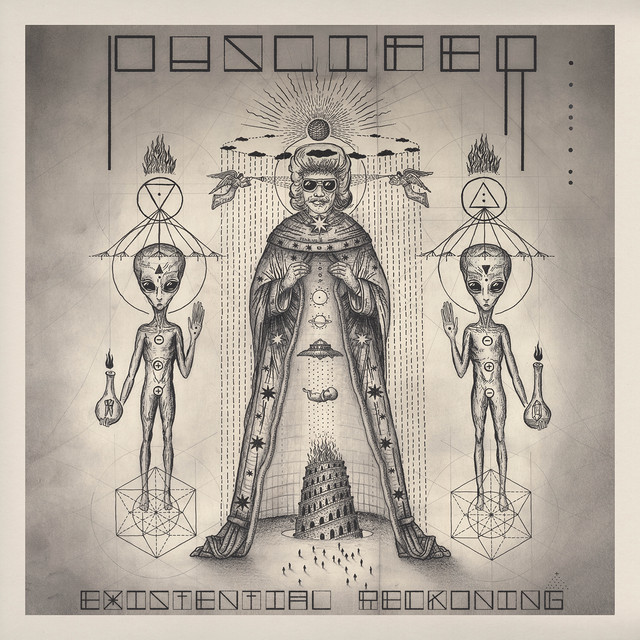
Existential Reckoning
Puscifer (2020)
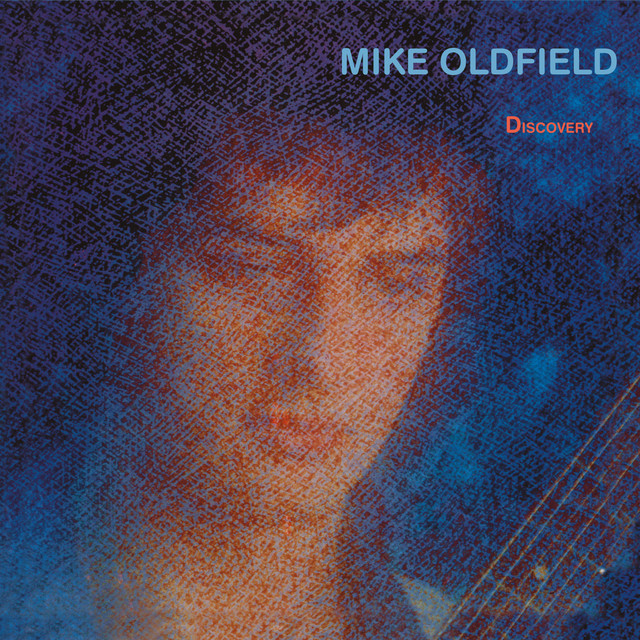
Discovery (Remastered 2015)
Mike Oldfield (2016)

Merry Christmas, Mr. Lawrence
Ryuichi Sakamoto (2015)
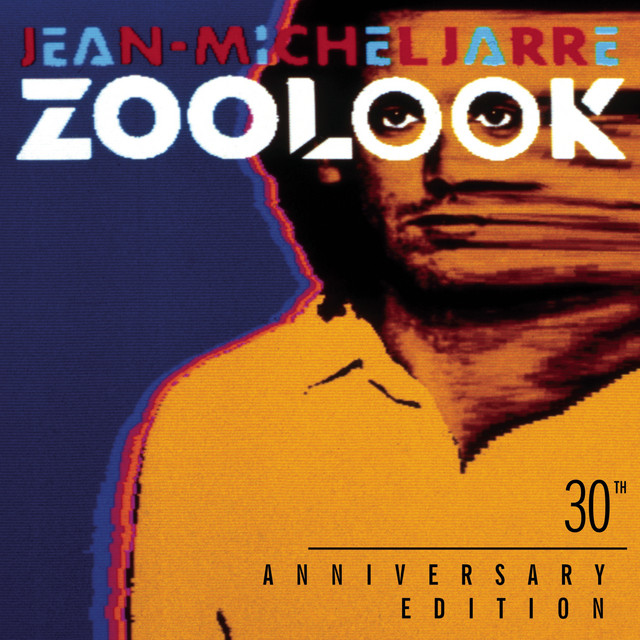
Zoolook
Jean Michel Jarre (2015)
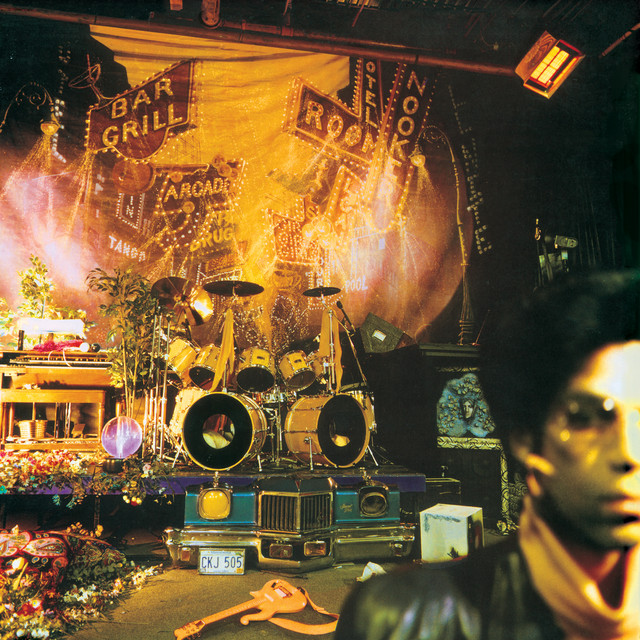
Sign O' The Times
Prince & Prince (1987)

They Might Be Giants
They Might Be Giants (1986)
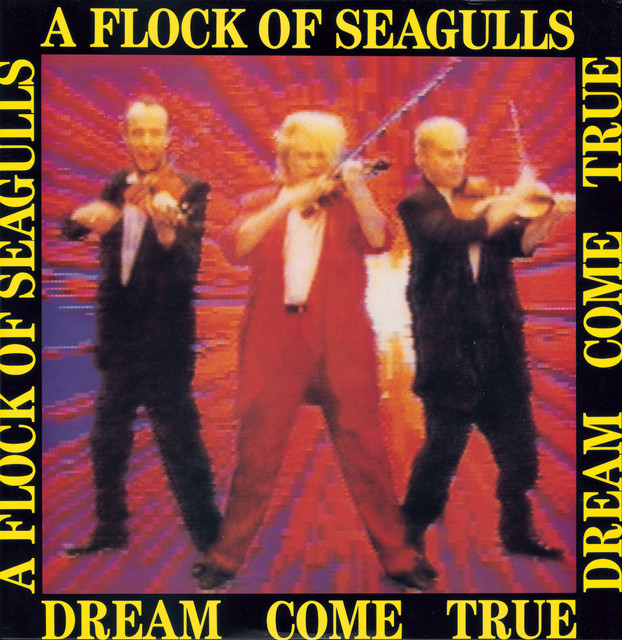
Dream Come True
A Flock of Seagulls (1986)
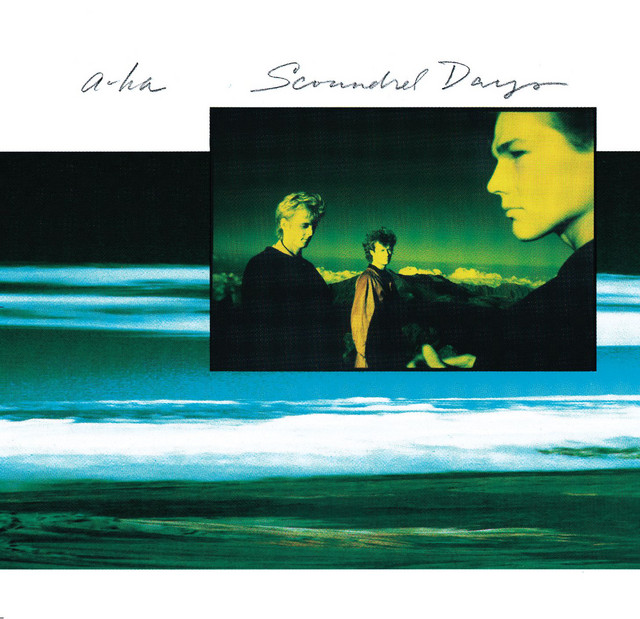
Scoundrel Days
A-ha (1986)

Songs From The Big Chair
Tears for Fears (1985)

Heartbeat City
The Cars (1984)
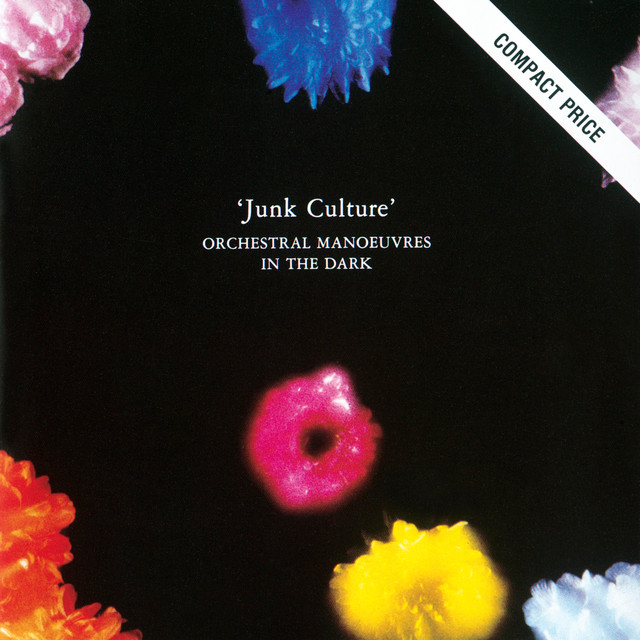
Junk Culture
Orchestral Manoeuvres in the Dark (1984)
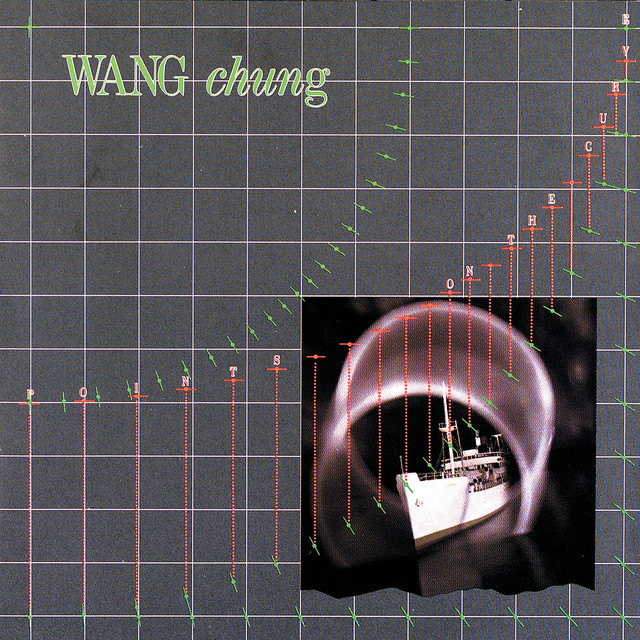
Points On The Curve
Wang Chung (1984)
Beat Boy
Visage (1984)
90125 (Deluxe Version)
Yes (1983)
Future Shock
Herbie Hancock (1983)

Tug Of War
Paul McCartney (1982)
Genre Usage
Based on how artists on Equipboard use this gear, it is most commonly found in the following genres.
Used With
Based on how musicians on Equipboard use Fairlight CMI, it is most commonly used with the following gear.


Similar
Add recommendation2 alternative and related items for Fairlight CMI, curated by the Equipboard community.


More Fairlight Synthesizers


$3,444.00 - $3,499.99
in Synthesizers Rank


$469.00 - $799.99
in Synthesizers Rank


$19,873.56
in Synthesizers Rank


$999.00 - $1,084.00
in Synthesizers Rank


$3,223.51 - $3,599.00
in Synthesizers Rank


-m.webp?v=1780671498)
$1,099.00
in Synthesizers Rank


$439.00 - $554.00
in Synthesizers Rank
.jpg?v=1780946502)

-m.webp?v=1781176161)
$389.00 - $579.99
in Synthesizers Rank


$800.00 - $2,398.00
in Synthesizers Rank


$411.00 - $699.99
in Synthesizers Rank


$2,000.00
in Synthesizers Rank


$279.00 - $349.00
in Synthesizers Rank


$2,432.00 - $2,924.11
in Synthesizers Rank


$1,496.32 - $1,899.00
in Synthesizers Rank


$302.29 - $652.00
in Synthesizers Rank


$389.00 - $538.00
in Synthesizers Rank


$1,374.99 - $1,839.99
in Synthesizers Rank


$279.00 - $449.99
in Synthesizers Rank


$220.00 - $749.99
in Synthesizers Rank


$498.43 - $899.99
in Synthesizers Rank


$749.99 - $1,763.18
in Synthesizers Rank


$79.99 - $495.44
in Synthesizers Rank


$307.40 - $1,332.49
in Synthesizers Rank

.jpeg?v=1780961692)
-m.webp?v=1781181539)
$1,709.10 - $1,948.00
in Synthesizers Rank


$488.39 - $899.00
in Synthesizers Rank


$499.99 - $719.99
in Synthesizers Rank


$309.99 - $915.00
in Synthesizers Rank


$3,999.00 - $4,999.00
in Synthesizers Rank


$1,469.00 - $2,159.99
in Synthesizers Rank

$239.00
in Synthesizers Rank


$479.99 - $1,099.00
in Synthesizers Rank

$166.00 - $299.00
in Synthesizers Rank


$628.77
in Synthesizers Rank


$389.00 - $529.99
in Synthesizers Rank


-m.webp?v=1781103518)
$299.99
in Synthesizers Rank


$29.95 - $69.99
in Synthesizers Rank


Community setups


Gear Guides








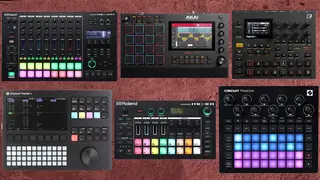

Most Popular Synthesizers
Most Popular Brands
-
Added to Equipboard on by
IitisleeannGear IQ 1371
-

