This page about Neon Egg Planetarium 3 is a stub. You can help improve it:


Pricing and availability




* Product prices and availability are updated by Equipboard every 24hrs and are subject to change. Equipboard may receive compensation for purchases made at participating retailers linked on this site. This compensation does not affect what products or prices are displayed, or the order of prices listed. For more information, please refer to our affiliate disclosure.
Description
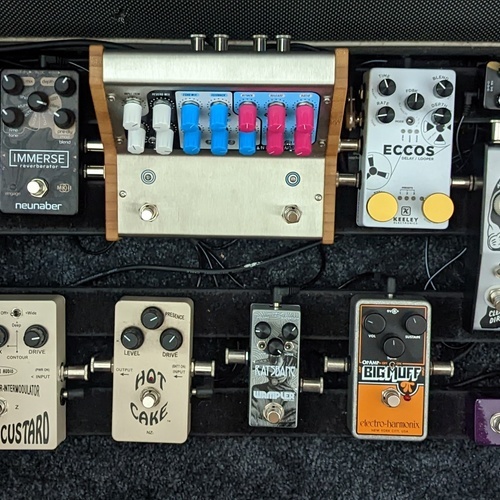
The Planetarium is a stereo reverb and chorus, running into an echo (with stereo modulation), which then runs into a compressor (with external sidechain).
It will create smaller more realistic reverbs, but it wasn't really designed for realism. Where it really excels is creating huge lush swirling reverbs and echoes, most at home in ambient and electronic genres (and maybe some 80's synth pop). Combine it with a fuzz pedal though and you've got instant post rock - It will create the most monstrous walls of evolving sound....then kick in the side chain compressor and make it pump - live to a drummer (or anything else) without needing a computer or click track.
The chorus and modulated echoes make a beautiful combination and will create tapey wobbly magic from any instrument you choose to run through the pedal.
If you want to make epic cinematic music or blur the lines between electronic/post rock/ambient genres then this pedal will help get you there.
FULL LIST OF CHANGES FROM PLANETARIUM 2 TO PLANETARIUM 3 Here’s what has changed on the Planetarium 3: • I’ve made a few minor changes to the circuit. The effects remain mostly unchanged but I’ve made some small improvements to the way the input trim, mix controls and bypass switching work. You can still get all the same sounds as the Planetarium 2, but mix knobs etc might need to be set in different positions than you are used to if you’ve used the Planetarium 2 before. • The echo mix control can now go to 100% wet, which is useful if you are using it on an FX send from a desk etc. • I’ve increased the amount of filtering on the power supply, at the expense of a slightly reduced maximum output level. It can still get to almost 10v p-p, which is way more than you would be likely to need in most sane situations. • I’m now making the ends from bamboo rather than oak or walnut. I had problems with the oak ends warping while sat on my shelf and also I don’t feel it’s really necessary to cut down ancient hardwoods when other good alternatives exist. Bamboo is way more sustainable and the ends look great (probably better than they did tbh). • I’ve changed the LED colours. They are now white, blue and pink to match the knobs. • A welcome side effect of the circuit changes is that the current consumption of the pedal is reduced quite a lot (now around 185mA max).
JULY 2020 UPDATE
I have now updated the Planetarium to version 2. Please note the in depth video above relates to the original Planetarium. The new version can do everything the original Planetarium could, but has a few extra features.
FULL LIST OF CHANGES FROM PLANETARIUM 1 TO PLANETARIUM 2
If you spend a few months building the same thing over and over, the little things that slow you down really start to get annoying.. Most of the changes to the v2 Planetarium are just related to the layout in order to make it a bit less fiddly to build, but I did take the opportunity to add a few new features as well:
• Added modulation shape switch. • Subtle modulation is now possible in ‘reel’ mode. • Added compressor ’short/long’ switch. This makes it much easier to dial in the exact settings you want. Also widens the available range of available attack and release times. • Compressor detection circuit is now stereo rather than dual mono. This stops the stereo image from pulling sideways if for example you have a loud drum hit on only one channel. • Added reverb/delay output pad switch (on the back panel). If you are using a quiet instrument you can now crank up the input trim to hit the reverb and delay at the optimum level, then pad the output down so your level remains consistent when you bypass the pedal. • Mono/stereo switching is now done with a switching jack rather than a switch on the rear panel. • The Planetarium 2 runs off a 15v power supply (included) for increased headroom and to allow for additional power filtering. Depending on your settings it can now output up to about 10v peak to peak, meaning that in many situations you may be able to interface with eurorack gear without needing a ‘go between’ module. • Changed the LED colours (because the pulsating pink LEDs looked too good not to). Also made them a bit dimmer so they don’t blind you on stage. • Wooden ends are now made from oak. Walnut ends are still available on request. • Various other little tweaks to the circuit.
Product specs
| Effects | compressor, delay, reverb |
Videos

NEON EGG
Neon Egg Planetarium 3
Neon Egg Planetarium 3
NEON EGG
The Amazing Neon Egg Planetarium 3

OoraMusic
Model D goes stereo With Planetarium 3 by Neon Egg

Shaper Sound
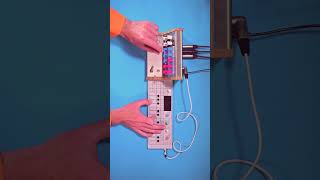
How to 'trance gate' the OP-1 with a Neon Egg Planetarium 3
NEON EGG
Reviews
Owner Insights
We analyzed real musician discussions from forums and Reddit to find what players love, question, and tweak about Neon Egg Planetarium 3.
Features and functionality
-
The Neon Egg Planetarium includes reverb, chorus, delay, and compression with a unique 'egg switch' for selecting different reverb modes, providing a range from small to huge spacey effects.
Source -
The tape delay offers both light and filtered repeats, with modulation reminiscent of the Demedash T-120, but with a spacier sound when combined with reverb.
Source -
The sidechain functionality allows for rhythmic pumping effects by connecting an external input to the compressor, creating synth-like spacey choral sounds.
Source -
The pedal features stereo ducking capability, allowing rhythmic elements to trigger compression for synchronized lead and rhythm compression effects.
Source -
The pedal's design is inspired by vintage equipment, resembling a control panel of a spaceship or a Moog synth.
Source
User experience
Comparisons
-
Compared to big box reverbs, the Planetarium is favored for simplicity, avoiding the option paralysis often caused by more complex pedals.
Source
Use cases and applications
-
Ideal for creating ambient soundscapes, the pedal is particularly noteworthy for its use by The Flaming Lips, adding a layer of credibility and appeal to fans.
Source
5.0 out of 5
Based on 0 Reviews and 1 Rating
Artist usage
Add artist

At 31:55 in the "Tim Pierce Rig Rundown Guitar Gear & Studio Tour" video by Premier Guitar on YouTube, the Neon Egg Planetarium 3 is clearly visible on Tim Pierce's studio desk, serving as direct evidence of its use by the artist.
Album Usage
The Neon Egg Planetarium 3 has been featured on the following albums:

Genre Usage
Based on how artists on Equipboard use this gear, it is most commonly found in the following genres.
Used With
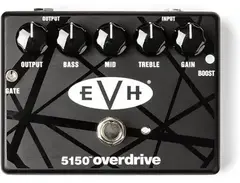
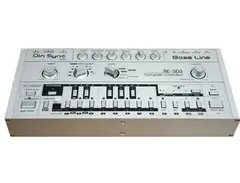
Based on how musicians on Equipboard use Neon Egg Planetarium 3, it is most commonly used with the following gear.





Community setups
Show yoursMore Neon Egg Multi Effects Pedals


$299.00 - $315.00
in Multi Effects Pedals Rank


$169.00 - $179.99
in Multi Effects Pedals Rank

$159.00 - $169.99
in Multi Effects Pedals Rank
-m.webp?v=1784991639)
$299.00 - $401.44
in Multi Effects Pedals Rank


$439.12 - $599.00
in Multi Effects Pedals Rank


$569.00 - $699.99
in Multi Effects Pedals Rank


$399.00 - $449.00
in Multi Effects Pedals Rank


$596.02 - $1,499.99
in Multi Effects Pedals Rank


$475.00
in Multi Effects Pedals Rank


$187.76
in Multi Effects Pedals Rank


$798.56 - $1,399.00
in Multi Effects Pedals Rank
.jpg?v=1784985166)


-m.webp?v=1784891214)
$160.00
in Multi Effects Pedals Rank


$213.79 - $449.99
in Multi Effects Pedals Rank


$104.00 - $214.00
in Multi Effects Pedals Rank


$61.52 - $309.99
in Multi Effects Pedals Rank


$299.00 - $549.99
in Multi Effects Pedals Rank


$499.99 - $549.99
in Multi Effects Pedals Rank


$141.00 - $649.99
in Multi Effects Pedals Rank

.png?v=1784985820)

$221.46
in Multi Effects Pedals Rank


$459.00
in Multi Effects Pedals Rank


$115.00
in Multi Effects Pedals Rank

$94.23
in Multi Effects Pedals Rank


$311.00 - $469.95
in Multi Effects Pedals Rank


$255.24
in Multi Effects Pedals Rank


$33.99 - $198.00
in Multi Effects Pedals Rank


$299.00 - $333.00
in Multi Effects Pedals Rank


$207.55 - $514.99
in Multi Effects Pedals Rank


$29.69 - $316.00
in Multi Effects Pedals Rank
.jpg?v=1784480765)
.png?v=1784986245)

$109.99 - $498.00
in Multi Effects Pedals Rank


$68.15
in Multi Effects Pedals Rank


$74.00 - $158.00
in Multi Effects Pedals Rank


$349.00 - $499.00
in Multi Effects Pedals Rank


$305.91 - $349.00
in Multi Effects Pedals Rank


$103.00 - $149.99
in Multi Effects Pedals Rank


$75.00
in Multi Effects Pedals Rank


$129.58
in Multi Effects Pedals Rank


$89.00
in Multi Effects Pedals Rank


-m.webp?v=1784991542)
$332.55
in Multi Effects Pedals Rank

Similar


Gear Guides



.webp)
.jpg)
Most Popular Multi Effects Pedals
Most Popular Brands
-
Added to Equipboard on by
.jpg?v=1780065044) slubtle
slubtleGearIQ 733
-


