-s.webp?v=1784334986)
-xl.webp?v=1784334986)
Pricing and availability




* Product prices and availability are updated by Equipboard every 24hrs and are subject to change. Equipboard may receive compensation for purchases made at participating retailers linked on this site. This compensation does not affect what products or prices are displayed, or the order of prices listed. For more information, please refer to our affiliate disclosure.
Description
An amp maker at the very heart of the British guitar boom of the late ’50s and early ’60s, Selmer was, for a time, the leader in the field, though it’s all too easy to forget. Briefly ahead of Vox, certainly ahead of the fledgling Marshall, this was a company that had it all to lose as the new decade dawned… and gradually did.
By the mid ’60s, Selmer was struggling for position against a pair of strong rivals with growing international reputations, while releasing what would be its most recognized and most collectible models – the short-lived crock-skin combos of 1963 to ’65. The most popular of these, the Zodiac Twin 30 and Zodiac Twin 50, were most likely released in direct response to the Vox AC30 and Marshall Model 1962 (a.k.a. “Bluesbreaker”) respectively. Good efforts they were, too. But while they made some waves at the time, they ultimately failed to blow either rival out of the water and did little across the pond, to boot. In the wake of this “defeat,” Selmer amps, though still great by any standard, slid into B-list status and started down the slippery road toward demise.
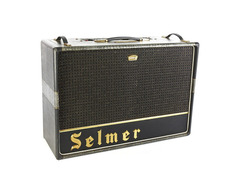
Regardless, models of all eras have continued to appeal to players and collectors for five decades, but fans are likely to drool most profusely over the combos like this 1964 Zodiac Twin 50. Owned by ex-Iron Maiden and Praying Mantis guitarist Rob “Angelo” Sawyer, this is a fairly rare example, certainly in this condition. More often seen is the Zodiac 30, a combo based around a pair of cathode-biased EL34s, nominally what we refer to as “class A,” as famously used by Jack White to record the White Stripe’s Elephant album. Changing the output stage from cathode-biased to grid-biased (a.k.a. “fixed-biased”) earned the Zodiac Twin 50, introduced in the early part of 1964, a few more watts than its class-A sibling. While this increase in power might not have been tremendously obvious to the naked ear, the change in feel due to the firmer output stage and slightly increased headroom made it a different amp.
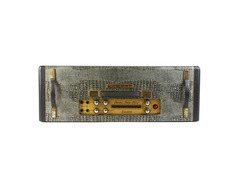
As often as these amps are compared to their above-named “rivals,” they have circuits that are all their own, being products of a company that prided itself on originality, was still aiming to be a leader in the field, and was nowhere near to putting out “copies” of other British makers’ products. Largely similar other than these differences in output tube bias, both Zodiac Twins have circuits that might appear quite unusual to players more familiar with the Vox, Marshall, or indeed Fender topologies, and that’s a big part of their appeal. Preamp and power amp are built on separate chassis, mounted in the top and bottom of the 2×12 cab, respectively. Each of two channels opens the gambit with a single ECC83 (12AX7) gain stage, without any cathode bypass cap, which keeps the tone a little tighter and lighter at this point, but the two differ considerably from there. Channel one, intended for a mic or a second instrument, runs through a treble-bleed tone control that’s a little more involved than the average, then a volume control, then through a second gain stage comprising an EF86 pentode preamp tube, before scooting on to the octal plug that takes it south to the PI and the output stage. Channel two, though, is where things really get wild. After the first gain stage, the signal hits a six-pushbutton tone section that offers, in addition to a Rotary Control option that routes it to another treble-bleed tone pot, buttons for High Treble, Treble, Medium, Bass, and Contra Bass. These are achieved by tapping a network of tone caps that shape the voice between gain stages, a circuit not unlike that of some large Gibson amps before it, or indeed the six-position rotary Tone control on the lead channel of the Matchless DC30 several decades later. From here, the signal hits another EF86 pentode, then a tremolo circuit with Speed and Depth controls, then on to the bottom chassis via the octal plug.
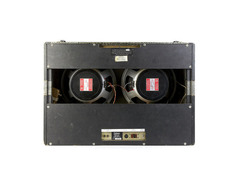
In the bottom chassis, the octal plug ferried the signal to a rather unusual split-phase inverter that employed another ECC83, then on to a pair of EL34s that were pushing around 445 volts DC at the plates – not a ton for these output tubes to handle, but pretty hot for the cathode-biased Zodiac Twin 30, which ran everything about the same as the 50. The alnico Celestion 12s of the Twin 30 were changed to more robust Goodmans ceramic 12s in the 50, but that’s about the only other difference between the two models. Later models, however, dropped both the tube rectifier (for solid state) and the EF86 preamp tubes (for more ECC83), making them more conventional in many respects.
Obviously, these mid-’60s Zodiacs looked very different from anything before, or after, too. Their blend of mock-crocodile and black vinyl covering gave them an extremely outré look, further accentuated by the spacey green “magic eye” tremolo speed indicator on the front, which pulsed in time to the trem rate. Even if the large gold metal Selmer badge on the bottom panel tied the amp to ubiquitous and less-than-hip trombone-case cosmetics, these were pretty outrageous packages, in an age and industry that was ramping up for plenty of outrage.
In addition to digging the looks (as he does those of some eight other Selmers in his collection), Sawyer admits to an unabashed fondness for the tone of the Zodiac Twin 50. “It has a feel and character all of its own,” he says. “The whole vibe is ‘warm,’ and I just love those pushbutton tones. The tremolo effect is great fun – pure Duane Eddy! It’s not an amp that I would gig with, because it’s too precious and beautiful, and because it doesn’t have the heavy rock/blues tone my band sound needs. But I really enjoy playing the Zodiac.”
As cool as these amps are – and as much as you might want one now – their prices have escalated significantly over the past decade to the point they rival vintage AC30s. A difficult situation for the would-be buyer of a nifty Zodiac Twin 50, but it brings some measure of justice to round out the history of these exquisite and unique “also-rans.”
Product specs
| Amp Type | tube |


Reviews
Owner Insights
We analyzed real musician discussions from forums and Reddit to find what players love, question, and tweak about Selmer Zodiac Twin 30.
Comparisons
-
Synergy 30 watt combo with Salvation Audio dual Selma preamp module offers a closer tonal match to the Selmer Zodiac Twin 30.
Source -
The AC-15 and AC-30 differ in tone and channel options, with the AC-30 offering an extra channel and more power, suited for larger venues.
Source -
The Zodiac Twin 30 is noted for its loud output despite being rated at "just" 50 watts, comparable to other high-wattage amps.
Source
Mods and upgrades
-
Randall RM22 or RM50 with Salvation Audio preamp modules can be customized to mimic more Zodiac features.
Source
Features and functionality
-
The Selmer Zodiac's pre-amp is noted for having tonal similarities to a JTM-45, not an AC30.
Source -
The absence of an effects loop in the AC-15 limits placement of modulation and reverb effects, unlike the AC-30 which offers a luxurious loop setup.
Source -
The Korg-era Vox AC-30 includes tremolo and reverb, a shift from the vintage vibrato seen in older models, influencing its tonal offerings and market appeal.
Source -
The Selmer Zodiac Twin 30 features an EF86 preamp and EL34 power tubes, contributing to its distinct tonal qualities.
Source
Use cases and applications
User experience
-
Owners of the AC-30 note the challenge of physically moving the amp due to its size and weight, particularly in venues with difficult access.
Source -
Owners highlight the scarcity and high demand for Selmer Zodiac amps, often available at lower prices on UK-based platforms like Gumtree compared to international listings.
Source
5.0 out of 5
Based on 1 Review and 5 Ratings

47
Bought this in the 60's - never let me down!
Good old fashioned valve amp - loud for 30 watts. Celestion speakers, very heavy amp.

41037
more info... is this an EL84 powered amp? Is the 1st gain stage a penode.... there are a lot of different zodiacs by selmer, all awesome and all different
as a brit amp fanatic I gotta know, man!
47
GZ34 Rectifier, 2 X EF86 and 3 X ECC83 (Pre amp Stage) and 2 EL34 in the power amp.
Artist usage
Add artist
In this article from Vintage Guitar, it says:
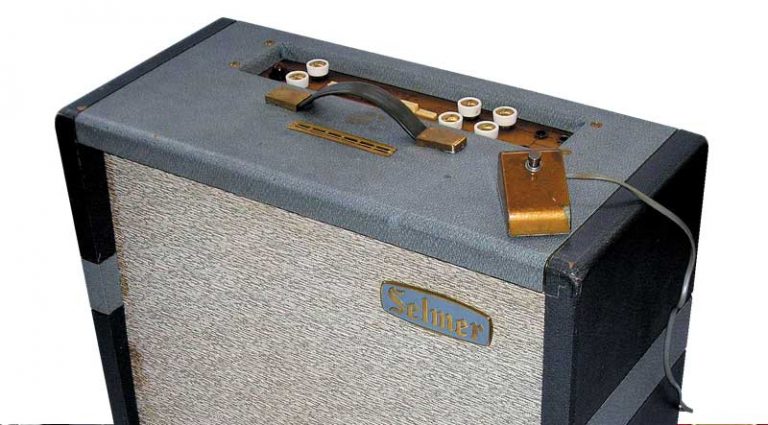
In recent years, the Selmer brand has started to get some of the attention it deserves, partly because of skyrocketing Vox and Marshall prices and collectibility, partly in the wake of Jack White’s use of a Selmer Zodiac 30 to record the White Stripes’ Elephant album, and partly because people have finally realized just how cool these amps are.

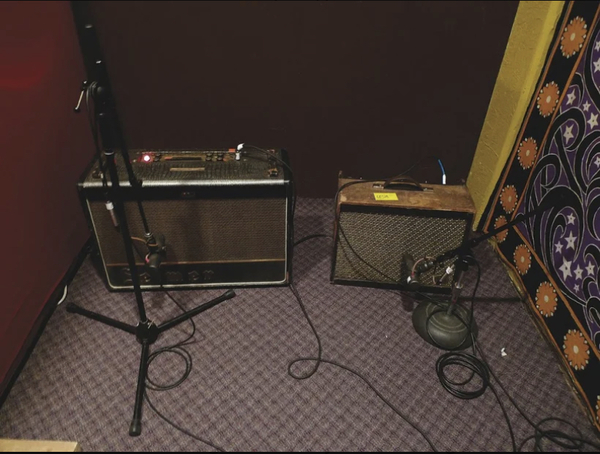
Alex Turner uses a Selmer Zodiac Twin 30 combo amp as his primary amplifier for almost all of Arctic Monkeys records and live performances. During the bands early shows and first tour, Alex used primarily an Orange Combo amp or a Vox AC30, even earlier The amp can first be seen during the recording of the bands second album, “Favourite Worst Nightmare,” as it was seen being used in the “Teddy Picker” music video. Looking though pictures of all the bands recording sessions the amp can be seen, usually in combination with a smaller amp for a more dirty, vibrato tone.
In an interview with long time producer James Ford, from Sound on Sound, Ford goes into detail on how him and the band went about using their gear in this 2011 interview. Ford states, “They took all their own guitar amps and stuff that we've used quite a lot before, a great old Selmer and Magnatone amps. We knew what we were doing, really. I've been in quite a few sessions where it's pretty up in the air and there's just too many things to think about, so it's harder to concentrate on the actual sonics and the performance. This time it was much easier in that respect.” James continues, “Alex Turner's rig typically featured him playing his faithful Fender Bronco or occasionally a Gibson Les Paul through his crocodile‑skin Selmer Zodiac and '60s Magnatone amps. "Al does more rhythmy stuff, and for that it was just pretty straight, quite bright and punchy into the Selmer. We sometimes ran that and his old Magnatone at the same time. It has a really nice vibrato on it and reverb. So sometimes we'd mix those two signals together, but just onto the one track.”
The band also has an identical version of this amp, which can be seen amplifying various keyboards and synthesizer throughout their live shows.
An example of how Turner likes to keep the setting on this amp would be the song “Fluorescent Adolescent“ off the bands second record. The amp has a distinct British tone, clean with a bit of chime and breakup.
Pictured is Alex’s Selmer Zodiac Twin 30 during the recording of “Suck It And See” at Sound City Studios in Van Nuys in the San Fernando Valley, Los Angeles.
(Sound on Sound, James Ford: Producing Arctic Monkeys) http://www.soundonsound.com/people/james-ford-producing-arctic-monkeys%3famp


In this scan of a Guitar World article it reads, "Smith's main amps were Vintage Vox AC30s, and old Orange and a Selmer Zodiac Twin 30."


In this interview, Wes Borland talks about the Limp Bizkit album Gold Cobra. He describes the "amp and effects chain that [he] used on My Way," saying, "A Maestro solid-state Echoplex and an Ibanez flanger pedal that has a setting called 'whacked.' I put that through a 1965 Zodiac Twin 30…"


In the new Last Shadow Puppets' video "Is This What You Wanted" you can see Miles playing Alex's Martin GT-75 through a Selmer Zodiac Twin at 4:35

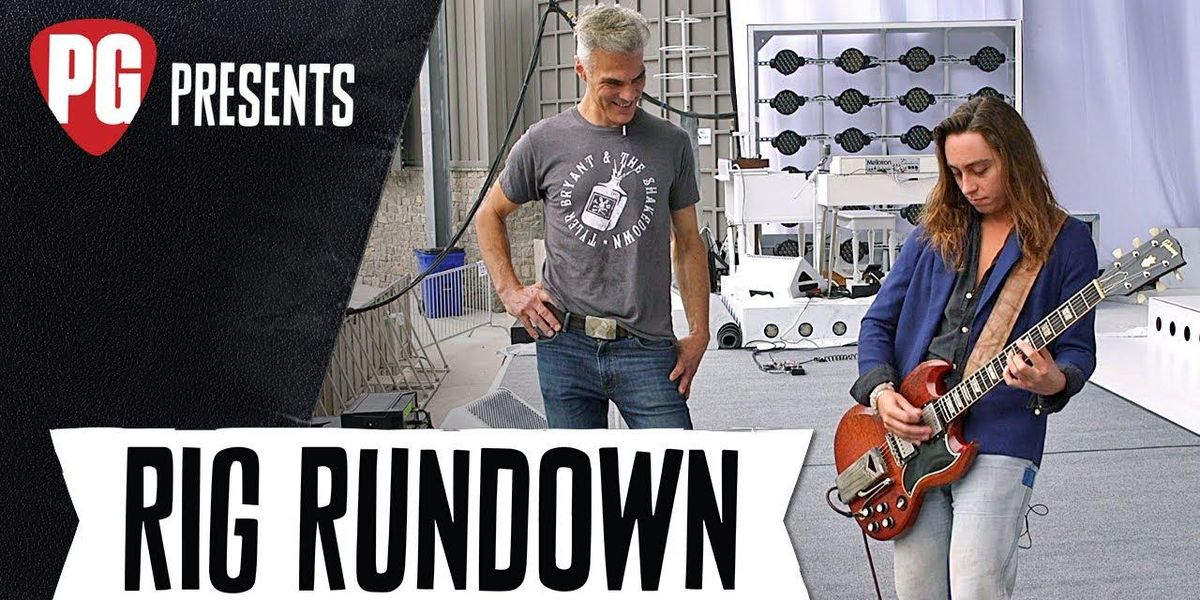
This amp can be seen in the Rig Rundown. He bought it at Chicago Music Exchange and it was once owned by Guns N' Roses' Richard Fortus.


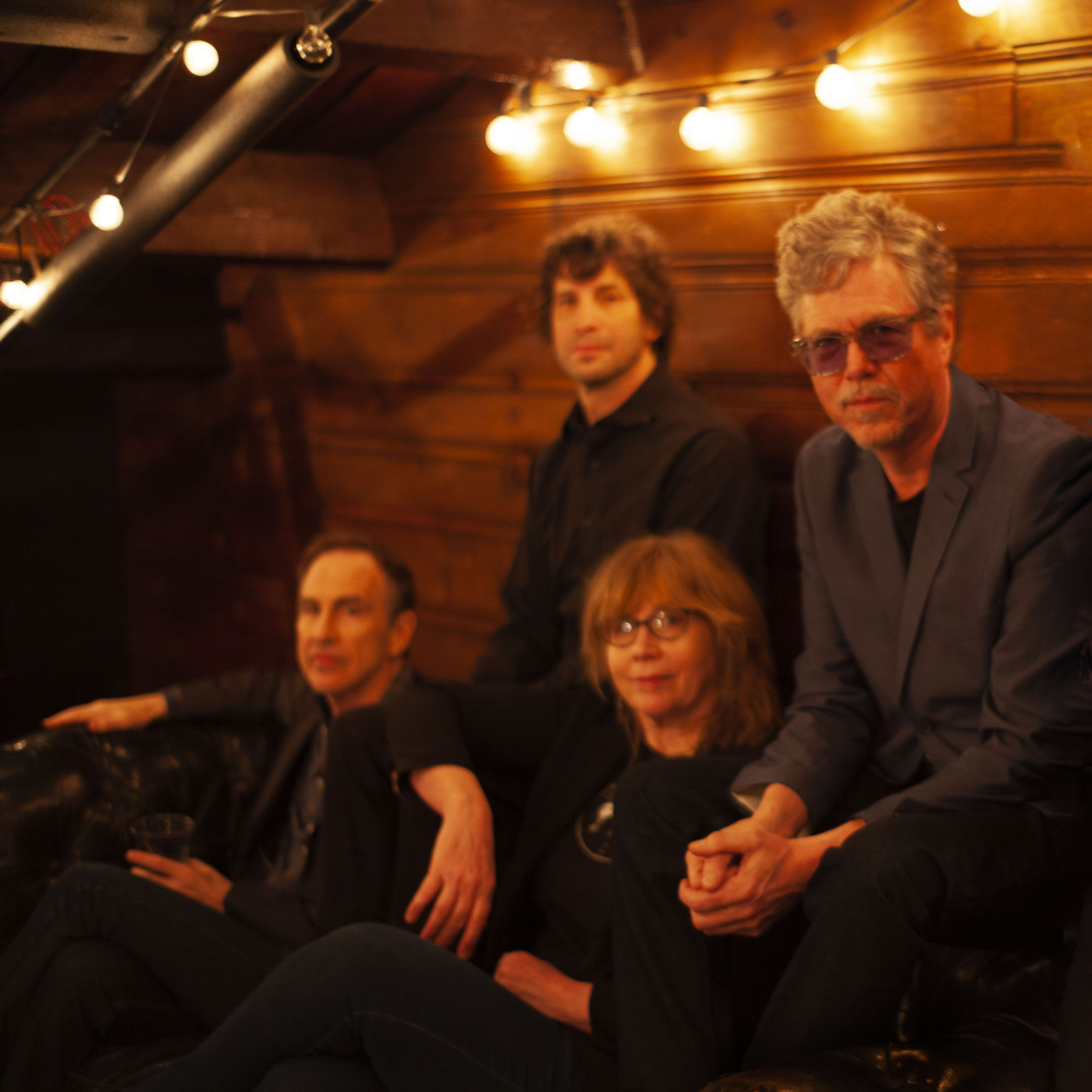
Used for the electric guitar on XOXO, as stated by engineer Nick Tveitbakk in this October 28, 2020 Mix Online interview.
On some tracks, Louris played what KJ says is “the most heaviest Telecaster; it’s like a boat, but it sounds great and Gary loves it. He used that most often through a ’65 reissue Twin Reverb from the late ’90s. We also had an early Vox AC30 and a really cool Selmer Zodiac Twin. He also did some fun stuff where we put a Super Reverb in the large room and played some loud feedback with every knob on 10.
“Each amp had its own recording chain,” KJ continues. “The AC30 might go to a Black AKG 414EB. We have an SSL AWS 900, which I used as a channel for that, and on the Twin we used a Sennheiser 409, and that would have gone through either a Neve 3104 channel or one of the Calrec 1061s that we have—they’re laser-beam focused.”
The amplifier list on Flowers Studio's website specifies a 30 watt MKII.

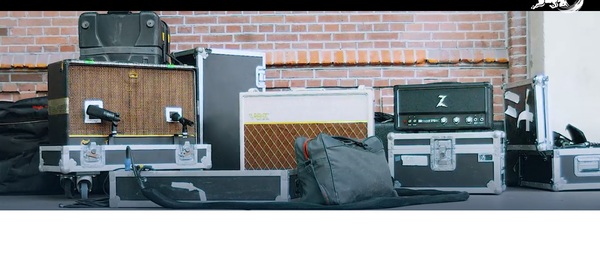
The pic is a still from: https://www.redbull.com/be-nl/black-box-revelation-red-bull
Here you can spot JP playing this Selmer amp


Sebastian Danzig shows a Selmer Zodiac Twin 30 in his tour gear in an Instagram post, captioning it: “The Bastards era needed that new set up for the new sound.”


Album Usage
The Selmer Zodiac Twin 30 has been featured on the following albums:
Xoxo
Jayhawks (2020)
The Bastards
palaye royale (2020)
Ash & Ice
The Kills (2016)

Suck It and See
Arctic Monkeys (2011)
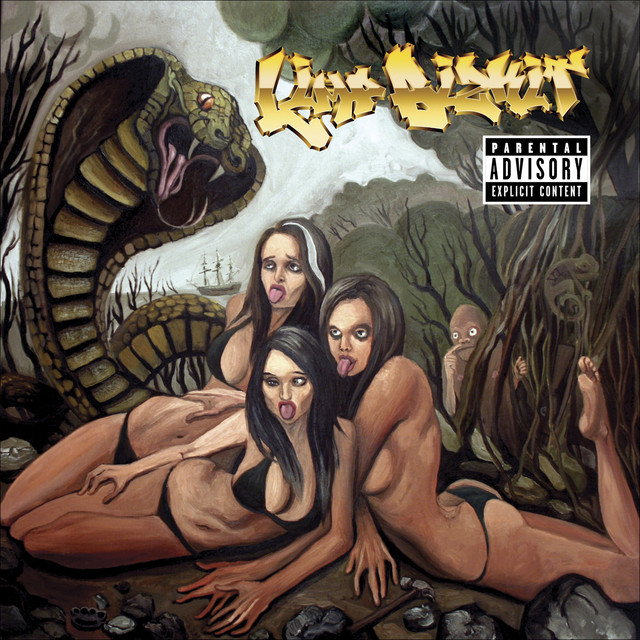
Gold Cobra
Limp Bizkit (2011)
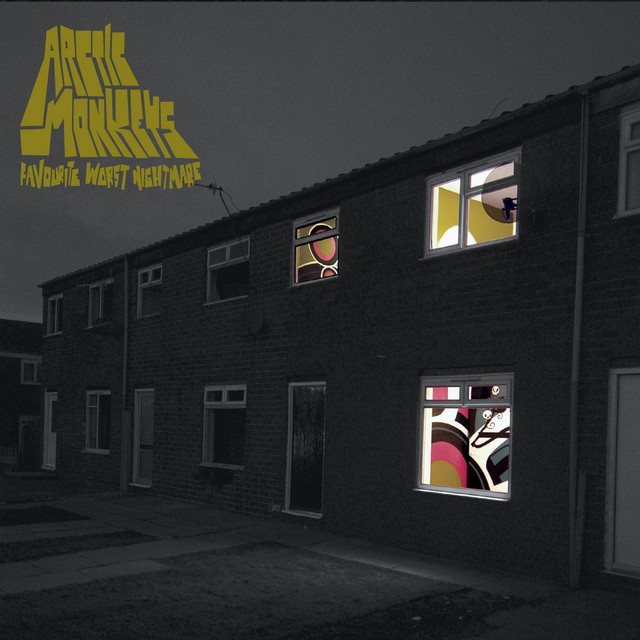
Favourite Worst Nightmare (Standard Version)
Arctic Monkeys (2007)
Fluorescent Adolescent
Arctic Monkeys (2007)
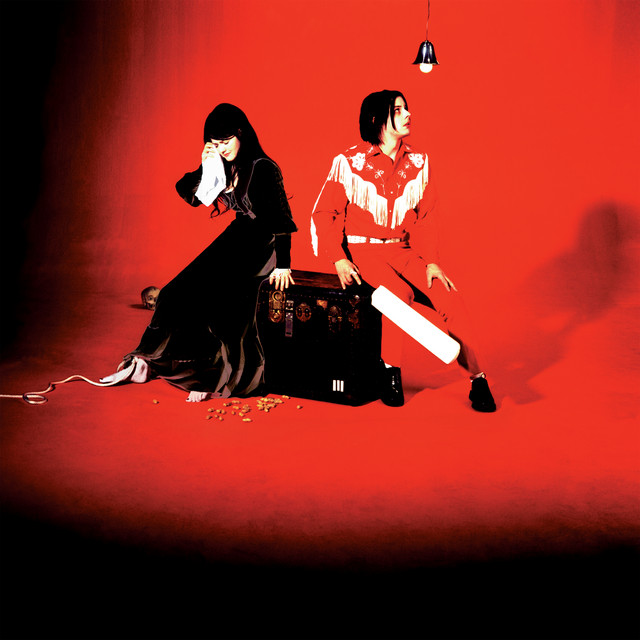
Elephant
The White Stripes & Jack White & Jack White (2003)
Genre Usage
Based on how artists on Equipboard use this gear, it is most commonly found in the following genres.
Used With
Based on how musicians on Equipboard use Selmer Zodiac Twin 30, it is most commonly used with the following gear.


-s.webp?v=1785164360)


Similar
Add recommendation1 alternative for Selmer Zodiac Twin 30, curated by the Equipboard community.

More Selmer Combo Guitar Amplifiers


.png?v=1785137725)


$159.00 - $229.99
in Combo Guitar Amplifiers Rank

$699.00 - $1,022.19
in Combo Guitar Amplifiers Rank


-m.webp?v=1785164488)
$650.00 - $1,049.99
in Combo Guitar Amplifiers Rank


-m.webp?v=1785164346)
$1,669.99 - $2,199.99
in Combo Guitar Amplifiers Rank


$701.63 - $949.99
in Combo Guitar Amplifiers Rank


$325.00
in Combo Guitar Amplifiers Rank


$1,899.99 - $2,199.99
in Combo Guitar Amplifiers Rank

.png?v=1785155776)

$1,450.00 - $1,799.00
in Combo Guitar Amplifiers Rank


$670.00 - $769.99
in Combo Guitar Amplifiers Rank


-m.webp?v=1785170298)
$1,241.99 - $1,399.99
in Combo Guitar Amplifiers Rank


$600.00 - $1,999.99
in Combo Guitar Amplifiers Rank

$1,379.99 - $1,679.99
in Combo Guitar Amplifiers Rank


$347.70 - $729.99
in Combo Guitar Amplifiers Rank


$1,639.99 - $1,999.99
in Combo Guitar Amplifiers Rank
.jpeg?v=1785156348)

$949.00 - $1,799.99
in Combo Guitar Amplifiers Rank


$999.99 - $1,149.00
in Combo Guitar Amplifiers Rank


$1,439.82 - $1,649.00
in Combo Guitar Amplifiers Rank


$1,759.00 - $2,899.99
in Combo Guitar Amplifiers Rank


$210.00 - $399.99
in Combo Guitar Amplifiers Rank


$399.00 - $749.99
in Combo Guitar Amplifiers Rank


$800.00
in Combo Guitar Amplifiers Rank

-m.webp?v=1785164358)
$650.00 - $1,049.99
in Combo Guitar Amplifiers Rank


$1,199.00 - $2,299.99
in Combo Guitar Amplifiers Rank


$99.95 - $2,199.99
in Combo Guitar Amplifiers Rank


$450.00 - $1,149.00
in Combo Guitar Amplifiers Rank


-m.webp?v=1785164440)
$1,217.14 - $1,469.99
in Combo Guitar Amplifiers Rank


$350.00 - $1,259.99
in Combo Guitar Amplifiers Rank


$229.99 - $349.99
in Combo Guitar Amplifiers Rank


$1,895.90 - $2,651.58
in Combo Guitar Amplifiers Rank


$375.00 - $499.99
in Combo Guitar Amplifiers Rank


-m.webp?v=1785150463)
$90.00 - $129.99
in Combo Guitar Amplifiers Rank


Community setups


Gear Guides






Most Popular Combo Guitar Amplifiers
Most Popular Brands
-
Added to Equipboard on by
 equipboard
GearIQ 4934
-


