



Pricing and availability
We compare 600+ stores and found this item at 1 store. Prices updated .
Store
Reviews
Price




Average Price: $478
Budget/Beginner
$500
$1501+
Price Tier
Budget
Standard
High-end
* Product prices and availability are updated by Equipboard every 24hrs and are subject to change. Equipboard may receive compensation for purchases made at participating retailers linked on this site. This compensation does not affect what products or prices are displayed, or the order of prices listed. For more information, please refer to our affiliate disclosure.
Description
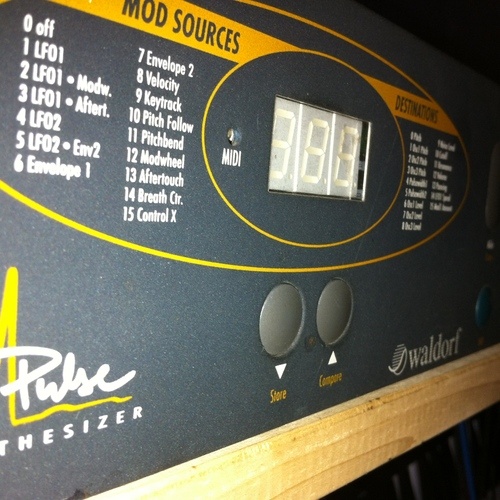
Unleash the power of sound with the Waldorf Pulse Synthesizer, a modern classic in the world of analog synthesis. Crafted for musicians who crave a rich, immersive tone, this synthesizer delivers an authentic analog experience with a touch of contemporary flair. It features three powerful oscillators, each capable of generating a wide array of waveshapes, allowing you to sculpt your sound with precision. The Waldorf Pulse Synthesizer's versatile design is ideal for both studio environments and live performances, providing musicians with a robust tool to explore and express their creativity.
With its intuitive interface, the Waldorf Pulse Synthesizer is user-friendly for both beginners and seasoned professionals. The synth offers a variety of modulation options, including a flexible LFO and an ADSR envelope with adjustable parameters. These features enable dynamic control over your sound, making it suitable for a wide range of musical styles, from classic electronic to cutting-edge experimental genres. Its MIDI connectivity ensures seamless integration with other equipment, expanding your creative possibilities.
The Waldorf Pulse stands out not only for its sound but also for its reliability and build quality. Whether you're crafting ambient soundscapes or driving bass lines, this synthesizer is designed to meet the demands of today's musicians, offering a fusion of vintage charm and modern innovation.
Key Features:
- Three analog oscillators with various waveshapes
- Intuitive interface with easy-to-navigate controls
- Flexible LFO and ADSR envelope for dynamic modulation
- MIDI connectivity for integration with other gear
- Suitable for studio and live performance settings
Product specs
| Brand | Waldorf |
| Model | Pulse Rackmount Synthesizer |
| Year | 1995 |
| Categories | Analog Synths, Rackmount Synths |
| Analog / Digital | Analog |
| MIDI I/O | MIDI Input, MIDI Output, MIDI Through |
| Polyphony | 1 Voice |
FAQs
-
Is the Waldorf Pulse Synthesizer monophonic or polyphonic?
-
The Waldorf Pulse Synthesizer is monophonic, meaning it can play one note at a time, which is ideal for bass lines and lead sounds.
-
What type of synthesis does the Waldorf Pulse use?
-
The Waldorf Pulse uses analog synthesis, providing warm and rich sound textures typical of analog gear.
-
Does the Waldorf Pulse Synthesizer support MIDI connectivity?
-
Yes, the Waldorf Pulse features MIDI Input, MIDI Output, and MIDI Through, allowing it to integrate seamlessly with other MIDI-compatible equipment.
-
What are the standout features of the Waldorf Pulse's sound engine?
-
The Waldorf Pulse offers three oscillators and a classic analog filter, allowing for powerful and versatile sound shaping capabilities.
-
Is the Waldorf Pulse suitable for live performances?
-
Yes, the Waldorf Pulse's rackmount design and robust MIDI connectivity make it a practical choice for live performance setups.
Videos

musictrackjp
Waldorf PULSE Demo&Review [English Captions]
![Video thumbnail for Waldorf PULSE Demo&Review [English Captions] by musictrackjp](https://img.youtube.com/vi/nwK4ySkwf6A/mqdefault.jpg)
Waldorf PULSE Demo&Review [English Captions]
musictrackjp
Waldorf Pulse Overview With Ross Kelly

gearwire
WALDORF PULSE 1 quick demo

Rob World
Reviews
PROS
-
Phat Analog Bass provides unique sound quality
-
Modulation flexibility likened to a modular synthesizer
-
Features a great filter for diverse sound sculpting
-
Fast envelopes support solid basses
-
Sound ranges from screaming to emotionally deep
-
Good for basslines with impactful presence
-
Arp and portamento features for creative expression
CONS
-
Sparse controls limit immediate accessibility
-
Interface complexity hinders full utilization of features
-
Difficult to program due to limited knob functionality
-
Hard to understand patches, affecting user experience
-
Not a precise Minimoog clone as expected by some
Owner Insights
We analyzed real musician discussions from forums and Reddit to find what players love, question, and tweak about Waldorf Pulse Synthesizer.
Comparisons
-
When paired with an external filter like the Korg Monotron, the Pulse 1's sound is notably smoother compared to its native filter.
Source -
Unlike Nord Lead's smooth and balanced filters, the Pulse 2's filter is reported to lose gain quickly with resonance, making it peaky and inconsistent.
Source -
The Pulse 2's filter is described as moogier and beefier compared to the more subdued filter of the Evolver, favoring deep, subby bass over evolving textures.
Source -
While the Pulse 2 has more features, it can replicate the Pulse 1's sound when fed its patches, highlighting their tonal similarities.
Source -
The Pulse 2 is noted for its analog sound character, contrasting with the Blofeld's digital versatility, which includes multiple voices and wavetables.
Source
Features and functionality
-
The Pulse 2 employs divide-down circuitry for its 8-note paraphony using only 3 oscillators, similar to old 70s string machines.
Source -
The Pulse 2's MIDI implementation with 128 steps can cause filter stepping, particularly noticeable at high resonance settings.
Source -
The Pulse 2's knobs adjust their response speed based on how quickly they are turned, facilitating more precise editing in performance mode.
Source -
The Pulse 2 features a modulation matrix with 8 slots, offering 24 sources and 26 targets, which is unique for its price range.
Source -
The Pulse 1 suffers from filter stepping, leading to a quantized, sparkly sound during manual sweeps, which some users find undesirable.
Source -
The Pulse 1 has 99 memory slots, with only 40 user-editable, making it less suited for those seeking extensive presets.
Source
Use cases and applications
-
Users frequently use the Pulse 2 for its ability to create varied square waves, intermodulation, and PWM, appreciating its stability layered with organic analog tones.
Source -
Known for its ability to produce unique ring modulation effects, the Pulse 1 is favored for creating strange sound effects in creative projects.
Source -
Known for its thick, screamy analog tones, the Pulse 2 is best suited for those seeking rich, modulated sound textures rather than digital pads or wavetables.
Source
User experience
-
Despite a convoluted matrix interface, programming the Pulse 1 is found to be pleasing due to its unique, fat, and dirty sound character.
Source -
Owners appreciate the "Random" sound feature for generating creative ideas, though the screen lacks detailed parameter value visibility unless actively adjusted.
Source
4.5 out of 5
Based on 7 Reviews and 29 Ratings

116
very flexible modulation
This is so flexible in terms of modulation. Poor man's modular synthesizer. Shame that the interface makes it so hard to take advantage of that which is why I sold this to buy a Dreadbox Erebus instead.

81
Top analog monosynth
Phat Analog Bass! What more needs be said.
Controls are somewhat sparse, but editors are available. The magic is in the mod-matrix.

91
Actually a Minimoog clone...
The Pulse is actually meant to be a Minimoog clone with extended features. In fact it has too few in common with the Minimoog to be that. On the other hand it's a great synth with a great filter and a fair amount of features. It isn't too percussive although the envelopes are fast enough to support solid basses. All in all it could make a good Roland with CC control and some memory. Its sound is between screaming , supersoft and emotionally deep, far away from being precise or super vintage while the filter is amazingly singing at high resonance.

Awful to use. Sounds good though
The 1 knob per million functions makes it a pain to program, impossible to understand the patches, and something which put me off outboard synths for 10 years. Sounds good though

182
Interesting synth, sub-par interface.
3 DCO monosynth. Kind of sounds like a Juno/Pro-One mixed. Really interesting tone but I am not a fan of the interface.


Artist usage
Add artist

In the "Build a house track with Freemasons - Part 1 of 2" video by Computer Music on YouTube, the Freemasons are shown using the Waldorf Pulse Synthesizer.


In this interview conducted in 1997, Rudy provides a current gear list.


"My first proper setup was out of my college dorm room. I had an Access Virus TI, Waldorf Microwave XTk, Waldorf Pulse, Korg MS20, and Dave Smith Evolver."

.jpg)
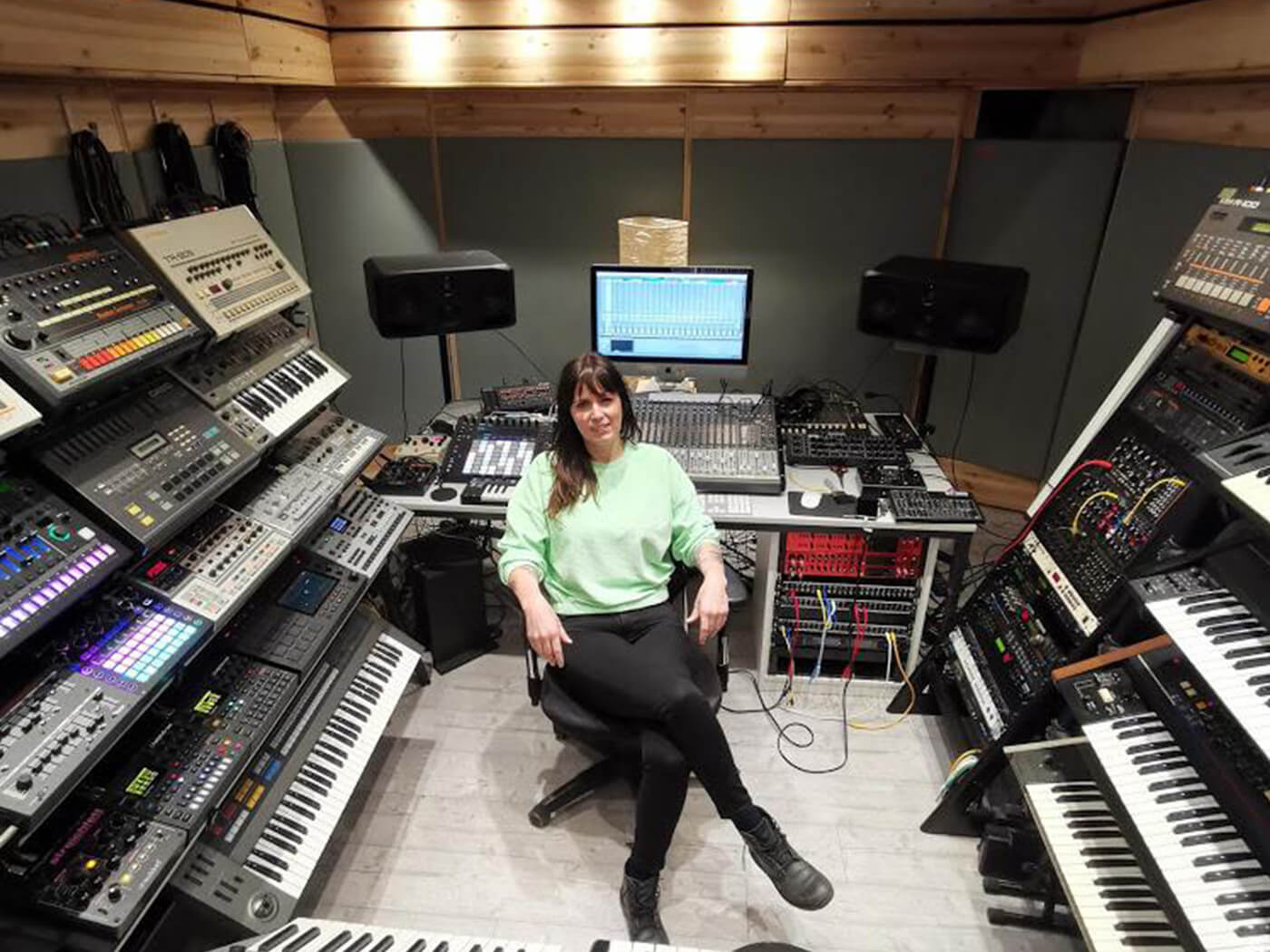
In this Instagram post we can see Waldorf Pulse in his studio setup

.jpg)
Kyau Vs. Albert are shown using the Waldorf Pulse Synthesizer in their studio, as seen in a photo shared on their Instagram.

Clearly displayed at 9:45 in the video, above the Waldorf Microwave Rev. A


In this video at 2:32 minutes see Waldorf Pulse Synthesizer

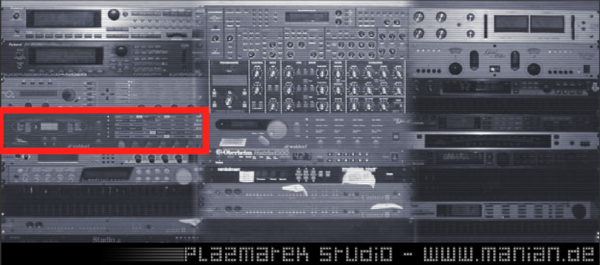
the distinctive oval-bound illuminated display and right-hand knob configuration of an early-production Waldorf Pulse can be seen in the right hand rack of this MusicTech photo, just above the Moog unit.


Assemblage 23 has been confirmed to use the Waldorf Pulse Synthesizer on their album "Storm," as detailed on the official Assemblage 23 website under their gear section.

video of Firechild performing with the Waldorf Pulse in his studio

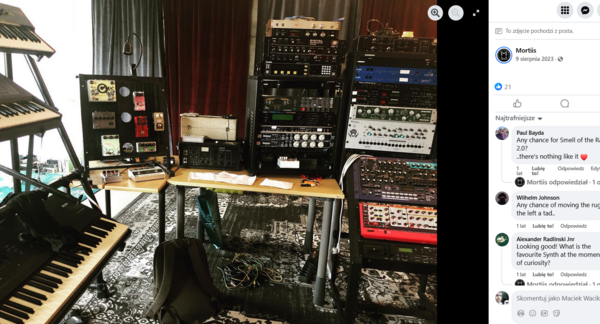
Non "plus" version though rackmounted is visible in this photo from Mortiis .
Album Usage
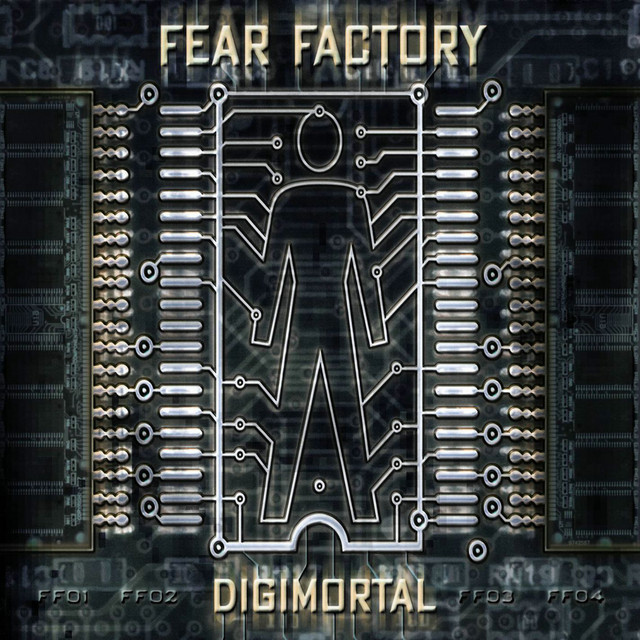
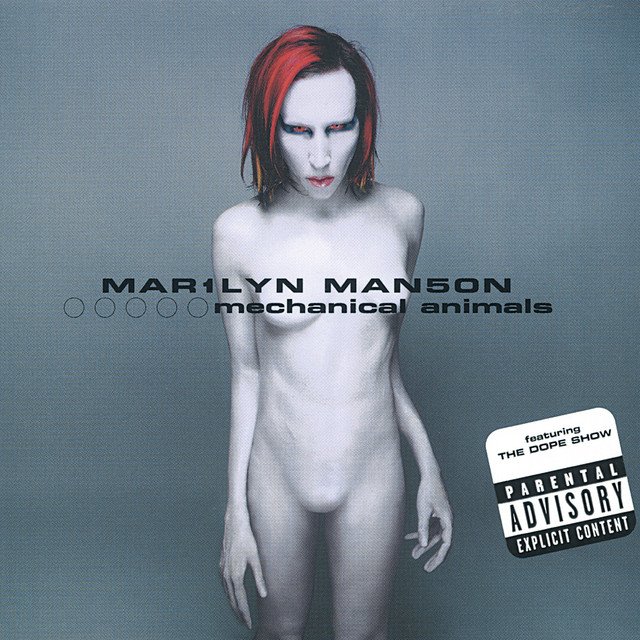
The Waldorf Pulse Synthesizer has been featured on the following albums:



Genre Usage
Based on how artists on Equipboard use this gear, it is most commonly found in the following genres.
Used With
Based on how musicians on Equipboard use Waldorf Pulse Synthesizer, it is most commonly used with the following gear.


-s.webp?v=1783350268)


-s.webp?v=1783177029)


Community setups
Show yours


More Waldorf Synthesizers

$397.06 - $699.00
in Synthesizers Rank


$111.00 - $479.99
in Synthesizers Rank


$533.00 - $999.00


$299.00 - $450.00


.jpg?v=1783318437)


$3,699.00 - $6,499.00


$1,444.00 - $2,499.99


$4,555.00 - $5,999.00


$2,555.00 - $3,999.00


$2,266.00 - $3,699.00


$3,283.92 - $3,499.99
in Synthesizers Rank


$469.00 - $699.99
in Synthesizers Rank


$19,535.25
in Synthesizers Rank


$999.00 - $1,084.00
in Synthesizers Rank


$3,216.54 - $3,499.99
in Synthesizers Rank


-m.webp?v=1783177119)
$1,200.00
in Synthesizers Rank


$439.00 - $543.00
in Synthesizers Rank
.jpg?v=1783265555)
Accessories & Related Items




Similar


Gear Guides








Most Popular Synthesizers
Most Popular Brands
-
Added to Equipboard on by
 equipboard
Gear IQ 4934
-


