This page about Marshall 1968 50 Watt Plexi is a stub. You can help improve it:


Pricing and availability




* Product prices and availability are updated by Equipboard every 24hrs and are subject to change. Equipboard may receive compensation for purchases made at participating retailers linked on this site. This compensation does not affect what products or prices are displayed, or the order of prices listed. For more information, please refer to our affiliate disclosure.
Description
Step back in time with the Marshall 1968 50 Watt Plexi, a guitar amplifier head that epitomizes the classic rock sound of the late '60s. Known for its iconic all-tube circuitry, this amp head delivers rich, dynamic tones that have powered countless legendary performances. Whether you're chasing the raw power of classic rock or the punchy clarity of blues, the Plexi’s versatile tonal palette makes it a staple for both stage and studio.
The 1968 50 Watt Plexi is revered for its unique, responsive dynamics, making it a favorite among guitarists who value expressive playability. Its intuitive control panel provides easy access to a range of tones, from warm cleans to crunchy overdrive, all while maintaining the amp's signature vintage character. This amplifier head is designed for those who appreciate the authentic, unadulterated sound that defined an era.
Ideal for musicians who crave vintage authenticity with modern reliability, the Marshall 1968 50 Watt Plexi is a testament to the enduring legacy of Marshall amplification. Crafted to offer the same sonic experience as its predecessors, this amp head is perfect for those seeking to capture the timeless tones that have shaped music history.
Key Features:
- All-tube circuitry for classic, rich tones
- 50-watt power output, suited for both stage and studio use
- Four input channels for versatile connectivity
- Simple, intuitive control interface
- Renowned for its dynamic response and expressive playability
Videos

ProGuitarEurope
ProGuitar presents:1968 Marshall 50 Watt Plexi by Thomas Blug
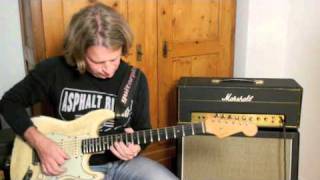
ProGuitar presents:1968 Marshall 50 Watt Plexi by Thomas Blug
ProGuitarEurope
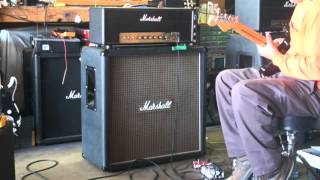
1968 Marshall plexi 50 Watt 2

conjering
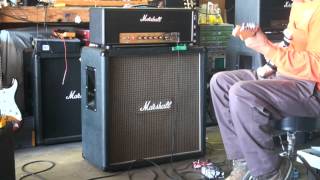
1968 Marshall plexi 50 Watt 1
conjering
Reviews
Owner Insights
We analyzed real musician discussions from forums and Reddit to find what players love, question, and tweak about Marshall 1968 50 Watt Plexi.
Comparisons
-
The 1987 model will achieve breakup at a lower volume than the 1959 model, making it better for those seeking earlier overdrive without ear-splitting volume levels.
Source -
The 100W versions have tighter and stiffer low-end response due to increased filtering in the power supply compared to the 50W models.
Source -
Late 70s and early 80s models have increased gain and highs, similar to JCM800 amps, catering to heavier tones.
Source -
A 50W JCM900 was used effectively in bands with multiple drummers, indicating its capacity to handle intense volume demands.
Source
Features and functionality
-
The 100W Plexi provides a wider dynamic range and stays cleaner at higher volumes, ideal for players needing super clean sounds and powerful bottom end.
Source -
The 1987 model has less power supply filtering and uses two-phase rectification, contributing to its earlier breakup and different tonal characteristics than the 1959 model.
Source -
Jumping channels on handwired models activates both high and low gain channels for richer sound.
Source -
After the transition to PCB boards, successive models incorporated more gain, altering tonal characteristics.
Source -
The amp's high gain is described as "fizzy" and can get lost in the mix; maintaining high mids and using less gain improves clarity.
Source
Use cases and applications
-
For achieving Hendrix tones, a stock Marshall amp combined with a fuzz pedal can replicate his sound; however, specific Hendrix clone amps might yield closer results without modifications.
Source -
A 50W Marshall tube amp, like the JCM2000, is noted to be excessively loud for most scenarios, often not requiring more than 3-4 on the volume dial.
Source -
A 50W tube amp reportedly delivers 75% of the volume of a 100W amp, showcasing its capability to handle large venues without being mic'd.
Source
Build quality
-
Handwired models from 1968-1971 are highly coveted for their robust construction and superior loudness.
Source
User experience
-
Owners report that 100W models, especially from early 70s, are exceptionally loud and best when cranked up.
Source
Mods and upgrades
-
An EQ pedal is recommended to control muddiness and harsh highs at high volumes; a Tube Screamer can also be used as a clean boost for mid-range enhancement.
Source
Critic Reviews
5.0 out of 5
Based on 0 Reviews and 3 Ratings
Artist usage
Add artist

Used in the late 60s prior to entering the studio with Black Sabbath.


This is the Marshall Plexi that he usually uses for his Lead Guitar sound.


George Lynch’s guitar tech, Jerry Ganaden, talks about the Marshall ’68 Plexi in this video interview from Premier Guitar. At 3:30. he says, “That’s a ’68 Plexi. It’s bone stock. There’s a lot of people that speculate that it’s been modded at some point, but it hasn’t been. Some of the guys that have done work on this amp, to either do maintenance or even restore it, look at it and it’s like it doesn’t need anything. It’s just a straight up bone stock amp.”


Doug Martsch uses a custom 1968 Marshall 50 Watt Plexi, built by Jim Roth in a Twin Reverb chassis, as detailed by imlikeajungle in the Archive source.


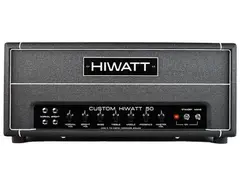
On 0:05 you can see a Marshall Plexi next to a Hiwatt Custom 50. On Instagram he wrote its a 50 Watt Mk2.

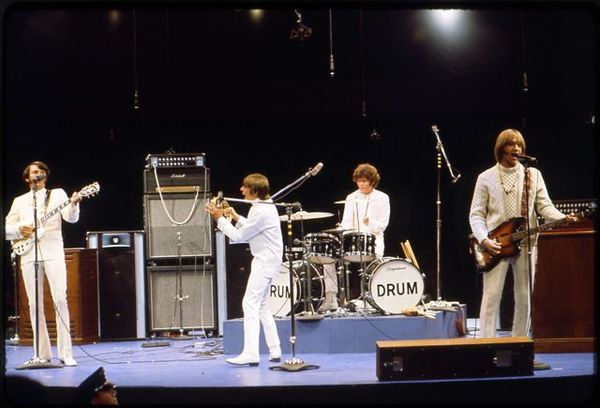
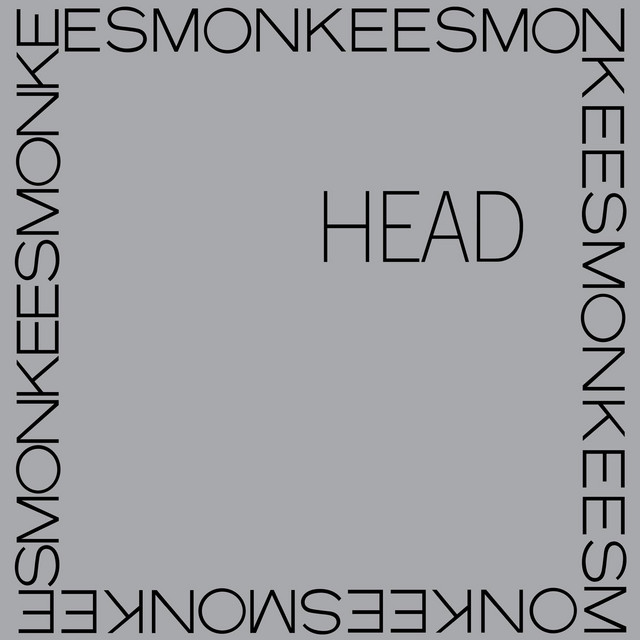
Seen here in 1968 during the filming of head


In this interview from Guitarist magazine, volume 2 number 11, April 1986 Steve says,
“I’ve got four amps. I use an old 50 watt Marshall, I use a Howard Dumble amp, which is a great amp. Those two don’t go on the road though, they’re like special, one of a kind things. I’ve got a Jim Kelly amp as well, which is great, and I’ve got a Fender Twin reverb amp that I got off Paul Rivera. Paul’s a really nice guy and really brilliant. He’s done a lot of work for me and he actually re-wacked the whole thing. In fact, he was in England and he picked up some special English parts – English transformers and some valves – and he converted it all to a lot of English stuff that he liked. It’s really good now. Those are the four amps I use, plus I even have a Super Champ, which I use for certain things, because there are so many applications. But all my amps are unusual, real customized, except for my Marshall – I think I only had one little mod done to that, but nothing drastic.“


At 48:40 in the "Derek Wells Studio Rig Rundown Guitar Gear Tour" video by Premier Guitar, Derek Wells is seen showcasing his Marshall 50 Watt Plexi amp head.


Graeme Naysmith of Pale Saints is shown using a 1968 Marshall 50 Watt Plexi amplifier in a guitar rig photo on Pinterest, curated by Daniel Brophy Music & DJ.

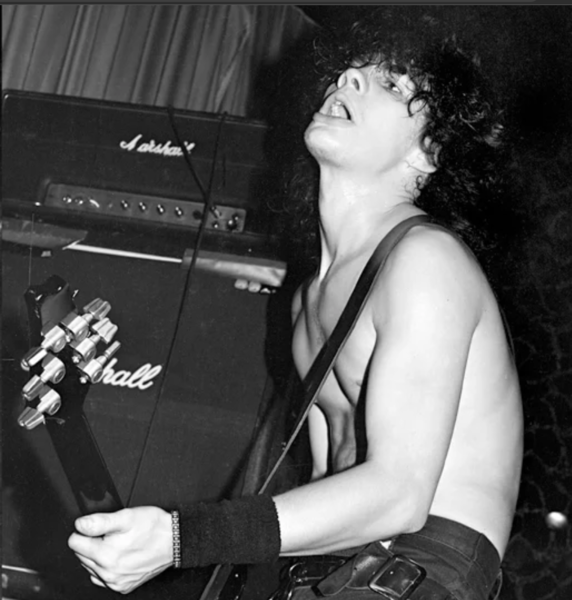
Album Usage
The Marshall 1968 50 Watt Plexi has been featured on the following albums:
Genre Usage
Based on how artists on Equipboard use this gear, it is most commonly found in the following genres.
Used With
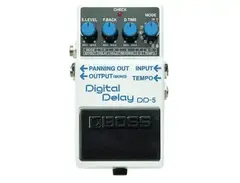
Based on how musicians on Equipboard use Marshall 1968 50 Watt Plexi, it is most commonly used with the following gear.


-s.webp?v=1784818687)


-s.webp?v=1784845261)
Similar
Add recommendation1 alternative for Marshall 1968 50 Watt Plexi, curated by the Equipboard community.

$179.99
The Line 6 Flextone has a model named "Brit Classic", which is described in its manual as being modeled after a "Marshall Plexi ... (ca. 1968)"
More Marshall Guitar Amplifier Heads

$1,282.00 - $1,999.99
in Guitar Amplifier Heads Rank


-m.webp?v=1784871794)
$1,699.00 - $2,899.99
in Guitar Amplifier Heads Rank


$720.00 - $2,449.99
in Guitar Amplifier Heads Rank


$600.00
in Guitar Amplifier Heads Rank


$2,022.80 - $3,199.99
in Guitar Amplifier Heads Rank


$2,199.99 - $2,299.99
in Guitar Amplifier Heads Rank


$1,216.00 - $1,999.99
in Guitar Amplifier Heads Rank


$1,074.00 - $2,199.00
in Guitar Amplifier Heads Rank


$1,111.00 - $1,799.99
in Guitar Amplifier Heads Rank


$888.00 - $1,349.99
in Guitar Amplifier Heads Rank


$1,999.99 - $7,900.00
in Guitar Amplifier Heads Rank


.jpeg?v=1784855195)
-m.webp?v=1784871528)
$1,599.00 - $2,299.99
in Guitar Amplifier Heads Rank


-m.webp?v=1784871696)
$2,199.00 - $3,199.99
in Guitar Amplifier Heads Rank


.jpg?v=1784782132)


$1,716.04
in Guitar Amplifier Heads Rank


$899.99
in Guitar Amplifier Heads Rank


$1,725.33
in Guitar Amplifier Heads Rank


$697.80
in Guitar Amplifier Heads Rank


$220.00
in Guitar Amplifier Heads Rank


$1,380.25
in Guitar Amplifier Heads Rank

$558.24
in Guitar Amplifier Heads Rank


$320.99
in Guitar Amplifier Heads Rank


$2,000.00
in Guitar Amplifier Heads Rank


$469.99 - $599.99
in Guitar Amplifier Heads Rank


$2,899.00

$1,880.00 - $2,899.99


$1,282.00 - $10,199.95


$2,199.00 - $2,899.00


$689.00 - $1,429.00


$1,698.83 - $2,299.99


$888.00 - $1,349.99


$888.00 - $1,349.99


Community setups


Gear Guides








Most Popular Guitar Amplifier Heads
Most Popular Brands
-
Added to Equipboard on by
 julianwolf2
GearIQ 13060
-


