

Pricing and availability
We compare 600+ stores and found this item at 1 store. Prices updated .
Store
Reviews
Price




Average Price: $9,552
High-end/Boutique
$500
$1501+
Price Tier
Budget
Standard
High-end
* Product prices and availability are updated by Equipboard every 24hrs and are subject to change. Equipboard may receive compensation for purchases made at participating retailers linked on this site. This compensation does not affect what products or prices are displayed, or the order of prices listed. For more information, please refer to our affiliate disclosure.
Description
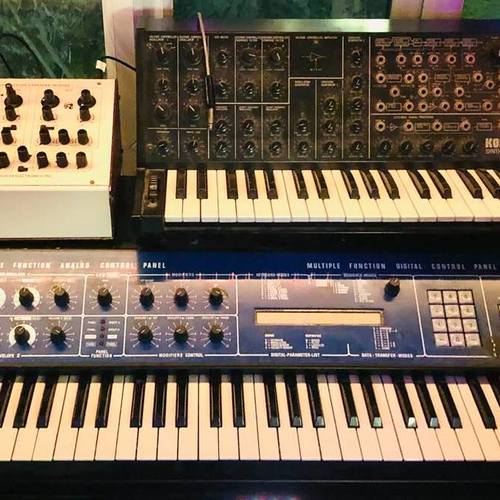
The PPG Wave 2.2 synthesizer is a timeless bridge between digital brilliance and analog warmth, heralding a new era in music production. With its unique wavetable synthesis and hybrid architecture, the Wave 2.2 offers a soundscape that inspired countless musicians and producers. Its distinctive blend of digital oscillators and analog filters allows for the creation of complex, evolving textures and tones that are as relevant today as they were in the '80s. Whether you're looking to recreate the iconic sounds of the past or forge new sonic territories, the PPG Wave 2.2 stands as a testament to innovation and quality in sound design.
Key Features:
- 16 oscillators per two voices for rich, layered sounds
- Unique wavetable synthesis for creating up to 8000 distinct waveforms
- Analog SSM-based filters for warm, musical tone shaping
- 8-voice polyphony for complex arrangements and textures
- Integrated 8-track sequencer for intricate compositions
- 21 parameter knobs for hands-on control over sound design
- Digital patch storage for preserving your sonic creations
Videos

RetroSound
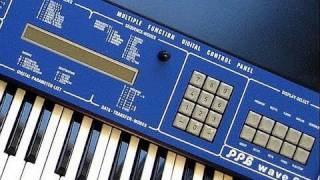
PPG wave 2.2 Wavetable Synthesizer 1982 - sound demo
PPG wave 2.2 Wavetable Synthesizer 1982 - sound demo
RetroSound
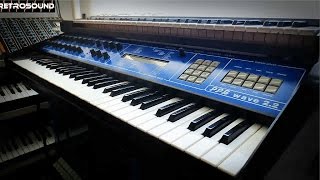
PPG wave 2.2 Synthesizer (1982) - RetroSound soundscapes - sound demo
RetroSound
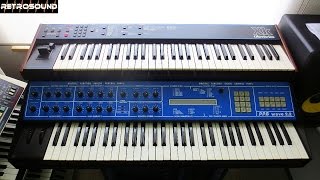
PPG wave 2.2 Synthesizer (1982) sound demo (Depeche Mode, Art Of Noise)
RetroSound
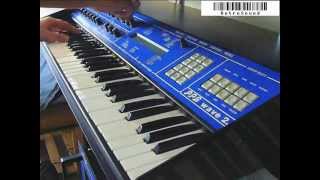
PPG wave 2.2 Synthesizer "Arpeggiator"
RetroSound
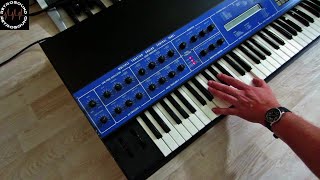
PPG wave 2.2 Wavetable Synthesizer (1982) The Pure Sound (no fx)
RetroSound
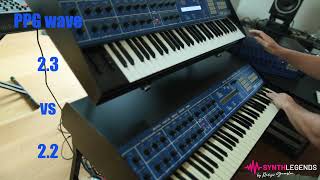
PPG wave 2.2 vs 2.3 are there any differences?

synthlegends
Reviews
Owner Insights
We analyzed real musician discussions from forums and Reddit to find what players love, question, and tweak about PPG Wave 2.2.
Features and functionality
-
Real-time scanning through the wavetable offers unique sonic possibilities, enhancing the PPG Wave 2.2’s sound range.
Source -
The PPG Wave 2.2's analog SSM filters provide a warm crunch, effectively complementing its digital elements.
Source -
The PPG Wave 2.2's internal sampling rate is 195312.5 Hz, contributing to its smooth sound compared to standard DSP approaches.
Source -
The PPG Wave 2.2 only changes the wavetable index on waveform period boundaries, ensuring zero crossings to avoid unwanted clicking noises during wavetable sweeps.
Source
Software and compatibility
Comparisons
User experience
-
The PPG Wave 2.2’s modulation retains the original's quirky and semi-broken characteristics, resonating with the nostalgic charm of early digital synthesis.
Source -
The PPG Wave 2.2's unfiltered waveforms are described as noisy and metallic, contributing to its unique sonic character, though they may sound monotonous if overused.
Source
Critic Reviews
Based on 0 Reviews and 0 Ratings
Artist usage
Add artist
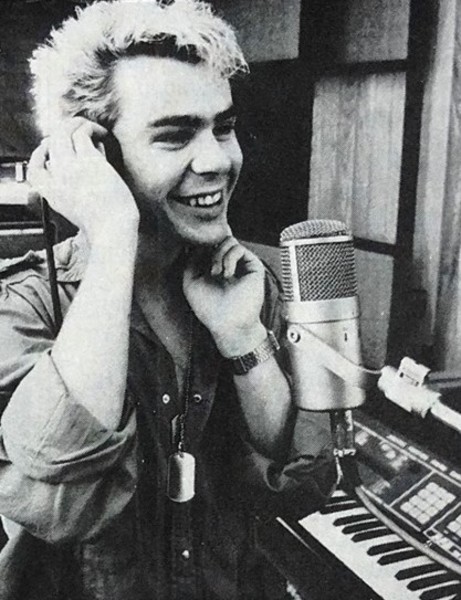
In this photo taken from International Musician & Recording World March 1984 issue, Nik Kershaw can be seen with a PPG Wave 2.2, though it's not mentioned in the article included. It was used for the main riff in "Wouldn't It Be Good", alongside the Yamaha DX7.


As per this article, Dave Greenfield mentions owning a PPG Wave 2.2 synth. It replaced the Hammond organ and piano.
"No... I like [Hammonds] — but on the road it's a hassle for the crew, they take a lot of room up on stage, and they have a tendency to let you down. With the [PPG] Wave, I can get a pretty close sound to the two I used to use on the Hammond — a very percussive, sharp sort of sound, and quite a good Leslie effect... though I never had a Leslie to begin with... Obviously it's not possible to speed up or slow down the 'Leslie', but aside from that, it's remarkably close."

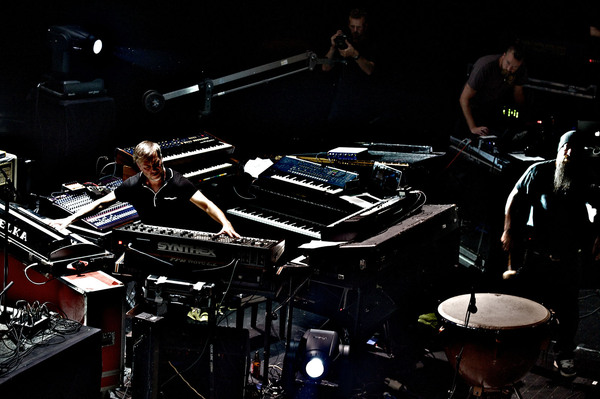
You can see the Wave 2.2 beneath the Elka Synthex.


At 1:15, a PPG Wave 2.2 can be seen in Martin's studio.

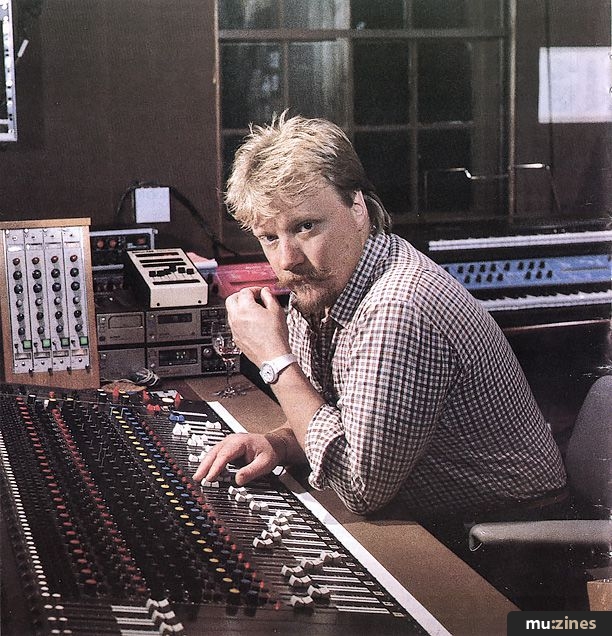
From 1985 Sound on Sound interview, which describe his studio (Havoc House).
Alongside the walls are purpose made tables supporting the array of synthesizers: a PPG Wave 2 and a Wave 2.2 complete with the Waveterm computer, a DX7, a Linn LM2, an Emulator and some elderly keyboard instruments of indeterminate vintage. The synths are connected to the main desk patchfield via a sub-field dedicated to ancillaries. MIDI wiring is strung around as the production requires it.

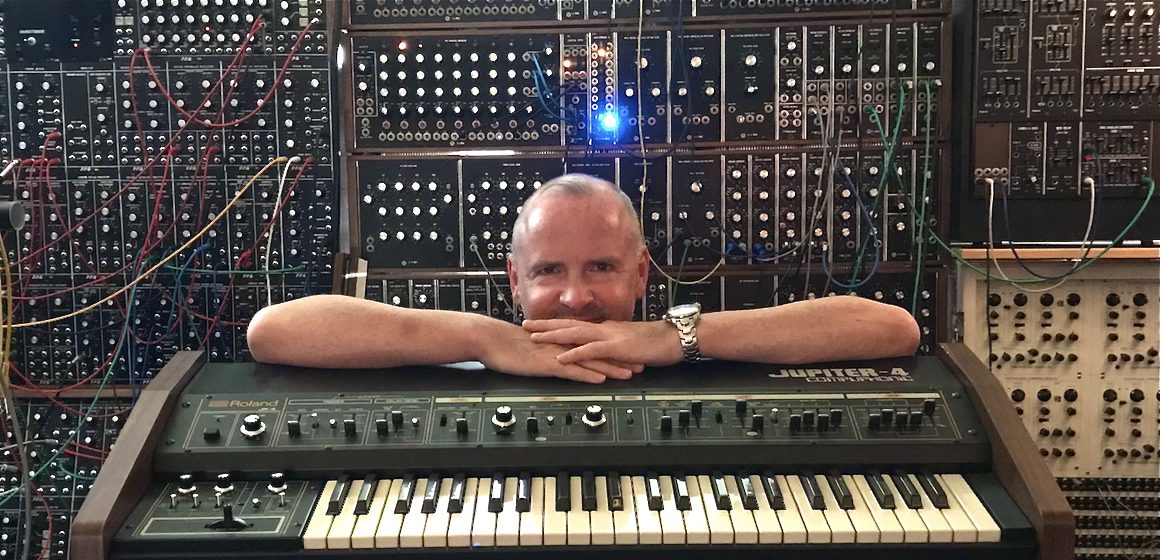
Seen in a picture of Thomas Heckmann's studio

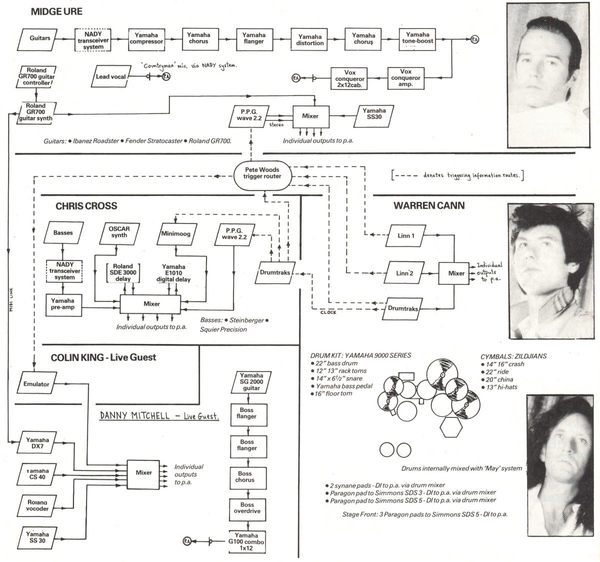
Chris Cross used a PPG Wave 2.2 on stage with Ultravox, according to the January 1985 issue of International Musician.

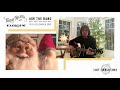
In a video from "Friday Nights with Europe," Gunnar Mathias Michaeli confirms that the synth used for the pad sounds in "The Final Countdown" was a PPG Wave 2.2. However, during live performances, these pad sounds were played using a Roland JX8P, which is likely the same synth used to record the fanfare riff for the song. This information was shared in response to a fan question on the YouTube channel Europe Fan Media Corner on December 17, 2021.

In the image provided in the provided link, Stuart Neale is pictured using both the Roland Jupiter-8 Synthesizer as well as the PPG Wave 2.2.

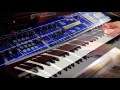
video of Firechild performing on the PPG Wave 2.2 in his studio


In this interview, Patrick O’Hearn mentions the PPG Wave 2.2 as being among the synthesizers he uses.


Album Usage
The PPG Wave 2.2 has been featured on the following albums:

Lament (2024 Steven Wilson Mix)
Ultravox & Tigerlily (2024)

Hyperdrama
Justice (2024)
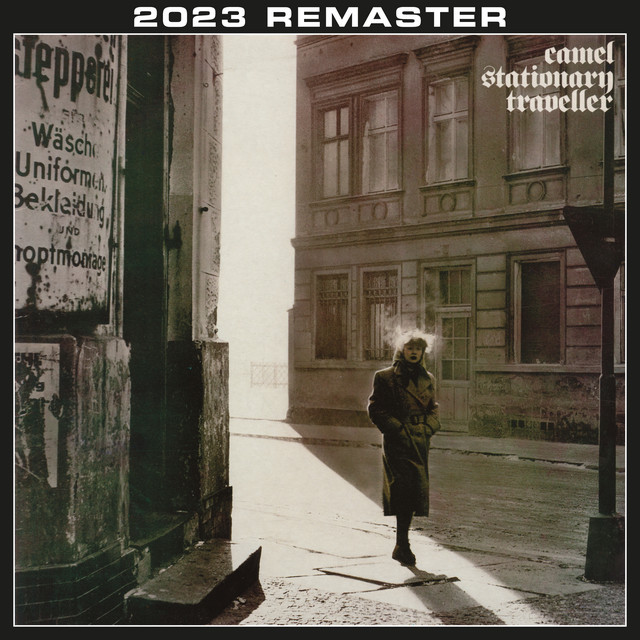
Stationary Traveller (2023 Remastered & Expanded Edition)
Camel (2023)
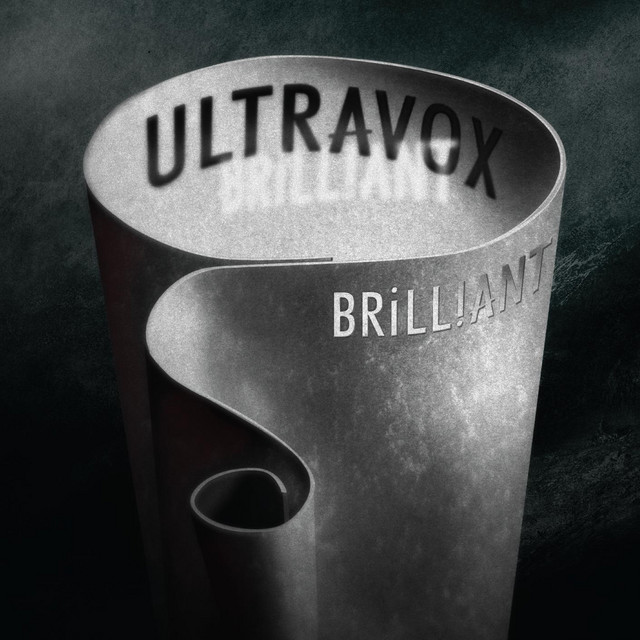
Brilliant
Ultravox & Tigerlily (2012)
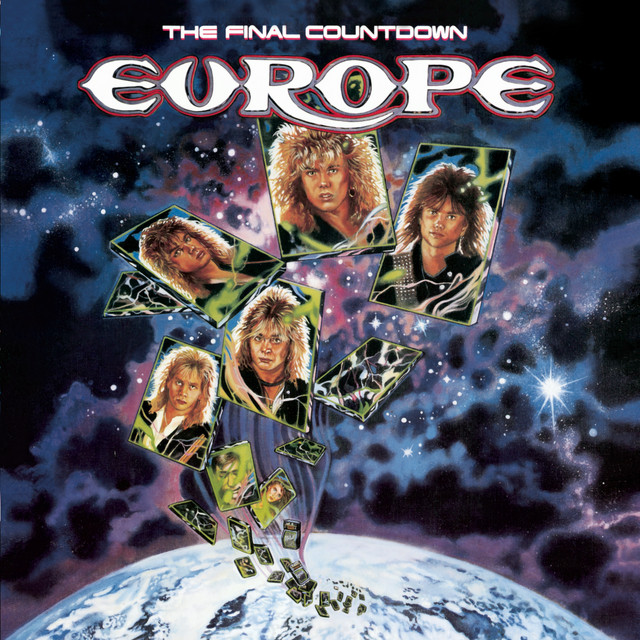
The Final Countdown (Expanded Edition)
Europe (1986)
Songs From The Big Chair
Tears for Fears (1985)
Hunting High and Low
A-ha (1985)
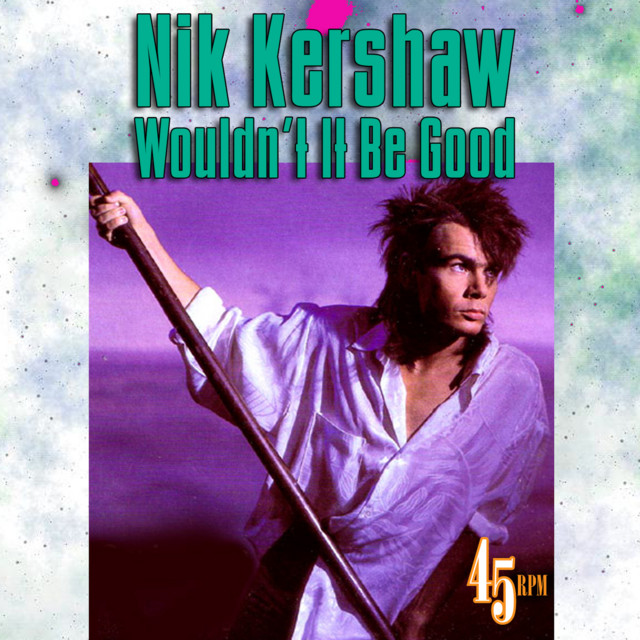
Wouldn't It Be Good
Nik Kershaw (1984)
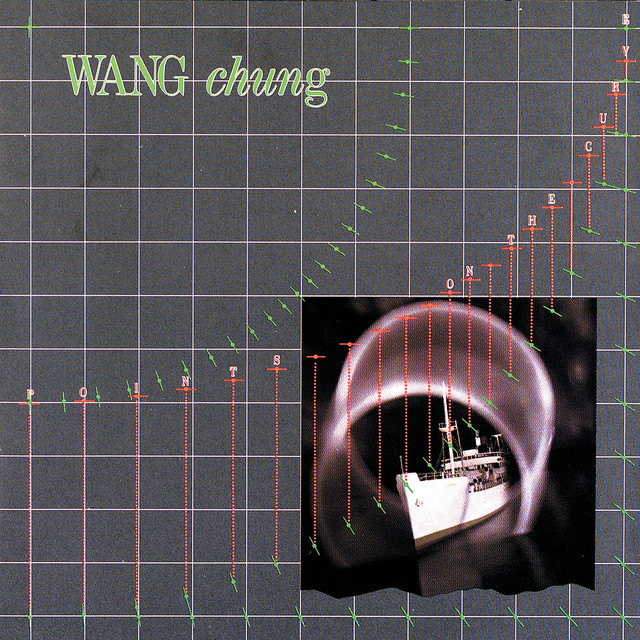
Points On The Curve
Wang Chung (1984)
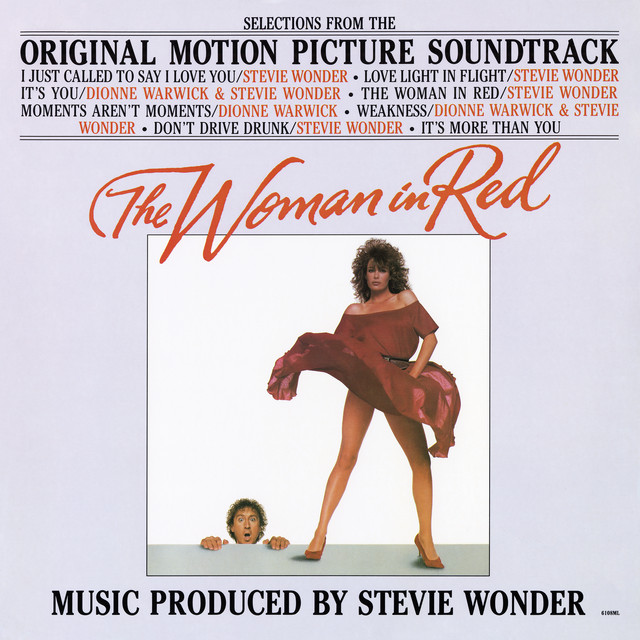
Selections From The Original Soundtrack The Woman In Red
Stevie Wonder & Dionne Warwick (1984)
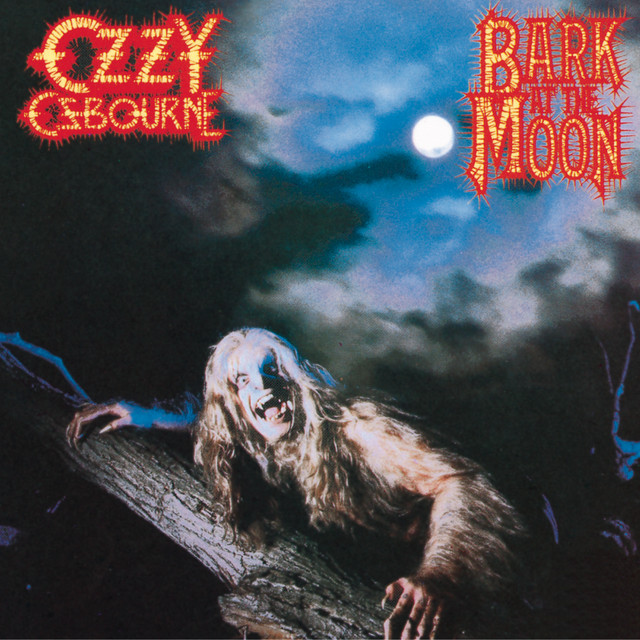
Bark At The Moon (Expanded Edition)
Ozzy Osbourne & Ozzy Osbourne (1983)
Genre Usage
Based on how artists on Equipboard use this gear, it is most commonly found in the following genres.
Used With
Based on how musicians on Equipboard use PPG Wave 2.2, it is most commonly used with the following gear.


Community setups
Show yours
More PPG Synthesizers


$3,283.92 - $3,499.99
in Synthesizers Rank


$469.00 - $699.99
in Synthesizers Rank


$19,535.25
in Synthesizers Rank


$999.00 - $1,084.00
in Synthesizers Rank


$3,216.54 - $3,590.00
in Synthesizers Rank


-m.webp?v=1783177119)
$1,200.00
in Synthesizers Rank


$439.00 - $549.00
in Synthesizers Rank
.jpg?v=1783265555)

-m.webp?v=1783292131)
$388.00 - $579.99
in Synthesizers Rank


$752.32 - $2,398.00
in Synthesizers Rank


$279.00 - $349.00
in Synthesizers Rank


$2,000.00
in Synthesizers Rank


$411.00 - $699.99
in Synthesizers Rank


$2,432.00 - $2,870.95
in Synthesizers Rank


$1,470.85 - $1,899.00
in Synthesizers Rank


$299.29 - $652.00
in Synthesizers Rank


$385.00 - $530.00
in Synthesizers Rank


$1,361.33 - $1,839.99
in Synthesizers Rank


$220.00 - $749.99
in Synthesizers Rank


$493.48 - $899.99
in Synthesizers Rank

$279.00 - $449.99
in Synthesizers Rank


$278.85 - $1,763.18
in Synthesizers Rank


$57.95 - $495.44
in Synthesizers Rank


$325.00 - $1,332.49
in Synthesizers Rank

-m.webp?v=1783255096)
$1,709.10 - $1,944.00
in Synthesizers Rank


$397.06 - $699.00
in Synthesizers Rank


$499.99 - $719.99
in Synthesizers Rank


$309.99 - $915.00
in Synthesizers Rank


$3,999.00 - $4,999.00
in Synthesizers Rank


$1,469.00 - $2,159.99
in Synthesizers Rank
.jpeg?v=1783244343)

$290.00
in Synthesizers Rank


$479.99 - $1,099.00
in Synthesizers Rank

$166.00 - $299.00
in Synthesizers Rank


$627.41
in Synthesizers Rank


$385.00 - $529.99
in Synthesizers Rank


Accessories & Related Items



Similar


Gear Guides









Most Popular Synthesizers
Most Popular Brands
-
Added to Equipboard on by
 miggityfriggity
Gear IQ 5535
-


