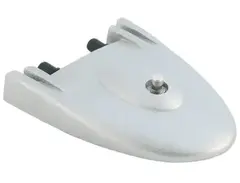

Pricing and availability
We compare 600+ stores and found this item at 2 stores. Prices updated .
Store
Reviews
Price




Average Price: $355
High-end/Boutique
$60
$181+
Price Tier
Budget
Standard
High-end
* Product prices and availability are updated by Equipboard every 24hrs and are subject to change. Equipboard may receive compensation for purchases made at participating retailers linked on this site. This compensation does not affect what products or prices are displayed, or the order of prices listed. For more information, please refer to our affiliate disclosure.
Description
The OCTAVIA is probably our most famous and distinctive creation. This guitar effect was designed in early 1967 and featured on "Purple Haze" and "Fire" by Jimi. It's unique tones can also be heard on such tracks as "One Rainy Wish", "Little Miss Lover", "Little Wing", "Machine Gun" etc.
The OCTAVIA produces a sound that is an octave higher than the note you are presently playing. This doubling effect is accomplished through electronic mirror imaging techniques that are program sensitive and also respond to the feedforward inputs of the player. The electronic circuitry is analogue in design and will react faithfully to all the subtleties and harmonic overtones from the guitar. The effect produced is very unique but human in quality. The unit that is manufactured today is representative of the latest evolution of Octavia that Jimi used and contains the feedforward and gating effect that my earlier evolutions lacked. The modern clones today often copy the Tycobrahe unit that in fact was a rip off of my earlier 24 volt versions. These units were not designed to work optimally with 9 volts and in fact you would be buying a clone of a copy so it makes sense to buy a unit from the man who invented it.
Electronically the OCTAVIA is an analogue circuit with the properties of a frequency doubler, envelope generator and amplitude modulator with addition frequency shaping filter circuits. The effect produced is subtle to wild depending on the settings used and will respond to the attack of the player. A clean tone from the guitar with say the tone rolled control rolled off will produce "ring modulated" overtones that characterise the solo to "Who knows". The sound is tangibly different if a fuzz unit is in front of the Octavia: an upper octave double is created, clearly demonstrated in the solo to "Purple Haze". The bright harmonics are more controllable if the neck pickup is selected and the tone control set to roll off the treble. The effect really comes into it's own on the top E and B strings from the 7th fret up. A clean and precise picking style is essential with particular attention to accurate fretting techniques.
Jimi placed the Octavia after a fuzz and wah unit in most cases so it would react to the combined effects of both the wah and one or more fuzz boxes. It is important to experiment with how much signal you are driving the Octavia with as this has a great influence on the sound produced.
OCTAVIA / OCTAVIO HISTORY AND DEVELOPMENT
[https://www.roger-mayer.co.uk/pictures/octavio.jpg]
ROGER MAYER WEDGE SHAPED OCTAVIA/OCTAVIO 1968-1969 MODEL SHOWN ABOVE:
There is a lot of misinformation out there on the web and on the forums with all kinds of people claiming to make a better clone that this one or the other. If you want the truth and are interested to know please read on and learn the truth from the man who invented the Octavia / Octavio. First thing to clear up is why two names Octavia and Octavio. The answer is simple I always called the boxes Octavia but Jimi and a few others called them Octavio. The boxes were never labelled by me and the exhibit in the EMP Museum in Seattle has been labelled by someone else to read Octavio (SEE PHOTOS OF EMP EXHIBIT ABOVE).
I would like to take this opportunity to set Octavia history straight once and for all.
1.The Octavia / Octavio sound was first heard on record in the solo of "Purple Haze" and this solo was recorded on Feb 3rd 1967. I first met Jimi on Jan 11th 1967.
The actual Octavia used on these first recordings did not have the same circuit, type of transformer or enclosure the wedge shaped pedal in Hendrix display EMP has, as this exhibit was manufactured at least 20 months later. It did however use elements of an electronic configuration that could be considered pivotal. This first unit can be considered as Octavia Evo1.
This Evo1 unit used germanium transistors and a ferrite transformer and also had limited drive capabilities. It was used in the recording of "Purple Haze" and "Fire" with another custom driver in a separate enclosure that also used germanium transistors. This driver was placed in front of Evo1 to give enough drive and extra EQ to satisfy Jimi and produce the sound you hear on the recordings.
After the Purple Haze / Fire session recordings Evo 1 was never used again in it's original form and I consigned it to the trash bin.
It then became obvious that both a driver section and the Octavia section should be combined into one box.
The path of development and understanding through experimentation by Jimi and I was continuous and fast like in F1 Motor Racing and in the space of less than a year at least 15 variations and evolutions had been produced.
These units were used by Jimi and not housed in a wedge shaped box. Some only had a life of a week or so as we both learned and experimented and moved on. It can be thought of as racecar development throughout a season. Maybe the same chassis configuration but lots of component changes.
Later in 1967 after we began recording sessions for the second album "Axis Bold as Love" which used the latest evo of Octavia on several tracks and if you listen carefully the clarity and detail of the Octavia effect was much more defined. Of course at the same time I was updating, building and customising the distortion units to compliment the latest evo of Octavia being now used.
At the end of 1967 I designed the wedge shaped enclosure that was manufactured by my fathers electronic company and only 5 or so examples were made.
The latest evo of the Octavia were then housed in these new wedge enclosures and still used germanium transistors and ferrite transformers. They however had a DPDT foot switch which the previous versions did not have which were primarily designed for studio work and not suited for touring.
Visually the first wedge boxes used different knobs than the example in the EMP Museum and this identifying factor makes indentification easy to see which series of pedals they are without even looking inside for confirmation..
I went on tour to the USA with Jimi from Jan 30th 1968 until April 19th 1968 where the first wedge shaped Octavia was used on a few special gigs. We did not use it everyday owing to fact they custom made and could not be replaced as I was on tour as well. Having gear stolen from the stage was a real problem every night. We never lost an Octavia though. Jimi and I kept the Octavias save with us at all times.
After the winter 68 tour in the USA I returned to work at Olympic Studios having left the Admiralty Research Laboratories to start a new career designing and manufacturing recording studio consoles and associated outboard equipment. I of course still kept in close contact with Jimi and the Octavia development continued on. I was also meeting lots of other famous musicians and bands that came to the Olympic Studios who also expressed a desire to have access and own an Octavia example.
It became obvious that a more rugged type of Octavia using silicon transistors and iron type audio transformer would be needed for rugged stage use. The use of low noise silicon transistors was an improvement in temperature stability over the germanium type. The iron laminations construction of the audio transformer did not have the high frequency detail of ferrite type but overall construction was more rugged and not subject to breakage from dropping. Ferrite core material can be damaged more easily than iron laminations.
At the end of 1968 I decided to build a limited run of 5 or so Octavias and 5 Distortion Pedals all housed in the wedge enclosure.
EMP and Tychobrahe derived clones. All the clones I know come from this later series of pedals. This latest series Octavia configuration used a driver section comprising of complimentary NPN PNP low noise silicon transistors driving a commercially obtained iron audio driver transformer. The biasing used for these units were also varied to provide evos that were designed for up to 24V operation for recording studio work to a version that would use an internal 9 Volt battery. This series of pedals used the type of knobs you can observe on the EMP example.
These units were completed in early 1969 and went to guitar players like. Syd Barrett - Pink Floyd Steve Marriot - Small Faces, Peter Frampton - Small Faces. Keith Relf - Yardbirds and Jimi of course.
In May 1969 I went to live in New York City with my new married American wife and started Roger Mayer Electronics building and designing studio equipment. I also had taken a few of the remaining 10 pedals with me to New York. I of course was still in contact with Jimi and the development of the Octavia continued. The aim now was to get rid of the transformer altogether and Jimi and I got together at the Record Plant and Hit Factory to play with the latest evos and distortions I was developing.
After Christmas 1969 I get a call from Jimi saying he needs an Octavia for his upcoming gig News Years eve at the Fillmore East as all his ones were gone missing. Luckily I had an Octavia and distortion left from the 10 I had made earlier that year and took these to rehearsal for the "Band of Gypsys" concert. The results can be heard on the album on tracks such as Machine Gun etc.
1970 saw Jimi really busy but I still caught up with him in the studio and showed him the latest version of the Octavia and new devices coming along when he visited New York.
In October 1970 whist working with Stevie Wonder at Media Studios I hear of Jimi's death. The session was immediately cancelled and everybody was very sad.
The Rocket version of the Octavia is the latest version connected with Jimi and does not use a transformer but represents the last of the development program helped and inspired by Jimi.
This is the reason I have never myself made a replica wedge box or indeed ever claimed that the Rocket Box was used was on "Purple Haze" or "Fire". The wedge box EMP has was never used on these records and was made at least 20 months after the fact. A wedge box made in 1969 was used at the BOG concert but was not exactly the same as the EMP one.
The spirit of the Octavia sound lives on and the latest version the Vision Octavia is an evolution inspired by my memories of Jimi and his music .It is a version I believe Jimi would have loved.
The Tychobrahe clone or more correctly put innaccurate copy was based on a 1969 variation of Octavia for 24 Volt operation and this type was copied from the example Keith Relf had.
So the fact is I think if you want the best and most versatile Octavia sound buy a new Rocket or Vision Octavia because if in my opinion I believed the transformer version was better I would surely be still be using them today. I would obviously reissue my own design if that were the case. By definition a clone is an actual replica of the original not some copy made from a circuit drawing found on the web and of dubious origin. I will never reveal the inaccuracies I have found in the web published schematics and all the clones are not clones but copies with basic flaws.
"ANYWAY YOU LOOK AT IT I DESIGNED THE ORIGINAL"
END OF STORY
"THOSE WHO CAN INVENT DO"
"THOSE WHO CAN'T INVENT COPY"
Product specs
| Brand | Roger Mayer |
| Model | Octavia Rocket Series Fuzz |
| Finish | Gray |
| Year | 2010s |
| Made In | United Kingdom |
| Categories | Octave and Pitch-Shifting Pedals |
FAQs
-
What unique sound does the Roger Mayer Rocket Series Octavia produce?
-
The Roger Mayer Rocket Series Octavia creates a distinctive octave-up effect, adding a higher octave to your guitar signal. This effect is known for its mirror imaging technique, providing a unique, fuzz-driven sound that is ideal for psychedelic and experimental music styles.
-
Is the Roger Mayer Rocket Series Octavia suitable for live performances?
-
Yes, the Roger Mayer Rocket Series Octavia is designed to deliver consistent performance in live settings, offering robust construction and reliable octave fuzz effects that cut through the mix, making it a great choice for live gigs.
-
How does the Roger Mayer Rocket Series Octavia differ from other fuzz pedals?
-
Unlike standard fuzz pedals, the Roger Mayer Rocket Series Octavia incorporates an octave-up effect, creating a richer and more complex sound. This pedal is renowned for its ability to produce the iconic tones used by legendary guitarists like Jimi Hendrix.
-
Can the Roger Mayer Rocket Series Octavia be used with a bass guitar?
-
While primarily designed for electric guitars, the Roger Mayer Rocket Series Octavia can be used with bass guitars, though the octave effect may produce varying results depending on the frequency range of the bass.
-
What power supply does the Roger Mayer Rocket Series Octavia require?
-
The Roger Mayer Rocket Series Octavia typically requires a standard 9V power supply, commonly used with most guitar pedals, ensuring easy integration into your existing pedalboard setup.
Videos

fuzzz
Roger Mayer Octavia Rocket FX
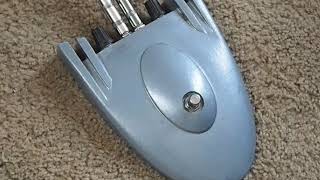
Roger Mayer Octavia Rocket FX
fuzzz
Reviews
PROS
-
Covers a wide range of fuzz sounds with just two knobs
-
Unique high-gain octave fuzz tone not replicated by digital effects
-
Pairs well with other pedals for enhanced soundscapes
-
Historical pedigree; same maker as Hendrix's original pedal
-
Limited edition status adds to its uniqueness
-
Analog octaver provides distinct, vintage fuzz sound
-
Rocket enclosure design is visually appealing
CONS
-
Not pedal board friendly due to size and design
-
Lacks external control for precise octave adjustments
-
Plastic shafts in pots may lead to durability issues
-
Repair process is costly and limited to specific technicians
-
Some users find the sound doesn't justify the price compared to alternatives
Owner Insights
We analyzed real musician discussions from forums and Reddit to find what players love, question, and tweak about Roger Mayer Rocket Series Octavia.
Features and functionality
Comparisons
-
The Dunlop Octavio has a larger footprint, can only be powered via battery, and is discontinued, whereas the Roger Mayer version is smaller and pedalboard-friendly.
Source -
The Vox Trike Fuzz provides a unique sound with switchable octave settings up, down, or both, but lacks an off setting and has a distinctive aesthetic.
Source
User experience
Setup and maintenance
-
Achieving the desired tone requires careful adjustment of guitar, pedal, and amp settings; when dialed in correctly, the sound is notably exceptional.
Source
Use cases and applications
-
The Octavia's fuzz-only mode delivers a unique tone that is distinct from other fuzz pedals, appealing to those seeking a different sound palette.
Source -
Earthquaker Devices Fuzz Master General excels in silicon and germanium modes with a clean octave/ring mod setting, enhancing its compatibility with other fuzz effects.
Source
4.5 out of 5
Based on 3 Reviews and 11 Ratings
46
Buyer Beware: Roger Mayer Octavia Classic
I'll sum this up as quickly as possible. A good portion of his pedals use plastics shafts in the pots. In addition, many of his designs are difficult to repair and need this one repair man in the eastern USA to fix them. My pedal, the Roger Mayer Octavia Classic, has a dual layer board which they insist is difficult to repair if not impossible for me because of that. This is for a 100k Log B Omeg pot. I asked for the costs to repair and here's the break down. Roger will not cover anything in regards to Pots. It's $25 for the pot, $60-$70 for the repair/bench fee, you have to ship it there and back which for me is about $20-$30 to do so. That total comes out to $125-$145 to repair a $300 pedal that didn't make it more than a year and was used a handful of times at best. Omeg makes his "custom" pots. He believes they offer better "audiophile qualities" and never break. On top of that I was told his very expensive Vision Wah breaks more often and is difficult and costly to repair. That's $600-$700 pedal. The repair guy is fine to work with, but I would never work with Roger in any capacity after this experience. Plastic pots on top of a pedal that gets stomped on is a recipe for disaster. I'm going to see if the store will take it back. I have two other Octavia's, a Foxy Tone Box and a Tychobrahe that I don't have to caudle like a newborn. What waste of time and money. Hopefully this helps you to make better choices then I did.

41031
I don't get what all the fuZZ is about
I know Roger supposedly invented octave fuzz but the version I had in the spaceship case didn't do a whole lot for me... I actually prefer the Hendrix branded Dunlop ones. I just couldn't get next to this... of course, its my understanding that there's nothing on the market including this Mayer pedal that bares any resemblance to the ones he made for Jimi in the 60s... whatever. Mayer charges a lot for his name and his spaceship housings and what you get is no better than something cheaper in a practical, MXR-sized box.
Artist usage
Add artist
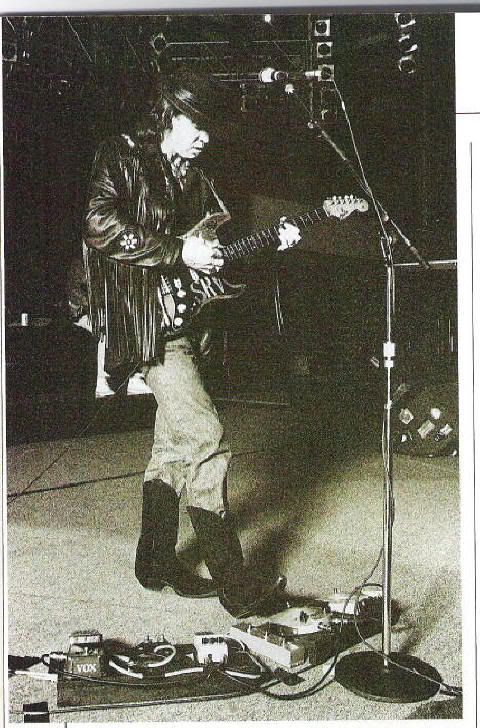
The Octavia can be seen on the very end of his pedal chain (far left).


The Roger Mayer Octavia pedal can be seen on Kevin Shields pedalboard at 00:06 in this video interview.


In 2005, Buckethead used the Roger Mayer Rocket Series Octavia fuzz pedal, as evidenced by a photo on Photobucket.


This article lists the Roger Mayer Octavia among the gear Scott Holiday uses.


"On the left is the Dunlop univibe speed controller, next is a Dunlop 535Q wah. Then my ts9/808, then an old TS-808. Roy is holding a Line 6 delay pedal. Next is a Roger Mayer Octavia. The other box is a switchbox or "snuff box" which allows KWS to kill the guitar signal to the amp and send it to the tuner only."

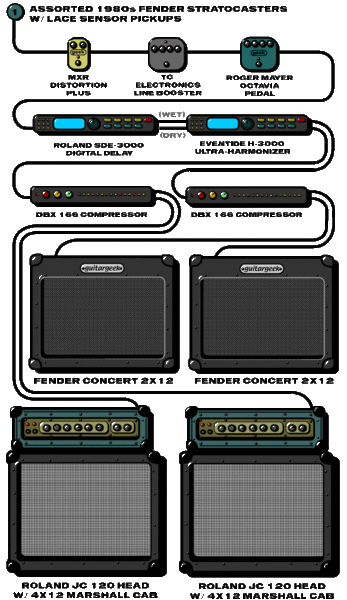
According to Guitar Geek's rig diagram, Bob Mould uses a Roger Mayer Octavia pedal.

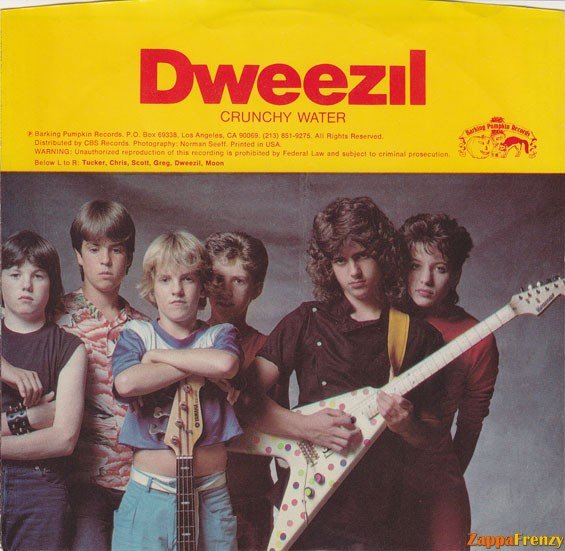
"I used a lot of the same rack effects and a few pedals too including an old 60s Octavia and Fuzz Face. The main guitar I played at that time was a Purple Ernie Ball Van Halen model guitar."

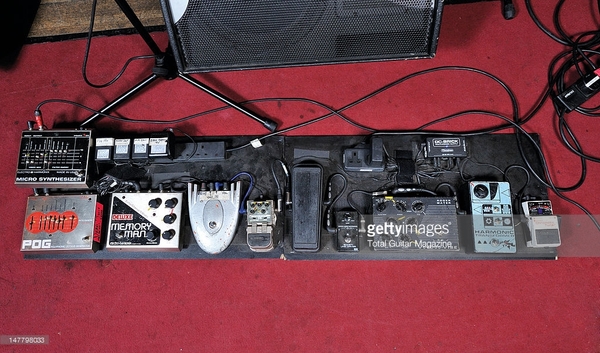
Roger Mayer Octavia can be seen on this photo of Pizzorno's pedalboard.

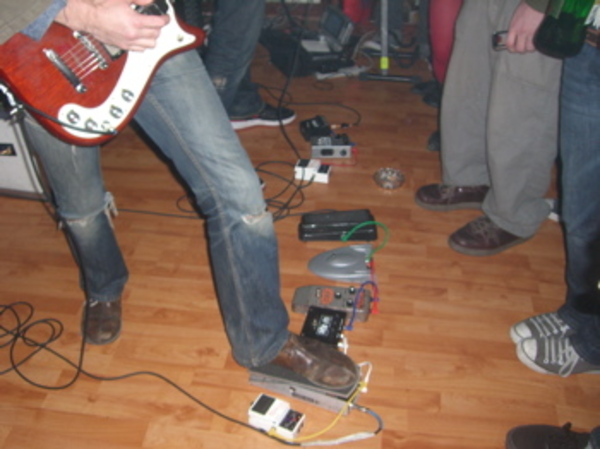
It's the spaceship looking pedal in the center of the image.

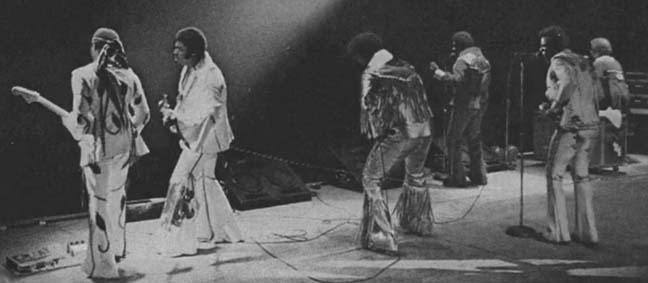
Famously used on "That Lady", as documented on the Big Muff Users section of Kit Rae's Big Muff Page.
A year after that, the funk/soul scene was hammered with the famous solo from the Isley Brothers hit, (Who's) That Lady, played to perfection by Ernie Isley. There are various accounts of what was actually used in the studio, some sources state it was recorded directly into the mixing board with a Strat and Roger Mayer Octavia, but other sources state it was a Big Muff and Maestro Phase Shifter, and Ernie also used a Big Muff and a Maestro Phase Shifter when playing it live throughout the 1970's (the modulation on the record actually sounds identical to the Maestro too).
(the signal) goes through a Cry Baby wah-wah, a Big Muff fuzz, a Maestro Phase Shifter, and an Octavia made by Roger Mayer. - Ernie isley from Guitar Player, September 1981


Sometimes I’ll add another pedal to my board, like an Octavia [by Roger Mayer], just for feedback.


Featured in Fuzz: The Sound That Revolutionized the World at 43:32.
Kurt Wolf, when he was in Pussy Galore, he used one of these and so then I went and got one and used it in Boss Hog later on. And these are great because when you on it, it's like [imitiates wooshing fuzz sound] like a car, like a rocket taking off (and it actually looks kinda like it) and a car screeching, y'know, it's like, got a really great, it's got a nice volume boost and like [imitiates wooshing fuzz sound], y'know like... [starts playing fuzzed guitar]
Album Usage
The Roger Mayer Rocket Series Octavia has been featured on the following albums:
Genre Usage
Based on how artists on Equipboard use this gear, it is most commonly found in the following genres.
Used With
Based on how musicians on Equipboard use Roger Mayer Rocket Series Octavia, it is most commonly used with the following gear.


-s.webp?v=1784905089)



Similar
Add recommendation4 alternative and related items for Roger Mayer Rocket Series Octavia, curated by the Equipboard community.

$399.00

$399.00
An identical circuit to the Rocket ship, the Octavia Classic adds an additional tone knob.


More Roger Mayer Fuzz Effects Pedals





$169.00 - $188.20
in Fuzz Effects Pedals Rank
-m.webp?v=1784905243)
$179.00 - $209.00
in Fuzz Effects Pedals Rank


$189.00
in Fuzz Effects Pedals Rank


$75.00 - $96.20
in Fuzz Effects Pedals Rank


$220.00 - $249.00
in Fuzz Effects Pedals Rank

.jpeg?v=1784860561)


$179.00
in Fuzz Effects Pedals Rank


$296.00
in Fuzz Effects Pedals Rank


$83.00 - $169.00
in Fuzz Effects Pedals Rank


$199.00 - $224.42
in Fuzz Effects Pedals Rank


$159.00 - $181.00
in Fuzz Effects Pedals Rank


$83.00 - $101.60
in Fuzz Effects Pedals Rank


$178.72 - $219.00
in Fuzz Effects Pedals Rank


$85.00 - $108.90
in Fuzz Effects Pedals Rank


$79.00 - $108.90
in Fuzz Effects Pedals Rank


$300.00
in Fuzz Effects Pedals Rank

$75.00 - $87.10
in Fuzz Effects Pedals Rank


$59.00 - $83.50
in Fuzz Effects Pedals Rank


-m.webp?v=1784905160)
$169.00 - $179.99
in Fuzz Effects Pedals Rank


$249.00 - $299.00
in Fuzz Effects Pedals Rank


$95.00 - $2,001.63
in Fuzz Effects Pedals Rank

$95.00 - $99.00
in Fuzz Effects Pedals Rank
-m.webp?v=1784905144)
$88.62 - $111.00
in Fuzz Effects Pedals Rank
Community setups


Gear Guides
.jpg)





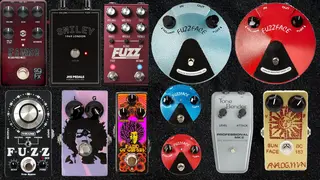
Most Popular Fuzz Effects Pedals
Most Popular Brands
-
Added to Equipboard on by
 julianwolf2
GearIQ 13060
-


