

Pricing and availability
We compare 600+ stores and found this item at 3 stores. Prices updated .
Store
Reviews
Price




Average Price: $433
High-end/Boutique
$60
$181+
Price Tier
Budget
Standard
High-end
Price History
Based on price data from 2 merchants for "Ampeg Scrambler SC-1". Prices shown reflect NEW condition. Tracking began Apr 2, 2026.
* Product prices and availability are updated by Equipboard every 24hrs and are subject to change. Equipboard may receive compensation for purchases made at participating retailers linked on this site. This compensation does not affect what products or prices are displayed, or the order of prices listed. For more information, please refer to our affiliate disclosure.
Description
Unleash your inner rockstar with the Ampeg Scrambler, a staple fuzz/distortion pedal in the musical world. Stepping into the effects realm in the late 1960s, Ampeg offered this sonic gem as a compliment to their amplifier line, making it a go-to choice for musicians seeking that iconic fuzz sound. With its straightforward controls, the Scrambler allows you to dial in your desired tone with ease and precision.
Key Features:
- A treasured fuzz/distortion pedal dating back to the late 1960s
- Reissued in 2005, bringing vintage tones to the modern era
- Simple two-control design, making it user-friendly and easy to manipulate
- Makes a perfect pair with Ampeg's amplifier line
Videos

Vintage Stompboxes
Ampeg Scrambler
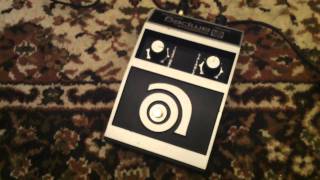
Ampeg Scrambler
Vintage Stompboxes
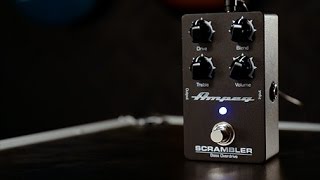
Ampeg Scrambler Bass Overdrive Pedal

Guitar Center
Ampeg Scrambler Bass Overdrive Pedal Demo

Sweetwater
Ampeg Scrambler Bass Overdrive | Reverb Demo Video

Reverb
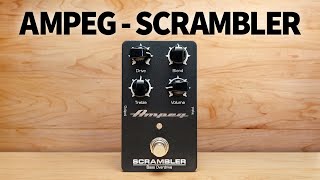
Ampeg - Scrambler Bass Overdrive

Bass Stuff
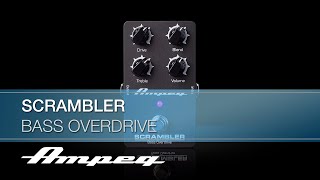
Ampeg | Scrambler Bass Overdrive pedal | Demo

Ampeg
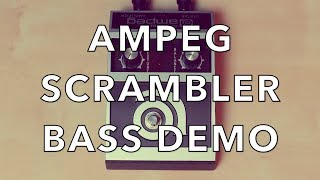
AMPEG SCRAMBLER BASS DEMO

Bassklasse
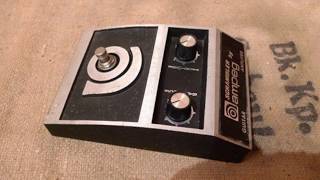
Pedal Demo: 1969 Ampeg Scrambler | Southside Guitars

Southside Guitars
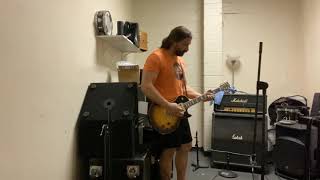
Ampeg Scrambler Fuzz with Marshall

vaughn6668
Reviews
Owner Insights
We analyzed real musician discussions from forums and Reddit to find what players love, question, and tweak about Ampeg Scrambler SC-1.
Features and functionality
-
The Ampeg Scrambler SC-1 is a low/mild gain overdrive, not designed for heavy, grinding distortion; ideal for subtler tonal applications.
Source -
The blend knob on the Scrambler allows for mixing the original and overdriven signals, providing a more versatile sound, especially useful for bass players.
Source
Setup and maintenance
-
Some users found that adjusting an internal jumper, used for active/passive basses, affects performance; this may address perceived issues with passive basses.
Source
Use cases and applications
-
For those seeking a classic Ampeg "grind," it may require boosting the signal with another pedal, such as a compressor or EQ, to achieve desired output.
Source -
The Scrambler excels at adding harmonics to bass without drastically changing the original tone, making it ideal for subtle yet meaty sound enhancements.
Source
Comparisons
-
Pairing the Scrambler with a TC Electronic Spark booster can significantly enhance its crunchiness, providing a more aggressive sound profile.
Source -
The Scrambler OD is preferred for bass due to its blend knob, which retains the original sound while adding harmonics, unlike the Catalinbread SFT, which significantly alters the tone.
Source
Value and pricing
-
Consider alternatives like the HX One or HX Stomp for a comprehensive solution, though they come at a higher price point than the Scrambler.
Source
4.5 out of 5
Based on 1 Review and 8 Ratings

41013
ampeg's fender blender... sort of
I have a reissue, its spot on.... this is a way voer the top octave fuzz in the style of the great Japanese fuzzes like the superfuzz, standard fuzz etc.... tonally its more in the fender blender camp but tis a tad more controllable and ahs less controls to mess with your head. I forgot I had this until recently.
Artist usage
Add artist
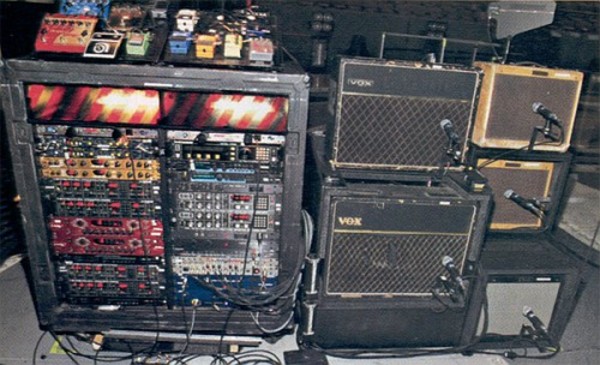
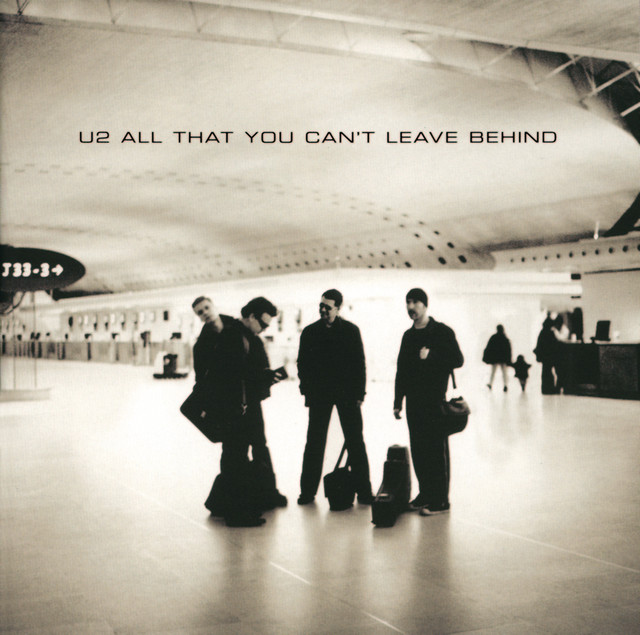
Located between the Lovetone and the Tube Screamer, The Edge had this on his rack during the Elevation Tour (as seen in AudioFile's feature "U2 - Wired for Sound") and the Vertigo Tour (as is visible in this Guitar World feature at 2:07). It was used in the studio for the solo on "Kite", as stated in this January 2001 Guitar Player interview.
Guitar Player, January 2001, "Basic Instincts"
GP: So the songs that have solos were just begging for them?
Edge: I think they were. For instance, "Kite" originally didn't have a solo. We had the tune almost finished, but we weren't quite happy with it--it needed a twist. So we edited in a section, I plugged my '64 Gretsch Coutnry Gentleman into a cool fuzzbox--and Ampeg Scrambler--and a Vox AC30, and I came up with a solo for it. It really made that part of the song come alive. that's a case-in-point where the decision to do a solo came from the sense that something was missing in the tune.
(...) GP: What were your main fuzzboxes?
Edge: The Ampeg, a Tube Screamer for a good general distortion without being too in-your-face, and an old Manny's Fuzz--which is really extreme. I also used this really obscure Japanese pedal called the Sobart [sic] for the heavy sections of "New York." That pedal is so extreme. You step on it and all hell breaks loose. On "When I Look at the World", I'm using an Electro-Harmonix Micro Synthesizer for that mad distorted tone.
AudioFile, "U2 - Wired for Sound"
[tapping the Ampeg Scrambler] This was used on the "All You Can't Leave Behind" album.


Dean DeLeo is shown using the Ampeg Scrambler Fuzz pedal in a setup described by Robert DeLeo on Twitter.


I definitely used that Systech Harmonic Energizer just because it has that tone from a lot of Frank Zappa’s trippy, psychedelic solos. It’s basically this overdrive fuzz with a super-duper-filter-tweaker kind of control that gives you all sorts of grit but also a wah-wah tone, too. Also, we used an Ampeg Scrambler and a Roland Funny Cat, which is like taking a compressor, an early fuzz box and an auto wah…well it’s just like its name, Funny Cat. We use it quite a bit on the record. When you think you hear a wah-wah, it’s really just the Funny Cat.


In this video uploaded by Alain to his instagram account, he says: "Ampeg SG GE-500 into Ampeg Scrambler Octave Fuzz into Fender Vaporizer Amp diggin it"


In this photo, which shows Olsen's board from the KEXP performance, one of the pedals that can be seen is the Ampeg Scrambler.

https://www.foundsf.org/index.php?title=Jefferson_Airplane_and_the_Psychedelic_1960s
In this November '96 interview he was asked: At one time you were playing with an Ampeg Scrambler?
Yes, my favorite fuzztone. I still have one.
Then the journalist asked him: That was on Baxter’s?
Yeah, it started on Baxter’s, and I used that until I quit playing with the Airplane.
It's kinda weird since the Ampeg Scrambler was introduced in early 1969. Anyway, Jorma knows the thing as he used it, maybe it was something else before '69, but then that was the Ampeg fuzz pedal.
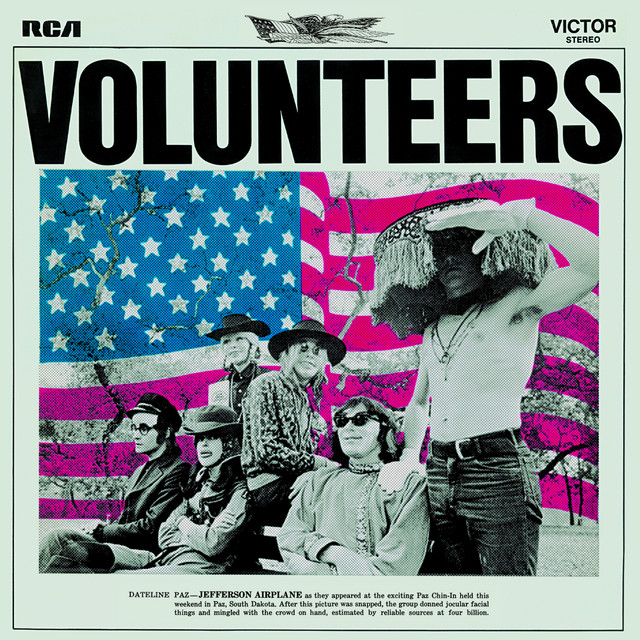
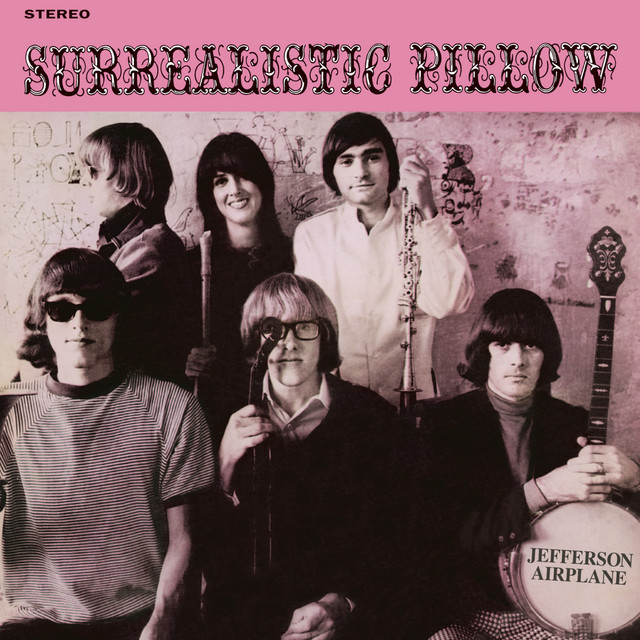
In his autobiography "Been So Long: My Life and Music" he states: "The high-singing electric guitar lines are my Gibson ES-345 Stereo with the neck pickup through an Ampeg Scrambler into two Fender Twins. The bridge pickup was run through an original Thomas Organ Cry Baby Wah, also through two Twins". Regarding tone on Jefferson Airplane subsequent albums.
He also mentions that in the aforecited interview.
The front pickup was the wah-wah channel, and the neck pickup was the fuzztone channel.

Chris uses a modified scrambler that has been rehoused in a smaller casing, as seen and discussed at 4:05 in the video

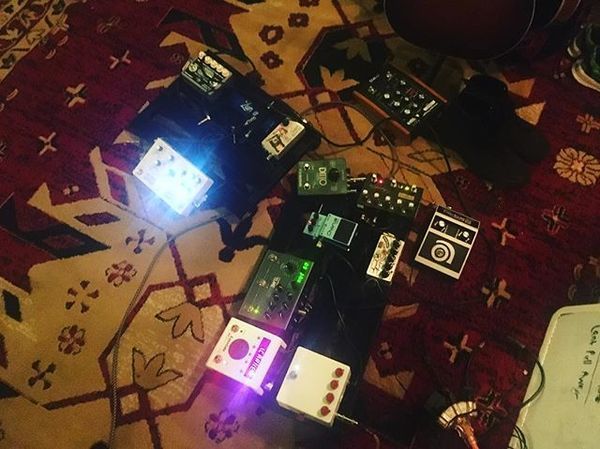
Visible in this now deleted October 10, 2018 Instagram post.

.jpg)
"Righto, bass pedals: a slightly simpler affair.. One Fuzzrocious Rat Tail with 2nd Distortion mod as primary weapon, an Ampeg Scrambler (reissue) as a secondary weapon, and a Tech21 Killer Wail Wah for support fire. Honourable mention to the MI Audio Blues Pro distortion pedal; served me well over the years but now in retirement with the Rat Tail stepping in."


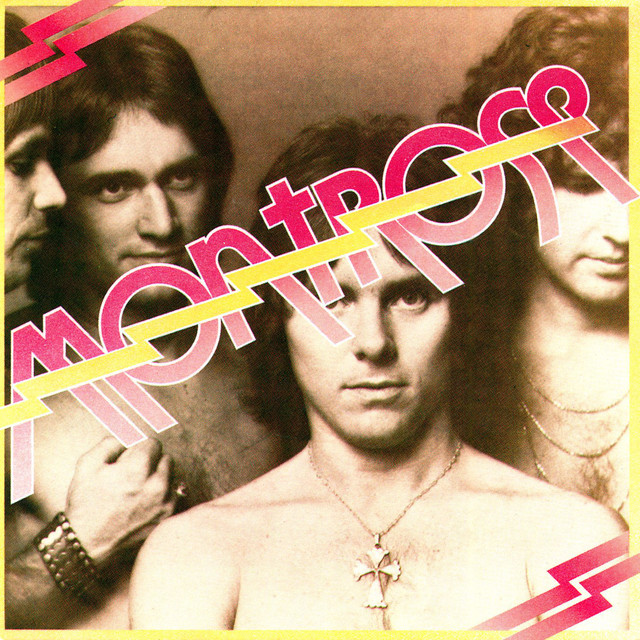
Used for "Make It Last". It is mentioned in the October 1976 issue of Guitar Player, the July 31, 1982 issue of Circus and a July 5, 2013 recollection by The Les Paul Forum member Pope Budda.
The stage is free of pedals because, the artist maintains, they always "screw up," but in the studio he does use a Big Muff fuzztone and an Ampeg Scrambler (the former built into a heavy-duty box). Ronnie's chosen amp for the past three years has been an old single cabinet tweed Fender Bandmaster with three 10" speakers. He has used the Marshalls on a few tracks, but their volume makes them difficult to work with when other band members are recording in the same room.
Circus, July 31, 1982
Page Influenced Montrose
"I saw him use a wah-wah," he recalls. "But my first box was an Ampeg Scrambler. It was in the days when sustain, compression, and all the things we now take for granted were in the experimental stages. This box just added a lot of noise and messed up the harmonics. I later used it with a Big Muff distortion box. I put the Scrambler in front of the Big Muff and turned it wide open. I adjusted the Big Muff and got a second note a perfect octave higher. You can hear this on 'Make It Last' from the first Montrose album."
The Les Paul Forum, "What guitar did Montrose use?", comment #47 by Pope Bubba, July 5, 2013
A couple'a years ago, Greg Martin and I sat on their tour bus with Ronnie after one of their shows, and he told us all about the Fender 3x10 Bandmaster he used on that first Montrose album. he made the comment that he really wished he had never gotten rid of it. he also showed us the way Jimmy Page showed him to play the into to Zeps "Whole Lotta Love". he was a REALLY nice guy.
I remember that like yesterday, Jimmy. Ronnie was one of the nicest humans ever, a big influence on me in the 70's.
As Jimmy said, Ronnie used an old tweed 3x10 Fender Bandmaster, that had been recovered, for the first Montrose album. Since his 1959 'burst was stolen at a Edgar Winter Group gig earlier, I'm almost thinking the first Montrose album was done with a newer Les Paul or another 50's 'burst? I always envisioned Ronnie having stacks of Marshall's in the studio for "Montrose," it was all done on that tweed Bandmaster! He also told me he used a Electro-Harmonix Big Muff on "Bad Motor Scooter" and a Ampeg Scrambler on "Make It Last." Ronnie said the trick to making the Scrambler work, was rolling the treble all the way back on pickups and turning the volume all the way up. I own an old Scrambler, this works!!! Other than that, Ronnie said it was straight into the amp. You can hear a Eventide H910 Harmonizer added in on the mix by producer Ted Templeman or engineers Don Landee and Stephen Jarvis as well, set on 1.01 or 0.99. That gave it that doubling slap sound on solos. Ever notice the similarities in guitar tones on the Doobie Brothers "China Grove" and "Montrose"? Both produced by Ted Templeton....
I really miss Ronnie, we got to be really good friends. We had many conversations about music, guitars, amps, influences, even jammed about 3 times. He wanted to produce a Rufus Huff CD, sadly we never got to do it. He's a BIG reason I play a Les Paul today, I know Jimmy feels the same way. His talent and spirit was undeniable. Anytime I need a good kick in the rear, I put on that first Montrose album!
Greg

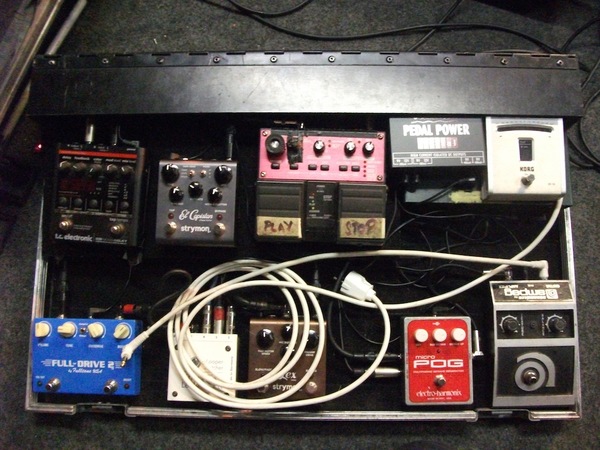
We spotted Ampeg Scrambler on Hans gear for 2012 tour. Its down side on the right of Hans pedalboard.


Album Usage
The Ampeg Scrambler SC-1 has been featured on the following albums:

Genre Usage
Based on how artists on Equipboard use this gear, it is most commonly found in the following genres.
Used With
Based on how musicians on Equipboard use Ampeg Scrambler SC-1, it is most commonly used with the following gear.





-s.webp?v=1783854160)

Similar
Add recommendation9 alternative and related items for Ampeg Scrambler SC-1, curated by the Equipboard community.

$134.37 - $179.00


-m.webp?v=1768580454)


$370.00
The SCP-OD is a now discontinued reissue, of the original Ampeg Scrambler, produced around 2005.
More Ampeg Fuzz Effects Pedals


-m.webp?v=1783868289)
$179.00 - $209.00
in Fuzz Effects Pedals Rank


$155.00
in Fuzz Effects Pedals Rank


$75.00 - $96.20
in Fuzz Effects Pedals Rank


$220.00 - $249.00
in Fuzz Effects Pedals Rank

.jpeg?v=1783828863)


$179.00
in Fuzz Effects Pedals Rank


$290.00
in Fuzz Effects Pedals Rank


$89.00 - $169.00
in Fuzz Effects Pedals Rank


$199.00 - $224.42
in Fuzz Effects Pedals Rank


$159.00 - $181.00
in Fuzz Effects Pedals Rank


$83.00 - $101.60
in Fuzz Effects Pedals Rank


$110.66 - $220.00
in Fuzz Effects Pedals Rank


$79.00 - $108.90
in Fuzz Effects Pedals Rank


$300.00
in Fuzz Effects Pedals Rank

$85.00 - $108.90
in Fuzz Effects Pedals Rank


$75.00 - $87.10
in Fuzz Effects Pedals Rank


$59.00 - $83.50
in Fuzz Effects Pedals Rank


-m.webp?v=1783854550)
$169.00 - $179.99
in Fuzz Effects Pedals Rank


$249.00 - $299.00
in Fuzz Effects Pedals Rank


$95.00 - $2,005.83
in Fuzz Effects Pedals Rank
-m.webp?v=1783868207)
$88.81 - $111.00
in Fuzz Effects Pedals Rank


$219.00 - $399.00
in Fuzz Effects Pedals Rank


$130.00
in Fuzz Effects Pedals Rank


$98.50 - $129.00
in Fuzz Effects Pedals Rank


$159.19 - $209.00
in Fuzz Effects Pedals Rank


.jpeg?v=1783828863)

$179.00 - $189.00
in Fuzz Effects Pedals Rank


-m.webp?v=1783856458)
$179.00 - $489.14
in Fuzz Effects Pedals Rank


-m.webp?v=1783854634)
$269.00 - $349.00
in Fuzz Effects Pedals Rank


$269.00
in Fuzz Effects Pedals Rank


$20.90 - $105.70
in Fuzz Effects Pedals Rank


$299.99
in Fuzz Effects Pedals Rank


$182.65 - $199.99
in Fuzz Effects Pedals Rank


$112.12 - $149.99
in Fuzz Effects Pedals Rank


$160.00 - $299.99
in Fuzz Effects Pedals Rank


$270.00 - $315.00
in Fuzz Effects Pedals Rank


$209.99 - $290.00
in Fuzz Effects Pedals Rank


$149.00 - $169.00
in Fuzz Effects Pedals Rank
.jpg?v=1783826587)


$149.00 - $179.99
in Fuzz Effects Pedals Rank


in Fuzz Effects Pedals Rank


$79.99 - $139.00
in Fuzz Effects Pedals Rank


Community setups


Gear Guides


.jpg)


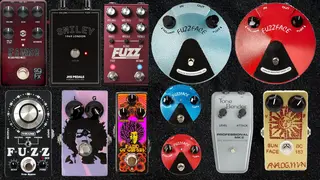

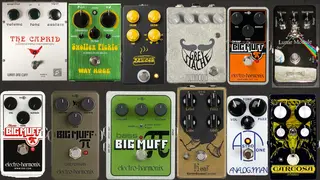
Most Popular Fuzz Effects Pedals
Most Popular Brands
-
Added to Equipboard on by
 fishflyers
GearIQ 413
-


