

Pricing and availability
We compare 600+ stores and found this item at 5 stores. Prices updated .
Store
Reviews
Price




Average Price: $1,141
High-end/Boutique
$100
$501+
Price Tier
Budget
Standard
High-end
Price History
Based on price data from 4 merchants for "API 550A Discrete 3 Band EQ". Prices shown reflect NEW condition. Tracking began Apr 2, 2026.
* Product prices and availability are updated by Equipboard every 24hrs and are subject to change. Equipboard may receive compensation for purchases made at participating retailers linked on this site. This compensation does not affect what products or prices are displayed, or the order of prices listed. For more information, please refer to our affiliate disclosure.
Description
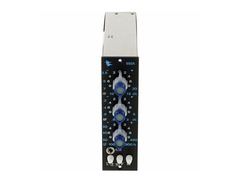
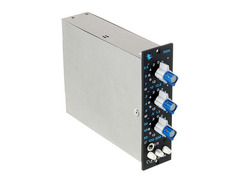
The API 550A Discrete 3 Band EQ is a legendary piece of audio equipment that has set the gold standard for equalizers since its inception in the late 60s. Revered by engineers and producers alike, this EQ brings a slice of music history right into your studio with its iconic discrete design. Whether you're tracking, mixing, or mastering, the API 550A offers unmatched sonic clarity and versatility, making it an essential tool for shaping any audio source.
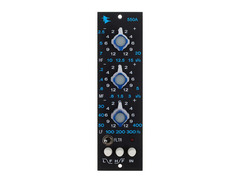
Designed by the renowned Saul Walker, this EQ boasts three bands, each with seven selectable frequency centers, offering precision and flexibility across your mix. The high and low-frequency bands are switchable between peaking and shelving, allowing for detailed sound sculpting. With its "Proportional Q" feature, the bandwidth narrows as you dial in more boost or cut, giving you nuanced control over your sound. Known for its high headroom and robust build, the 550A is engineered to retain its sonic integrity, even under demanding conditions.
Built to fit into the 500 Series format, the API 550A ensures long-term adaptability and value, making it a timeless addition to any evolving studio setup.
Key Features:
- Discrete 3-band EQ from the 500 Series
- 7 selectable center frequencies per band
- 12 dB of boost/cut per band
- High and low-frequency bands with selectable shelf/peak characteristics
- "Proportional Q" narrows filter Q at extremes
- Traditional API fully discrete circuit design
- High-headroom with +30dB clip level
- Requires API Lunchbox 500-6B or 500VPR 10Slot Rack
Product specs
| Number of Channels | 1 |
| High Pass Filter | Yes |
| Low Pass Filter | Yes |
| Number of Bands | 3-band |
| Boost/Cut Range | ±12dB |
| Q Type | Proportional Q |
| Freq Range High | 2.5kHz-20kHz |
| Freq Range Mid | 200Hz-5kHz |
| Freq Range Low | 30Hz-400Hz |
| Frequency Response | 30Hz-20kHz |
| Depth | 7.25" |
| Weight | 2 lbs. |
FAQs
-
What is the frequency range of the API 550A's bands?
-
The API 550A features a low-frequency range of 30Hz-400Hz, a mid-frequency range of 200Hz-5kHz, and a high-frequency range of 2.5kHz-20kHz, allowing for precise tone shaping across a wide spectrum.
-
How does the API 550A's Proportional Q affect sound shaping?
-
The Proportional Q in the API 550A automatically adjusts the bandwidth of each band, providing narrower Q at higher boosts or cuts, which ensures precise and musical equalization.
-
Can the API 550A handle both high and low pass filtering?
-
Yes, the API 550A includes both high pass and low pass filters, offering additional flexibility for shaping your audio signal.
-
What is the boost/cut range of the API 550A?
-
The API 550A provides a boost/cut range of ±12dB for each of its three bands, allowing for significant tonal adjustments.
-
Is the API 550A suitable for mastering applications?
-
With its precise frequency control and Proportional Q, the API 550A is well-suited for both mixing and mastering tasks, providing high-quality, musical equalization.
Videos

Green Light Sound
API 550A Plugin Shootout | Waves, UAD, Sly-Fi Digital, Slate Digital, and IK Multimedia
API 550A Plugin Shootout | Waves, UAD, Sly-Fi Digital, Slate Digital, and IK Multimedia
Green Light Sound
API 550A Demo & Review

Alec Brits
API 550A | VintageKing.com

Vintage King
Neve 1073 vs API 550A EQ - The Same or Different?

askdrtk
Mixing drums with the API 550A

Max Bauhof
Reviews
PROS
-
Always sounds good, improving or sweetening tracks
-
Shines on guitars without sounding unnatural
-
Warmer, rounder sound compared to plugins
-
Solid build quality and aesthetically impressive
-
Simple to operate with impactful sound enhancement
-
Provides warmth, size, and a tape effect to signals
-
Perfect recall due to stepped frequencies and level controls
-
Adds organic, warm boosts and cuts to the mix
-
Slightly compresses without frequency adjustment, enhancing character
-
Ideal for bass, guitar, and vocal tracking
CONS
-
Top end can be a little strident
-
2dB steps in gain knobs may be too coarse for some
-
Lacks high and low cut filters
-
May not impress those who prefer SSL, Neves, or other EQs
Owner Insights
We analyzed real musician discussions from forums and Reddit to find what players love, question, and tweak about API 550A Discrete 3 Band EQ.
Features and functionality
-
The API 550A's proportional Q is praised for simplifying broad tonal sculpting, making it easier to quickly achieve a great sound without needing surgical EQ adjustments.
Source
Use cases and applications
-
Many users favor the 550A for guitar tracks, particularly enjoying its ability to enhance guitar buses with boosts, often following initial cuts and compression.
Source -
The 550A is noted for its effectiveness in adding high shelf boosts to drum overheads and enhancing snare drum crack at 1.5kHz, especially beneficial when using ribbon mics.
Source
Comparisons
-
Some users compare the API 550A's tonal character to the Neve 1073 EQ, noting that while both are stepped EQs, the 550A's frequency ranges align better with guitar track needs.
Source
5.0 out of 5
Based on 0 Reviews and 6 Ratings
Artist usage
Add artist

Used for the guitar on "Icky Thump", as stated by recording and mixing engineer Joe Chiccarelli in this October 2007 Sound on Sound interview.
“For the song ‘Icky Thump’ I had the Royer and an AEA on Jack’s two guitar amps, and a couple of U67s for room ambience. In a few cases I used the Shure SM7 guide vocal mic. Ribbons are prone to overloading, so we blew out four Coles mics on the guitar amps. Luckily Jack had several Coles 4038’s with him! The guitar mics went through Neve and Chandler preamps, and then always through an API 550A EQ, and then an 1176. The Univox sounded great acoustically in the room and was miked with a U87 across the room, going into a Chandler TG2 preamp and then some slight compression with an LA2A."


"If you have 48 tracks going through the same gear, it will all have the same tonal quality, so instead we try to mix and match our gear as much as possible," explains guitarist Josh Homme in reference to the API 550 equalizers. Josh Homme uses the API 550A Discrete 3 Band Equalizer in his studio gear setup.


The API 550A is listed on the Syro album packaging as being one of the pieces of gear used on its recording. It is important to note that this list indicates that Richard has used both the original and the reissued version of the API 550A.

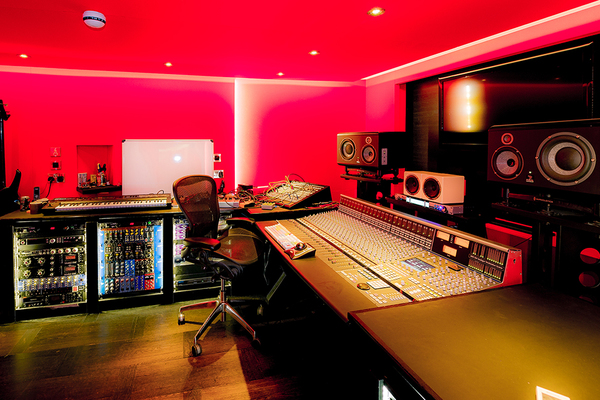


Used on Shiftlett's guitar for "The Pretender", as stated by mix engineer Rich Costey in this March 2008 Sound on Sound interview.
"In the case of 'The Pretender' I had a couple of Urei 1176 compressors on Dave's guitar, to pump them up a bit and make them sound more aggressive whilst barely compressing. I had the Gates Sta-Level compressor on the clean guitar in the intro, with quite a lot of compression and a very slow recovery, plus a 33609 with a very short recovery time on Chris' rhythm guitars, to beef them up a little bit. I worked hard to make the octave guitars in the last chorus stick out. I ended up EQ'ing them with the 550a, in addition to the console, to make them cut through this formidable army of rhythm guitars. The rest was just rides. The stereo phase and flange guitars used in the track already had those effects on them."

Used for the bass drum on "The Pretender", as stated by mix engineer Rich Costey in this March 2008 Sound on Sound interview.
Drums: Quad 8 310, Pultec EQP1, API 550a, Neve 33609, API 2500, Lexicon 960, Urei 1176, Smart C2, SPL Transient Designer, room mics
"I had just gotten some Quad 8 310 EQs before I began the Foo Fighters project, and I found that cranking the s[**]t out of the mid-range with the Quads helped the drums quite a lot. On most of the album the bass and snare drum went through the Quad 8s, with severe amounts of mid-range added. Quad 8 grew out of Electrodyne and was very popular in the 1970s, particularly with film companies. I obtained some channels that came out of the Motown Sunrise console and they're basically three bands of EQ and a mic pre and output level, and the Q gets tighter as you push it up. The Quad 8s are a little bit rounder and warmer-sounding than similar API modules. I also used the Pultec EQP1 and API 550a on the bass drum.
"I had a bunch of different side-chain compressors on the drums that would change from song to song. On some songs it would be the Smart C2, medium ratio and fast recovery, on others the Neve 33609, the Urei 1176, the API 2500 or the Empirical Labs Distressor, and the SPL Transient Designer on toms. You can use the SPL to lengthen the sound of the toms. I don't compress all the drums at the same time, I'll compress individual parts and mix the compressed sound in with the natural sound of the drums. There was relatively little compression implemented on the drums in this song, because the band didn't care for it. They wanted the drums to sound more raw.
"Throughout the album mix I might have used a bit of Lexicon 960 on the drums for reverb, but the room mics — amongst them a heavily compressed foldback microphone — were so good that I tended to use those. I tend to like room mics that are on the darker side. If they're too bright, you can't turn them up very loud because you then also get all kinds of messy cymbal noises. One other thing to note is the drums that come in after the intro of the song. When the whole band is slamming accents like that, you want to make the drums sound very aggressive, and this meant pushing room mics, pushing compression mics and so forth. As I said, there were a lot of rides."


Used for Followill's electric guitar on "Sex on Fire", as stated by Only by the Night producer Jacquire King in this December 2008 Sound on Sound interview.
"We had five or six guitar amplifiers available for each guitar, and again, we picked the ones that were most appropriate for the song. Angelo and I would listen to the guitar parts and mix and match amplifiers. Sometimes we'd put reverb on one amp and a delay on another, or effect pedals on both. We had all kinds of combinations, although we kept it to two amplifiers per performance for each player. I'd put an SM57 in front of one amp and a U67 in front of the other. The guitars went through API mic pres, an API 550A EQ, and I also used some APSI parametric EQs. Occasionally I'd put an 1176 in the signal chain, but in general I don't use much compression on distorted electric guitars going to tape, because there's not a lot of dynamic range to them as it is. The synth–like reverb you can hear on the guitar was done at Blackbird on an Eventide DSP4000 and added during the transfer to Pro Tools.
(...) **Guitars: **Massenburg DesignWorks EQ, Sound Toys Echoboy, Cooper Time Cube, Digidesign delay, Audio Ease Altiverb
(...) "I also used an Echoboy for delay on certain sections, like in the choruses. There was a little bit of bus compression on the guitars and a little bit of EQ, all very minor stuff, because I had already recorded what I wanted. The only radical EQ is on the Cooper Time Cube delay, which I described above, and which I applied to Caleb's guitar. I took out everything below 861Hz to get rid of the darker tone that was obscuring the source tone a bit. There's also a bit of Digirack delay on Caleb's guitar, to give it a bit more dimension by panning it to the other side than the track itself."


Used for the electric guitar on Only by the Night, as stated by producer Jacquire King in this December 2008 Sound on Sound interview.
"We had five or six guitar amplifiers available for each guitar, and again, we picked the ones that were most appropriate for the song. Angelo and I would listen to the guitar parts and mix and match amplifiers. Sometimes we'd put reverb on one amp and a delay on another, or effect pedals on both. We had all kinds of combinations, although we kept it to two amplifiers per performance for each player. I'd put an SM57 in front of one amp and a U67 in front of the other. The guitars went through API mic pres, an API 550A EQ, and I also used some APSI parametric EQs. Occasionally I'd put an 1176 in the signal chain, but in general I don't use much compression on distorted electric guitars going to tape, because there's not a lot of dynamic range to them as it is. The synth–like reverb you can hear on the guitar was done at Blackbird on an Eventide DSP4000 and added during the transfer to Pro Tools."


On the website article, session "Not afraid", the text presents Em's equipment list used on production of "Recovery" album.


I use API 550As and 560s every day. I’m so glad 560s have become such a standard. I remember when I was starting out, they were this kind of oddball EQ that you would use only on the kick drum or something. I tend to use them on anything. Another one of my favorite EQs are the 70’s era Moog three-band parametrics, which I have a pair of. Those are great-sounding and still relatively affordable. They’re not subtle sounding, and impart quite a bit of character, which is cool.
Album Usage
The API 550A Discrete 3 Band EQ has been featured on the following albums:

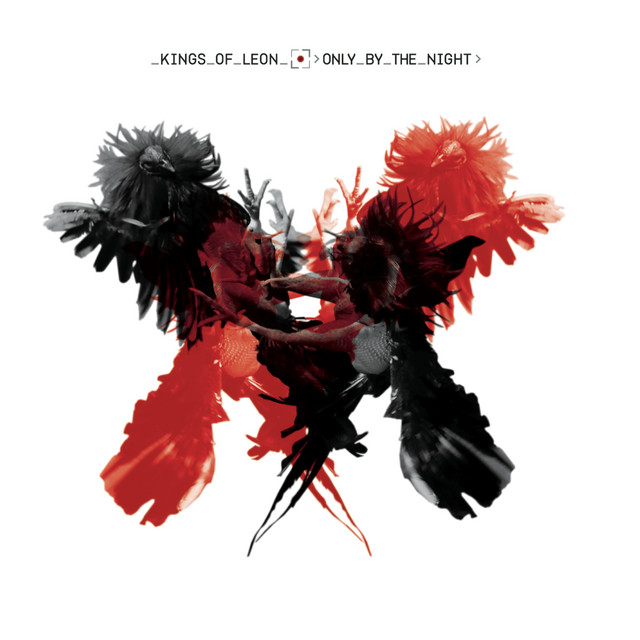
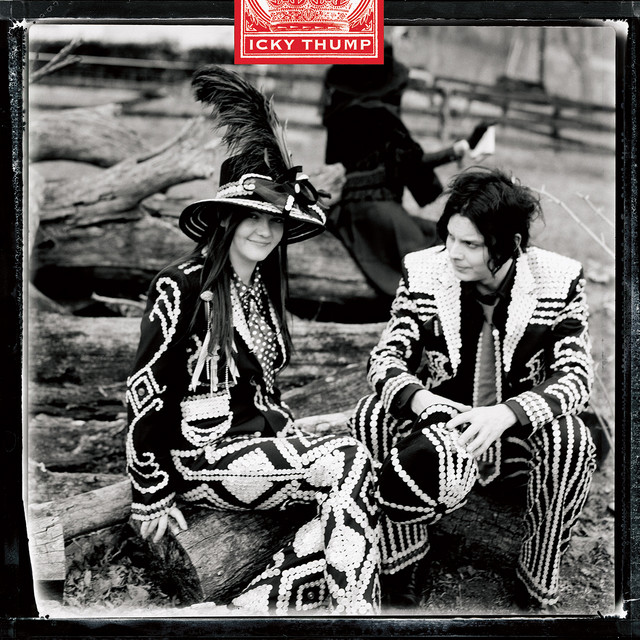
Genre Usage
Based on how artists on Equipboard use this gear, it is most commonly found in the following genres.
Used With
Based on how musicians on Equipboard use API 550A Discrete 3 Band EQ, it is most commonly used with the following gear.


-s.webp?v=1784932918)



More API Effects Processors

$1,230.25 - $1,295.00
in Effects Processors Rank


.jpeg?v=1784860561)

$3,295.00
in Effects Processors Rank


$2,700.00 - $3,295.00
in Effects Processors Rank


$550.00 - $699.00
in Effects Processors Rank


$945.25 - $999.00
in Effects Processors Rank
.jpeg?v=1784891088)


$1,024.64 - $1,198.00


.jpeg?v=1784917540)

$17.00 - $768.00


$3,295.00 - $3,333.00


$1,150.00 - $1,195.00


$1,135.25 - $1,195.00

$1,151.29 - $1,195.00


$1,500.00
in Effects Processors Rank


-m.webp?v=1784905111)
$600.00
in Effects Processors Rank


$189.00
in Effects Processors Rank


$1,799.00
in Effects Processors Rank


$1,549.00
in Effects Processors Rank


$1,999.00
in Effects Processors Rank


$749.99 - $833.00
in Effects Processors Rank


$149.00
in Effects Processors Rank


$1,450.00
in Effects Processors Rank


$3,799.00 - $4,985.00
in Effects Processors Rank


-m.webp?v=1784932918)
$40.00 - $2,999.00
in Effects Processors Rank

$5,777.00 - $6,999.00
in Effects Processors Rank
.jpg?v=1784891692)


$1,153.00 - $2,635.00
in Effects Processors Rank


.jpg?v=1784637724)
Accessories & Related Items


-s.webp?v=1784933951)




Community setups


Similar


Gear Guides







Most Popular Effects Processors
Most Popular Brands
-
Added to Equipboard on by
 equipboard
GearIQ 4934
-


