



Pricing and availability
We compare 600+ stores and found this item at 1 store. Prices updated .
Store
Reviews
Price




Average Price: $118
Budget/Beginner
$500
$1501+
Price Tier
Budget
Standard
High-end
* Product prices and availability are updated by Equipboard every 24hrs and are subject to change. Equipboard may receive compensation for purchases made at participating retailers linked on this site. This compensation does not affect what products or prices are displayed, or the order of prices listed. For more information, please refer to our affiliate disclosure.
Description
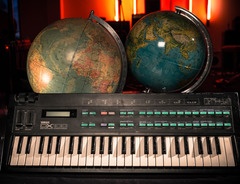
The DX100 is a small and portable budget DX synthesizer from Yamaha. Like all DX's it uses (FM) Frequency Modulation synthesis. It's not the easiest form of synthesis to program but can result in some excellent sounds. The DX100 is not as flexible nor powerful as a DX7, but it does have some cool sounds. It is most renowned for its great analog bass sound (Patch #01) that is awesome for techno, house, jungle, and acid music styles; it's very gritty, the bass tone with gristle! However, any other preset sounds that you'll find in the DX100 are pretty bad and require editing for anything else useable.
The DX100 has mini-keys and only 49 of them. No filters, arpeggiators, effects or programmable controllers are available either. Small pitch and mod wheels in the upper left and guitar strap pegs make this synth usable for live use if you're feeling whimsical. If you mess around with the settings on Parameter 13, even if you don't know anything about FM, you can get some seriously twisted sounds out of it. If you're willing to spend a little time with it, it has a lot more potential than just that one bass sound that people will eventually get sick of. And at its currently low street price, it just might be worth getting. It is used by Orbital, Scanner, Jean-Michel Jarre, Autechre, Laurent Garnier, and countless other house and dance artists.
Product specs
| Brand | Yamaha |
| Model | DX100 Programmable Algorithm Synthesizer |
| Finish | Black |
| Year | 1985 |
| Categories | Digital Synthesizers, Keyboard Synths |
| Analog / Digital | Digital |
| Key Size | Mini |
| Keyboard Action | Synth Action |
| MIDI I/O | MIDI Input, MIDI Output, MIDI Through |
| Number of Keys | 49 Keys |
| Polyphony | 8 Voices |
FAQs
-
What type of synthesis does the Yamaha DX100 use?
-
The Yamaha DX100 utilizes FM (Frequency Modulation) synthesis, which allows for a wide range of complex and evolving sounds, making it a versatile choice for various musical styles.
-
How many voices of polyphony does the Yamaha DX100 have?
-
The Yamaha DX100 features 8-voice polyphony, allowing you to play up to eight notes simultaneously, which is suitable for creating layered and intricate musical textures.
-
Is the Yamaha DX100 compatible with MIDI devices?
-
Yes, the Yamaha DX100 is equipped with MIDI input, output, and through ports, enabling seamless integration with other MIDI-compatible devices for expanded control and performance options.
-
What is the key size and action type on the Yamaha DX100?
-
The Yamaha DX100 features a 49-key mini keyboard with synth action, providing a compact and responsive playing experience that's ideal for both studio and live settings.
-
Can the Yamaha DX100 be used for live performances?
-
The Yamaha DX100 is well-suited for live performances, thanks to its compact size, lightweight design, and MIDI capabilities, allowing it to be easily integrated into a live setup.
Videos

8-Bit Keys
Yamaha DX100 Repair and Review
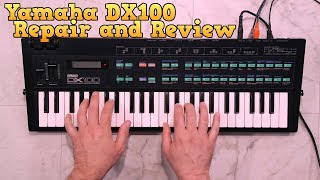
Yamaha DX100 Repair and Review
8-Bit Keys
Bad Gear - Yamaha DX100

AudioPilz
Synth Stuff Ep. 43 - Yamaha DX100

tritonrecordings
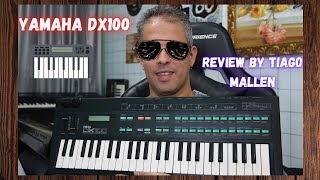
YAMAHA DX100 - ( ANO 1985 ) - FACTORY SOUNDS - TEST by TIAGO MALLEN #yamaha #fm #1985

Tiago Mallen
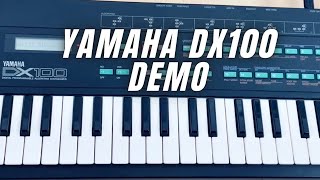
Yamaha DX100 Demo (no talking)

Nicolas Melis
The 1986 Yamaha DX100: A Toy or a Treasure?

Ian Dixon
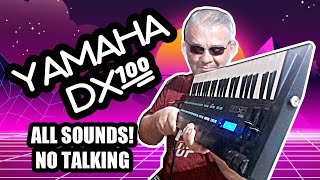
Yamaha Dx100 - All Factory Sounds, NO TALKING!

Tecladista do Youtube
Reviews
PROS
-
Unique gritty 80s FM sound, perfect for electronica and Chicago House
-
Portable design with battery compartment and strap buttons for keytar use
-
49 mini keys allow for extended one-hand stretches
-
Responds to MIDI velocity for expressive play
-
Thousands of downloadable patches available
-
Can store and load user patches via MIDI System Exclusive
-
Features pitch and modulation wheels for expressive control
-
Up to 192 presets and 24 programmable ram sounds
-
Noted for its excellent bass patch #1
-
Durable build quality, with keys and buttons that last
CONS
-
Mini keys and limited polyphony might not suit all players
-
Programming can be fiddly and time-consuming
-
No onboard effects or filters
-
Monophonic output limits sound layering
-
Lacks General MIDI support
-
Absence of knobs for hands-on control; relies on buttons and a data slider
Owner Insights
We analyzed real musician discussions from forums and Reddit to find what players love, question, and tweak about Yamaha DX100.
User experience
Software and compatibility
-
Sysex Librarian on Mac can be used effectively for saving and loading patches on the DX100.
Source
Comparisons
Setup and maintenance
-
Adding a backlit LCD is a considered upgrade for better usability, enhancing the playing experience.
Source
Features and functionality
-
The four-operator design is enhanced by using effects like Chorus, Reverb, Delay, and Phaser to enrich the sound.
Source -
The "Wood Piano" preset on the DX100 is highly regarded and difficult to replicate on the more advanced DX7, despite having fewer operators.
Source -
The DX100's internals are velocity-sensitive via MIDI, but the keybed lacks this feature, impacting the expressiveness of FM sounds.
Source -
The DX100 can mimic the Sega Genesis sound, appealing to those interested in retro gaming or chiptune music.
Source -
The Yamaha DX100 has a port for a Yamaha Breath Controller, enhancing its expressive capabilities, though controllers can be hard to find.
Source -
The DX100 includes guitar strap pegs, allowing it to be used as a keytar, enhancing its versatility for live performances.
Source
Use cases and applications
Value and pricing
-
The DX100 is valued between $250 and $450 on the resale market, making a $50 purchase a significant bargain.
Source
Build quality
-
Sticky keys can be a common issue, but the straightforward keyboard mechanism allows for easy cleaning and maintenance.
Source
Critic Reviews
4.0 out of 5
Based on 6 Reviews and 29 Ratings

363
The balance between complexity and musicality.
I owned a DX-7 for a period of time. I found the six operators to be somewhat unwieldy, because the way the algorithms are set up makes it difficult to keep tabs on each operator at all times. I found that performing certain parameter edits to one operator to achieve a certain sound would often result in some unintended side effect, because I was not taking into account the relationships between all of the operators. This would cause unwanted high-pitched screeches or sub-frequency rumbles that would then have to be filtered out with EQ or by running the DX-7 though an analog filter. I felt that the DX-7 was too complex for me. I wanted to focus more on making music, and less on scrutinizing the settings of the operators and the interactions between them. I sold the DX-7 and bought a Yamaha PSS-480, which has, instead of the six operators in the DX-7, only two operators. This meant that I no longer had access to the complex modulation algorithms available on the DX-7. I now was forced to make do with simply one modulator and one carrier. This allowed me to focus purely on making music, but I found the sound to be rather limited, almost like a basic analog subtractive synth. I then turned my eye to the DX-100. It balanced complexity with musicality, and I craved it. The DX-100 indeed does strike a very desirable balance. It has four operators, which, in my mind, is not so complex that I struggle to wrap my brain around the relationships between them, but not so simple that I run dry of new, uncharted territory in a matter of days. The DX-100 is, therefore, a perfect learning tool for anyone interested in FM synthesis, as it is much easier to program than one of the more fully-featured models like the DX-7, but it isn't by any means boring. And yeah, you get that gritty 80s FM sound. That's a winner in my book.

81
Not Just for Hackneyed 80s Sounds...
It is one thing to know what FM synthesis is about, to know ratios and values of operators, but it is another to actually connect it to the music - that is what this synth has done for me. It has showed me how vast the world of FM synthesis is, even in the limited format this synth offers. I never feel creatively limited however, even with just 4 operators and simple amplitude modulation this synth's palette is far more complex than anything a subtractive synth could offer, besides, its limitations are what keep me interested in the process. There really is a whole universe of bells, mallets, organs, voices, reeds and textures in here that are very usable, and this machine that I have randomly stumbled upon is now one of my favorites for sitting and exploring.

Everything you need to make high-quality music, including Yamaha Education Suite learn-to-play functions, in an affordable package.
This Keyboard is an all-round keyboard that is ideal as a starter instrument but also a robust alternative for experienced players who seek advanced features for their live performance and/or for their composing. Its powerful sound system boasts two 6W amplifiers and its wide range of features, controls, and connectivity make the PSR-E453 a long-lasting musical companion as you grow and hone your skills.


1963
Yamaha DX-100
Apparently one of Massive Attacks favorite synths for bass.

Artist usage
Add artist

My live set-up is exactly the same as my studio set-up, minus a couple keyboards: Roland SH-101 Roland TR-707 MFB 522 MFB Fliterbox EHX 2880 loop pedal EHX reverb pedal Casio SK-1 Yamaha DX100 MPC500 and a small mixer.

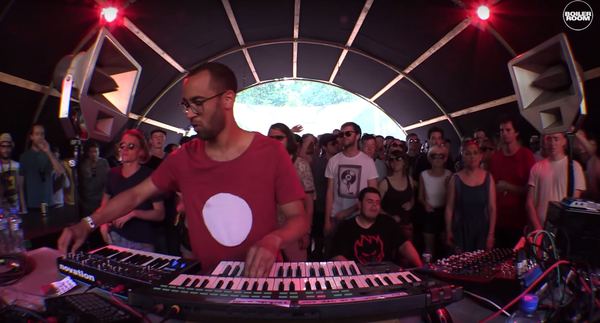
Here you can see Bas Bron (the group's producer) performing under his alter-ego Fatima Yamaha at a Boiler Room set. A Yamaha DX100 is right in front of him.


At 1:18 into this Oliver Crosby studio tour video, he talks about getting his Yamaha DX100, inspired by Mac DeMarco:
First interesting piece of gear that I ever bought, the DX100. It's super broken right now. I used to be obsessed with Mac DeMarco and he has this video where he's rowing around in the little rowboat and playing his song on a DX100 and I think I was 12 or 13 and I begged for one of these for Christmas. That's how I got this guy and now I don't really use it anymore cuz I have the DX7. It's still really fun and it's kind of like I'm keeping it around more as a memory. Shout out Mac DeMarco. He's the goat.

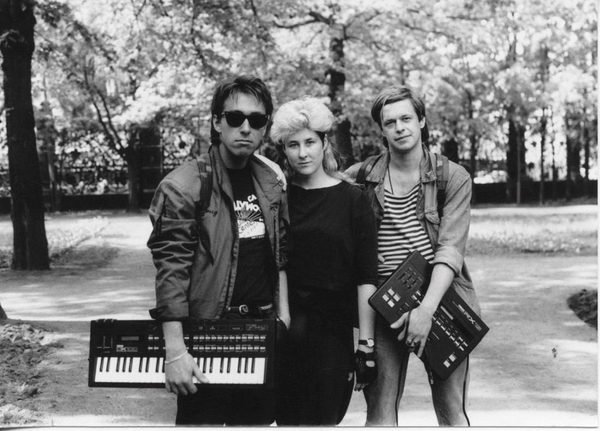
This image features Sergey Kuryokhin with a Yamaha DX100. The keyboard’s distinct front-panel design and mini-key layout make it easily identifiable as the DX100 model, confirming that Kuryokhin used this synth during the period.


"The first synthesizer that I owned was a Sequential Circuits Six-Trak and I really loved that thing for a while. That must have been about 1984, and I was foolish to sell it for a Yamaha DX-100. However the first synthesizer that I ever played was either a Minimoog or an Oberheim 4 Voice. My dad would stop by a synth repair shop in New Jersey on his way home and pick up a repaired keyboard and I'd have at it for a night. He'd take it back into Manhattan the next morning to return it to it's owner, most likely Bob James. I was hooked immediately. The knobs and switches made sounds change and wiggle in the most exciting way!"

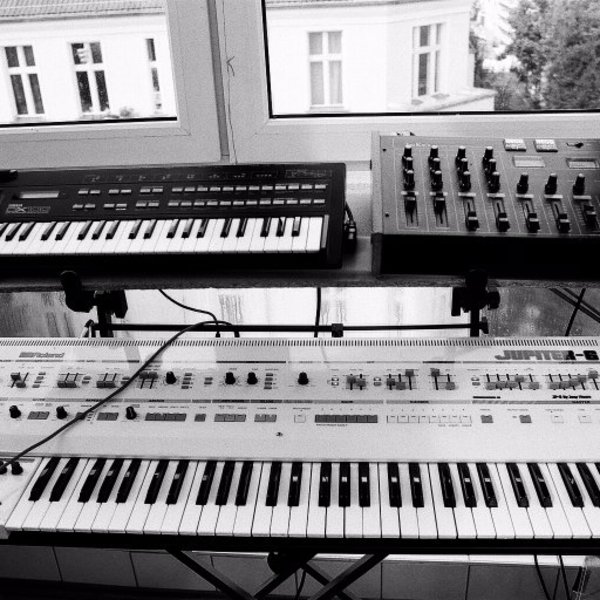


The instrument appears on the list of instruments on official artist's website (http://olszak.pl/).

"Then there's a couple of cheesy synths. like a Yamaha DX100, which again for bass sounds is fantastic — cheap and cheerful, but very good and dirty. Finally there's a Casio CZ101, again for a couple of the basses and organ sounds, which we didn't use on any of the album stuff but for club stuff is really, really good."


He says, "so we used to share a Kawai K3, Derrick’s DX100 and I think we had one of Derrick’s reel-to-reels at one point."

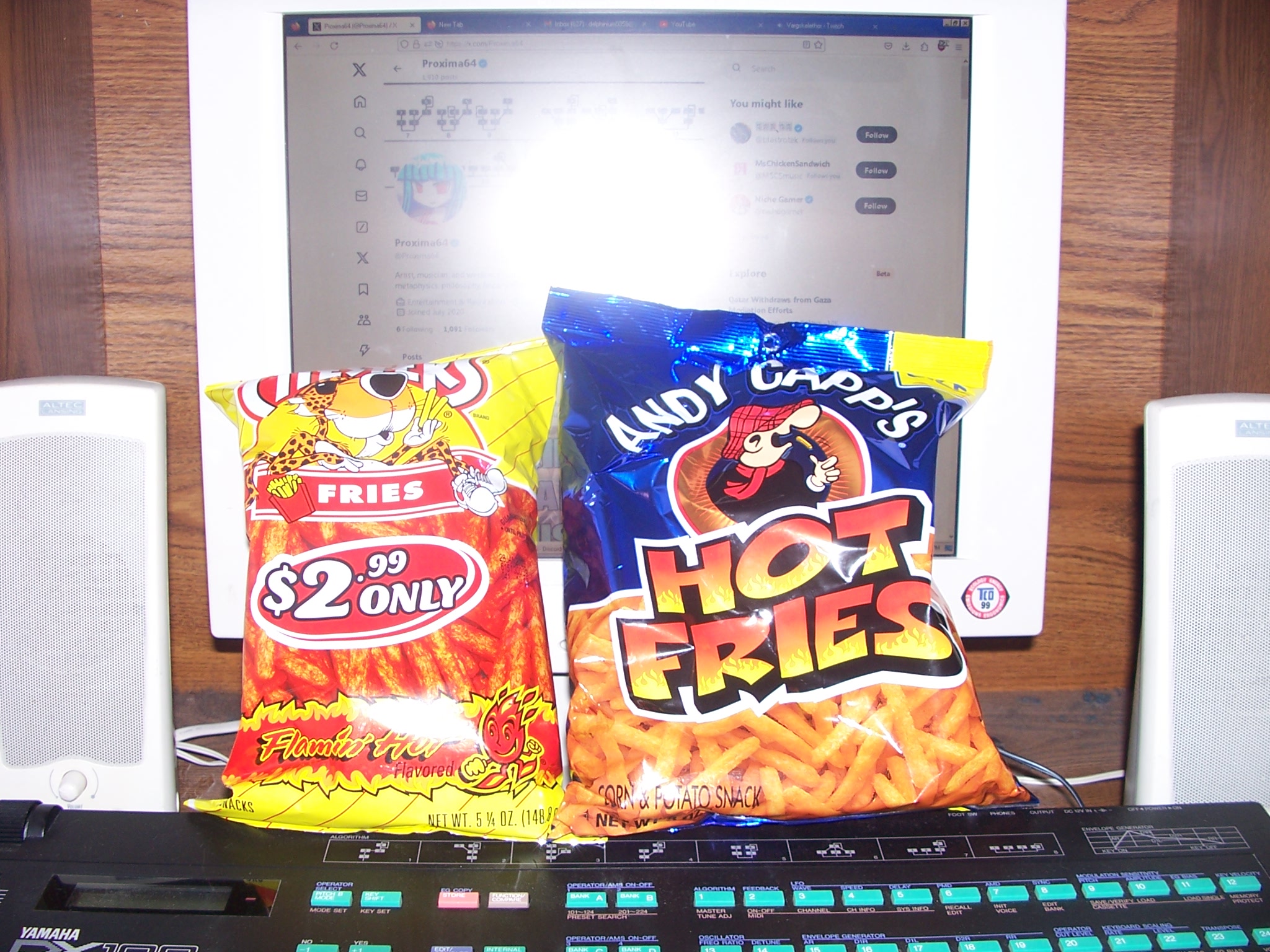
In this tweet the DX100 is featured along some snacks.


In an interview with Attack Magazine, André Bratten mentions using the Yamaha DX100 in his music production.

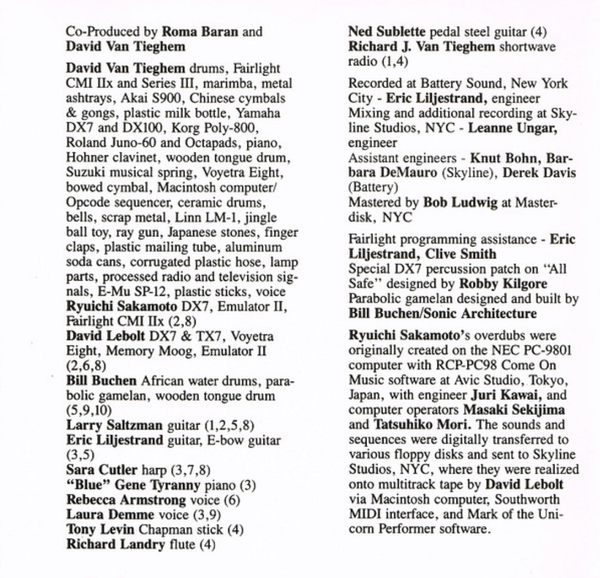
Album Usage
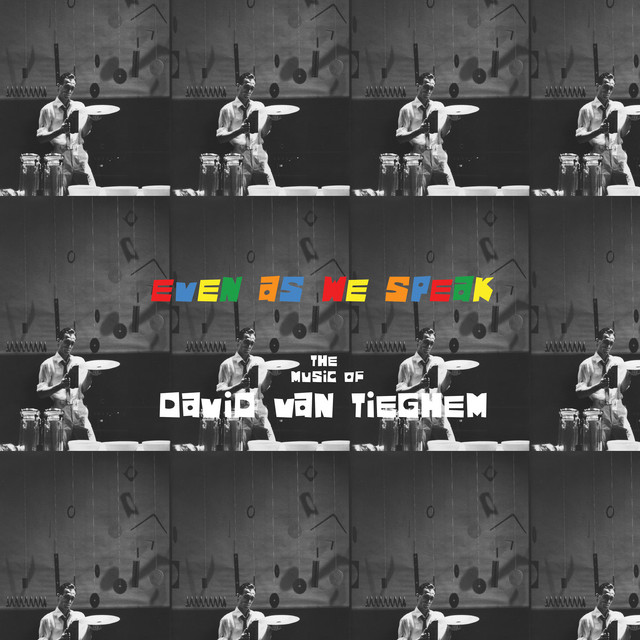
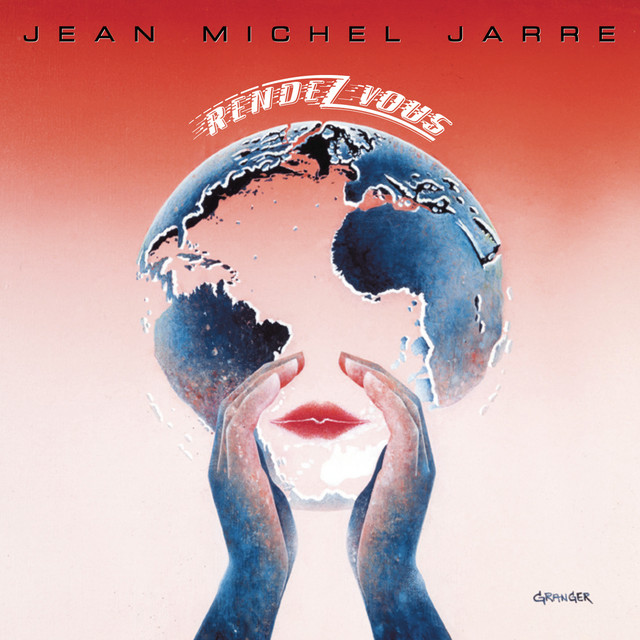
The Yamaha DX100 has been featured on the following albums:

Genre Usage
Based on how artists on Equipboard use this gear, it is most commonly found in the following genres.
Used With
Based on how musicians on Equipboard use Yamaha DX100, it is most commonly used with the following gear.
-s.webp?v=1783318437)

-s.webp?v=1783349880)



-s.webp?v=1783349885)
-s.webp?v=1783177029)
Community setups
Show yours

Similar
Add recommendation2 alternative and related items for Yamaha DX100, curated by the Equipboard community.
-m.webp?v=1783321212)
$63.00 - $99.00
FM8 is one of the few modern soft synths that can import and play back original patch files from a DX100. The translation isn't always perfect, but your options for playing back ancient DX100 patch files are pretty limited.

More Yamaha Synthesizers

$279.00 - $449.99
in Synthesizers Rank


$57.95 - $495.44
in Synthesizers Rank


$290.00
in Synthesizers Rank


$3,999.99 - $5,624.99
in Synthesizers Rank


$55,770.09
in Synthesizers Rank


$1,999.99 - $2,000.00
in Synthesizers Rank


.jpeg?v=1783346559)


$153.14 - $1,999.99


-m.webp?v=1783177180)


Accessories & Related Items


Gear Guides









Most Popular Synthesizers
Most Popular Brands
-
Added to Equipboard on by
 equipboard
Gear IQ 4934
-


