
oedipoes
Guitarist of Mouse Analyse.
Every rig tells a story. Start yours.
Catalog your gear, wishlist what's next, and share the setups behind your sound — free.
Create your EquipboardMy Gear 97

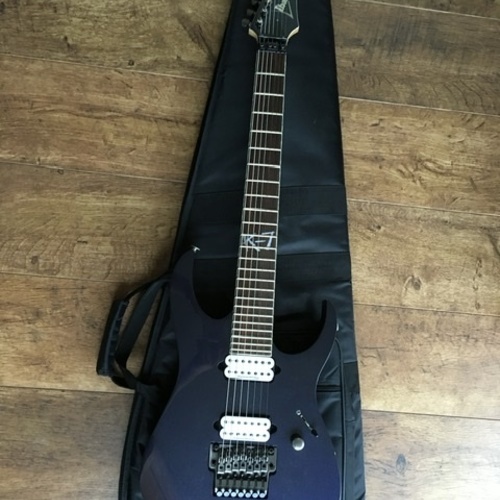
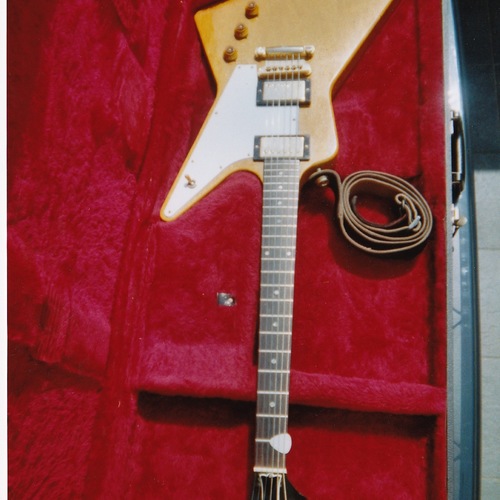
Doesn’t need introduction. It sounds great. The standard pickups have a huge output. I thought I measured wrong but no, this is one hot guitar.

The 1983 Explorer Korina Custom Shop differs in several ways from the original Korina Explorers. But it remains an excellent custom shop guitar. Well finished, well built, sounds the part and plays better than it looks. Also it can do lots of styles very well. Korina sounds a bit brighter than mahogany, yet retains most of mahogany’s good characteristics. This guitar is a big piece of wood and sustains solidly. Medium neck, very playable. Low action with no buzz.

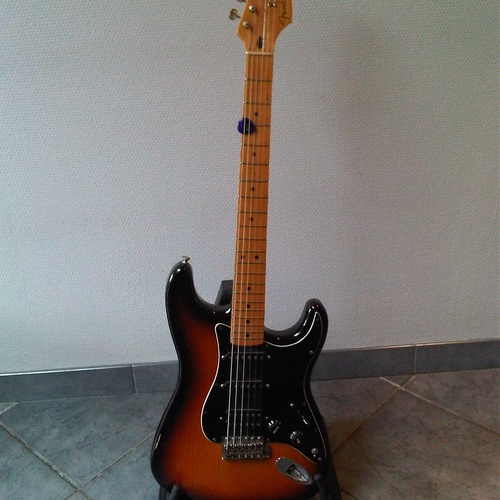
This is a great Stratocaster. It says MX, but in direct comparison to a 1972 Strat and a 1964 Jaguar, this ons holds its ground. After a good tune-up it played just as well as the vintage Fenders. Of course the sound is no where near the originals. The poplar veneer seems awkward to me, it didn’t need it at all imo. The coil split humbucker disappoints as humbucker, convinces as single coil. The bridge pickup is great. All in all, I think the guitar is good, but not awesome, hence one star down. When I have the opportunity, I’ll buy a better strat maybe. For now this will do just fine for home practicing.

Does one thing really really well: sounding like Korn in Drop A.
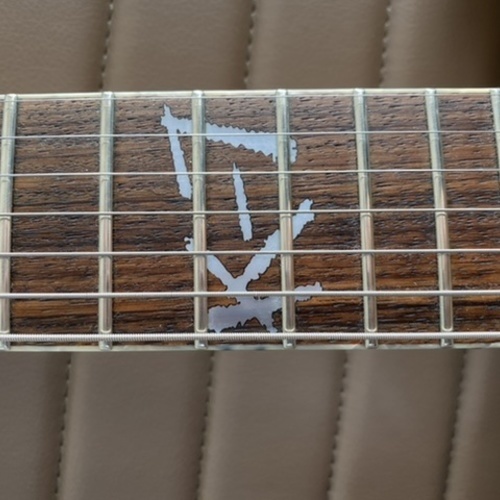
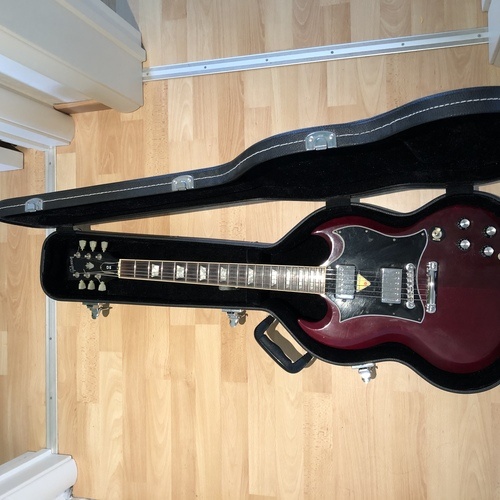
I expected more from the mahogany body. For me it lacks something intangible compared to my beloved 93 Gibson SG. Maybe the K7 is too perfect? Lacks grunt to keep me playing. After a song or two I switch to an other guitar. That doesn’t happen on my SG or Explorer.

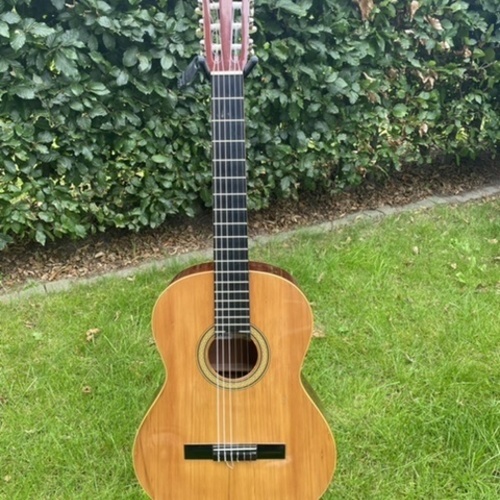
Purchased this new for around 450€ incl a 100€ softshell case. I only wish it had solid sides and back. The guitar plays and sounds better than average. But it doesn’t inspire me to keep playing it like a Martin or Gibson acoustic can. It doesn’t thrill me. It is a practice workhorse. Well built and finished with lots of craftsmanship, but not an inspiring creative tool.

3-channel beast of an amp.
With 6L6’s the cleans are Fender clean. The 2nd channel is signature persona non grata’s sound (Urban Dance Squad). The boost channel is darker and less my thing.
In an attempt to improve the 3rd channel I swapped the 6L6’s to EL34. That made it sound a lot more British, but also made the Fenderishly great clean tone disappear for a more crunchy clean. Preferences. Can’t have both. The distortion channel is a lot less dark now.

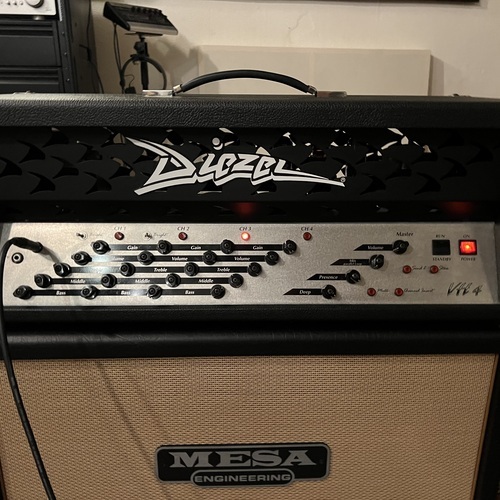
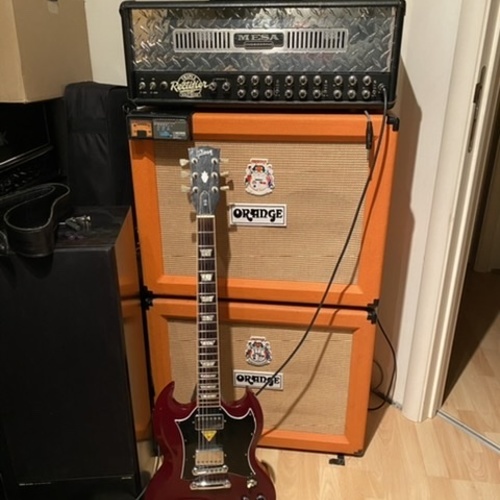
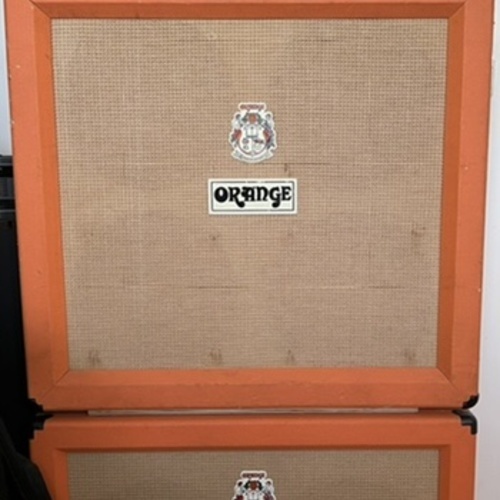
I bought this head used as my first tube amp back in the early ‘90ies from a friend/show owner. I was looking for a JCM900 Hi Gain Dual Reverb, but tried this and I was hooked. A lot more bass available, and an epic signature mid bark that pops out even when you scoop the mids. Does almost every genre, only with a K7 tuned to drop A, it tossed the towel. It got muddy. I’ve used this amp live on all my gigs, through a mid 90ies Gibson era Orange 412 with G12T-75’s. Always too loud for rehearsals and stage. It is usable with gain and volume wide open and master between .75 and 1.5. It comes alive between 1 and 2. No need to dial the master up, it just brings more fizzyness and reduces the sensitivity. I had the blue liquid capacitors replaced recently (end of 2021) and that was the best thing ever: It really brought back the sound I remembered how it sounded back when I first tested and bought it. Absolutely killer amp. I don’t care that it has diode clipping. It sounds absolutely great!

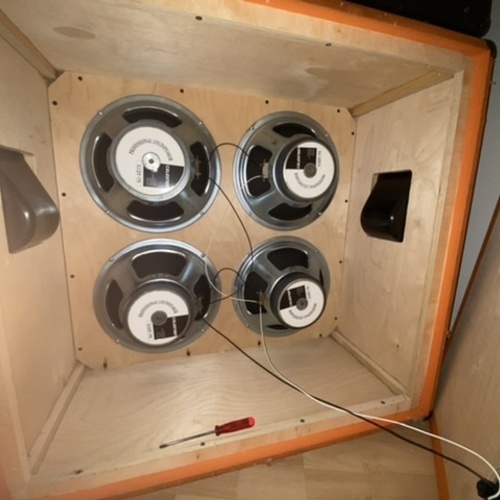
Bought this new instead of a 1960A because Marshall had increased its price and the salesman suggested to try this one out first before pulling the trigger. Heard it and took it home. 1/3 lower price but sounds 2x as good as the Marshall. My main cab for 20+ years. Then found out it has G12T-75’s. I don’t care. It sounds GREAT.
-m.webp?v=1785250782)
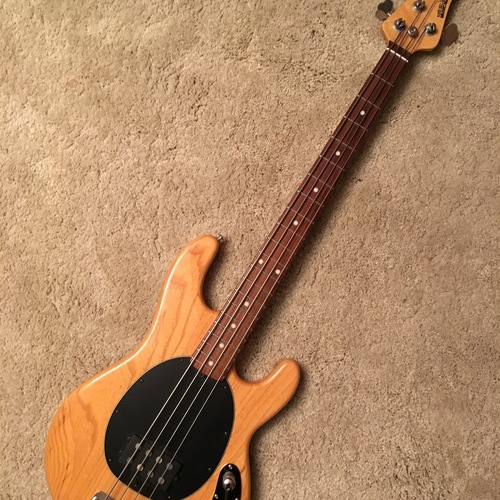
Leo Fender outdid humself again on this guitar. It’s a slap machine, but can fo all styles and all types of playing. Louis Johnson and Flea are my personal heroes.

Got me a Fleabass as I’m quite the peppers fan. Well built guitar with good materials. For the price, this was excellent value. The electronics quickly got me bored, so I replaced them with a LanePoor (from Legacy Pickups) and a Glockenklang pre-amp (as the Aguilar only boosts, this one cuts too). It’s transformed this bass into an instrument that can hold up with my original MusicMan. Sad that Flea pulled the plug early. Go get one while they’re cheap.

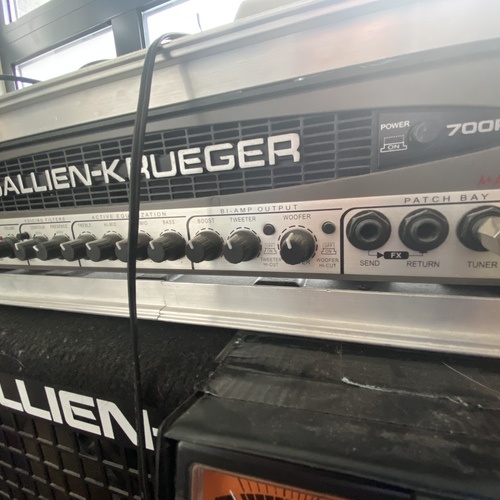
As a guitarist I was always interested to learn the bass and especially the slap technique. As a big RHCP fan, Gallien-Krueger was the way to go. I knew the Ampeg SVT series sounds great, but this bi-amp function on the RB series blew me away. Never looked back. Only when my bass player decided to get a 2001RB, I understood that mine was but the entry level of the high end series of a top brand of amps.
Initially, I set the amp up with lots of boost from the bi-amp to get the growl. But it doesn’t need that. Instead of rolling the bass back, I now boost the bass preamp with bass and treble, middle flat, and then roll most of the knobs on the amp a bit back. Then the amp comes alive with your finger technique. Love it. Can’t believe this thing is solid state. No tubes involved. That is a big step for a tube amp guy: admitting it doesn’t need tubes :-)

This cabinet contains 4 10" speakers and sounds like nothing else. Bi-Amp capable, it is the best companion of Gallien-Kruegers bi-amp amplifier heads. It allows you to create a "growl" from the woofers without destroying your tweeters like you would in full range. What more do you want? No compromise. I'm in love with this cabinet. I'd like to pair it with a 115 RBH to create a full stack of pure tone.

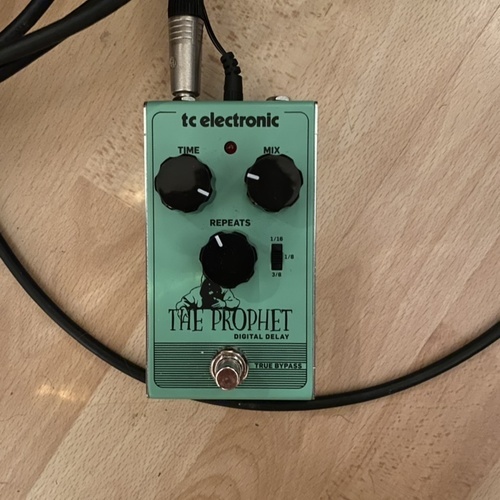
T.Rex made this “Vintage” line of pedals for TC Electronic. Obviously they sound exactly the same: a case of “badge engineering”. I don’t mind. The Vintage Delay is rarer and sounds incredibly good. The only thing I miss in hindsight is a dotted 8ths setting.

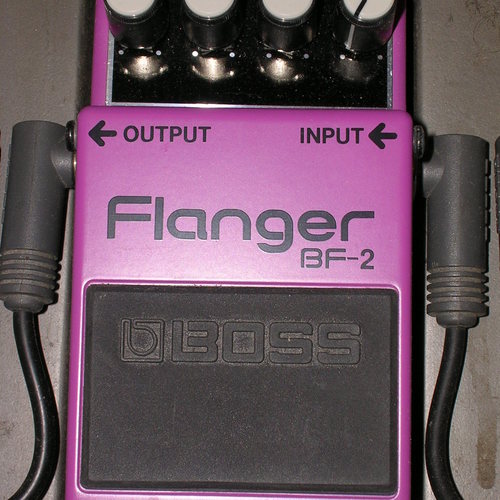
One of the first stereo Chorus, Flanger & Pitch shifters around. Contrary to what you might expect it does all these sounds very well. The chorus is bright and clear, even on a distorted guitar (unlike e.g. my Voodoo Lab Chorus). Sounds awesome. The pots have a good range and actually do something to tje sound. You turn a knob, sound changes. What more do you want? This is my default effect.
It Flanges really well too. Again a clearly audible, crispy clear flange sound. Pots work well.
Pitch shifting is my least favourite sound. Not because it doesn’t sound good, but because I don’t really have a use for it.
All in all it does three things and does them very very well. No compromises on sound. Only on the shared pots: if you set them for Chorus and switch to Flanger, you might want to change the pots. But that’s minor inconvenience. It always sounds good, regardless of the pot settings you choose.
The new one is even better as it can be 9Vdc powered. Mine is a ‘90ies unit with a fixed AC power cord.

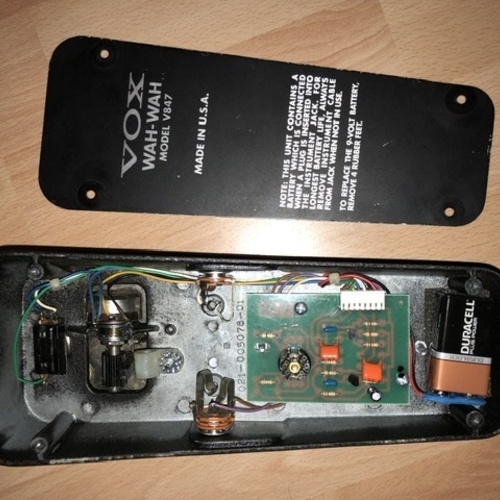
The WH-4 sounds good, but not as good as the original WH-1. The closest thing to the original is the successor to the WH-4: the WH-5 that has true bypass because that is the biggest reason I don’t have this in my signal chain: it is a big tone sucker even when off. Only a good buffer or a non-linear pedalboard (ground control & the likes) can eliminate the tone drain.


I have a Crybaby and JimiHendrix. Both are good wahs, but this one sounds more natural, less screechy. Usable also for other sounds than the typical wah, like Mike Knopflers sound. Can’t get the same result with the other two.
-m.webp?v=1784338655)
Great buffer, keeps signal very crisp through the signal chain. Never expected it to be so spectacular. Highly recommended!

-m.webp?v=1785250824)
Guitar 7
Doesn’t need introduction. It sounds great. The standard pickups have a huge output. I thought I measured wrong but no, this is one hot guitar.
The 1983 Explorer Korina Custom Shop differs in several ways from the original Korina Explorers. But it remains an excellent custom shop guitar. Well finished, well built, sounds the part and plays better than it looks. Also it can do lots of styles very well. Korina sounds a bit brighter than mahogany, yet retains most of mahogany’s good characteristics. This guitar is a big piece of wood and sustains solidly. Medium neck, very playable. Low action with no buzz.
This is a great Stratocaster. It says MX, but in direct comparison to a 1972 Strat and a 1964 Jaguar, this ons holds its ground. After a good tune-up it played just as well as the vintage Fenders. Of course the sound is no where near the originals. The poplar veneer seems awkward to me, it didn’t need it at all imo. The coil split humbucker disappoints as humbucker, convinces as single coil. The bridge pickup is great. All in all, I think the guitar is good, but not awesome, hence one star down. When I have the opportunity, I’ll buy a better strat maybe. For now this will do just fine for home practicing.
Does one thing really really well: sounding like Korn in Drop A.
I expected more from the mahogany body. For me it lacks something intangible compared to my beloved 93 Gibson SG. Maybe the K7 is too perfect? Lacks grunt to keep me playing. After a song or two I switch to an other guitar. That doesn’t happen on my SG or Explorer.

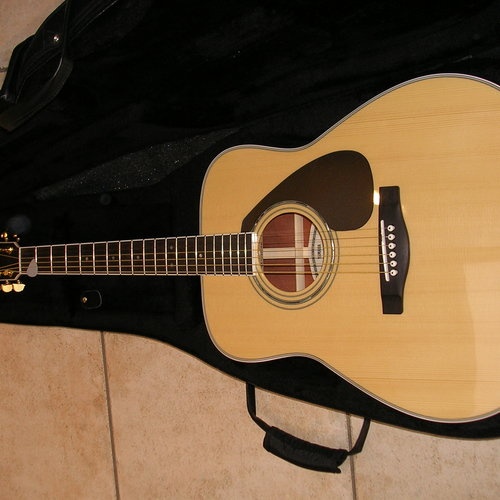
Ever since I've known of their existence, I've been a fan of the sound of an SJ-200 or J-200. I have played a lot of 200's before finding mine. I went from local guitar shops to Denmark street vintage shops over international acoustic specialty shops. Every one I played seemed to sound different: used or new, good or bad shape, they all have their unique character. After years of searching and trying SJ's, I finally found the one for me: a well priced used one, 33 years old, not quite vintage yet. A beautiful natural SJ Standard that sounds exceptionally good. A guitar you fall asleep with on the bed. You can't stop playing it, because the sound and feel are so rewarding. What a contrast with my high end Yamaha FG. No comparison possible.
The J-200 is a classic. It has a very balanced sound with good volume. Studio's are beautifully simple, but Standards add real abalone and fine craftsmanship on top. It is one of the few guitars that look good with all the baroque ornaments. That is personal taste of course.
Mine didn't come with a pick-up. Not a problem because I only play at home. Also I'm not a fan of the acoustic piezo sound, I much prefer a good microphone to pick up the glorious sound.
Purchased this new for around 450€ incl a 100€ softshell case. I only wish it had solid sides and back. The guitar plays and sounds better than average. But it doesn’t inspire me to keep playing it like a Martin or Gibson acoustic can. It doesn’t thrill me. It is a practice workhorse. Well built and finished with lots of craftsmanship, but not an inspiring creative tool.

Amps & Cabs 26
3-channel beast of an amp.
With 6L6’s the cleans are Fender clean. The 2nd channel is signature persona non grata’s sound (Urban Dance Squad). The boost channel is darker and less my thing.
In an attempt to improve the 3rd channel I swapped the 6L6’s to EL34. That made it sound a lot more British, but also made the Fenderishly great clean tone disappear for a more crunchy clean. Preferences. Can’t have both. The distortion channel is a lot less dark now.

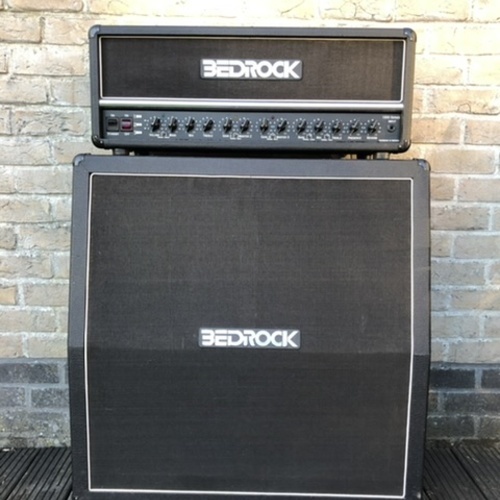
Only few players remember Bedrock Amplification. It went bankrupt in the early ‘90ies.
Even fewer remember their VOX AC-30 version, that they built for VOX. Their attempt to get the build contract for an original design model was not successful (Marshall got the order), but they decided to release it anyway. Lawsuit. Lost.
The Bedrock BC-50 is that amp. A VOX AC30 evolution I would say, with high quality components and very reliable. It had a brother with Tremolo, called the BC-75, which is even rarer.
I’ve played a few in my quest to find Rene van Barneveld’s tone on Urban Dance Squad’s “Persona Non Grata” album. Fender Tele, BC-50 and a Marshall DriveMaster.
On it’s own, the 50W amp has two switchable channels, a clean and an overdriven one. Both sound really great, very similar to the Bedrock 1000 series half stack. A Fender-like shimmering clean channel that can go very loud without breaking up. You can make it break up if you add more volume (crank it). The overdrive channel has a fat, round thick character. The “Persona Non Grata” sound is present, but it’s only with a Marshall DriveMaster pedal with gain on 2-3 that the Marshally barky midrange comes to life. Useful amp that has many good tones in it (with or without the boost).
Construction-wise it is a tank. Very solid metal housing in a sturdy plywood enclosure. 2 own design 12E100 speakers designed and built by Bedrock founder Jay Abend with parts from Stanford Acoustics, Eminence and some design assistance from Hartke. Here is the answer Rich Curtis (Bedrock “Tripod” page maintainer) got when he asked Jay about them:
“ Rich
Stanford Acoustics made the baskets. Cones were from Eminence. Some other place custom made the specially weighted dust caps. We did the assembly by hand in Framingham MA. And it was a ROYAL pain in the a**!! I just built four for a Marshall cab the other day from some stuff in my attic. They really do sound great. All the compression of a Vintage 30 but with the bottom end of a Vox blue!! My friend Ron Lorman from Hartke Systems helped me in the design.
PS: Rich’s Bedrock page helped me a lot in my enduring quest for Bedrocks. It sadly went offline years ago.
Jay”
-m.webp?v=1785250681)

I hated playing digital plugins. It was laggy and never sounded right. I had heard about Kemper for years and the new kid on the block, the NeuralDSP Quad Cortex
One day I tried a QC and was intrigued. I started getting interested in the capabilities of both Kemper and QC. Finally decided to get a Kemper PowerRack because it could power a cab. It turns out to be an incredibly versatile and configurable platform. I profiled my amp head collection using my PowerStation direct fx out and bought some good IR’s. Still not finished refining or redoing them. There are so many options and the interface is not very clear. But the result even though I’m not done yet is of such quality that I didn’t notice playing my Kemper instead of my real amps (which are in a KHE 8x4 amp/cab switcher). That is an achievement. It means the feel is the same as a real amp. And so is the sound. Mission accomplished. Congratulations Kemper.
PS: anekdote: when I started exploring the (then empty) Kemper, I stumbled on a Rig in the exchange that was sounding so good. It was a 2203 with an SD-1. I couldn’t get enough of it and went out to search for an original early treble circuit 2203 and an original early ‘80ies SD-1. What a glorious sound! The only thing the Kemper doesn’t do is mimicking the transfo sag on the real 2203. Otherwise they sound equally good. But I had to have the 2203. 🤷🏼♂️
I bought this head used as my first tube amp back in the early ‘90ies from a friend/show owner. I was looking for a JCM900 Hi Gain Dual Reverb, but tried this and I was hooked. A lot more bass available, and an epic signature mid bark that pops out even when you scoop the mids. Does almost every genre, only with a K7 tuned to drop A, it tossed the towel. It got muddy. I’ve used this amp live on all my gigs, through a mid 90ies Gibson era Orange 412 with G12T-75’s. Always too loud for rehearsals and stage. It is usable with gain and volume wide open and master between .75 and 1.5. It comes alive between 1 and 2. No need to dial the master up, it just brings more fizzyness and reduces the sensitivity. I had the blue liquid capacitors replaced recently (end of 2021) and that was the best thing ever: It really brought back the sound I remembered how it sounded back when I first tested and bought it. Absolutely killer amp. I don’t care that it has diode clipping. It sounds absolutely great!
-m.webp?v=1785250683)

Mesa/Boogie Triple Rectifier 3-Channel 150-Watt Guitar Amp Head (MultiChannel)
Guitar Amplifier Heads
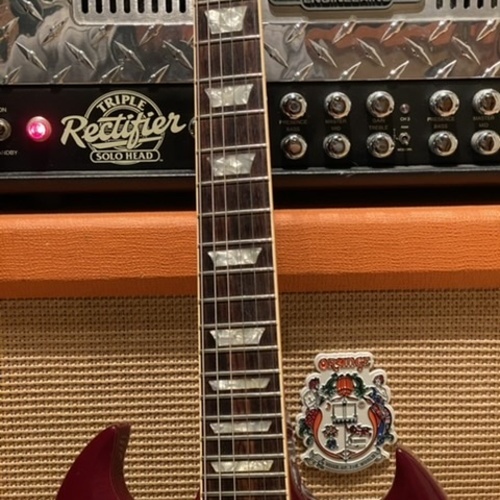
There is no substitute for tubes. This thing has a signature tone that you either like or not. It’s become the standard for metal tones, but is so versatile that it also allows superlead-like tones with the middle channel in “vintage” and the bass eq and gain turned down. I love it.


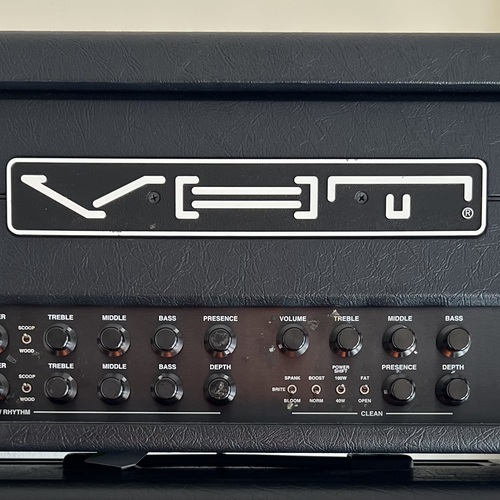
In my quest for a legendary old VHT Pittbull Ultra Lead with KT88 power tubes, I started looking at alternatives. One of these is the Sig:X. An Ultra Lead is known for its dry and unforgiving tone. Not many amps sound and feel like that. I didn’t expect to find it in the Sig:X in such quantities too! Where the Ultra Lead is extremely good at one thing (albeit capable of many different tones), the Sig:X is even more versatile. It has even more tonal options and switches all over the panel. Initially they intimidate and confuse. But when taking a bit of time experimenting and dialling in the amp, they all make perfect sense. They all do something to the tone that is clearly audible. If you (like me) want to know what you‘re actually doing, the manual explains it very well. It’s also easy to dial in to your tastes (much more than an UL). This amp can do crystal sparkling cleans, nice crunch, strong rythm parts and searing leads. Three channels. A boost*. And a happy guitarist.
* no it doesn’t need a tube screamer. It already HAS a boost!


After years of reading and viewing reviews about it, I decided to get this Fryette PowerStation PS-2. It is an actual tube power amp, not a passive device, although it can be used as such (without power, some buttons don’t work).
Attenuators usually suck tone. Not this one. I can dial in the exact same tone as without the PS-2, the only difference is that it it bedroom volume. So satisfying. It is even possible to make the tone better than the original (Triple Rectifier) amp. Who would have thought that.
Kudos to Steven Fryette. This thing rocks!
Specs? It handles 4/8/16 ohm in- and output. It handles tube heads up to 200W (!).

Something of a special here. Diezel made these cabs back around 2012. They were a lot more expensive than regular Diezel cabs due to the high end ceramic hemp cone speakers from Tele Tubbies.
I didn’t know any of this when I tried the cab out. It sounds absolutely glorious. I used a Mesa Boogie Triple Rectifier with an SG. I usually hook up to a Mesa Boogie Oversized Standard 4x12 cab, or a VHT/Fryette FatBottom 412S.
This Diezel cab sounds very bright. The Mesa is a rather dark amp, so it benefits from the clear and crisp highs in these speakers. Clean tones, crunch tones or searing distortion, this cab does everything without blinking. If you’re in for something else than V30’s or Greenbacks, this cab is for you!
Incredible. Worth every penny if you ask me!


I’ve been using Orange and VHT cabs with my Triple Rectifier head before. Through the VHT FatBottom with P50E’s it sounded epic, but still a bit on the treble and mid side. Good for band work, less so for home practicing and recording. I like to hear more lows especially when not in a band setting. I added an Orange PPC212 for the lows, but I wasn’t quite there yet. This oversize slant Mesa cab put one term in my head when I first heard it with my own TripleRec head: GLORIOUS. It has all the lows, all the mids and all the trebles that I want in a balanced, almost hifi way. I had to dial the bass and mid eq back to flat and treble to 2 o’clock to have it spot on. It really is a step (or two) up from my other cabs that are already top quality. What it misses compared to my more compact and lighter VHT/Fryette, is the ability to support fast, choppy staccato riffs with lots of rests in between. The Fatbottom with it’s P50E’s are supporting that and accentuating them. This Mesa cab fattens them out and makes them less choppy I noticed. Can’t have it all. But now I’m really splitting hairs. Glorious. Remember that.
(Might give those P50E’s in the Mesa a try ;-))


Bought this new instead of a 1960A because Marshall had increased its price and the salesman suggested to try this one out first before pulling the trigger. Heard it and took it home. 1/3 lower price but sounds 2x as good as the Marshall. My main cab for 20+ years. Then found out it has G12T-75’s. I don’t care. It sounds GREAT.

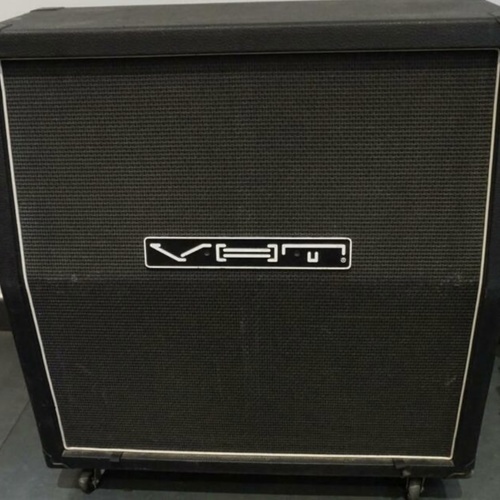
Fat tone with lots of bass. Matches great with a Triple Rectifier and an Eminence P50 loaded VHT/Fryette FatBottom 412. Adds warmth and bass to the extremely tight VHT cab. Remarkable that harmonics sound a lot more present with this 212 added than without. As if the VHT mutes them.
Bass 3

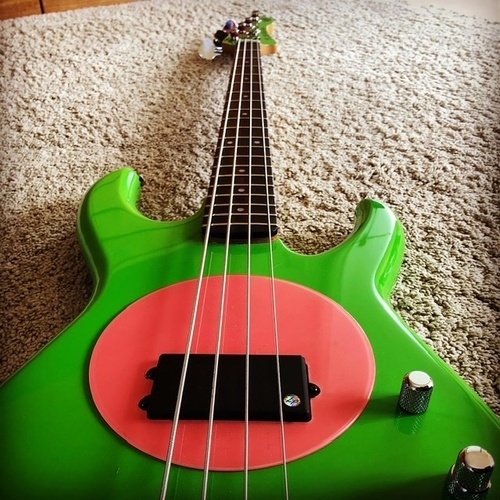
Got me a Fleabass as I’m quite the peppers fan. Well built guitar with good materials. For the price, this was excellent value. The electronics quickly got me bored, so I replaced them with a LanePoor (from Legacy Pickups) and a Glockenklang pre-amp (as the Aguilar only boosts, this one cuts too). It’s transformed this bass into an instrument that can hold up with my original MusicMan. Sad that Flea pulled the plug early. Go get one while they’re cheap.

Flea from the Red Hot Chili Peppers played Modulus basses for a period of time. All his Modulus and Fleabass basses he used live at that time were modified with a Lane Poor pickup and Aguilar active electronics. Lane Poor stopped making the pickups (bankrupt or medical issues, not sure), but due to high demand from players and the Modulus company, a former employee started making them again, true to the original design and sound. Legacy Pickups was born, the Lane Poor pickup was reborn.
I bought this pickup in the USA (I’m in EU) via PlanetBass and had a USA relative bring it over. It was then professionally installed by my luthier/bass builder in my Fleabass Punk Bass and mated with Glockenklang cut/boost active electronics. The sound is phenomenal. Punchy, deep, growl, treble, attack, slap, groove. It does it all brilliantly. Even my luthier who has his own line of basses was surprised by this piece of art. Sure it is expensive, but it sure delivers too. Very very satisfied with my Fleabass transformation.
Bass Amps & Cabs 2
As a guitarist I was always interested to learn the bass and especially the slap technique. As a big RHCP fan, Gallien-Krueger was the way to go. I knew the Ampeg SVT series sounds great, but this bi-amp function on the RB series blew me away. Never looked back. Only when my bass player decided to get a 2001RB, I understood that mine was but the entry level of the high end series of a top brand of amps.
Initially, I set the amp up with lots of boost from the bi-amp to get the growl. But it doesn’t need that. Instead of rolling the bass back, I now boost the bass preamp with bass and treble, middle flat, and then roll most of the knobs on the amp a bit back. Then the amp comes alive with your finger technique. Love it. Can’t believe this thing is solid state. No tubes involved. That is a big step for a tube amp guy: admitting it doesn’t need tubes :-)
This cabinet contains 4 10" speakers and sounds like nothing else. Bi-Amp capable, it is the best companion of Gallien-Kruegers bi-amp amplifier heads. It allows you to create a "growl" from the woofers without destroying your tweeters like you would in full range. What more do you want? No compromise. I'm in love with this cabinet. I'd like to pair it with a 115 RBH to create a full stack of pure tone.
Guitar FX 46
-m.webp?v=1785243574)


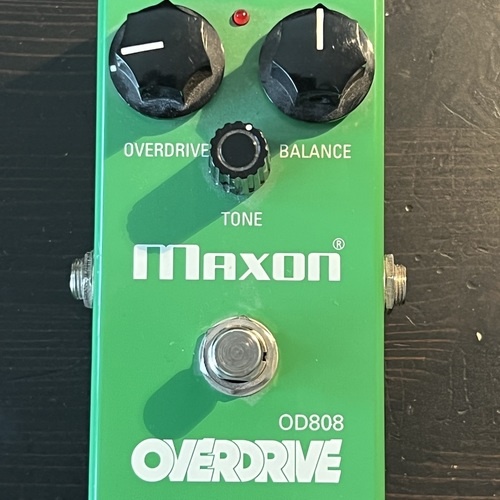
I never liked boosts in the first place. Didn’t need it on my Marshall JCM800 2210. Until I started dropping my tunings lower and lower. When getting my 7-string K7, I first experienced muddyness. I steered clear of the TubeScreamer, and got me a Mesa Boogie Triple Rectifier. Sounds killer, but still struggled with some lack of definition and some muddyness. Years went by and occasionally I’d try an Ibanez TS9 or a TS808, Emma Onomatopoeia and an Xotic RC Booster. Except for the latter, none of them made a lasting impression. I kept learning and reading about the TubeScreamer history and then a used Maxon OD-808 came up for sale locally. I picked it up and fell in love instantly. Unlike the TS9 and TS808, this Maxon sounds full and round. No screechy tones! It’s easy to dial in a tone that you like.
All controls work well and it tightens the Triple Rectifier. Even for the 2210 it isn’t overkill. This pedal stays on my board and is always on now, although not true bypass it’s very low noise and doesn’t eat tone at all it makes tone!
The WH-4 sounds good, but not as good as the original WH-1. The closest thing to the original is the successor to the WH-4: the WH-5 that has true bypass because that is the biggest reason I don’t have this in my signal chain: it is a big tone sucker even when off. Only a good buffer or a non-linear pedalboard (ground control & the likes) can eliminate the tone drain.
-m.webp?v=1785236411)
One of the first stereo Chorus, Flanger & Pitch shifters around. Contrary to what you might expect it does all these sounds very well. The chorus is bright and clear, even on a distorted guitar (unlike e.g. my Voodoo Lab Chorus). Sounds awesome. The pots have a good range and actually do something to tje sound. You turn a knob, sound changes. What more do you want? This is my default effect.
It Flanges really well too. Again a clearly audible, crispy clear flange sound. Pots work well.
Pitch shifting is my least favourite sound. Not because it doesn’t sound good, but because I don’t really have a use for it.
All in all it does three things and does them very very well. No compromises on sound. Only on the shared pots: if you set them for Chorus and switch to Flanger, you might want to change the pots. But that’s minor inconvenience. It always sounds good, regardless of the pot settings you choose.
The new one is even better as it can be 9Vdc powered. Mine is a ‘90ies unit with a fixed AC power cord.
T.Rex made this “Vintage” line of pedals for TC Electronic. Obviously they sound exactly the same: a case of “badge engineering”. I don’t mind. The Vintage Delay is rarer and sounds incredibly good. The only thing I miss in hindsight is a dotted 8ths setting.


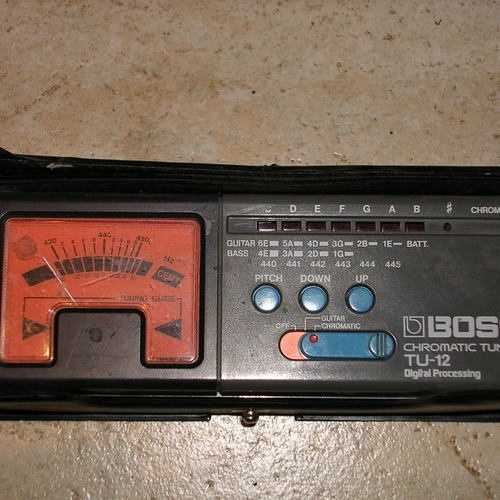
The PlanetWaves tuner (currently owned by D’Addario) was a true bypass tuner and power supply built in a metal enclosure. It consumes very little power, has a bright colourful display that is very clear to read. The tuner allows for both silent and non-silent tuning (different jacks). It came in a elastic leather protective pouch. Very well finished product with no issues at all in 15 years of use. It doesn’t even have a scratch, as opposed to my other pedals on the same pedal board!
For more demanding users, this tuner allows for custom tunings and can be reconfigured easily to tune in several steps above the pitch.


Great buffer, keeps signal very crisp through the signal chain. Never expected it to be so spectacular. Highly recommended!


Initially I started with a Morley ABY. Although it switches fine and silently, it doesn’t allow to break ground loops or include a switchable buffered interface like the Radial. I have two Radial ABY’s. One earlier generation without the LED’s, one later model with LED’s. Both are top notch. No tone loss (to the contrary), no noise, sturdy package. I love them!

Bass FX 3

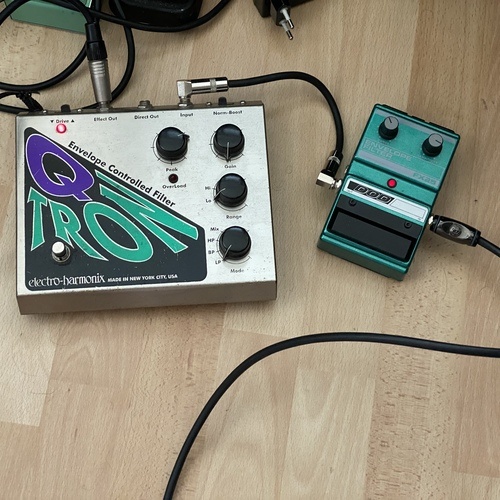
I have bought the three envelope filters that Flea used: the DOD FX25, FX25B and the original green EHX QTron. The QTron sounds way fuller. Both DOD’s lack bass response. The EHX doesn’t let the bass tone suffer from the filter effect. There is a reason only the original green QTron is still on Flea’s pedal board.
-m.webp?v=1785164485)

Microphones 5
-m.webp?v=1785250660)


Sold 13


Incredible tone for a ridiculous price tag. How did TC do it? Getting such a great crisp and cutting digital delay tone with so wide variations in pots out of such a tiny price? This is a metal pedal casing, not a compromised plastic thing. Also on the inside everything is produced in a very tidy way. No cutting corners.
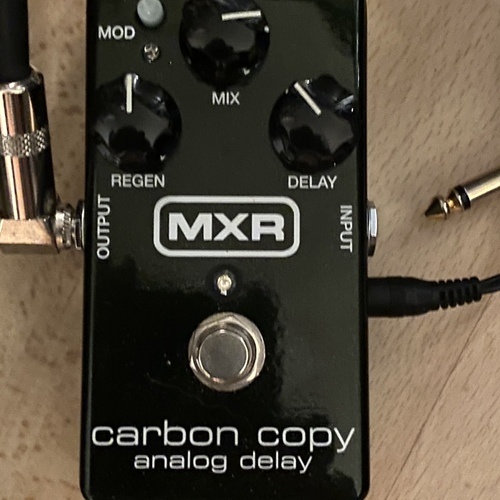
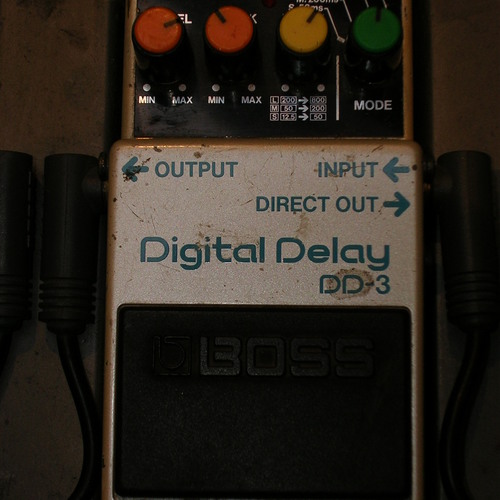
There really is only one disadvantage for me (very personal). In one of my songs I strike a chord and immediately push the delay to make it echo in a sharp, crisp way for 3 to for times, then I strike the next chord etc. at that first chord when I engage it, the pedal is a tiny bit too slow. I’d have to kick it just before the chord, but the risk of messing it up is just too big. So I traded it for a Trem Jr, because I already have 3 other delay pedals (MXR CarbonCopy analog delay, TC Vintage Delay - which is a T.Rex replica rebadged -, and a BOSS DD-3 MIJ).


I purchased a Voodoo Lab Pedal Power 2+ to build a new Pedaltrain 3 Classic board.
The PP2+ was not as good and suitable for me as expected.
First, I noticed hum and a lot more feedback in my guitar than I was used to in the rehearsal space (with not very good power/earth). I tried to solve it with a noise gate, but one day it was so particularly bad that I decided to power a few of my required pedals from the Truetone CS6 in my backup Pedaltrain Nano+. Guess what: completely silent with noise gate off. No more feedbacking guitar. So I replaced the PP2+ with a Truetone CS12 and have not regretted it. So think before you buy. Try if you can.
Second, when I built my PT Classic 3, I needed brackets. Had to order them. Needed some specific cables, had to order those too. Here in Europe I couldn’t find Voodoo Labs cables, so I went for the Truetone cables instead. When I replaced the PP2+ with a Truetone CS12 for the above reason, I noticed Truetone included all required brackets, templates for drilling holes and a myriad of extra special cables like Y-splitters, reverse polarity, other colour (for different voltages/amps etc.). So unless you read reviews, You wouldn’t know that all this is optional with the more expensive Voodoo Lab power supplies yet standard with a direct competitor.
-m.webp?v=1784337455)

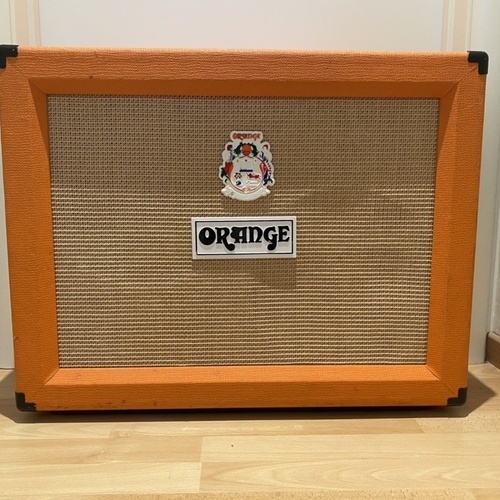
Great Orange tone in a portable format. Sounds really big. I prefer the closed back cabs for my style (raprock/metal). But I can imagine someone preferring this over a closed back. Built like a tank, only the corners could be more robust. Chinese V30’s sound just as good as any UK V30.


This amp sounds great. It is 50W, but uses 4 power amp tubes. Clean channel is real clean and lively. The distortion channel can do everything from Jimmy Page to Slipknot. You can spot the 4 gain stages clearly when dialing the gain up. Easy to find your tone.
This amp has a gift for pinch harmonics. They are so easy. It doesn’t need a boost, but it takes them very well. In general it is a pedal-friendly platform.
Add to that a great over-the-top reverb and you have an amp that can do it all. Seriously. I have many amps and not one can do both pristine cleans and grinding distortion. Very very good amp. 5 out of 5 stars!
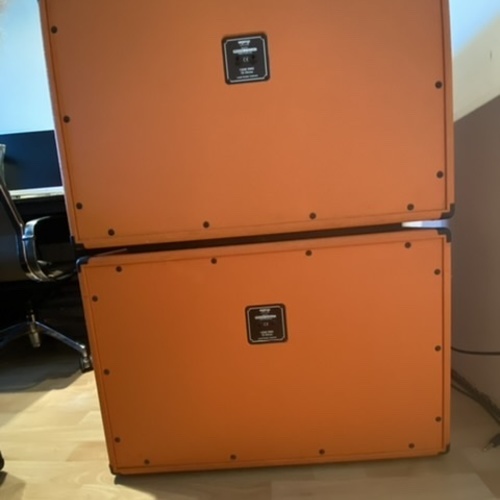
Fat tone with lots of bass. Matches great with a Triple Rectifier and an Eminence P50 loaded VHT/Fryette FatBottom 412. Adds warmth and bass to the extremely tight VHT cab. Remarkable that harmonics sound a lot more present with this 212 added than without. As if the VHT mutes them.


Wishlist 22
Gear Photos 44









Top artists 5
The artists oedipoes has added the most gear to.
 #2
#2
Renè van Barneveld
Guitarist, Composer · Urban Dance Squad
4 submissions
Mark Tremonti
Singer, Guitarist · Alter Bridge
1 submission
Lenny Kravitz
Singer, Guitarist · The Plastic Ono Band
1 submission #7
#7
Glenn Danzig
Singer, Guitarist · Misfits
1 submission
Adam Jones
Guitarist, Keyboardist · Tool
1 submission