


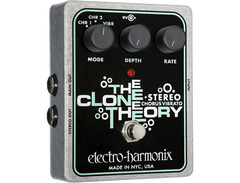

Pricing and availability
We compare 600+ stores and found this item at 3 stores. Prices updated .
Store
Reviews
Price


Average Price: $139
Standard/Professional
$60
$201+
Price Tier
Budget
Standard
High-end
Price History
Based on price data from 1 merchant for "Electro-Harmonix The Clone Theory". Prices shown reflect NEW condition. Tracking began Apr 2, 2026.
* Product prices and availability are updated by Equipboard every 24hrs and are subject to change. Equipboard may receive compensation for purchases made at participating retailers linked on this site. This compensation does not affect what products or prices are displayed, or the order of prices listed. For more information, please refer to our affiliate disclosure.
Description
In the realm of sonic manipulation, the Electro-Harmonix Clone Theory stands as an indispensable tool for guitarists. This compact marvel offers a broad spectrum of effects, lending versatility to your sound and style. With controls for depth and rate, and three switchable modes encompassing two distinctive chorus effects and a vibrato, it allows for creative exploration and tonal diversity. Housed in the updated EHX's XO chassis, it faithfully replicates the capabilities of the original Clone Theory. A cost-effective solution that's also pedalboard-friendly, this pedal is an excellent choice for genres ranging from garage and psychedelia to dream pop.
Key Features:
- Depth and rate controls for precise effect manipulation
- Three switchable modes including two types of chorus and a vibrato
- Compact design, housed in EHX's updated XO chassis, saves pedalboard space
- Faithful replication of the original Clone Theory effects
- Ideal for a wide range of music genres
- Cost-effective solution for guitarists seeking versatile effects
Product specs
| Brand | Electro-Harmonix |
| Model | Clone Theory Stereo Analog Chorus / Vibrato |
| Finish | Black |
| Year | 2007 - 2025 |
| Categories | Chorus and Vibrato |
FAQs
-
What type of effects does the Electro-Harmonix Clone Theory offer?
-
The Electro-Harmonix Clone Theory provides both chorus and vibrato effects, allowing for a range of modulation sounds from subtle shimmer to intense warbles.
-
Is the Electro-Harmonix Clone Theory suitable for both guitar and bass?
-
Yes, the Electro-Harmonix Clone Theory is designed to work well with both electric guitar and bass, providing rich and dimensional modulation effects for either instrument.
-
How does the Electro-Harmonix Clone Theory differ from other chorus pedals?
-
The Clone Theory stands out with its analog circuitry, offering a distinctive warm and lush sound. Its stereo output also allows for expansive spatial effects, setting it apart from many other chorus pedals.
-
What power supply does the Electro-Harmonix Clone Theory require?
-
The Electro-Harmonix Clone Theory typically requires a standard 9V DC power supply, commonly used with many guitar pedals, or can be powered by a 9V battery.
-
Can the Electro-Harmonix Clone Theory produce flanger-like sounds?
-
Yes, the Electro-Harmonix Clone Theory can emulate flanger-like sounds due to its versatile modulation controls, offering a broad palette of tones beyond traditional chorus and vibrato.
Videos

ProGuitarShopDemos
Electro Harmonix Clone Theory
Electro Harmonix Clone Theory
ProGuitarShopDemos
Electro Harmonix Clone Theory

blondegraemey
EHX Clone Theory in 100 Seconds

docSanchezFX
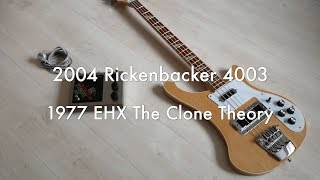
Rickenbacker 4003 & 1977 EHX The Clone Theory

Nikita Demchenko
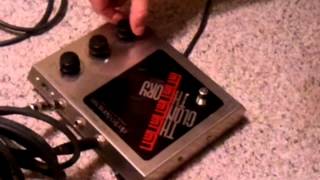
Vintage Electro-Harmonix The Clone Theory

hargie12

Electro Harmonix The Clone Theory Stereo Chorus and Vibrato

Pedal Sessions
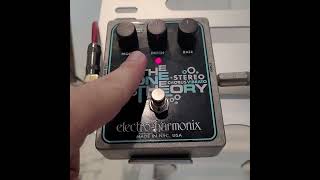
Test EHX Clone Theory Chorus Vibrato

TooNyTooN
Vintage Electro Harmonix Clone Theory | Modular Synthesizer Jam | Cables For Clouds

Cables For Clouds
Electro Harmonix Clone Theory—Vintage Pedal Demo

Luke Maskarinec
Reviews
PROS
-
Faithful to the original 70s/80s Clone Theory vibe
-
Less noise compared to the original models
-
Durable build quality, "built like a tank"
-
Offers unique sounding chorus and vibrato modes
-
Can produce a classic post-punk warble, especially on bass
-
Works well with electric 12 strings, enhancing versatility
CONS
-
Still emits some noise, although less than the original
-
Noise level may increase with high gain pedals
-
Vibrato setting may not surpass competitors like BBE Mind Bender
Owner Insights
We analyzed real musician discussions from forums and Reddit to find what players love, question, and tweak about Electro-Harmonix The Clone Theory.
Comparisons
-
The Clone Theory is likened to the Small Clone and has been used by artists like Talking Heads and J Mascis, suggesting its vintage chorus appeal.
Source -
The modern Clone Theory is smaller and differs internally from the original, yet produces a similar tone, costing around $130 compared to $400 for the vintage model.
Source -
The Bass Clone, another EHX option, is noted for a 90s chorus vibe, contrasting with the 80s sound of the Clone Theory, which suits Hooky-style basslines.
Source -
The Pastfx New Division is praised for its accurate Clone Theory replication, reducing noise and offering better build quality than modern EHX versions.
Source -
Users suggest the Boss CE-2w for its CE-1 mode, providing a thick, dynamic chorus sound distinct from the "thin, cold" CE-2 sound.
Source -
The DC-2w is highlighted for its "thick wall of sound" in stereo use, but is considered less impactful in mono setups.
Source
Use cases and applications
-
Known for its true pitch vibrato mode, the Clone Theory is ideal for recreating sounds from early alternative rock bands.
Source -
The Clone Theory excels in recreating Peter Hook's signature sound, particularly for tracks like "Twenty Four Hours," emphasizing its role in capturing specific musical eras.
Source -
The EHX Clone Theory is ideal for achieving Cocteau Twins and New Order-style chorus tones, according to enthusiasts.
Source
Features and functionality
-
It's noted that the Clone Theory offers a digital experience, which may influence its tonal characteristics compared to analog counterparts.
Source -
The Clone Theory pleasantly retains bass tone despite expectations, making it suitable even for high-end neck play typical of certain bass riffs.
Source -
The EHX Stereo Clone Theory is noted for its lo-fi, "tape hiss"-like noise characteristic, which may not suit all preferences.
Source
Critic Reviews
4.5 out of 5
Based on 1 Review and 3 Ratings

1962
Clone theory
We used this a lot on electric 12 strings with my old band Pineforest Crunch.
Artist usage
Add artist

The website says he had one for chorus effects but didn't like it as much as the small clone and broke it.


In this video that shows longtime U2 guitar tech Dallas Schoo inspecting Edge's Bob Bradshaw-designed rig prior to 1997's PopMart Tour, a Clone Theory pedal is visible at the 15-minute 31-second mark (it's on the lower-right section of the shelf in this shot).

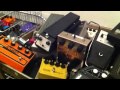
"Clone Theory... one of the original Pumpkins' Clone Theories" says Billy about this pedal at 3:11.

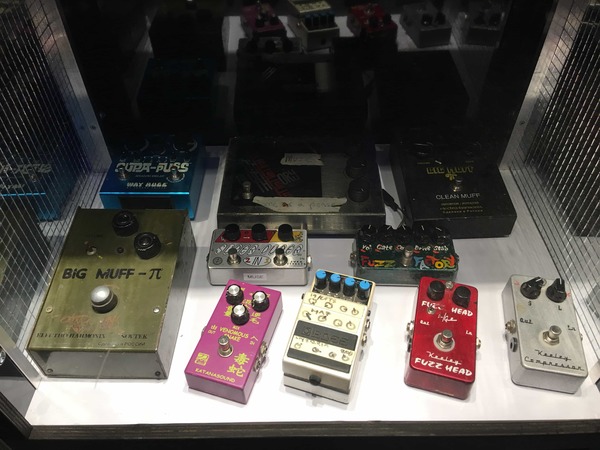
In a user-uploaded photo on Musewiki, Chris Wolstenholme's setup includes the Electro-Harmonix The Clone Theory pedal, visible at the bottom.


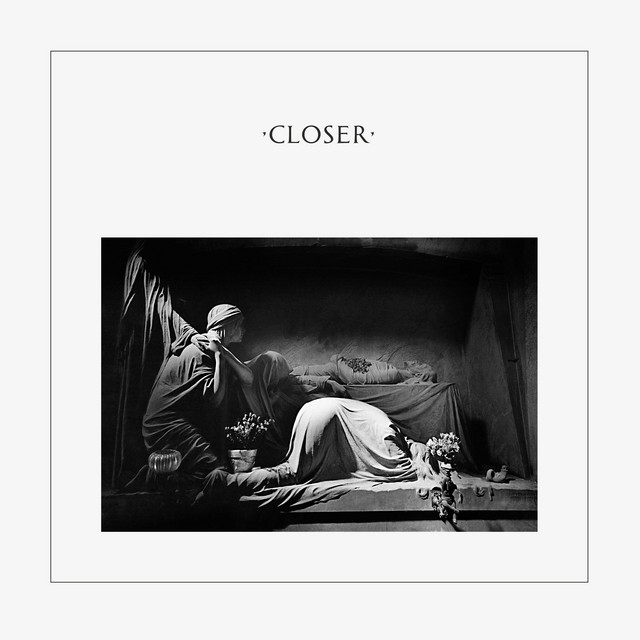
This was Hook's main chorus during most of his carrer. He used it with joy division on the album "Closer" and for the single "Love will tear us apart", and with new order throught the 80's. The effect has been one of the trademarks of Hooky's sound. It was usually rackmounted along with his rack units (As can be seen on this 1981 concert at 3:00) and it was always on (or at least most of the time).


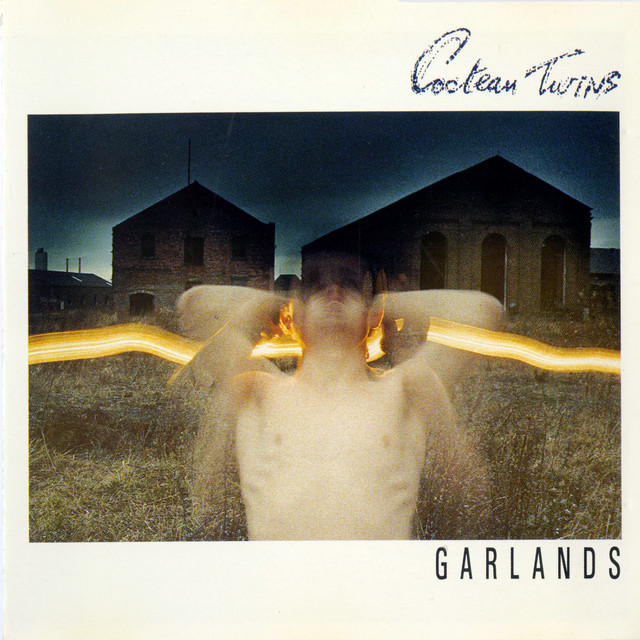
Used on Garlands, as specified in the Equipment Notes section of Guthrie's official website (now hosted on the Cocteau Twins website).
“The recording of ‘Blind Dumb Deaf’ was a little different to most of the later Cocteau Twins songs as it was our first album, we were studio newbies and didn't have the time or experience to experiment at all during the recording process. I wasn't really the producer (I didn't even know what a producer was at that point) so all the work on guitar sounds as such was done before the band entered the studio from playing gigs and gathering what equipment we could. Garlands, the album, was essentially recorded live in the studio with myself and Will playing together and Elizabeth over-dubbing a few vocals later, very much the way most bands record. My guitar setup was this: a Kawai KS-11-XL electric guitar followed by an Electro-Harmonix Big Muff Pi, a Watkins Copicat tape echo (3 button model), an Electro-Harmonix Clone Theory and then into another Watkins Copicat tape echo (4 button model) - this went into my amp, a Maine combo (60w 2x10 never seen one since). The bass was a Rickenbacker 4001 played through a Ibanez UE-400 Multi-Effects unit into a Carlsbro Stingray bass combo. There was one disappointment at the time which was the drum machines that we used, a Boss Dr Rhythm and a Soundmaster SR88 played through the distortion channel of a HH IC100 combo were deemed unsuitable by the engineers and Ivo (the grown-ups) and were replaced with the ‘more professional’ (at the time as it had just been invented) Roland TR808. This made the drums sound very clean but weak, lacking the power that we were used to in concert. I mean the stuff we used sounded way more like (what became) hip-hop than electronic. But in spite of the lack of distortion on the drums the ‘Garlands’ sessions were a pretty accurate recording of how we sounded at the time when we played live.”


In an Instagram post by Adrian Utley, he showcases a vintage Electro-Harmonix The Clone Theory.


Featured in this July 3, 2018 Instagram post.
Ok, let’s #gothtalk. Just acquired another beauty in the incredible Pearl effects series (oops secrets out), which is their Flanger, i think one of the more special flangers I’ve heard. Goes into ring mod and vibrato territories. Flange is the least used effect for me, but of course I want to put a beatbox through this. Then you can hear my reverse color and standard Clone Theories. Reverse one has more top end and output, other one is slightly more mid forward, but more “relaxed”. V similar tho. Ok, carry on. #pearleffectors #flanger #clonetheory #ehx

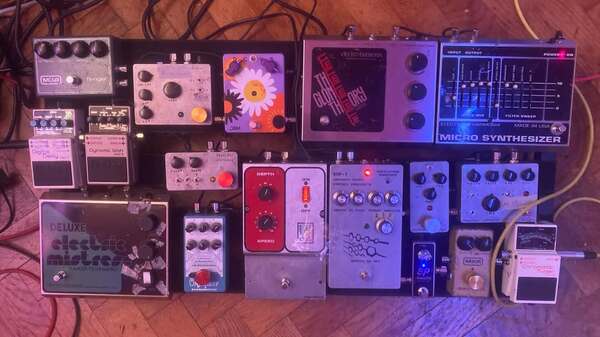
In an Instagram post by the official Stereolab account, a photograph of Tim Gane's pedalboard is shared, clearly showing the inclusion of the Electro-Harmonix The Clone Theory. The post humorously notes the popularity of guitar pedal images on social media and acknowledges Joe from The GigRig for his expertise.


Mentioned in this 1981 Jas Obrecht interview and this April 1981 Guitar Player interview.
Jas Obrecht, 1981
What were you doing prior to co-founding the Pretenders?
I was selling guitars for a living, for a shop in the Hereford. I did gardening too – that was great! And it was during that time – I was out in the garden, you see, digging away, and the radio was on. Nick Lowe came on with [sings] “and so it goes, so it goes,” that number – Elvis Costello’s “Red Shoes.” And they had this big, jangly guitar sound, which is what I’d been wanting to get into for a long while. All of a sudden the radio’s on and there’s this huge guitar sound coming out, like sending out a big Rickenbacker 12-string or something. And I thought, “Ah, my time is here.” So that’s what happened. And then I hooked up with the Pretenders.
What did you use to get that sound?
At that time I was using an Ibanez Explorer that was fantastic – it was stolen. It was incredible. That went through a Marshall. And to get that sound, I was using the Clone Theory pedal made by Electro Harmonix. That’s how I go the sound. And I’m now using the old Boss pedals.
(...) What is the effect on “Precious”?
That would be the Clone Theory through a Harmonizer. I didn’t use a MuTron then.
Guitar Player, April 1981
Cheeks toured extensively for three years without ever recording. After they disbanded. Jimmy started making his living selling guitars in a Hereford shop. During the summer of 1978, after hearing the guitar sounds on new cuts by Nick Lowe and Elvis Costello, he decided that it was time to reenter the music scene: "I was out in the garden, digging away, and Nick Lowe came on with 'So It Goes,' and then came Elvis Costello's 'Red Shoes.' And they had this big, jangly guitar sound, which was what I'd been wanting to get into for a long while. It was a huge guitar sound, like a big Rickenbacker 12-string or something. I thought, 'Ah, my time is here!' To get that sound at first I used a fantastic Ibanez Explorer-style guitar through an Electro-Harmonix Clone Theory pedal and a Marshall."

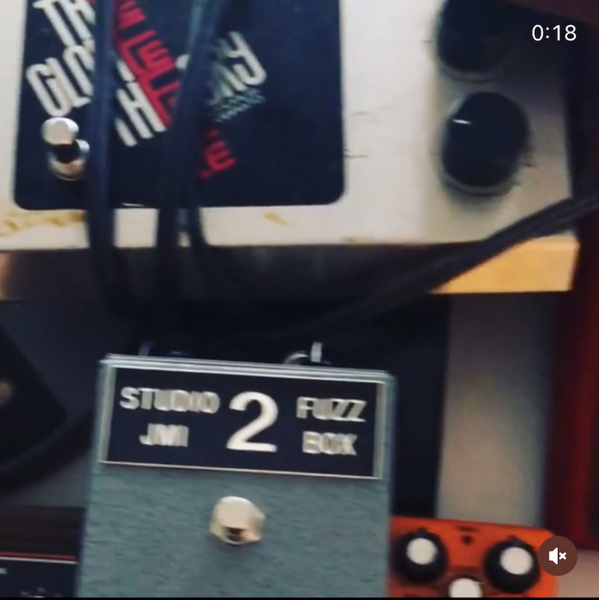
"Paul Waaktaar-Savoy showcases the Electro-Harmonix The Clone Theory chorus pedal in an Instagram post."

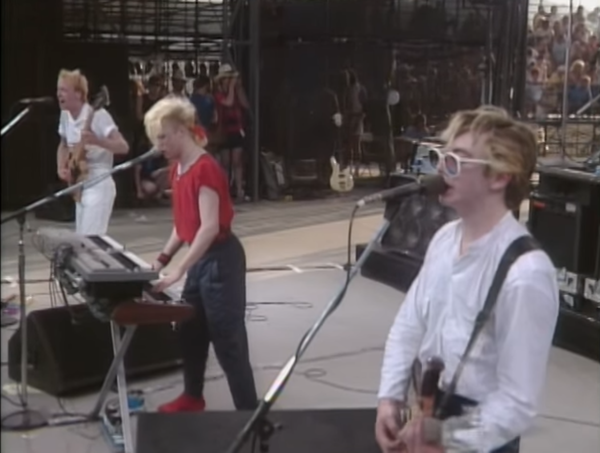
In the studio I remember it was all recorded using a Jupiter 8 for the bells and strings and a korg ms10 thru a clone theory for the bass synth. At that time I could not get a Jupiter 8 to take on the road. The two SH101's in the picture ran sequences and the TR606 drum machine was just for the intro to "wishing"...Mike Score
Album Usage
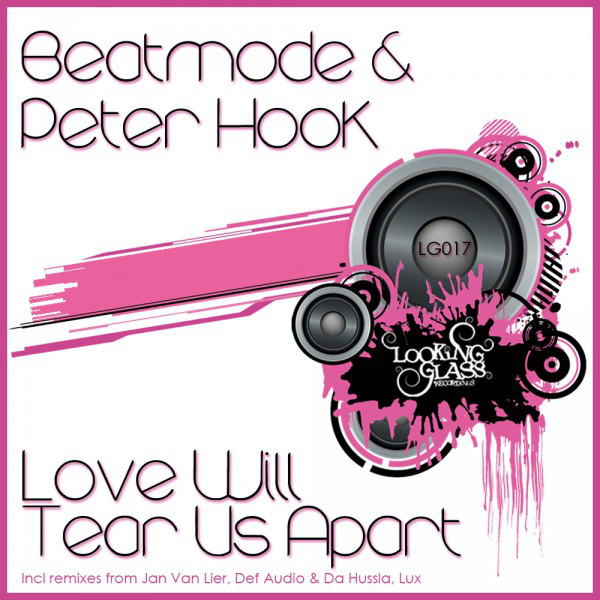
The Electro-Harmonix The Clone Theory has been featured on the following albums:


Genre Usage
Based on how artists on Equipboard use this gear, it is most commonly found in the following genres.
Used With
Based on how musicians on Equipboard use Electro-Harmonix The Clone Theory, it is most commonly used with the following gear.
-s.webp?v=1784818682)


Community setups
Show yours
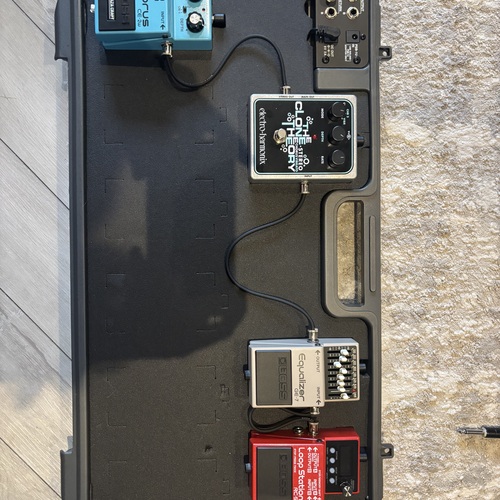

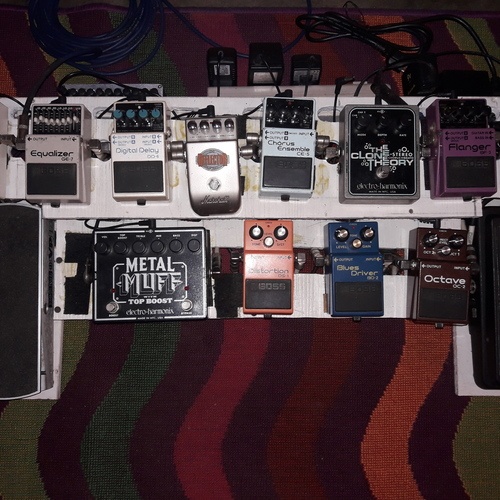
Similar
Add recommendation2 alternative and related items for Electro-Harmonix The Clone Theory, curated by the Equipboard community.

$110.00 - $188.67

Faithful recreation of the old EHX unit with the 80’s MN3007 chip, but includes some improvements that address some of the flaws of the original
More Electro-Harmonix Chorus Effects Pedals
-m.webp?v=1784818722)
$85.00 - $107.00
in Chorus Effects Pedals Rank


$70.00 - $86.20
in Chorus Effects Pedals Rank


$110.00 - $188.67
in Chorus Effects Pedals Rank


$47.00 - $56.30
in Chorus Effects Pedals Rank

.jpg?v=1783969611)


$126.80 - $349.00


$219.99
in Chorus Effects Pedals Rank

.jpg?v=1784764218)


$210.50 - $241.99
in Chorus Effects Pedals Rank


$210.00
in Chorus Effects Pedals Rank


$65.44 - $83.90
in Chorus Effects Pedals Rank


$119.00 - $139.99
in Chorus Effects Pedals Rank


$239.00 - $259.00
in Chorus Effects Pedals Rank

.jpg?v=1784640202)

-m.webp?v=1784804736)
$49.99 - $119.63
in Chorus Effects Pedals Rank


$61.00
in Chorus Effects Pedals Rank

.png?v=1784734024)

$563.47
in Chorus Effects Pedals Rank


$96.20 - $153.99
in Chorus Effects Pedals Rank


$105.50 - $144.98
in Chorus Effects Pedals Rank

.jpeg?v=1784753764)

$104.00 - $125.99
in Chorus Effects Pedals Rank


$189.00 - $205.00
in Chorus Effects Pedals Rank


$194.00 - $219.99
in Chorus Effects Pedals Rank


$205.00 - $239.00
in Chorus Effects Pedals Rank


$139.87
in Chorus Effects Pedals Rank


$69.00 - $91.90
in Chorus Effects Pedals Rank

.jpg?v=1784782132)

$265.00
in Chorus Effects Pedals Rank


$336.74 - $359.00
in Chorus Effects Pedals Rank
.jpg?v=1784640202)
.jpg?v=1784782054)

$226.08 - $299.00
in Chorus Effects Pedals Rank


$239.00 - $299.00
in Chorus Effects Pedals Rank


$44.60 - $158.50
in Chorus Effects Pedals Rank


$65.00
in Chorus Effects Pedals Rank


$199.00 - $229.00
in Chorus Effects Pedals Rank


$242.85 - $279.99
in Chorus Effects Pedals Rank


$87.00 - $119.99
in Chorus Effects Pedals Rank


$186.99 - $219.99
in Chorus Effects Pedals Rank


$22.30 - $59.88
in Chorus Effects Pedals Rank


$109.00
in Chorus Effects Pedals Rank


.jpg?v=1784793230)

$70.00
in Chorus Effects Pedals Rank


$199.00 - $219.00
in Chorus Effects Pedals Rank


$83.00
in Chorus Effects Pedals Rank

Gear Guides



.jpg)



Most Popular Chorus Effects Pedals
Most Popular Brands
-
Added to Equipboard on by
 luxiu
luxiuGearIQ 44621
-



