-s.webp?v=1784554555)


-xl.webp?v=1784554555)
Pricing and availability
We compare 600+ stores and found this item at 1 store. Prices updated .
Store
Reviews
Price




Average Price: $73
Budget/Beginner
$100
$251+
Price Tier
Budget
Standard
High-end
* Product prices and availability are updated by Equipboard every 24hrs and are subject to change. Equipboard may receive compensation for purchases made at participating retailers linked on this site. This compensation does not affect what products or prices are displayed, or the order of prices listed. For more information, please refer to our affiliate disclosure.
Description
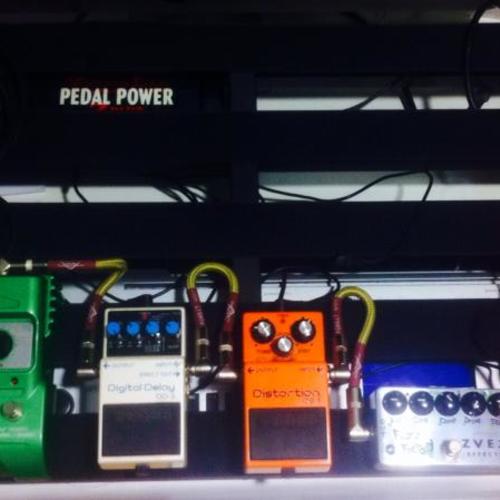
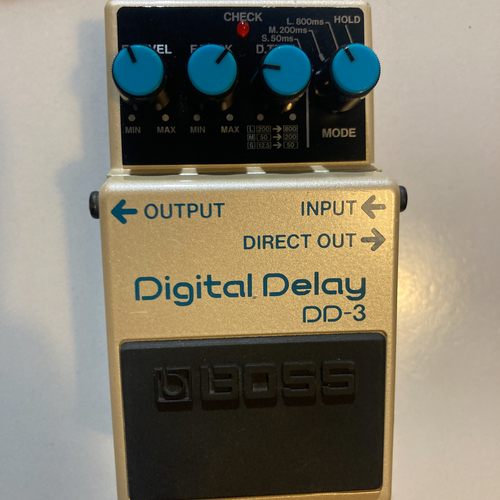
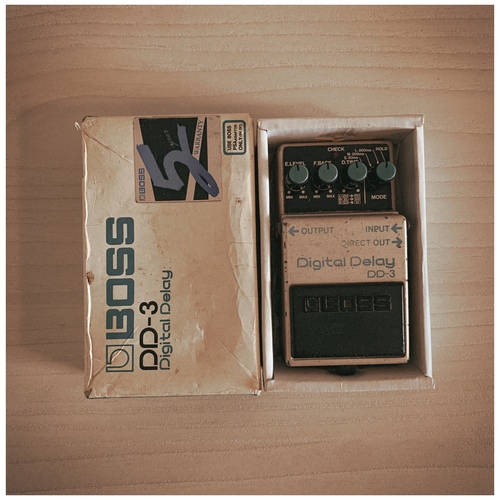
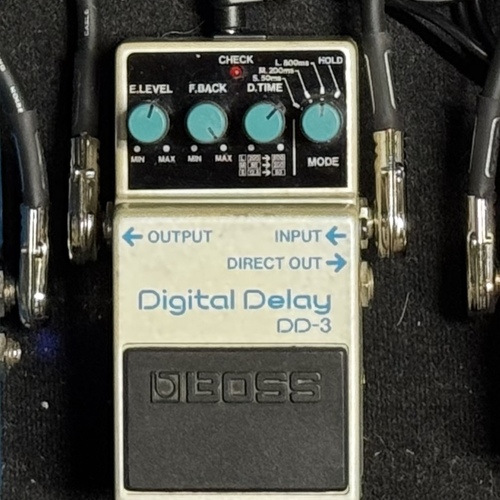
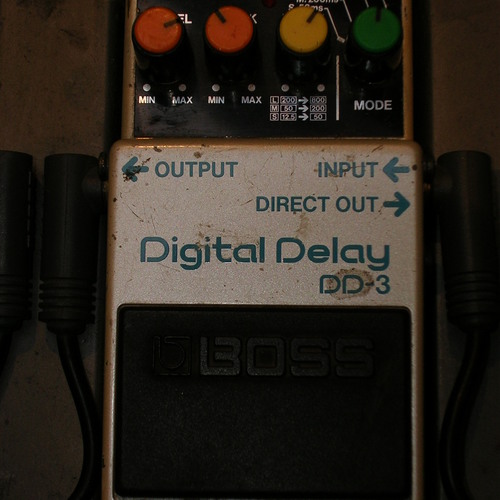
Unleash your creativity and take your guitar play to an entirely new level with the Boss DD-3 Digital Delay Pedal. Lauded by novices and professionals since its debut in 1986, this pedal gives you the power to create unique and versatile tones. With its straightforward interface, this pedal is user-friendly, making it a fantastic choice for musicians who are venturing into the digital realm.
Key Features:
- Easy-to-use interface for effortless operation
- Versatile tonal range to meet diverse musical requirements
- Renowned in the music industry for its reliability
- Ideal for both beginners and professional musicians
- Offers a unique and familiar sound experience
- Launched in 1986 and has been a favorite ever since.
Owner's manual
Boss DD-3 Digital Delay User ManualProduct specs
| Brand | Boss |
| Model | DD-3 Digital Delay, DD-3(b) Digital Delay |
| Finish | White |
| Year | 1986 - 2025 |
| Made In | Japan, Taiwan |
| Categories | Delay Pedals |
FAQs
-
What is the delay time range of the Boss DD-3 Digital Delay?
-
The Boss DD-3 Digital Delay offers a delay time range from 12.5 milliseconds to 800 milliseconds, allowing for a variety of echo effects suitable for different musical styles.
-
Does the Boss DD-3 Digital Delay have a tap tempo feature?
-
The Boss DD-3 does not include a tap tempo feature, but it allows for manual adjustment of delay time via its control knob.
-
Can the Boss DD-3 Digital Delay be used in a stereo setup?
-
The Boss DD-3 is designed for mono operation, but it can be integrated into stereo setups by using additional routing equipment.
-
What power supply does the Boss DD-3 Digital Delay require?
-
The Boss DD-3 Digital Delay requires a 9V power supply, which can be provided by a standard Boss PSA adapter or a 9V battery.
-
How does the Boss DD-3's hold function work?
-
The hold function on the Boss DD-3 allows for the indefinite repetition of a sound, creating a sustained echo effect that can be layered over live playing.
Equipboard's Expert Review

Equipboard tested this
Videos

BOSSchannel
BOSS DD-3 Digital Delay [BOSS Sound Check]
![Video thumbnail for BOSS DD-3 Digital Delay [BOSS Sound Check] by BOSSchannel](https://img.youtube.com/vi/0Xy5yakhu7s/mqdefault.jpg)
BOSS DD-3 Digital Delay [BOSS Sound Check]
BOSSchannel
BOSS DD-3 Digital Delay Pedal Review - Sweetwater Sound

Sweetwater
Boss DD3 Tricks

megazen klub
Boss DD-3 Demo and Tutorial

Worship Artistry
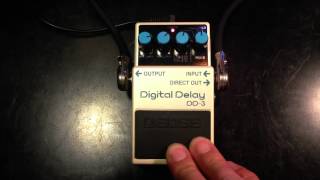
Boss DD-3 Digital Delay

shnobel
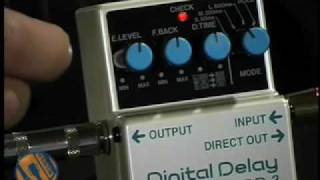
Boss DD-3 Digital Delay: Stompbox Walkthrough Video

gearwire
Boss DD-3 Digital Delay | Reverb Demo Video

Reverb
How to Create U2 (The Edge) Delay Sound - 1/8 Dotted Eight like Boss DD-3 & EQD Disaster Transport

Julian Doe
Boss DD3 Helicopter Sound

RewindTapes
Boss DD-3T Digital Delay - Sound Demo (no talking)

Guitar Bonedo
How to use a digital delay

coolriffsguitar
Delay - Analog vs Digital - #85 Doctor Guitar

Budda Guedes
Boss DD3 Japan - Welcome To The Jungle

Noah Thawco JCMSlash
![Video thumbnail for [Demo & Tuto] Pédale d'effets BOSS DD-3 Digital Delay by Paul Beuscher](https://img.youtube.com/vi/v9oGplG15JQ/mqdefault.jpg)
[Demo & Tuto] Pédale d'effets BOSS DD-3 Digital Delay

Paul Beuscher
The Boss DD-3 is Still One of the BEST Digital Delay Pedals You Can Buy

Adam Reynolds
THE BEST BOSS DD3 Setting for WELCOME TO THE JUNGLE INTRO - GUNS N' ROSES

day04
Boss DD-3 Digital Delay

Wall of Sound
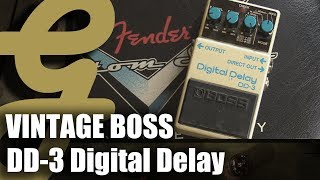
Vintage Boss DD-3 Digital Delay

Guitarsenal
Boss DD-3 Digital Delay Pedal | Gear4music demo

Gear4music Guitars
Boss Digital Delay DD-3 Demo

Pedal Stacking
Boss DD-3 Digital Delay

Pedal Sessions
BOSS Digital Delay DD-3 Demo - No Talking

Sandy Ridge Music
🎸 BOSS DD-3 Digital Delay | No Talking Sound Test

Wal Peche
Why Do Boss Delays Always Sound Broken? Vintage DM2, DM3, DD2, DD3 Shoot Out Broken Guitar Sounds

Broken Guitar Sounds
Reviews
PROS
-
Easy to dial in your favorite delay tone
-
Durable construction, built to last
-
Clear and articulate repeats, excellent for live settings
-
Versatile, from subtle reverb-like effects to long delays
-
Hold function useful for creating loops or stutter effects
-
Compatible with various instruments and music genres
-
Does not muddy the signal or drown out the original sound
-
Can be used as an 'always on' pedal for added texture
-
Offers a wide range of delay settings
-
Praised by many professional musicians
CONS
-
Some find the delay sound thin/noisy at lower volumes
-
Lacks tap tempo feature for precise delay timing adjustments
-
HOLD function not as advanced as on newer models like the DD-7
-
Can be tedious to adjust delay settings to exact preferences
-
Some users find it lacks flexibility compared to other delay pedals
-
Considered a bit expensive for its feature set by some users
-
Early versions (MIJ) are preferred for warmer tone, but harder to find
Owner Insights
We analyzed real musician discussions from forums and Reddit to find what players love, question, and tweak about Boss DD-3 Digital Delay.
Features and functionality
-
The DD-3 is praised for its ability to produce a short doubling effect at 30 ms, long spacey delays, and even mimic a sitar sound with specific settings.
Source -
The DD-3T features a more user-friendly tap tempo implementation compared to the DD-8, using a Mode knob instead of requiring the input jack to be unplugged.
Source -
The DD-3 uses a digital chip for repeats but includes an analog feedback stage, causing pleasing degradation similar to analog delays.
Source
Value and pricing
-
Owners note the DD-3 can be found for around $50, which is considered a great deal for a classic pedal.
Source
Use cases and applications
-
The DD-3 is favored for crystal clear delays and is often used for rhythmic delays in styles reminiscent of U2, Pink Floyd, and Tool.
Source -
Owners report that the DD-3T can produce unique sounds like faux reverb, stutter effects, helicopter sounds, and glitchy textures.
Source -
The DD-3's sound is characterized by initial clarity with pleasing degradation, suitable for users seeking a more colorful delay effect.
Source
User experience
-
Some users prefer the DD-3 over other models like the DD-5 due to its slightly high-end dampening, which avoids hissiness and maintains clarity.
Source -
Multiple owners run two DD-3Ts in parallel, indicating a strong preference for its sound and versatility in their setup.
Source -
Some users report that DD-3's repeats dissolve into glitchy clicks and oscillate heavily, offering a unique sound character.
Source
Comparisons
-
Users often pair the DD-3 with other delay pedals like the EHX Deluxe Memory Boy to achieve a combination of digital clarity and analog warmth.
Source -
The DD-3T is appreciated for its lively, energetic, and warmer sound, which some feel is superior to the DD-8's more feature-heavy design.
Source -
The DD-3 has a slightly warmer, compressed repeat tone due to its older components, differing from its successors' cleaner, pristine repeats.
Source -
The DD-8's "Standard" mode is designed to emulate the DD-3's crisp, clear repeats, but with more modern features.
Source
Critic Reviews
4.5 out of 5
Based on 75 Reviews and 503 Ratings

344
great pedal for next to nothing
A great sounding delay, there are so many great second hand deals too. You can pick decent condition examples for under £50. If I lost everything in a fire and had to start over, I would consider buying one of these again.

569
A classic
What can i say about this pedal? useful, very intuitive, easy to set up, quick learning curve, lifelong quality, my first delay, 5 years and still work like day one.


early 2010s brooklyn indie sound
the sound of beach fossils, diiv and wild nothing. such a cool pedal. if you set the feedback high and the time really fast you almost get kind of a chorus-like effect

269
One of my first pedals. Shame it does not have tap tempo possibilities.
One of the widely used digital delays in the market. Never had a problem with it, never went down. A decent digital delay which does what it can do. Only little dissapointment, it can never be controlled through a tap tempo which makes it really difficult to find the exact tempo you want from the D.TIME knob. I have it for more than years now, although it was just staying in the box for a lot of time. Now it's back on my pedalboard again.
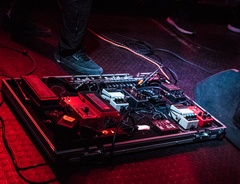

513
Look no further than DD-3
There are tons of delays on the market these days but only one with outstanding tone, simplicity, durability and decent price. This is of course Boss DD-3. It's been on countless pedalboards, records, gigs and discussed'n'tested everywhere. I have two DD-3s - one with the long chip from 1988 (Japan), the other one from >2010 era. Old DD-3s with mentioned long chip sound much warmer and pristine; a digital delay with analog characteristics, so if you are willing to experiment then find 1986-1990 DD-3 with Blue Label from Japan. Of course I am not saying that newer DD-3 are bad; quite the contrary - still great units!

476
Classic delay
Infamous DD-3 - great clean digital delay, very easy to use. Built to last. You can find your favourite delay tone very quick, no wonder it's been used by so many greats.
Preferred Settings + Usage:
E.LEVEL: 11:00 FEEDBACK: 9:00 D.TIME: 14:00-15:00 MODE: 800ms

390
The first and only delay I've ever owned
I've tried some others, but I've always been happy with this one. Easy to use, it does all the delay types I've ever needed. If you need reverse, loops, shimmer, modulations....this is not your tool. This just makes a great replica of your signal and repeats it as fast and as long as you want it with excellent sonic quality. More than enough for me.

Everything you need and nothing you don't (apart from the hold function which is truly obsolete in this age of loop pedals))
The earlier large-chip MIJ version (1986 -1990) is supposed to be warmer sounding than the more commonly found MIT version with the smaller chip. I dunno, either version sounds a bit clinical on its own, but in the mix this translates to clear repeats that cut through nicely, unlike some analog units that sound nice on their own in your living room, but can easily be a muddy mess in a band mix. If delay is not a core part of your sound, but rather something you use parsimoniously for added texture and ambience, then this is the unit to go for. And it's quiet.

136
A reliable classic
One of the best delays ever had. It does the job. I used for a long time as an 'always on' pedal with a short subtle setting as a kind of reverb.

249
A must buy pedal.
very useful pedal. 100% needed for your pedal board. The effect level option will determine how loud the delay is, while the feed back option will determine how long the delay goes on for. the delay time will determine how long it takes for the delay to take place. there are four "modes" on the pedal. there are three choices between the milliseconds, 50ml, 200ml and 800ml. there is also a mode called HOLD. This will keep a note, chord or anything else repeating for as long as you want. And thats about it. A MUST BUY

1822
Such a great and reliable pedal! I'll keep mine forever and ever and ever (delay) haha

18
fantastic performance at 800 mt
249
haha @ebowglow
Artist usage
Add artist

In this source you can see the effects that Dave Grohl is using with the Foo Fighters.

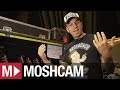
Slash's guitar tech Ace Bergman discusses Slash's live pedal set up at 3:22 in the video. The DD-3 is mentioned by name and can clearly be seen on the board. In the same video another DD-3 pedal can be seen undergoing repair on the workbench at 8:11

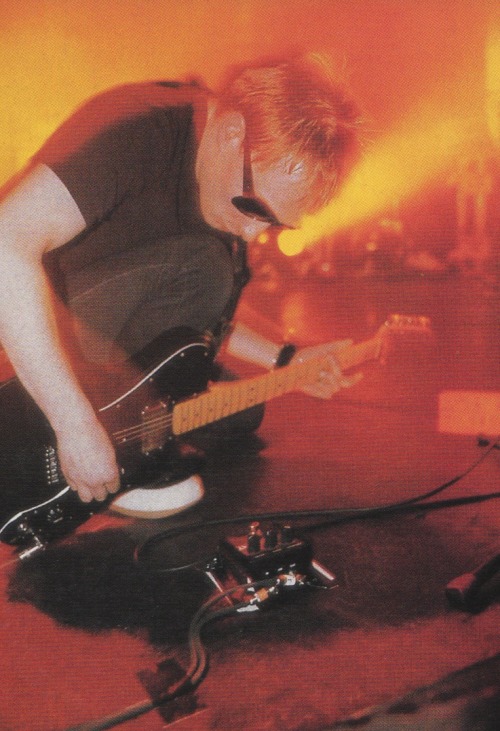
This article includes a picture from 1997 showing a DD-3 on Thom's board


At a recent MUSE concert, Matthew Bellamy's Boss DD-3 Digital Delay pedal was spotted, known for its use in performances of "Hysteria," "Micro Cuts," and "Map of the Problematique." This sighting was captured by Mark Harley on Facebook.

Around 3:33 into this video, the camera pans across Tom Morello's pedals in his home studio. He doesn't talk about them specifically, but the Boss DD-3 Digital Delay pedal can clearly be seen. His pedalboard has been pretty standard throughout the numerous bands he has played with, and the DD-3 has been a mainstay of his effects setup.


As you can see there is what looks to be a boss digital delay. I’m assuming that it is a dd3 because that came out before his death. but it could also be a dd2. correct me if i’m wrong

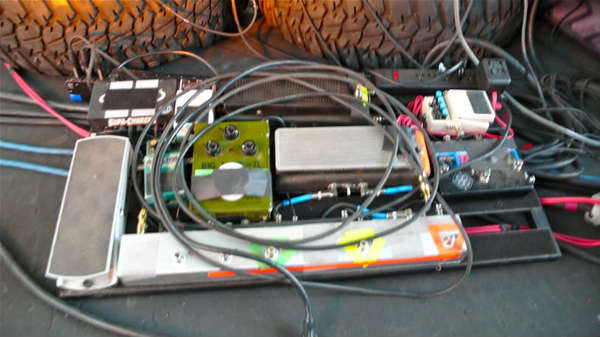
Dan Auerbach used a Boss Digital Delay in 2010.


The BOSS DD-3 has been a staple on Noel's pedalboard from the early Oasis days.
It is still on his board today, pictured here on his Oasis 2025 Pedalboard.

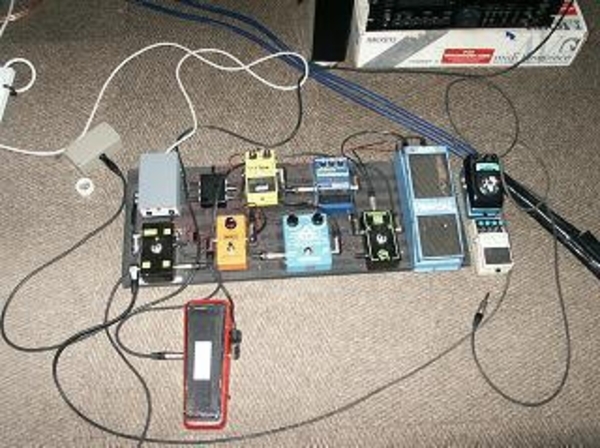
On his studio pedalboard you can clearly see a Boss DD pedal.

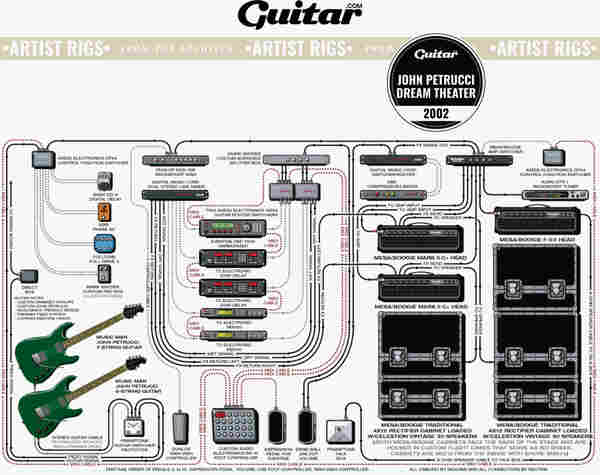
According to Guitar Geek's rig diagram, John used DD-3 back in 2002.

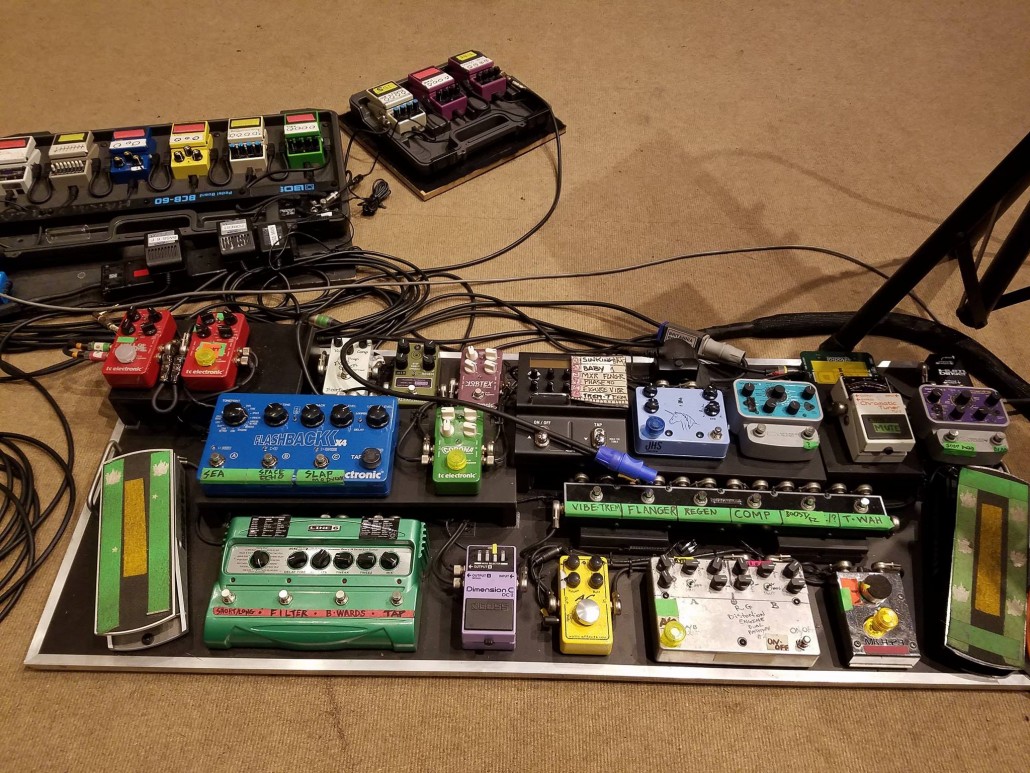
Included in list of Robert Smith's pedals

Album Usage
The Boss DD-3 Digital Delay has been featured on the following albums:

party's over
Aziya (2024)
Fear Inoculum
Tool (2019)
Everything Not Saved Will Be Lost Part I
Foals (2019)
Triumvirate
Carter Tutti Void (2019)

Wistful
Sylvaine (2016)

Ellipsis
Biffy Clyro (2016)

Freezing Moon
Mayhem (2016)
(Colours of the Night) Satellite
Peter Broderick (2015)
![Boss DD-3 Digital Delay as heard on Juntos (Together) [From "McFarland, USA"] by Juanes (2015)](https://images.equipboard.com/uploads/album/image/312821/juntos-together-from-mcfarland-usa.jpg)
Juntos (Together) [From "McFarland, USA"]
Juanes (2015)
The Purple Album: Special Gold Edition
Whitesnake (2015)
Transverse
Carter Tutti Void (2012)

10,000 Days
Tool (2006)
Live In Chicago
Ween (2004)

Lateralus
Tool (2001)
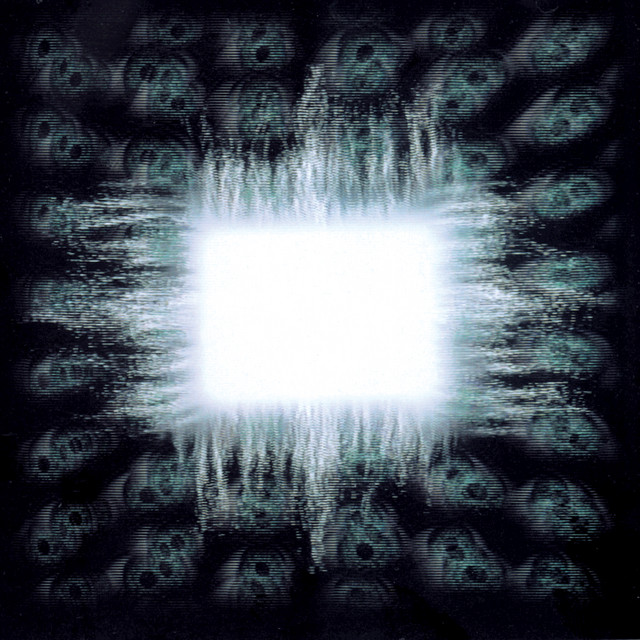
Ænima
Tool (1996)
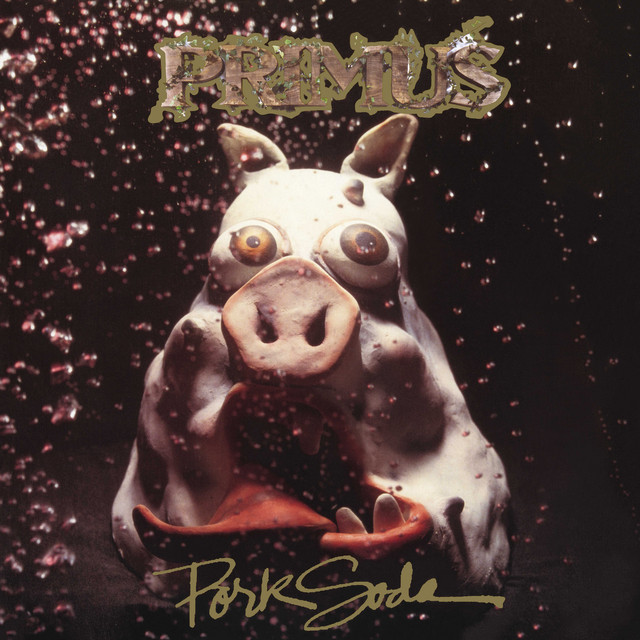
Pork Soda
Primus (1993)
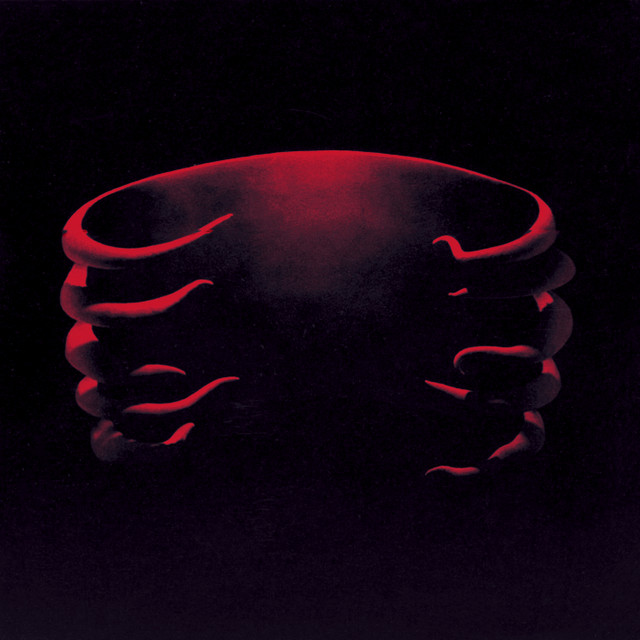
Undertow
Tool (1993)

Comfort
Failure (1992)
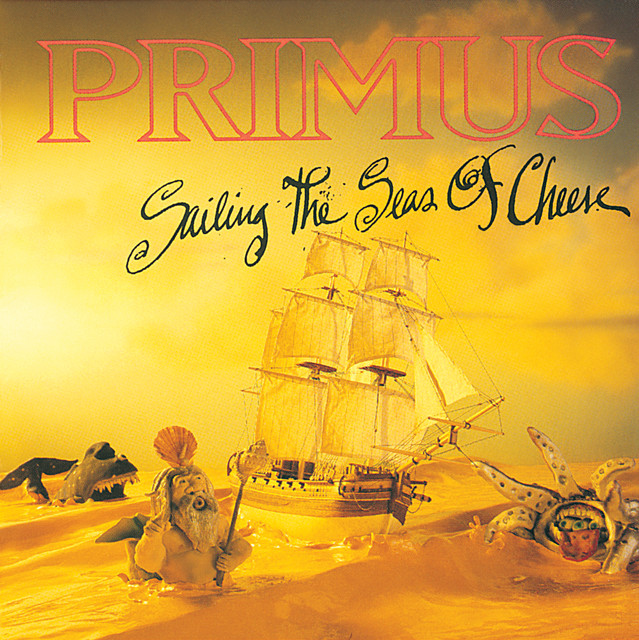
Sailing The Seas Of Cheese
Primus (1991)
Genre Usage
Based on how artists on Equipboard use this gear, it is most commonly found in the following genres.
Used With
Based on how musicians on Equipboard use Boss DD-3 Digital Delay, it is most commonly used with the following gear.

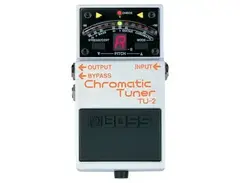

-s.webp?v=1784545227)
-s.webp?v=1784545239)
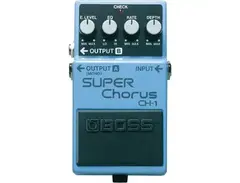


-s.webp?v=1784545242)

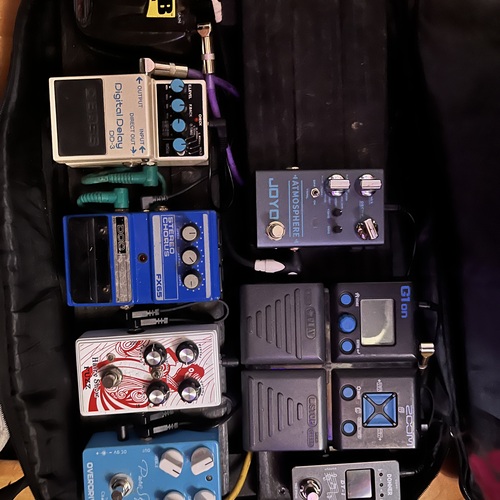
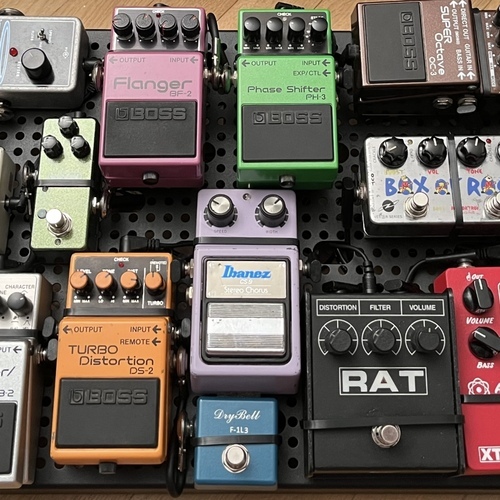
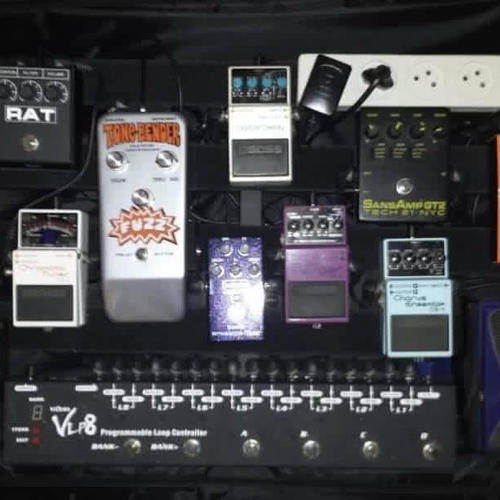
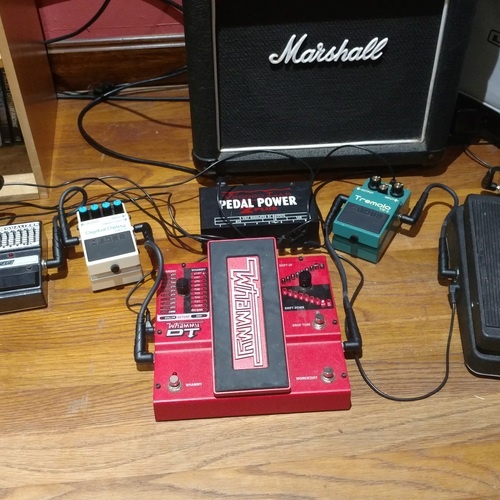
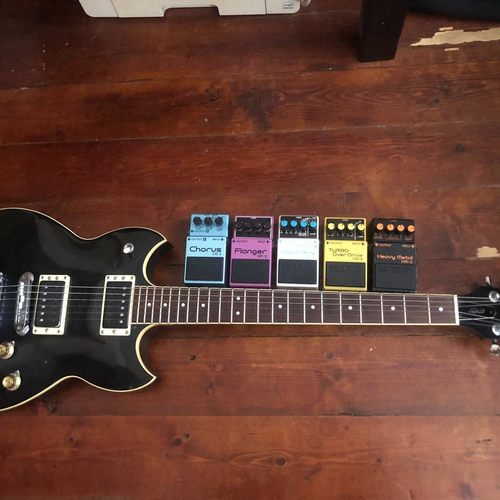
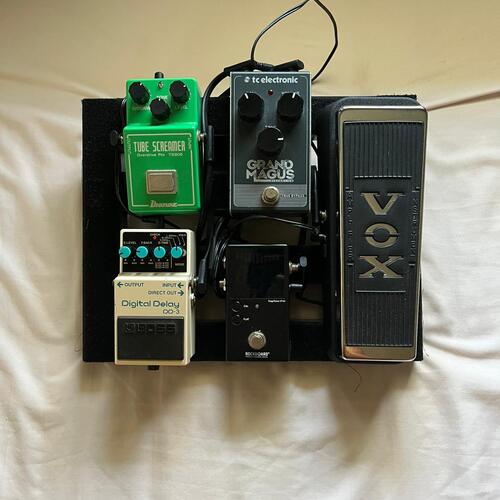
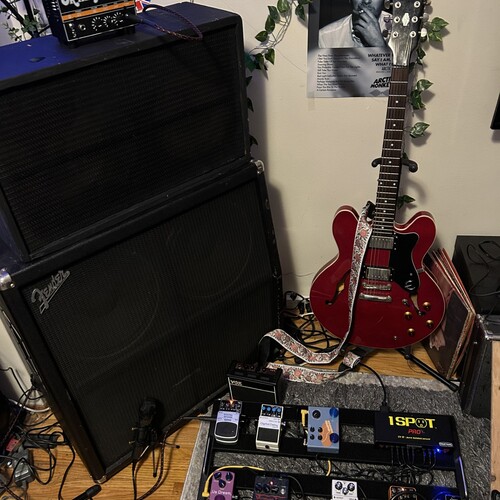
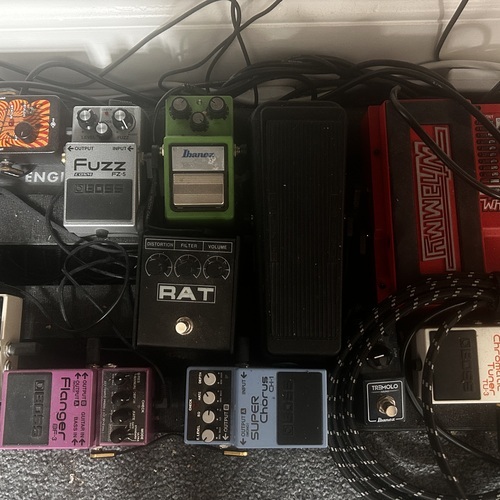
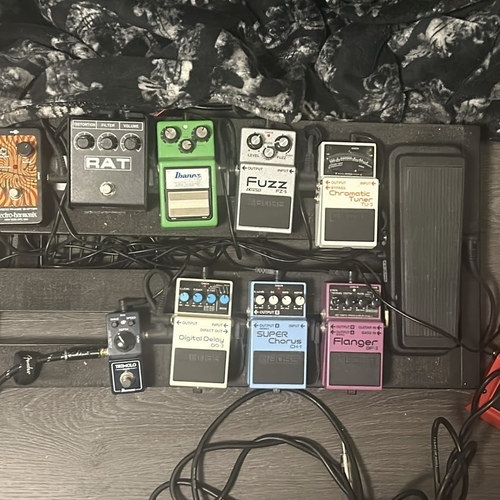
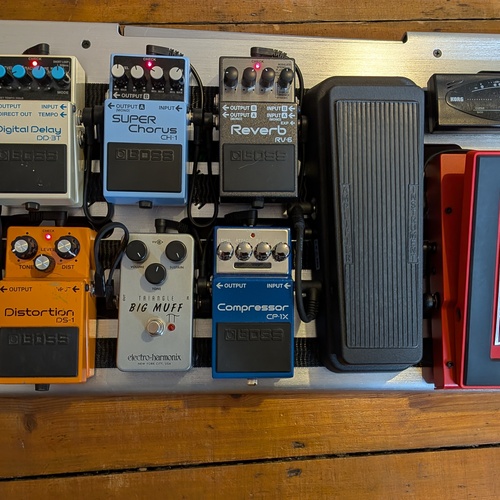
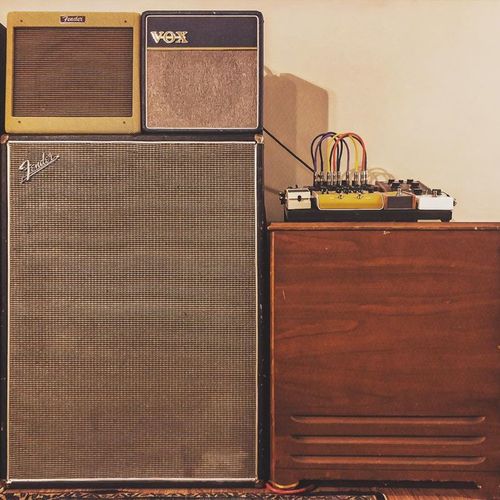
Community setups
Show yours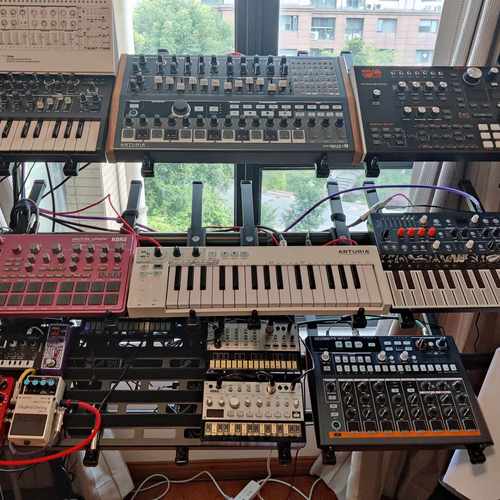


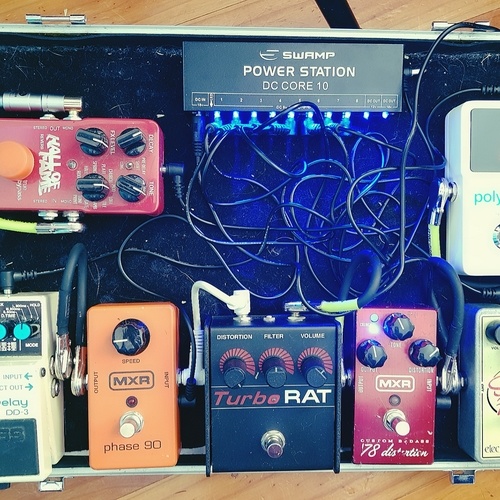






.png?v=1779118269)



.jpeg?v=1778310648)







.jpeg?v=1770845948)





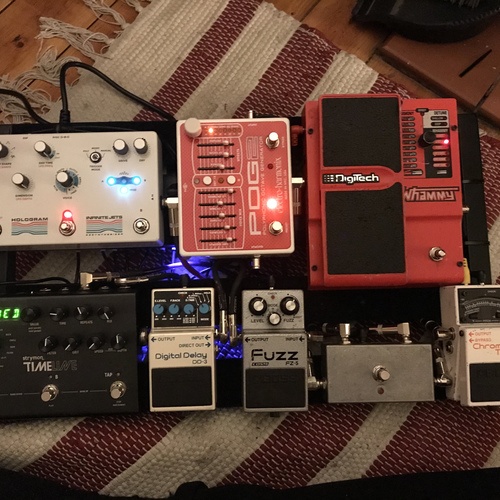

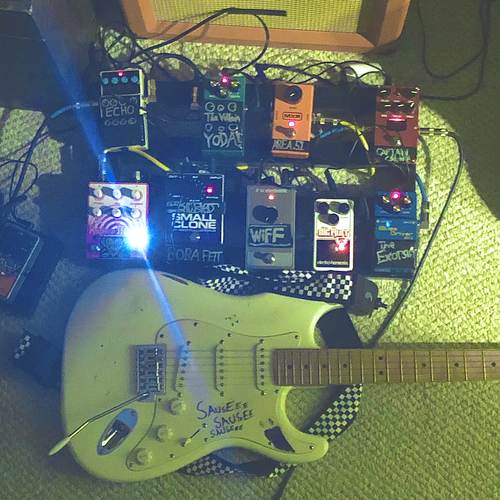
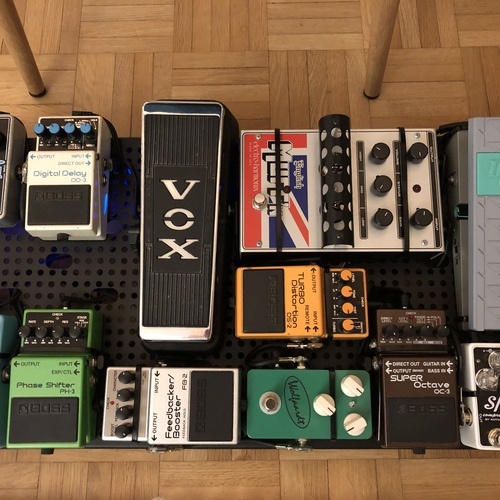

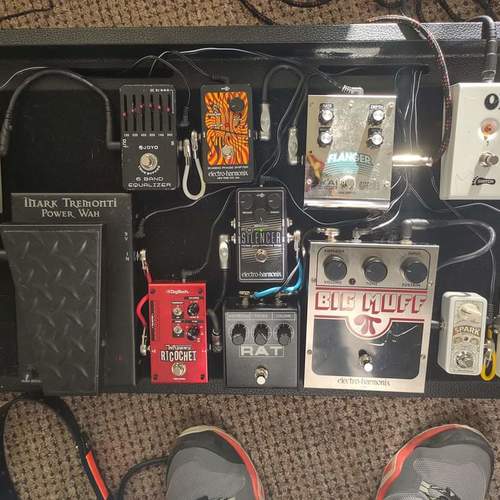
.png?v=1779237916)
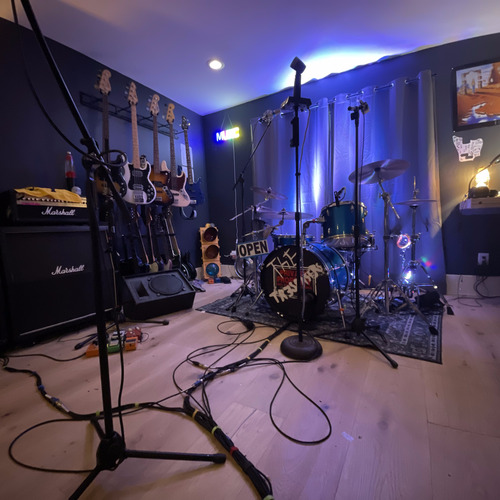

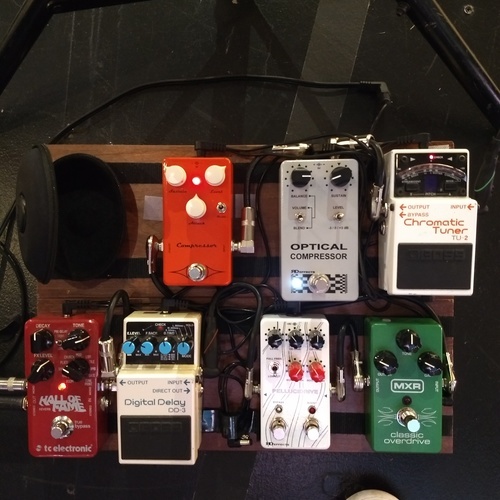


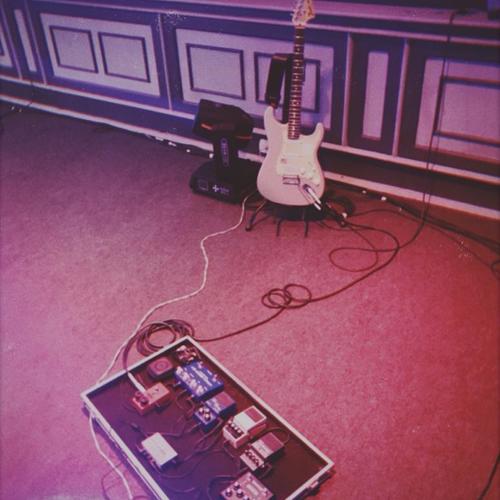







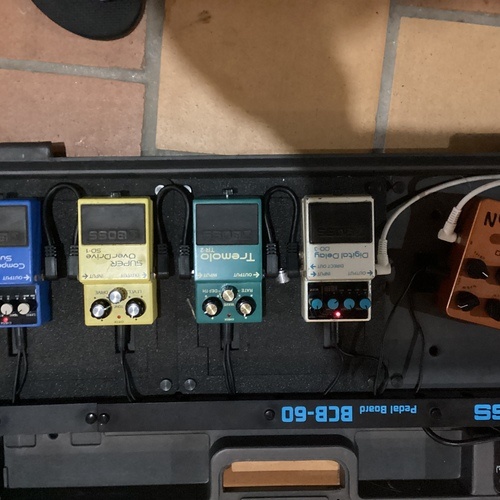



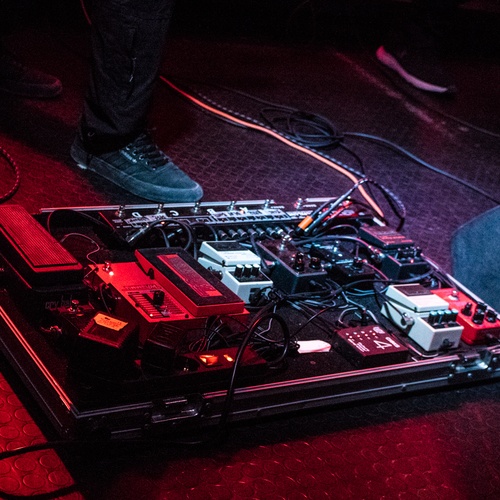
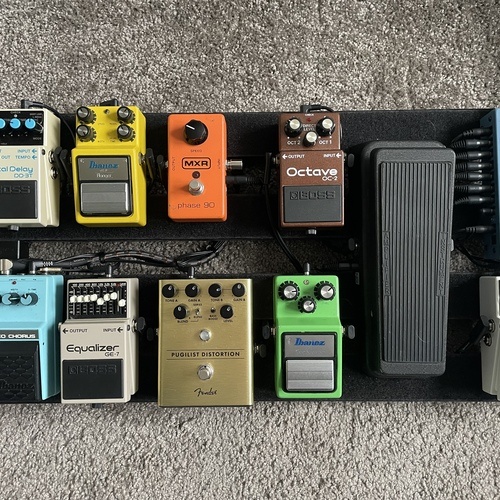
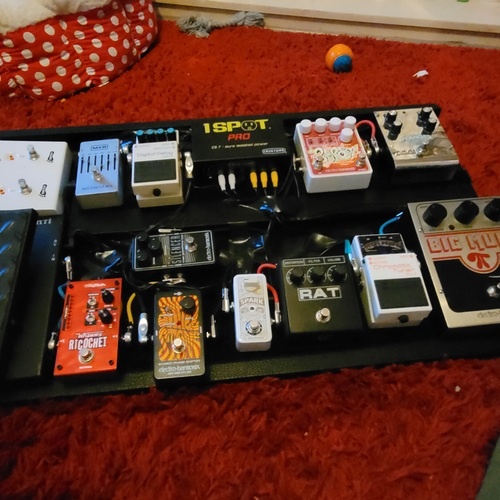
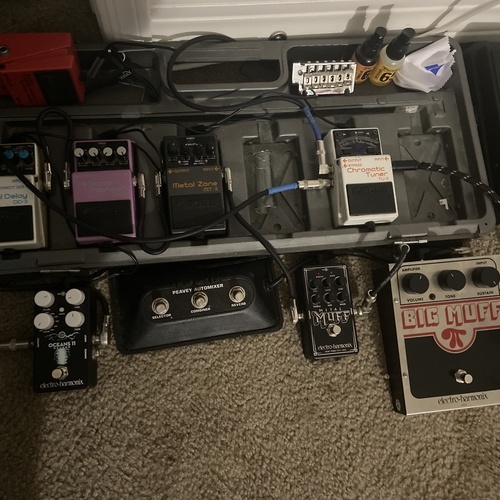

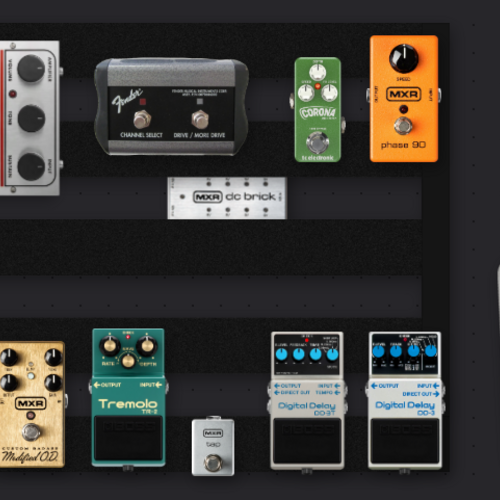

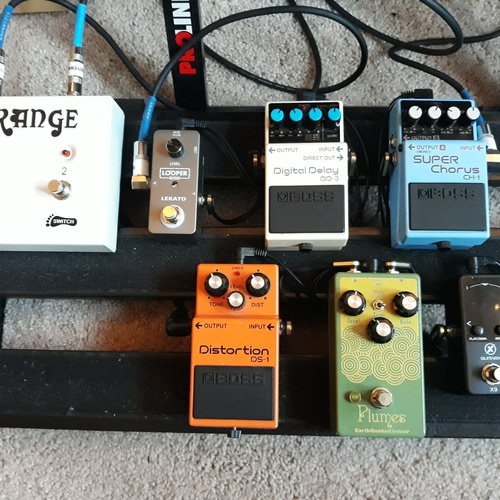

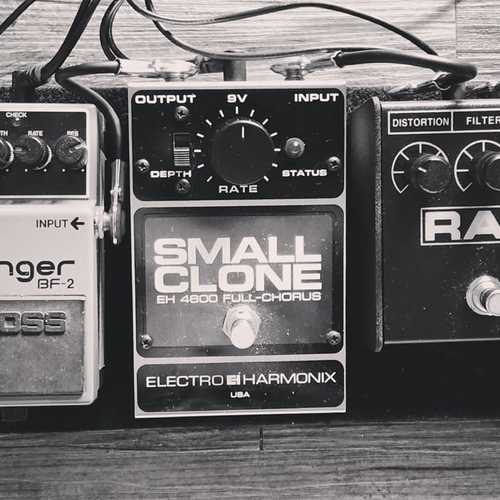

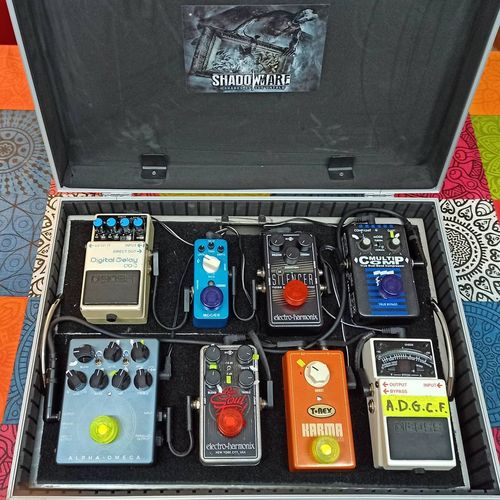



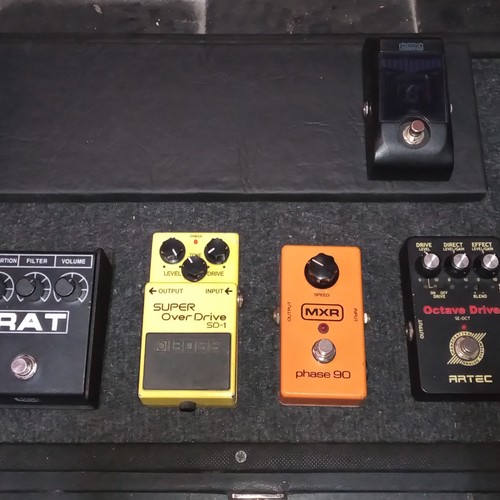






Similar
Add recommendation6 alternative and related items for Boss DD-3 Digital Delay, curated by the Equipboard community.

$128.00 - $153.99
A variation of the DD-3 with tap tempo, but otherwise unchanged.

$154.50 - $197.99

$130.00

$123.99 - $171.09
-m.webp?v=1784585007)
$85.00 - $107.00

$29.83 - $79.00
More Boss Delay Effects Pedals

$196.00
in Delay Effects Pedals Rank


$150.00 - $179.00
in Delay Effects Pedals Rank


$128.00 - $153.99
in Delay Effects Pedals Rank


$87.19
in Delay Effects Pedals Rank


$72.00
in Delay Effects Pedals Rank


$154.50 - $197.99
in Delay Effects Pedals Rank


$323.87 - $554.80
in Delay Effects Pedals Rank


$123.99 - $171.09
in Delay Effects Pedals Rank


$329.99 - $406.99
in Delay Effects Pedals Rank
.jpeg?v=1784475838)


$120.00
in Delay Effects Pedals Rank


$146.92 - $175.99
in Delay Effects Pedals Rank


$130.00
in Delay Effects Pedals Rank


$209.45 - $274.99
in Delay Effects Pedals Rank


$242.56 - $417.99
in Delay Effects Pedals Rank


$185.23 - $241.99
in Delay Effects Pedals Rank


$127.22
in Delay Effects Pedals Rank


-m.webp?v=1784559526)


$133.00 - $241.99


$299.99 - $399.99


$249.00 - $379.99
in Delay Effects Pedals Rank


$399.00 - $449.00
in Delay Effects Pedals Rank

$399.00 - $449.00
in Delay Effects Pedals Rank


$90.00
in Delay Effects Pedals Rank

$383.00 - $499.00
in Delay Effects Pedals Rank

$357.93 - $389.67
in Delay Effects Pedals Rank


$80.00 - $158.00
in Delay Effects Pedals Rank


$125.00 - $176.00
in Delay Effects Pedals Rank


$95.00
in Delay Effects Pedals Rank


$86.94
in Delay Effects Pedals Rank


$135.00 - $166.00
in Delay Effects Pedals Rank

-m.webp?v=1784559403)
$119.99
in Delay Effects Pedals Rank


$65.00
in Delay Effects Pedals Rank


$164.30
in Delay Effects Pedals Rank


$229.99 - $250.00
in Delay Effects Pedals Rank

Gear Guides







Most Popular Delay Effects Pedals
Most Popular Brands
-
Added to Equipboard on by
equipboardGearIQ 4934
-


