

Pricing and availability




* Product prices and availability are updated by Equipboard every 24hrs and are subject to change. Equipboard may receive compensation for purchases made at participating retailers linked on this site. This compensation does not affect what products or prices are displayed, or the order of prices listed. For more information, please refer to our affiliate disclosure.
Description
Per Linn's original brochure @ time of launch:
REAL DRUMS AT YOUR FINGERTIPS
Here's the most amazing rhythm machine ever – the new LM-1 Drum Computer from Linn Electronics.
Amazing because it has real drum sounds–not synthesized noises, but real drums, digitally recorded and stored in memory.
And it's programmable
You put in your own drumbeats in real time.
Odd time signatures ? No problem.
Your timing's a little off? No problem.
The LM-1 under-stands and corrects the error.
But music isn't just drum-beats.
The LM-1 can be programmed to play all parts of a song – intro, verses, lead-ins, fills, endings, etc... And it can overdub to tape.
Surprisingly easy to operate The LM-1 was created for musicians, not technicians.
Take it out of the box, hook it up, and it's ready to play.
You'll be laying down top-notch rhythm tracks in a matter of minutes.
But it doesn't have to end there. The more you work with it, the more it can do.
The possibilities are endless.
FEATURES
- Real Drum Sounds—digital recordings stored in computer memory
- 12 Drums: bass, snare, hi hat, cabasa, tambourine, two toms, two congas, cowbell, clave, and hand claps!
- All drums tunable in pitch
- 13 input Stereo Mixer
- Separate Outputs
- 100 Drumbeats—all programmable in real time
- Automatic error correction in programming
- "Human" Rhythm Feel made possible by special timing circuitry.
- Able to program flams, rolls, build-ups, open and closed hi hat, etc.
- Programmable dynamics
- Any time signature possible
- Plays Entire Song (intro, verse, chorus, fills, ending, etc.)
- All programmed parts remain in memory when power is off.
- Readout of speed in beats-per-minute
- Versatile editing
- Programmed data may be stored on cassette tape to be loaded back in later
- May be synced to tape
- Easy to understand and operate
Product specs
| Brand | Linn |
| Model | LM-1 Drum Computer |
| Finish | Black |
| Year | 1980s |
| Made In | United States |
| Categories | Drum Machines |
| Analog / Digital | Digital |
| Polyphony | 12 Voices |
FAQs
-
What makes the Linn Electronics LM-1 Drum Computer unique compared to other drum machines?
-
The Linn Electronics LM-1 Drum Computer is notable for being the first drum machine to use digital samples of real drums, providing a more realistic sound compared to analog counterparts. It also allows for programmable rhythms, making it a pioneering piece of equipment in the 1980s music production.
-
How many voices of polyphony does the Linn LM-1 Drum Computer offer?
-
The Linn LM-1 Drum Computer features 12 voices of polyphony, allowing for the simultaneous playback of multiple drum sounds, which was groundbreaking at the time of its release.
-
Is the Linn LM-1 Drum Computer suitable for live performances?
-
Yes, the Linn LM-1 Drum Computer is suitable for live performances. Its programmability and ability to produce realistic drum sounds made it a favorite among artists for both studio and live settings.
-
What type of sounds can I expect from the Linn LM-1 Drum Computer?
-
The Linn LM-1 Drum Computer offers digital samples of acoustic drum sounds, including kick, snare, toms, hi-hats, and cymbals, providing a rich and authentic drum sound palette that was revolutionary in the 1980s.
-
Which famous artists have used the Linn LM-1 Drum Computer in their music?
-
The Linn LM-1 Drum Computer has been famously used by artists such as Prince, who incorporated it into hits like "1999" and "Purple Rain," as well as The Human League in "Don't You Want Me," showcasing its significant impact on popular music.


Reviews
Owner Insights
We analyzed real musician discussions from forums and Reddit to find what players love, question, and tweak about Linn Electronics LM-1 Drum Computer.
Features and functionality
-
The LM-1's downtuned rimshot is iconic, heavily associated with Prince's sound and often used for its distinctive 80s vibe.
Source -
The Luma1 has purple boards, a detail that Roger Linn believes would have been favored by Prince, a known LM-1 enthusiast.
Source -
The LM-1's hi-hat sound is generated by a random slice of the open hi-hat sample, shaped by an envelope for a unique, non-repetitive sound.
Source -
The LM-1 uses a computer that cycles the sequencer first, similar to the TR808, resulting in a tighter performance feel.
Source
Use cases and applications
-
The Linn LM-1 was pivotal in creating the "80s sound," heavily featured on Prince's albums like Purple Rain, 1999, and Sign O’ The Times.
Source
User experience
-
Users find the LM-1 easier to operate than the original TR909, though complex rhythms require meticulous programming and additional effects.
Source -
Potential buyers express disappointment in the Luma1's high cost, which makes it inaccessible for many working-class musicians, driving interest towards more budget-friendly options.
Source
Value and pricing
-
The Luma1's $5k price point is a major barrier for many enthusiasts, pushing them towards more affordable alternatives like the Behringer LmDrum.
Source
Comparisons
-
Some users compare the drum sounds on Gary Numan's "Dance" and "I, Assassin" albums to the LM-1, noting similarities to Prince's sound.
Source
Critic Reviews
4.5 out of 5
Based on 0 Reviews and 6 Ratings
Artist usage
Add artist

Looking back rather than forward, the main studio area of Rock City is equipped with a very nice Bosendorfer grand which unfortunately will have to be sold off. Gary also has a good selection of guitars and keyboards lying around, including a Linn LM-1 drum machine, Oberheim OBXa and the Wave Team's new Yamaha DX5.


In this 1982 documentary on the making of Gabriel's fourth album, we see a shot of several pieces of gear set up in his then-home studio. At the 11:04 mark, there's a clear shot of the LM-1.


Mike got his Linn LM-1 drum computer in 1981 around the time of Abacab, along with Tony Banks.
The Linn LM-1 appears on Mike's album Acting Very Strange from 1982 - it was programmed by Pete Phillipps according to album credits.
On the Genesis album, Mike Rutherford had used in his LM-1 to program the drum beat for "Mama". The LM-1 was fed through a Fender amp and heavily distorted - this was mixed with the direct signal from the Linn to give the sound some character. Linn percussion can be heard on "Taking It All Too Hard".
Mike's Linn LM-1 was sold in 2001 with other Genesis gear from the farm.


In this interview, Roland Orzabal talks about using a Linn LM-1 (which he had around the time of The Hurting):
“Yeah, there were a couple of things going on. The moment we had the original Linn LM-1, and you think, ‘Well this is pretty hard to work with in terms of the sounds for specifics.’ It was brilliantly used on Human League’s Dare, and you would occasionally hear them on like a Steely Dan record and you’d think, ‘What the fuck!? How have they made them sound so different, or have they built something around it?’ That was tough.”


The Linn LM-1 was used on Todd's albums "The Ever-Popular Tortured Artist Effect" (on tracks 2, 3, 4, 7, and 9) and "A Cappella" (on the track Hodja). It also appears on his band Utopia's album "Oblivion" (on the track Itch In My Brain).


"My studio was called Pi West, and the initial bank of keyboards there when John and I started out working together were the Sequential Circuits Prophet 5 Rev3, a Prophet 10, an early ARP Quadra and two ARP Avatars — one Avatar was integrated with a Sequential Circuits Model 700 programmer — an ARP Sequencer, an Oberheim Four Voice, and an Emulator 1 sampler. I also had the Linn LM1 drum machine, which drove our main arpeggiator, the ARP Sequencer, using clock pulses."
.png?v=1783065795)

On this photo of the crydamoure studio, we can see 2 Linn Drum LM-1 on the right


In this French translation of an interview published in Keyboard magazine in August 1995, Steve Porcaro mentions programming the drum beat of "Human Nature" on a Linn Drum (in fact referring to the Linn LM-1).


In a video by Behringer, it's mentioned that Curt Smith used the Linn Electronics LM-1 Drum Computer during the recording of Tears For Fears' iconic album "Songs From the Big Chair."


In this profile from the May 1982 issue of Electronics & Music Maker magazine, Keith states that he used an LM-1 while working with PiL.


These days Ocasek busies himself while at home with a TEAC 88 8-track tape machine connected to a Sound Workshop 1280 B board in turn hooked up with two Orban 622B equalizers (the board is also equipped with its own parametric equalizers. For keyboards he swears by his Prophets and Roland Jupiter 8. using a Korg Lambda for orchestral coloring and often calling in an assortment of little Casiotones for reinforcement. He probably has more drum machines than anything else-both the old Linn LM-1 Drum Computer and the new LinnDrum. a Korg KR 55, five Roland units (including a TR808. CR8000 and a Dr. Rhythm), some old Univox rhythm gizmos and a drum machine yanked out of a Hammond organ "that has the Liverpool beat." the kind of insect clicking you hear in organ shops in suburban shopping malls.
https://www.facebook.com/isatellite/photos/a.10150800858677024/10151517577152024/?type=3 This post features an LM-1 that is described as having been previously owned by Ric. It appears to be a very early model.


Album Usage
The Linn Electronics LM-1 Drum Computer has been featured on the following albums:
Even As We Speak: The Music of David Van Tieghem
David Van Tieghem (2025)
Zoolook
Jean Michel Jarre (2015)
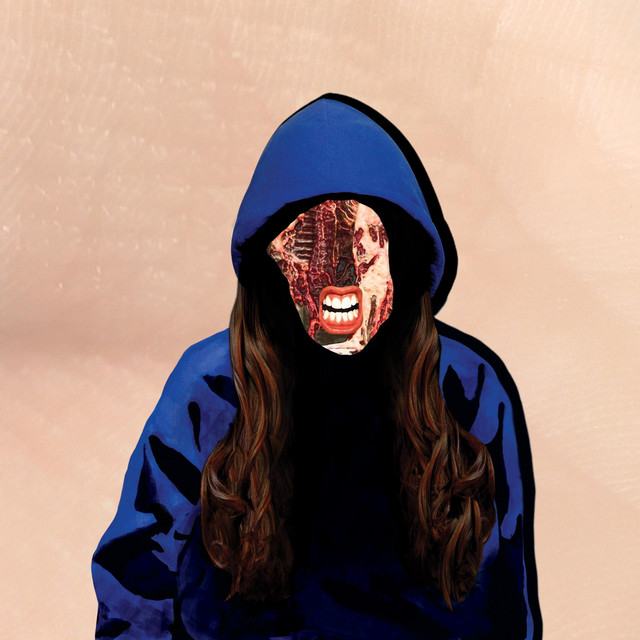
Unflesh
Gazelle Twin (2014)
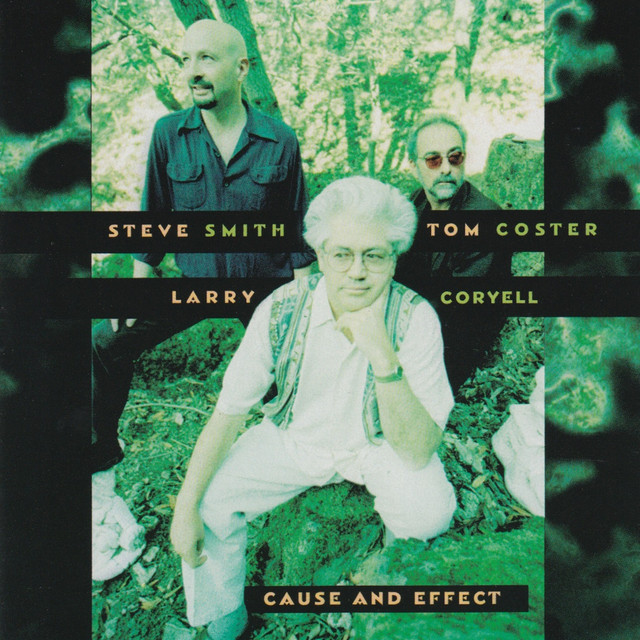
Cause and Effect
Steve Smith & Tom Coster & Larry Coryell (1998)

Songs From The Big Chair
Tears for Fears (1985)
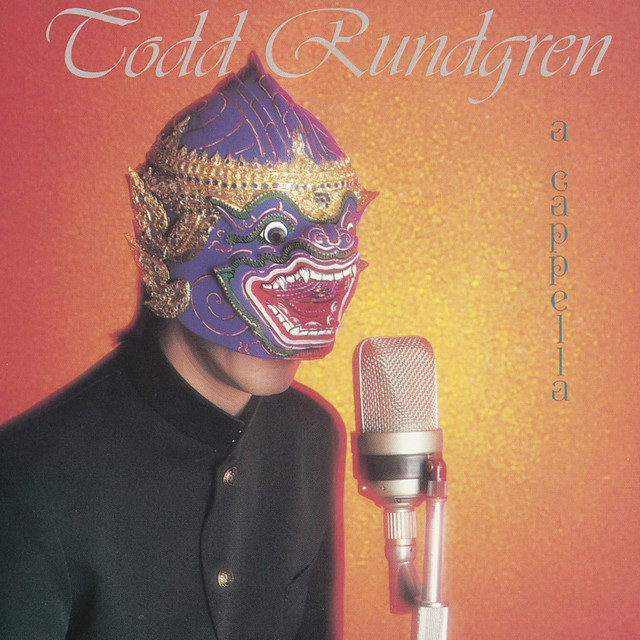
A Cappella
Todd Rundgren (1985)
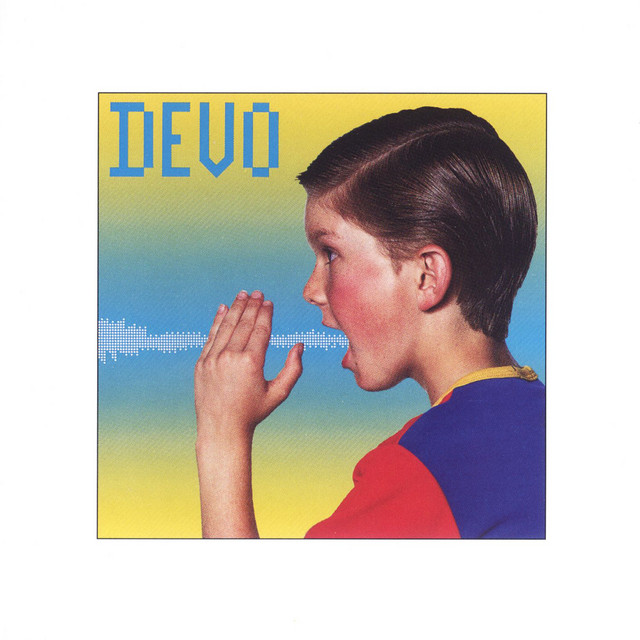
Shout
Devo (1984)
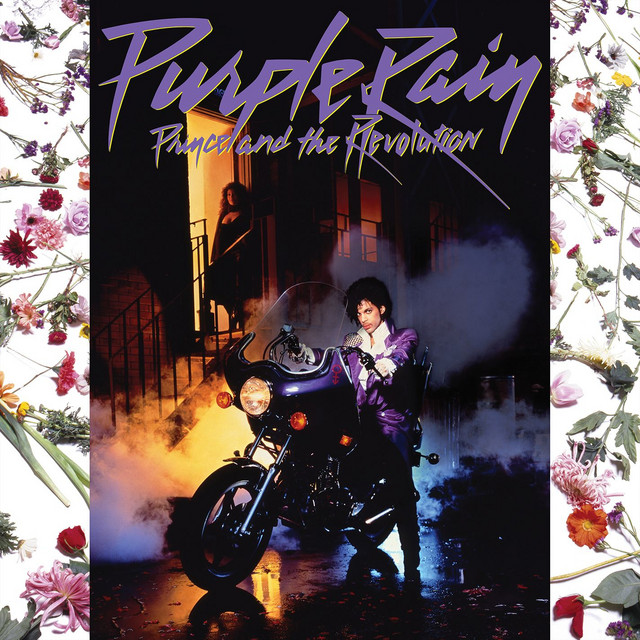
Purple Rain
Prince & Prince (1984)
Oblivion
Utopia & Todd Rundgren (1983)
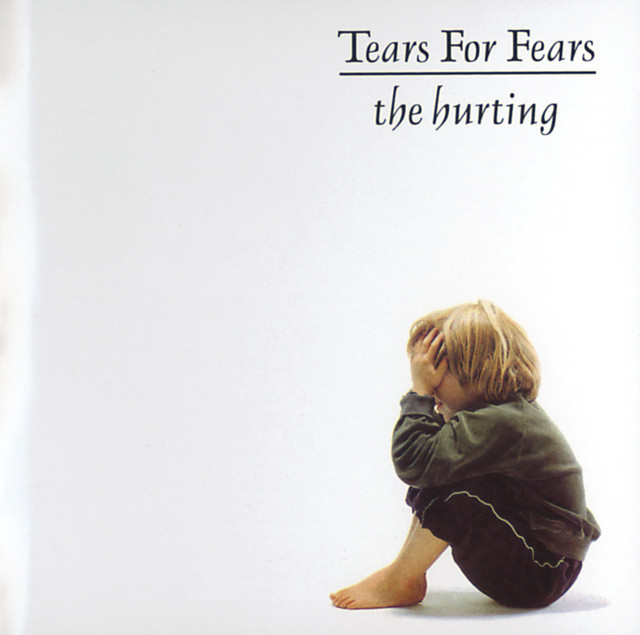
The Hurting
Tears for Fears (1983)
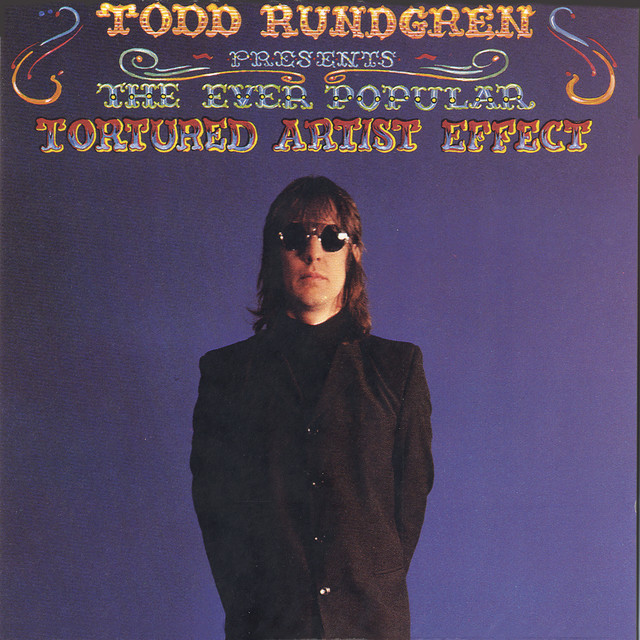
The Ever Popular Tortured Artist Effect
Todd Rundgren (1982)

The Luxury Gap
Heaven 17 (1982)
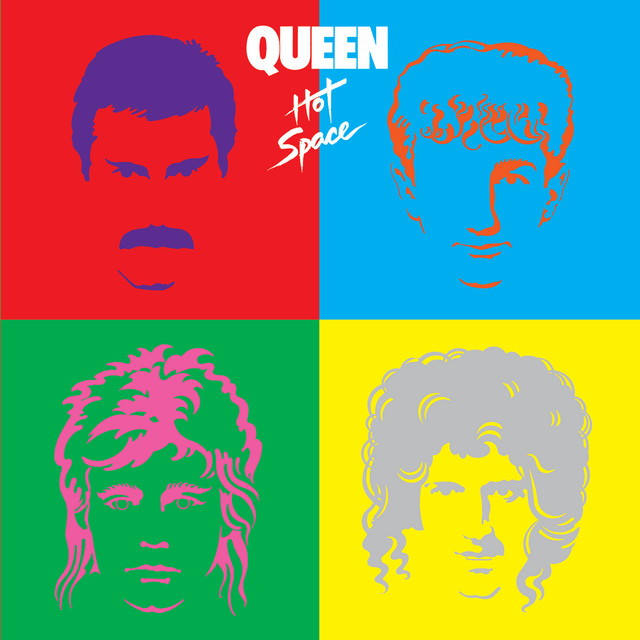
Hot Space
Queen (1982)
Peter Gabriel 4: Security (Remastered Version)
Peter Gabriel (1982)
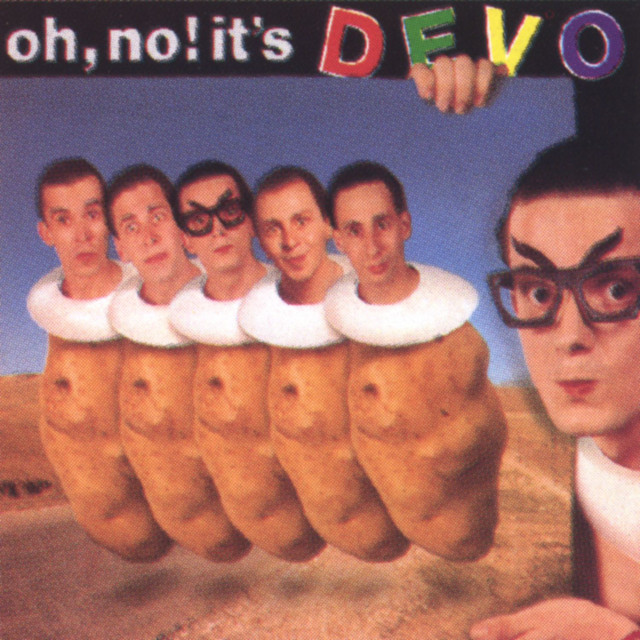
Oh No! It's Devo
Devo (1982)
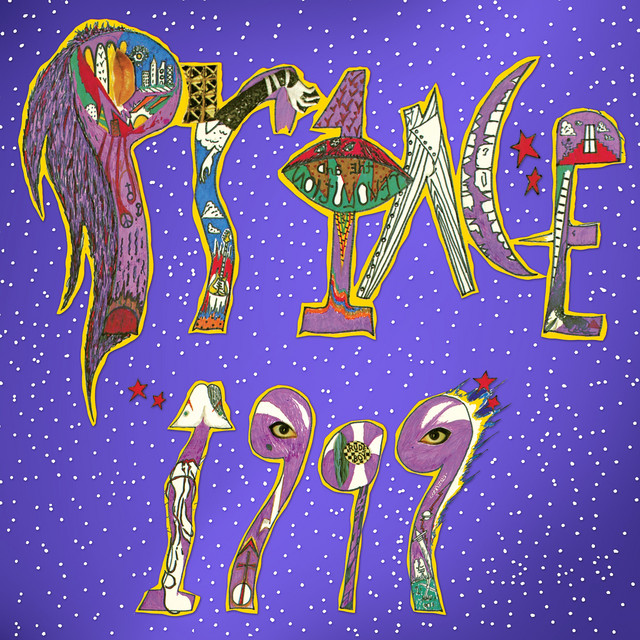
1999
Prince & Prince (1982)
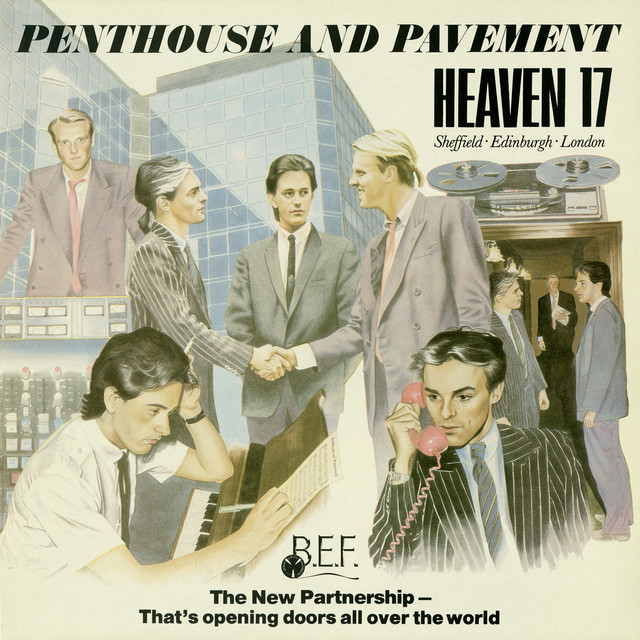
Penthouse And Pavement
Heaven 17 (1981)
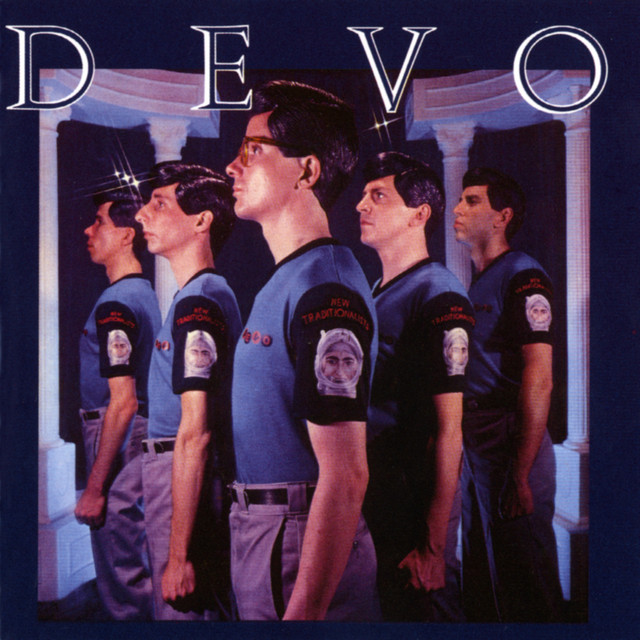
New Traditionalists
Devo (1981)
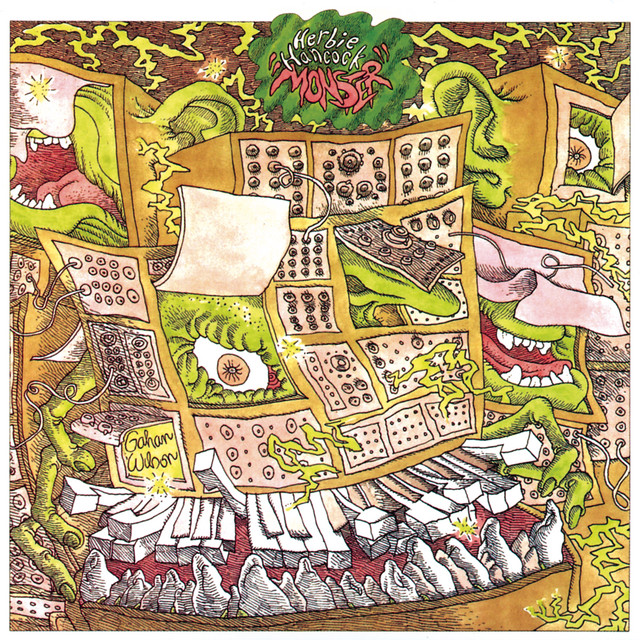
Monster
Herbie Hancock (1980)
Genre Usage
Based on how artists on Equipboard use this gear, it is most commonly found in the following genres.
Used With
Based on how musicians on Equipboard use Linn Electronics LM-1 Drum Computer, it is most commonly used with the following gear.

-s.webp?v=1782917887)


Community setups
Show yours

Similar
Add recommendation1 alternative for Linn Electronics LM-1 Drum Computer, curated by the Equipboard community.

VProm is a thorough, loving-detailed software emulation of the original LM-1. Even though the LM-1 is sample-based, the way its crunchy 8-bit samples were pitched up/down can't be emulated by a modern sampler. VProm models the unique behavior and sonic signature of the LM-1s original sample playback engine, while also allowing you to load ROM images of other 8-bit drum machines of the era that utilized the same basic 8-bit architecture, such as the EMU Drumulator and DMX.
More Linn Electronics Drum Machines

$4,550.00
in Drum Machines Rank


$3,343.63
in Drum Machines Rank


-m.webp?v=1783318437)
$4,699.00
in Drum Machines Rank


-m.webp?v=1783263628)
$77.62
in Drum Machines Rank


$666.00 - $899.99
in Drum Machines Rank


$268.68
in Drum Machines Rank

-m.webp?v=1783090753)
$4,599.00
in Drum Machines Rank

-m.webp?v=1783317198)
$119.99 - $159.99
in Drum Machines Rank


$238.83 - $1,073.79
in Drum Machines Rank


$89.56 - $1,999.00
in Drum Machines Rank


$347.00 - $494.99
in Drum Machines Rank


$1,533.68
in Drum Machines Rank


$399.00
in Drum Machines Rank


$48.00 - $59.00
in Drum Machines Rank


$118.75 - $159.00
in Drum Machines Rank


$1,649.00
in Drum Machines Rank


$249.57
in Drum Machines Rank

.png?v=1783256553)

$499.00
in Drum Machines Rank

$250.00
in Drum Machines Rank


-m.webp?v=1783316087)
$245.00 - $299.00
in Drum Machines Rank


-m.webp?v=1783318863)
$399.00
in Drum Machines Rank


$109.99 - $159.99
in Drum Machines Rank


$350.00
in Drum Machines Rank


$582.00
in Drum Machines Rank

-m.webp?v=1783263600)
$125.00
in Drum Machines Rank

$152.10
in Drum Machines Rank


$108.62
in Drum Machines Rank


$237.00 - $339.00
in Drum Machines Rank


$82.26
in Drum Machines Rank

$69.99 - $129.53
in Drum Machines Rank


$119.99 - $159.99
in Drum Machines Rank


$19.99 - $2,190.00
in Drum Machines Rank


$216.52 - $328.00
in Drum Machines Rank


$17.91
in Drum Machines Rank


$125.50 - $149.00
in Drum Machines Rank


$325.00 - $1,099.00
in Drum Machines Rank


$833.00 - $1,099.00
in Drum Machines Rank


$347.50 - $453.99
in Drum Machines Rank


$1,050.00
in Drum Machines Rank


$130.00
in Drum Machines Rank


Accessories & Related Items


-s.webp?v=1783264060)


Gear Guides





Most Popular Drum Machines
Most Popular Brands
-
Added to Equipboard on by
 equipboard
Gear IQ 4934
-


