

Pricing and availability
We compare 600+ stores and found this item at 1 store. Prices updated .
Store
Reviews
Price




Average Price: $5,495
High-end/Boutique
$500
$1501+
Price Tier
Budget
Standard
High-end
* Product prices and availability are updated by Equipboard every 24hrs and are subject to change. Equipboard may receive compensation for purchases made at participating retailers linked on this site. This compensation does not affect what products or prices are displayed, or the order of prices listed. For more information, please refer to our affiliate disclosure.
Description
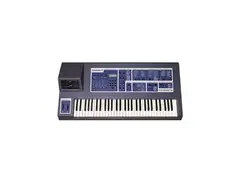
Released commercially in 1984 to huge acclaim, the Emulator II (or EII) was E-mu's second sampler. Like the original Emulator, it was an 8-bit sampler, however it had superior fidelity to the Emulator due to the use of digital companding and a 27.7 kHz sample rate. It also allowed more flexibility in editing and shaping sounds, as resonant analog filters were added. The EII also had vastly better real time control. It was priced similarly to the original Emulator, at US$7,995 for a regular model, and $9,995 for a 'plus' model featuring extra sample memory. Several upgrades, including a second floppy drive, a 20 MB hard drive, and a 512K memory upgrade were also available. Despite its price tag it was still considered very good value compared to the Fairlight CMI Series II, which, when first released, was priced at $30,000.
Product specs
| Brand | E-MU Systems |
| Model | Emulator II 61-Key 8-Voice Sampler Workstation |
| Finish | Black |
| Year | 1984 - 1988 |
| Made In | United States |
| Categories | Samplers, Workstation Keyboards |
| Analog / Digital | Digital |
| Key Size | Full Size |
| Keyboard Action | Synth Action |
| MIDI I/O | MIDI Input, MIDI Output |
| Number of Keys | 61 Keys |
| Polyphony | 8 Voices |
FAQs
-
Is the E-Mu Emulator II polyphonic, and how many voices does it support?
-
The E-Mu Emulator II is polyphonic and supports up to 8 voices, allowing you to play multiple notes simultaneously for richer, more complex sounds.
-
What type of sampling capabilities does the E-Mu Emulator II offer?
-
The E-Mu Emulator II is an 8-bit sampler workstation that allows you to sample and manipulate sounds, providing flexibility for creative sound design.
-
Does the E-Mu Emulator II have MIDI connectivity?
-
Yes, the E-Mu Emulator II features both MIDI input and output, enabling it to connect with other MIDI-compatible devices for expanded performance and recording options.
-
What is the keyboard action like on the E-Mu Emulator II?
-
The E-Mu Emulator II features a synth action keyboard, offering a responsive and smooth playing experience suitable for various styles and techniques.
-
Can the E-Mu Emulator II be used for live performances?
-
Yes, the E-Mu Emulator II is designed for both studio and live performance settings, with its robust sampling capabilities and MIDI connectivity making it versatile for different musical applications.
Videos

Alex Ball
FERRIS BUELLER'S SYNTHESIZER
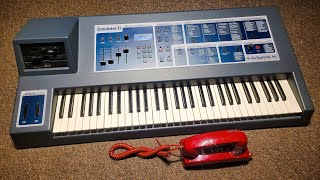
FERRIS BUELLER'S SYNTHESIZER
Alex Ball
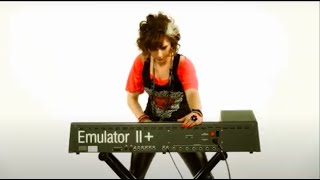
EMU Emulator II - Shining Moments 80's (Pt. 1)

Jason Mysteria
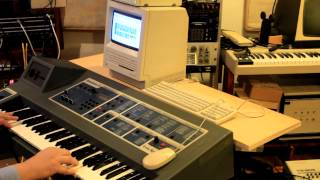
E-mu Emulator II sound demos

SynthMania
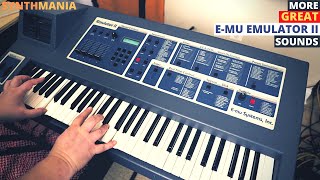
More great E-mu Emulator II sounds
SynthMania
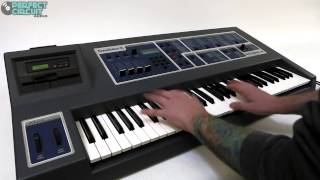
E-Mu Emulator II Classic Sounds Demo (Part 1)

Perfect Circuit
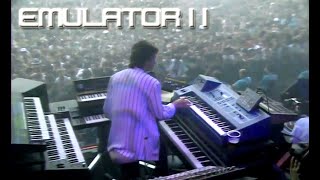
Emu Emulator II - Shining Moments 80's (Pt. 2)
Jason Mysteria
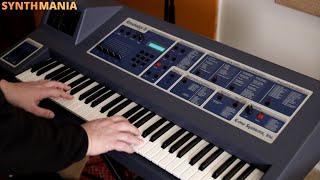
E-mu Emulator II - a few cool sounds
SynthMania
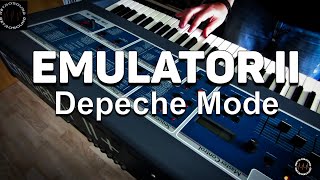
The Sound of Depeche Mode - E-MU Emulator II

RetroSound
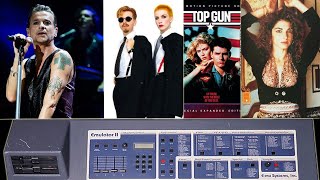
EMU Emulator II - Shining Moments 80's (Pt. 3)
Jason Mysteria
Reviews
Owner Insights
We analyzed real musician discussions from forums and Reddit to find what players love, question, and tweak about E-Mu Emulator II.
Comparisons
-
The Emulator 6400 Ultra offers classic EII and EIII sounds with more memory, polyphony, and support for modern hard drives.
Source -
The Emulator III offers more memory and features but lacks the distinctive sound texture of the Emulator II.
Source -
The MicroGranny sampler and Isla S2400 are potential hardware alternatives for the 8-bit sampling approach, though they may not fully replicate the Emulator II.
Source -
The Mirage and AKAI samplers can sample in 8-bit but lack the distinct "thing" of the Emulator II.
Source -
Several users prefer modern samplers like the Waldorf Quantum MK2 and Nord Wave 2 for better technology and ease of use.
Source
Software and compatibility
User experience
Features and functionality
-
The Emulator II's 12-bit playback of 8-bit samples adds grain and texture, particularly noticeable in lower-pitched samples.
Source -
The Amigo Sampler plugin automatically downsamples to 8-bit and 22kHz, offering a digital approximation of the Emulator II's sound.
Source -
The Emulator II utilized 8-bit companding sampling with SSM analog filters, crucial for its unique sound quality.
Source -
The Emulator II has slow load times and relies on a library of floppy disks.
Source
Use cases and applications
Value and pricing
-
Collectors may find value due to its iconic status and sounds reminiscent of 80s bands like OMD and Depeche Mode.
Source
Critic Reviews
4.5 out of 5
Based on 1 Review and 17 Ratings

367
Sampler
The legend of the samplers! Digital but with analog circuits, it processes the sampled sounds in a different way.
This review has been translated automatically into English. See originalArtist usage
Add artist
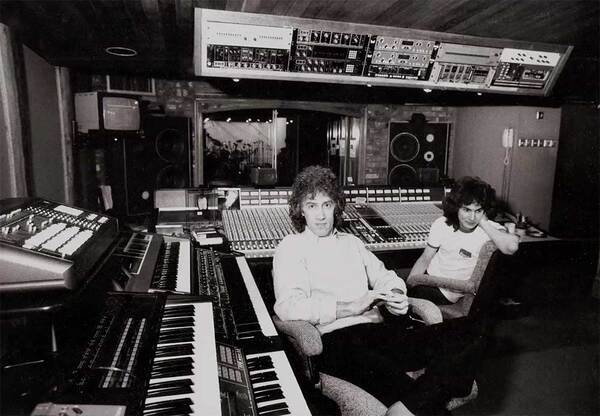
Rupert Hine is confirmed to use an E-Mu Emulator II, as evidenced by a photograph of him with the instrument in his studio, available on his official gallery website.


Dan Hartman is confirmed to use the E-Mu Emulator II synthesizer, as listed among the equipment he employed on his albums in the June 1985 issue of Modern Recording & Music magazine, page 18.


In the MusicRadar Tech video "Dubka - Studio Tour" on YouTube, Dubka showcases and discusses his use of the E-Mu Emulator II+ HD in his studio setup.

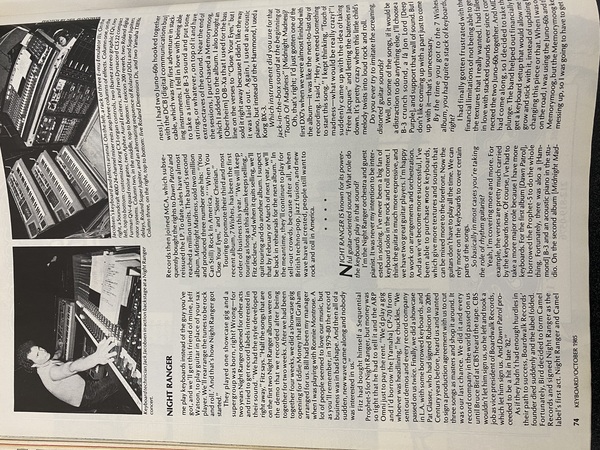
As seen in the top right of page 74 of the October 1985 issue of "Keyboard Magazine," Alan Fitzgerald had three E-Mu Emulator II's in a rack case put together by keyboard technician Jack Jacobsen.

At the 1 minute and 30 seconds mark in the video "John Purdell - I'll Still Be Waiting Here," recorded on March 17, 1987, at Mates Rehearsal Studios, North Hollywood, CA, John Purdell can be seen with an E-Mu Emulator II on a stand to his left, as documented by Corkorama on YouTube.
In a 1986 interview on American Bandstand, 15 seconds into the clip, Pat Regan is seen using the E-Mu Emulator II while performing live with the band Device, as documented by the Awards Show Network on YouTube.

"My first sampling synthesiser was an Emulator II by E-mu Systems Inc. This stored its sampled sounds on five-and-a-quarter inch floppy discs. It was housed in a crude grey plastic case and was shaped like the robot dog in 'Doctor Who' - 'K9', which is what it became called."


Sean mentions the synths he used in his studio.
"My vintage 80s synths include a Emulator II, Roland D-50, Korg M1, Yahmaha DX’s, a couple of Kurzweil K2500s… well, and a bunch more. I love the old outboard gear because of the warm and gravity they bring to the sound. I often bring back the orchestral recording stems into Sonar X1 to further manipulate the overall cue."


"A Prophet T-8 was the main controller, although not used all that much as sound source. A Yamaha DX-7 and TX-7 were used for all the electric piano sounds. A lot of the strings were a combo of two Roland synths, the MKS-70 and the D-550. I used an Akai s1000 a lot and a Linn 9000 as sequencer, drum machine (this was before powerful computers were easy to transport). An Emulator 2 was used for the guitar and many other samples."


Blake Sakamoto is seen using the E-Mu Emulator II at 1 minute and 55 seconds into Dan Reed Network’s live video for "Rock Steady," as documented by Captain Dobey Bassman on YouTube.

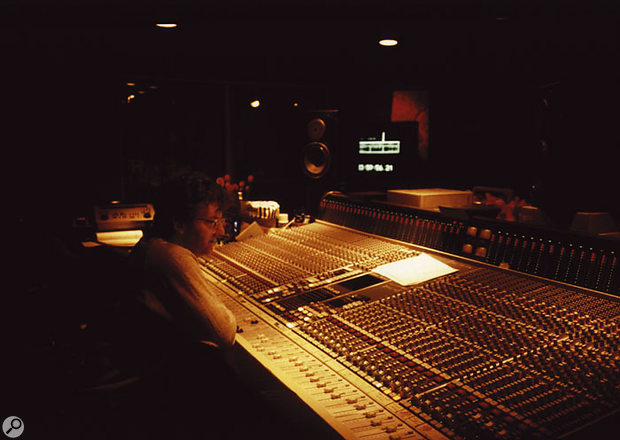
"Meanwhile, for the keyboard parts, Nick Glennie-Smith used a rig consisting of an Emulator II, a Roland MKS80 Super Jupiter, the new-fangled Yamaha DX7"


Album Usage
The E-Mu Emulator II has been featured on the following albums:

Pateando Piedras
Los Prisioneros (2016)
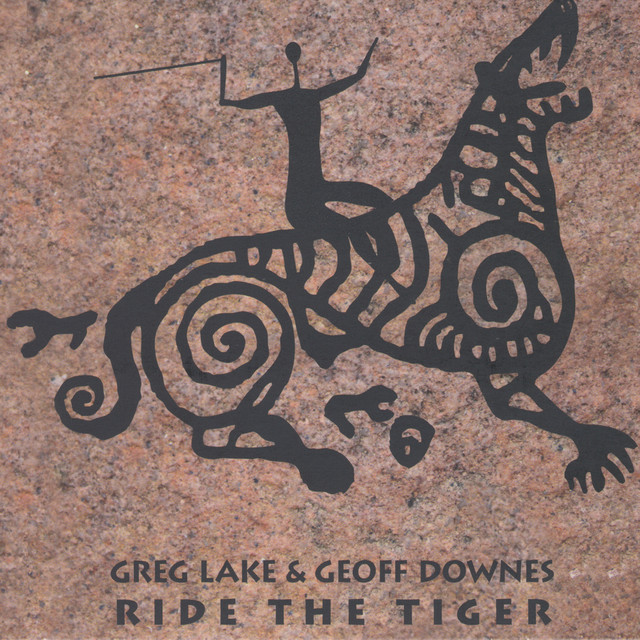
Ride The Tiger
Geoff Downes (2015)

Rendez-Vous
Jean Michel Jarre (2015)
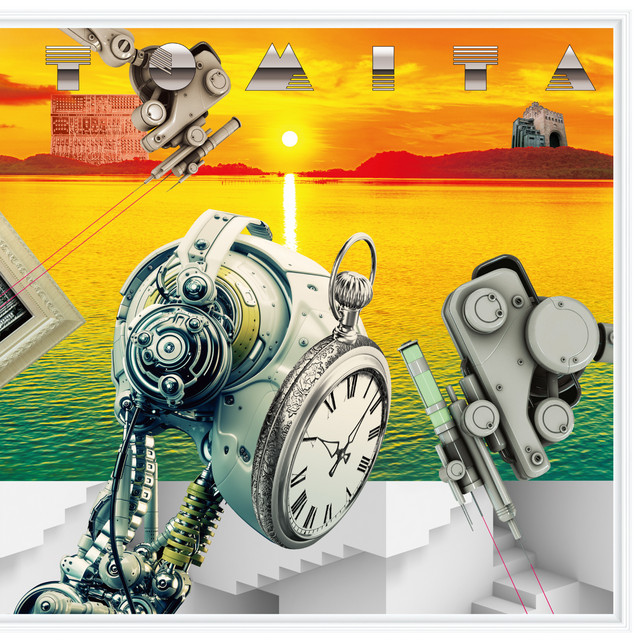
展覧会の絵 ultimate edition
Isao Tomita (2014)
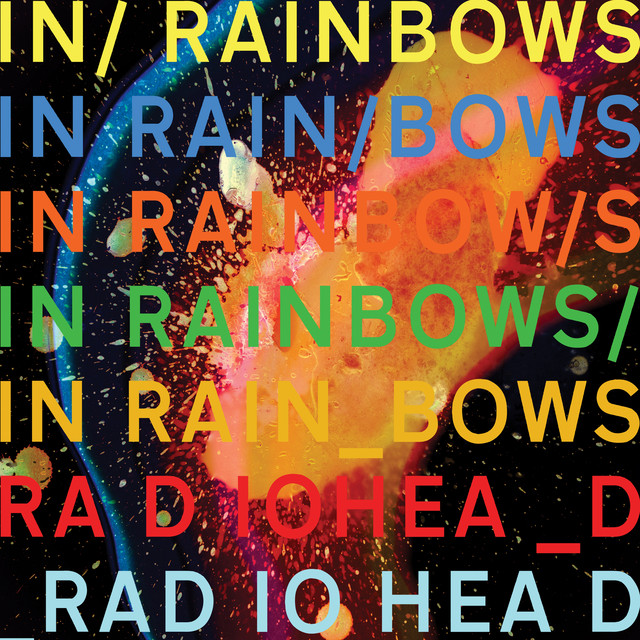
In Rainbows
Radiohead (2007)
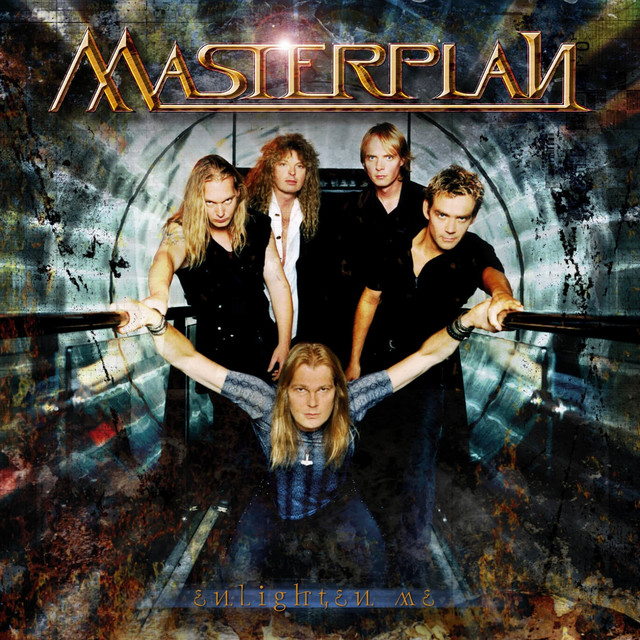
Enlighten Me
Masterplan (2002)
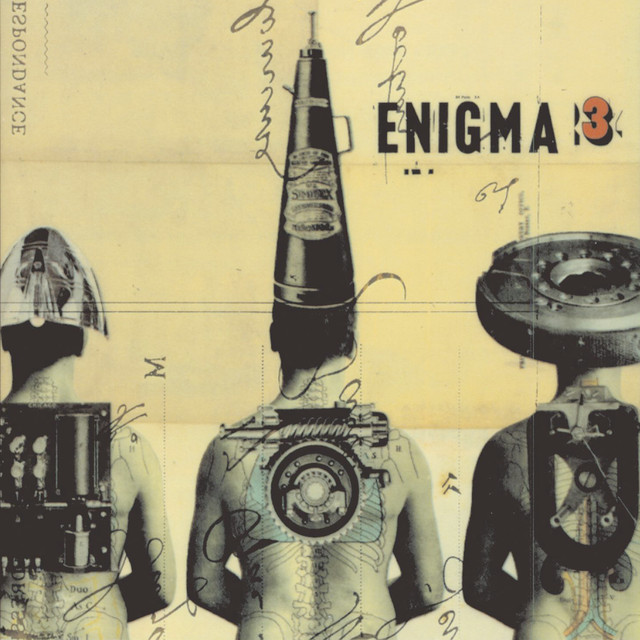
Le Roi Est Mort, Vive Le Roi!
Enigma (1996)
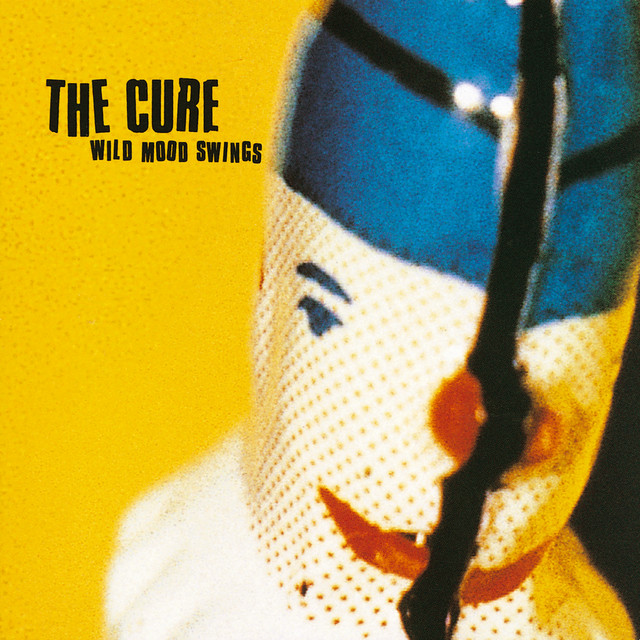
Wild Mood Swings
The Cure (1996)
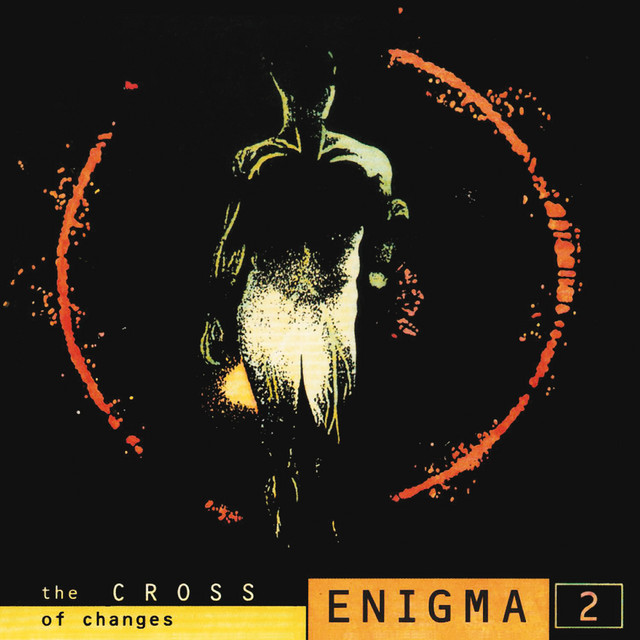
The Cross Of Changes
Enigma (1993)
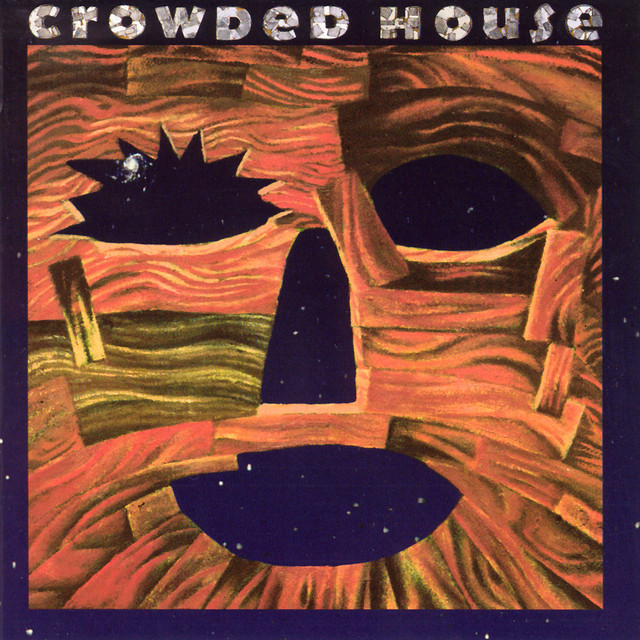
Woodface
Crowded House (1991)
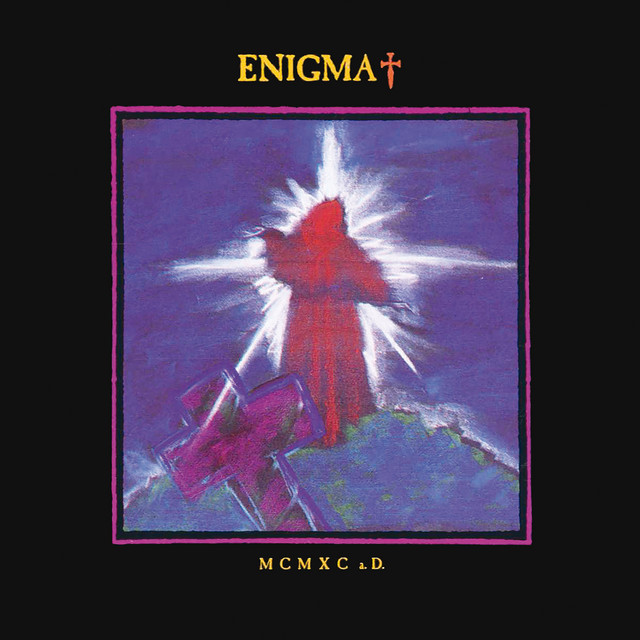
MCMXC a.D.
Enigma (1990)

Corazones
Los Prisioneros (1990)
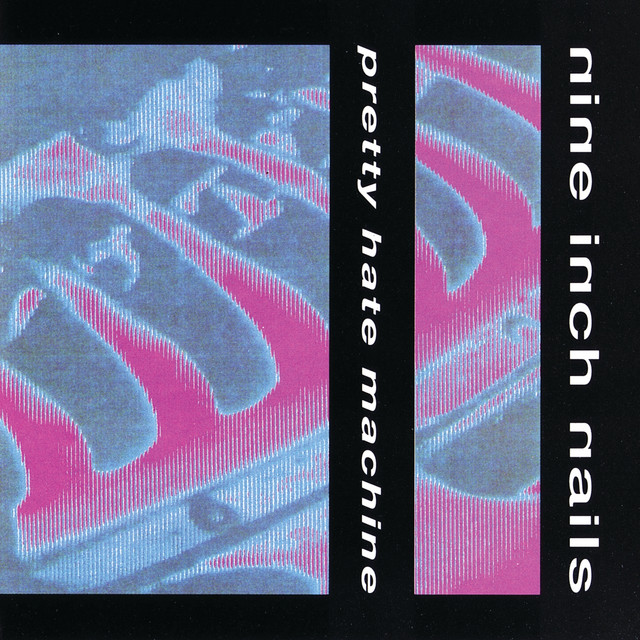
Pretty Hate Machine
Nine Inch Nails (1989)
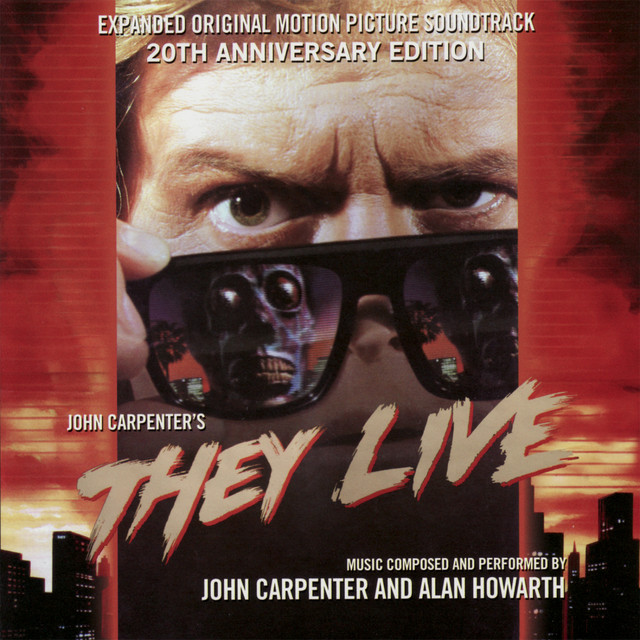
They Live - Expanded Original Motion Picture Soundtrack 20th Anniversary Edition
John Carpenter & Alan Howarth (1989)
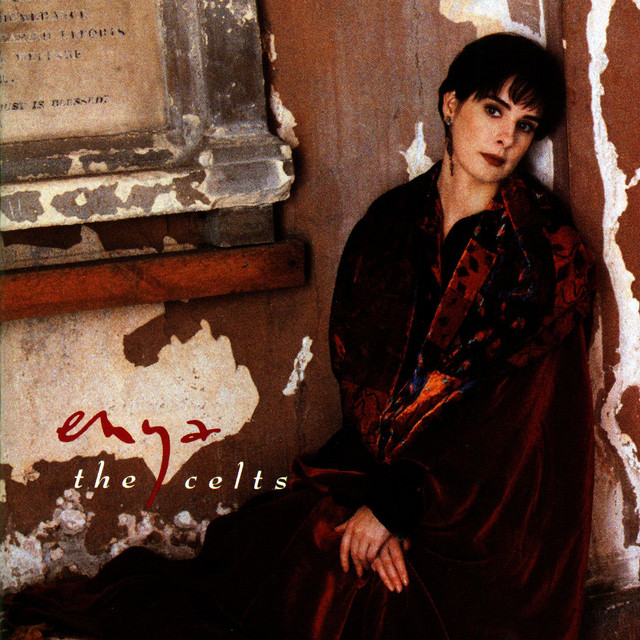
The Celts
Enya (1987)
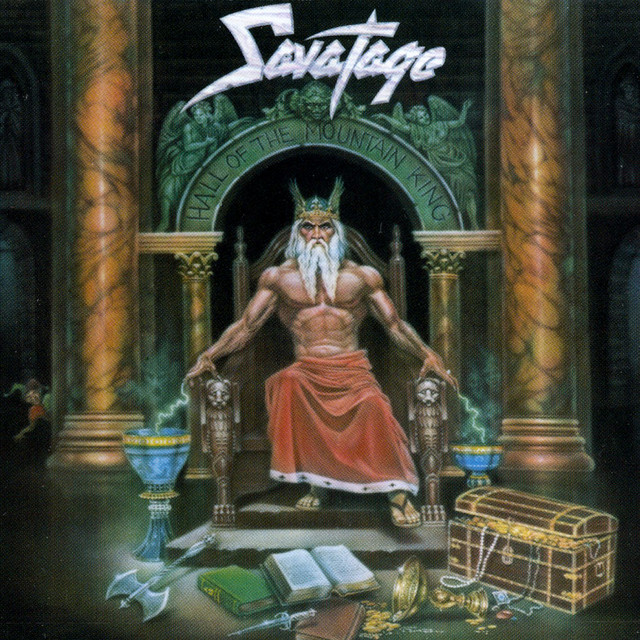
Hall Of The Mountain King
Savatage (1987)
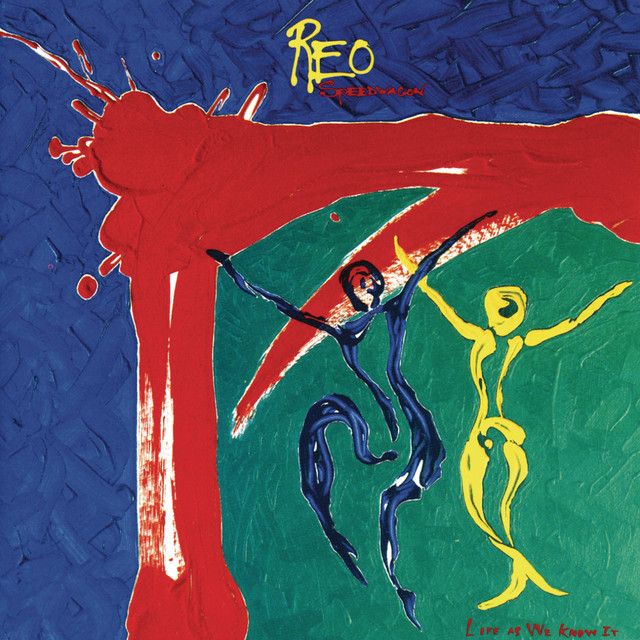
Life As We Know It
REO Speedwagon (1987)
![E-Mu Emulator II as heard on Rage For Order (Remastered) [Expanded Edition] by Queensrÿche (1986)](https://images.equipboard.com/uploads/album/image/46270/rage-for-order-remastered-expanded-edition.jpg)
Rage For Order (Remastered) [Expanded Edition]
Queensrÿche (1986)
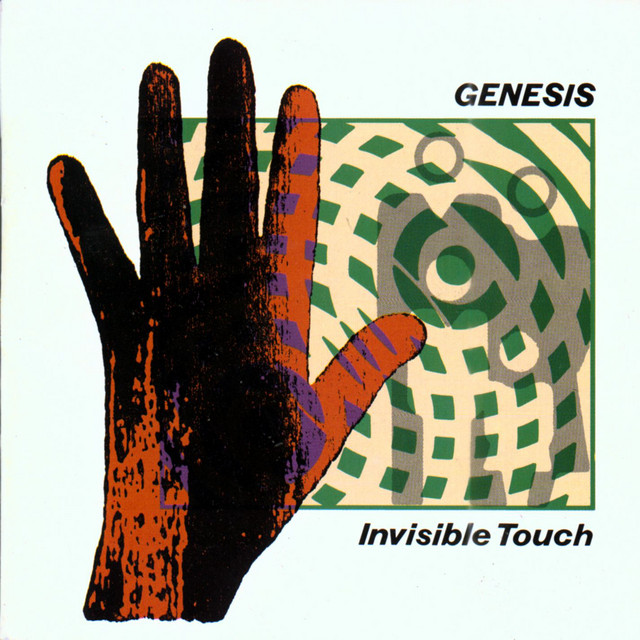
Invisible Touch (2007 Remaster)
Genesis (1986)
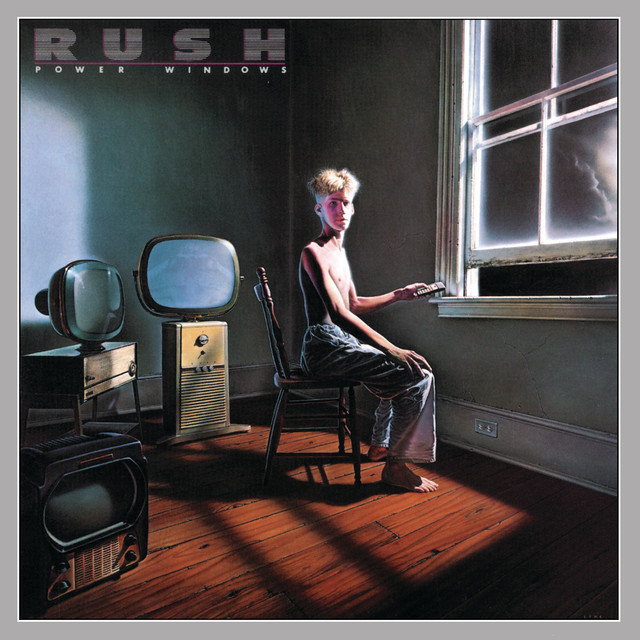
Power Windows
Rush (1985)
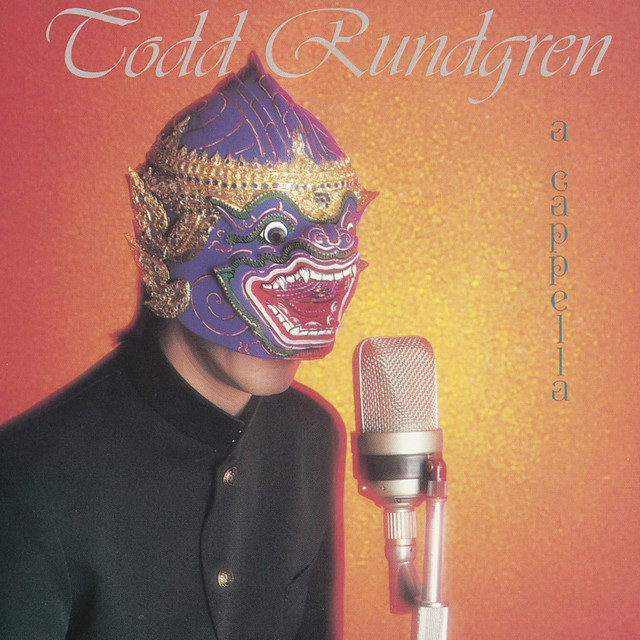
A Cappella
Todd Rundgren (1985)
Genre Usage
Based on how artists on Equipboard use this gear, it is most commonly found in the following genres.
Used With
Based on how musicians on Equipboard use E-Mu Emulator II, it is most commonly used with the following gear.


-s.webp?v=1783318437)



Community setups
Show yours

More E-Mu Synthesizers
-m.webp?v=1783177047)


.jpg?v=1782915672)


$3,283.92 - $3,499.99
in Synthesizers Rank


$469.00 - $699.99
in Synthesizers Rank


$19,535.25
in Synthesizers Rank


$999.00 - $1,084.00
in Synthesizers Rank


Accessories & Related Items
-s.webp?v=1783177047)

Similar


Gear Guides









Most Popular Synthesizers
Most Popular Brands
-
Added to Equipboard on by
 adamdavidson
Gear IQ 266
-


