

Pricing and availability




Average Price: $14,999
High-end/Boutique
$100
$501+
Price Tier
Budget
Standard
High-end
* Product prices and availability are updated by Equipboard every 24hrs and are subject to change. Equipboard may receive compensation for purchases made at participating retailers linked on this site. This compensation does not affect what products or prices are displayed, or the order of prices listed. For more information, please refer to our affiliate disclosure.
Description
The Esoteric Audio Research EAR-660 is a studio recording gem that brings vintage charm with modern precision to your audio processing needs. This vari-mu compressor/limiter, renowned for its classic tube design, is inspired by the legendary Fairchild 660, delivering that sought-after warm, smooth dynamic control with a touch of esoteric flair. Ideal for both individual tracks and full mixes, the EAR-660 ensures your recordings achieve unparalleled depth and character, making it an essential piece for both seasoned professionals and passionate audio enthusiasts.
Crafted with meticulous attention to detail, the EAR-660 employs high-quality transformers and hand-selected vacuum tubes, ensuring it provides not only reliability but also a distinct sonic signature. Its intuitive interface allows for nuanced control over attack, release, and gain, giving you the flexibility to shape your sound precisely. The unit's stereo link capability makes it a versatile option for any studio setup, whether you're working on lush orchestral arrangements or gritty rock productions.
Key Features:
- Vari-mu compressor/limiter inspired by the classic Fairchild 660 design
- High-quality transformers and hand-selected vacuum tubes
- Intuitive controls for attack, release, and gain
- Stereo link capability for versatile studio applications
- Renowned for warm, smooth dynamic control
- Ideal for individual tracks and full mixes
Product specs
| Brand | EAR |
| Model | 660 Limiting Amplifier |
| Finish | Black |
| Year | 1987 - 2019 |
| Made In | United Kingdom |
| Categories | Compressors and Limiters |
FAQs
-
What type of signal processing does the EAR-660 Limiting Amplifier provide?
-
The EAR-660 is a tube-based compressor and limiter, offering smooth, musical dynamic control with classic analog warmth, ideal for both tracking and mastering applications.
-
Is the EAR-660 suitable for mastering purposes?
-
Yes, the EAR-660 is renowned for its high-quality audio processing, making it a popular choice for mastering engineers seeking dynamic range control with a vintage character.
-
How does the EAR-660 Limiting Amplifier affect the sound of a recording?
-
The EAR-660 imparts a warm, rich tone due to its tube circuitry, enhancing recordings with smooth compression and limiting characteristics that preserve the musicality of the audio.
-
Can the EAR-660 be used for both vocals and instruments?
-
Absolutely, the EAR-660 is versatile and can be used on a variety of sources, including vocals and instruments, to achieve a controlled and polished sound.
-
What makes the EAR-660 different from other compressors and limiters?
-
The EAR-660 stands out for its tube-based design and classic sound, offering a unique combination of warmth, transparency, and musicality that is highly sought after in professional studios.


Reviews
Based on 0 Reviews and 0 Ratings
Artist usage
Add artist

Mentioned by mixing engineer Michael Brauer as being used on "Violet Hill" in this Sound on Sound interview about the production of Viva la Vida & Death and All of His Friends.
Vocals: Waves Renaissance & Digidesign de–essers, AMS reverb, Zoom 1202, Lexicon PCM81, Watkins Copicat, Empirical Labs Distressor, Federal, Gates, Fairchild 666, EAR 660, Neve 1176 & Awa G7201 compressors
"I used two Renaissance de–essers on Chris's voice that were doing different things, and then a stock Digidesign de-esser. That was it for the plug–ins I added on this session. The Sonnox Oxford and the Eoisis were not out yet at the time.
"The analogue things I did on the lead vocal are really interesting. As I said, I initially mixed the songs on my own, because the band was in England re–recording some songs, so I knew I might have to recall each song. But on this song I pretty much nailed it, apart from that Chris wanted the vocals to be more exciting and different. In the end the vocal had some AMS non–linear reverb on it, while the main sound came from an old Zoom 1202 reverb and a Watkins Copicat delay, plus a special patch that I created in the PCM81, which is a much bigger reverb. So it's a combination of things, but you don't really notice them, all you notice is that Chris is in a very present, big room. When I had found that combination 'Violet Hill' really became a song, it really came alive, because his voice was able to fight through all the stuff that was going on and make it personable. There's no reverb on the rest of the track, which is another reason why the lead vocal sounds so huge: it's not fighting another bunch of reverbs. If you send everything to reverb, you don't hear it, but if you send only one thing to reverb, it'll be huge.
"For the main part of the song I had a Distressor on the insert of the lead vocal, and I sent this to another five compressors: the Federal, the Gates, the Fairchild 666, the Neve 1176 and another Distressor in Nuke mode. They're all coming back individually on the board, and it was a matter of blending those compressors. As usual in my way of working, the compressors are there to give attitude and tone, and don't necessarily compress. For the end bit of the song, where it's just Chris and the piano, I used the Awa G7201 limiter/compressor. It's an Australian compressor and it has an incredible air and presence. It's a unique sound that you can clearly hear at the end, as it's the only effect on the vocal on that point. Finally, the church group background vocals are sent to the same combination of reverbs as the main vocals. No other effects, no EQ. It means that all the vocals in the main section blend together."

From the live Mix with the Masters masterclass : Answering the question "What is your favourite studio gear ?" Xavier answers "Definately the Ear660, it's the ultimate weapon. We have like 4 of them. If the studio was burning, I would unscrew them out."


Mentioned in this February 12, 2015 article from the Vintage King website.
2015 was a remarkable year for Vintage King clients involved in the music industry, as we had over 30 artists, producers and engineers we work with nominated for Grammy awards. While we all know how secretive sonic creators can be about their work process, we asked a few of our favorite studio workhorses to divulge the secrets of their Grammy-nominated vocal chains.
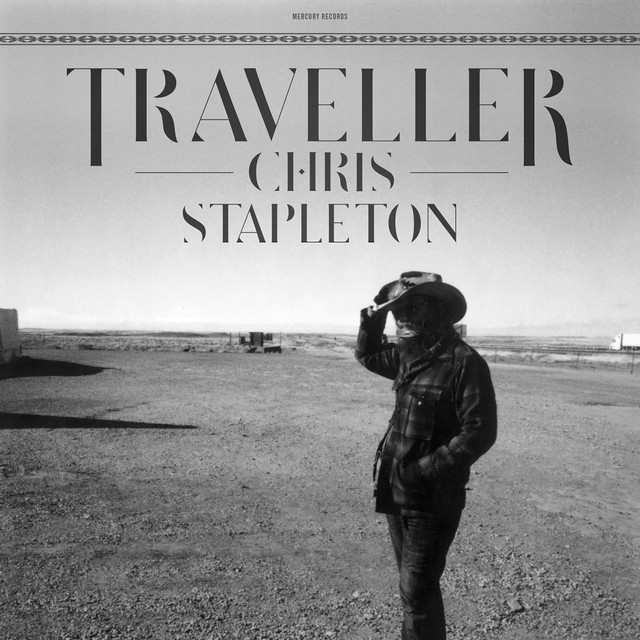
While Chris Stapleton may be a new face for many music fans, producer Dave Cobb (Sturgill Simpson/Jason Isbell) and engineer Vance Powell (Jack White / JEFF the Brotherhood) are no strangers to creating amazing records. When deciding what gear to use during the recording of Stapleton's Grammy-nominated album, Traveller, Cobb asked Powell to select what would be used in the vocal chain.
The end results saw Vance opting to use a vintage U47 and running them through vintage Neve 1073 and an Esoteric Audio Research 660 for compression/limiting. The vocals were all cut live with the rest of the band playing in the same room at RCA Victor Studios. The only exceptions were two albums tracks that were recorded outside the front of The Castle studio, thus the sound of passing cars and crickets.

Mentioned by mixing engineer Michael Brauer as being used on "Violet Hill" in this Sound on Sound interview about the production of Viva la Vida & Death and All of His Friends.
Bass: EAR 660, Altec 436B, Dbx 160, Akai S612, Moog MKPE
"The bass was interesting. I had the same bass track coming back on two channels, and on one of them I had the EAR 660 compressor, going into an Altec 436B compressor, going into my Moog MKPE three–band parametric EQ, all going via the inserts. That channel was for the low end, giving the sound its fullness. On the other channel I had a Dbx 160, crushing heavily, with the bottom end taken out. That gave the bass its punch and mid-range. I also sent the basses to an Akai S612 sampler. A friend of mine turned me on to doing this. I don't use it as a sampler, but as a distortion device. If you put the Akai in microphone mode and you overload it, you get really nice warm distortion that you don't really notice, but it sounds good. If I want something more vicious than the Akai, I'll use the [Thermionic Culture] Culture Vulture instead, which I feel is one of the best pieces of equipment for adding some attitude. It's great for when tracks are recorded too cleanly. Finally the basses, like the drums, went through Bus B in my multi–bus compression setup, which consists of Distressors going into my Avalon E55 EQ."

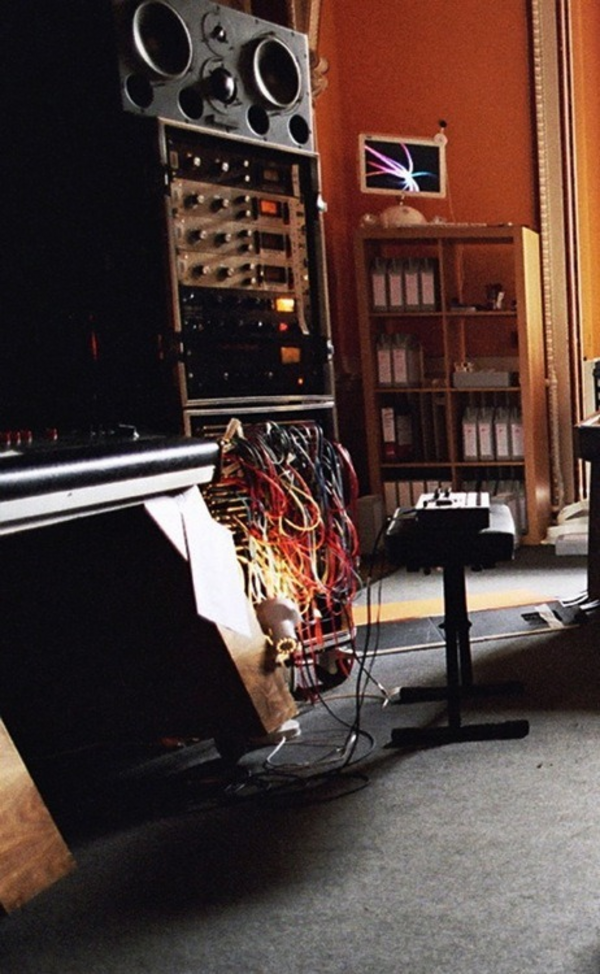
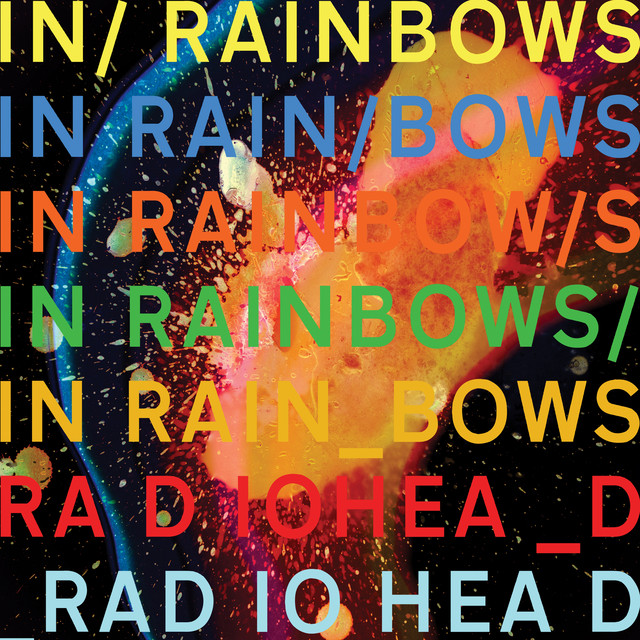
In a photo taken in the control room at Tottenham House during the recording of Radiohead’s In Rainbows in September/October 2006, it is evident that music producer Nigel Godrich uses the Esoteric Audio Research EAR-660. This is confirmed by the image showing the EAR-660 in a rack alongside a blackface UREI 1176, three silverface 1176s (Rev H), and a Tube Tech CL1B. An Elektron MachineDrum is also visible on the piano bench, and an early-2000s Apple iMac can be seen in the control room.


In a video by MusicRadar Tech titled "Fred Falke In The Studio With Future Music," Fred Falke demonstrates how he uses the Esoteric Audio Research EAR-660 as part of his outboard gear setup to process audio tracks.

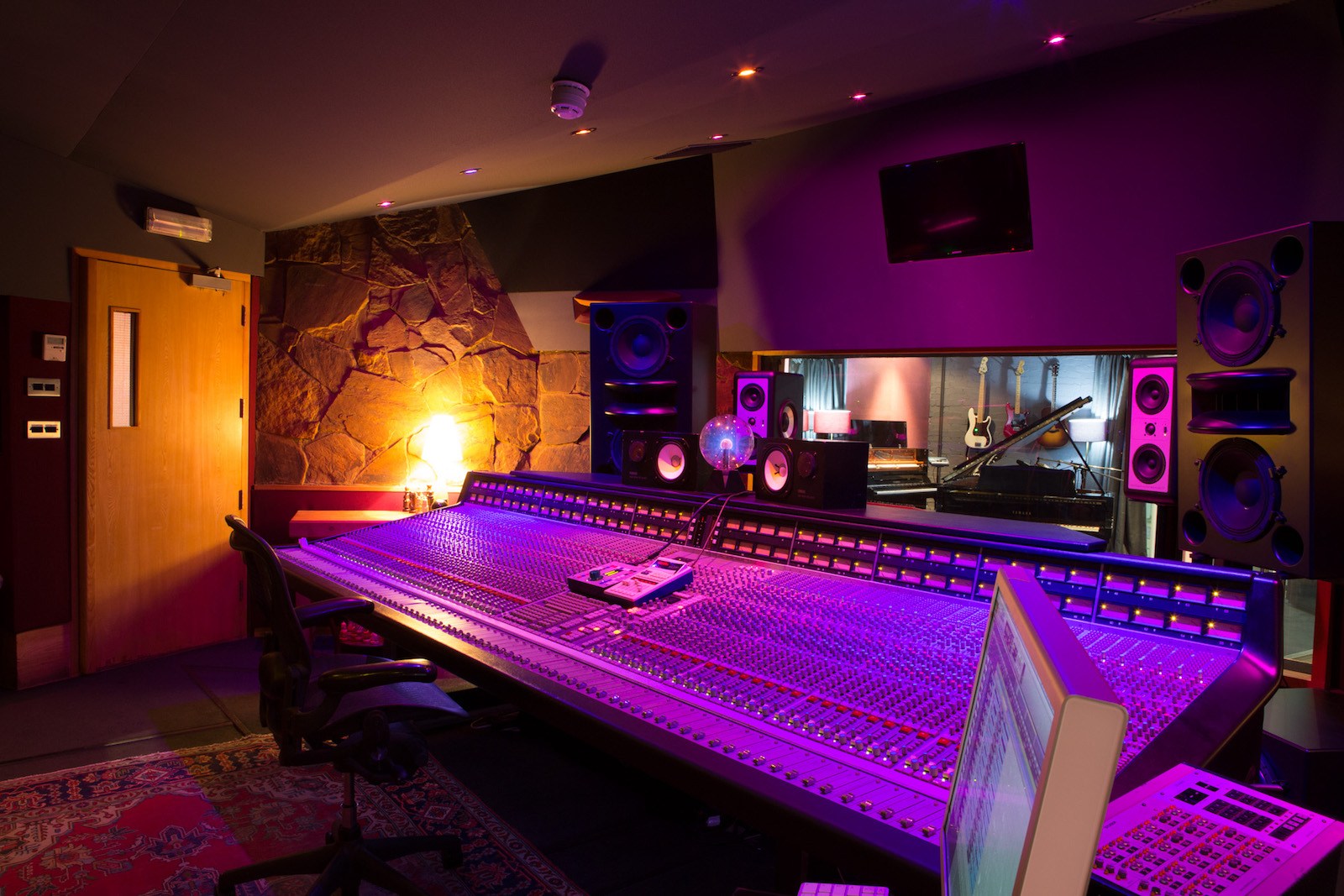
According to the "equipment list" found on Church Studios, owned by Epworth, one of the things listed is EAR 660.


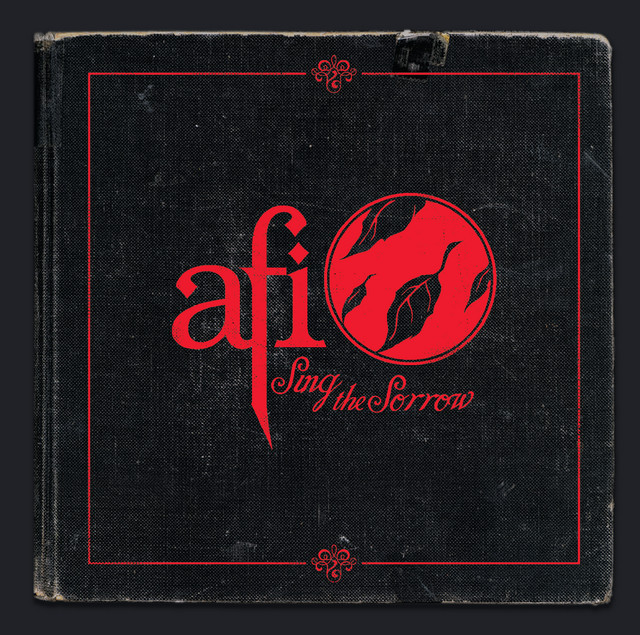
"Let me shake the cobwebs out. On Sing the Sorrow I remember that we spent half a day trying different mics (15 or more), mic pre's and compressors. We finally settled on a Blue Bottle w/B-6 capsule - Chandler TG-2 mic pre - EAR 660 compressor. We would record in parts - singing parts, quiet singing and screaming parts. Dave does have an incredibly dynamic voice so it took a lot of riding of levels. On decemberunderground I changed up the chain a bit and on the new album I tweaked it again to suit his singing style." - Joe McGrath (recorded Davey Havok)


Philippe uses 2 E.A.R 660 on his mix bus


In the YouTube video titled "わーだーさんのスタジオ訪問記〜NK SOUND TOKYO編〜【ニラジ・カジャンチ Neeraj khajanchi】," composer Neeraj Khajanchi showcases his studio setup, featuring the Esoteric Audio Research EAR-660. This Fairchild-type valve limiter-compressor is renowned for its transparency and exceptional transient response, making it a preferred choice among audio professionals for its effective signal processing capabilities.
Album Usage
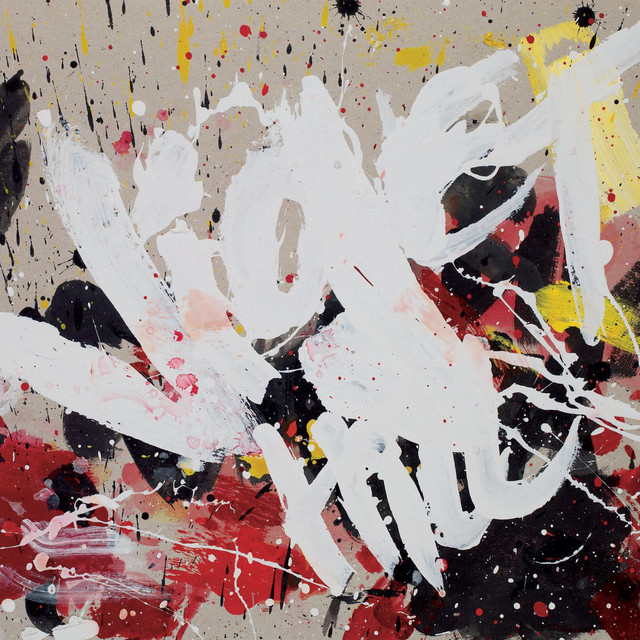
The Esoteric Audio Research EAR-660 has been featured on the following albums:


Genre Usage
Based on how artists on Equipboard use this gear, it is most commonly found in the following genres.
Used With
Based on how musicians on Equipboard use Esoteric Audio Research EAR-660, it is most commonly used with the following gear.


More Esoteric Audio Research Effects Processors


$1,500.00
in Effects Processors Rank


-m.webp?v=1784559394)
$640.00
in Effects Processors Rank


$189.00
in Effects Processors Rank


$1,799.00
in Effects Processors Rank


$1,549.00
in Effects Processors Rank


$1,999.00
in Effects Processors Rank


$749.99 - $833.00
in Effects Processors Rank


$136.00
in Effects Processors Rank


$1,450.00
in Effects Processors Rank


$3,799.00 - $4,985.00
in Effects Processors Rank


-m.webp?v=1784844330)
$40.00 - $2,999.00
in Effects Processors Rank

$5,777.00 - $6,999.00
in Effects Processors Rank
.jpg?v=1784733415)


$1,153.00 - $2,635.00
in Effects Processors Rank


.jpg?v=1784637724)

$3,568.46 - $4,750.00
in Effects Processors Rank


$892.41 - $1,799.95
in Effects Processors Rank


$220.00
in Effects Processors Rank


$850.00
in Effects Processors Rank


$69.95
in Effects Processors Rank


$199.99 - $300.00
in Effects Processors Rank


-m.webp?v=1784818739)
$320.00
in Effects Processors Rank


$419.99 - $1,179.99
in Effects Processors Rank


$749.99 - $4,999.00
in Effects Processors Rank


$1,650.00
in Effects Processors Rank


$2,999.00 - $3,250.00
in Effects Processors Rank


$629.99 - $849.00
in Effects Processors Rank


$35.70 - $199.00
in Effects Processors Rank


-m.webp?v=1784818824)
$309.37 - $936.00
in Effects Processors Rank


$2,555.00 - $3,225.00
in Effects Processors Rank


-m.webp?v=1784818777)
$450.00 - $699.00
in Effects Processors Rank


$4,999.00 - $8,037.96
in Effects Processors Rank


$999.00
in Effects Processors Rank

.jpg?v=1784792382)


$138.00
in Effects Processors Rank


$1,338.62
in Effects Processors Rank


$202.50 - $599.99
in Effects Processors Rank


$361.46
in Effects Processors Rank


$66.00
in Effects Processors Rank


$175.00
in Effects Processors Rank


$475.00
in Effects Processors Rank


$1,135.25 - $1,199.00
in Effects Processors Rank

Accessories & Related Items
-s.webp?v=1784844330)

-s.webp?v=1784818777)

Community setups


Similar


Gear Guides






Most Popular Effects Processors
Most Popular Brands
-
Added to Equipboard on by
 lesmaisondeux
GearIQ 3294
-


