

Pricing and availability
We compare 600+ stores and found this item at 1 store. Prices updated .
Store
Reviews
Price




Average Price: $4,311
High-end/Boutique
$500
$1501+
Price Tier
Budget
Standard
High-end
* Product prices and availability are updated by Equipboard every 24hrs and are subject to change. Equipboard may receive compensation for purchases made at participating retailers linked on this site. This compensation does not affect what products or prices are displayed, or the order of prices listed. For more information, please refer to our affiliate disclosure.
Description
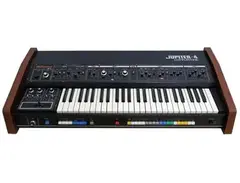
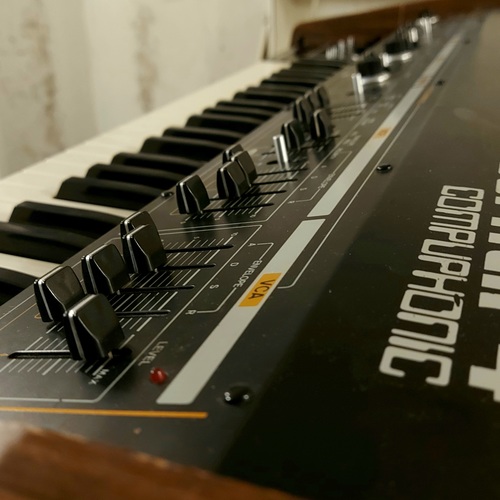
Experience the rebirth of a legend with the Roland Jupiter-4, a synthesizer that captures the magic of the iconic 1978 original while embracing the capabilities of modern technology. Revered for its warm, full-bodied sounds, this polyphonic synthesizer is a staple for musicians who crave the rich textures and lush tones that defined an era. Thanks to Roland's Analog Circuit Behavior technology, the Jupiter-4 faithfully recreates the nuances of its vintage predecessor, offering both the beloved quirks of the original hardware and innovative enhancements.
The Jupiter-4 stands out with its single VCO, which produces colossal sounds expanded further by the built-in Ensemble chorus. This feature transforms your music into a galaxy of lush harmonics and textures. While the interface maintains the intuitive layout of the original, beneath its retro surface lies a wealth of modern features designed to unleash your creativity. Extend oscillator ranges, tweak noise levels, and experiment with sub-oscillator volume to customize your sound.
Beyond its vintage charm, the Jupiter-4 provides a full suite of effects, including phaser, flanger, overdrive, delay, and reverb. Whether you're crafting classic '70s tones or pioneering new sonic landscapes, this synth is limited only by your imagination. Integrate it seamlessly into your digital audio workstation or pair it with Roland's SYSTEM-8 for an 8-voice polyphonic hardware experience that delivers an authentic hands-on feel.
Key Features:
- Analog Circuit Behavior technology for authentic sound reproduction
- Single VCO with lush Ensemble chorus for expansive soundscapes
- Intuitive vintage interface with modern features for creative flexibility
- Full suite of effects: phaser, flanger, overdrive, delay, and reverb
- Compatible with DAWs and SYSTEM-8 for versatile integration
Product specs
| Brand | Roland |
| Model | Jupiter 4 49-Key Synthesizer |
| Finish | Black |
| Year | 1978 - 1982 |
| Categories | Analog Synths, Keyboard Synths |
| Analog / Digital | Analog |
| Key Size | Full Size |
| Keyboard Action | Synth Action |
| Number of Keys | 49 Keys |
| Polyphony | 4 Voices |
FAQs
-
Is the Roland Jupiter-4 synthesizer polyphonic or monophonic?
-
The Roland Jupiter-4 is a polyphonic synthesizer with 4-voice polyphony, allowing you to play up to four notes simultaneously.
-
What type of sound engine does the Roland Jupiter-4 use?
-
The Roland Jupiter-4 utilizes an analog sound engine, known for its warm and rich sound characteristics, typical of vintage synthesizers.
-
Can the Roland Jupiter-4 integrate with modern music production setups?
-
Yes, the Roland Jupiter-4 can integrate with modern setups through PLUG-OUT integration with the SYSTEM-8, offering enhanced polyphony and onboard effects.
-
What are the key features of the Roland Jupiter-4's sound design capabilities?
-
The Jupiter-4 features authentic analog polysynth recreation with enhanced ACB technology, allowing for a wide range of sound design options, including extended parameters and onboard effects.
-
How does the Circuit Mod feature on the Roland Jupiter-4 affect its sound?
-
The Circuit Mod feature allows you to adjust the synth's character to sound like a factory-fresh unit or a road-worn instrument, providing flexibility in sound texture and authenticity.
Videos

AnalogAudio1
ROLAND JUPITER-4 Analog Synthesizer 1978 | HQ DEMO
ROLAND JUPITER-4 Analog Synthesizer 1978 | HQ DEMO
AnalogAudio1
Roland Jupiter-4 sound design tutorial Duran Duran "Rio"

RetroSound
Roland Jupiter-4 Demo

Perfect Circuit
The Roland Jupiter-4: Compuphonic

Alex Ball
Roland Jupiter-4 40th anniversary extended demo

synthlegends
Is It Worth It? The Roland Jupiter-4

Alamo Music Sound Lab

Best of Roland Jupiter-4 Synthesizer ~ RetroSound Demo
RetroSound
The Secret Behind the Jupiter-4’s Magic | Alamo Music Oscillator Talk
Alamo Music Sound Lab
The Roland Jupiter 4: A Sound Engineer's Dream

Andy Whitmore
Reviews
PROS
-
Unique sound with excellent oscillators and filters
-
Provides a musical, warm, and punchy sound quality
-
Features like discrete oscillators, stereo chorus, and hyper-fast LFO add distinctiveness
-
Durable build quality; units still perform well decades later
-
4-voice, discrete VCO based analog polysynth delivers vibrant and lush tones
-
Includes sought-after features like sub-oscillator and chorus effect
CONS
-
Expensive compared to some vintage synths offering similar features
-
Limited to a 4-voice polyphony, restricting chord complexity
-
Some users find better value in alternative vintage synths or modern emulations
-
Specific sounds (e.g., Ensemble effect) considered superior in cheaper synths
Owner Insights
We analyzed real musician discussions from forums and Reddit to find what players love, question, and tweak about Roland Jupiter-4.
Features and functionality
-
The PWM Melevolent, priced at $549, is noted for its ability to produce gritty, dirty sounds similar to the Jupiter-4, thanks to extensive sound-shaping controls.
Source -
The specific sound character from the Jupiter-4 is achieved by routing the noise generator to the oscillator pitch, often using pulse wave and sub oscillator settings.
Source -
The Jupiter-4’s CV inputs can be used creatively, such as routing a DAW click track to influence the arpeggiator.
Source -
The Jupiter-4's internal distortion when playing chords is a unique characteristic, often attributed to its volume slider, creating a distinctive, sought-after sound.
Source -
The arpeggiator on the Jupiter-4 includes a random setting, making it one of the first compact synths with this feature, adding unpredictability to its sound.
Source -
The chorus effect significantly contributes to the Jupiter-4’s distinctive sound, enhancing its oscillators, filters, and envelope shapes.
Source
Comparisons
-
The Behringer MonoPoly and MS-101 RD are suggested as alternatives that can produce similar pulse wave and sub oscillator sounds as the Jupiter-4.
Source
Use cases and applications
-
For those seeking the "loud dirty synthy sine sounds" of the Jupiter-4, it’s important to focus on synths with noise generator capabilities linked to oscillator pitch.
Source -
For emulating Bojack Horseman's theme, note-tracking with filter cutoff modulation and a slew limiter can achieve the sluggish sweeping effect.
Source
Software and compatibility
-
Cherry Audio Mercury 4 is praised for its arpeggiator capabilities, potentially offering better sound emulation than Roland's official plugins.
Source -
The Jupiter-4 emulation is available for a 30-day free trial from Roland, providing an opportunity for hands-on experimentation without commitment.
Source
Critic Reviews
5.0 out of 5
Based on 3 Reviews and 16 Ratings

182
Simply amazing.
4-voice, discrete VCO based analog polysynth. It is a dream to use and sounds so damn good. Each voice is so vibrant and lush, this type of sound was lost mostly as we went from the 70's to the 80's and VCO (and DCOs) got more stable. I would give the IR3109 filter version a 4.5 and the SH-filter based one a 5.


Artist usage
Add artist
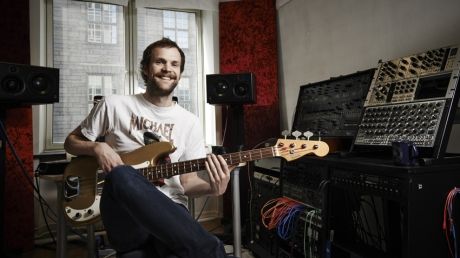
“The Jupiter-4 was one of my first [synths]. Today I have many more polys, like the Jupiter-8 and the Memorymoog - a lot of good stuff - but there’s just something about the Jupiter-4 and how you interact with it. You have faders instead of knobs and everything is driven internally."

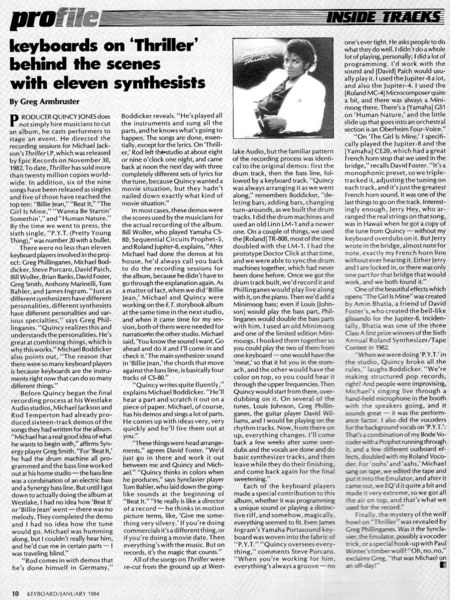
According to this Keyboard magazine feature, Steve Porcaro used a Jupiter-4 on Michael Jackson’s Thriller.

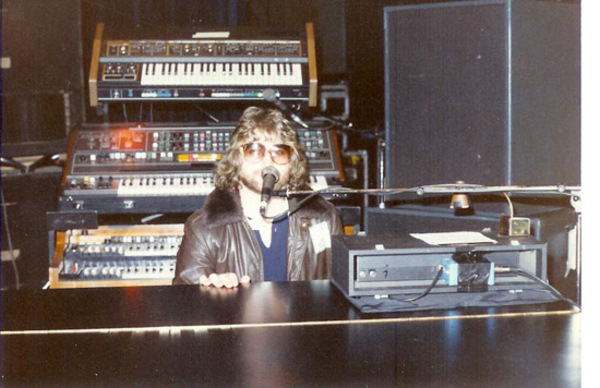
In this photo, a Jupiter 4 can be clearly seen at the top of Paich's keyboard rack, above a Yamaha CS-80 and Hammond A-100 Organ.


"I've never sold a keyboard, even my first two-a Micromoog and a Roland JP4 with which I recorded everything in 'She Blinded My With Science.'"


A Jupiter-4 can be seen behind Greg at 0:11 in this performance of Touch and Go. It also appears in this Instagram post (https://www.instagram.com/p/CEPUInKjbpH/?igshid=1fgjolos6381k) along with many other synths from his days with The Cars.


Interview German Synth Mag Amazona.de: Neben dem Moog Modular System, das nahezu vollständig Snowflakes are Dancing dominierte und später durch das 55er ergänzt wurde, besaß er zu jener Zeit einiges von Roland, etwa die Systeme 700 und 100, Jupiter-4, VP-330 und Strings RS-202. Weitere Instrumente: Fender Rhodes, Hohner Clavinet, Korg MS50, Korg Vocoder VC-10, Mellotron M-400, Moog Polymoog, Yamaha CS-80, Yamaha String Ensemble SS-30. Ab den frühen 80ern landete bei ihm dann auch digitales Equipment, darunter das Synclavier, E-mu Systems Emulator, Fairlight CMI III und auf manchen Fotos ist auch der legendäre Yamaha VP1 zu sehen.


“So I’m no longer 100 percent in Logic. I also have a drum kit here, bass and guitar amps, a piano, a Mellotron M400, a Chamberlin, and a whole bunch of hardware synths, including Moogs, ARPs, an Oberheim Matrix 12, Sequential Circuits Prophet 5, Vako Orcherstron, Roland Jupiter 4 and Juno 60".


"On the other hand, the little Roland was affordable. OK, £1,800 was far from chicken feed in the late '70s, but the Jupiter 4 undercut each of its competitors by around 50 percent. Consequently, the list of its owners became a 'Who's Who?' of the era, including Kitaro, Gary Numan, Tangerine Dream, Stevie Wonder, Tomita and, perhaps most famously, Nick Rhodes of Duran Duran. "

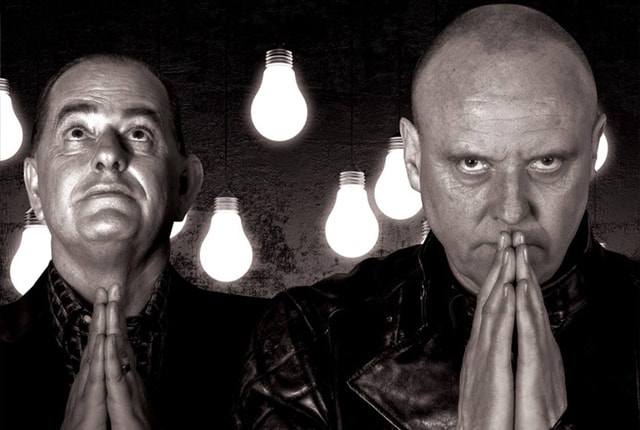
“’Bigger than America’ was our last attempt at having a big international hit album with proper financial support. I’m very proud of that album, by the way. I think it stands the test of time. I remember thinking at the time that we wanted to make an album that was our last chance to use all the original synths. We used a lot of Jupiter 8 and Jupiter 4—all the original synths and the original Linn Drums as well. That’s why the album sounded so great."

The Jupiter-4 can be seen as one of the voices Jamie is using to play all of his synths at the same time in this video.


Over the years, Ron Mael has played numerous synths, keyboards and computer-based instruments — Moog's Polymoog, Roland's JP-4 and JP-8, the Wurlitzer electric piano and the Fairlight CMI, to name a few — but his workhorse favorites have been the Yamaha CS-80 (produced in the late '70s) and the sleeker S80 (introduced in 1999).


Album Usage
The Roland Jupiter-4 has been featured on the following albums:
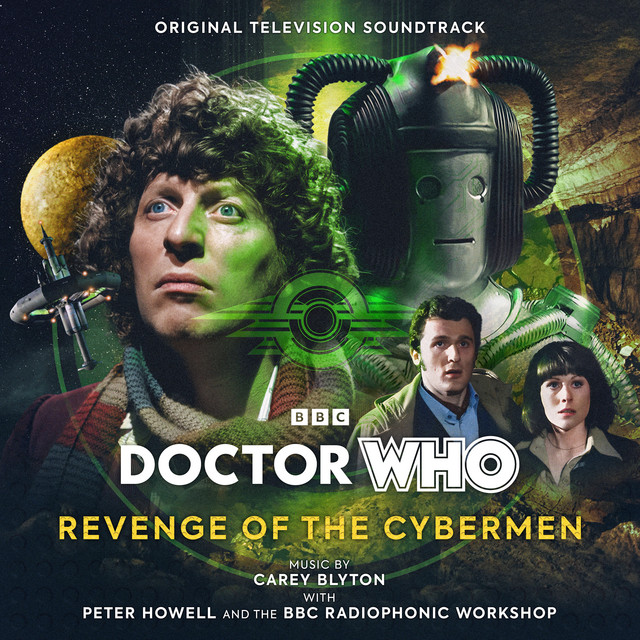
Doctor Who - Revenge of the Cybermen
Peter Howell & The BBC Radiophonic Workshop (2023)

Battle Cry
Classix Nouveaux (2023)

Living on Video
Trans-X (2019)
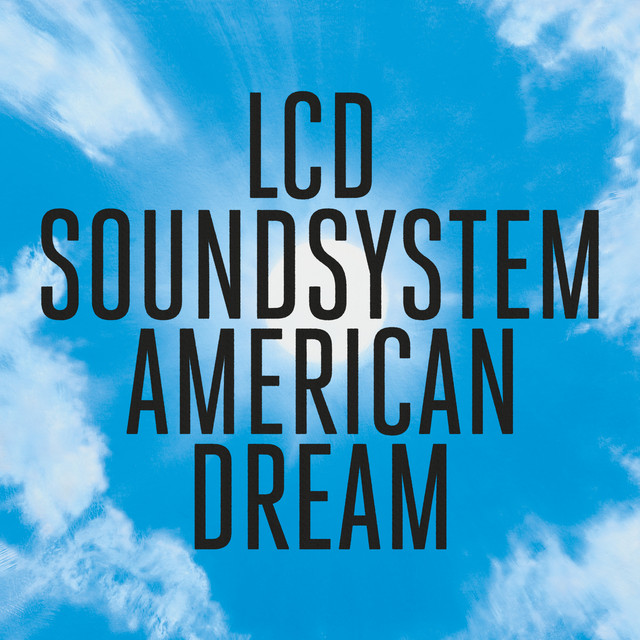
american dream
LCD Soundsystem (2017)

The End (Live)
Black Sabbath (2017)

展覧会の絵 ultimate edition
Isao Tomita (2014)

Music for Insomniacs Part IV
Matt Berry (2014)
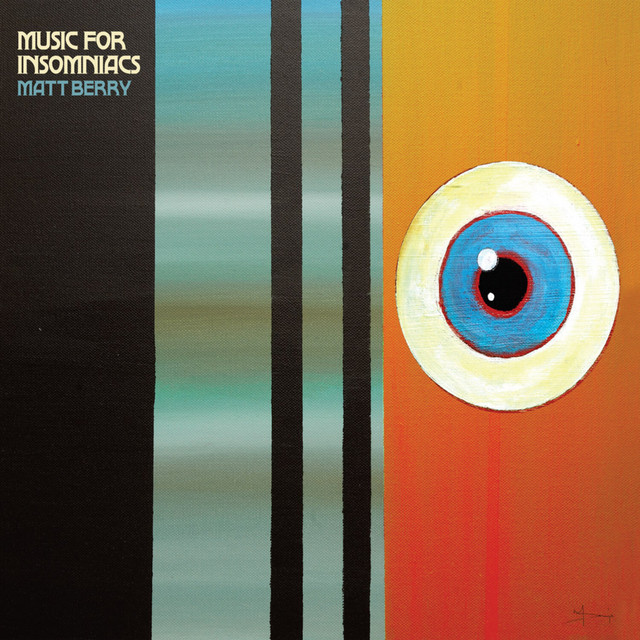
Music for Insomniacs
Matt Berry (2014)

Live in Dresden
Al Deloner (2011)
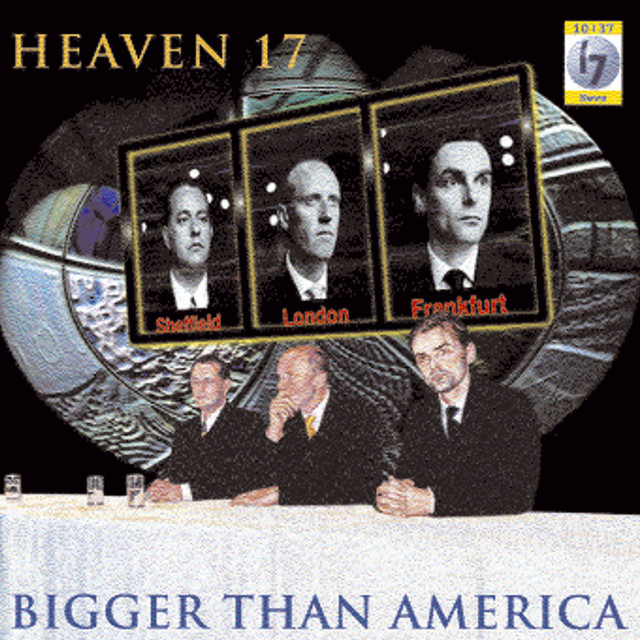
Bigger Than America
Heaven 17 (1996)
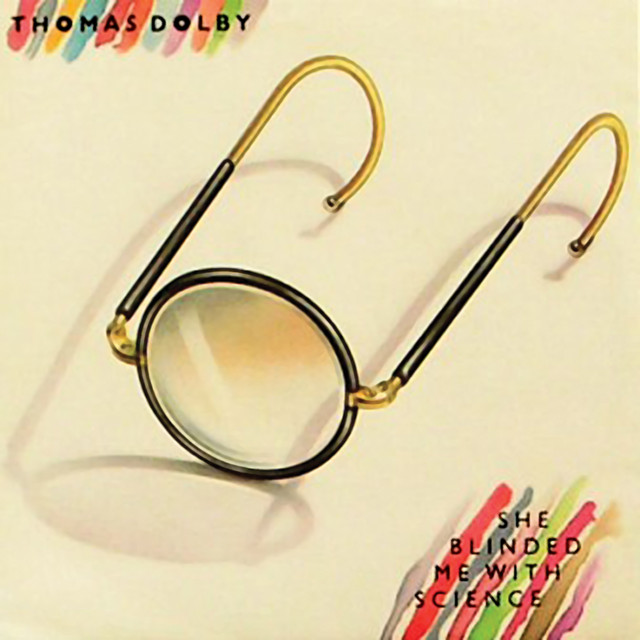
She Blinded Me With Science
Thomas Dolby (1987)
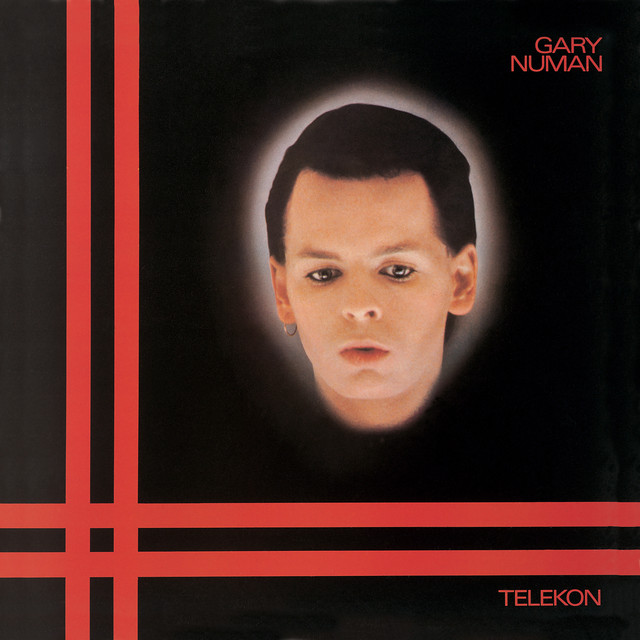
Telekon
Gary Numan (1980)

Armed Forces (Super Deluxe Edition)
Elvis Costello & The Attractions (1979)
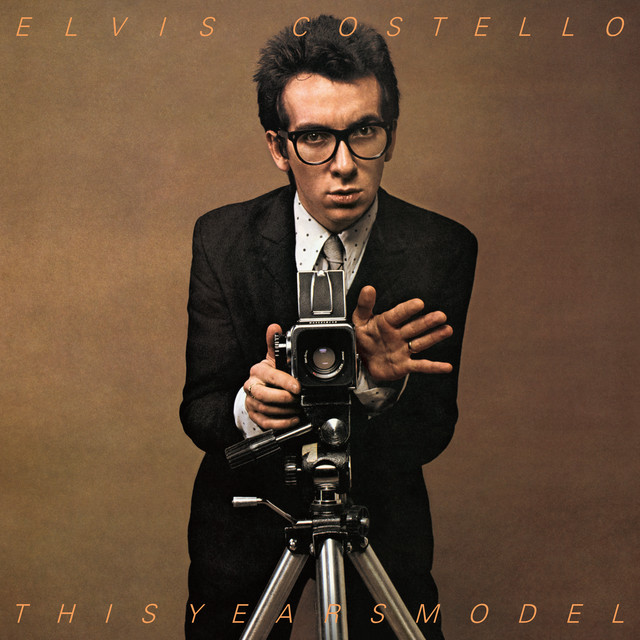
This Year's Model (2021 Remaster)
Elvis Costello & The Attractions (1978)
Genre Usage
Based on how artists on Equipboard use this gear, it is most commonly found in the following genres.
Used With
Based on how musicians on Equipboard use Roland Jupiter-4, it is most commonly used with the following gear.


-s.webp?v=1783318437)


-s.webp?v=1783090753)


-s.webp?v=1783263546)
Community setups
Show yours


Similar
Add recommendation2 alternative and related items for Roland Jupiter-4, curated by the Equipboard community.

$1,900.00
sounds similar but with 2 voices less than the jupiter

$350.50 - $494.99
has a pretty similar architecture, with its fast lfo and 4 voice mode it sounds similar to a jupiter with some tweaking and extra warmth (EQ, compression, saturation etc.). both jp4 v2 and sh101 had the IR3109 filter so the boutique digital IR3109 filter emulation in the sh-01a sounds quite close, if you ignore some minor aliasing in very high frequencies.
More Roland Synthesizers

$19,535.25
in Synthesizers Rank


$2,000.00
in Synthesizers Rank


$278.85 - $1,763.18
in Synthesizers Rank


$325.00 - $1,332.49
in Synthesizers Rank


$499.99 - $719.99
in Synthesizers Rank


$309.99 - $915.00
in Synthesizers Rank


$1,469.00 - $2,159.99
in Synthesizers Rank

.jpeg?v=1783244343)

$479.99 - $1,099.00
in Synthesizers Rank


-m.webp?v=1783263541)
$956.53
in Synthesizers Rank


$735.79
in Synthesizers Rank


$350.50 - $494.99
in Synthesizers Rank


$197.04
in Synthesizers Rank


$404.99 - $819.99
in Synthesizers Rank


$4,295.00
in Synthesizers Rank


-m.webp?v=1783263546)
$1,114.01
in Synthesizers Rank


$2,239.00
in Synthesizers Rank


$2,199.99 - $2,639.99
in Synthesizers Rank
.jpeg?v=1783323499)


$149.00 - $368.00
in Synthesizers Rank


$799.99 - $956.52
in Synthesizers Rank


$614.00 - $1,199.00
in Synthesizers Rank


$344.00 - $479.99
in Synthesizers Rank


$588.63
in Synthesizers Rank


$940.00
in Synthesizers Rank


$1,593.16
in Synthesizers Rank


$918.00 - $1,249.99
in Synthesizers Rank


$888.00 - $1,199.99
in Synthesizers Rank


$1,532.28


$652.00 - $1,888.00


$1,252.00 - $1,869.99


Gear Guides









Most Popular Synthesizers
Most Popular Brands
-
Added to Equipboard on by
 bubbajones
Gear IQ 1312
-


