

Pricing and availability
We compare 600+ stores and found this item at 1 store. Prices updated .
Store
Reviews
Price




Average Price: $55,770
High-end/Boutique
$500
$1501+
Price Tier
Budget
Standard
High-end
* Product prices and availability are updated by Equipboard every 24hrs and are subject to change. Equipboard may receive compensation for purchases made at participating retailers linked on this site. This compensation does not affect what products or prices are displayed, or the order of prices listed. For more information, please refer to our affiliate disclosure.
Description
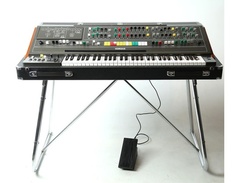
Immerse yourself in the world of rich, analog sound with the Yamaha CS-80, a game-changer in the realm of synthesizers. It's not just an instrument, it's a piece of music history that powered some of the most iconic tracks of all time. From the unmistakable tones of Toto's 'Africa' to the atmospheric soundscapes of Vangelis' 'Blade Runner', the CS-80's influence unraveled a whole new dimension of music creation. Experience the power of 8-voice polyphony and 2 analog oscillators per voice, empowering your creativity with unparalleled musical expression.
Key Features:
- 8-voice polyphonic synthesizer
- 2 analog oscillators per voice
- VCF with independent highpass and lowpass filters
- Weighted keyboard with aftertouch
- 4 memory patches
- 22 presets
- External modulation input
Product specs
| Brand | Yamaha |
| Model | CS-80 Polyphonic Synthesizer |
| Finish | Black |
| Year | 1977 - 1979 |
| Made In | Japan |
| Categories | Analog Synths, Keyboard Synths |
| Analog / Digital | Analog |
| Key Size | Full Size |
| Keyboard Action | Synth Action |
| Number of Keys | 61 Keys |
| Polyphony | 8 Voices |
FAQs
-
Is the Yamaha CS-80 synthesizer polyphonic or monophonic?
-
The Yamaha CS-80 is a polyphonic synthesizer, capable of producing up to 8 voices simultaneously, allowing for rich and complex chordal textures.
-
What makes the Yamaha CS-80's sound engine unique?
-
The Yamaha CS-80 features a dual-layer sound engine with two independent synthesizer layers per voice, enabling complex sound design and expressive performance capabilities.
-
How does the Yamaha CS-80 handle pitch and modulation control?
-
The CS-80 includes a ribbon controller for pitch bending and modulation, offering expressive control over the sound, which is ideal for dynamic live performances.
-
What type of keyboard action does the Yamaha CS-80 have?
-
The Yamaha CS-80 has a full-size, synth-action keyboard designed for smooth and responsive playability, suitable for both expressive and technical performances.
-
Does the Yamaha CS-80 offer any unique performance features?
-
Yes, the CS-80 includes a polyphonic aftertouch feature, allowing for nuanced control over each note's dynamics and modulation, enhancing expressive capabilities.
Videos

LOOK MUM NO COMPUTER
Yamaha CS80 - Why Is It Worth So Much?
Yamaha CS80 - Why Is It Worth So Much?
LOOK MUM NO COMPUTER
Synth Wizards Episode 9: Holy Grail: The Yamaha CS-80

Syntaur
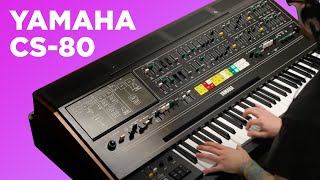
Yamaha CS-80 Demo

Perfect Circuit
The Mighty CS-80

GForce Software
Yamaha CS80: The Most Iconic Sound Machine of All Time

Andy Whitmore
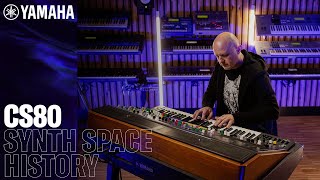
Yamaha Synth Space History | CS-80 | Krzysztof Pająk

Yamaha Synths Official
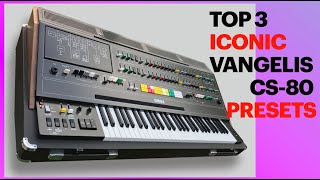
Top 3 Most Iconic Vangelis sounds on Yamaha CS80

Jose's Vintage Keys
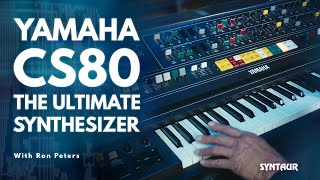
Yamaha CS-80: The Ultimate Synthesizer (Blade Runner Tribute)
Syntaur
CS80 Improvisation

musicJCR
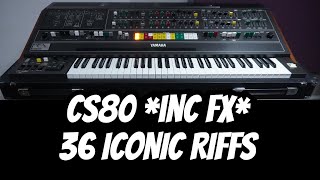
Yamaha CS-80 inc FX | 36 Iconic Riffs by Vangelis, ELO & More!
Andy Whitmore
Reviews
PROS
-
Unmatched expressiveness with super-controllable polyphonic after-touch
-
Unique warmth and power that plugins cannot replicate
-
Excellent performance instrument, often requiring only one take
-
Prestigious and sought-after, adding to its value
CONS
-
Extremely heavy and difficult to transport
-
Requires expensive external effects like reverb for full potential
-
Maintenance is costly due to rare, custom Yamaha LSI ICs
-
Can sound dull without skilled programming and additional effects
-
High second-hand price limits accessibility
-
Some tones may seem dated or overly specific without modification
Owner Insights
We analyzed real musician discussions from forums and Reddit to find what players love, question, and tweak about Yamaha CS-80.
Setup and maintenance
-
Restoring a CS-80 often involves replacing all CMOS and electrolytic caps, wiring, and designing a new SMPS to handle power more efficiently.
Source -
Adjusting the 107 trimpots related to the aftertouch can be time-consuming, with owners designing custom PCB adapters for better access during alignment.
Source -
CS-80s require specialized care; only a few techs globally can service them, with costs potentially reaching $20k due to complex internals and rare parts.
Source -
CS-50 is considered more stable with lower maintenance needs than the CS-80 due to fewer components and lower internal temperatures.
Source
Features and functionality
-
The CS-80 is noted for its big, unstable analog sound that can become muddy, necessitating frequent use of high pass or bandpass filters for clearer output.
Source -
CS-80s have dual-layer architecture with 16 voicecards for richer polyphony, unlike the CS-50 and CS-60 which have fewer cards and features.
Source -
The CS-80 uses custom-made ICs by Yamaha, contributing to its unique sound but also to maintenance complexities due to part scarcity.
Source
User experience
-
Playing a CS-80 can be overwhelming; users often have to spend considerable time dialing in sounds compared to modern synthesizers due to its complex controls.
Source -
Transporting a CS-80 is impractical due to its 220-pound weight, often requiring custom crates for shipping, which can be very costly.
Source -
Owners often recommend driving the CS-80 to a tech within a few hundred miles due to the high risk of damage during shipping.
Source
Use cases and applications
Comparisons
Build quality
-
The CS-80's large through-hole components are easier to repair than modern surface-mounted ones, but parts scarcity remains a significant challenge.
Source
Critic Reviews
5.0 out of 5
Based on 1 Review and 23 Ratings

Artist usage
Add artist

"Well I remember using the Electro-Harmonix 16-second digital delay, which was pretty radical for that time. You could have 16 seconds of delay and play whole phrases on top of each other. We also did a lot of improvising at the editing stage - sort of chopping pieces up, playing new parts, and editing them together again. We also used a Yamaha CS80 synth on Hybrid, and of course there was the buzz bass - a modified instrument which sounds like a bass sitar. It produces a beautiful sound. The idea was really taken from a tambura - it's like a cross between a bass guitar and a tambura. I also used this little Hawaiian guitar quite a lot actually."


In this clip, Gilmour can be seen using a Yamaha CS-80. This synth was used extensively on Saga's "Silent Knight" album.

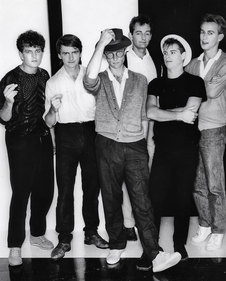
"The end of the 1970s saw a huge rise in the development of synthesisers, and in making traditional instruments like pianos and organs more transportable and able to be amplified well. In the early days Split Enz always used to need an acoustic piano at every gig, which was a pain for us (amplification without feedback was always an issue) and promoters alike, but with the advent of Yamaha’s CP-70, that all changed. Synthesisers had also become polyphonic and memory space to store your own sounds was also a new development. The 'space capsule', as the guys called it, was seven or eight different keyboards, including a CP-80 Yamaha (full 88-note piano), a CS-80 and Prophet 5 (both early polysynths), a CP-30 electric piano, a Mellotron for 'real' string and choir sounds, a string synth, and a monophonic synth such as an EML 500 or Cat Octave … Oh, and I bought the first Korg Vocoder to arrive in New Zealand, which was fun! As you can imagine, transporting the sheer weight and volume of all this gear became prohibitive, so we replicated the setup in the US. Unsure what happened to all that gear when the band broke up!"

Mentioned in an interview on page 34 of the July 1979 issue of Beat Instrumental.
And then there's his Yamaha CS80 synthesiser. The Yamaha CS80 has only six memory banks but Duncan has had it altered to take another four.
"There's this guy down at Yamaha called Dusty Miller that did it."
He has high praise indeed for the Yamaha, saying that he used to have six ARPs on stage but now he's got the Yamaha he doesn't bother anymore.

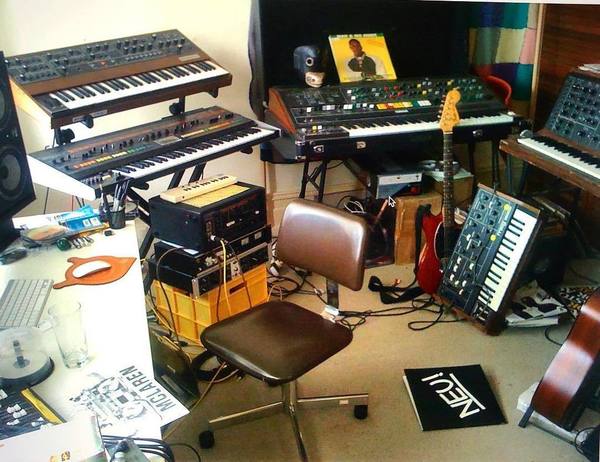
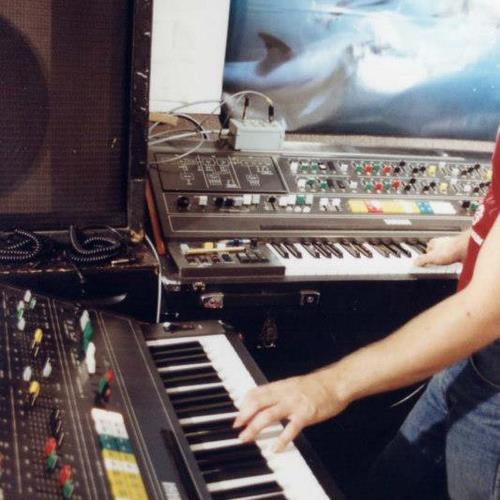
Dan uses the CS-80 in studio, as shown behind the guitar in this picture taken from cut/copy's Twitter profile (https://i.imgur.com/njHlBbN.png)
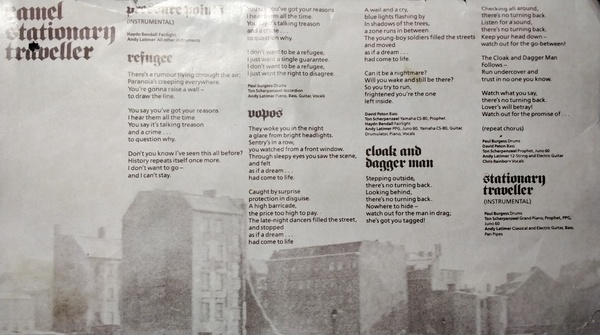
In Camel's Stationary Traveller, Ton Scherpenzeel uses a Yamaha CS-80 synthesizer in Vopos along with Andy Latimer.

Tyrone Downie is confirmed to use the Yamaha CS-80 synthesizer in his rig throughout the entire concert, as observed in the video "BOB MARLEY Live in Santa Barbara 1979 FULL CONCERT" provided by Papo Papi on YouTube.


The instrument appears on the list of instruments on official artist's website (http://olszak.pl/).


Christian Bruhn once fetched Timm Thaler's multi-track tape from the shelf just for me to tell me the original instruments from the track plan, I almost passed out with "Unworthiness". He had Kristian Schultze (also a brilliant musician, unfortunately already in heaven) to record the synthesizers, who had recorded the tracks in his own studio and on his instruments, as well as the Captain Future Tracks. A SH-2000 was not there, if you listen carefully you can clearly see the Minimoog. As hard as it is, Schultze had used all the unaffordable super sound monsters for the two soundtracks. So, here is the original information from C. Bruhn from the track plan:
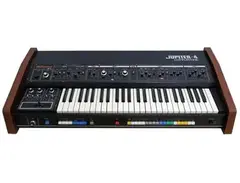
Prophet 5 (Schultze had a rev2), Roland Jupiter 4 (you can clearly hear that on Captain Future), Minimoog, unfortunately actually also a Yamaha CS-80 and a rare Wersi string machine, as well as an eventide h910 harmonizer, the cascading pitch -Effect can also be clearly heard, along with the tape echo flutter.
I hope this clears up a piece of audio history for all Captain and Thaler fans.
Of course, I was also at an appointment for Mr. Bruhn's cinema tour. At the end of the question and answer session he had a piano medley from Cptn for me. Future and Timm Thaler played. Dark hall, I stood wg. my question, everyone else was sitting and Mr. Bruhn was playing for me. I will never forget the moment, 1.5 minutes of complete trance ... Thank you very much, Mr. Bruhn!


Mats Olausson has confirmed on his old website that he uses the Yamaha CS-80, along with other keyboards such as the Korg Trinity Pro TRI PBS, Yamaha SY-77, and Yamaha SY99, both live and in the studio. He states: "In the studio, I always make sure there is a good Grand piano and Hammond B-3 or C-3. When playing live, I rent whatever extra equipment I need."

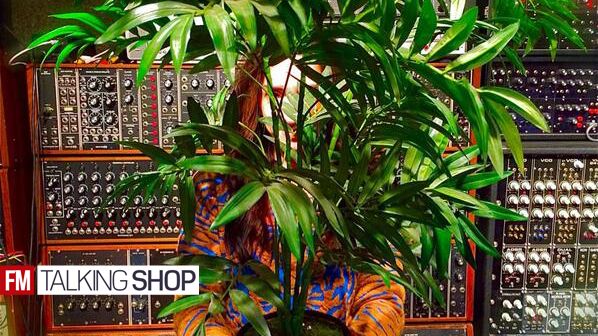
"I try to keep plug-ins to a minimum if I can, and prefer to use samples for as much as possible where I can. For Unflesh, I wrote, recorded and produced everything at home, then took it to an analogue studio in London called MemeTune to work with Benge on bringing some aspects out of the digital realm and into another dimension for extra production and mixing. We replaced a lot of the digital parts with real hardware, mostly vintage synths and effects units like the CS80, Linn-1, and Roland SDD-320 Dimension D Chorus."


Album Usage
The Yamaha CS-80 has been featured on the following albums:
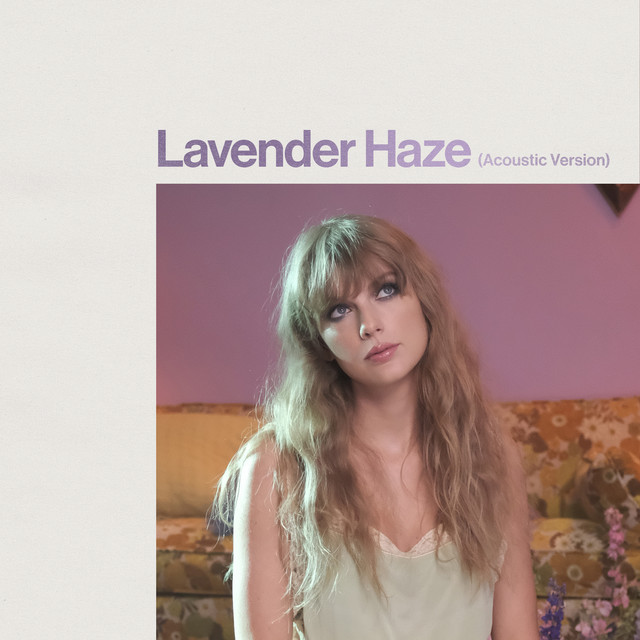
Lavender Haze (Acoustic Version)
Taylor Swift (2023)
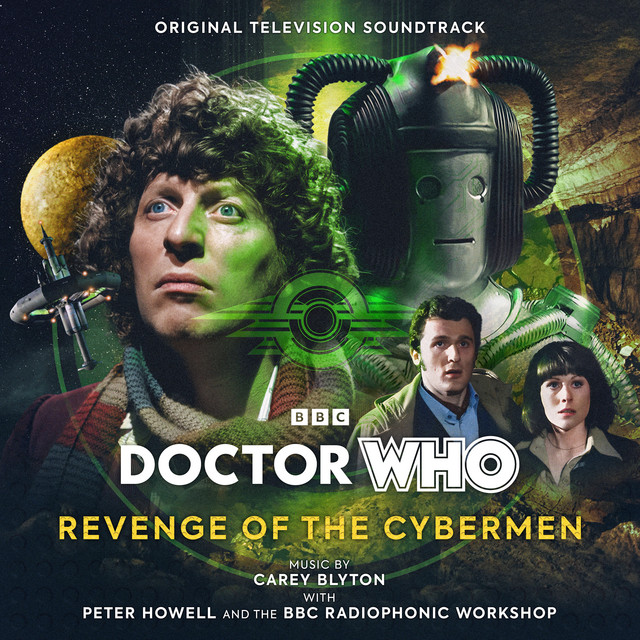
Doctor Who - Revenge of the Cybermen
Peter Howell & The BBC Radiophonic Workshop (2023)

The Cruelest Summer
Taylor Swift (2023)
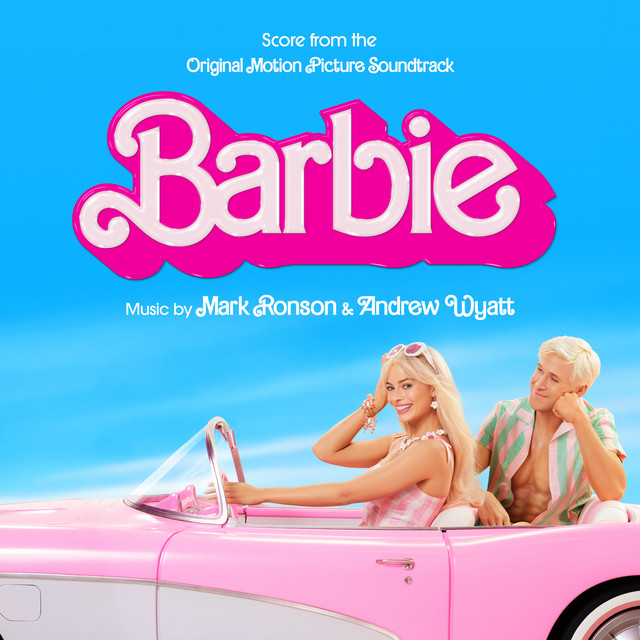
Barbie (Score from the Original Motion Picture Soundtrack)
Mark Ronson & Andrew Wyatt (2023)
Mass Effect: Trilogy Collection Bonus Tracks (Original Soundtrack)
Sascha Dikiciyan (2022)
CYR
The Smashing Pumpkins (2020)
The End (Live)
Black Sabbath (2017)

reputation
Taylor Swift (2017)
IV
BADBADNOTGOOD (2016)

Captain Future Youtube
Christian Bruhn (2016)
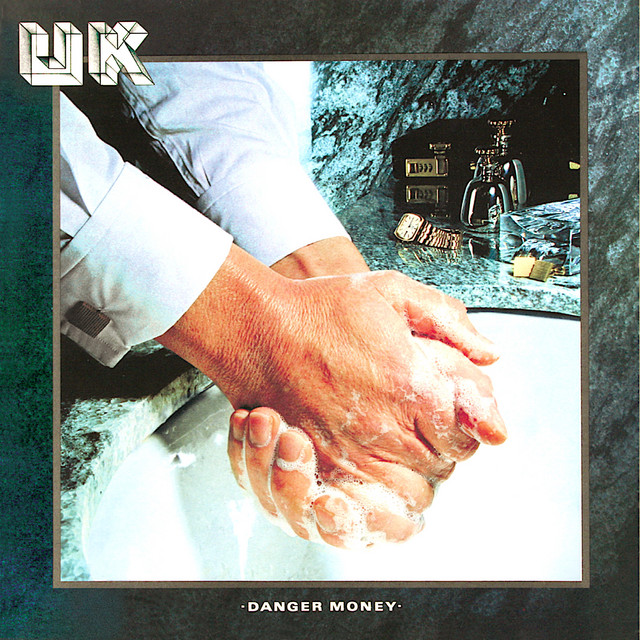
Danger Money
U.K. (2016)
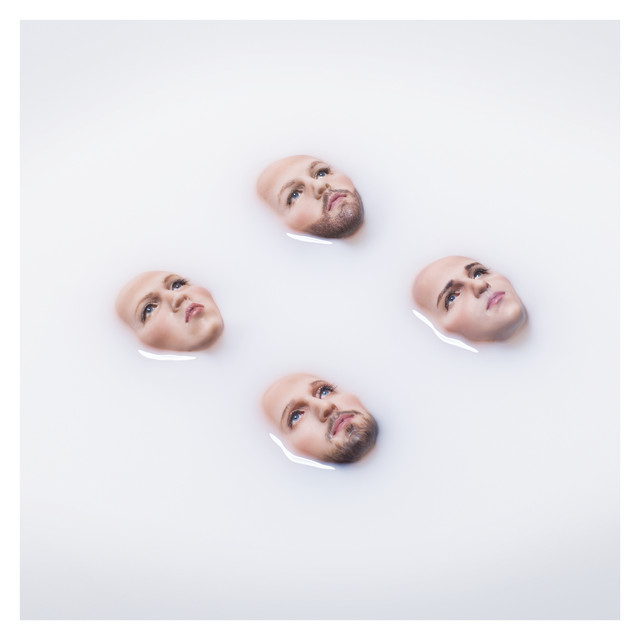
WALLS
Kings of Leon (2016)
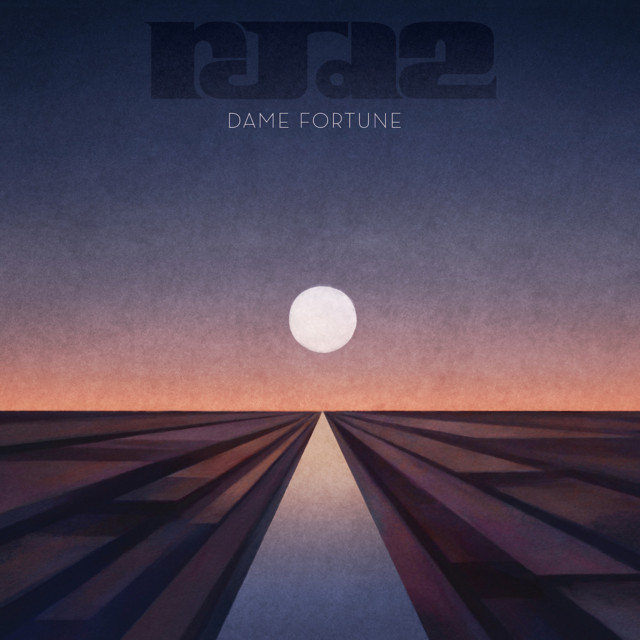
Dame Fortune
RJD2 (2016)
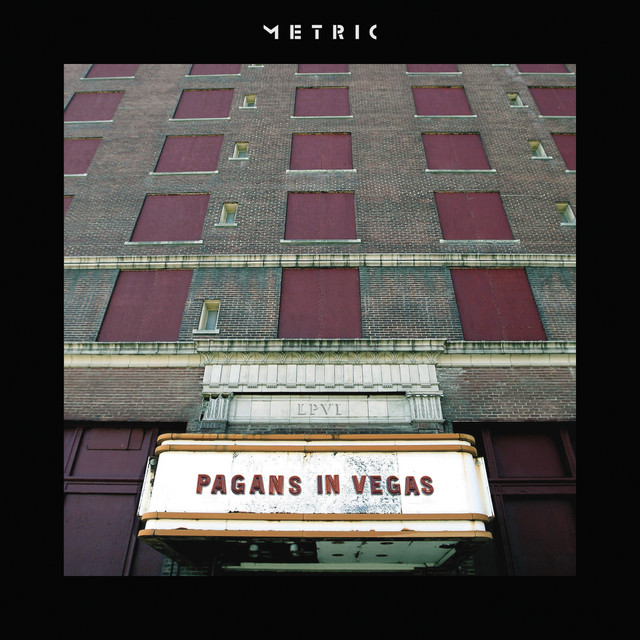
Pagans in Vegas
Metric (2015)
Syro
Aphex Twin (2014)
Unflesh
Gazelle Twin (2014)
Bad 25th Anniversary
Michael Jackson (2012)
The English Riviera
Metronomy (2011)
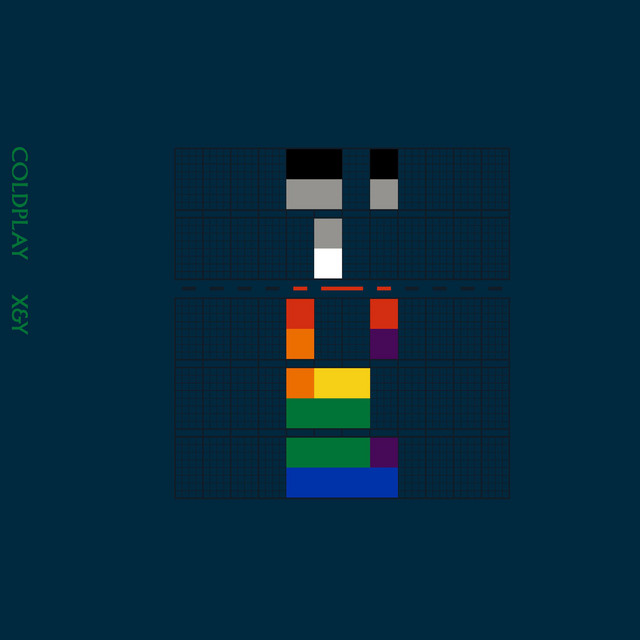
X&Y
Coldplay (2005)
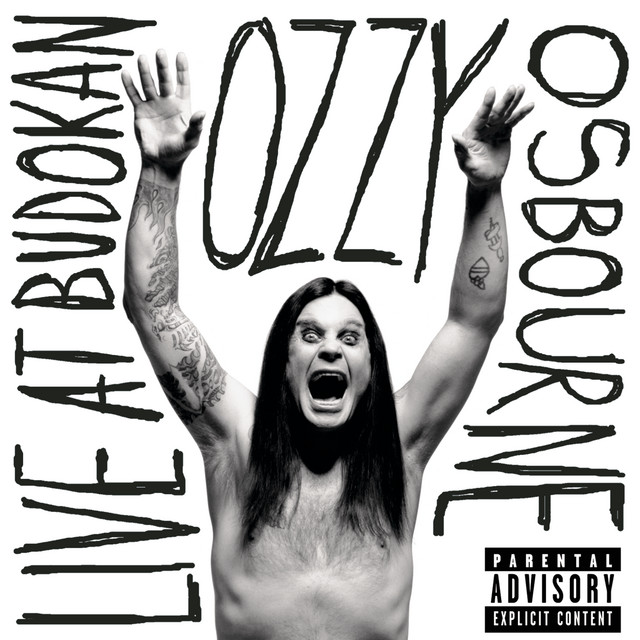
Live At Budokan
Ozzy Osbourne & Ozzy Osbourne (2002)
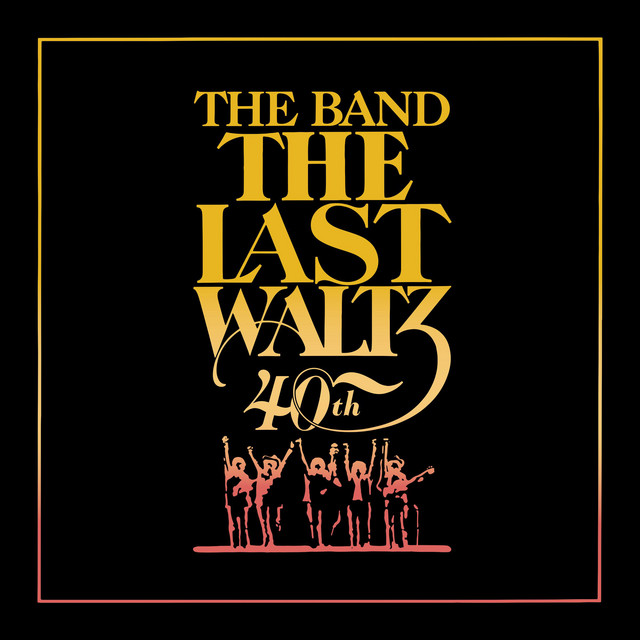
The Last Waltz (Deluxe Version)
The Band (2002)
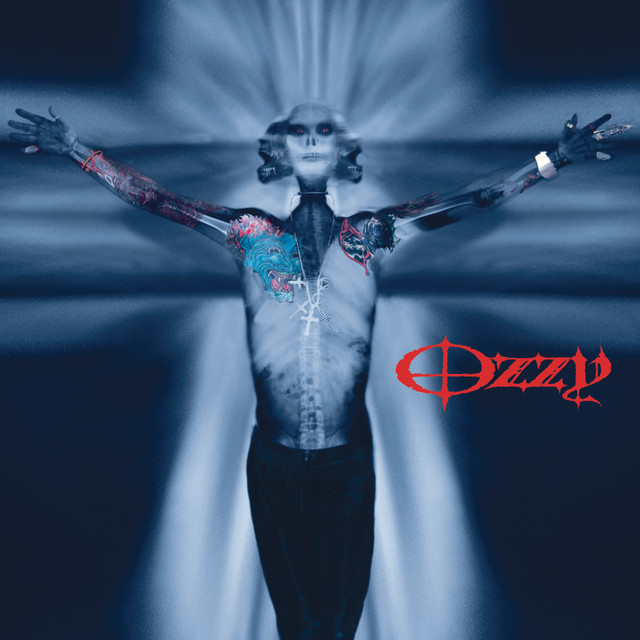
Down To Earth
Ozzy Osbourne & Ozzy Osbourne (2001)
Oxygene 7-13
Jean Michel Jarre (1997)
Air Liquide
Air Liquide (1994)
Hybrid
Michael Brook (1985)
Give My Regards To Broad Street
Paul McCartney (1984)
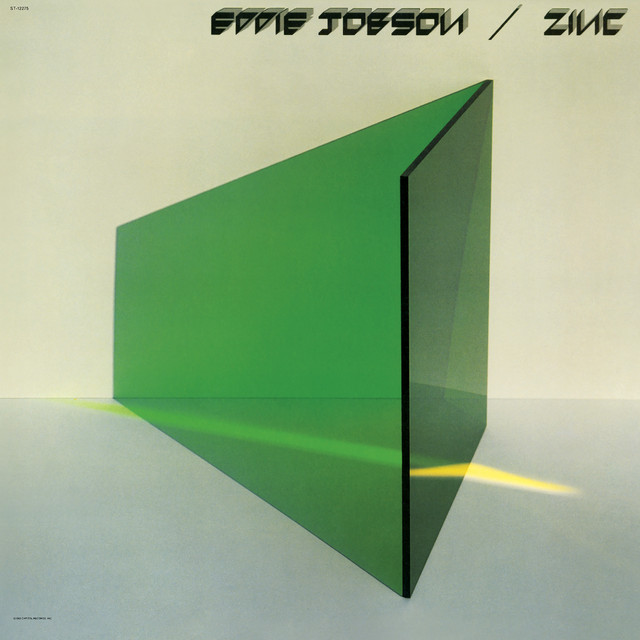
The Green Album (Expanded Edition)
Eddie Jobson (1983)
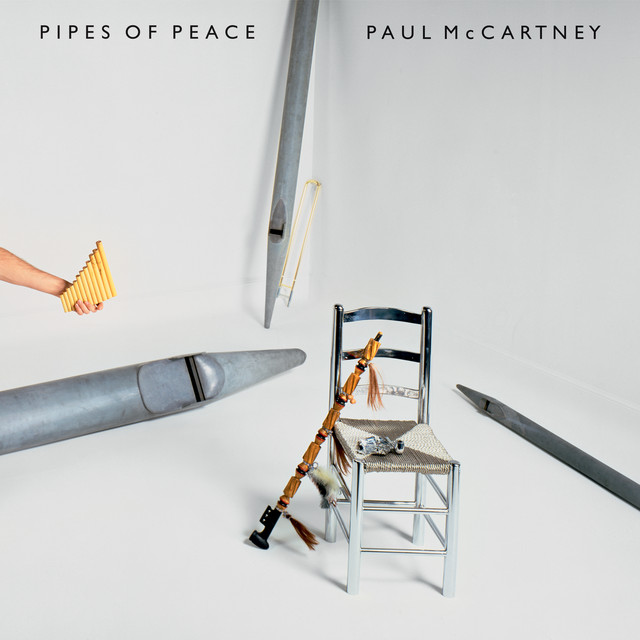
Pipes Of Peace (Remastered 2015)
Paul McCartney (1983)
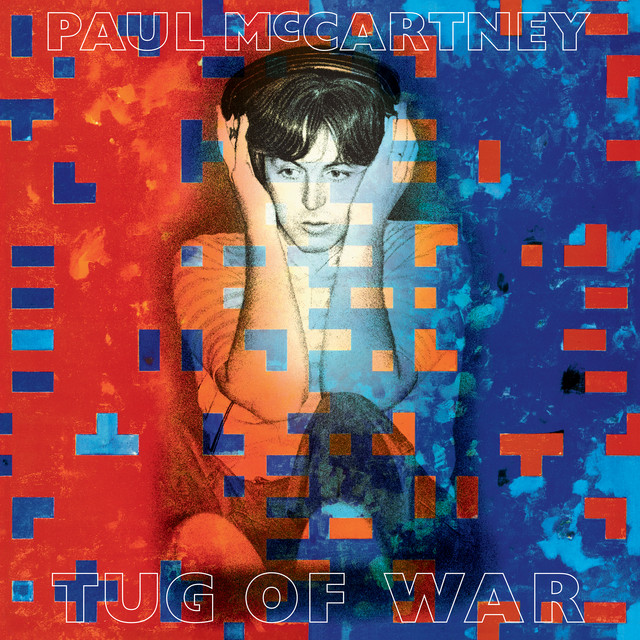
Tug Of War
Paul McCartney (1982)
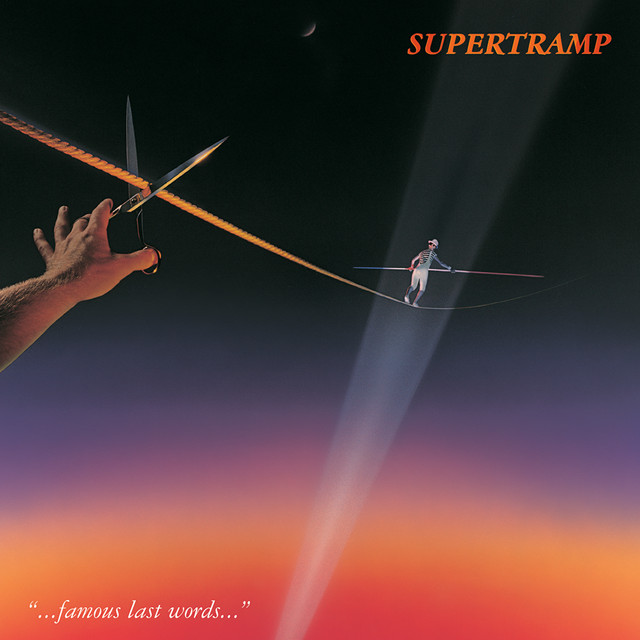
"...Famous Last Words..."
Supertramp (1982)
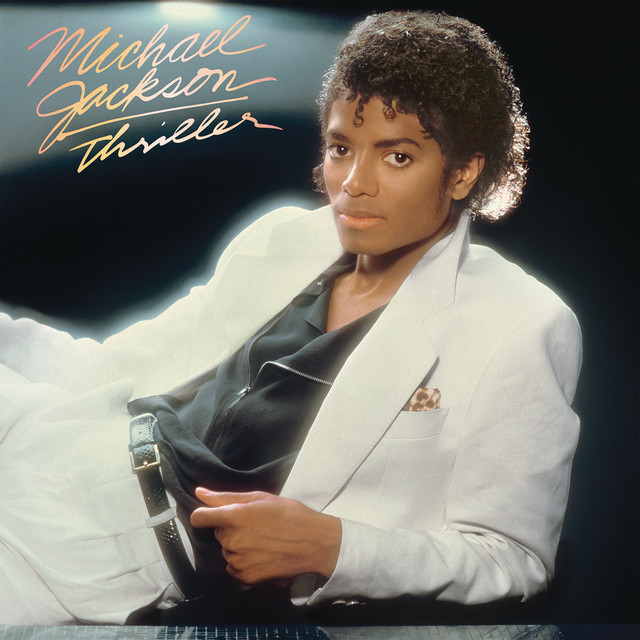
Thriller
Michael Jackson (1982)
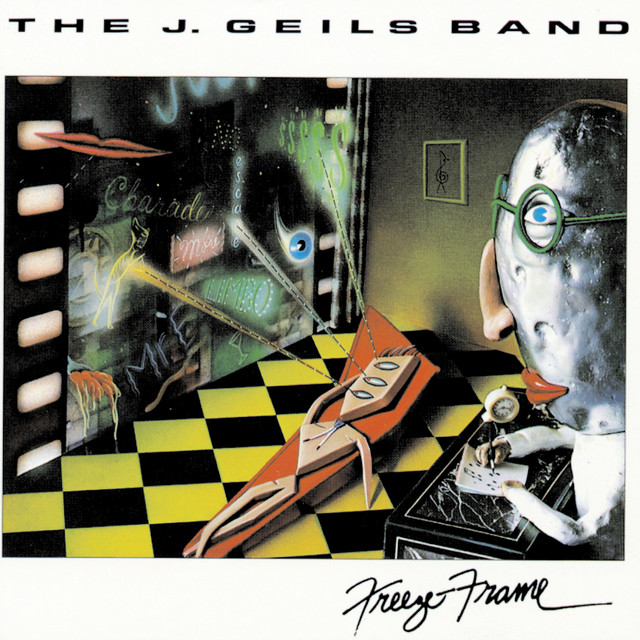
Freeze Frame
The J. Geils Band (1981)
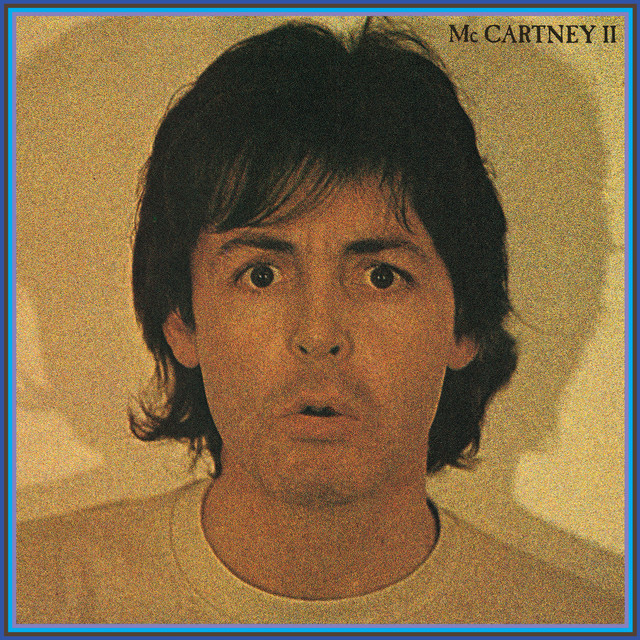
McCartney II
Paul McCartney (1980)
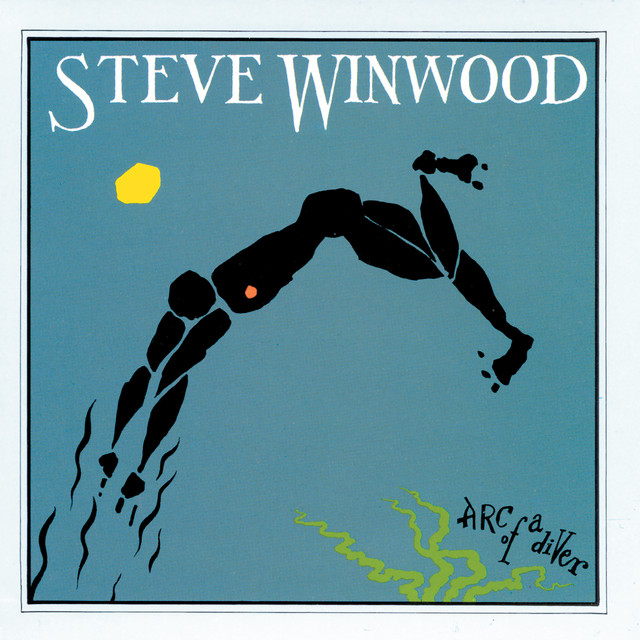
Arc Of A Diver
Steve Winwood (1980)
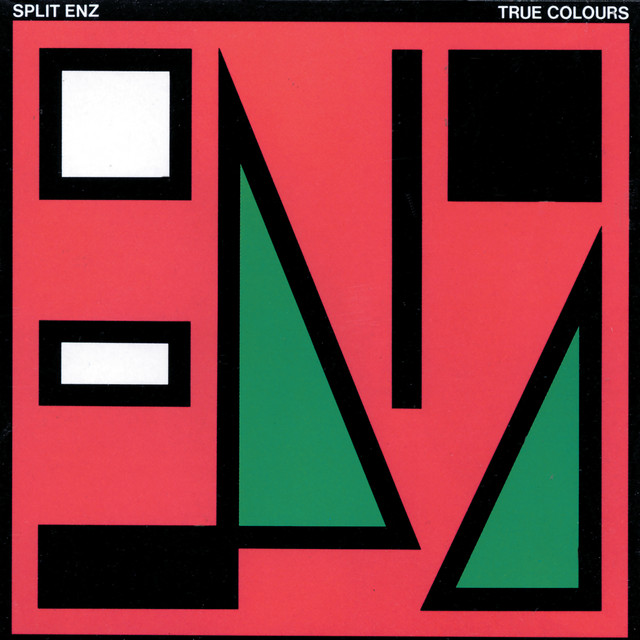
True Colours
Split Enz (1980)
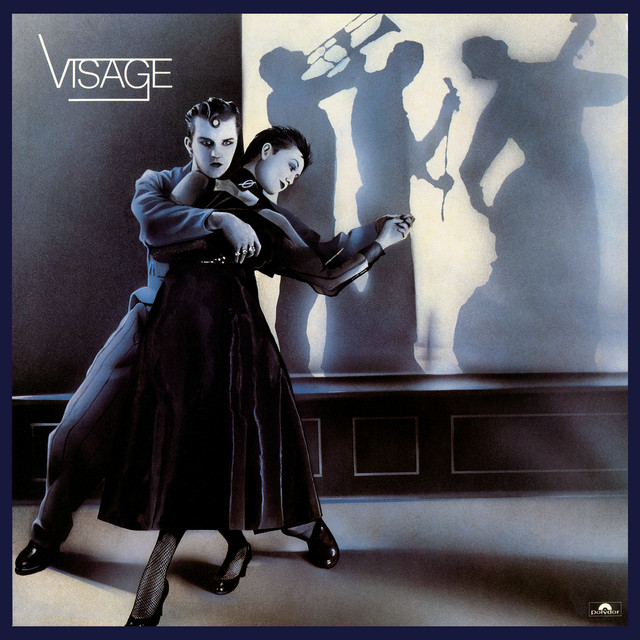
Visage
Visage (1980)
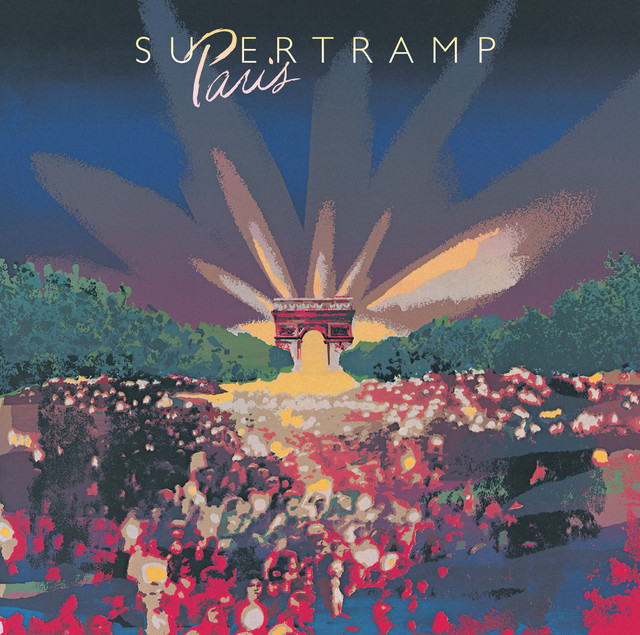
Paris
Supertramp (1980)
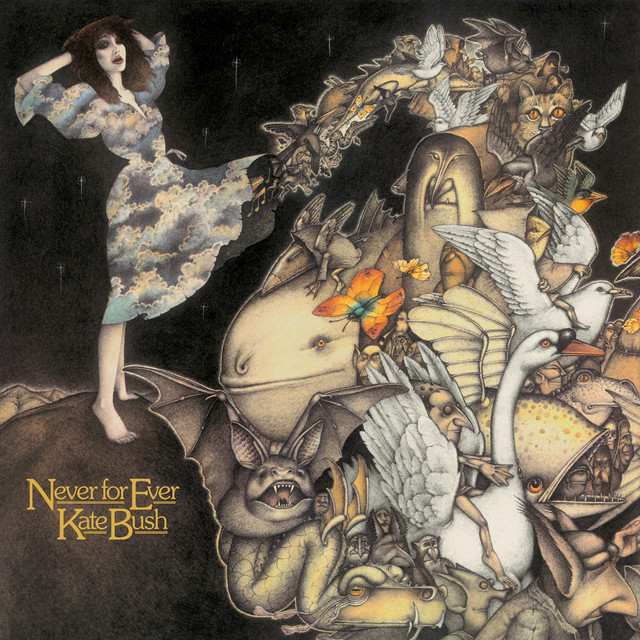
Never for Ever (2018 Remaster)
Kate Bush (1980)
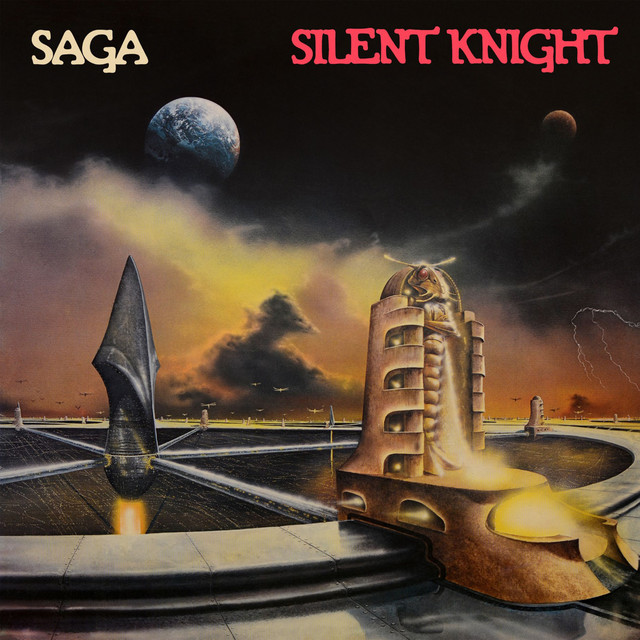
Silent Knight
Saga & Saga (1980)
Love Stinks
The J. Geils Band (1980)
Directstep
Herbie Hancock (1979)
Breakfast In America (Remastered)
Supertramp (1979)
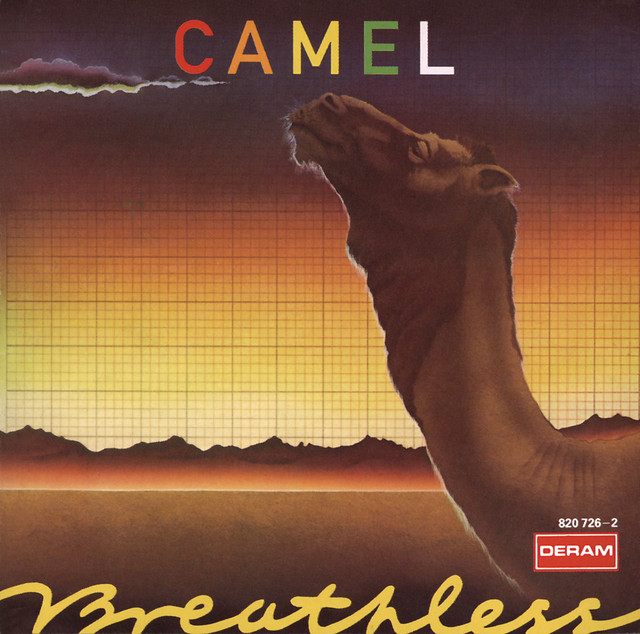
Breathless
Camel & Peter Bardens (1978)
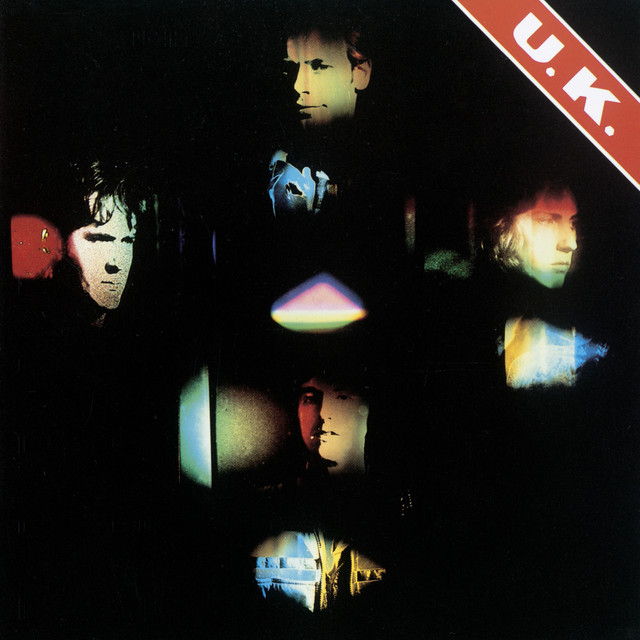
U.K.
U.K. (1978)
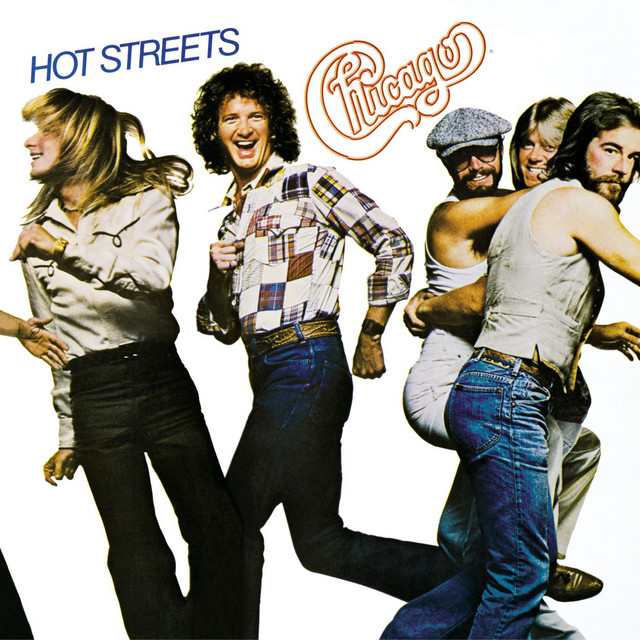
Hot Streets (Expanded & Remastered)
Chicago (1978)
Genre Usage
Based on how artists on Equipboard use this gear, it is most commonly found in the following genres.
Used With
Based on how musicians on Equipboard use Yamaha CS-80, it is most commonly used with the following gear.





Community setups
Show yours
Similar
Add recommendation2 alternative and related items for Yamaha CS-80, curated by the Equipboard community.

$4,299.00 - $4,799.00
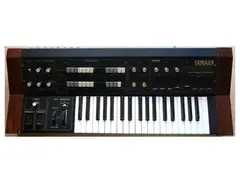
Deckard's Dream is an analog polysynth designed to bring the essential aspects of the CS-80 sounds to a desktop module of modern specification. Deckard's Dream offers MPE MIDI support.

$59.00 - $69.00
More Yamaha Synthesizers

$279.00 - $449.99
in Synthesizers Rank


$57.95 - $495.44
in Synthesizers Rank


$290.00
in Synthesizers Rank


$3,999.99 - $5,624.99
in Synthesizers Rank


$1,999.99 - $2,000.00
in Synthesizers Rank


.jpeg?v=1783323499)


$153.14 - $1,999.99


-m.webp?v=1783177180)


Accessories & Related Items
-s.webp?v=1783177180)




Gear Guides








Most Popular Synthesizers
Most Popular Brands
-
Added to Equipboard on by
 equipboard
Gear IQ 4934
-


