

Pricing and availability
We compare 600+ stores and found this item at 1 store. Prices updated .
Store
Reviews
Price




Average Price: $7,343
High-end/Boutique
$500
$1501+
Price Tier
Budget
Standard
High-end
* Product prices and availability are updated by Equipboard every 24hrs and are subject to change. Equipboard may receive compensation for purchases made at participating retailers linked on this site. This compensation does not affect what products or prices are displayed, or the order of prices listed. For more information, please refer to our affiliate disclosure.
Description
Step into the rich sonic world of the ARP 2600, a legendary synthesizer that has shaped the sound of countless music genres. Now revived and enhanced by KORG, this synth marries vintage charm with modern innovation, making it an indispensable tool for musicians and producers alike. Whether you're aiming to recreate iconic tracks or forge new musical paths, the ARP 2600 delivers unparalleled versatility and authentic analog warmth.
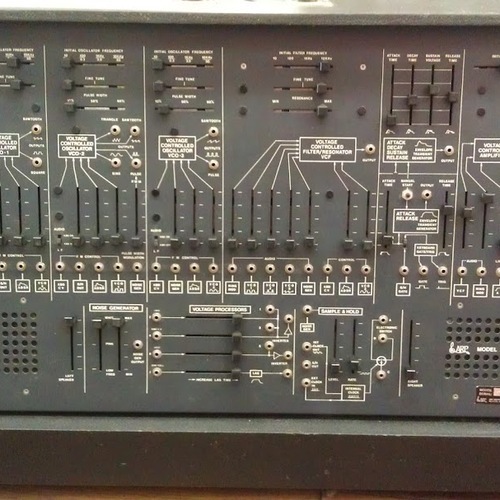
At the heart of the ARP 2600 is KORG's proprietary Component Modeling Technology (CMT), which meticulously recreates the original circuitry's nuances. This ensures that every waveform, filter, and envelope behaves just as the original hardware did, complete with the unique imperfections that give the synth its character. With switchable filter types and a second filter inspired by the classic SEM, you'll find fresh ways to sculpt your sound.
The ARP 2600 is not only a sonic powerhouse but also a learning playground for analog synthesis. The intuitive interface guides you through the signal path, with optional patch cables for those who want to delve deeper into sound design. Modern enhancements like extensive MIDI control, a sophisticated sequencer, and up to 16-voice polyphony ensure the 2600 remains relevant in today's music production landscape.
Join a community of musicians who trust the ARP 2600 for its distinctive voice and boundless creative potential. With its blend of classic tones and modern features, this synthesizer is poised to inspire your next musical masterpiece.
Key Features:
- KORG's CMT modeling technology for authentic analog sound
- Faithful reproduction of 100 original ARP 2600 patches
- Switchable main filter types and SEM-inspired second filter
- Expanded capabilities: polyphony, arpeggiator, and sequencer
- Premium audio quality with anti-aliasing and oversampling
- Intuitive interface with optional patch cables for deeper sound exploration
- Extensive MIDI control with a 30-slot mod-matrix
- Compatible with both Mac and PC systems
Product specs
| Brand | Korg |
| Model | ARP 2600 FS Semi-Modular Synthesizer |
| Finish | Black |
| Year | 2020 - 2025 |
| Categories | Analog Synths, Keyboard Synths |
| Analog / Digital | Analog |
| Key Size | Full Size |
| Keyboard Action | Synth Action |
| Number of Keys | 49 Keys |
| Polyphony | 2 Voices |
FAQs
-
Is the ARP 2600 FS suitable for beginners in synthesis?
-
Yes, the ARP 2600 FS is ideal for beginners as it can be operated without patch cords, allowing users to explore synthesis with ease while still offering advanced features for experienced sound designers.
-
What type of synthesis does the ARP 2600 FS use?
-
The ARP 2600 FS utilizes analog synthesis, providing rich, warm tones characteristic of vintage synthesizers, and features a semi-modular design for flexible sound creation.
-
How many voices of polyphony does the ARP 2600 FS offer?
-
The ARP 2600 FS offers 2 voices of polyphony, allowing for limited but effective layering of sounds and slightly more complex compositions compared to monophonic synthesizers.
-
Does the ARP 2600 FS require patching to produce sound?
-
No, the ARP 2600 FS can produce sound without patching, making it accessible for users who prefer straightforward operation, while also allowing patching for more advanced sound design.
-
What are the standout features of the ARP 2600 FS's sound engine?
-
The ARP 2600 FS features a classic analog sound engine with versatile modulation options and a spring reverb, offering a wide range of sonic possibilities from lush pads to aggressive leads.
-
How does the ARP 2600 FS compare to fully modular synthesizers?
-
The ARP 2600 FS is a semi-modular synthesizer, providing the flexibility of modular patching without the complexity of a fully modular system, making it more user-friendly while still offering extensive sound-shaping capabilities.
Videos

Reverb
The ARP 2600: The Story of a Legendary Synthesizer | Reverb Feature
The ARP 2600: The Story of a Legendary Synthesizer | Reverb Feature
Reverb
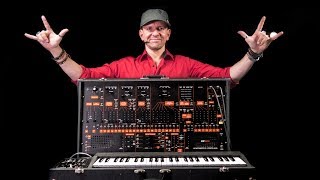
The ARP 2600 In Action

Doctor Mix
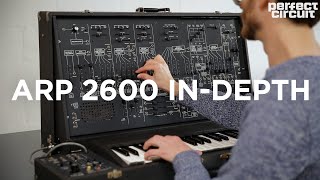
In-Depth with a Vintage ARP 2600 Semi-Modular Analog Synthesizer

Perfect Circuit
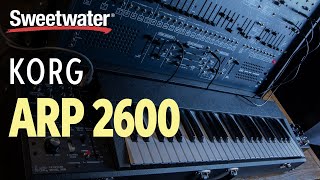
ARP 2600 Semi-modular Analog Synthesizer — Daniel Fisher

Sweetwater
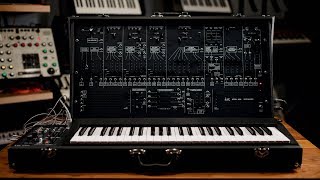
ARP 2600 Semi-Modular Analog Synthesizer | Demo and Overview with James Watson

Guitar Center
Reviews
PROS
-
Centerpiece of synth setups, engaging and intuitive layout
-
Powerful sequencer with versatile pattern options and sequence recording
-
Offers polyphony through external sequencer connection
-
Massive fuzz tone capabilities when processing external audio inputs
-
Spring reverb adds unique, vibey character to sounds
-
Can produce a wide range of tones: freaky, full basses, wonderful leads
-
Audio rate modulations sound characterful and distinct
-
Special 4072 filter for diverse sound production, including great drum sounds
-
Capable of creating vocal-sounds and "speaking" basses
-
Darker, sometimes more imprecise sound adds unique character
CONS
-
Sound may feel sterile and lack character compared to vintage units
-
Spring reverb can be noisy compared to digital effects
Owner Insights
We analyzed real musician discussions from forums and Reddit to find what players love, question, and tweak about ARP 2600.
Features and functionality
-
It's mentioned that the ARP 2600 can create a "creamy" sound using sine and pulse waves on osc2, feeding back into osc1 filter input with pulse width modulation.
Source -
Behringer's 2600 models include useful additions such as a dedicated keyboard and trigger area, enhancing usability beyond the original design.
Source -
The synth's ring modulator adds a "metallic" edge, showcasing its versatility for both smooth and harsher soundscapes.
Source -
The ARP 2600's filter inputs overdrive if pushed beyond 60%, and its VCA can clip readily, especially when using the exponential input, requiring careful adjustment.
Source -
Some owners highlight the unique spring reverb and internal speakers as key features for creating distinctive feedback techniques that are only achievable with the original hardware.
Source
Mods and upgrades
-
Owners report enhancing the Behringer 2600's sound by using external reverb effects like the Zoom CDR70, which offers transformative sound enhancements.
Source
Use cases and applications
-
Combining the ARP 2600 with Eurorack systems creates a powerful sound design setup, favored by owners for its expansive modulation capabilities.
Source -
Known for its "wild sound effect machine" quality, the ARP 2600 excels at retro vibes and encourages modulation at audio rates for dynamic sound shaping.
Source -
The 2600 is noted for its capability to create a "beautiful midrange honk" that easily cuts through a mix, making it suitable for sounds that need presence.
Source -
Known for its versatility, the ARP 2600 is used heavily in sound design and was famously utilized to create R2-D2's voice.
Source
User experience
-
The Korg 2600M's portable case and ergonomic design, including feet for vertical positioning, are appreciated by those needing flexible setup options.
Source -
Many owners praise the tactile experience of the ARP 2600's sliders, describing them as easy to move and adjust, contributing to an interactive workflow.
Source
Comparisons
-
Users find the Behringer 2600's LED sliders beneficial for performance in low-light settings, contrasting with the more resistive sliders on the Korg 2600M.
Source -
The ARP 2600 is described as having a more "wiry and precise" character compared to Moog, which is often perceived as harder and more direct.
Source -
Despite its semi-modular nature, the ARP 2600 is considered more versatile than hardwired synths, balancing ease of use with extensive sound design possibilities.
Source -
The ARP 2600's filter is a Moog-type design, which led to legal action from Moog. It offers a rougher, more open sound compared to the smoother Moog bass.
Source
5.0 out of 5
Based on 1 Review and 27 Ratings

91
Lots of character!
Mine is orange/black. It sounds darker than the Tonus model, sometimes more imprecise. Depending on your settings it can deliver freaky tones, full basses and wonderful leads though. Audio rate modulations sound more chracterful than on my other synths. The 4072 filter is very special. It can produce great drumsounds and changes its tone as soon as it gets modulated at high rates. Vocal- sounds and "speaking" basses are easy to set up. The reverb tank sounds very "Industrial".
Artist usage
Add artist
In this interview with Stephen Morris of Joy Division/New Order, he explains the studio setup going into the recording of Joy Division's album Closer. "We had Martin's ARP2600 and the sequencer that goes with it on 'The Eternal,' there's a fuck up in the middle of it and you couldn't drop in, so we left it and it sounds like I've done it but [it] was a machine."


During a studio tour with Future Music Magazine, Steve Mac says [@ 03:00] about his ARP 2600:
"ARP 2600, another classic synthesizer. I love the ARP 2600. It's got such a big sound and it's one of those things you can just keep plugging away at and get unexpected sounds. It's one of those things where you can get a bit carried away with it and just sit there hours on end. It's also got it's own spring reverb which is a really, really good part of this machine."

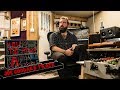
In 3:35 Joe points to his arp 2600 in this YouTube clip.🖖


Official website where he writes his studio/live gear. Arp 2600 is mentioned.


Jay Graydon confirms on his official website that he owns an ARP 2600 synthesizer, which was used in the production of the Airplay album.

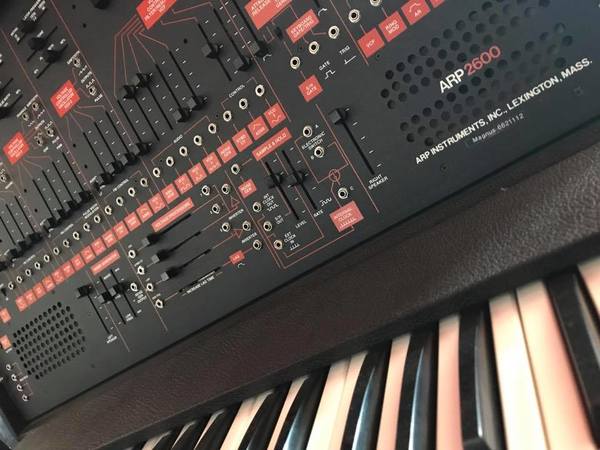
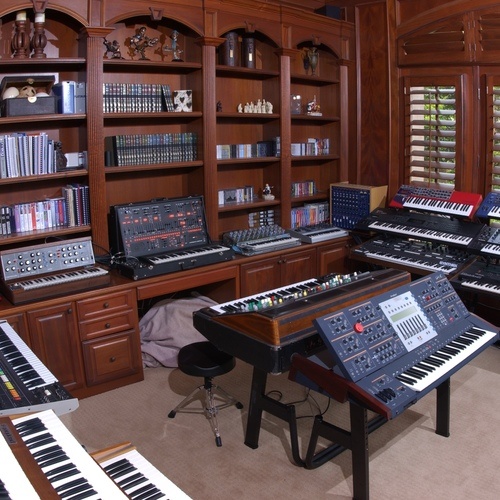
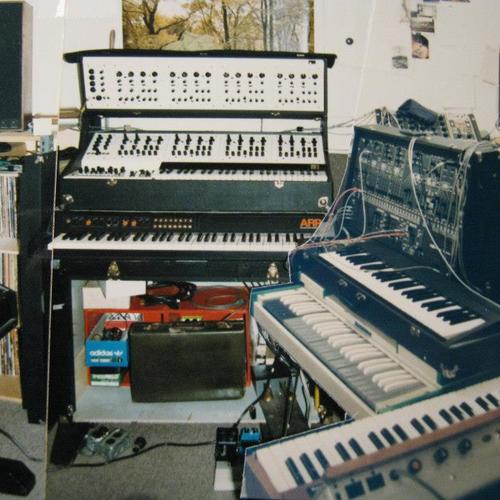
On the picture you can see his Arp 2600 Modular Synthesizer. The picture is of his Facebook account.

According to a list of equipment which is used in his studio, Crowdspacer, Joakim is also a user of ARP 2600.

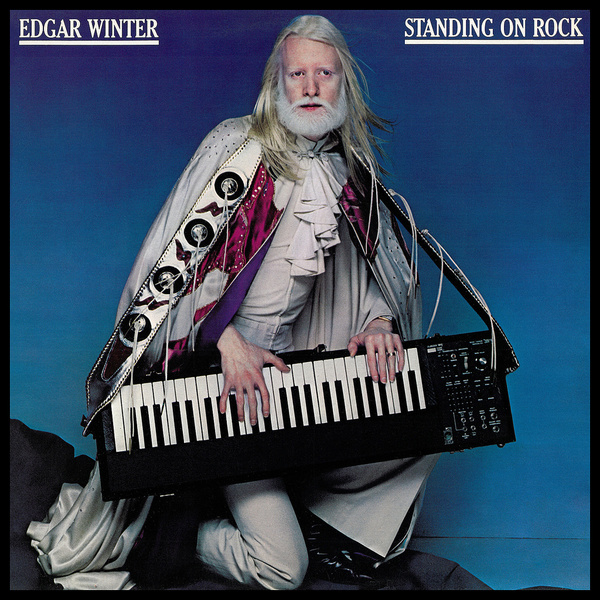
Edgar Winter extensively used the ARP 2600 synthesizer throughout the 1970s, notably on the albums "Standing Rock" and "Frankenstein." Initially, he utilized it as a keytar upon its release. A user-uploaded photo on Flickr provides visual evidence of his association with the ARP 2600. Today, Winter primarily plays a Roland keyboard.


"Nothing like a cranked Marshall and raw synth leads from an Arp 2600 modular synth. Of course, Dennis DeYoung loved the sound of these, but hated the hassle of using the patch cords with no patch preset memory."


There is an ARP 2600 in the background of the studio photo and it is referenced in the caption

.jpg)
Used during the production of Guster's Look Alive. Featured in this Instagram post.


Album Usage
The ARP 2600 has been featured on the following albums:
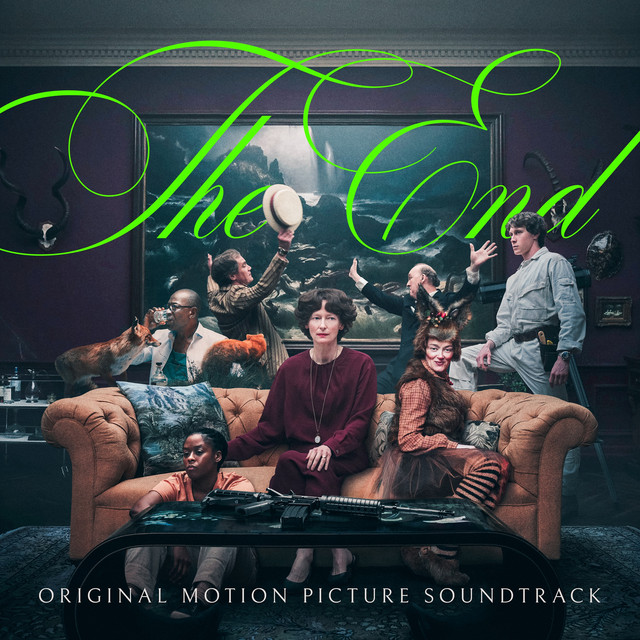
The End (Original Motion Picture Soundtrack)
Marius de Vries (2024)
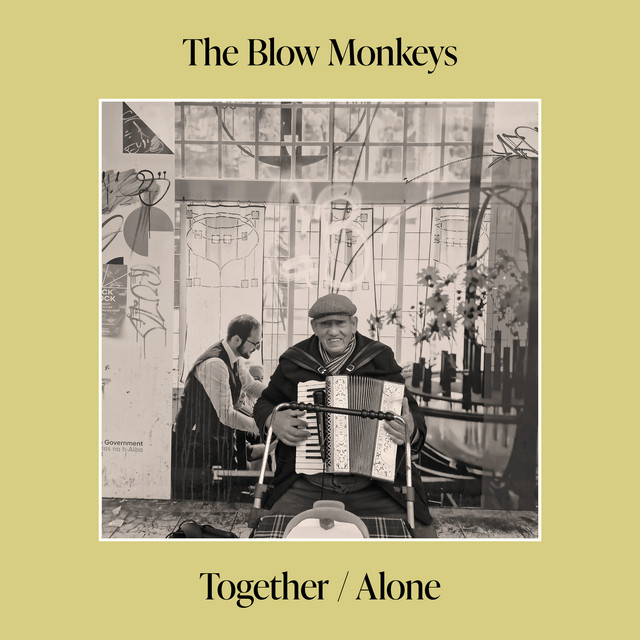
Together/Alone
The Blow Monkeys (2024)
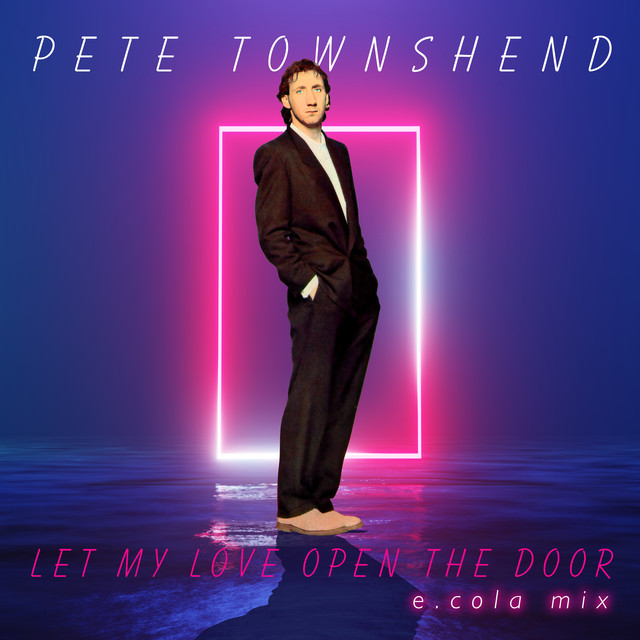
Let My Love Open The Door (E. Cola Mix)
Pete Townshend (2023)
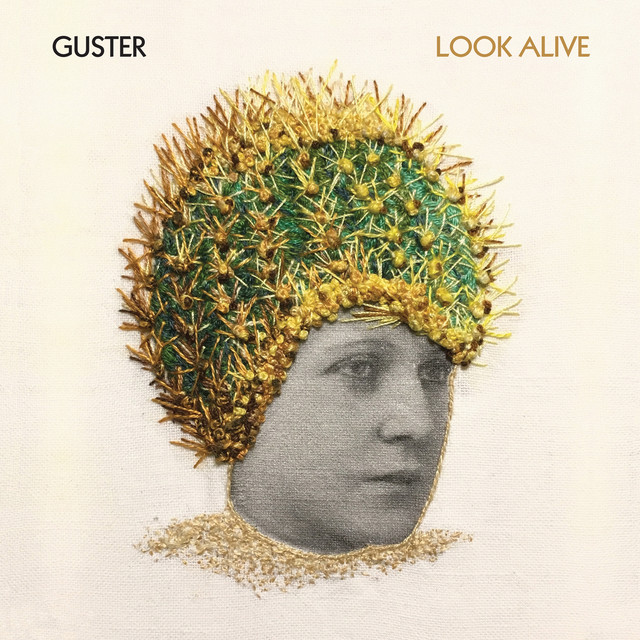
Look Alive
Guster (2018)
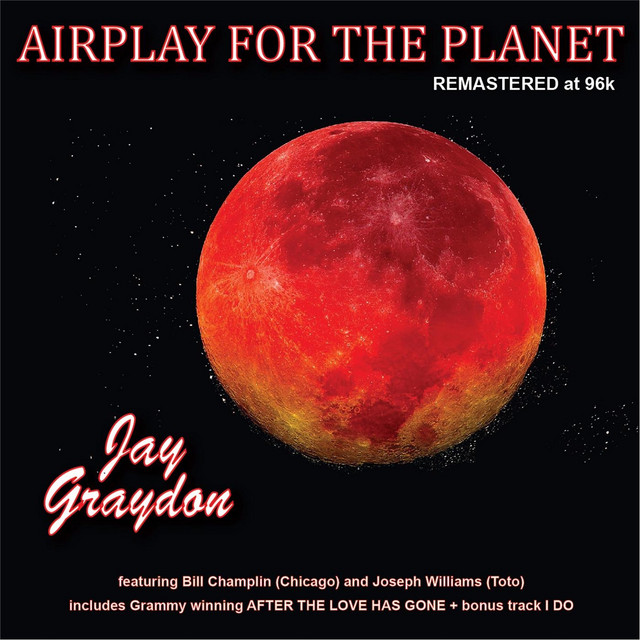
Airplay for the Planet (Remastered)
Jay Graydon (2017)
Dame Fortune
RJD2 (2016)
Drones
Muse (2015)
It's Album Time
Todd Terje (2014)
XSCAPE
Michael Jackson (2014)
Wonky
Orbital (2012)
Frankestein (Live)
Edgar Winter (2011)
In Rainbows
Radiohead (2007)
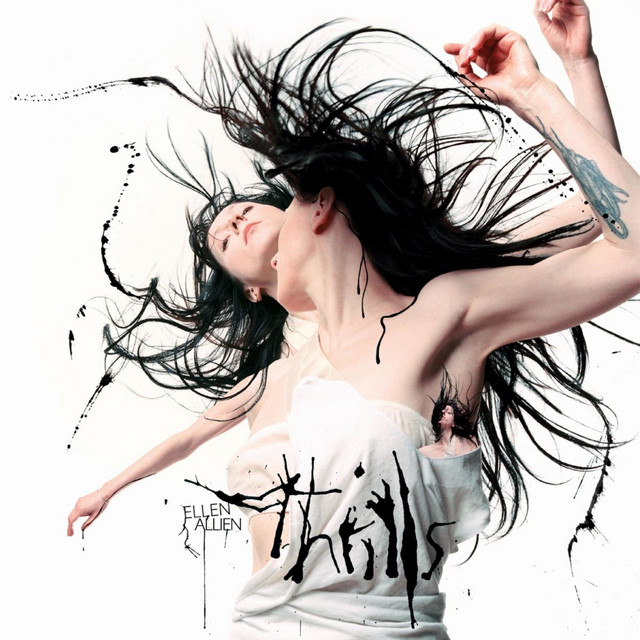
Thrills
Ellen Allien (2005)
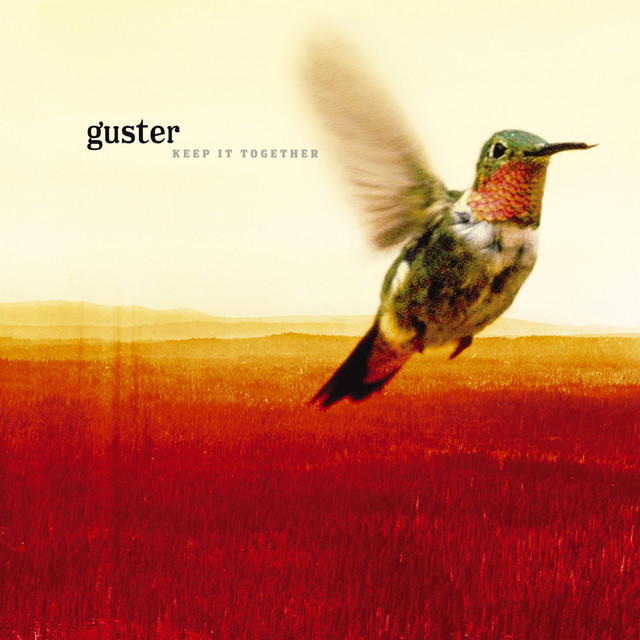
Keep It Together
Guster (2003)
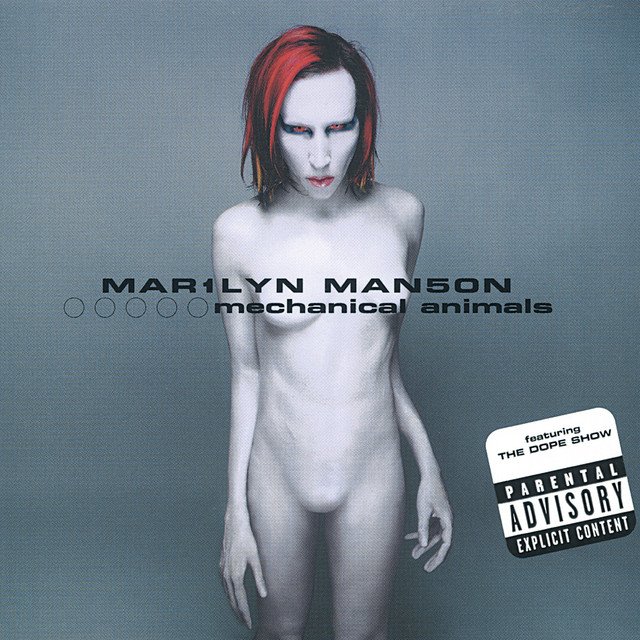
Mechanical Animals
Marilyn Manson (1998)
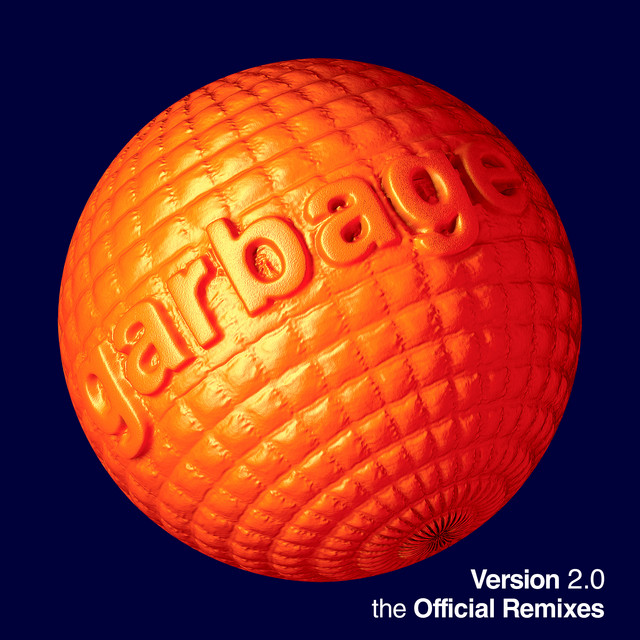
Version 2.0 (The Official Remixes)
Garbage (1998)
Air Liquide
Air Liquide (1994)
Thriller
Michael Jackson (1982)
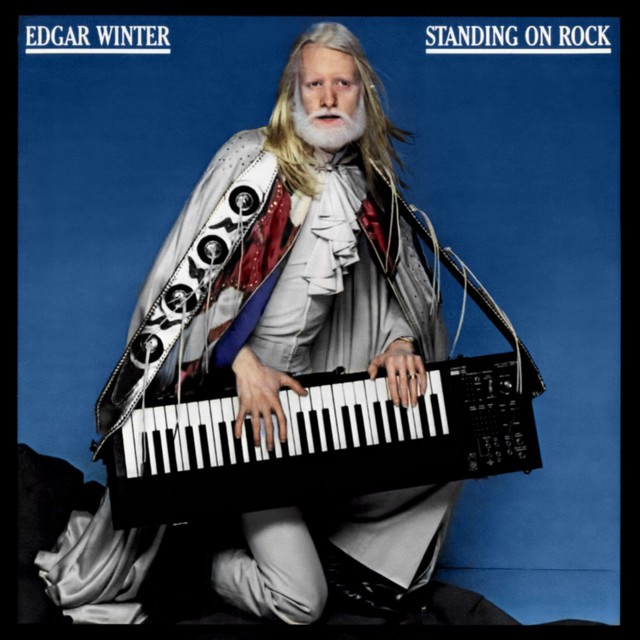
Standing On Rock (Expanded Edition)
Edgar Winter (1981)
Closer
Joy Division (1980)
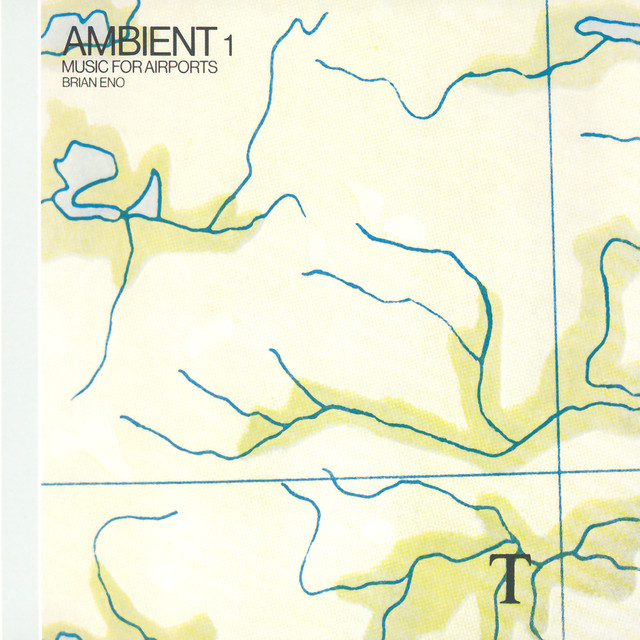
Ambient 1: Music For Airports (Remastered 2004)
Brian Eno (1978)
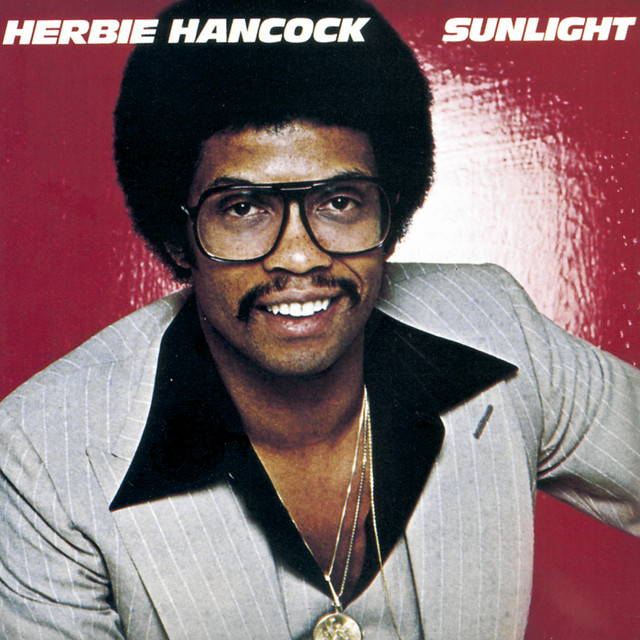
Sunlight
Herbie Hancock (1978)
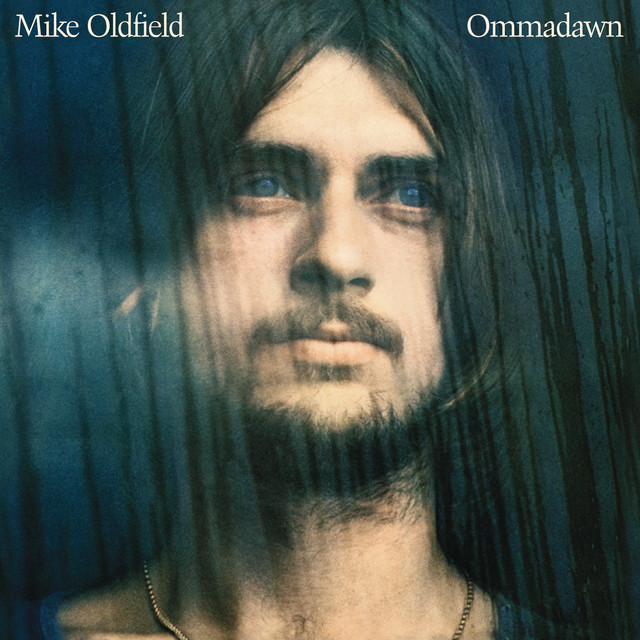
Ommadawn
Mike Oldfield (1975)
Genre Usage
Based on how artists on Equipboard use this gear, it is most commonly found in the following genres.
Used With
Based on how musicians on Equipboard use ARP 2600, it is most commonly used with the following gear.

-s.webp?v=1783349885)


-s.webp?v=1783177029)


-s.webp?v=1783318437)
Community setups
Show yours

Similar
Add recommendation7 alternative and related items for ARP 2600, curated by the Equipboard community.


$8,357.88

-m.webp?v=1783342454)


$4,099.00
More ARP Synthesizers

$239.00 - $1,300.00


.jpeg?v=1783065966)


$1,199.00 - $1,999.99


$3,283.92 - $3,499.99
in Synthesizers Rank


Accessories & Related Items


Gear Guides









Most Popular Synthesizers
Most Popular Brands
-
Added to Equipboard on by
 equipboard
Gear IQ 4934
-


