

Pricing and availability
We compare 600+ stores and found this item at 1 store. Prices updated .
Store
Reviews
Price




Average Price: $5,495
High-end/Boutique
$500
$1501+
Price Tier
Budget
Standard
High-end
* Product prices and availability are updated by Equipboard every 24hrs and are subject to change. Equipboard may receive compensation for purchases made at participating retailers linked on this site. This compensation does not affect what products or prices are displayed, or the order of prices listed. For more information, please refer to our affiliate disclosure.
Description
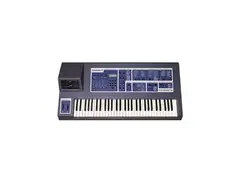
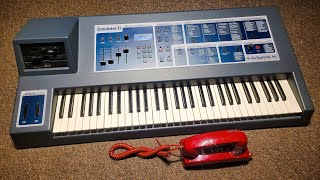
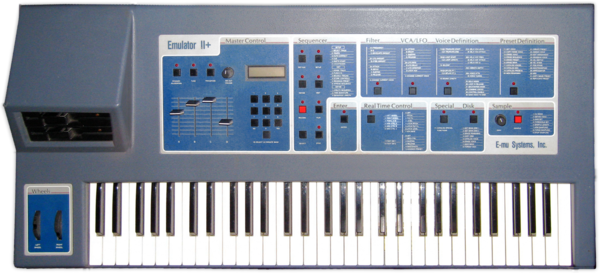
Released commercially in 1984 to huge acclaim, the Emulator II (or EII) was E-mu's second sampler. Like the original Emulator, it was an 8-bit sampler, however it had superior fidelity to the Emulator due to the use of digital companding and a 27.7 kHz sample rate. It also allowed more flexibility in editing and shaping sounds, as resonant analog filters were added. The EII also had vastly better real time control. It was priced similarly to the original Emulator, at US$7,995 for a regular model, and $9,995 for a 'plus' model featuring extra sample memory. Several upgrades, including a second floppy drive, a 20 MB hard drive, and a 512K memory upgrade were also available. Despite its price tag it was still considered very good value compared to the Fairlight CMI Series II, which, when first released, was priced at $30,000.
Product specs
| Brand | E-MU Systems |
| Model | Emulator II 61-Key 8-Voice Sampler Workstation |
| Finish | Black |
| Year | 1984 - 1988 |
| Made In | United States |
| Categories | Samplers, Workstation Keyboards |
| Analog / Digital | Digital |
| Key Size | Full Size |
| Keyboard Action | Synth Action |
| MIDI I/O | MIDI Input, MIDI Output |
| Number of Keys | 61 Keys |
| Polyphony | 8 Voices |
FAQs
-
Is the E-Mu Emulator II polyphonic, and how many voices does it support?
-
The E-Mu Emulator II is polyphonic and supports up to 8 voices, allowing you to play multiple notes simultaneously for richer, more complex sounds.
-
What type of sampling capabilities does the E-Mu Emulator II offer?
-
The E-Mu Emulator II is an 8-bit sampler workstation that allows you to sample and manipulate sounds, providing flexibility for creative sound design.
-
Does the E-Mu Emulator II have MIDI connectivity?
-
Yes, the E-Mu Emulator II features both MIDI input and output, enabling it to connect with other MIDI-compatible devices for expanded performance and recording options.
-
What is the keyboard action like on the E-Mu Emulator II?
-
The E-Mu Emulator II features a synth action keyboard, offering a responsive and smooth playing experience suitable for various styles and techniques.
-
Can the E-Mu Emulator II be used for live performances?
-
Yes, the E-Mu Emulator II is designed for both studio and live performance settings, with its robust sampling capabilities and MIDI connectivity making it versatile for different musical applications.
Videos

Alex Ball
FERRIS BUELLER'S SYNTHESIZER
FERRIS BUELLER'S SYNTHESIZER
Alex Ball
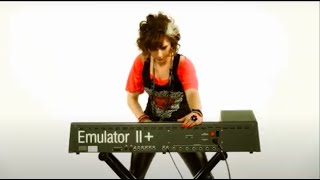
EMU Emulator II - Shining Moments 80's (Pt. 1)

Jason Mysteria
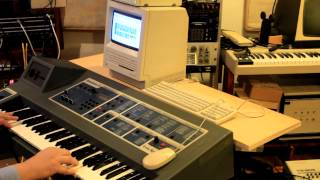
E-mu Emulator II sound demos

SynthMania
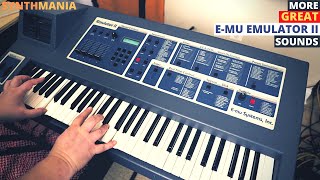
More great E-mu Emulator II sounds
SynthMania
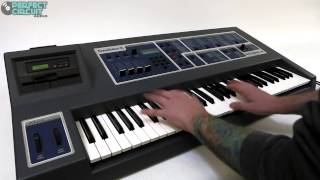
E-Mu Emulator II Classic Sounds Demo (Part 1)

Perfect Circuit
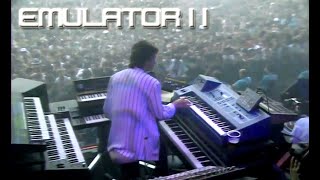
Emu Emulator II - Shining Moments 80's (Pt. 2)
Jason Mysteria
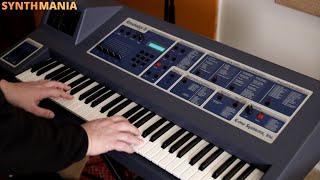
E-mu Emulator II - a few cool sounds
SynthMania
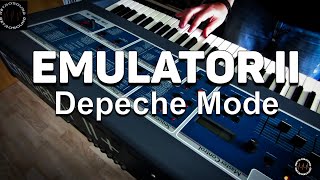
The Sound of Depeche Mode - E-MU Emulator II

RetroSound
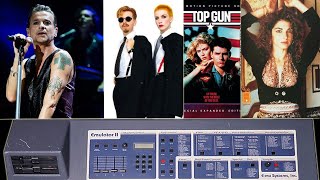
EMU Emulator II - Shining Moments 80's (Pt. 3)
Jason Mysteria
Reviews
Owner Insights
We analyzed real musician discussions from forums and Reddit to find what players love, question, and tweak about E-Mu Emulator II.
Comparisons
-
The Emulator 6400 Ultra offers classic EII and EIII sounds with more memory, polyphony, and support for modern hard drives.
Source -
The Emulator III offers more memory and features but lacks the distinctive sound texture of the Emulator II.
Source -
The MicroGranny sampler and Isla S2400 are potential hardware alternatives for the 8-bit sampling approach, though they may not fully replicate the Emulator II.
Source -
The Mirage and AKAI samplers can sample in 8-bit but lack the distinct "thing" of the Emulator II.
Source -
Several users prefer modern samplers like the Waldorf Quantum MK2 and Nord Wave 2 for better technology and ease of use.
Source
Software and compatibility
User experience
Features and functionality
-
The Emulator II's 12-bit playback of 8-bit samples adds grain and texture, particularly noticeable in lower-pitched samples.
Source -
The Amigo Sampler plugin automatically downsamples to 8-bit and 22kHz, offering a digital approximation of the Emulator II's sound.
Source -
The Emulator II utilized 8-bit companding sampling with SSM analog filters, crucial for its unique sound quality.
Source -
The Emulator II has slow load times and relies on a library of floppy disks.
Source
Use cases and applications
Value and pricing
-
Collectors may find value due to its iconic status and sounds reminiscent of 80s bands like OMD and Depeche Mode.
Source
Critic Reviews
4.5 out of 5
Based on 1 Review and 17 Ratings

367
Sampler
The legend of the samplers! Digital but with analog circuits, it processes the sampled sounds in a different way.
This review has been translated automatically into English. See originalArtist usage
Add artist
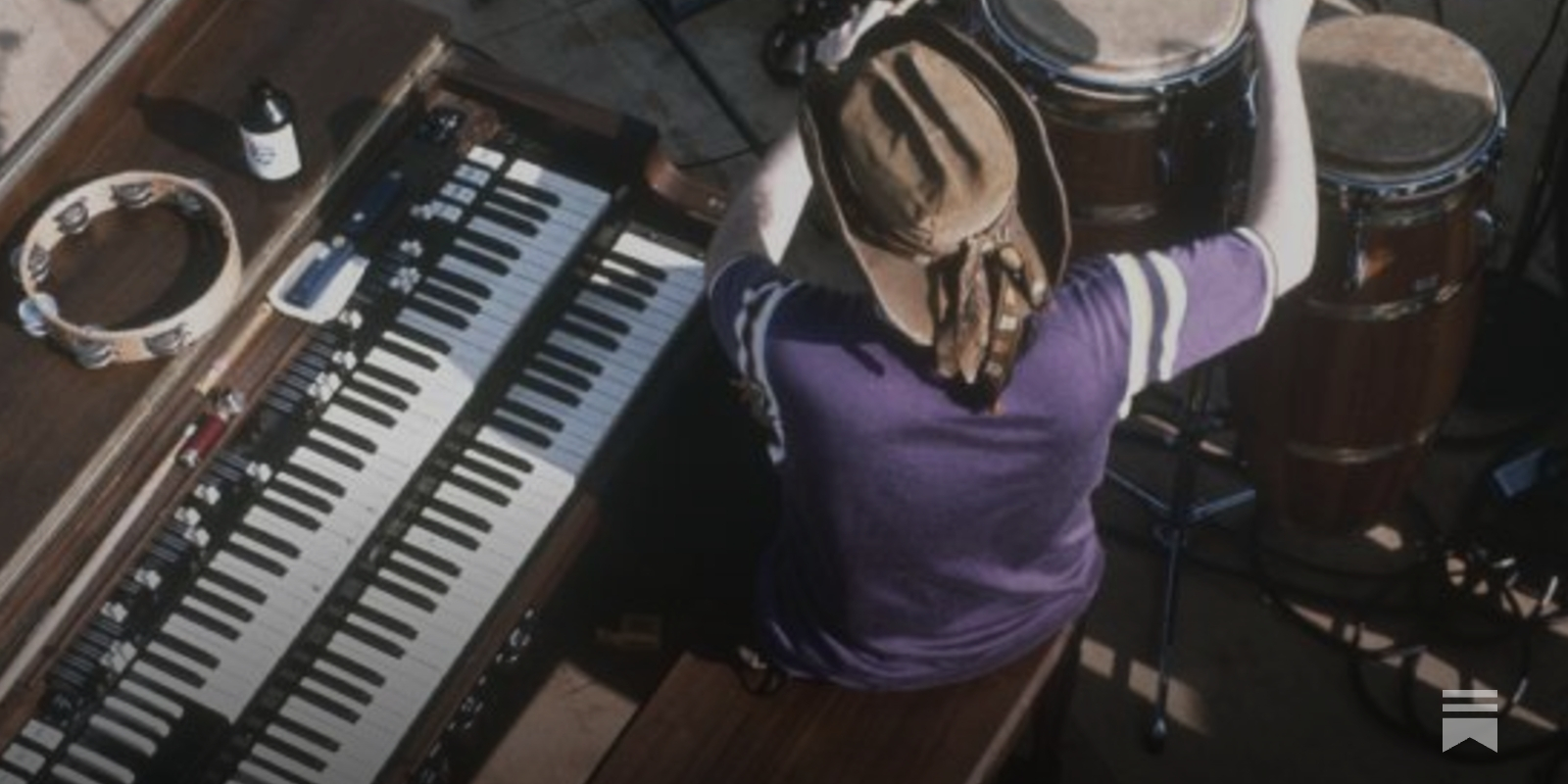
In the mid-1980s, Brent Mydland was seen using the E-Mu Emulator II, as confirmed by an image from Ryan Storm's article "The Grateful Dead Keyboard Rigs - Yes, All of Them." The photo shows the Emulator II alongside a GS-1, with a B3 organ just out of frame and one of the Leslies visible in the background.

In Level 42's 1986 Wembley performance, Mike Lindup can be seen using the E-Mu Emulator II audio sampler.


"Getting back to my live keyboard set-up, I also use an Emulator II, DX7, Jupiter 8 and a Korg CX-3. I do all my own keyboard mixing on stage and just send the PA a stereo mix of my sound because I like to keep control of what's going on. Effects-wise, I use a few digital reverbs and a couple of digital delays, that's all really. I don't use any MIDI facility on the road."

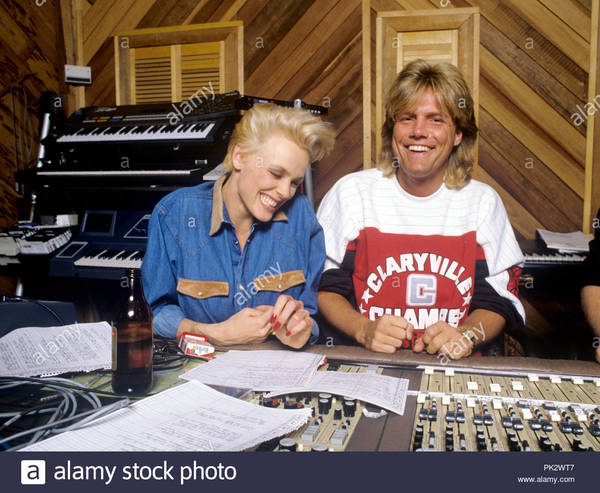
In a user-uploaded photo, Dieter Bohlen is shown with the E-Mu Emulator II, identifiable as the prominent blue synthesizer at the bottom of his equipment rack.


In a video by AnalogSynthMuseum, Paul Hardcastle is shown using the E-Mu Emulator II to create his iconic track "19."


Luke Million uses an Emu Emulator II to play the sitar part in his rendition of Never Ending Story, as seen in this video from his studio.


In this sale of Conny Plank's studio equipment, an Emulator II is visible in image 20.

“We also had the 707 [drum machine beat] and an Emulator 2 sample of a bass sound I made up from a MIDI keyboard. The guitars were Fenders through some old Marshall amps. Jon would have had a Pearl [drum] kit of some sort and [Remo] Roto Toms. He did some cymbals, toms and fill stuff across the drum machine, as well. Garry added a bass part with a Fender Precision bass, and some of the guitar was overdubbed. It was important that the guitar work have the push-pull of people really playing—trying to get that aggression, that edginess, to come out.”


"My studio was called Pi West, and the initial bank of keyboards there when John and I started out working together were the Sequential Circuits Prophet 5 Rev3, a Prophet 10, an early ARP Quadra and two ARP Avatars — one Avatar was integrated with a Sequential Circuits Model 700 programmer — an ARP Sequencer, an Oberheim Four Voice, and an Emulator 1 sampler. I also had the Linn LM1 drum machine, which drove our main arpeggiator, the ARP Sequencer, using clock pulses. I later got an Emulator 2, which became one of our main pieces and had a very musical arpeggiator on its own."


Discussed on this forum post about DiCola's Equipment.


Album Usage
The E-Mu Emulator II has been featured on the following albums:

Pateando Piedras
Los Prisioneros (2016)
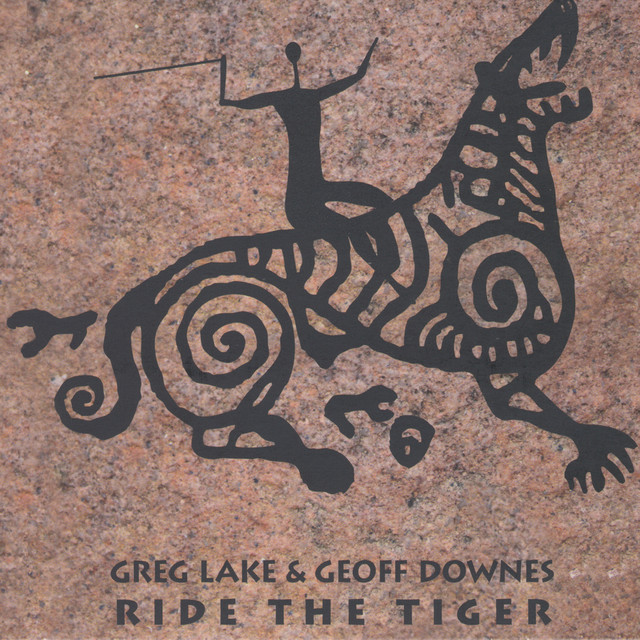
Ride The Tiger
Geoff Downes (2015)
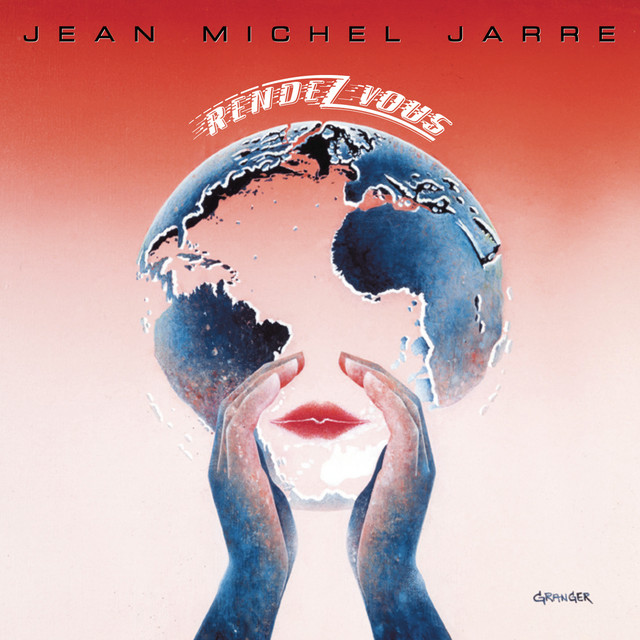
Rendez-Vous
Jean Michel Jarre (2015)
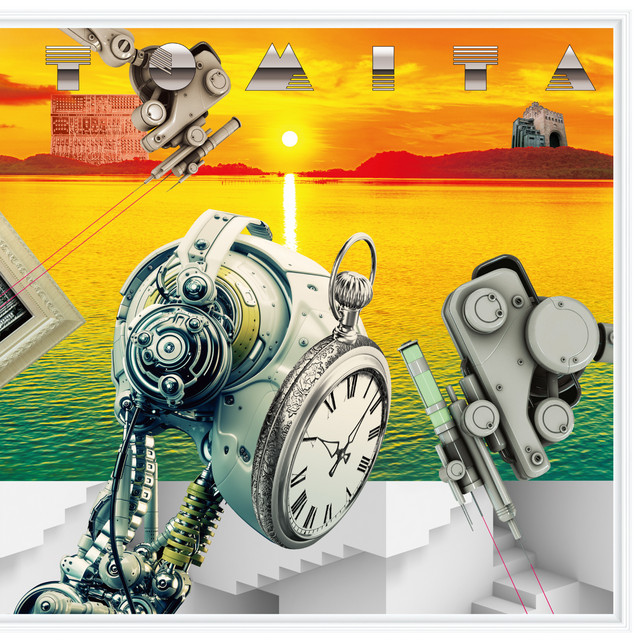
展覧会の絵 ultimate edition
Isao Tomita (2014)
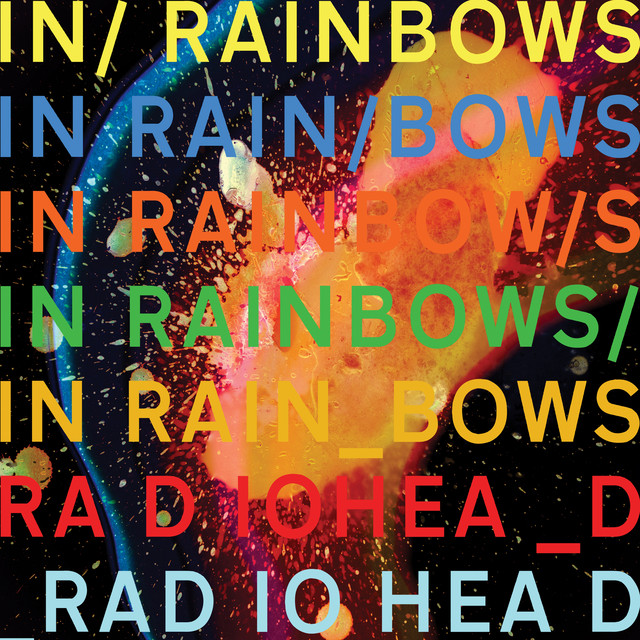
In Rainbows
Radiohead (2007)
Enlighten Me
Masterplan (2002)
Le Roi Est Mort, Vive Le Roi!
Enigma (1996)
Wild Mood Swings
The Cure (1996)
The Cross Of Changes
Enigma (1993)
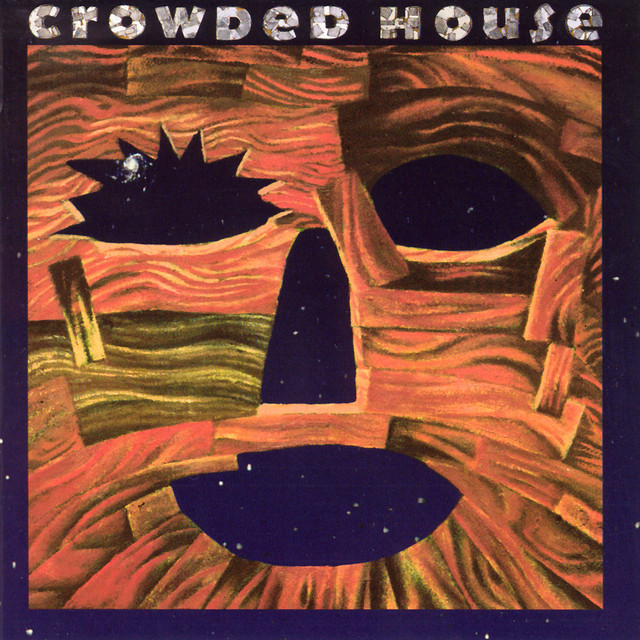
Woodface
Crowded House (1991)
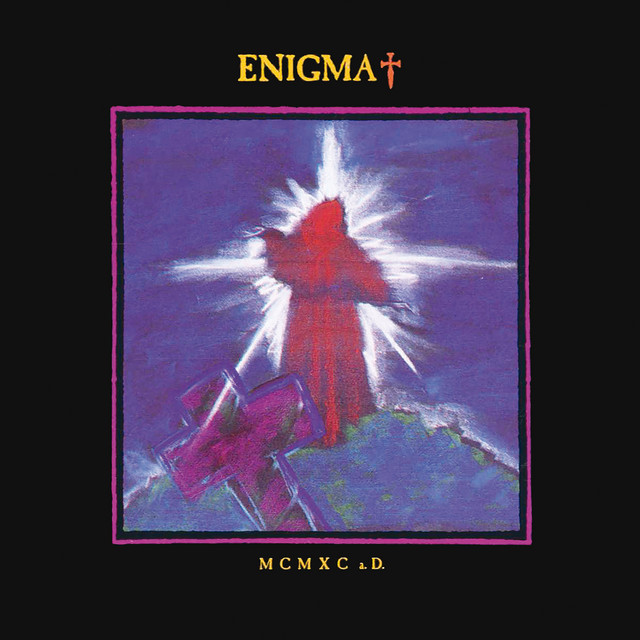
MCMXC a.D.
Enigma (1990)

Corazones
Los Prisioneros (1990)
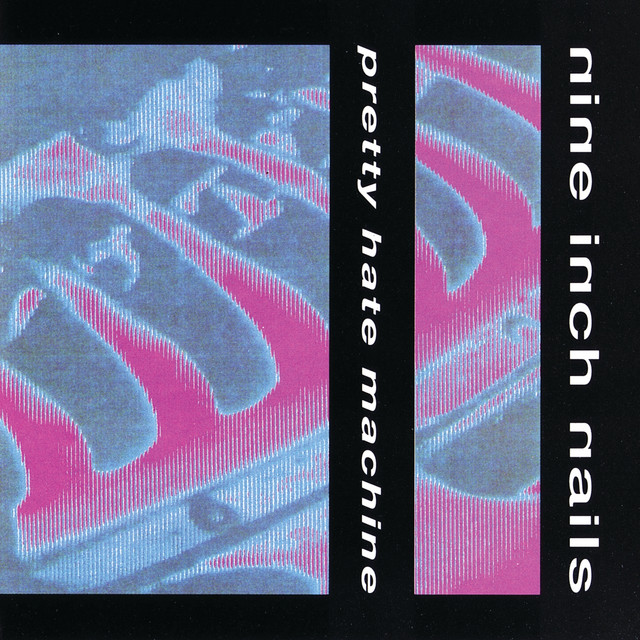
Pretty Hate Machine
Nine Inch Nails (1989)
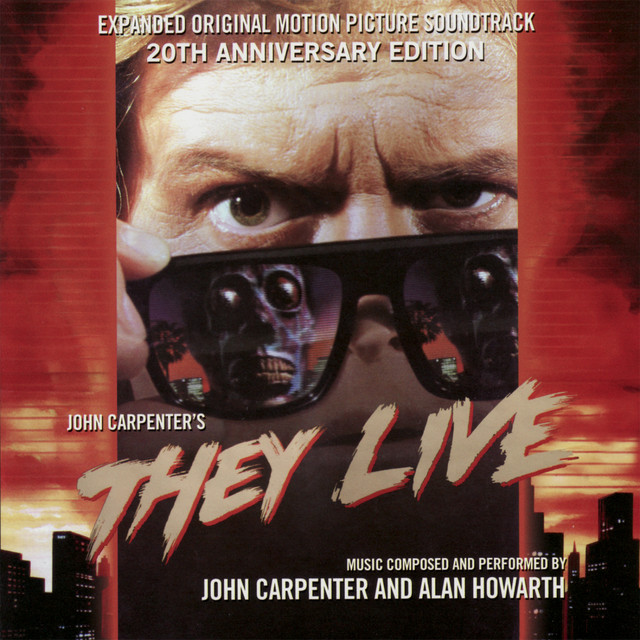
They Live - Expanded Original Motion Picture Soundtrack 20th Anniversary Edition
John Carpenter & Alan Howarth (1989)
The Celts
Enya (1987)
Hall Of The Mountain King
Savatage (1987)
Life As We Know It
REO Speedwagon (1987)
![E-Mu Emulator II as heard on Rage For Order (Remastered) [Expanded Edition] by Queensrÿche (1986)](https://images.equipboard.com/uploads/album/image/46270/rage-for-order-remastered-expanded-edition.jpg)
Rage For Order (Remastered) [Expanded Edition]
Queensrÿche (1986)
Invisible Touch (2007 Remaster)
Genesis (1986)
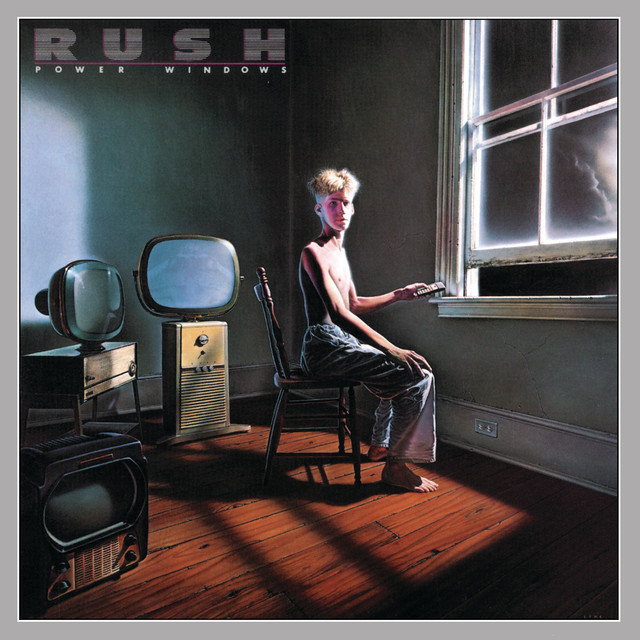
Power Windows
Rush (1985)
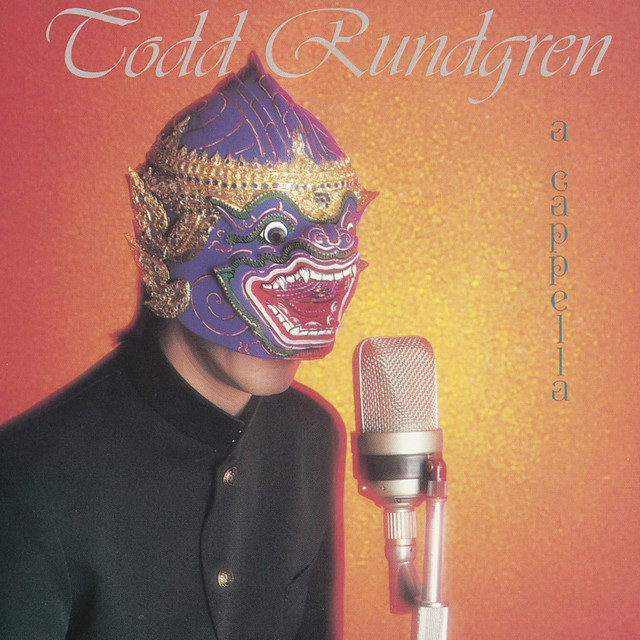
A Cappella
Todd Rundgren (1985)
Genre Usage
Based on how artists on Equipboard use this gear, it is most commonly found in the following genres.
Used With
Based on how musicians on Equipboard use E-Mu Emulator II, it is most commonly used with the following gear.


-s.webp?v=1783318437)



Community setups
Show yours

More E-Mu Synthesizers
-m.webp?v=1783177047)


.jpg?v=1782915672)


$3,283.92 - $3,499.99
in Synthesizers Rank


$469.00 - $699.99
in Synthesizers Rank


$19,535.25
in Synthesizers Rank


$999.00 - $1,084.00
in Synthesizers Rank


Accessories & Related Items
-s.webp?v=1783177047)

Similar


Gear Guides









Most Popular Synthesizers
Most Popular Brands
-
Added to Equipboard on by
 adamdavidson
Gear IQ 266
-


