


Pricing and availability




* Product prices and availability are updated by Equipboard every 24hrs and are subject to change. Equipboard may receive compensation for purchases made at participating retailers linked on this site. This compensation does not affect what products or prices are displayed, or the order of prices listed. For more information, please refer to our affiliate disclosure.
Description
The Lexicon PCM81 is a powerful effects processor that has become a staple in studio recording environments for its exceptional versatility and sound quality. Known for its legendary reverb algorithms, the PCM81 offers a diverse palette of effects that cater to both the subtle and the dramatic. Whether you're looking to add depth to vocals or create lush, atmospheric soundscapes, this unit delivers with precision and clarity.
Packed with a vast array of presets, the PCM81 is designed to meet the needs of both novice and experienced sound engineers. With comprehensive modulation controls, it allows for intricate sound shaping, making it an indispensable tool for any serious musician or producer. Its intuitive user interface ensures that you can easily navigate through the options and customize your sound without being overwhelmed.
The PCM81 features digital I/O, providing seamless integration with modern recording setups. Its robust construction and reliable performance have made it a favorite among professionals who demand consistency and quality in their effects processing gear.
Key Features:
- Legendary reverb algorithms that provide a wide range of ambient effects
- Comprehensive modulation controls for detailed sound shaping
- An extensive library of presets to suit various musical styles
- Digital I/O for seamless integration with contemporary studio setups
- Intuitive user interface for straightforward operation
- Robust construction, ensuring durability and reliability in professional environments
Product specs
| Brand | Lexicon |
| Model | PCM 81 Digital Effects Processor |
| Finish | Black |
| Year | 1990s |
| Categories | Multi-Effect |
FAQs
-
What effects can the Lexicon PCM 81 produce?
-
The Lexicon PCM 81 is known for its high-quality reverb effects and also includes algorithms for creating a variety of effects such as Chamber, Concert Hall, Infinite, Inverse, and Plate, as well as pitch-related effects.
-
How does the Lexicon PCM 81 differ from the PCM 80?
-
The PCM 81 builds upon the PCM 80 by adding AES/EBU Digital I/O, algorithms and presets from the Pitch FX and Vocal Fix Cards, and 24-bit converters for enhanced audio quality.
-
Is the Lexicon PCM 81 suitable for live performance?
-
Yes, the Lexicon PCM 81 is designed for both studio and live performance settings, offering robust effects processing capabilities that can enhance live sound with high-quality reverbs and other effects.
-
What kind of connectivity options does the Lexicon PCM 81 offer?
-
The Lexicon PCM 81 features AES/EBU Digital I/O, which allows for high-quality digital audio connections, making it compatible with professional audio setups.
-
Can the Lexicon PCM 81 be used for vocal effects processing?
-
Yes, the PCM 81 includes algorithms and presets specifically designed for vocal effects, making it an excellent choice for enhancing vocal tracks in both live and studio environments.
Videos

Leon Todd
Lexicon PCM81 - The Chorus+Reverb Algorithm
Lexicon PCM81 - The Chorus+Reverb Algorithm
Leon Todd
Strymon Big Sky vs. Lexicon PCM 81 (Stereo)

DelayDude
Lexicon PCM 81 vs. Eventide H9 Harmonizer - Reverb Comparison
DelayDude
Korg Minilogue + Lexicon PCM81, Sony DPS-V77, & Digitech DSP-256XL

GJC Synths
Lexicon PCM 81 power up sequence - close up screen

MadMrH1
Reviews
PROS
-
Provides a unique 3D sound and depth that stands out in mixes
-
Delivers incredible warmth and richness not easily replicated by software
-
No need for constant updates like with software plugins
-
Offers tactile controls that many musicians prefer over digital interfaces
-
Renowned for its exceptional choruses and reverbs
-
Enhances recordings with a vintage hardware feel
-
Reliable performance that consistently satisfies long-time Lexicon users
CONS
-
Steep learning curve for new users
Owner Insights
We analyzed real musician discussions from forums and Reddit to find what players love, question, and tweak about Lexicon PCM81.
Features and functionality
-
PCM 81 maintains consistent levels when engaging/disengaging effects, unlike MPX models where volume changes with FX blocks.
Source -
PCM80's algorithms, like Chorus+Reverb, offer extensive delay options with a dedicated reverb chip, ensuring no resource sharing with other effects.
Source -
PCM80's surround processor manipulates spatial imagery, creating a dynamic 3D effect not available in the MPX models.
Source -
The PCM 81 can be customized to achieve a ping pong delay effect by editing existing presets and adjusting parameters specifically for delays.
Source -
Capable of producing early reflections reverb, the PCM 81's reverb capabilities are noted as "overkill" for simple effects needs, implying high versatility.
Source
Comparisons
-
PCM 81 offers more versatility and power than MPX G2, especially with expansion cards, making it preferable for users seeking a robust effects processor.
Source -
The PCM80's reverb modulation surpasses the MPX's, offering a unique, expansive sound that can't be replicated by feeding a chorus into reverb.
Source -
The MPX-G2 provides modular algorithm structures allowing effects before amp, which PCM80 can't achieve, making it suitable for live setups with 4-cable method.
Source
Setup and maintenance
-
Replacing a faulty RAM chip improved functionality, showcasing the importance of checking hardware components for optimal performance.
Source -
PCM80's flanger capabilities are praised for emulating classic sounds, like Alex Lifeson's, with detailed LFO-to-delay patching for diverse audio effects.
Source
User experience
Value and pricing
-
A PCM 81 purchased for $400 is considered an exceptional deal, as these units typically cost around $700.
Source
Use cases and applications
Critic Reviews
5.0 out of 5
Based on 1 Review and 3 Ratings

Artist usage
Add artist
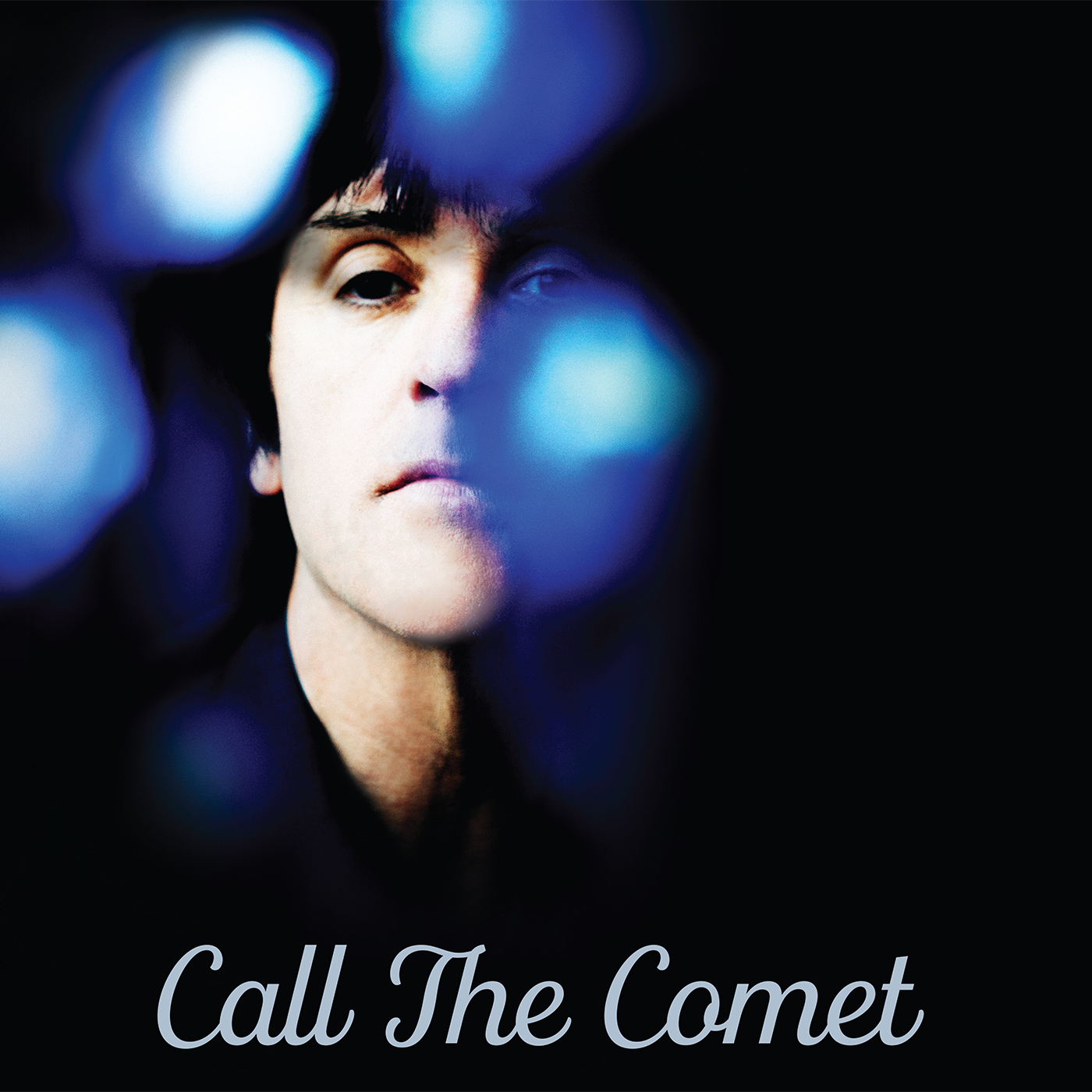
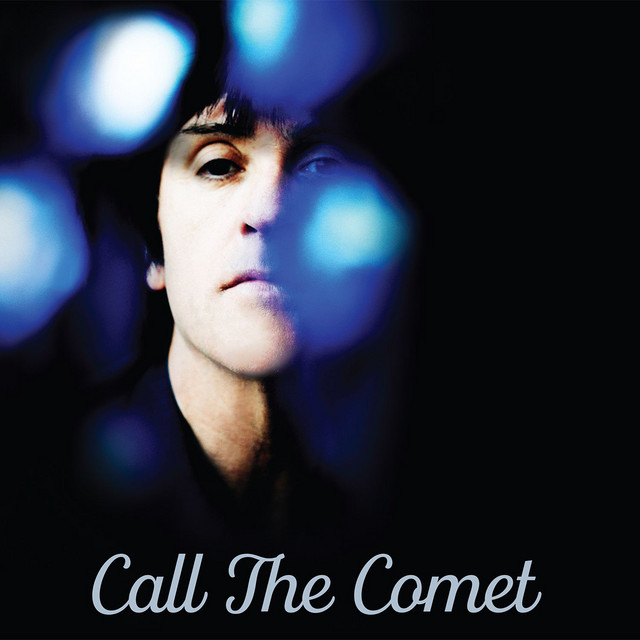
This article on the making of Marr's 2018 Call the Comet album by MixOnline.com touches on some of the gear used during the recording process. "'There is hardly any processing on the guitars, maybe a little cut if too bright or boost if too dull, and a highpass filter,' says Doviak. 'Sometimes the guitar sound is thickened with an Eventide H3000 or Lexicon PCM81 guitar doubler effect, which I run as an insert or auxiliary channel in Pro Tools. But nearly all the guitar sounds and effects on Call the Comet come straight from the pedals and amps. The instant feedback and imperfections can be more difficult and slower to reproduce in the plug-in world.'" (While the engineer is providing this feedback, the gear is housed in Marr's own Crazy Face studios, which contains gear he's collected over his decades in the music industry.)


You can see John's whole rack on this forum


Used for Albarn’s vocals on the Escape to Plastic Beach Tour, as stated by Albarn’s longtime FOH engineer Matt Butcher in this July 15, 2019 article by Entec Sound and Light.
“There are quite a few echo and delay cues, especially on Damon’s voice. I have an outboard rack with a TC D2 and a couple of Lexicon PCM81s in it, plus I’m using some of the internal effects for reverbs and delay for snare drums.
“When I was using a Midas Heritage on the first shows we did, I’d mess around with the tone generator and echo, along with guitar pedals to get some weird lo-fi effects. It was all very analogue and suited what we were doing and I’ve tried it with the D5, but I don’t really have as much time to play with these days!”


Mentioned by mixing engineer Michael Brauer as being used on "Violet Hill" in this Sound on Sound interview about the production of Viva la Vida & Death and All of His Friends.
Vocals: Waves Renaissance & Digidesign de–essers, AMS reverb, Zoom 1202, Lexicon PCM81, Watkins Copicat, Empirical Labs Distressor, Federal, Gates, Fairchild 666, EAR 660, Neve 1176 & Awa G7201 compressors
"I used two Renaissance de–essers on Chris's voice that were doing different things, and then a stock Digidesign de-esser. That was it for the plug–ins I added on this session. The Sonnox Oxford and the Eoisis were not out yet at the time.
"The analogue things I did on the lead vocal are really interesting. As I said, I initially mixed the songs on my own, because the band was in England re–recording some songs, so I knew I might have to recall each song. But on this song I pretty much nailed it, apart from that Chris wanted the vocals to be more exciting and different. In the end the vocal had some AMS non–linear reverb on it, while the main sound came from an old Zoom 1202 reverb and a Watkins Copicat delay, plus a special patch that I created in the PCM81, which is a much bigger reverb. So it's a combination of things, but you don't really notice them, all you notice is that Chris is in a very present, big room. When I had found that combination 'Violet Hill' really became a song, it really came alive, because his voice was able to fight through all the stuff that was going on and make it personable. There's no reverb on the rest of the track, which is another reason why the lead vocal sounds so huge: it's not fighting another bunch of reverbs. If you send everything to reverb, you don't hear it, but if you send only one thing to reverb, it'll be huge.
"For the main part of the song I had a Distressor on the insert of the lead vocal, and I sent this to another five compressors: the Federal, the Gates, the Fairchild 666, the Neve 1176 and another Distressor in Nuke mode. They're all coming back individually on the board, and it was a matter of blending those compressors. As usual in my way of working, the compressors are there to give attitude and tone, and don't necessarily compress. For the end bit of the song, where it's just Chris and the piano, I used the Awa G7201 limiter/compressor. It's an Australian compressor and it has an incredible air and presence. It's a unique sound that you can clearly hear at the end, as it's the only effect on the vocal on that point. Finally, the church group background vocals are sent to the same combination of reverbs as the main vocals. No other effects, no EQ. It means that all the vocals in the main section blend together."

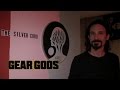
At 2:52 in this video, Joe Duplantier's studio gear is shown to consist of a Lexicon PCM81 rackmount unit.


A pair of Lexicon PCM81 units can be seen in a chart depicting Yasunori's studio circa 2002.

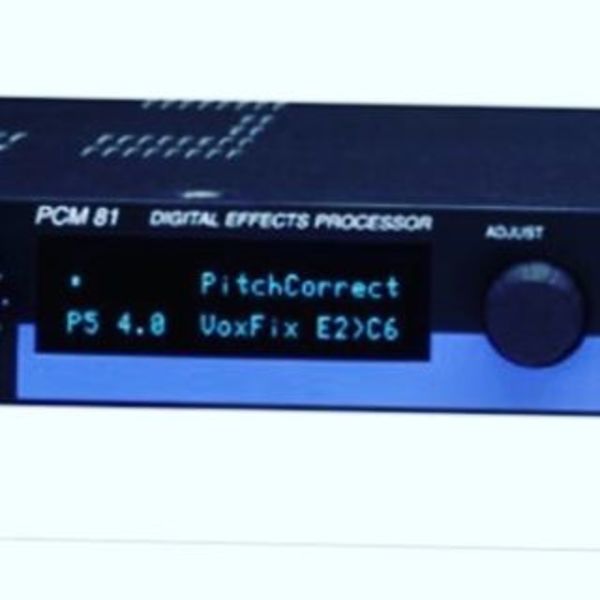
Henrik Danhage showcases his Lexicon PCM81 effects processor in a detailed Instagram post, where he discusses and demonstrates its capabilities.


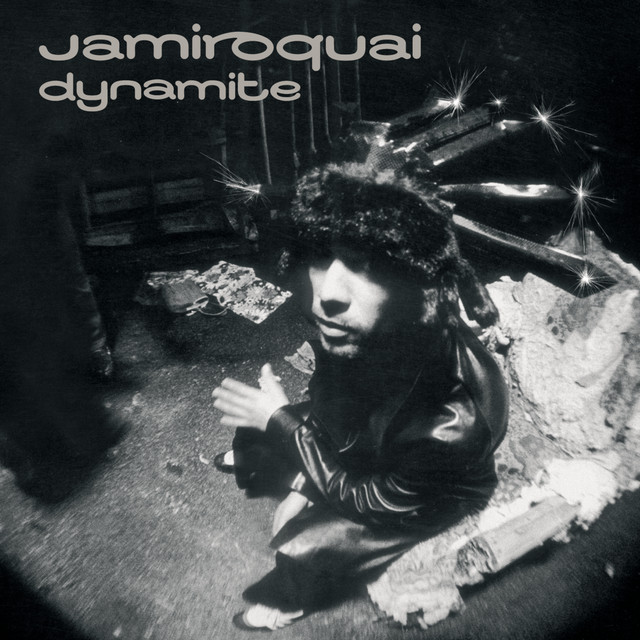
Used for vocals on the Dynamite tour, as stated by mix engineer Rick Pope in this January 1, 2006 Mix Online interview.
Despite reservations, Pope mixes the show sans feedback on a Yamaha PM1D Version 2 digital system, and records both shows to Kay’s Pro Tools rig, which he bought when the band began work on Dynamite. “We’ve been recording every show since 1999, so we have about 250 shows on either DA-88 or Pro Tools,” says Pope. “Most of them we may never even listen to, but Jay likes to have them on file.”
Pope mixes Kay’s vocals, which are sung through a Sennheiser 935 wireless mic, through a Manley VoxBox and an Eventide H3000. Save for an occasional nod to a Lexicon PCM81 or 91, all other processing comes through the Yamaha desk.
By the time of this Britannia Row article from the Automaton tour, Pope had retired the Dynamite-era setup in favor of a Yamaha PM10.
"For Jamiroquai, everyone knows Jay Kay drives a Ferrari. He’s my boss and this is the Ferrari of desks. But consider this, I used to use a TC6000 off board, a Manley Vox Box and an H3000 – they’re expensive bits of kit. Not anymore. The on-board processing and effects are as good or better than anything else out there.”


He talks about his outboard gear at 2:16 in his studio tech talk.
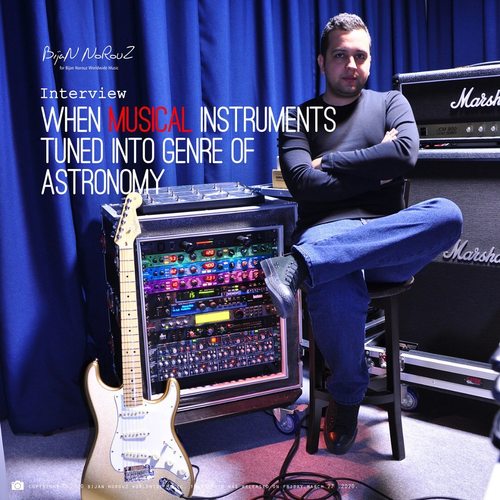
I also have a couple analogue effects of course. Like the Lexicon 480L, or a PCM 81


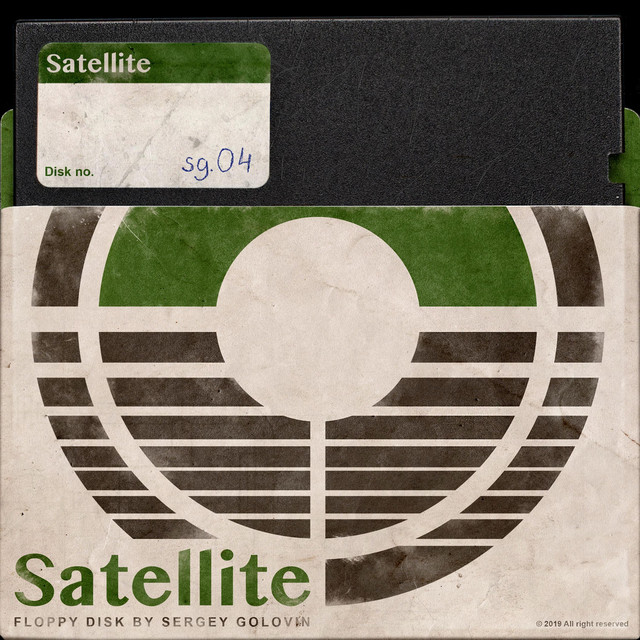
In this video, Sergey mentions that he used a variety of studio gear as well as guitar amplifiers for his album "Satellite:"
-Eventide H3000 -Roland SDE3000 -Synergy Friedman HBE Module -Synergy SYN-1 -Marshall Silver Jubilee -Custom Audio Amplification PT100 -Gibson Les Paul -Lexicon PCM80 -st.Rock React:IR -Mesa Boogie Mark V -Synergy Metro Plex -MXR/CAE Line Driver Booster -Marshall Plexi MkII -Universal Audio Apollo 8 -Zilla 2x12 cabinet with Celestion Vintage 30's and Creamback's -Shure SM57 -Model D Synth -Oberheim OB-Xa

Lexicon effects processor used by Ethan/Echo Us since 2019.


Album Usage
The Lexicon PCM81 has been featured on the following albums:


Genre Usage
Based on how artists on Equipboard use this gear, it is most commonly found in the following genres.
Used With
Based on how musicians on Equipboard use Lexicon PCM81, it is most commonly used with the following gear.



-s.webp?v=1784559423)

-s.webp?v=1784545472)


Community setups
Show yours

Similar
Add recommendation1 alternative for Lexicon PCM81, curated by the Equipboard community.

$2,095.00 - $2,445.37
Lexicon PCM92 is a repackaged version of the PCM80/81 series that remasters the effects into a more modern package. However, those who are looking to program the PCM92 will be on their own due to lack of tutorials or users who specialize in using PCM92.
More Lexicon Effects Processors

$894.83 - $1,799.95
in Effects Processors Rank


$163.65
in Effects Processors Rank


$66.00
in Effects Processors Rank


in Effects Processors Rank


$3,411.45
in Effects Processors Rank


$1,799.99
in Effects Processors Rank


$226.69 - $1,016.83
in Effects Processors Rank


-m.webp?v=1784333964)


-m.webp?v=1784387206)


-m.webp?v=1784386698)


$1,093.69 - $4,120.00


Accessories & Related Items


Most Popular Effects Processors
Most Popular Brands
-
Added to Equipboard on by
 fecka
feckaGearIQ 146
-


